
2027 Best Psychology Degree Programs Ranking in Lincoln

Co-Founder and Chief Data Scientist
Choosing the right psychology degree program can feel overwhelming, especially in Lincoln's growing education landscape. This article presents the 2027 Best Psychology Degree Programs Ranking in Lincoln, developed by the Research.com team of data scientists. It offers clear, data-driven insights to support your decision-making.
Exploring these programs will open doors to meaningful careers helping others and understanding human behavior. Whether you seek personal growth or professional success, the right psychology degree is a valuable step forward. Dive in to discover programs that truly stand out for you.
Key benefits of getting psychology degree in Lincoln
- A psychology degree in Lincoln opens doors to well-paying roles such as Human Resources Specialist, earning an average of $76,060 annually, or Marketing Research Analyst, with a mean annual wage of $83,190.
- Graduates from local universities often find diverse career paths including clinical research, child development, and survey research, offering rewarding opportunities to help others and grow professionally.
- Online psychology degrees in Lincoln provide flexible learning schedules, allowing students to balance work and study while gaining the same valuable skills as traditional programs, perfect for busy individuals.
- 2027 Best Psychology Degree Programs Ranking in Lincoln
- What can I expect from psychology degree in Lincoln?
- Where can I work with psychology degree in Lincoln?
What can I expect from psychology degree in Lincoln?
When considering the cost of a psychology degree in Lincoln, students often find that public universities offer more affordable options, especially for in-state residents. Graduates from the University of Nebraska-Lincoln frequently share how the reasonable tuition allowed them to focus deeply on their studies without overwhelming financial stress. For many, this meant access to valuable resources like faculty mentorship and hands-on research opportunities without the burden of excessive debt.
Private colleges in Lincoln, while sometimes more costly, often provide scholarships and financial aid specifically for psychology students. These supports helped several graduates manage costs effectively, making their educational journey more accessible and rewarding. The availability of transfer credits or combined majors also contributes to flexible, cost-conscious paths through psychology programs.
Ultimately, prospective students in Lincoln should weigh tuition expenses alongside the potential for scholarships and support services, recognizing that a well-chosen program can balance quality education with manageable costs.
Where can I work with psychology degree in Lincoln?
Graduates from psychology programs at institutions like the University of Nebraska-Lincoln often find themselves welcomed into a variety of rewarding careers right in their hometown. Many recall hands-on experiences interning at Bryan Medical Center or CHI Health St. Elizabeth, where they assisted licensed counselors and therapists, gaining practical skills while making a real impact on patients' lives. These roles in healthcare provide a meaningful way to apply classroom knowledge each day.
Others have shared how their school psychology certification opened doors within Lincoln Public Schools, working directly with children to support their emotional and educational growth. The chance to foster a safer, more supportive school environment is both challenging and deeply fulfilling.
Social service agencies, such as the Center for People in Need, offer another pathway, where graduates use their psychology background to aid vulnerable communities through behavioral intervention and outreach. Even those with just a bachelor's degree have found meaningful roles in research or administrative positions, helping shape programs that improve mental health at a systemic level.
Graduates often express a strong sense of purpose working in Lincoln's psychology-related fields, buoyed by the city's steady demand for mental health professionals and the opportunity to see their efforts transform lives firsthand.
Graduates with a psychology degree from popular institutions in Lincoln, such as the University of Nebraska-Lincoln, often find that their earnings reflect both the region's economic conditions and their chosen career path. Entry-level roles like research assistants or human resources specialists typically offer salaries around $35,000 to $45,000 initially, aligning with the local averages. For example, a human resources specialist's mean annual wage stands at about $76,060, providing a clear step up as experience grows.
Graduates taking positions similar to clinical research associates or survey researchers can expect salaries near $62,370 annually. These roles often serve as valuable stepping stones while pursuing further licensure or specialization. Many graduates recall how working in these roles allowed them to gain firsthand experience, building their confidence and enhancing their prospects.
Marketing research analyst roles, offering a mean wage of $83,190, represent another promising avenue for psychology graduates, especially those who enjoy data-driven challenges. Such opportunities in Lincoln foster a positive outlook, reminding new graduates that with dedication and skill, rewarding salaries are attainable in this community.
- The average annual tuition for in-state students at the University of Nebraska-Lincoln is about $10,000, while out-of-state students pay around $27,000.
- Additional costs to consider include fees, books, and living expenses, which affect the total cost of obtaining a psychology degree.
- Entry-level psychology professionals in Lincoln earn an average salary of approximately $43,000 per year.
- With advanced degrees and experience, psychology graduates can earn over $70,000 annually.
- The job market for psychologists in Lincoln is expected to grow by about 8% over the next decade, which is faster than average for all occupations.
- Internship and research opportunities are available through university programs to help students gain practical experience.
Completing a psychology degree in Lincoln typically takes time that aligns well with national standards, offering a clear path for students at institutions like the University of Nebraska-Lincoln. Many graduates recall that their bachelor's journey spanned about four years of steady study, balancing 15 credit hours each semester with hands-on courses covering developmental and cognitive psychology. This pace allowed them to absorb foundational knowledge without overwhelming themselves.
For those who chose to continue their education locally, completing a master's degree added roughly two more years. Graduates often found this period rich with research opportunities and practical internships, making every extra semester feel rewarding rather than just a time investment. Some pursued part-time study to juggle work and family, appreciating the flexibility Lincoln's programs provide.
Doctoral candidates in Lincoln embraced the challenge of a five- to seven-year commitment beyond their bachelor's degree. They navigated a mix of coursework, clinical training, and dissertation research, often reflecting on the priceless experience gained through this deep dive into psychology's complexities. Lincoln's supportive academic environment made this demanding path both manageable and fulfilling for many.
To make an informed decision about which psychology program to attend in Lincoln, NE, it's essential to consider several factors, including the program's accreditation, degree options, specializations, and practical experience opportunities. Prospective students can start by researching the program's reputation and outcomes, such as graduation rates and job placement statistics. They should also look into the program's format, including online or hybrid options, and the support services offered, such as academic advising and career counseling. Additionally, students can explore the types of specializations available, including clinical health psychology, rehabilitation psychology, and school psychology, to determine which aligns best with their career goals. For those interested in attending an affordable psychology school in Nebraska, it's crucial to weigh the costs and benefits of each program, considering factors such as tuition, fees, and financial aid opportunities. By carefully evaluating these factors, prospective students can choose a psychology program that meets their needs and sets them up for success in their future careers.
Choosing between online and on-campus psychology degrees in Lincoln often comes down to how you envision your learning journey. Graduates from the University of Nebraska-Lincoln recall the energy of face-to-face classes, where engaging directly with professors and peers in campus labs enriched their understanding beyond textbooks. The chance to participate in hands-on research and community internships created not only skills but lasting connections that bolstered their careers.
By contrast, those who pursued online programs appreciated the freedom to study around work and family schedules. Flexibility was a key advantage, as virtual lectures and digital discussions allowed learning at any hour. Yet, these graduates often mention the extra effort needed to secure local internships independently, which requires initiative but also fosters self-discipline and resourcefulness.
Both paths offer solid foundations for psychology careers in Lincoln, but the on-campus experience tends to foster richer networking and direct access to campus resources. Online study shines for those valuing adaptability without compromising accredited, quality education.
To practice as a psychologist or mental health professional in Nebraska, graduates must navigate state-specific licensure steps that ensure both quality of care and public safety. First, candidates must earn a master’s or doctoral degree in psychology from a program accredited by the American Psychological Association (APA). Accredited coursework and supervised practicum hours lay the groundwork for licensure eligibility. Next, applicants complete at least 2,000 hours of post-degree supervised experience under a licensed psychologist’s supervision, documenting competencies in assessment, diagnosis, and intervention. Upon meeting educational and experience requirements, candidates must pass the Examination for Professional Practice in Psychology (EPPP) administered by the Association of State and Provincial Psychology Boards (ASPPB). Some Nebraska boards also require a state jurisprudence exam covering local statutes and ethical codes. Once examinations are passed, professionals apply to the Nebraska Department of Health and Human Services for the Licensed Psychologist (LP) credential. Renewal occurs biennially and mandates 40 hours of continuing education, with at least 6 hours in ethics. Those interested in counseling roles may pursue the Licensed Mental Health Practitioner (LMHP) or Licensed Professional Counselor (LPC) designations, which have similar but distinct supervised-hour requirements and examinations. For candidates balancing work and study, it’s wise to explore affordable, APA-accredited master’s pathways-our guide to the Cheapest Online Master’s in Psychology Degree Programs highlights cost-effective options that align with Nebraska’s licensure standards.
The average cost of a psychology degree in Lincoln, particularly at the University of Nebraska-Lincoln, has proven to be a manageable investment for many students. Graduates often recall balancing their educational expenses with part-time work and scholarships, highlighting that the median in-state total cost of approximately $10,434 makes pursuing a psychology degree tuition and fees Lincoln NE very accessible compared to private institutions. This affordability has enabled many local students to focus more on their studies and less on financial stress.
Out-of-state students, while facing higher fees, often find that the quality of education and resources at prominent psychology programs in Lincoln justify the expense. Those pursuing graduate degrees typically see an increase in costs, yet these advanced studies open doors to specialized careers that graduates remember as worthwhile. Additionally, living costs such as room and board shape the overall financial picture but are often supported by practical budgeting skills and university resources.
Students looking for an affordable psychology school in Nebraska often share positive experiences about leveraging scholarships and assistantships, which soften the impact of tuition. Many find these opportunities through programs connected to UNL and other local institutions. For anyone weighing the average cost of psychology degree in Lincoln, the combination of reasonable tuition, supportive financial aid, and campus life create a fulfilling educational journey that resonates well beyond graduation.
Before entering independent practice, graduates must navigate Nebraska’s licensure pathways, ensuring both academic credentials and supervised experience align with state standards. 1. Accredited Degree Completion • Earn a master’s or doctoral degree in psychology from a program accredited by the American Psychological Association (APA) or a counseling degree from a Council for Accreditation of Counseling and Related Educational Programs (CACREP–accredited) institution. For students seeking cost-effective graduate pathways, exploring the Cheapest Online Master's in Psychology Degree Programs can be an excellent starting point. 2. Supervised Clinical Experience • Psychologists: Accumulate at least 1,500–3,000 hours of supervised practicum and internship work, including a minimum of 1,000 post-doctoral hours under a licensed psychologist. • Professional Counselors (LPC): Complete 3,000 hours of supervised clinical practice over no fewer than two years, with direct client contact and supervision by an LPC-S (supervisor). 3. Examination Requirements • Psychologists: Pass the Examination for Professional Practice in Psychology (EPPP) administered by the Association of State and Provincial Psychology Boards (ASPPB). • Counselors: Pass the National Counselor Examination (NCE) or the National Clinical Mental Health Counseling Examination (NCMHCE) offered by the National Board for Certified Counselors (NBCC). 4. State Board Application • Submit official transcripts, verification of supervised hours, exam scores, a background check, and application fees to the Nebraska Department of Health and Human Services – Behavioral Health Licensure Unit. • Typical processing takes 4–6 weeks; provisional licenses may allow practice under supervision while full credentials are finalized. 5. Continuing Education & Renewal • Maintain licensure with a biennial renewal, completing at least 40 hours of approved continuing education (CE) courses every two years, including ethics and diversity training. Understanding these licensure milestones empowers graduates to transition from academic success to professional practice, ensuring compliance with Nebraska’s rigorous standards for safe and effective psychological services.
Financial aid for psychology students in Lincoln often becomes the cornerstone of their academic journey. Graduates from the University of Nebraska-Lincoln, for instance, frequently reflect on how Pell Grants eased the burden of tuition during challenging financial times. These grants, which do not require repayment, can provide up to $7,395 annually, making a tangible difference for many pursuing their degrees.
Federal student loans supplement these grants, giving students the flexibility to cover costs upfront, though graduates wisely remind newcomers to consider repayment plans carefully. Applying through FAFSA is a critical first step to tap into these resources, and early preparation can maximize eligibility.
State-level aid like the Nebraska Advantage Grant offers an additional lifeline for in-state students demonstrating need, a benefit echoed by psychology students balancing academics and finances. Scholarships provided by Lincoln institutions reward both academic excellence and dedication to psychology research or community service, often inspiring students to engage more deeply in their field.
Beyond grants and scholarships, work-study opportunities on campus help students gain invaluable experience in psychology while supporting themselves financially-these roles often become stepping stones to careers. Private scholarships from mental health organizations further supplement aid, reflecting a community committed to nurturing future psychologists in Lincoln.
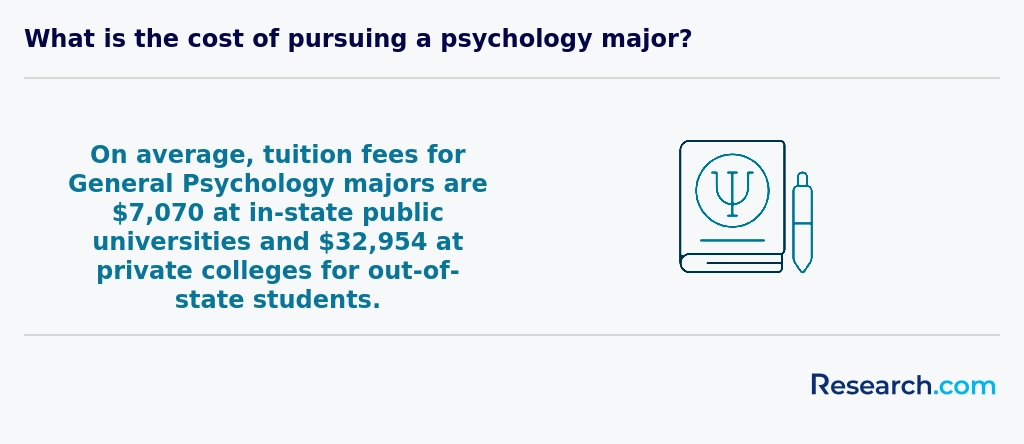
Prospective students in Lincoln, NE, often prioritize value when selecting a psychology program. Understanding which institutions offer robust curricula at lower tuition rates can significantly reduce debt burdens and improve long-term financial outcomes. Below is a comparative look at some of the most budget-friendly options, including both on-campus and online pathways: • University of Nebraska–Lincoln (UNL): In-state tuition averages $7,070 per year, making UNL one of the most economical choices for residents. The program benefits from state funding and a strong alumni network that eases internship placements. • Doane University: Private tuition runs higher at around $27,000 annually, but generous scholarship packages and need-based aid can offset up to 50% of costs for qualifying students. • Nebraska Wesleyan University: With annual tuition near $30,000, the real value comes from small class sizes and high faculty-to-student ratios, which maximize hands-on learning and research opportunities. • Online Master’s Options: For working professionals, accredited online programs can offer even greater savings. For those exploring the most cost-effective paths, our list of cheapest psychology masters programs offers valuable insights into low-tuition, accredited online options. Carefully comparing these programs’ tuition structures, financial aid packages, and delivery formats will empower students to secure a quality psychology education without overspending.
To enroll in a psychology degree program in Lincoln, the first step is securing a high school diploma or its equivalent, such as a GED. Graduates from local schools often recall how building a solid foundation in core subjects like English, math, biology, and social sciences prepared them well for university coursework, especially at prominent institutions such as the University of Nebraska-Lincoln.
Many found that excelling in biology helped them appreciate the biological basis of behavior, which is vital in psychology studies. Similarly, strong English skills enabled clear writing and effective communication-key elements in psychology assignments and research papers.
In addition, standardized tests like the SAT or ACT remain important for some schools, despite varying requirements. Past students describe how submitting their scores added strength to their applications even when not strictly mandatory. Letters of recommendation and a heartfelt personal statement also played crucial roles by reflecting their genuine passion and readiness for the field.
Some programs encourage introductory psychology or statistics coursework before starting, easing the transition into degree-level study. These prerequisites collectively ensure prospective students in Lincoln are well-equipped to thrive and embrace the rewarding challenges of psychology.

For many psychology graduates and current students in Lincoln, NE, the next step after earning a degree is to consider further education and specialized certifications that can open additional career opportunities. Pursuing an advanced certification or a bridge program can provide expertise in emerging areas like neuropsychology, forensic psychology, or behavioral analysis. As the psychology field continuously evolves with innovative research and practical applications, acquiring additional credentials not only enhances your professional profile but also equips you with the latest skills demanded by employers. One popular option is exploring programs that offer accelerated pathways, such as an online accelerated psychology degree. Such programs are designed to speed up learning without compromising quality, making them ideal for those eager to gain advanced knowledge and enter competitive roles sooner. Many institutions now offer flexible learning formats and certification courses that cover essential areas like ethical practice, advanced research methods, and emerging trends in mental health care. Furthermore, speaking with academic advisors and reviewing alumni success stories can help you understand how additional certifications have propelled careers in counseling, academic research, or corporate sectors. By taking advantage of these educational opportunities, you create a continuous learning journey that not only prepares you for future challenges but also positions you as a leader in the evolving psychology landscape.
Psychology degrees in Lincoln typically immerse students in a range of courses that balance theory with practical skills, creating a rich learning experience. Graduates from popular institutions like the University of Nebraska-Lincoln often recall how foundational classes-such as developmental, cognitive, and social psychology-helped them understand human behavior in everyday life, from childhood growth patterns observed in family settings to social dynamics seen on campus.
Research methods and statistics courses also stand out as vital. Many alumni describe the initial challenge of mastering data analysis as rewarding when they later applied these skills in hands-on research projects within well-equipped labs at their schools. This ability to design experiments and interpret findings provided a solid footing for clinical work or graduate study.
Courses in abnormal and biological psychology deepen understanding of mental health issues, making classroom discussions feel relevant to community experiences. Applied psychology classes, including industrial-organizational and health psychology, allow students to explore career paths aligned with their passions, often through local internships that connect theory to real-world impact.
Students pursuing a psychology degree in Lincoln often find rich opportunities to specialize in areas that resonate deeply with their passions and career aspirations. Graduates from the University of Nebraska-Lincoln frequently reflect on how focusing on clinical psychology helped them develop empathy and skills critical for supporting mental health, while others found developmental psychology illuminating as they studied human growth across different life stages. These specializations are supported by the city's programs, which tailor experiences to cultivate expertise in both theory and practice, grounded in real-life contexts.
Exploring cognitive psychology in Lincoln reveals how mental processes influence everyday decisions, a satisfaction many graduates mention when applying their knowledge to tech or educational settings. Social psychology offers insights into human interaction, often sparking enthusiasm from students fascinated by group behaviors and social dynamics. For those drawn to workplace wellness, industrial-organizational psychology provides practical tools to boost productivity and morale-gleaning from cases in local businesses and organizations.
Delving into Lincoln psychology programs with specialization options lets students navigate career paths thoughtfully, supported by accessible tuition and campus resources. Those seeking flexible pacing might consider an online accelerated psychology degree to complement their busy lives while mastering these vital disciplines.
Choosing the best psychology degree programs in Lincoln means looking beyond rankings to what truly matters: program quality and fit. Graduates from local universities often highlight the value of attending institutions with strong accreditation and faculty who are actively involved in research and clinical practice. This hands-on approach helps bridge theory with real-world application, especially when Lincoln schools offer internships at nearby clinics and counseling centers. It's reassuring to hear how these opportunities enriched their learning and boosted their confidence when starting careers.
Another key consideration is cost. Affordable psychology degrees Lincoln Nebraska offer make it easier for students to focus on studies without overwhelming debt, a common concern shared by many. Exploring financial aid and scholarships specific to psychology can significantly reduce expenses. For those aiming at graduate study, some find it helpful to first compare options including the cheapest psychology masters programs to plan ahead.
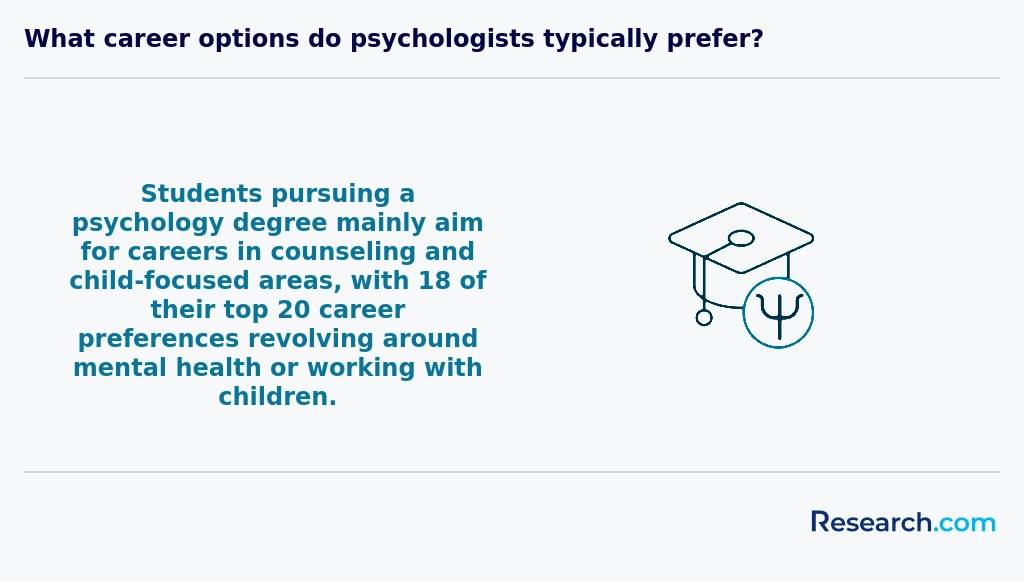
A psychology degree in Lincoln unlocks diverse career opportunities that inspire graduates to apply their knowledge in meaningful ways. Many find their passion in clinical settings, where they assess and support mental health in communities. Graduates from well-regarded Lincoln colleges often reflect on their internships in local counseling centers, appreciating how these experiences prepared them for advanced degrees required for licensed clinical psychology roles. For those exploring job opportunities with psychology degree Lincoln NE offers, social work and human services provide fulfilling avenues to help individuals in need, leveraging coursework in counseling theories gained during their studies.
Others discover the appeal of business-related positions such as human resources or organizational development, where understanding human behavior transforms workplace culture. These roles are abundant in Lincoln's expanding economy, making practical application of psychology principles rewarding. Additionally, research careers in Lincoln's universities give recent graduates hands-on experience, strengthening critical skills in data analysis and study coordination. For students weighing options, examining the Cheapest Online Master's in Psychology Degree Programs can also provide accessible pathways to further specialization and growth.
The psychology degree job opportunities in Lincoln are shaped by the city's blend of healthcare, education, and community resources. Graduates from the University of Nebraska-Lincoln often find themselves drawn to roles in mental health services offered by local hospitals like Bryan Medical Center or within Lincoln Public Schools, where their skills in counseling and behavioral health are valued. Many psychology graduates share the rewarding experience of contributing directly to community well-being, a factor that strengthens the local job market and personal fulfillment.
Looking ahead at the Lincoln psychology career outlook 2027, growth is expected as increasing awareness of mental health creates new positions in both traditional and telehealth settings. Graduates appreciate that while advanced degrees open more doors, bachelor-level roles provide a meaningful entry point. Lower tuition costs at local public universities reduce financial strain, enabling students to engage in internships and networking through groups such as the Nebraska Psychological Association. For those exploring further education, options like the Cheapest Online Master's in Psychology Degree Programs offer flexible paths to advance their careers.
2027 Best Psychology Degree Programs Ranking in Lincoln
Investing in your education is a significant decision that can shape your future, and the Research.com team is fully aware of the importance of making well-informed choices. To support prospective students in Lincoln, we have carefully developed the "2027 Best Psychology Degree Programs Ranking in Lincoln." Our dedication to quality, credibility, and accuracy is demonstrated by the thorough research and analysis involved in producing this ranking.
We utilized the following reputable data sources to ensure a comprehensive evaluation of psychology programs:
By reviewing this ranking, readers will obtain valuable insights into the top psychology degree programs offered in Lincoln, empowering them to make confident and informed decisions regarding their educational endeavors. For further information on our methods, please visit our Research.com methodology page.


Frequently Asked Questions About psychology
Psychology degree students in Lincoln can enhance their learning by engaging actively with their coursework and local research opportunities. The University of Nebraska-Lincoln, a key institution in the city, offers various undergraduate and graduate programs known for strong research components. Participating in faculty-led studies helps students gain practical experience and deepen understanding.
Networking through psychology clubs and attending conferences, such as those hosted by the Nebraska Psychological Association, supports professional growth. Additionally, internships in Lincoln's healthcare or counseling centers allow students to apply theories in real-world settings.
Utilizing university resources, including counseling labs and libraries, and maintaining a balanced study routine, further maximizes success in this demanding field.
The psychology field is expanding with several emerging niches that offer new career opportunities for students in Lincoln. One growing area is neuropsychology, focusing on brain-behavior relationships, which benefits from advances in brain imaging technology. According to the Bureau of Labor Statistics, neuropsychologists are expected to see a 10% growth rate nationwide through 2031.
Another niche is health psychology, where professionals help patients manage chronic illnesses and promote healthier lifestyles. Lincoln's healthcare institutions increasingly seek psychologists with expertise in this area.
Additionally, forensic psychology continues to expand due to rising demand for psychologists in legal settings, including Lincoln's criminal justice system. These niches blend science and practical application, making them attractive for psychology students.
Preparing for the job market after completing a psychology degree in Lincoln involves a combination of practical experience and networking. Many students gain a competitive edge by participating in internships or volunteer opportunities within local mental health clinics or social service agencies. This hands-on experience enhances skills and helps build professional connections.
Lincoln's employment rate for psychology graduates aligns with national averages, with about 75% securing relevant positions within six months, according to the Nebraska Department of Labor. Additionally, joining local chapters of professional organizations, such as the Nebraska Psychological Association, can provide valuable resources and job leads.
Further certification or graduate education often improves job prospects, especially in clinical or counseling psychology fields.
Employers in Lincoln highly value psychology graduates who demonstrate strong critical thinking and analytical skills. These abilities are essential for interpreting complex behavioral data and formulating evidence-based solutions.
Communication skills, both written and verbal, rank among the top requirements. Psychology professionals must effectively convey findings to diverse audiences, from clients to multidisciplinary teams.
Additionally, proficiency in research methods and statistical analysis is crucial. According to the Bureau of Labor Statistics, 70% of psychology roles in Nebraska require competency in data interpretation and experimental design.
Interpersonal skills and ethical judgment also stand out, ensuring graduates can navigate sensitive situations with professionalism and empathy.
Finding psychology internships in Lincoln involves leveraging local resources and university partnerships. Many psychology programs in Lincoln, such as at the University of Nebraska-Lincoln, have established connections with hospitals, counseling centers, and community organizations that offer internship opportunities.
Students should contact their university's career services or psychology department to access approved internship lists and application guidance. Networking with faculty members who conduct local research can also provide leads on internships that align with academic interests.
Additionally, organizations like Lincoln Counseling Centers and Mercy Behavioral Health often post internship openings relevant to psychology students.
According to the Nebraska Department of Labor, psychology internship availability in Lincoln has grown steadily, reflecting increased demand for mental health services.
A psychology degree in Lincoln significantly enhances career mobility and advancement opportunities. Graduates gain foundational knowledge and practical skills valued in various sectors, including healthcare, education, and business. According to the U.S. Bureau of Labor Statistics, employment of psychologists is projected to grow 8% from 2021 to 2031 nationally, with Lincoln benefiting from local demand in counseling and social services.
In Lincoln's job market, having a degree increases eligibility for entry-level positions and supports progression to specialized roles. Professionals with advanced degrees often earn higher salaries and access leadership positions. Additionally, Lincoln's educational institutions offer internship programs that connect students with local employers, improving job placement rates.
Understanding human behavior and mental processes gained through a psychology degree also aids career shifts into fields like human resources and marketing, enhancing adaptability within Lincoln's diverse economy.
Studying for a psychology degree in Lincoln equips students with skills applicable across various disciplines. Programs in Lincoln often emphasize research methods and statistical analysis, essential for roles in healthcare, education, and social services. According to the Nebraska Department of Education, psychology graduates frequently collaborate with professionals in fields like nursing, social work, and business.
Courses typically cover cognitive science, behavioral studies, and developmental psychology, fostering an understanding of human behavior relevant to multiple industries. This interdisciplinary approach is supported by partnerships between universities in Lincoln and local organizations, offering real-world experience.
Additionally, Lincoln's focus on applied psychology prepares students for roles requiring teamwork and critical thinking in diverse work environments.
When choosing between a thesis and a non-thesis psychology degree program in Lincoln, consider your career goals. Thesis programs emphasize research skills and require original research, ideal for students aiming for doctoral studies or research roles. Non-thesis options focus more on practical training and coursework, suiting those targeting applied psychology careers.
Lincoln offers both types through institutions like the University of Nebraska-Lincoln. According to the National Center for Education Statistics, about 40% of psychology master's students nationwide opt for thesis tracks, reflecting strong research preparation.
Also, thesis programs usually demand more time and close faculty mentorship, while non-thesis paths may allow faster completion and focus on internships. Reviewing program curricula and speaking with advisors can clarify which fits your needs.
Students based in Lincoln looking to study psychology abroad have several options through exchange programs and international partnerships offered by local universities, such as the University of Nebraska-Lincoln (UNL). Many U.S. institutions, including UNL, participate in study abroad programs with universities globally, allowing psychology students to gain diverse perspectives on mental health and research methods.
Popular destinations for psychology studies include countries with strong research traditions like the United Kingdom, Canada, and Australia. These programs often last one semester or a full academic year. According to the Institute of International Education (IIE), psychology remains one of the top five fields for U.S. students studying abroad.
Additionally, some programs in Lincoln provide dual-degree options or summer research internships abroad, enhancing both academic and practical experience in psychology. Students should consult their university's study abroad office for the latest opportunities and scholarships.
Students pursuing psychology degrees in Lincoln have several part-time job options that can complement their studies. Working as a research assistant at institutions like the University of Nebraska-Lincoln offers valuable hands-on experience in psychological research methods. Employment in local mental health clinics, such as the Lincoln Regional Center, provides exposure to clinical environments and patient interactions.
Additionally, part-time roles in school counseling departments or social service agencies help develop skills in case management and communication. According to the Nebraska Department of Labor, psychology-related jobs in Lincoln have grown by 5% annually, indicating increasing opportunities for students.
Psychology students in Lincoln have access to various networking opportunities that help build professional relationships and gain practical experience. The University of Nebraska-Lincoln, a major institution in the city, hosts regular psychology department events such as guest lectures, research symposiums, and student organization meetings. These events often feature local professionals and alumni who provide valuable connections.
Additionally, students can join Psi Chi, the international honor society in psychology, which has an active chapter on campus offering workshops, volunteer opportunities, and networking events. Nearby psychology clinics and community mental health centers also collaborate with the university for internships and practicum placements, fostering direct contact with practitioners.
According to the Nebraska Psychological Association, Lincoln-based students can attend statewide conferences that attract licensed psychologists and researchers, broadening their professional circles early in their education.
Alumni networks offer significant advantages to psychology degree students in Lincoln by providing access to a supportive community of graduates who have navigated similar educational and career paths. These networks facilitate mentorship opportunities, allowing current students to gain personalized guidance on coursework, internships, and job prospects. According to the National Association of Colleges and Employers, students involved in alumni programs report a 20% higher chance of securing relevant internships.
In Lincoln, psychology alumni often work in healthcare, counseling, and research sectors, enabling students to connect with professionals in their desired fields. Networking events and online platforms maintained by universities foster valuable relationships that can lead to job referrals and collaborative research projects.
Furthermore, alumni networks often share updated information about local psychology job openings and graduate program opportunities, creating a direct link between academic study and practical career advancement.
Students pursuing psychology degrees in Lincoln can tailor their programs to align with specific career goals by selecting electives that focus on areas such as clinical psychology, counseling, or organizational behavior. Many local institutions offer concentrations or certificate options that allow deeper exploration into specialties. Internships or research projects with Lincoln-area mental health clinics and organizations provide practical experience and professional connections. According to the National Center for Education Statistics, about 45% of psychology undergraduates nationwide customize programs via electives, a trend mirrored in Lincoln's universities. Advising services play a crucial role, guiding students to merge academic paths with workforce demands efficiently.
Psychology students in Lincoln commonly face challenges related to balancing rigorous coursework with practical experience demands. Many programs require extensive research projects and internships, which can be time-consuming alongside regular classes. According to the National Center for Education Statistics, approximately 25% of psychology undergraduates nationwide report difficulty managing workload, which likely reflects experiences in Lincoln as well.
Additionally, students often struggle with understanding complex psychological theories and applying them to real-world scenarios. Access to qualified faculty and diverse clinical placements can also be limited in smaller cities, potentially impacting learning opportunities. Financial stress is another prevalent issue, with average tuition costs in Nebraska rising steadily over recent years.
With a psychology degree in Lincoln, graduates can pursue several professional certifications to enhance their careers. Popular options include becoming a Licensed Professional Counselor (LPC) or a Licensed Clinical Social Worker (LCSW), both requiring additional supervised experience and passing state exams. The Nebraska Board of Behavioral Health Professionals oversees these licenses.
Other certifications include Certified Alcohol and Drug Counselor (CADC), useful for specialization in addiction treatment. For those interested in school settings, obtaining the National Certified School Psychologist (NCSP) credential is possible after completing specific education and internship requirements.
According to the Nebraska Department of Labor, demand for licensed counselors in Lincoln is expected to grow by 14% through 2030, highlighting the importance of certification for job prospects.
Applying for a psychology degree program in Lincoln requires careful preparation to stand out. Start by researching accredited institutions such as the University of Nebraska-Lincoln, which offers well-regarded psychology programs with strong faculty expertise. Focus on crafting a clear personal statement that emphasizes your passion for psychology and relevant experiences like volunteering or internships. Admissions committees value applicants who demonstrate critical thinking and understanding of psychological principles. Including specific career goals related to psychology can strengthen your application. Additionally, maintaining a competitive GPA-typically above 3.0 for top programs in Lincoln-enhances your chances, as reported by university admissions data.
Strong letters of recommendation from academic or professional references familiar with your skills significantly support your application. Preparing for the GRE may also be beneficial, though some Lincoln institutions have adjusted requirements post-pandemic. Finally, timely submission and attention to application details, such as following formatting guidelines and deadlines, are crucial in the competitive landscape of psychology programs in Lincoln.
Psychology is a globally recognized field, offering diverse career prospects influenced by cultural and regional needs. In the United States, including Lincoln, psychologists often focus on clinical, counseling, or research roles, with strong demand projected by the Bureau of Labor Statistics-expecting a 8% job growth from 2022 to 2032. This growth reflects an increasing awareness of mental health across populations. Globally, psychology careers vary with some countries emphasizing community and social psychology, while the US system prioritizes evidence-based practices.
According to the American Psychological Association, earning a psychology degree in Lincoln provides a foundation suitable for international opportunities, especially if combined with specialization or advanced degrees.
Students should consider licensure requirements that differ worldwide. In the US, becoming a licensed psychologist typically requires a doctoral degree and supervised experience, which impacts global mobility. Understanding these variations helps students plan for careers both locally and abroad.
Gaining practical experience during a psychology degree in Lincoln is essential for career readiness. Many universities in Lincoln encourage students to participate in internships or volunteer positions at local hospitals, schools, and mental health clinics.
Some programs integrate practicum courses that provide supervised, hands-on experience in real-world settings. For example, the University of Nebraska-Lincoln offers opportunities for students to engage in research projects alongside faculty, enhancing applied skills.
According to the American Psychological Association, students who complete internships or practicum work increase their job prospects after graduation by up to 30%. Additionally, networking with local professionals can open doors to mentorship and future positions in the community.
When choosing a concentration within a psychology degree program in Lincoln, it's important to first consider your career goals and interests. Common concentrations include clinical, counseling, developmental, and industrial-organizational psychology. Each focuses on different aspects of human behavior and workplace dynamics.
Research local job market trends; for example, Lincoln's healthcare and education sectors often seek clinical and school psychologists. According to the Nebraska Department of Labor, clinical psychology roles in Lincoln are projected to grow by 15% through 2028. Also, examine program curriculum and faculty expertise at Lincoln-area universities to ensure alignment with your preferred specialization.
Internship and practicum opportunities in Lincoln can provide valuable hands-on experience, so prioritize programs with strong community partnerships. Finally, consider licensure requirements for your intended career path, as they can vary by concentration.
- 2027 Best Psychology Degree Programs Ranking in Kansas City
- 2027 Best Psychology Degree Programs Ranking in Wichita
- 2027 Best Psychology Degree Programs Ranking in Springfield
- 2027 Best Psychology Degree Programs Ranking in Minneapolis
- 2027 Best Psychology Degree Programs Ranking in Saint Paul
- 2027 Best Psychology Degree Programs Ranking in Saint Louis
- 2027 Best Psychology Degree Programs Ranking in Denver
- 2027 Best Psychology Degree Programs Ranking in Boulder
- 2027 Best Psychology Degree Programs Ranking in Chicago
- 2027 Best Psychology Degree Programs Ranking in Notre Dame
See What Experts Have To Say About Studying Psychology
Read our interview with Psychology experts

Elizabeth L. Jeglic Ph.D.
Psychology Expert
Professor of Psychology
City University of New York

Robin M. Kowalski. Ph.D.
Psychology Expert
Professor of Psychology
Clemson University

Catherine Caldwell-Harris, Ph.D.
Psychology Expert
Associate Professor of Psychology
Boston University

- Society for the Teaching of Psychology https://teachpsych.org/page-1784686/8675326
- Mental Health Challenges Faced by Psychology Students | The Healthcare Guys https://healthcareguys.com/2023/11/23/mental-health-challenges-faced-by-psychology-students/
- Have You Found a Niche? https://www.apaservices.org/practice/business/marketing/building/niche
- Professional Networking For Psychologists | Psychology.org https://www.psychology.org/resources/professional-networking/
- Psychology Placement Opportunities for Year 12 Students https://studymind.co.uk/ucas-guide/year-12-guide-to-gaining-psychology-work-experience/
- Bachelor of Psychology (Honours) https://www.lincoln.edu.my/bachelor-of-psychology-honours-odl/
- Know more about thesis vs non- thesis: what is the difference? https://studyfans.com/en/blogs/816
- Alumni Perspectives - Meet Our FPN Alumni https://www.aanmelder.nl/alumni-perspectives-june-2023
- Psychology - SWPS University https://english.swps.pl/academics/warsaw/ba-programs/psychology
- What Can You Do With a Psychology Degree? Careers, Paths, and What to Study https://www.griffith.ie/knowledge/what-can-you-do-with-a-psychology-degree-careers-paths-and-what-to-study


