
2027 Best Psychology Degree Programs Ranking in Grand Forks

Co-Founder and Chief Data Scientist
Choosing the right psychology degree program is an important step for your future, especially in Grand Forks where options are growing. This article introduces the 2027 Best Psychology Degree Programs Ranking in Grand Forks, created by the Research.com team of data scientists to guide you in making a well-informed decision.
Exploring these programs can open the door to exciting career opportunities and personal growth. Whether you're starting fresh or transferring, understanding which programs stand out will help you find the best fit for your goals.
Investing in a psychology degree is an investment in yourself and your future success.
Key benefits of getting psychology degree in Grand Forks
- Salary for psychology degree graduates: Jobs like Human Resources Specialist and Marketing Research Analyst offer mean annual wages of $76,060 and $83,190, respectively, showing strong earning potential in psychology-related fields.
- Career paths in Grand Forks: Graduates from local colleges often find opportunities in diverse roles such as Clinical Research Associates or Survey Researchers, blending psychology skills with research and data analysis.
- Benefits of an online psychology degree: Online programs provide flexible schedules, allowing students to work or manage personal commitments while earning a respected degree from universities serving the Grand Forks area.
- 2027 Best Psychology Degree Programs Ranking in Grand Forks
- What can I expect from psychology degree in Grand Forks?
- Where can I work with psychology degree in Grand Forks?
What can I expect from psychology degree in Grand Forks?
The average cost of pursuing a psychology degree in Grand Forks centers around the University of North Dakota, where in-state undergraduate tuition runs about $9,200 annually. Graduates often reflect on how this affordability was crucial, allowing them to focus on research and practical experiences rather than financial strain. For many, this means access to quality education without the overwhelming burden of debt common elsewhere.
Graduate students frequently mention scholarships and assistantships that not only ease tuition costs but also immerse them in meaningful faculty-led research. These opportunities create a sense of belonging and purpose that transcends the usual classroom experience. Imagine working alongside professors on real behavioral studies, shaping your expertise while your fees are partially covered.
Such financial dynamics in Grand Forks psychology programs defy the typical expectation that higher education must come with crippling costs. Instead, students find a balanced investment in their future, supported by a community encouraging both academic rigor and personal growth.
Where can I work with psychology degree in Grand Forks?
Graduates with a psychology degree in Grand Forks step into a vibrant job market where options span healthcare, education, social services, research, and private practice. Imagine working at Altru Health System, helping patients through behavioral health therapy-or supporting student growth as a school psychologist within the local districts, where your certification and degree turn theory into real-life impact.
University of North Dakota graduates frequently share how research roles there deepen their passion, allowing them to contribute to studies that shape mental health policies. Others find fulfillment in social service agencies, providing critical support to families and veterans, blending their training with community empathy.
Private practice emerges as an exciting path too, especially for those advancing to master's or doctoral levels. Licensure opens doors to becoming trusted counselors in a community increasingly aware of mental health's importance. These career paths, rooted in Grand Forks' unique educational and healthcare landscape, offer not just jobs but purposeful connections and growth.
Graduates with a psychology degree in Grand Forks can expect varied earnings depending on their career path. For example, human resources roles-which many psychology grads pursue-offer a mean annual wage of about $76,060, according to recent data. Those excited by research might explore marketing research analyst positions, earning around $83,190 yearly. These figures reflect promising opportunities locally, especially for those who studied at the University of North Dakota or nearby colleges.
Some graduates find fulfilling entry-level roles in clinical research associates or survey researcher positions, with mean annual wages near $62,370. These jobs provide a foothold in applying psychology principles in real-world settings, blending science and people skills.
Imagine a recent graduate balancing coursework and internships in Grand Forks, then stepping into a role where their understanding of human behavior translates into competitive pay and career growth. This blend of academic preparation and local job market dynamics shows that a psychology degree can lead to diverse, rewarding incomes well beyond typical assumptions.
- Tuition and fees for a psychology bachelor's degree in Grand Forks typically range from $7,000 to $12,000 per year for in-state students.
- Starting salaries for psychology graduates average around $42,000 annually, increasing to about $65,000 with experience and specialization.
- Job openings in psychology-related fields in Grand Forks are expected to grow by approximately 10% over the next decade, slightly faster than the national average.
- Advanced positions like licensed clinical psychologist or counselor usually require graduate education, which is available locally through master's and doctoral programs.
- Students have access to research opportunities, internships, and community mental health services to gain practical experience.
Completing a psychology degree in Grand Forks typically requires a commitment of time that many find both challenging and rewarding. Graduates from the University of North Dakota often reflect on the four-year journey to earn their bachelor's degree, balancing around 120 credit hours that include core psychology subjects alongside general education. This timeline isn't merely a checklist; it's a transformative process of growth and discovery.
For those who pursue a master's degree locally, expect about two more years of intensive learning and specialization. Many find this period exciting as they dive deeper into fields like clinical or counseling psychology, preparing for meaningful careers through hands-on experience and research projects.
Doctoral students describe their path as demanding yet fulfilling, spanning 4 to 7 years after the bachelor's degree. At UND, immersive internships and dissertation work require dedication but also offer profound personal and professional development.
Such durations can vary dramatically based on personal choices-whether attending full-time or part-time, selecting accelerated courses, or balancing internships. This flexibility often empowers students to tailor their educational journey to their lives in Grand Forks, enhancing both academic and emotional satisfaction.
Many aspiring professionals wonder whether it’s possible to begin a psychology‐related career without completing a formal degree. Fortunately, Grand Forks offers several entry‐level roles that leverage strong interpersonal skills, empathy, and a passion for mental health.
- Behavioral Technician: Working under the supervision of licensed clinicians, behavioral technicians implement treatment plans for clients with developmental or behavioral challenges. This role often requires specialized certification rather than a full degree.
- Peer Support Specialist: Employ your own lived experience to guide individuals through recovery programs. Many community mental health centers hire peer specialists to facilitate groups and provide one-on-one support.
- Psychiatric Aide or Technician: Hospitals and residential treatment facilities frequently recruit aides to assist with daily patient care, monitor behavior, and support therapeutic activities. On-the-job training is typical, with opportunities for certification upgrades.
- Case Manager Assistant: Support social workers and case managers by coordinating services, completing intake assessments, and linking clients with community resources. Strong organizational and communication skills are key.
- Social Services Assistant: Nonprofit organizations often seek assistants to help clients navigate benefits, housing, and counseling referrals-providing critical support without requiring a degree. For a broader overview of positions that prioritize experience and certification over formal degrees, see this guide to psychology jobs that don't require a degree.
Choosing between online and on-campus psychology degrees in Grand Forks reveals more than just a difference in location-it challenges how students engage with their learning journey. Graduates from the University of North Dakota recall the energizing atmosphere of in-person classes where lively debates and immediate feedback from professors sparked deeper insights. They cherished hands-on practicum opportunities at local mental health centers, which transformed theory into meaningful real-world skills.
Conversely, online learners often describe a sense of freedom and control, balancing coursework around jobs and family life with flexible schedules. The digital format brings lessons and discussions directly into their living rooms, opening doors that might otherwise remain closed. Yet, some reflect on the discipline required to maintain motivation without the immediate presence of peers or instructors.
While on-campus experiences emphasize structure and community, online programs in Grand Forks, such as those offered through UND, attract those seeking adaptability without sacrificing academic rigor. Each path crafts a distinct emotional landscape-whether thriving in collaborative spaces or embracing self-directed growth-shaping how future psychologists connect theory to practice.
The average cost of a psychology degree in Grand Forks stands around $27,760 for both in-state and out-of-state students when considering total expenses. This number may initially seem daunting, but graduates from the University of North Dakota often recall balancing tuition with part-time work and campus resources that make the investment feel manageable and worthwhile. They emphasize the value of practical experience gained through local practicum opportunities, which add depth beyond classroom learning without drastically increasing expenses.
For students deeply invested in pursuing a psychology degree expenses Grand Forks 2027 will likely reflect some variation depending on residency status and program level, yet many find these costs competitive compared to similar public universities nationwide. The median in-state total cost closer to $10,951 underlines the affordability of undergraduate psychology studies for local students. Graduate students, meanwhile, often encounter higher per-credit tuition but recognize that assistantships and scholarships can ease financial pressures while fostering professional growth.
Many who have navigated these costs highlight the importance of exploring financial support thoroughly. Federal grants and university aid, combined with detailed budgeting, can make pursuing psychology education less burdensome. Students interested in programs just a few hours away might also investigate nearby psychology education programs in Minnesota to widen their options and potentially compare costs without compromising quality.

Understanding state licensure ensures your psychology degree leads to professional practice. Whether you complete your studies on campus or through an accelerated online psychology degree, you must:
- Graduate from an APA-accredited psychology program.
- Accrue at least 1,600 hours of supervised postdoctoral experience under a licensed psychologist.
- Pass the national Examination for Professional Practice in Psychology (EPPP) at the board’s required score.
- Fulfill any additional North Dakota Board of Psychologist requirements (e.g., jurisprudence or oral exams).
- Complete continuing education (typically 40 hours every two years) to renew your license.
Financial aid for psychology students in Grand Forks often extends beyond just federal loans and grants, offering a lifeline that transforms the daunting price of education into an achievable goal. Imagine a psychology student at the University of North Dakota who, balancing part-time work through a federal work-study program, feels empowered rather than overwhelmed by tuition costs ranging from $9,000 to $12,000 annually. This federal support, including Pell Grants with a 2023-2024 maximum of $7,395 and FSEOG funds, can drastically reduce reliance on loans.
Moreover, state-specific scholarships, such as those from North Dakota's Academic Scholarship programs, reward local students' dedication and academic excellence, making psychology studies financially accessible. Graduates often recall receiving university-specific awards based on both merit and financial need, which not only eased their financial burden but also reinforced their commitment to their field.
These layered financial aids help students see their psychology degree as both a smart investment and a personal journey, blending academic ambition with tangible economic support right here in Grand Forks.
Graduates aiming to practice psychology or counseling in North Dakota must satisfy state licensing criteria:
- Education: Earn a doctoral degree (PhD/PsyD) in psychology for psychologist licensure or a master’s degree for licensed professional counselor status.
- Supervised Practice: Complete 2,000–3,000 hours of postdegree supervised clinical experience under an approved supervisor.
- Examination: Pass the national EPPP (Examination for Professional Practice in Psychology) and North Dakota’s jurisprudence exam.
- Application Process: Submit verified transcripts, supervised hours documentation, background check, and fees to the North Dakota Board of Psychologist Examiners.
- Continuing Education: Fulfill at least 20 hours of board-approved continuing education every two years to maintain active licensure.
Students seeking a cost-effective path to licensure may explore our guide to cheap online masters in psychology.
To embark on a psychology degree in Grand Forks, students must usually possess a high school diploma or GED, but this is just the beginning. Graduates from popular local institutions like the University of North Dakota share how foundational courses in English, math, and science shaped their confidence and ability to engage deeply with psychology's complexities. Many programs also ask for standardized test scores, though test-optional policies have opened doors to those whose strengths lie beyond exams, sparking hope and inclusivity.
Meeting a GPA threshold, often between 2.5 and 3.0, reflects more than numbers; it signals readiness to tackle intricate topics from statistics to behavioral sciences. Alumni recall the empowering challenge of mastering research methods, emphasizing how prior exposure to biology and social sciences enriched their learning journeys.
Graduate paths demand even more commitment, such as letters of recommendation and personal statements that narrate genuine passion. These prerequisites in Grand Forks not only vet academic preparedness but also invite reflection on personal growth and the meaningful pursuit of understanding human behavior.
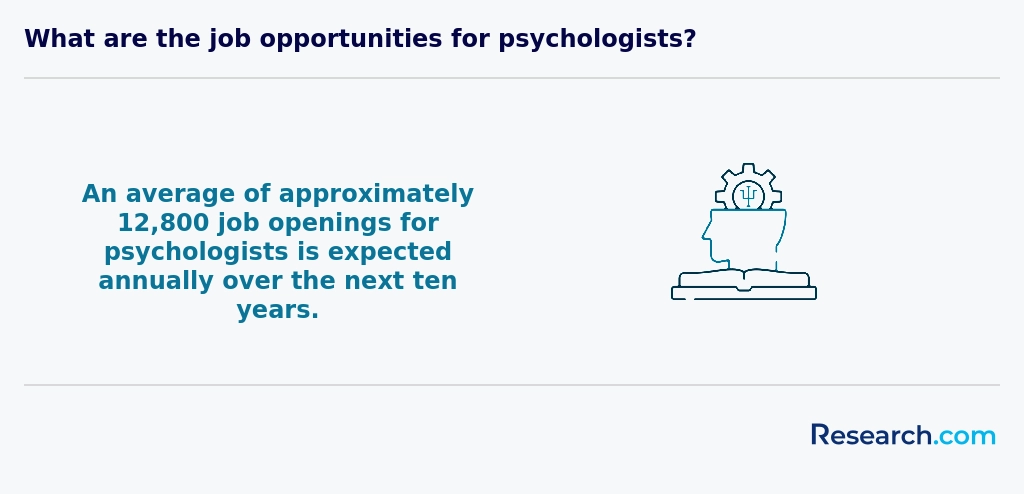
Psychology degree programs in Grand Forks, such as those at the University of North Dakota, challenge students to think beyond textbook definitions by immersing them in core courses that form the backbone of psychological understanding. Graduates often recall how classes like Introduction to Psychology opened their eyes to diverse human experiences, while courses in Research Methods and Statistics demanded rigorous thinking, pushing them to critically analyze data rather than passively accept information.
In Biopsychology or Behavioral Neuroscience, students connect brain activity to real emotions they've observed in friends or family, making abstract concepts tangible. Cognitive Psychology courses invite learners to dissect everyday mental processes, like how memory affects decision-making in stressful moments. Meanwhile, Developmental and Social Psychology spark reflection on personal growth and interactions, encouraging students to see their community through a new lens.
Students often describe the blend of lectures and hands-on research as transformative, especially in Grand Forks where practical fieldwork complements theory. These experiences foster excitement and a profound respect for the complexity of human behavior, essential for any aspiring psychologist in this vibrant academic environment.

Psychology degree specializations in Grand Forks reflect the true complexity of the human mind and society, challenging students to engage deeply with real-world issues. At the University of North Dakota, graduates often praise how clinical psychology prepares them not just academically but emotionally, equipping them to support those wrestling with mental health struggles in hospitals or community centers. Others find their passion in counseling psychology, where learning to guide individuals through everyday life challenges sparks a profound sense of purpose, sometimes balanced alongside part-time counseling jobs that build hands-on experience.
But the diversity doesn't end there. Developmental psychology offers students a lens into growth across all life stages, making connections between theory and the evolving realities faced by children or elders. Meanwhile, industrial-organizational psychology taps into workplace dynamics, fueling careers dedicated to improving employee well-being and organizational culture. These specializations open up psychology career options Grand Forks students eagerly explore, linking academic study to vibrant, meaningful professional paths.
Choosing the best psychology degree in Grand Forks goes beyond just picking a well-known school; it demands a clear-eyed look at accreditation and real-world experience. Graduates from popular programs at the University of North Dakota often share how APA accreditation or strong regional recognition gave them confidence their degree held weight with employers and licensing boards. Imagine being in their shoes-knowing your coursework aligns with rigorous standards and opens doors beyond the classroom.
Affordability and curriculum also reshape the experience. Students who weighed cost against program strengths appreciated that Grand Forks offers access to affordable psychology degrees in Grand Forks without sacrificing depth in clinical or developmental psychology. These graduates often explore financial aid options and scholarships to manage tuition hiccups. For those focused on practical learning, programs with local internships and research partnerships become invaluable-it's one thing to read about psychology, another to practice it in community clinics.
Deciding on a program's pace and format is equally personal. Some graduates thrived in accelerated or flexible schedules, balancing jobs or family life while advancing their degree. If you're looking into the cheapest psychology schools in north dakota, consider how such flexibility can transform stress into steady progress toward your goals.
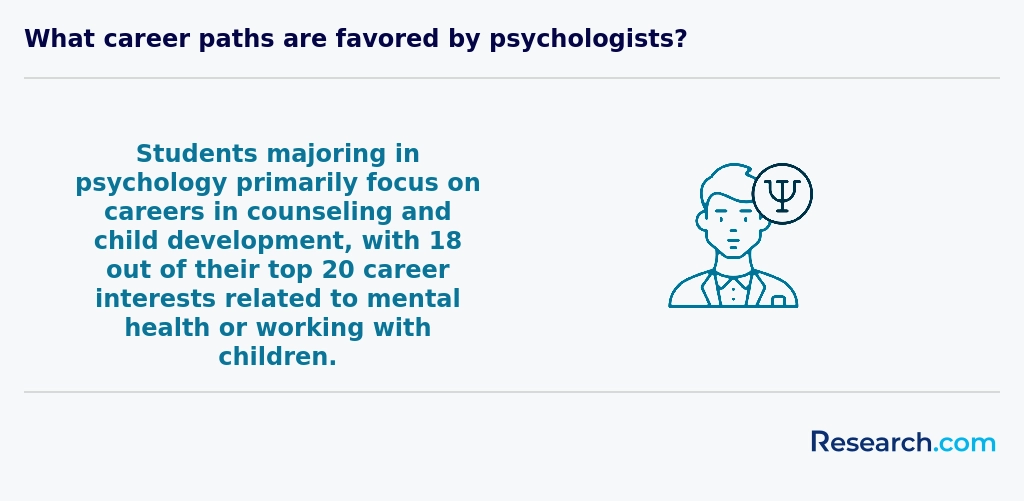
Psychology career opportunities in Grand Forks are broader than many expect, spanning beyond traditional therapy roles and into dynamic fields like human services, education, and business. Graduates from the University of North Dakota often find themselves thriving as case managers or behavioral health technicians, providing vital support within local nonprofits or government agencies. This hands-on work fosters a deep sense of fulfillment, as they see the tangible effects of their help every day.
Job prospects for psychology graduates Grand Forks also include paths demanding advanced degrees, such as licensed psychologists or counselors working either in private practice or healthcare settings. The growing local demand for mental health counselors means that pursuing graduate education here can lead to meaningful, well-compensated careers. Additionally, many graduates appreciate how the university's research programs open unexpected doors to academic and industrial-organizational psychology roles.
For those weighing educational investments, it's worth exploring accredited online psyd programs that complement Grand Forks-based studies, broadening career horizons while managing costs effectively.

Graduates with a psychology degree in Grand Forks find themselves entering a job market shaped by local healthcare and education demands. The University of North Dakota nurtures a community of students who often transition into roles within clinics and school districts, feeling both hope and challenge as they navigate this moderately competitive space. Many highlight how the presence of expanding mental health services makes their work feel meaningful, fueling a sense of purpose beyond just securing a paycheck. This outlook reflects the Grand Forks psychology career outlook 2027, which forecasts steady growth tied to healthcare expansion and social services.
Salary ranges reflect the variety of roles available-from entry-level counseling assistants earning around $40,000 to licensed psychologists approaching $90,000, encouraging graduates to consider how specialization might impact their earning potential. Some graduates weigh pursuing advanced credentials against practical alternatives and often explore psychology jobs that don't require a degree to balance passion and financial realities.
The affordability of in-state tuition at the University of North Dakota offers a concrete advantage, making psychology degree job opportunities in Grand Forks more accessible and less burdened by debt than elsewhere, adding an optimistic edge to many graduates' futures.
2027 Best Psychology Degree Programs Ranking in Grand Forks
Investing in your education is a significant decision that can shape your future, and the Research.com team understands the importance of making informed choices. To assist prospective students in Grand Forks, we have meticulously crafted the "2027 Best Psychology Degree Programs Ranking in Grand Forks." Our commitment to quality, credibility, and accuracy is reflected in the extensive research and analysis conducted to compile this ranking.
We utilized the following reputable data sources to ensure a comprehensive evaluation of psychology programs:
By exploring this ranking, readers will gain valuable insights into the best psychology degree programs available in Grand Forks, helping them make well-informed decisions about their educational paths. For more details on our methodology, please visit our Research.com methodology page.

Frequently Asked Questions About psychology
Students pursuing psychology degrees in Grand Forks can maximize their learning by actively engaging in both coursework and practical experiences. The University of North Dakota, a key institution in the area, offers research opportunities that allow students to apply theoretical knowledge to real-world settings. According to the American Psychological Association, students involved in research have a 30% higher retention rate of complex psychological concepts.
Additionally, joining local psychology clubs and attending seminars can enhance understanding and networking. Internships at nearby counseling centers or hospitals provide hands-on experience, essential for career readiness. Balancing academic study with fieldwork leverages the full potential of psychology programs in Grand Forks.
Emerging niches within the psychology field reflect growing societal needs and advances in research. One prominent area is health psychology, which focuses on how behavior impacts physical wellness. This niche is expanding as healthcare evolves and emphasizes mental health's role in overall care. Another growing field is neuropsychology, where specialists study brain-behavior relationships, important for diagnosing and treating neurological disorders.
In Grand Forks, interest in forensic psychology is rising, supported by partnerships between local universities and law enforcement agencies. Additionally, industrial-organizational psychology is gaining attention as businesses recognize the value of employee well-being and productivity. These emerging specialties offer promising career paths for students pursuing psychology degrees.
After completing a psychology degree in Grand Forks, preparing for the job market involves several strategic steps. First, gaining practical experience through internships or volunteer opportunities in local clinics, schools, or mental health facilities is crucial. This hands-on work helps develop skills and build professional networks.
Additionally, earning relevant certifications, such as becoming a licensed psychological associate, is often necessary for many roles in North Dakota. The North Dakota Board of Psychologist Examiners provides guidance on licensure requirements.
Networking within Grand Forks' health and social service communities can open job opportunities. According to the U.S. Bureau of Labor Statistics, employment in psychology-related fields in North Dakota is projected to grow 8% through 2031, indicating a positive outlook for graduates.
Employers in Grand Forks highly value psychology degree graduates who demonstrate strong critical thinking and analytical skills. These abilities enable professionals to assess complex behavioral data and develop effective treatment plans. Communication skills, both written and verbal, are also essential, allowing graduates to interact clearly with clients and colleagues.
Additionally, research proficiency is critical, as many roles require designing studies or interpreting psychological data. According to the U.S. Bureau of Labor Statistics, collaboration and ethical decision-making remain top priorities in psychology-related jobs nationwide, including Grand Forks.
Practical experience with assessment tools and familiarity with state regulations also enhance employability in this region's clinical and counseling settings.
Finding internships in Grand Forks relevant to a psychology degree involves exploring local universities, healthcare facilities, and community organizations. The University of North Dakota (UND) offers strong connections to regional clinics and mental health centers, facilitating internship placements for psychology students.
Students should start by contacting their university's career services and psychology department, which often have partnerships with institutions like Altru Health System and Southeast Human Service Center. These sites provide practical experience in counseling, behavioral health, and clinical psychology.
According to UND, about 70% of their psychology students secure internships locally, gaining hands-on skills essential for advanced certification or graduate studies.
A psychology degree in Grand Forks can significantly enhance career mobility and advancement within various professional sectors. Graduates often find opportunities in mental health services, education, and human resources, reflecting a growing demand for psychological expertise locally. According to the U.S. Bureau of Labor Statistics, employment for psychologists in North Dakota is projected to grow by 10% through 2031, signaling stable job prospects.
Holding a psychology degree provides a competitive edge, especially when combined with local certification requirements. It can lead to roles such as licensed counselor or behavioral analyst, positions valued in schools, healthcare facilities, and social service agencies across Grand Forks.
Advanced degrees, like a master's or doctorate, further improve prospects for promotions and specialized work. Networking with local professionals through university programs and internships also plays a key role in career growth here.
Studying for a psychology degree in Grand Forks often emphasizes interdisciplinary learning, equipping students with skills applicable across various fields. Local institutions like the University of North Dakota incorporate coursework blending psychology with areas such as neuroscience, education, and social work. This multidisciplinary approach prepares graduates to collaborate in healthcare teams, educational settings, and community programs.
Research opportunities and internships in Grand Forks also foster practical experience, enhancing problem-solving and communication skills vital for interdisciplinary roles. According to the U.S. Bureau of Labor Statistics, psychology-related roles collaborating across professions are projected to grow by 8% through 2032, confirming the value of such preparation.
Choosing between a thesis and a non-thesis psychology degree program in Grand Forks depends on your career goals and personal interests. A thesis program typically involves original research and writing, preparing students for doctoral studies or research-intensive roles. Non-thesis programs focus more on coursework and practical experience, which suits those aiming for applied psychology careers or immediate workforce entry.
In Grand Forks, universities such as the University of North Dakota offer both options. According to the National Center for Education Statistics, nearly 40% of psychology graduate students nationwide choose thesis tracks when targeting academic careers. Local job markets in Grand Forks favor candidates with practical skills, which may make the non-thesis route appealing.
Consult academic advisors and review program specifics carefully to select the best fit.
Students based in Grand Forks seeking to study psychology abroad have several pathways within the U.S. higher education system. Though Grand Forks is home to the University of North Dakota, which offers strong psychology programs locally, aspiring international learners can explore study abroad options through affiliated exchange programs and partnerships with global institutions.
Many U.S. universities facilitate semester-long or year-long abroad programs, often in Europe or Canada, allowing psychology students to gain international perspectives. These programs typically include coursework in cognitive, developmental, and clinical psychology compatible with American degree requirements.
Financial aid and scholarships may also be available for Grand Forks students who qualify, reducing the cost burden typical of study abroad experiences. Students should consult with their academic advisors to identify accredited programs aligned with their psychology career goals.
Students pursuing psychology degrees in Grand Forks can find several part-time job opportunities that complement their academic training. Working as a research assistant at the University of North Dakota's Department of Psychology is a common option, offering hands-on experience with experimental design and data analysis.
Local mental health clinics also offer part-time roles such as behavioral health technician or support staff. These positions provide exposure to clinical environments, fostering skills in patient interaction and case management.
Additionally, tutoring psychology underclassmen or working in campus counseling centers enables students to deepen their understanding while helping others. According to the Bureau of Labor Statistics, gaining related experience significantly improves job prospects after graduation.
Psychology students in Grand Forks benefit from a variety of networking opportunities that help build connections essential for their careers. The University of North Dakota (UND) offers regular psychology department events, including guest lectures and research symposiums, where students can meet faculty and professionals.
Additionally, students can join psychology-related organizations such as the UND Psi Chi chapter, the international honor society in psychology, which provides local and national networking events. Community internships facilitated by UND connect students with local clinics and social service agencies, offering valuable professional exposure.
These structured opportunities help psychology students in Grand Forks develop relationships that can support graduate school applications and job searches in the field.
Alumni networks offer valuable support to psychology degree students in Grand Forks by providing access to experienced professionals and job opportunities. Graduates often share insights about local employers, internship programs, and licensure requirements specific to North Dakota, enhancing students' readiness for the workforce. According to data from the Grand Forks Chamber of Commerce, over 60% of recent psychology graduates found employment through connections made within alumni networks.
These networks often organize events, workshops, and mentoring programs that help current students build essential skills and expand their professional circles. Participation can improve job prospects in clinical, counseling, and research settings across the region.
Customizing a psychology degree program in Grand Forks often begins with selecting elective courses aligned with your career interests, such as clinical, counseling, or industrial-organizational psychology. Local institutions typically offer options to engage in research projects or internships, providing practical experience that enhances employability. According to the U.S. Bureau of Labor Statistics, practical skills gained through internships can increase job prospects by up to 15% in psychology-related fields.
Students can also pursue specialized certifications or minors in areas like human services or neuroscience, further tailoring their education. Academic advisors in Grand Forks frequently assist in mapping coursework to your long-term goals, ensuring the program fits your desired professional path.
Additionally, graduate programs in Grand Forks may offer thesis or non-thesis tracks, allowing flexibility for students aiming for research or applied roles. Exploring local community agencies for volunteer opportunities is another way to customize your experience while building valuable networks in the region.
Psychology students in Grand Forks often face challenges related to balancing rigorous coursework and practical experience. Many programs emphasize research and clinical internships, which require significant time commitment alongside classwork. According to the University of North Dakota's psychology department, nearly 60% of students report difficulty managing this workload effectively.
Access to diverse internship opportunities can also be limited in smaller markets like Grand Forks. Students may need to travel or compete for placements in local clinics and hospitals, impacting their practical training.
Another challenge involves securing funding. Scholarship options specific to psychology students in Grand Forks are limited, leading some to rely on federal student loans. Navigating mental health stigma while studying psychology is an additional, frequently noted hurdle.
With a psychology degree in Grand Forks, you can pursue several professional certifications to enhance your career opportunities. Common certifications include becoming a Licensed Professional Counselor (LPC) or Licensed Clinical Social Worker (LCSW), both requiring state-specific licensure processes through North Dakota's Board of Counseling or Social Work Examiners.
Other options include the Certified Alcohol and Drug Counselor (CADC), which supports roles in substance abuse treatment. Additionally, you may seek certification in specialized areas such as school psychology or behavior analysis, with credentials like the National Certified School Psychologist (NCSP) or Board Certified Behavior Analyst (BCBA).
These certifications often require graduate education, supervised experience, and passing standardized exams. According to the North Dakota University System, demand for licensed psychologists and counselors in Grand Forks is expected to grow 8% through 2030, reflecting the value of such certifications.
Writing a winning application for a psychology program in Grand Forks starts with understanding what local universities value. Admissions committees typically seek candidates with strong academic records, especially in psychology and related sciences. Highlight relevant coursework and maintain at least a 3.0 GPA, as this is often the minimum competitive requirement.
Craft a clear and compelling personal statement that explains your passion for psychology and your career goals. Mention any volunteer work or internships related to mental health, as practical experience strengthens your application.
Secure strong letters of recommendation from instructors familiar with your academic abilities and commitment to psychology. Finally, submitting your application early increases your chances, as programs in Grand Forks can be competitive due to limited spots.
Psychology careers in the United States, including Grand Forks, are increasingly influenced by global trends in mental health awareness and research. According to the U.S. Bureau of Labor Statistics, employment for psychologists is projected to grow 6% from 2021 to 2031, reflecting rising demand. Globally, psychology is becoming more interdisciplinary, integrating technology and neuroscience, which benefits U.S. students by expanding career possibilities.
Grand Forks benefits from proximity to major research institutions, allowing psychology students access to cutting-edge practices aligned with global standards. International collaboration in psychology research is common, helping U.S. graduates remain competitive worldwide. Those pursuing psychology degrees locally can expect training that respects cultural diversity, a key global skill.
Gaining practical experience while studying psychology in Grand Forks is essential for career readiness. Many programs encourage students to engage in internships at local hospitals, schools, and community agencies. For example, the University of North Dakota offers partnerships with area clinics and mental health centers, providing valuable hands-on training.
Students can also participate in research assistantships, which allow involvement in ongoing studies under faculty supervision. This experience develops critical skills in data collection and analysis, important for psychology careers.
Volunteering at counseling centers or nonprofit organizations is another effective way to apply classroom learning in real-world settings. According to the North Dakota Psychological Association, such practical exposure enhances employability after graduation.
Choosing the right concentration within a psychology degree program in Grand Forks involves evaluating your career goals and interests. Psychology offers various specializations, such as clinical, counseling, developmental, and industrial-organizational psychology. It's important to understand each concentration's focus and job outlook.
For example, clinical psychology often involves diagnosing and treating mental health disorders and may require graduate study and licensing. Counseling psychology emphasizes therapy and support, with a similar career path. Industrial-organizational psychology applies psychological principles to workplace settings, and this niche is growing, with a 14% national job growth projected by the U.S. Bureau of Labor Statistics.
Local resources like the University of North Dakota provide detailed program information and faculty expertise to guide your choice. Moreover, consider available internships and research opportunities in Grand Forks, which can enhance practical experience in your chosen area.
- 2027 Best Psychology Degree Programs Ranking in Minneapolis
- 2027 Best Psychology Degree Programs Ranking in Saint Paul
- 2027 Best Psychology Degree Programs Ranking in Lincoln
- 2027 Best Psychology Degree Programs Ranking in Chicago
- 2027 Best Psychology Degree Programs Ranking in Kansas City
- 2027 Best Psychology Degree Programs Ranking in Notre Dame
- 2027 Best Psychology Degree Programs Ranking in Boulder
- 2027 Best Psychology Degree Programs Ranking in Denver
- 2027 Best Psychology Degree Programs Ranking in Wichita
- 2027 Best Psychology Degree Programs Ranking in Saint Louis
See What Experts Have To Say About Studying Psychology
Read our interview with Psychology experts

Elizabeth L. Jeglic Ph.D.
Psychology Expert
Professor of Psychology
City University of New York

Robin M. Kowalski. Ph.D.
Psychology Expert
Professor of Psychology
Clemson University

Joann Farrell Quinn, Ph.D., MBA
Psychology Expert
Director at the College of Medicine Department of Medical Education
Morsani College of Medicine

- Best North Dakota Psychology Degrees Updated for 2025, Online Included https://www.psychologydegrees.org/state/north-dakota
- Best Types Of Online Psychology Degrees 2025 https://www.psychology.org/degrees/
- Study Psychology Abroad | Go Overseas https://www.gooverseas.com/study-abroad/psychology
- How Psychology Students Can Get Clinical Experience Before Graduating | The Playful Psychologist https://www.theplayfulpsychologist.com/post/students-experience-how-to-get-the-experience-you-need-before-you-graduate
- Psychology - SWPS University https://english.swps.pl/academics/warsaw/ba-programs/psychology
- North Dakota Psychology Schools and Degree Programs https://www.psychologycareercenter.org/north-dakota-psychology-schools.html
- North Dakota Psychology Doctorate Programs 2025 Guide https://psydprograms.org/north-dakota-psychology-doctorate/
- Sample letters in psychology https://www.mystudies.com/en-in/human-and-social-sciences/psychology/letter-model/
- Know more about thesis vs non- thesis: what is the difference? https://studyfans.com/en/blogs/816
- Have You Found a Niche? https://www.apaservices.org/practice/business/marketing/building/niche


