2027 Most Popular Psychology Degree Programs Ranking in Palo Alto

Co-Founder and Chief Data Scientist
Choosing the right psychology degree program can be both exciting and overwhelming for students in Palo Alto. To help you navigate this important decision, this article presents the 2027 Most Popular Psychology Degree Programs Ranking in Palo Alto. Created by the Research.com team of data scientists, the ranking offers clear insights into the best programs available.
Reading this article will give you valuable information to select a degree that fits your goals and passions. A psychology degree opens doors to meaningful careers and personal growth, making your educational journey worthwhile.
Key benefits of getting psychology degree in Palo Alto
- Psychology degree graduates in Palo Alto can expect competitive salaries such as $76,060 annually for Human Resources Specialists and $83,190 for Marketing Research Analysts, offering rewarding financial prospects.
- Graduates from universities like Stanford in Palo Alto often pursue diverse careers including clinical research, counseling, or market analysis, providing exciting opportunities for personal and professional growth.
- Completing a psychology degree online offers flexibility and accessibility, allowing students like those from well-known online programs to balance studies with life commitments while gaining valuable skills.
- 2027 Most Popular Psychology Degree Programs Ranking in Palo Alto
- What can I expect from psychology degree in Palo Alto?
- Where can I work with psychology degree in Palo Alto?
What can I expect from psychology degree in Palo Alto?
Studying psychology in Palo Alto comes with a significant financial commitment, especially at prestigious institutions like Stanford University. Graduates often recall balancing the weight of tuition fees, which at Stanford can exceed $60,000 annually, alongside living expenses in Silicon Valley. While this may seem daunting at first, many students find scholarships, research assistantships, and internships that help alleviate costs and provide invaluable hands-on experience.
For bachelor's and graduate programs alike, prospective students should anticipate tuition fees ranging from $50,000 to $70,000 per year. This investment, however, grants access to top-tier faculty, cutting-edge research opportunities, and a network deeply rooted in innovation and mental health technology, making it a worthy one.
Alumni often emphasize the priceless value of immersive internships and collaborative projects that allow them to apply what they learn in real-world settings around Palo Alto's tech and healthcare hubs. Their journey highlights that while the price is significant, the return on growth, career opportunities, and personal development is equally profound.
Where can I work with psychology degree in Palo Alto?
With a psychology degree in Palo Alto, you step into a world of diverse and rewarding career options. Graduates from local institutions like Stanford University often find fulfilling roles in clinical and counseling settings, where they help individuals navigate mental health challenges. Imagine working alongside dedicated teams at Stanford Health Care or nearby clinics, providing therapy and making meaningful impacts every day.
Many psychology graduates also thrive in research positions tied to pioneering projects in cognitive neuroscience and behavioral science. The vibrant academic community fuels opportunities to engage with cutting-edge studies that shape our understanding of human behavior.
Others leverage their skills in the tech industry, joining user experience (UX) and behavioral research teams at Silicon Valley giants. If you enjoy blending psychology with innovation, this path offers exciting challenges and competitive salaries.
Education and corporate sectors also welcome psychology expertise. Graduates often become school counselors, specialists in special education, or contribute to workplace development and consumer insights, creating environments where people flourish.
Graduates with a psychology degree in Palo Alto often find rewarding roles that reflect both their education and the unique tech-driven environment of the area. For example, entry-level positions such as Clinical Research Associate or Survey Researcher typically offer mean annual wages around $62,370, which provides a solid foundation as you build experience and explore specialized fields. Many psychology students from universities like Stanford report starting in these roles, gaining practical skills while earning competitive salaries in an inspiring academic city.
Other career paths include Human Resources Specialist and Marketing Research Analyst roles, with mean wages of $76,060 and $83,190 respectively. These jobs allow graduates to apply their understanding of human behavior to influence organizational success, a perfect fit for Palo Alto's corporate atmosphere. Imagine yourself contributing to innovative companies that value psychological insights, making your work both impactful and well-compensated.
Reflecting on these figures, it's clear that a psychology degree in Palo Alto offers encouraging earning potential from the start, with opportunities to grow as you deepen your expertise and credentials in this vibrant, opportunity-rich region.
- Palo Alto universities offer psychology programs with tuition ranging from $50,000 to $60,000 per year for undergraduates.
- Entry-level psychologists in Palo Alto earn an average salary of about $65,000 annually, higher than the national average.
- Mid-career psychology professionals can earn upwards of $100,000 per year in the area.
- Internships and research assistantships are widely available through local universities and healthcare organizations.
- Public universities in California offer more affordable in-state tuition around $14,000 annually.
Completing a bachelor's degree in psychology in Palo Alto typically takes around four years of full-time study, just like at Stanford University, where many graduates reflect on the intense yet rewarding journey through comprehensive courses and engaging research projects. For a master's degree, expect roughly two additional years focusing on specialties like clinical psychology or counseling, often enriched by internships within Silicon Valley's vibrant tech and healthcare communities. These practical experiences can accelerate learning and build invaluable networks.
For those ready to dive deeper into the field, doctoral programs usually require 5 to 7 years beyond the bachelor's. Many Palo Alto students at Stanford find this period both challenging and inspiring, as they balance rigorous coursework with research, exams, and clinical practica. The region's thriving research hubs offer exceptional opportunities that can make this lengthy commitment feel purposeful and motivating.
Local factors, like the choice between in-person or online classes and balancing work with studies due to high living costs, often influence how quickly you finish. Graduates advise planning wisely and embracing the unique Palo Alto environment-it's an investment in a vibrant future.
For many students, an undergraduate psychology degree is just the beginning of a rewarding academic and professional journey. As you consider elevating your expertise, exploring advanced psychology degrees-such as master’s and doctoral programs-can offer specialized training that opens doors to clinical practice, research, and leadership roles in various sectors. Particularly for those with professional and personal commitments, flexible online options have become increasingly popular. Many aspiring clinicians are now turning to accredited online psyd programs that provide rigorous coursework, innovative virtual labs, and interactive forums with leading experts, all designed to mirror the robust learning experience of traditional on-campus studies. This evolving landscape not only amplifies access to high-quality education but also allows students to tailor their academic paths in a way that aligns with their unique career goals while maintaining a balanced lifestyle. Embracing these advanced and online opportunities can significantly enhance your knowledge, practical skills, and overall competitiveness in the dynamic field of psychology.
Choosing between an online and an on-campus psychology degree in Palo Alto can shape your learning journey profoundly. Graduates from Stanford University often recall the energizing campus atmosphere-engaging directly with professors and peers, participating in hands-on research in well-equipped labs, and benefiting from rich campus resources like counseling centers and extensive libraries. This immersive experience fosters valuable relationships and practical skills essential in psychology careers.
Conversely, those who pursued their degrees online appreciate the flexibility to balance studies with work or family life, using digital platforms to access lectures and discussions from anywhere. However, they often emphasize the need to proactively seek internships or practicum placements, as these hands-on opportunities are less readily integrated than on campus.
In Palo Alto's competitive environment, whether at a prestigious on-site program or a regionally accredited online one, understanding your own lifestyle and career goals will guide you toward the path that fuels your passion and success in psychology.
To make an informed decision when selecting a psychology program in Palo Alto, CA, it's essential to consider several factors, including the program's reputation, curriculum, and the faculty's expertise. Prospective students can visit the best popular psychology colleges in the area to get a better understanding of the available options. When evaluating these programs, students should prioritize their individual needs and interests, ensuring the chosen program aligns with their career aspirations and personal goals. By carefully weighing these factors, students can find a psychology program that provides a comprehensive education, prepares them for their chosen career path, and sets them up for success in the field of psychology.
In Palo Alto, the average cost of a psychology degree reflects the high-caliber education offered by prestigious institutions such as Stanford University, where tuition for undergraduate psychology students can reach close to $60,000 per year. Graduates often describe their investment as worthwhile, attributing their success to the rigorous curriculum and extensive research opportunities available. While public university options within Palo Alto are limited, students might find more affordable in-state tuition by attending nearby campuses like San Jose State University, which charges around $8,500 annually for undergraduates.
Graduate psychology programs in Palo Alto follow a similar pattern, with many private institutions charging upwards of $50,000 per year. These programs include costs beyond tuition, such as fees for labs and practicums, which contribute to the total financial commitment. Graduates appreciate these experiences as they provide crucial hands-on skills essential for a psychology career, making the overall total expenses for psychology degree Palo Alto a comprehensive but rewarding financial endeavor.
Beyond tuition, students should prepare for living expenses, with housing costs ranging from $2,000 to $3,500 monthly, adding a significant layer to the overall cost. Many psychology graduates recommend exploring financial aid options, scholarships, and assistantships carefully, and some have found success with part-time programs or online courses that help ease the burden. For students aiming to understand all the steps and costs involved, resources on how to become a licensed counselor in Florida can offer useful guidance on pursuing a career in psychology and counseling.
Graduates aiming to practice clinically in California must complete these steps beyond a bachelor’s degree.
- Earn a master’s or doctoral degree from a program accredited by the California Board of Psychology.
- Complete required supervised professional experience (typically 3,000 hours) under a licensed psychologist.
- Pass the national EPPP (Examination for Professional Practice in Psychology) and California Law and Ethics Exam.
- Submit all credentials-education, supervision logs, exam results-to the California Board of Psychology for licensure.
For flexible graduate pathways that fulfill these requirements, explore online masters in psychology programs.
When pursuing a psychology degree in Palo Alto, financial aid can transform your educational experience from daunting to empowering. Many students at local institutions like Stanford University and Palo Alto University successfully use federal aid by completing the FAFSA. This unlocks opportunities for Pell Grants, which can cover up to $7,395 annually, easing the burden of tuition costs that often range widely between $10,000 and $45,000.
State aid is another powerful resource. As a California resident, you could qualify for Cal Grants, offering up to $12,570 per year to help cover tuition and fees-something many psychology students have leaned on to stay focused on their studies without constant financial stress.
Local scholarships and fellowships add even more support. For example, psychology students connected with the Palo Alto Psychological Association have won scholarships that not only reward academic excellence but also celebrate community involvement, creating a sense of belonging that makes the journey rich and rewarding.
Graduate students often find assistantships or fellowships that combine financial benefits with hands-on research experience, giving them a head start in their fields while relieving financial pressures.
Many working students in Palo Alto's vibrant health and education sectors take advantage of employer tuition reimbursement plans, making it possible to balance work and study without sacrificing either.
Each of these paths has helped graduates lighten their financial load, allowing them to thrive academically and personally while pursuing their passion for psychology right here in Palo Alto.
To practice as a licensed psychologist in California, you must meet state board requirements that ensure competency and public safety.
- Complete an APA-accredited graduate program (often a doctorate; some roles accept a master’s).
- Accumulate 3,000 hours of supervised professional experience under a licensed psychologist.
- Pass the national EPPP exam and California’s Laws and Ethics exam.
- Submit your application, transcripts and exam scores to the California Board of Psychology.
For those starting with a master’s degree, consider exploring cheap psychology masters programs to begin your path toward licensure.
To enroll in a psychology degree program in Palo Alto, you'll want to ensure your academic foundation is solid. Graduates from well-known institutions like Stanford often recall how maintaining at least a 3.0 GPA in high school helped them confidently meet admission standards. Beyond grades, they found that excelling in biology, mathematics, and social sciences really set them apart, reflecting the interdisciplinary nature of psychology.
Some programs may still ask for SAT or ACT scores, so preparing for those tests can boost your chances, even if they're no longer the main focus. For graduate studies, successful applicants usually have completed an undergraduate degree in psychology or a related field, plus key courses in statistics and research methods.
Many Palo Alto students highlight the importance of gaining hands-on experience-like volunteering in research labs or clinics-as this often strengthens applications and fuels passion for the field. Thoughtfully crafted personal statements and strong recommendation letters also play a big role in opening doors to top programs here.
Planning your application effectively can make the difference between acceptance and deferred review. Below is a typical timeline and actionable tips to help you navigate the process for psychology degree programs in Palo Alto, CA: • 12–15 Months Before Enrollment: Research programs at Stanford University, Palo Alto University, and local colleges. Attend virtual or in-person open houses to gauge campus culture and faculty expertise. • 9–12 Months Before Enrollment: Prepare standardized test scores (if required) and request official transcripts. Secure strong letters of recommendation from teachers or supervisors who can speak to your academic potential and interpersonal skills. • 6–9 Months Before Enrollment: Draft your personal statement, highlighting specific interests such as cognitive neuroscience or clinical psychology, and how hands-on research experiences have shaped your goals. Seek feedback from mentors or writing centers. • 3–6 Months Before Enrollment: Finalize your application, double-check all materials, and submit before priority deadlines (typically November 1 for Fall admissions). Schedule interviews or campus visits if invited to demonstrate your passion and fit for the program. Key Application Tips: – Tailor each personal statement to the institution’s strengths, such as Palo Alto University’s small-group mentorship or Stanford’s cutting-edge research labs. – Highlight relevant internships or volunteer work to show practical experience. – Use clear, concise language and proofread meticulously to avoid errors. Even if you’re considering alternative paths within the field, opportunities abound: explore psychology jobs without degree to understand how transferable skills can launch your career while you complete your psychology studies.
In Palo Alto, psychology degree programs typically immerse you in courses that build a solid foundation while connecting theory to real-world impact. Graduates from local universities often recall how introductory classes like Introduction to Psychology sparked their fascination by exploring diverse psychological theories that explain everyday behavior.
Core courses such as Research Methods and Statistics sharpen your ability to critically analyze data-skills essential for innovative projects or clinical practice. Many students feel a sense of accomplishment when designing experiments or interpreting statistical results during hands-on labs.
Courses like Biopsychology and Cognitive Psychology deepen your understanding of brain functions, memory, and decision-making, bringing psychological concepts to life through vivid case studies seen in Silicon Valley's tech-driven mental health initiatives. Electives allow you to tailor your path-whether in clinical, health, or forensic psychology-reflecting your unique interests and goals.
Practical internships and lab work encouraged by Palo Alto programs give you confidence and real-world experience, connecting you to a thriving professional community dedicated to advancing mental health and research.

When exploring psychology degree specializations in Palo Alto, you'll find a rich selection tailored to diverse interests. Graduates from popular universities here often speak passionately about clinical psychology, where they learned to diagnose and treat mental health disorders, preparing for impactful careers in therapy or clinical research. Others were drawn to cognitive neuroscience, a thrilling blend of psychology and biology, delving deep into brain functions-made accessible by cutting-edge neuroimaging technologies available locally.
Developmental psychology is another favorite specialization, with students gaining insight into human growth across lifespans, inspired by real-world interactions with families in the community. Social psychology students discover how people's behaviors and thoughts are shaped by society-a skill highly valued in marketing and organizational roles. Many programs here also offer unique opportunities for practical experience, such as counseling internships hawaii, that drive skill-building and job readiness.
You'll also find specializations in educational and industrial-organizational psychology, emphasizing psychological principles in classrooms and workplaces. These popular psychology concentrations Palo Alto reflect the city's innovative spirit, making your education both heartfelt and deeply relevant.
Choosing the best psychology degree programs in Palo Alto means looking beyond just reputation-consider how the curriculum aligns with your passion. Graduates from well-regarded institutions here often highlight the value of programs that blend experimental psychology with hands-on practicum placements in Silicon Valley's innovative environment. Imagine working alongside local tech firms or community hospitals, turning theory into powerful, real-life skills that set you apart.
Cost is another real factor to weigh carefully. Some find that affordable psychology schools Palo Alto offers still provide excellent mentorship and close faculty connections, crucial for those wanting personalized guidance. Smaller class sizes can transform the learning experience, making you feel supported and inspired every step of the way.
Many students balance academics with practical training to build confidence. Programs encouraging internships and research often lead to higher job placement or acceptance into doctoral studies. If you're aiming to become a licensed counselor, reviewing options for lpc continuing education kentucky as part of ongoing growth can also shape your path and deepen expertise.
Graduates with a psychology degree in Palo Alto find vibrant career paths tailored to their passions and skills. Many step into clinical psychology roles, where they provide vital support and treatment in hospitals or private practices, fueled by their doctoral training and supervised experience. Others are drawn to counseling psychology, working in schools and rehabilitation centers, helping individuals navigate life's challenges. These psychology career opportunities in Palo Alto often reflect the city's unique blend of innovation and community focus.
For those intrigued by technology, jobs with psychology degree Palo Alto graduates often lead to thriving positions in UX design and human factors. Leveraging knowledge of cognitive processes, they enhance user experiences for leading tech companies, turning insights into impactful solutions. Many alumni from local universities enjoy the dynamic research scene here, contributing to studies on behavior and brain function that push boundaries. If you're wondering how long does a psychology degree take, know that your investment can unlock these diverse opportunities.

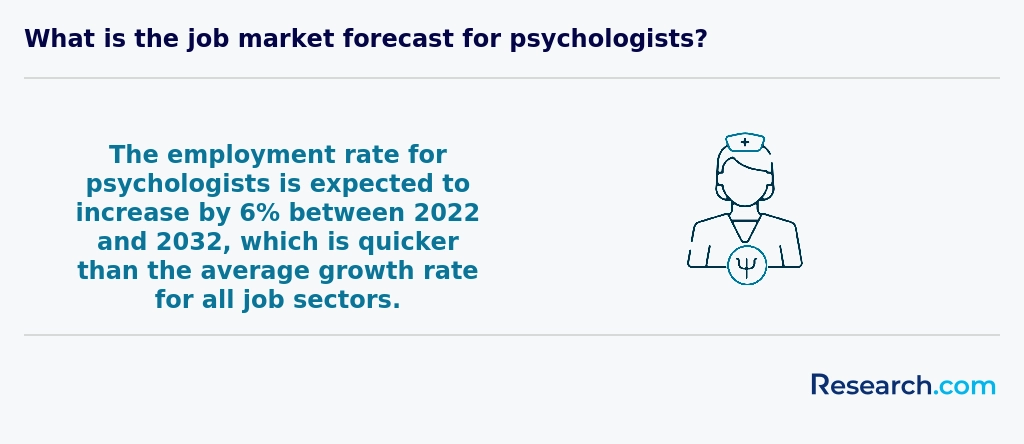
The job market for psychology degree jobs in Palo Alto is vibrant, fueled by a unique blend of healthcare, education, and cutting-edge tech industries. Graduates from nearby prestigious universities often find themselves in high demand, landing roles in clinical settings, research labs, or innovative Silicon Valley firms where psychology intersects with technology. Many alumni recall the thrill of applying their knowledge in real-world settings, from helping patients recover to improving user experience through cognitive behavioral insights.
Cost considerations are balanced by the region's generous salary packages; median psychologist salaries here far exceed national averages, offering strong motivation to pursue degrees locally. The competitive landscape encourages students to explore diverse career paths, reflected in reports from graduates who transitioned into industrial-organizational psychology roles to enhance workplace dynamics. For those curious about specific paths, a solid resource to deepen understanding is the cognitive psychology careers overview.
Palo Alto psychology career prospects shine brightest when guided by awareness of local industry needs and the broad applications of psychology. Graduates often emphasize how their education empowered them to contribute meaningfully to the community and tech innovation alike, making the pursuit of a psychology degree here a promising and rewarding journey.
2027 Most Popular Psychology Degree Programs Ranking in Palo Alto
Investing in your education is a significant decision that can shape your future, and the Research.com team understands the importance of making informed choices. To assist prospective students in Palo Alto, we have meticulously crafted the "2027 Most Popular Psychology Degree Programs Ranking in Palo Alto." Our commitment to quality, credibility, and accuracy is reflected in the extensive research and analysis conducted to compile this ranking.
We utilized the following reputable data sources to ensure a comprehensive evaluation of psychology degree programs:
By exploring this ranking, readers will gain valuable insights into the most popular psychology degree programs in Palo Alto, empowering them to make well-informed decisions about their academic careers. For more details on our methodology, please visit our Research.com methodology page.
# 1 position
Sofia University
Master of Arts in Psychology

# 5 position
Sofia University
Doctor of Philosophy in Psychology
Frequently Asked Questions About psychology
Psychology degree students in Palo Alto can enhance their education by engaging with local research institutions such as Stanford University, which offers extensive resources and opportunities for hands-on experience. Participating in internships at nearby mental health clinics or tech companies focused on human behavior analytics helps bridge theory with practice.
Students should also attend community workshops and networking events available through regional organizations like the California Psychological Association. According to the National Center for Education Statistics, students who supplement coursework with real-world exposure tend to graduate with stronger career prospects.
Leveraging Palo Alto's diverse population allows psychology students to study a wide range of behavioral patterns, enriching their understanding of cultural and social dynamics. Staying updated with faculty-led research and publishing findings in local academic journals can further bolster academic credentials.
The psychology field is rapidly evolving, with several emerging niches gaining attention, especially around innovation hubs like Palo Alto. One prominent area is neuropsychology, focusing on brain-behavior relationships, reflecting growing interest due to advances in neuroimaging technologies. Another expanding niche is health psychology, which examines how psychological factors influence physical health and illness. Palo Alto's proximity to leading medical research centers supports this trend.
Additionally, technology-related psychology fields, such as human factors and cyberpsychology, are emerging due to Silicon Valley's tech environment. These areas study user experience, digital behavior, and the psychological impact of technology.
According to the American Psychological Association, demand for these specialties is expected to grow faster than average by 2027.
After completing a psychology degree in Palo Alto, preparing for the job market involves strategic steps to enhance employability. Psychology graduates should seek internships or volunteer opportunities within local healthcare facilities or research centers, such as Stanford's medical programs, which are highly regarded in the area.
Networking plays a crucial role; joining professional organizations like the American Psychological Association (APA) and attending regional conferences can connect candidates with industry professionals and job openings.
Developing skills in data analysis and familiarity with software like SPSS or R increases competitiveness, as many Palo Alto employers prioritize these qualifications.
Graduates are advised to pursue relevant certifications and consider graduate studies, as advanced degrees often correlate with higher salaries and broader career options in psychology fields.
Employers in Palo Alto highly value psychology graduates who demonstrate strong research and analytical skills. The ability to design studies, interpret data, and apply findings to real-world challenges is essential. According to the Bureau of Labor Statistics, these skills increase job prospects within clinical, counseling, and industrial-organizational psychology sectors.
Additionally, effective communication and interpersonal skills are critical. Professionals must convey complex psychological concepts clearly to clients and colleagues. Local employers also seek candidates with cultural competence, reflecting Palo Alto's diverse community, which enhances client engagement and treatment outcomes.
Technical proficiency in statistical software, such as SPSS or R, is increasingly sought after in research roles.
Finding internships in Palo Alto relevant to a psychology degree begins by exploring local universities and research centers, such as Stanford University, which offers numerous opportunities in clinical, cognitive, and social psychology research. Many internships are competitive, so students should start by contacting university career centers and faculty members for guidance.
Local hospitals, mental health clinics, and nonprofit organizations also provide practical internships. According to the California Employment Development Department, the demand for psychology-related internships in Palo Alto has grown by 5% annually over the past three years, reflecting increased focus on mental health services in the region.
Networking through professional psychology associations and attending local conferences can further enhance access to internships. Using online platforms like Handshake and the American Psychological Association's internship finder helps identify openings specific to the Palo Alto area.
Obtaining a psychology degree in Palo Alto significantly enhances career mobility and advancement opportunities. The city's proximity to major tech companies and research institutions creates demand for professionals skilled in human behavior, organizational psychology, and user experience research.
According to the U.S. Bureau of Labor Statistics, employment for psychologists in California is projected to grow about 12% from 2020 to 2030, faster than the national average. In Palo Alto, this growth is fueled by innovation sectors needing expertise in mental health, human factors, and data analysis.
Graduates with psychology degrees often move into roles in healthcare, education, and corporate consulting, gaining promotions more quickly due to their analytical and interpersonal skills.
Studying for a psychology degree in Palo Alto uniquely positions students for interdisciplinary roles by integrating diverse fields such as neuroscience, education, and technology. Local universities emphasize collaborative research and practical experience, reflecting Palo Alto's proximity to Silicon Valley innovation hubs. According to the National Center for Education Statistics, institutions here offer curriculum that bridges psychology with data science and behavioral economics, enhancing analytical and problem-solving skills.
These interdisciplinary approaches prepare graduates for careers in healthcare, AI development, user experience design, and counseling. Exposure to cross-sector projects fosters adaptability, critical in today's interconnected job market.
Choosing between a thesis and a non-thesis psychology degree program in Palo Alto depends on your career goals and learning preferences. Thesis programs require conducting original research, which is ideal if you aim to pursue a PhD or a research-focused career. According to the American Psychological Association, about 40% of psychology graduate students in California opt for thesis tracks to strengthen their research skills.
Non-thesis programs emphasize coursework and practical application, suitable for those targeting clinical practice or immediate entry into the workforce. Stanford University and nearby institutions offer both options, reflecting the demand from students seeking tailored education paths.
Consider your future plans and consult program advisors in Palo Alto to select the best fit for your ambitions.
Students based in Palo Alto seeking to study psychology abroad have several pathways through partnerships and exchange programs affiliated with nearby universities like Stanford University. While Stanford itself does not offer direct undergraduate psychology degrees abroad, it provides various study abroad opportunities allowing students to take psychology courses at international institutions.
The US higher education system supports such global study options, often through consortium agreements and national programs like the Institute of International Education's Open Doors Report, which notes over 350,000 US students studied abroad in 2022.
For psychology specifically, students may focus on research internships or courses in European universities renowned for cognitive neuroscience or clinical psychology, complementing their Palo Alto education without losing credit progress.
Students pursuing psychology degrees in Palo Alto have several part-time job options that align well with their academic goals. Local mental health clinics and counseling centers often seek interns or assistants to support therapy sessions and administrative duties. These roles provide hands-on experience in clinical settings.
Additionally, research institutions like Stanford University offer part-time research assistant positions. According to Stanford's Psychology Department, these roles allow students to participate in ongoing studies, enhancing their understanding of experimental methods.
Volunteer opportunities at community organizations and hospitals can also complement academic learning by improving interpersonal skills and practical knowledge.
Psychology students in Palo Alto benefit from a rich array of networking opportunities due to the city's proximity to top universities and innovative health organizations. Stanford University, located in Palo Alto, hosts numerous events, workshops, and guest lectures specifically for students in psychological sciences, providing direct access to leading researchers and practitioners.
Local professional organizations such as the Silicon Valley Psychological Association offer networking mixers and seminars that foster connections between students and licensed psychologists. Additionally, Palo Alto's connection to Silicon Valley's tech and healthcare sectors opens avenues for internships and collaborations on cutting-edge mental health technology projects.
According to Stanford's Department of Psychology, nearly 70% of students secure roles or research positions through networking during their studies, highlighting the importance of these interactions for career development.
Alumni networks play a significant role for psychology degree students in Palo Alto by providing valuable professional connections. These networks offer mentorship opportunities, helping students navigate academic challenges and the job market. According to the National Association of Colleges and Employers, 79% of job seekers find employment through networking, which highlights the importance of these connections.
In Palo Alto, where psychology programs are closely tied to local research institutions and tech companies, alumni often facilitate internships and collaborative projects. The University of California, Berkeley's Career Center notes that active alumni networks can increase internship placements by up to 30% for psychology students.
Furthermore, alumni events allow students to engage with industry trends and career paths, broadening their understanding beyond the classroom. This exposure can be especially beneficial in a competitive field like psychology, where practical experience and professional recommendations matter greatly.
Customizing a psychology degree in Palo Alto involves selecting courses and experiences aligned with your career goals. Many local universities offer diverse electives in areas like clinical psychology, cognitive neuroscience, or organizational psychology. You can often choose between research-focused tracks or applied practice, depending on your interests.
Internships and fieldwork opportunities available in Palo Alto's rich healthcare and tech sectors add practical skills and networking advantages. According to the Bureau of Labor Statistics, tailoring your education toward high-demand specialties enhances job prospects in California.
Additionally, engaging in faculty-led research projects or pursuing certification programs can deepen expertise. Palo Alto's proximity to Silicon Valley fosters unique chances to combine psychology with technology, ideal for careers in user experience or behavioral data analysis.
Psychology students in Palo Alto often face intense academic pressure due to the competitive environment fostered by nearby top-tier universities. Managing rigorous coursework alongside research commitments is a common challenge. According to the American Psychological Association, roughly 40% of graduate psychology students nationwide report high stress levels, which likely applies to those in Palo Alto as well.
Another difficulty is securing internships and practical training opportunities. The local market's high demand means students must start early to gain relevant experience. Additionally, balancing financial costs can be problematic; Palo Alto's living expenses are significantly above the national average, impacting students' budgets.
Finally, adapting to the evolving field of psychology requires constant learning, especially in areas like neuroscience and digital mental health, which are rapidly developing in the Silicon Valley region.
With a psychology degree, you can pursue several professional certifications that enhance your career prospects in Palo Alto and across the US. Common certifications include becoming a Licensed Professional Clinical Counselor (LPCC) or a Licensed Marriage and Family Therapist (LMFT), both requiring graduate education and supervised experience. Additionally, the Board Certified Behavior Analyst (BCBA) certification is popular for those focused on behavior analysis interventions.
Other certifications involve specialized areas such as neuropsychology or school psychology, though these often require doctoral degrees. According to the California Board of Psychology, certification and licensing are essential to practice independently. Palo Alto's proximity to numerous healthcare and research centers provides ample opportunities for supervised training required to obtain these credentials.
Writing a winning application for a psychology program in Palo Alto requires clear focus and preparation. Begin by researching programs offered locally, such as those at Stanford University, where acceptance rates hover around 5%. This competitiveness means your personal statement must reflect genuine passion and specific career goals in psychology.
Highlight relevant experience, like internships or research projects, especially those involving Silicon Valley's unique neuropsychology or behavioral studies. Strong letters of recommendation from professors or professionals familiar with your academic abilities carry significant weight.
Additionally, ensure your GPA and standardized test scores meet program thresholds-typically a 3.5 GPA or higher. Tailoring your application to showcase understanding of current psychology issues in Palo Alto boosts your appeal to admissions committees.
Psychology is a globally recognized career, with growing demand across many countries. In the United States, including Palo Alto, psychology professionals benefit from a broad range of job opportunities in healthcare, education, and research. According to the U.S. Bureau of Labor Statistics, employment for psychologists is expected to grow 8% from 2022 to 2032, faster than the average for all occupations.
Internationally, psychology often requires similar qualifications, but licensure and practice standards can vary widely. This makes acquiring a U.S.-accredited degree, such as those offered near Palo Alto, especially valuable for flexible career options. Palo Alto itself hosts multiple universities and research centers that emphasize interdisciplinary approaches, aligning local training with global trends.
Moreover, global perspectives highlight the increasing importance of cultural competence and ethical considerations in psychology careers. Students trained in diverse, tech-forward regions like Palo Alto may be better prepared to work in multicultural environments and emerging fields such as neuropsychology and digital mental health.
Gaining practical experience while studying psychology in Palo Alto is essential for career readiness. Many local universities encourage students to participate in internships or research assistantships, often through partnerships with nearby hospitals, clinics, and tech companies involved in behavioral science. For example, Stanford University offers numerous labs where undergraduates can assist in psychological research, providing hands-on experience.
Additionally, students can volunteer at mental health organizations in the Silicon Valley area, gaining exposure to clinical practices. According to the California Board of Psychology, supervised practicum hours are critical for licensure, making these opportunities valuable. Networking events and psychology-focused workshops in Palo Alto also help students connect with professionals in the field.
Choosing the right concentration within a psychology degree program in Palo Alto involves understanding your career goals and interests. Psychology offers various specializations, such as clinical, cognitive, developmental, or industrial-organizational psychology. Each concentration leads to different job paths, from mental health services to research or corporate roles.
Research local institutions like Stanford University, where related programs emphasize cognitive and behavioral neuroscience, reflecting Silicon Valley's tech focus. According to the APA, clinical and counseling psychologists remain in high demand nationwide, including California.
Consider available faculty expertise, internship opportunities, and regional employment trends when selecting your concentration. Palo Alto's strong biotech and healthcare sectors may influence practical training options.
- 2027 Most Popular Psychology Degree Programs Ranking in San Francisco
- 2027 Most Popular Psychology Degree Programs Ranking in Santa Barbara
- 2027 Most Popular Psychology Degree Programs Ranking in Pasadena
- 2027 Most Popular Psychology Degree Programs Ranking in Los Angeles
- 2027 Most Popular Psychology Degree Programs Ranking in Claremont
- 2027 Most Popular Psychology Degree Programs Ranking in Irvine
- 2027 Most Popular Psychology Degree Programs Ranking in La Jolla
- 2027 Most Popular Psychology Degree Programs Ranking in Riverside
- 2027 Most Popular Psychology Degree Programs Ranking in San Diego
- 2027 Most Popular Psychology Degree Programs Ranking in Eugene
See What Experts Have To Say About Studying Psychology
Read our interview with Psychology experts

Elizabeth L. Jeglic Ph.D.
Psychology Expert
Professor of Psychology
City University of New York

Joann Farrell Quinn, Ph.D., MBA
Psychology Expert
Director at the College of Medicine Department of Medical Education
Morsani College of Medicine

Robin M. Kowalski. Ph.D.
Psychology Expert
Professor of Psychology
Clemson University

- Financial Aid For Psychology Students | Psychology.org https://www.psychology.org/resources/financial-aid/
- Ontario Psychological Association - Networking and Community Resources https://www.psych.on.ca/become-a-member-(1)/member-services/networking-and-community-resources
- Study Psychology Abroad | Go Overseas https://www.gooverseas.com/study-abroad/psychology
- Society for the Teaching of Psychology https://teachpsych.org/page-1784686/8675326
- Have You Found a Niche? https://www.apaservices.org/practice/business/marketing/building/niche
- Bachelor of Science Degrees | Palo Alto University https://paloaltou.edu/academic-programs/bachelors
- Why Get a Psychology Degree Online? | University of Bridgeport https://www.bridgeport.edu/news/reasons-to-get-your-psychology-degree-online/
- Sample letters in psychology https://www.mystudies.com/en-in/human-and-social-sciences/psychology/letter-model/
- How to help students cope with mental health challenges https://www.eaie.org/resource/help-students-cope-mental-health-challenges.html
- Psychology - SWPS University https://english.swps.pl/academics/warsaw/ba-programs/psychology