
2027 Most Valuable Psychology Degree Programs Ranking in East Lansing

Co-Founder and Chief Data Scientist
Choosing the right psychology degree program can shape your future career and personal growth. This article presents the 2027 Most Valuable Psychology Degree Programs Ranking in East Lansing, created by the Research.com team of data scientists to help you make an informed decision about your education options.
By exploring this ranking, you'll discover which programs offer the best value, preparing you for meaningful work in psychology. Pursuing a psychology degree is an exciting step that can open doors to rewarding opportunities and personal fulfillment.
Key benefits of getting psychology degree in East Lansing
- Salary for psychology degree graduates: Graduates in East Lansing pursuing roles like Human Resources Specialists can earn a mean annual wage of $76,060, while Marketing Research Analysts earn about $83,190 yearly, reflecting strong earning potential in psychology-related careers.
- Career paths: A psychology graduate from Michigan State University in East Lansing can explore diverse fields such as clinical research, marketing analysis, or childcare, offering exciting opportunities to make a positive impact.
- Benefits of online degrees: Earning a psychology degree online offers flexibility for balancing work and study, as demonstrated by graduates who successfully complete programs while advancing their careers and staying connected with East Lansing's academic community.
- 2027 Most Valuable Psychology Degree Programs Ranking in East Lansing
- What can I expect from psychology degree in East Lansing?
- Where can I work with psychology degree in East Lansing?
What can I expect from psychology degree in East Lansing?
Students pursuing psychology degrees in East Lansing, particularly at Michigan State University, often find the cost surprisingly manageable compared to private institutions. In-state undergraduate tuition averages around $16,000 per year, which many graduates recall as an investment that matched well with the quality of education and research opportunities they received.
Graduates frequently highlight how access to interdisciplinary centers, like the MSU Neuroscience Program, enriched their studies without adding extra financial burden. For example, a psychology major might engage in a faculty-led research project on behavioral analysis, gaining hands-on experience that feels invaluable when considering the tuition paid.
Looking ahead, evolving financial aid options such as expanded scholarships and assistantships could further alleviate costs for graduate students, allowing more to balance practical experience with financial constraints. Many alumni express confidence that these supports helped them thrive academically and professionally while maintaining steady budget control throughout their degrees in East Lansing's vibrant academic community.
Where can I work with psychology degree in East Lansing?
Graduates with a psychology degree in East Lansing often find themselves thriving in dynamic roles at Michigan State University, where many start as research assistants or interns on cutting-edge projects in clinical and experimental psychology. These early roles not only build essential skills but also create exciting pathways into academia and research careers.
Healthcare employers like Sparrow Health System routinely hire psychology grads as behavioral health technicians or case managers, offering rewarding experiences working directly with individuals overcoming mental health challenges. Such positions tap into the growing demand for substance abuse and mental health counselors in the region, allowing graduates to make a tangible community impact.
Many psychology students also venture into social services and nonprofit organizations, coordinating youth or family programs that address real-world crises. This hands-on work fosters a strong sense of purpose and connection to East Lansing's community wellbeing initiatives.
Looking ahead, East Lansing's corporate sectors increasingly value psychology graduates in organizational behavior and employee development roles, blending people skills with business insights. Graduates envision evolving careers where they shape healthier, more productive workplaces locally and beyond.
Graduates holding a psychology degree in East Lansing, especially those from renowned institutions like Michigan State University, can anticipate diverse earning opportunities. For example, roles such as Human Resources Specialists offer a mean annual wage of about $76,060, reflecting solid career prospects beyond traditional clinical paths. Similarly, Marketing Research Analysts earn an average of $83,190 per year, highlighting expanding options in data-driven fields relevant to psychology.
Entry-level clinical or research positions, such as Clinical Research Associates or Survey Researchers, provide competitive salaries around $62,370 annually. These roles appeal to graduates eager to blend psychology with innovative research, often within the vibrant Lansing metropolitan healthcare and academic sectors.
East Lansing's growing emphasis on interdisciplinary skills means psychology graduates might increasingly pursue careers in marketing analytics or human resource management, leveraging emotional intelligence and behavioral insights. Many alumni report feeling optimistic about future salary growth as regional employers value their unique blend of research rigor and interpersonal skills, reinforcing a hopeful outlook for those invested in their psychology education here.
- Tuition costs for psychology degrees in East Lansing vary, with public universities charging about $15,000 per year for in-state students and private or out-of-state tuition often exceeding $30,000 annually.
- Programs emphasize research and practical experience, frequently requiring internships or practicum hours to enhance hands-on learning and job readiness.
- The average starting salary for psychology graduates in the area is approximately $48,000 per year, with potential growth to around $75,000 as experience and credentials increase.
- Job demand is steady in clinical, counseling, and school psychology, supported by the local health care and education sectors and nearby research institutions.
- Bachelor's degrees serve as a foundation for graduate studies, with advanced degrees needed for specialized clinical roles and teaching, focusing on cognitive, developmental, or social psychology areas.
- Financial aid and scholarships are available specifically for psychology majors to help reduce education costs in East Lansing colleges.
Completing a psychology degree in East Lansing usually aligns with established timelines but also opens exciting possibilities for acceleration and personalized pacing. Graduates from Michigan State University often recall a four-year journey to earn their bachelor's degree, balancing foundational courses with hands-on research that sparked their passion. Students pursuing master's degrees typically add two to three more years, deepening knowledge while engaging in impactful projects that feel immediately relevant to real-world psychology challenges.
Doctoral candidates describe a more extended path of five to seven years, where intense focus on dissertation work and innovative research at Michigan State fosters a sense of accomplishment and intellectual growth. Emerging trends in flexible learning and hybrid coursework may soon shorten these timeframes, allowing East Lansing students to tailor their studies to fit individual goals and life circumstances.
Imagine a future where part-time students can rapidly upscale through interactive online modules while maintaining community ties in East Lansing, creating a supportive yet efficient educational experience that resonates with the dynamic pace of modern life.
When considering a psychology program in East Lansing, MI, it's essential to think about the long-term benefits and value of your investment. A valuable psychology program can provide a strong foundation for a successful career, offering a comprehensive education, practical experiences, and opportunities for growth. Students can explore various aspects of psychology, from theoretical foundations to applied practices, preparing them for diverse roles in mental health services, education, research, and beyond. For those interested in maximizing their educational investment, researching the valuable psychology schools in Michigan can be a crucial step in finding a program that aligns with their career aspirations and financial considerations. By choosing a valuable psychology program, students can set themselves up for success, gaining the knowledge, skills, and networking opportunities necessary to thrive in their chosen field.
Psychology students in East Lansing find that the choice between online and on-campus programs shapes their daily experiences profoundly. Those enrolled at Michigan State University's campus relish the energetic buzz of face-to-face lectures and spontaneous conversations after class, fostering strong connections with professors and peers. They often describe the hands-on labs and clinical training as pivotal, fueling their passion through real-world applications and immediate feedback.
Conversely, graduates from online programs value the freedom to study at their own pace, an advantage especially praised by working professionals balancing jobs and family. These students share how asynchronous classes allow them to revisit complex theories on their own time, transforming learning into a personalized journey.
Looking ahead, East Lansing's psychology education might blend these models, amplifying flexible digital access while incorporating virtual reality labs to simulate campus interactions. This evolving landscape could offer enriched engagement without sacrificing the convenience online learners appreciate, bridging the gap between flexibility and immersive experience.
In Michigan, earning a psychology degree is only the first step toward professional practice; graduates must also satisfy state licensure and certification standards to ensure competence and public safety. To become a licensed psychologist through the Michigan Board of Psychology, applicants must hold an APA-accredited doctoral degree, complete at least 3,000 hours of supervised professional experience (including 1,500 post-doctoral hours), and pass both the Examination for Professional Practice in Psychology (EPPP) and the Michigan jurisprudence exam. After meeting these requirements, candidates submit an application with verified transcripts, supervision logs, and letters of recommendation. Aspiring professional counselors pursue licensure as Licensed Professional Counselors (LPC) by earning a master’s degree in counseling or psychology, accumulating 4,000 hours of supervised clinical experience, and passing the National Clinical Mental Health Counseling Examination (NCMHCE). Michigan’s Department of Health and Human Services oversees the LPC credentialing process, which also includes a background check and proof of continuing education every two years. For those targeting a school psychology career, certification through the Michigan Department of Education requires a specialist-level degree (Ed.S. or equivalent), a minimum of 1,200 internship hours in an educational setting, and successful completion of the Praxis School Psychologist exam. Certified school psychologists collaborate with educators to design interventions and support student well-being, making this pathway ideal for graduates passionate about academic mental health. Many students streamline their journey by enrolling in integrated tracks that combine master’s and doctoral training. Prospective applicants may find accelerated options and cohesive curricula by exploring masters and psyd combined programs, which can reduce time to licensure while ensuring alignment with Michigan’s credentialing requirements.
For students pursuing a psychology degree in East Lansing, the average cost typically centers around $16,458 for in-state students, reflecting the affordable tuition at Michigan State University (MSU), the area's leading institution. Graduates often share how this cost, balanced with financial aid or scholarships, makes their educational journey feel both attainable and rewarding. Navigating these expenses thoughtfully can turn what might seem a financial challenge into an investment filled with personal growth and professional promise.
Out-of-state students might anticipate higher expenses, closer to $57,786 on average, a figure that highlights the importance of early financial planning and exploring funding opportunities. Many psychology students in East Lansing describe the value of immersive learning experiences and faculty mentorship at MSU as justifying these costs, especially when viewed as stepping stones to impactful careers. This alignment between cost and quality contributes positively to their overall satisfaction and motivation.
When considering future trends, the average cost psychology degree East Lansing students face may benefit from increasing availability of scholarships and partnerships linked to accredited counseling programs new jersey and other expanding networks, enhancing affordability and career pathways. Graduates often recall how flexible tuition structures and assistantships in graduate programs made specialized fields of psychology accessible and exciting, paving the way for innovative research and clinical work that responds to evolving societal needs.
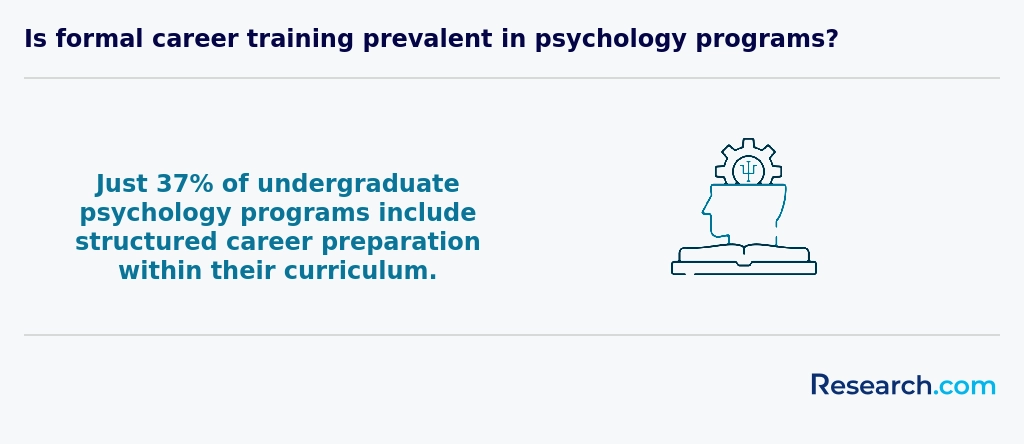
East Lansing isn’t just about rigorous academics; it offers a dynamic and enriching campus life that plays a crucial role in shaping a well-rounded educational experience. Students benefit from a vibrant community where academic pursuits blend seamlessly with extracurricular activities, cultural events, and campus traditions. This lively atmosphere fosters meaningful connections, personal growth, and lifelong friendships. Many institutions in East Lansing host student clubs, support groups, and networking events that provide opportunities for collaboration beyond the classroom. Campus recreational centers, art exhibits, and local festivals further contribute to a sense of belonging and enhance the overall college journey. For those seeking budget-friendly learning paths, exploring online alternatives can also be worthwhile; you might want to check out what are the cheapest online psychology degrees to balance academic goals with financial prudence. Additionally, academic advising, career centers, and mentoring programs are integral parts of the student experience, ensuring that learners receive continuous support well into their professional lives. Such resources are instrumental in easing the transition from student life to the workforce, making East Lansing an ideal setting for both personal and professional development.
Psychology students at Michigan State University in East Lansing frequently rely on a mix of financial aid that makes their educational journey both feasible and rewarding. Many graduates recall how Pell Grants and Federal Supplemental Educational Opportunity Grants eased their tuition burden, allowing them to focus more on research projects and less on finances. These need-based aids, alongside subsidized federal loans that pause interest accumulation while in school, offer a vital support system for in-state and out-of-state students alike.
State initiatives, like the Michigan Competitive Scholarship, create hopeful prospects by helping to lower tuition costs, which is a relief celebrated by many in the psychology community. Work-study programs provide hands-on roles such as research assistantships or counseling center positions, enabling students to gain valuable experience while funding their education. Graduates often reflect on how such opportunities not only helped financially but also enriched their resumes with practical skills rooted in real campus experiences.
Looking ahead, expanding private scholarships from local mental health organizations and community foundations promise to boost financial options, fostering an environment where future psychology students in East Lansing can pursue their passions with confidence and decreased economic stress.
East Lansing’s psychology programs distinguish themselves through robust research labs and field placements that immerse students in real-world practice. At Michigan State University, undergraduates can join the Social Neuroscience Lab or the Child & Family Studies Lab, gaining hands-on experience in experimental design and participant assessment. Graduate students often secure practicum placements at the University Counseling Center, collaborating with licensed psychologists to support clients under supervision. Lansing Community College partners with Sparrow Health System, offering associate-level students opportunities to assist with patient intake and community outreach initiatives. To maximize your chances, begin applying during your sophomore year and consult faculty advisors about credit requirements and licensure-related experiences. For students interested in flexible online internships and placements, our Affordable Online Psychology Degree Programs Ranking in the Northeast highlights programs that combine rigorous field experience with online convenience.
Enrolling in a psychology degree program in East Lansing generally requires a high school diploma with strong performance in subjects like English, math, and science, laying the groundwork for critical thinking skills needed in psychology. Graduates from popular local universities recall how early exposure to introductory psychology courses, whether in high school or community college, greatly boosted their confidence and readiness for university-level challenges.
Many programs in East Lansing continue to value standardized test scores, though the growing trend toward test-optional admissions is easing access for many hopeful students. One graduate shared how flexible criteria at Michigan State University allowed them to focus more on relevant volunteer experience in mental health settings rather than solely on test results.
Beyond academics, applicants who vividly express their passion through personal statements or showcase hands-on experiences often stand out. Some East Lansing programs require a minimum GPA around 2.5 to 3.0, ensuring students are prepared, yet many successful candidates find motivation in these benchmarks rather than feeling constrained by them.
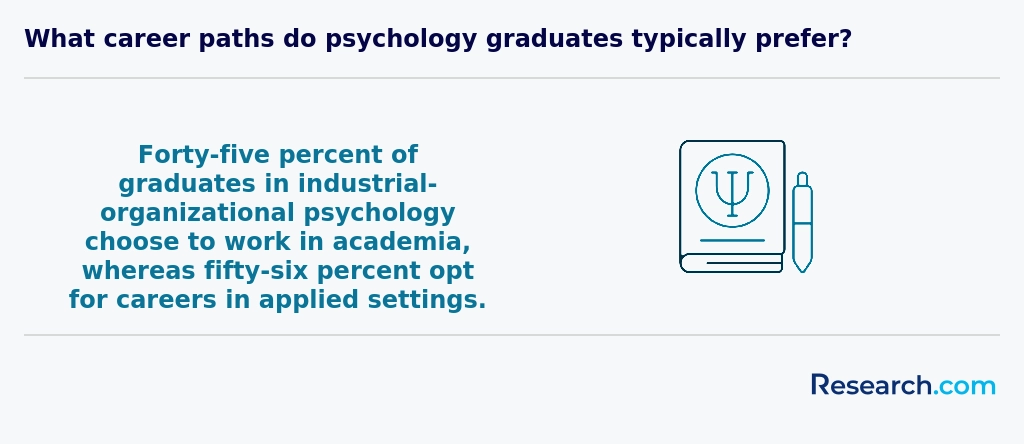
Accreditation confirms your psychology degree meets professional and educational standards essential for licensure in Michigan.
Key steps to licensure in Michigan:
- Earn an APA-accredited doctoral degree or a CACREP-accredited master’s in counseling
- Complete at least 3,000 supervised clinical hours under an approved supervisor
- Pass the national Examination for Professional Practice in Psychology (EPPP)
- Submit application and fees to the Michigan Board of Psychology
- Fulfill continuing education requirements (20 CE credits every two years)
Choosing an accredited program safeguards your eligibility for licensure and ensures recognition by employers. For flexible, cost-effective options, consider the cheapest online psychology degree.
In psychology degree programs in East Lansing, students typically immerse themselves in courses like Introduction to Psychology, Research Methods, and Biopsychology that lay a solid groundwork for understanding human behavior. Graduates from Michigan State University often recall the excitement of applying research methods in real-world lab settings, sharpening their analytical skills early in the program.
Looking ahead, emerging trends suggest future students might engage deeply with courses blending technology and psychology, such as virtual reality simulations for cognitive and social experiments. Developmental and Social Psychology remain central, helping students connect theory to everyday interactions, like observing group dynamics on campus or understanding childhood development in community programs.
More specialized classes like Personality Theory or Educational Psychology help tailor learning to unique career paths. Graduates often describe internships as transformative, offering hands-on experience in clinical or organizational settings. East Lansing's programs foster an empowering environment where curiosity and practical learning converge, inspiring students to envision innovative psychological applications in diverse fields.

Psychology degree specializations East Lansing often evolve as students at Michigan State University and other local institutions explore emerging fields. Graduates describe excitement in clinical psychology programs that now integrate teletherapy techniques, preparing them for future mental health landscapes. Others appreciate the cognitive psychology specialization's growing focus on artificial intelligence's impact on human decision-making. Developmental psychology students highlight projects studying aging populations in local communities, blending theory with meaningful application. Emerging trends in industrial-organizational psychology equip learners to innovate workplace well-being through remote and hybrid work models. Social psychology students enjoy analyzing social media's effects on behavior with direct access to rich urban demographics in East Lansing. Neuropsychology programs increasingly incorporate neuroimaging technologies, giving students hands-on experience with cutting-edge tools. For those interested in diverse career paths, specialized tracks build practical skills echoed in stories from recent graduates who find these tailored experiences invaluable in job markets.
Students aiming to support behavioral health can also explore affordable substance abuse counselor training online, a flexible option complementing on-campus strengths in East Lansing psychology career options.
When choosing the best psychology degree in East Lansing, focus on finding programs with strong accreditation and a reputation for quality, such as those at Michigan State University. Graduates often express satisfaction with the diverse specializations available, which align with evolving fields like cognitive neuroscience and clinical psychology. Considering the average tuition costs at East Lansing's institutions helps ensure affordability; many students appreciate that in-state rates are competitive with other affordable psychology schools East Lansing offers.
Look for programs emphasizing research opportunities and faculty expertise, as hands-on experience can shape future career paths. Graduates commonly highlight how local internships and practicum placements deepen their practical skills. Flexibility is another growing trend, with part-time and evening courses supporting students balancing life and study. For those aiming to work within clinical counseling, understanding licensure requirements is crucial; exploring pathways such as lpc licensure reciprocity virginia may widen future career options.
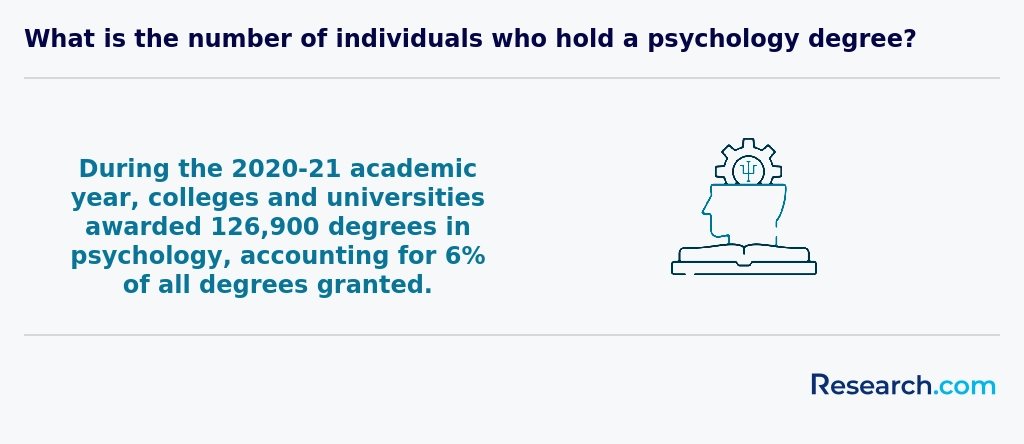
Graduates with a psychology degree in East Lansing find a wide array of career paths that reflect the city's strong academic and clinical environment, especially at Michigan State University. Many start in accessible roles such as case managers or rehabilitation specialists, gaining hands-on experience while building toward licensure in clinical psychology or counseling. Opportunities also extend into research, where graduates assist in cutting-edge studies in cognitive neuroscience or social behavior, contributing to both academic progress and practical applications. Psychology career opportunities in East Lansing additionally include emerging interdisciplinary fields combining technology and behavioral science, offering exciting prospects beyond traditional roles.
Many graduates recall the vibrant research centers and healthcare facilities nearby that foster networking and career growth. These environments make it easier to transition into specialized roles like industrial-organizational psychologist or school psychologist. Those interested in alternative pathways may find fulfilling work in human resources or marketing, where understanding human behavior drives strategy. Students curious about broader options often explore psychology colleges utah campus visits to compare programs and envision diverse futures shaped by their East Lansing education.
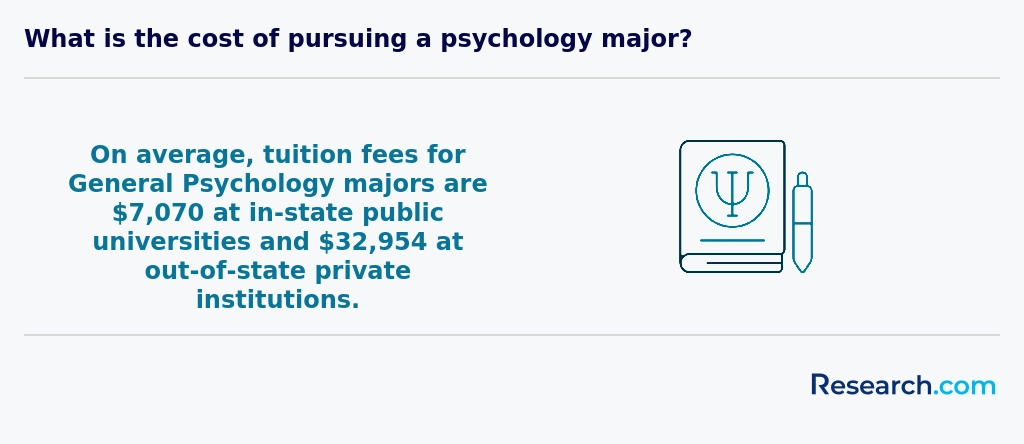
Psychology degree job opportunities East Lansing continue to evolve, with graduates finding promising roles in healthcare, education, and social services thanks to the city's vibrant metropolitan setting. Those graduating from Michigan State University or local colleges often share how internships and community partnerships enhance their employability in mental health counseling and human resources. With the region's growing focus on behavioral health, graduates feel optimistic about entering a workforce supported by nearby hospitals and clinics.
Employment outlook for psychology graduates East Lansing points toward steady demand, especially for those pursuing advanced degrees in clinical or counseling psychology. Graduates frequently mention how their hands-on experience helps them navigate local job markets that prioritize practical skills alongside academic credentials. Those considering where to study appreciate the balance of reasonable tuition with rewarding career paths. Many explore options offered by valuable psychology schools in Michigan to maximize their potential both academically and professionally.
2027 Most Valuable Psychology Degree Programs Ranking in East Lansing
Investing in one's education is a significant decision that can have a lasting impact on career and personal growth. The Research.com team is keenly aware of the challenges prospective students face and has devoted considerable effort to ensure the quality, credibility, and accuracy of the "2027 Most Valuable Psychology Degree Programs Ranking in East Lansing." Our rigorous research process involved analyzing multiple trusted data sources to provide a reliable evaluation.
We utilized the following reputable data sources to create this ranking:
By reviewing this ranking, readers will gain valuable insights into the top psychology degree programs in East Lansing, empowering them to make well-informed educational choices. For more information about how this ranking was developed, please visit our Research.com methodology page.

Frequently Asked Questions About psychology
Psychology degree students in East Lansing can enhance their learning experience by actively engaging in research opportunities offered by local universities. Michigan State University, a leading institution in the area, provides access to labs focusing on cognitive, developmental, and clinical psychology, allowing students to apply theory in real-world settings.
Participation in internships at nearby healthcare centers or community organizations is another valuable way to gain practical experience. These placements help students develop essential skills and build professional networks within Michigan's mental health sector.
Students should also take advantage of East Lansing's academic resources such as tutoring centers, workshops, and psychology student organizations. According to the National Center for Education Statistics, involvement in campus activities correlates with higher retention and graduation rates in psychology programs nationwide.
Emerging niches within the psychology field reflect growing societal needs and technological advancements. In East Lansing, areas like neuropsychology and health psychology have seen increased interest, partly due to Michigan State University's strong research programs. These specialties focus on understanding brain-behavior relationships and promoting mental wellness through physical health, respectively.
Another fast-growing niche is forensic psychology, blending law and psychology, which meets the rising demand for experts in legal contexts. Additionally, industrial-organizational psychology is expanding as businesses seek to improve employee well-being and productivity.
Data from the Bureau of Labor Statistics shows that employment in these specialized psychology careers is expected to grow 14% by 2030, higher than average for all occupations.
Preparing for the job market after completing a psychology degree in East Lansing involves a combination of practical experience and networking. Many students benefit from internships or volunteer roles in clinical, educational, or research settings. Michigan State University, located in East Lansing, offers access to numerous local organizations that provide such opportunities.
Additionally, obtaining relevant certifications or considering graduate school can improve employability. According to the U.S. Bureau of Labor Statistics, psychology-related jobs are projected to grow 8% from 2022 to 2032, faster than average.
Building strong connections through university career services and attending local psychology associations can further support job placement efforts.
Employers in East Lansing value psychology graduates who demonstrate strong critical thinking and analytical skills. These abilities allow graduates to interpret research findings and apply psychological theories effectively in real-world settings.
Communication skills are equally important, as many psychology roles require explaining complex concepts clearly to clients or colleagues. According to the Bureau of Labor Statistics and local job market analyses, East Lansing employers also prioritize interpersonal skills for roles involving counseling and social services.
Practical experience with data collection and statistical software, such as SPSS or R, can give graduates a competitive edge. Additionally, adaptability and ethical judgment remain crucial in this evolving field.
Finding internships relevant to a psychology degree in East Lansing involves connecting with local institutions and university resources. Michigan State University (MSU), a major hub for psychology studies, offers internship listings and career services tailored for psychology students. Many internships are available in nearby hospitals, mental health clinics, and community organizations focused on behavioral health.
Students should utilize the MSU Career Services Network and the Psychology Department's internship coordinator to access vetted opportunities. According to MSU data, nearly 70% of psychology undergraduates complete internships before graduation, gaining essential hands-on experience.
Additionally, internships can be found through professional associations such as the Michigan Psychological Association, which post local openings and provide networking events. Applying early and preparing a strong resume focused on psychology skills is crucial to securing competitive placements.
A psychology degree in East Lansing offers significant advantages for career mobility and advancement. Graduates gain a broad understanding of human behavior, critical for roles in healthcare, education, and business sectors prevalent in the region. According to the U.S. Bureau of Labor Statistics, psychology-related jobs in Michigan are expected to grow about 8% by 2030, slightly faster than average.
Local employers, including mental health clinics and research institutions near East Lansing, highly value candidates with strong analytical and interpersonal skills developed through psychology programs. Further education, such as a master's or doctoral degree, significantly increases access to higher-level positions and specialized roles.
Networking opportunities provided through East Lansing's universities and related professional organizations also enhance upward mobility, connecting students with internships and job placements that foster long-term career growth.
Studying for a psychology degree in East Lansing provides strong preparation for interdisciplinary roles through a curriculum integrating diverse fields such as neuroscience, sociology, and health sciences. Michigan State University (MSU), the primary institution in East Lansing, emphasizes research and practical experiences that connect psychology with biology, education, and public policy.
Students engage with collaborative projects and internships that encourage applying psychological principles in various sectors including healthcare and community programs. According to MSU's most recent academic reports, over 70% of psychology undergraduates participate in interdisciplinary research, enhancing skills valued across multiple industries.
This approach equips graduates to work effectively in teams, understanding complex human behavior from multiple perspectives, crucial for careers in counseling, human resources, or medical fields.
When choosing between a thesis and a non-thesis psychology degree program in East Lansing, consider your career goals first. A thesis option typically involves conducting original research and writing a substantial paper, which is ideal if you plan to pursue a PhD or work in research-focused roles. The non-thesis track often emphasizes coursework and practical skills, suitable for students aiming for professional practice or roles in counseling and applied psychology.
East Lansing's programs, such as those at Michigan State University, offer both options with support from faculty experienced in clinical and experimental psychology. According to the National Center for Education Statistics, about 40% of psychology master's graduates nationwide choose thesis paths, reflecting strong research training.
Financial and time commitments also differ: thesis programs may require more semesters and resource investment. Review specific East Lansing program details and seek advisement to match your interests with the appropriate degree format.
Students based in East Lansing who wish to study psychology abroad have several pathways to consider. Michigan State University, located in East Lansing, offers various study abroad programs specifically tailored for psychology majors, including partnerships with institutions in Europe, Australia, and Asia. These programs allow students to earn credits applicable to their degree while experiencing different cultural approaches to psychology.
Additionally, students can explore exchange programs facilitated through the university's Office for Education Abroad, which supports placements in countries known for strong psychology research, such as the United Kingdom and Germany. Participation rates in such programs have steadily increased, with MSU reporting over 30% of psychology students engaging in international study experiences as of 2023.
Financial aid and scholarships are often available to support study abroad costs, making these options more accessible for East Lansing students interested in global psychology perspectives.
East Lansing offers several part-time job opportunities that can complement education in psychology. Working as a research assistant at Michigan State University allows students to gain hands-on experience in experimental design and data analysis. According to the university's Career Services, psychology students often find roles in local counseling centers or community health organizations, which provide practical exposure to mental health support.
Positions such as behavioral health technician or peer support specialist are also common and help in developing clinical skills. Additionally, many students seek roles in academic tutoring or administrative support for psychology departments, enhancing both subject knowledge and organizational abilities.
Psychology students in East Lansing benefit from numerous networking opportunities, primarily through Michigan State University (MSU). MSU's Department of Psychology hosts regular events such as research symposiums and guest lectures, where students can connect with faculty and visiting experts. These occasions are valuable for building professional relationships and exploring career paths.
Students also have access to active psychology clubs and honor societies, like Psi Chi, offering peer networking and community engagement. Local internships and volunteer opportunities with institutions in the Lansing area provide practical experience and professional contacts valuable for job placement.
Moreover, East Lansing's proximity to Lansing's healthcare facilities and research centers creates a broader ecosystem for psychology students to expand their professional networks beyond campus. According to the MSU College of Social Science, over 70% of psychology undergraduates participate in internships or research activities enhancing their network connections.
Alumni networks play a significant role for psychology degree students in East Lansing by offering valuable professional connections. Graduates from local institutions like Michigan State University benefit from extensive alumni associations, which often host networking events, mentorship programs, and career workshops. These opportunities allow current students to engage with experienced professionals in psychology fields, from clinical practice to research.
According to the National Association of Colleges and Employers, 85% of job placements occur through networking, highlighting the importance of alumni connections in securing internships and employment after graduation. In East Lansing, these networks help students navigate the competitive US job market by providing access to localized job openings and guidance specific to psychology careers.
Moreover, alumni can assist with academic advice and research collaborations, enhancing learning beyond traditional coursework. The support system formed by these networks builds a sense of community, fostering collaboration and continuous professional development within the psychology sphere.
Customizing a psychology degree program in East Lansing typically involves selecting elective courses and specializations that align with your career goals. Many universities, such as Michigan State University, offer tracks in clinical, cognitive, developmental, or social psychology. According to MSU's Department of Psychology, students can tailor their coursework to prepare for careers in counseling, research, or human resources.
Additionally, you can enhance your education through internships and research opportunities available locally. East Lansing's proximity to various healthcare and community organizations provides valuable hands-on experience. The Bureau of Labor Statistics notes that practical experience improves job prospects in psychology-related fields.
Furthermore, pursuing graduate certificates or minors in related disciplines like neuroscience or business can expand your skill set. Academic advisors at East Lansing institutions encourage students to develop individualized degree plans based on current labor market trends and personal interests.
Psychology students in East Lansing often face the challenge of balancing rigorous coursework with practical experience requirements. Programs typically demand a strong foundation in research methods and statistics, areas where many students struggle due to the technical nature of the material. According to the American Psychological Association, mastering these skills is essential for graduate study or professional work.
Additionally, students must complete internships or clinical placements that can be competitive and time-consuming. Navigating these opportunities within the Lansing metropolitan area requires good time management and networking skills. Financial pressure is also common, as tuition and living costs in East Lansing continue to rise, impacting students' ability to focus fully on their studies.
With a psychology degree in East Lansing, you can pursue several professional certifications to advance your career. Common options include becoming a Licensed Professional Counselor (LPC) or a Licensed Psychologist, both requiring additional graduate study and supervised experience. For those interested in school settings, certification as a School Psychologist is available, often requiring credentials from the National Association of School Psychologists.
The Michigan Board of Psychology oversees licensing in East Lansing, setting standards aligned with national guidelines. Some professionals also seek certifications in applied behavior analysis (ABA), which is valuable for working with autism and developmental disorders. These certifications improve job prospects and are often needed for specialized roles.
When applying for a psychology program in East Lansing, start by carefully reviewing the specific requirements of your target institution, such as Michigan State University, which is a prominent choice in the area. Admissions committees value a strong academic record, especially in science and math courses, so highlight your GPA and relevant coursework.
Craft a compelling personal statement that clearly explains your passion for psychology and your career goals. Use this opportunity to demonstrate knowledge of the field and how the program aligns with your aspirations. Including any research experience or internships, even local ones, can strengthen your application.
Letters of recommendation from professors or professionals familiar with your academic abilities are essential. Michigan State's psychology department, for example, recommends 2 to 3 references to assess your potential.
Finally, prepare for any required standardized tests like the GRE, as some graduate psychology programs still consider scores in their evaluation. Stay informed through official university websites and reliable sources like the National Center for Education Statistics for up-to-date data.
A psychology degree from East Lansing, home to prominent institutions like Michigan State University, offers a strong foundation aligned with global trends in psychology careers. Across the world, psychology is increasingly valued for its applications in healthcare, education, and business.
In the United States, the Bureau of Labor Statistics projects a 8% growth in clinical, counseling, and school psychologist jobs from 2021 to 2031, reflecting consistent demand. East Lansing's programs emphasize research and applied skills, preparing graduates for this expanding job market.
Globally, psychology professionals contribute to diverse areas such as mental health policy, human factors engineering, and cross-cultural studies, emphasizing the importance of scientific training offered in U.S. degree programs.
The experiential learning opportunities available in East Lansing boost graduates' competitiveness in international settings, aligning with worldwide interdisciplinary approaches to psychological science.
Gaining practical experience is essential while pursuing a psychology degree in East Lansing. Many students engage in internships offered through local organizations, including counseling centers and hospitals, to apply classroom theories in real-world settings. Michigan State University, located in East Lansing, collaborates with multiple community partners to provide such opportunities.
Additionally, research assistant positions are common in psychology labs on campus, allowing students to participate in ongoing studies and build valuable skills. Participation in these roles often enhances graduate school or job applications.
Volunteer work at mental health agencies or school programs also offers hands-on learning. According to the Bureau of Labor Statistics, practical experience significantly improves employability in psychology-related fields.
Choosing the right concentration within a psychology degree program in East Lansing involves understanding your career goals and interests. Psychology offers diverse paths such as clinical, cognitive, developmental, or social psychology. East Lansing's programs often highlight applied research and hands-on experience, which can guide your choice.
Research from Michigan State University, a leading institution in East Lansing, shows students with clinical or counseling concentrations often find quicker employment in healthcare settings. Meanwhile, cognitive and neuroscience focuses align well with research and academic careers. Consider internships and faculty expertise when selecting.
Review program curricula and job placement statistics to see which concentration matches your skills and long-term ambitions.
- 2027 Most Valuable Psychology Degree Programs Ranking in Detroit
- 2027 Most Valuable Psychology Degree Programs Ranking in Cleveland
- 2027 Most Valuable Psychology Degree Programs Ranking in Columbus
- 2027 Most Valuable Psychology Degree Programs Ranking in Cincinnati
- 2027 Most Valuable Psychology Degree Programs Ranking in Pittsburgh
- 2027 Most Valuable Psychology Degree Programs Ranking in Buffalo
- 2027 Most Valuable Psychology Degree Programs Ranking in Rochester
- 2027 Most Valuable Psychology Degree Programs Ranking in Saint Louis
- 2027 Most Valuable Psychology Degree Programs Ranking in Saint Paul
- 2027 Most Valuable Psychology Degree Programs Ranking in Minneapolis
See What Experts Have To Say About Studying Psychology
Read our interview with Psychology experts

Robin M. Kowalski. Ph.D.
Psychology Expert
Professor of Psychology
Clemson University

Joann Farrell Quinn, Ph.D., MBA
Psychology Expert
Director at the College of Medicine Department of Medical Education
Morsani College of Medicine

Catherine Caldwell-Harris, Ph.D.
Psychology Expert
Associate Professor of Psychology
Boston University

- Cost of Psychology Degree: Tuition, Fees & Is it Worth it? | SoFi https://www.sofi.com/cost-of-psychology-degree/
- Psychology - SWPS University https://english.swps.pl/academics/warsaw/ba-programs/psychology
- Bachelor's Psychology at Michigan State University https://www.studentstraffic.com/ba-psychology-michigan-state-university-fees
- Sample letters in psychology https://www.mystudies.com/en-in/human-and-social-sciences/psychology/letter-model/
- Psychology https://discover.alpenacc.edu/psychology.php
- Know more about thesis vs non- thesis: what is the difference? https://studyfans.com/en/blogs/816
- Unlocking Michigan’s (MI) Top Online Master’s Degrees in Psychology https://www.onlinemastersdegrees.org/best-programs/psychology/michigan-mi/
- Psychology Schools in Michigan | Psychology Degree Guide https://psychologydegreeguide.org/state/michigan/
- Best Types Of Online Psychology Degrees 2025 https://www.psychology.org/degrees/
- Lansing Psychological Associates, Inc. (LPA) https://www.lansingpsych.net/


