
2027 Most Popular Psychology Degree Programs Ranking in Davis

Co-Founder and Chief Data Scientist
Choosing the right psychology degree program can feel overwhelming, especially with so many options in Davis. This article presents the 2027 Most Popular Psychology Degree Programs Ranking in Davis, carefully developed by the Research.com team of data scientists to guide you toward the best choices.
By exploring this ranking, you'll gain valuable insights into programs that match your goals and interests. A psychology degree opens doors to meaningful careers, personal growth, and making a positive difference in people's lives. Dive in to find the perfect path for your future!
Key benefits of getting psychology degree in Davis
- Salary for psychology degree graduates: Graduates in psychology-related roles such as Human Resources Specialists and Marketing Research Analysts in Davis can earn mean annual wages of around $76,060 and $83,190 respectively, highlighting promising financial opportunities.
- Potential career paths: A psychology graduate from a well-known Davis university might pursue various rewarding careers including Clinical Research Associate or Survey Researcher, with mean wages near $62,370, showing diverse job options in health and social sciences.
- Benefits of online degrees: Earning a psychology degree online in Davis allows flexibility for working students and helps balance life commitments while gaining the same strong knowledge base as traditional programs, fostering confidence and career readiness.
- 2027 Most Popular Psychology Degree Programs Ranking in Davis
- What can I expect from psychology degree in Davis?
- Where can I work with psychology degree in Davis?
What can I expect from psychology degree in Davis?
The average cost of pursuing a psychology degree in Davis, primarily at UC Davis, varies based on residency and program level. For in-state undergraduates, tuition typically ranges around $14,000 per academic year, while out-of-state students may pay upwards of $44,000. Graduate program costs also differ but generally align with these figures, though funding opportunities such as teaching assistantships and research grants often help reduce the financial burden.
Many psychology students describe balancing coursework with part-time research roles funded through the university, making the experience both affordable and enriching. For example, graduates share how working in UC Davis's research labs or local clinics provided valuable hands-on training while offsetting expenses.
Applying early for scholarships and assistantships is key. Students pursuing the APA-accredited programs find this especially rewarding since it supports both licensure and reduces debt. Planning finances thoughtfully can transform the typical challenges of paying for education into manageable steps toward a fulfilling career.
Where can I work with psychology degree in Davis?
Graduates with a psychology degree in Davis often find rewarding careers at UC Davis Medical Center, where many provide mental health services in clinical and counseling roles. These positions are expanding, reflecting a growing local demand for psychological expertise.
Many also work in nearby schools such as those in the Davis Joint Unified School District, supporting students with learning and emotional challenges. This pathway offers hands-on experience helping children thrive, making a real impact in the community.
Research opportunities abound at UC Davis, where graduates join teams studying neuroscience or human behavior. Working as a research assistant offers valuable skills for those considering advanced degrees or research careers.
Community organizations provide roles in outreach and program coordination, allowing graduates to engage directly with diverse populations, from youth to elderly, fostering meaningful change.
Finally, some psychology graduates in Davis leverage their knowledge in business and human resources, enhancing workplace culture and consumer insights, often finding these roles both challenging and fulfilling.
Graduates with psychology degrees from institutions like the University of California, Davis commonly find entry-level roles aligned with their training, such as Clinical Research Associates or Survey Researchers, earning around $62,370 annually based on current U.S. Bureau of Labor Statistics data. This salary supports a comfortable living in Davis, especially for those just starting their careers.
Those leveraging their degrees into roles like Human Resources Specialists can expect to make approximately $76,060 per year, a figure that reflects the growing demand for psychology skills in organizational environments across the region.
Marketing Research Analyst positions offer even higher earning potential, with mean annual wages near $83,190. Psychology graduates have shared they appreciate applying their analytical and behavioral insights to market trends, especially in industries around Sacramento and Davis.
For students and recent graduates, gaining experience through internships at local universities or community mental health programs can accelerate their earning prospects by building practical skills employers in the Davis area highly value.
By focusing on expanding skill sets and certifications, psychology graduates in Davis can confidently pursue careers both rewarding in impact and promising financially.
- The annual tuition cost for an in-state psychology bachelor's degree in Davis ranges from $14,000 to $18,000, while out-of-state students may pay over $40,000.
- Entry-level salaries for psychology graduates in Davis typically start between $45,000 and $55,000 per year, depending on education and role.
- Mid-career psychologists in the area earn around $70,000 to $85,000 annually, with clinical psychologists potentially earning more if licensed.
- The local job market for psychology-related roles like behavioral health technicians and school counselors is growing, with increasing demand expected over the next decade.
- Students benefit from internship and networking opportunities through local medical centers, research institutions, and community organizations.
Completing a psychology degree in Davis typically takes around four years for full-time students, especially at well-known schools like the University of California, Davis (UC Davis). Graduates often share that staying on track with roughly 120 to 140 semester units-including general education and core psychology courses-keeps them progressing steadily. Engaging in research projects or internships adds valuable experience but can sometimes extend this timeframe beyond four years.
Many students find that participating in a senior thesis or extensive research enriches their learning and boosts confidence, even if it means studying a bit longer. For those balancing part-time enrollment or transferring credits, graduation may take more than the standard four years. Graduate programs, such as Master's or PhD degrees in psychology, vary widely-taking anywhere from two to seven years depending on research demands and clinical practice.
In Davis, planning your course load thoughtfully and seeking academic advising early can help maintain momentum toward graduation, keeping your psychology goals within reach.
Accreditation is a critical factor when selecting a psychology degree program in Davis, CA. All reputable institutions in the area hold regional accreditation from the WASC Senior College and University Commission (WSCUC), ensuring they meet rigorous academic standards. For graduate-level training-especially programs intended to lead to licensure-American Psychological Association (APA) accreditation is essential. APA-accredited master’s and doctoral programs adhere to best practices in curriculum design, faculty qualifications, and research opportunities, which in turn qualify graduates to pursue state licensure. In California, licensure as a Professional Clinical Counselor or Licensed Psychologist requires:
- Completion of an APA-accredited graduate program (for Psychology) or a CACREP-accredited program (for Counseling Psychology).
- A minimum of 3,000 supervised practicum and internship hours.
- Passage of the Examination for Professional Practice in Psychology (EPPP) and the California Law and Ethics Exam. Before applying, confirm a program’s accreditation status via the APA’s “Accredited Programs” directory and the California Board of Psychology website. Prospective students should also compare tuition and financial aid options across accredited programs. For cost-conscious applicants weighing online versus on-campus pathways, our research team recommends reviewing the Most Affordable Online Psychology Degree Programs Ranking in the Midwest to gauge potential savings and accreditation credentials. Ensuring proper accreditation not only safeguards educational quality but also streamlines the path to professional licensure and long-term career success in psychology.
Choosing between online and on-campus psychology degrees in Davis depends largely on your learning style and life commitments. Graduates from the University of California, Davis often praise the on-campus experience for its hands-on labs and direct access to counseling centers, which helped them apply psychological theories in real time. This face-to-face interaction also boosted their confidence when networking during internships embedded in the curriculum.
Meanwhile, online students appreciate the flexibility to study asynchronously, a huge advantage for those balancing work or family. These students rely on digital platforms for lectures and discussions, which requires strong self-discipline but allows learning at their own pace. Though online programs in Davis may lack direct lab access, many seek local internships to gain practical experience.
Cost is another practical difference. On-campus tuition at Davis colleges typically ranges from $15,000 to $40,000 annually, while online options generally offer 20-30% savings, easing financial pressure for many students. Whatever path you choose, verifying specific program details and costs locally is essential for a smooth educational journey.
To find the most suitable psychology program in Davis, CA, prospective students should consider various factors, including the program's reputation, curriculum, and available specializations. When researching, it's beneficial to explore the most popular psychology schools in the area, as these institutions often offer a wide range of courses and have established connections with local organizations, providing valuable internship and job opportunities. By evaluating these aspects and understanding the local education landscape, students can make informed decisions that align with their academic and career goals, ultimately leading to a fulfilling and successful journey in the field of psychology.
The average cost of a psychology degree in Davis typically reaches around $16,774 for in-state students at UC Davis, a leading institution for this field. Graduates often share that while tuition and fees present a significant investment, they found strong support through scholarships and financial aid, which made their education more affordable. This in-state figure contrasts sharply with out-of-state costs, which can approach over $67,000, highlighting the advantage of residency status when planning your education budget.
Many students begin their psychology studies at local community colleges like Woodland Community College, where tuition is much lower-about $1,200 annually for in-district students-before transferring to UC Davis or similar universities. This path allows for a more budget-conscious route while maintaining focus on core psychology coursework. Raising awareness of these options aligns well with those researching psychology degree tuition and fees Davis 2027.
Living expenses in Davis generally add roughly $16,000 annually, which students factor into their overall cost planning. However, many find ways to manage housing and daily costs creatively, such as sharing accommodations or utilizing campus resources, which lessens financial pressure and enhances their college experience.
Graduate psychology programs naturally come with higher tuition, varying between $17,000 and $36,000 annually for in-state students, but many graduate students benefit from assistantships and financial aid packages. Those considering advanced psychology degrees may explore support options extensively.
For those curious about practical career pathways, understanding counselor education requirements Colorado can provide additional perspective on balancing educational investments and career goals effectively.

Obtaining a degree in psychology is just the first step toward a fulfilling career; understanding the licensing and certification requirements is crucial for transforming academic achievements into professional practice. In California, prospective psychologists should familiarize themselves with the state's licensing board guidelines, which often include completing a set number of supervised clinical hours, passing standardized examinations such as the Examination for Professional Practice in Psychology (EPPP), and engaging in ongoing professional development to maintain licensure. This process not only ensures that practitioners adhere to high ethical and professional standards but also enhances their credibility and employability in competitive job markets. For example, professionals focusing on niche areas like forensic psychology or clinical research may pursue specialized certifications that further validate their expertise and open up diverse opportunities, including exploring jobs with criminal psychology degree. Staying informed about these requirements through state regulatory websites, professional associations, and academic advisement resources can help students and graduates navigate a clear path from education to practice, ensuring they meet all necessary standards for a successful career in psychology.
Psychology students at UC Davis find substantial financial aid available to make their education more affordable. Many rely on federal aid by filling out the FAFSA, which qualifies them for Pell Grants and federal student loans. Graduates often share how receiving Pell Grants helped them focus on studies without the heavy stress of debt.
The California-specific Cal Grant program is another crucial support, offering up to $12,570 annually for tuition and fees. Students with strong academic records and financial need at UC Davis frequently benefit from this aid, making tuition costs far more manageable.
UC Davis also awards psychology scholarships tailored to majors, rewarding those with solid GPAs and active involvement in research or community work. Past recipients report these scholarships reducing costs by several thousand dollars, easing their financial burden significantly.
Graduate psychology students often pursue assistantships that cover tuition and provide stipends. These positions are competitive but offer a rewarding way to gain experience while earning financial support.
Additionally, private scholarships from organizations like the American Psychological Association extend further financial help, supporting both undergrad and grad psychology students in Davis.
Choosing an accredited program and understanding state licensure steps ensures your degree leads to professional practice.
- Regional Accreditation: Verify your institution is WSCUC-accredited to meet California Board requirements.
- Programmatic Accreditation: For those pursuing clinical or counseling psychology, seek APA- or COAMFTE-accredited programs.
- Degree Requirements:
- Bachelor’s from a regionally accredited school.
- Master’s or doctoral degree in psychology or marriage and family therapy (MFT) from an accredited program.
- Supervised Experience: Complete required hours-typically 3,000 for MFT candidates-under approved supervision.
- Examinations:
- EPPP (for licensed psychologists)
- California Law and Ethics Exam
- MFT licensing exam (for marriage and family therapists)
- Next Steps: After passing exams and logging supervision, apply to the California Board of Psychology or Board of Behavioral Sciences. For students seeking a faster MFT pathway, consider accelerated online mft programs.
Students aiming to enroll in a psychology degree in Davis should first ensure they meet core academic prerequisites. For undergraduate programs, this typically means having a high school diploma with strong grades in English, math, and science. Graduates from local high schools often find that maintaining a GPA around 3.0 or higher opens doors to competitive programs, such as those at UC Davis.
Those pursuing graduate studies need a bachelor's degree, preferably with psychology-related coursework like research methods or statistics. Many graduate applicants share how securing strong letters of recommendation and crafting a clear personal statement helped highlight their passion and goals effectively.
Internships or research experiences in psychological settings frequently boost applicants' chances by demonstrating real-world commitment. While some schools require GRE scores, an increasing number waive this, reducing barriers and easing stress for hopeful students.
Understanding deadlines and emphasizing timely application submission-as experienced by many successful undergraduates at UC Davis-can make a decisive difference in admission outcomes.
Accreditation by recognized bodies such as the American Psychological Association (APA) and regional agencies ensures that psychology programs in Davis meet rigorous educational standards. Prospective students should verify that their chosen institution holds regional accreditation through the WASC Senior College and University Commission (WSCUC), which guarantees credit transferability and eligibility for federal financial aid. For advanced practice, APA accreditation is critical for doctoral tracks in clinical, counseling, and school psychology, enabling graduates to sit for the Examination for Professional Practice in Psychology (EPPP) administered by the California Board of Psychology. Those pursuing counseling psychology should also confirm CACREP accreditation to qualify for associate and full licensure in California. Internship and practicum experiences are essential licensure prerequisites; ensure your program partners with local mental health clinics, schools, and hospitals to meet supervised training requirements. For specialized fields such as child psychology, accreditation guarantees that coursework and supervised fieldwork comply with state certification standards. Evaluating program accreditation not only impacts your ability to practice professionally but also reflects on curriculum quality, faculty expertise, and research opportunities. Before applying, review each program’s accreditation status and consult the California Board of Psychology to confirm eligibility for licensure pathways and future career advancement.
In Davis, psychology degree programs commonly begin with foundational courses like Introduction to Psychology, which many graduates recall as pivotal in shaping their enthusiasm for the subject. At institutions such as UC Davis, students quickly move into diverse areas including developmental, cognitive, social, and abnormal psychology, providing a broad yet detailed understanding of human behavior. This variety helps students connect concepts to real-life contexts, such as observing social dynamics on campus or analyzing cognitive functions during daily activities.
Hands-on experience is a standout feature, with courses emphasizing research methods and statistics. Students often describe the excitement of designing experiments and conducting independent projects, which deepen their critical thinking skills. Core classes also include Biological Bases of Behavior and Cognitive Neuroscience, enabling students to explore how brain systems influence emotions and decisions, making their learning highly relevant to future counseling or clinical work.
Other key courses like Psychological Testing and Measurement and Ethics in Psychology prepare students for professional challenges. Many graduates appreciate how these classes build confidence for real-world applications, from ethical dilemmas to administering assessments during internships with local healthcare providers.
Students pursuing a psychology degree in Davis can choose from a variety of specializations tailored to fit specific career goals. Popular tracks offered at University of California, Davis, and other local colleges include Clinical Psychology, Cognitive Psychology, Developmental Psychology, Social Psychology, Health Psychology, and Neuropsychology. Graduates often share how Clinical Psychology gave them hands-on experience diagnosing mental health disorders, while Cognitive Psychology prepared others for research roles exploring memory and decision-making.
These options reflect the best psychology concentration options Davis provides, combining academic rigor with practical application. For instance, students focusing on Social Psychology find themselves well-prepared for careers in marketing or organizational behavior, motivated by real-world social dynamics. Those interested in neuroscience benefit from Neuropsychology's link between brain function and behavior, strengthening research skills with direct clinical insight. Many students also explore advanced pathways through online clinical psychology doctorate programs to deepen their expertise.
Choosing the best psychology degree in Davis means focusing on programs like those at UC Davis, known for their strong research and faculty expertise. Graduates often highlight how smaller class sizes and accessible professors created a supportive learning environment where they felt confident and valued. For students targeting clinical psychology careers, seeking programs with American Psychological Association accreditation is essential for licensure preparation.
Avoid surprises by considering tuition and living costs-UC Davis offers affordable tuition for California residents, making it one of the best affordable psychology colleges Davis CA. Many students find balancing coursework with part-time jobs manageable due to flexible scheduling options and campus support services. Exploring specializations such as cognitive or developmental psychology can also sharpen your focus and better prepare you for future roles.
For those open to alternative pathways, checking out online psychology schools in florida may provide useful comparisons or backup options when planning your education journey. Graduates often recommend reviewing employment outcomes and practical experience opportunities to ensure your degree leads to a fulfilling career.
Graduates pursuing psychology career opportunities in Davis find diverse paths suited to their interests and skills. Many enter clinical and counseling psychology, working directly with clients to address mental health challenges, a field notably expanding in Davis through state-backed mental health service programs. Educational psychology is another popular choice, especially for those connected to UC Davis, where graduates actively engage with schools to enhance student development and learning outcomes.
For those seeking roles in the workplace environment, industrial-organizational psychology offers a rewarding career improving employee well-being and organizational culture. Graduates often enjoy positive experiences applying research-based strategies that boost workplace productivity and satisfaction. Jobs with a psychology degree in Davis also include social work, forensic psychology, and health psychology, providing roles in community support and research-based public health initiatives.
Graduates interested in licensure can explore specialized training such as lpc licensure coursework pennsylvania for additional professional credentials, demonstrating how Davis students often pursue tailored pathways aligned with their career goals.

Graduates holding a psychology degree in Davis benefit from a vibrant job market supported by the University of California, Davis, and the growing Sacramento metropolitan area. Many find opportunities in healthcare, education, and business sectors, where the demand for clinical psychologists, counselors, and human resource specialists continues to rise. Entry-level roles such as research assistant or mental health technician provide solid starting points, especially for those eager to build practical skills gained through their studies.
Networking plays a key role in securing employment, with many graduates appreciating connections made through UC Davis and local professional organizations. The rise of telehealth has also broadened job opportunities, letting psychology professionals work remotely in counseling or therapy roles, adapting well to modern career needs. For students focused on maximizing their return on investment, it is crucial to explore the most popular psychology schools in California, which can influence career outlook for psychology graduates Davis looking to enter competitive markets.
2027 Most Popular Psychology Degree Programs Ranking in Davis
Investing in your education is a significant decision that can profoundly impact your future, and the Research.com team recognizes the importance of making well-informed choices. To support prospective students in Davis, we have carefully developed the "2027 Most Popular Psychology Degree Programs Ranking in Davis." Our dedication to quality, credibility, and accuracy is demonstrated through the rigorous research and analysis behind this ranking.
We utilized the following reputable data sources to ensure a comprehensive evaluation of psychology degree programs:
By reviewing this ranking, readers will access valuable insights into the most popular and respected psychology degree programs in Davis, empowering them to make confident educational decisions. For more information on how this ranking was created, please visit our Research.com methodology page.

Frequently Asked Questions About psychology
Psychology degree students in Davis can maximize their learning experience by actively engaging with both academic and practical opportunities. The University of California, Davis, offers a well-regarded psychology program with access to diverse research labs. Participating in undergraduate research projects enhances critical thinking skills and provides hands-on experience, which is vital for graduate study or careers.
Joining psychology-related student organizations, such as Psi Chi, allows networking with peers and professionals, fostering collaboration and mentorship. Students should also seek internships in local clinics and community programs to apply classroom knowledge in real-world settings.
Utilizing campus resources, like academic advising and workshops, helps to tailor educational paths to personal goals. According to UC Davis reports, approximately 68% of psychology undergraduates participate in research or internships during their studies, which correlates with higher post-graduation employment rates.
Emerging niches within the psychology field reflect evolving societal needs and advances in technology. In Davis, specialties such as neuropsychology, health psychology, and forensic psychology are gaining attention. Neuropsychology explores brain-behavior relationships, important with rising neurological disorders in the U.S. Health psychology focuses on how psychological factors influence physical health, aligning with growing integrative health approaches seen in local medical centers.
Forensic psychology is expanding due to increasing demand for mental health expertise in legal contexts. Additionally, industrial-organizational psychology is growing, addressing workplace well-being and productivity, relevant for businesses in the Davis area. According to the U.S. Bureau of Labor Statistics, jobs in these specialties are projected to grow faster than average through 2030.
Preparing for the job market after earning a psychology degree in Davis requires strategic planning and local awareness. Many graduates begin by gaining practical experience through internships or volunteer roles in nearby healthcare facilities, schools, or research centers. According to the California Employment Development Department, the Sacramento metropolitan area, which includes Davis, is projected to grow 9% in psychology-related jobs by 2028, signaling promising opportunities.
Networking with local professionals and joining organizations such as the California Psychological Association can enhance job prospects. Additionally, graduates should consider pursuing certifications like Licensed Professional Clinical Counselor (LPCC) if interested in clinical roles. Developing skills in data analysis and familiarity with software like SPSS also helps in research-focused positions.
Employers in Davis highly value psychology degree graduates who demonstrate strong analytical and critical thinking skills. These abilities enable graduates to assess research data effectively and apply psychological theories to real-world problems. Communication skills, both written and verbal, are essential since professionals often work in multidisciplinary teams or client-focused settings.
Additionally, proficiency with statistical software such as SPSS or R is frequently sought, reflecting the increasing importance of data analysis in psychology roles. According to the U.S. Bureau of Labor Statistics, graduates who combine technical skills with empathy and ethical judgment tend to have better employment prospects in clinical, counseling, and research positions in California.
Finding internships relevant to a psychology degree in Davis involves several strategic steps. Start by exploring opportunities offered through the University of California, Davis (UC Davis), which connects students with local clinics, hospitals, and research labs. UC Davis's Career Center reports that about 60% of psychology undergraduates secure internships by leveraging campus resources.
Students should also seek positions at nearby community mental health agencies and school districts, which frequently offer internships in counseling and behavioral health. Networking through professional psychology organizations in California, like the California Psychological Association, can lead to valuable local connections.
Additionally, online platforms such as Handshake, used by many colleges, list psychology internships available in the Davis area.
A psychology degree in Davis significantly enhances career mobility and advancement opportunities for graduates. The city's proximity to major research institutions and healthcare facilities provides psychology students with practical experience through internships and networking, which are crucial for career growth. According to the U.S. Bureau of Labor Statistics, demand for psychology-related roles in California is projected to grow by 14% from 2022 to 2032, faster than the national average. Local employers, including mental health clinics and educational organizations in Davis, often prioritize candidates with degrees from recognized institutions, boosting employment prospects. Advanced degrees further increase access to specialized roles and higher salaries.
Studying for a psychology degree in Davis equips students with a broad understanding of human behavior, cognition, and emotion, which are essential for interdisciplinary work. The University of California, Davis, offers programs emphasizing collaboration across fields like neuroscience, sociology, and education, fostering versatile skills.
Students engage in research projects that integrate psychology with data science and biology, preparing them for roles beyond traditional psychology careers. According to UC Davis's 2023 academic report, over 40% of psychology undergraduates participate in cross-departmental research initiatives.
This interdisciplinary training enables graduates to contribute to diverse sectors such as healthcare, technology, and social services by applying psychological principles in varied contexts.
When choosing between a thesis and a non-thesis psychology degree program in Davis, consider your career goals and learning preferences. Thesis programs generally require conducting original research, which suits students aiming for doctoral studies or research careers. Non-thesis options focus more on coursework and practical skills, ideal for those planning to enter clinical practice or industry roles directly.
In Davis, the University of California offers both options in psychology, with thesis tracks often taking longer-about two to three years-while non-thesis paths can be completed in roughly two years. Sources like the UC Davis Graduate Division highlight that thesis students often receive more funding opportunities, but non-thesis candidates benefit from flexible schedules.
Additionally, the choice may depend on how much time you want to allocate to research. Thesis projects demand significant independent work and faculty mentorship. Checking with advisors and reviewing program completion rates published by the UC Davis Psychology Department can provide useful insights. Being well-informed ensures a decision aligned with your academic and professional ambitions.
Students based in Davis interested in studying psychology abroad have several options through their home institutions and external programs. The University of California, Davis, offers partnerships and exchange agreements with international universities, allowing psychology majors to spend a semester or year abroad while earning credits toward their degree. Popular destinations include universities in the UK, Australia, and Europe, where students can experience diverse cultural perspectives on psychological practices.
Additionally, programs such as IES Abroad and CIEE provide specialized psychology study abroad opportunities that align with UC Davis curricula. These programs emphasize field research and internships.
According to UC Davis's 2023 study abroad report, about 12% of psychology undergraduates participate in these international programs annually, highlighting their growing popularity.
Students should consult academic advisors early to identify suitable programs that fulfill psychology major requirements and financial aid options available for study abroad experiences.
Students pursuing psychology degrees in Davis can enhance their education through various part-time jobs. Local healthcare facilities like the UC Davis Health system often hire research assistants or administrative support for psychology studies. These roles provide hands-on experience with clinical data and patient interaction.
Community organizations and counseling centers occasionally offer positions such as behavioral health aides or peer support specialists. These jobs help students apply psychological theories in real-world settings.
The Davis school district sometimes employs aides and tutors, allowing students to work directly with children and adolescents, a valuable experience for developmental psychology interests.
According to the Bureau of Labor Statistics, working in research or support roles during study correlates with better graduate school placement rates in psychology fields nationwide.
Psychology students in Davis benefit from numerous networking opportunities essential for career development. The University of California, Davis (UC Davis), hosting one of the region's leading psychology programs, offers access to faculty-led research groups and psychology clubs. These groups often hold guest lectures and workshops that connect students with professionals and alumni.
Community partnerships with local clinics and research centers provide internship and volunteer opportunities, allowing students to build practical experience and professional contacts. The Sacramento region, neighboring Davis, also hosts psychology conferences and networking events.
UC Davis Career Center organizes career fairs and counseling specifically for psychology majors, highlighting internships and job openings relevant to the field. According to UC Davis data, over 70% of psychology students engage in such networking activities before graduation.
Alumni networks play a significant role in supporting psychology degree students in Davis by offering valuable professional connections. Graduates from institutions like the University of California, Davis often engage with these networks to find internships, research opportunities, and job placements in competitive psychology fields.
These networks also provide mentorship, a crucial resource where experienced alumni guide current students through academic challenges and career decisions. According to data from UC Davis Career Center, over 70% of psychology students report improved employment prospects due to alumni networking.
Moreover, alumni events and online platforms foster collaboration and knowledge sharing, enhancing students' understanding of evolving psychological practices in California and beyond.
Customizing a psychology degree program in Davis allows students to align their education with specific career goals. Many universities offer a range of electives and specializations, such as clinical psychology, cognitive neuroscience, or counseling. This flexibility enables students to focus on areas of interest.
Internship and research opportunities are vital components in tailoring a program. For example, students can gain practical experience through placements at local clinics or research labs, which enhances career readiness.
Advisors at Davis institutions often work closely with students to create individualized study plans. According to the National Center for Education Statistics, about 35% of psychology undergraduates participate in practical training or research during their studies, emphasizing customization in the US.
Psychology students in Davis often face several challenges throughout their academic journey. One major difficulty is managing the demanding coursework while balancing research and internship commitments. According to recent reports from the University of California, Davis, psychology majors spend an average of 15-20 hours per week on labs and fieldwork, which can be overwhelming alongside typical classes.
Another challenge involves accessing competitive research opportunities. The UC Davis Psychology Department offers numerous labs, but with limited spots, students must demonstrate strong academic performance to secure placements.
Mental health concerns are also prevalent among psychology students nationwide, including Davis, due to the pressure of rigorous studies. Campus counseling services report a 25% increase in student visits over the past three years.
With a psychology degree in Davis, graduates can pursue several professional certifications that enhance career options. Common certifications include Licensed Professional Clinical Counselor (LPCC) and Licensed Marriage and Family Therapist (LMFT), both requiring advanced degrees and supervised experience. The California Board of Psychology also offers credentials like the Licensed Psychologist license, which involves passing the Examination for Professional Practice in Psychology (EPPP).
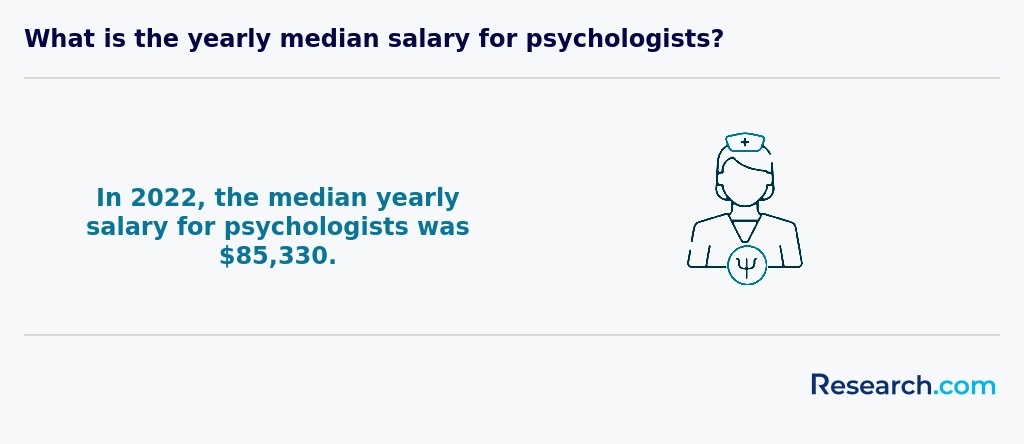
Other options include Certified Alcohol and Drug Counselor (CADC) credentials, relevant due to California's focus on mental health services. According to the California Bureau of Labor Statistics, psychologists in the region earn a median annual wage above $100,000, illustrating the value of certification in the job market.
Writing a winning application for a psychology program in Davis requires careful attention to both academic and personal elements. Start with a strong personal statement that clearly explains your passion for psychology and your career goals. Davis schools, including UC Davis, value applicants who demonstrate research experience or volunteer work in psychology-related fields.
Highlight your academic achievements, especially in relevant courses like statistics, biology, and social sciences. The average GPA for admitted psychology students at UC Davis is around 3.7, reflecting the competitive nature of programs here (UC Davis Admissions, 2023).
Letters of recommendation should come from professors or professionals familiar with your skills and dedication. Also, tailor your resume to emphasize relevant internship or lab experience. Meeting application deadlines and submitting all required materials carefully ensures your application is reviewed without issues.
The field of psychology offers a diverse range of career opportunities recognized worldwide, including in the US. For students in Davis pursuing a psychology degree, understanding global perspectives can provide valuable context. The American Psychological Association highlights that psychology professionals often engage in cross-cultural research, addressing mental health challenges globally.
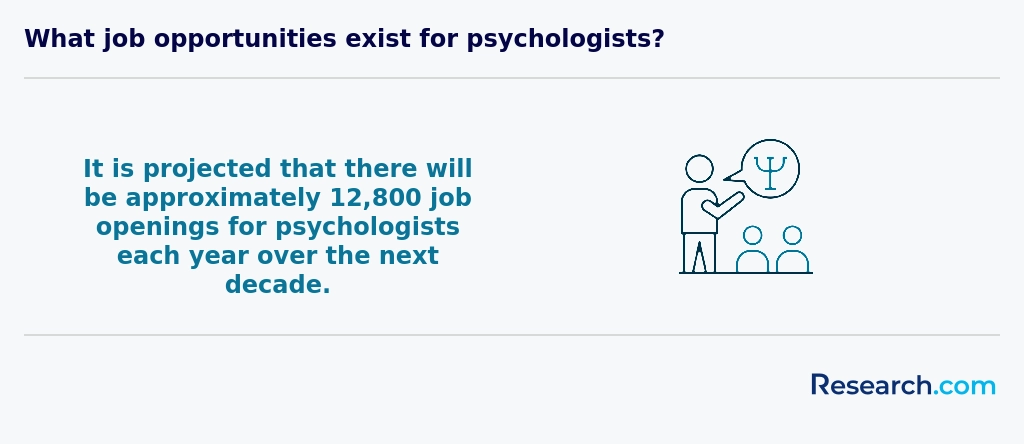
In the US, including Davis, the Bureau of Labor Statistics projects a 8% growth in psychology jobs between 2022 and 2032. Careers span clinical psychology, counseling, research, and organizational roles, aligning with global trends.
Moreover, international collaboration is common in research and applied psychology, promoting varied methodologies and cultural competence. Students in Davis are encouraged to consider these aspects when planning their career paths.
Gaining practical experience while studying psychology in Davis is essential for building necessary skills and enhancing employability. Many programs encourage students to participate in internships at local hospitals, counseling centers, and community organizations. For example, UC Davis offers placements with partner facilities where students can work directly with clients under supervision.
Additionally, research assistant positions allow students to collaborate with faculty on ongoing psychology studies. These roles help students develop data collection and analysis skills.
Volunteering opportunities at mental health nonprofits in Yolo County also provide valuable hands-on experience, often required for graduate program applications. According to the American Psychological Association, practical experience improves job prospects post-graduation.
Choosing the right concentration within a psychology degree program in Davis involves assessing your career goals and interests. Common concentrations include clinical, cognitive, developmental, and social psychology. At University of California, Davis, a major provider in the area, students often choose clinical or cognitive specializations due to faculty expertise and research opportunities.
Consider the local job market: clinical psychology roles are expanding in California, with a 14% growth forecast through 2030 according to the U.S. Bureau of Labor Statistics. Review course offerings and available internships to gain practical experience. Speaking with academic advisors and current students can also provide insight.
Understanding the research focus areas of faculty members at UC Davis can help match your interests with available mentorship and research projects. This alignment can improve learning outcomes and career readiness.
- 2027 Most Popular Psychology Degree Programs Ranking in San Francisco
- 2027 Most Popular Psychology Degree Programs Ranking in Santa Barbara
- 2027 Most Popular Psychology Degree Programs Ranking in Pasadena
- 2027 Most Popular Psychology Degree Programs Ranking in Los Angeles
- 2027 Most Popular Psychology Degree Programs Ranking in Claremont
- 2027 Most Popular Psychology Degree Programs Ranking in Eugene
- 2027 Most Popular Psychology Degree Programs Ranking in Irvine
- 2027 Most Popular Psychology Degree Programs Ranking in Riverside
- 2027 Most Popular Psychology Degree Programs Ranking in La Jolla
- 2027 Most Popular Psychology Degree Programs Ranking in San Diego
See What Experts Have To Say About Studying Psychology
Read our interview with Psychology experts

Robin M. Kowalski. Ph.D.
Psychology Expert
Professor of Psychology
Clemson University

Joann Farrell Quinn, Ph.D., MBA
Psychology Expert
Director at the College of Medicine Department of Medical Education
Morsani College of Medicine

Catherine Caldwell-Harris, Ph.D.
Psychology Expert
Associate Professor of Psychology
Boston University

- Psychology - SWPS University https://english.swps.pl/academics/warsaw/ba-programs/psychology
- Jobs With A Bachelor's Degree In Psychology https://www.psychology.org/resources/jobs-with-a-bachelor-of-arts-in-psychology/
- Call for papers https://www.hogrefe.com/us/journal/international-perspectives-in-psychology-research-practice-consultation
- Online Psychology Degree: Exploring the Opportunities, Challenges, and Future Trends https://www.worldwondersgardens.co.uk/blog/Online_Psychology_Degree_Exploring_the_Opportunities,_Challenges,_and_Future_Trends.html
- Psychology Online Degree Pathway https://www.learndirect.com/course/psychology-online-degree
- Study Psychology Abroad | Go Overseas https://www.gooverseas.com/study-abroad/psychology
- Ontario Psychological Association - Networking and Community Resources https://www.psych.on.ca/become-a-member-(1)/member-services/networking-and-community-resources
- Psychology Placement Opportunities for Year 12 Students https://studymind.co.uk/ucas-guide/year-12-guide-to-gaining-psychology-work-experience/
- Mental Health Challenges Faced by Psychology Students | The Healthcare Guys https://healthcareguys.com/2023/11/23/mental-health-challenges-faced-by-psychology-students/
- Why Get a Psychology Degree Online? | University of Bridgeport https://www.bridgeport.edu/news/reasons-to-get-your-psychology-degree-online/


