
2027 Best Online Bachelor's in Psychology Degree Programs Ranking in Pennsylvania

Co-Founder and Chief Data Scientist
Choosing the right online bachelor's degree in psychology can feel overwhelming, especially with so many options available in Pennsylvania. This article introduces the 2027 Best Online Bachelor's in Psychology Degree Programs Ranking in Pennsylvania, carefully crafted by the Research.com team of data scientists.
Our goal is to help you confidently identify programs that match your goals and learning style. Pursuing a psychology degree opens doors to meaningful careers and personal growth, making it a rewarding investment in your future.
Read on to discover valuable insights that make your decision easier and more informed.
Key benefits of getting online psychology degree in Pennsylvania
- Psychology degree graduates in Pennsylvania can pursue roles like Human Resources Specialist, earning a mean annual wage of $76,060, or Clinical Research Associate, with an average salary of $62,370, reflecting strong earning potential.
- Graduates often find diverse career paths at schools such as Penn State, ranging from research and counseling to organizational psychology, offering exciting opportunities to impact communities and businesses.
- Online psychology degrees, like those from the University of Pennsylvania's digital programs, provide flexibility and convenience, enabling students to balance work and study while gaining respected credentials.
- 2027 Best Online Bachelor's in Psychology Degree Programs Ranking in Pennsylvania
- What can I expect from online psychology degree in Pennsylvania?
- Where can I work with online psychology degree in Pennsylvania?
What can I expect from online psychology degree in Pennsylvania?
Online psychology degrees in Pennsylvania generally cost between $400 and $700 per credit hour for in-state students, though this varies by institution. Graduates from programs like Pennsylvania State University World Campus often note that while tuition can seem substantial, financial aid options, including state grants and federal assistance, make these programs accessible. One graduate shared how this support transformed their ability to manage costs effectively while balancing work and study.
Students frequently appreciate the value of accredited programs, which ensure academic quality and enhance licensure prospects. Many Pennsylvania schools maintain regional accreditation, such as through the Middle States Commission on Higher Education, reassuring students about their investment. The tuition range also reflects the integration of experiential elements like virtual labs and research projects, enriching the learning experience beyond typical online courses.
Overall, the cost aligns with state standards while providing diverse educational resources that encourage positive outcomes in careers including counseling, social work, and research, making the financial commitment worthwhile for motivated psychology students.
Where can I work with online psychology degree in Pennsylvania?
Graduates with an online psychology degree in Pennsylvania typically find employment in support roles within mental health, social services, and human resources sectors. Common positions include psychiatric technician, case manager, and behavioral health technician, often located in hospitals, community centers, or social service agencies. For example, graduates from universities like Penn State often describe starting their careers assisting licensed professionals in bustling urban centers such as Philadelphia or Pittsburgh, where demand for behavioral health services is growing.
With over 500 licensed mental health providers statewide and an 8% projected growth in behavioral health jobs through 2030, Pennsylvania offers a robust job market. Many graduates work in school districts, non-profits, or government agencies, sometimes supporting substance abuse counseling or client care coordination after gaining supervised experience and certifications.
Furthermore, some alumni leverage their psychology background in Pennsylvania's private sector and research roles. Universities like the University of Pennsylvania provide graduate research opportunities that help deepen expertise and expand career trajectories beyond entry-level roles.
Graduates with an online psychology degree in Pennsylvania can expect diverse earning potential based on their chosen career paths. Entry-level roles such as human resources specialists, a common direction for psychology graduates, offer a mean annual wage of around $76,060, according to the latest U.S. Bureau of Labor Statistics data. Others who pursue research-oriented positions like marketing research analyst report higher earnings, with an average annual salary near $83,190. These figures reflect opportunities in metropolitan hubs such as Philadelphia and Pittsburgh, where graduates from institutions like Penn State or University of Pennsylvania find promising starting points.
Meanwhile, clinical research associate and survey researcher roles yield median salaries approximately $62,370, providing competitive options for graduates who prefer applied research tasks. Childcare worker positions, sometimes chosen by graduates seeking practical experience, typically pay less, with an annual mean wage of about $32,070.
This salary data suggests that online psychology degree holders in Pennsylvania can secure fulfilling careers with meaningful income, particularly when combining degree skills with experienced gained at reputable programs in the region. Such outcomes inspire confidence among new graduates aiming to balance passion and financial stability.
- Online psychology degrees in Pennsylvania are available from accredited public and private institutions, allowing many students to complete coursework fully remotely.
- The total cost for a bachelor's degree online ranges from about $15,000 to $30,000 for public in-state programs and can exceed $35,000 at private schools, excluding fees and materials.
- Entry-level salaries for psychology graduates start around $40,000 per year, with experienced professionals earning over $70,000 annually in related fields.
- Pennsylvania employs over 50,000 psychologists and mental health professionals, with growing demand in healthcare, social assistance, schools, and community organizations.
- Licensure for clinical psychology requires advanced degrees and supervised experience beyond a bachelor's degree.
- Choosing programs accredited by recognized bodies, like the Middle States Commission on Higher Education, is important for credit transfer and graduate opportunities.
Completing an online psychology degree in Pennsylvania typically takes about four years for full-time students, aligning with the standard undergraduate timeline across the U.S. Graduates from institutions like Penn State World Campus often finish within eight semesters, completing the required 120 to 128 credit hours.
Some students benefit from accelerated programs offered by Pennsylvania colleges, allowing degree completion in as little as three years. These options appeal to motivated individuals eager to enter the workforce sooner, often creating a sense of accomplishment and enthusiasm.
Part-time students, who balance work or family responsibilities, frequently take five to six years to graduate. These flexible approaches enable working adults to pursue their degrees without sacrificing income or personal commitments, fostering a positive, manageable educational experience.
Transfer credits and prior learning recognition further influence completion times, helping many Pennsylvania students shorten their path to a psychology degree. Some hybrid programs add practicum requirements, offering hands-on experience but sometimes extending the timeline slightly.
Online and on-campus psychology degrees in Pennsylvania differ significantly in delivery and student experience. Online programs, like those offered by Penn State World Campus, allow students to study remotely via digital platforms, fitting coursework around work or family commitments. This flexibility is especially valued by graduates who juggle multiple responsibilities, enabling them to access lectures and assignments asynchronously without the need for daily campus visits.
Conversely, on-campus programs at institutions such as the University of Pittsburgh and Temple University provide immersive environments with face-to-face interaction, access to specialized psychology labs, and immediate mentorship opportunities. Graduates from these traditional programs often recall the benefit of spontaneous study groups and direct networking with faculty and peers, which foster collaborative learning and professional connections.
Cost-wise, Pennsylvania's public universities charge approximately $10,000 to $15,000 annually for in-state students, whether online or in-person. However, on-campus students usually incur additional expenses for commuting, housing, and campus fees, which online learners avoid. These tangible differences offer prospective students clear options depending on their lifestyle and financial preferences.
One of the most vital components of any online psychology degree program in Pennsylvania is the practicum or internship, which bridges academic theory with real-world practice. Accredited online psychology programs typically require students to complete 100–300 hours of supervised field experience in settings such as mental health clinics, school counseling departments, research labs, or corporate human resources teams. These placements not only enhance clinical and organizational skills but also strengthen professional networks and bolster graduate school or job applications. Common practicum and internship sites include:
- Community mental health centers, where students assist licensed clinicians with intake assessments, group therapy support, and patient outreach.
- K–12 schools, offering opportunities to observe and co-facilitate classroom interventions or special education programs under the guidance of a certified school psychologist.
- University research laboratories, allowing students to contribute to ongoing studies, manage data collection, and co-author conference presentations.
- Corporate or nonprofit human resources departments, where interns apply organizational psychology principles to employee training, recruitment, and wellness initiatives. To maximize practicum success: 1. Begin outreach early by contacting your program’s field coordinator to identify approved sites and supervisors. 2. Maintain clear communication with both on-site mentors and online faculty, ensuring alignment between academic objectives and practical tasks. 3. Keep a reflective journal documenting observations, challenges, and ethical considerations encountered during each placement. 4. Leverage your practicum network by attending local psychology association events and webinars. For students seeking cost-effective program comparisons beyond Pennsylvania, exploring the Low Cost Psychology Degree Programs Ranking in Wichita, KS can reveal additional practicum partnerships and budget-friendly field training options. By engaging deeply in practicum and internships, online psychology students gain the hands-on expertise that sets them apart in the competitive job market.
The average cost of an online psychology degree in Pennsylvania varies significantly based on residency status and institution type. For in-state students pursuing a Pennsylvania online bachelor's degree tuition psychology program, the median total cost is approximately $38,640. This figure reflects a realistic investment for those attending public universities known for their reputable online psychology offerings. Graduates from institutions like Pennsylvania State University World Campus often share that the tuition, which is competitively priced around $18,000 for the entire degree, makes pursuing their passion more accessible and rewarding.
Out-of-state students, however, face higher costs with a median total of about $41,640, reflecting increased tuition rates common in many state schools. The median total cost for all students, combining in-state and out-of-state figures, stands near $82,968, highlighting the substantial financial commitment required for private universities or out-of-state enrollment. Many students balance these expenses with scholarships, federal financial aid, and sometimes part-time work, which are essential for managing costs while enjoying the flexibility of online study.
For prospective students looking to minimize expenses, research is key. Identifying an affordable psychology school in Pennsylvania can significantly reduce out-of-pocket payments. Beyond tuition, students often consider additional costs such as textbooks and technology fees, but many acknowledge that the investment in their education aligns with their long-term career goals and personal growth.

When considering an online psychology program in Pennsylvania, one crucial factor to look into is accreditation. Accreditation ensures that the program meets certain standards of quality and is recognized by professional organizations in the field of psychology. This is particularly important for students who aim to pursue licensure or further education after completing their degree. To find an accredited program, students can look for institutions that are recognized by reputable accrediting agencies. For instance, searching for programs that are accredited by the American Psychological Association (APA) or the Higher Learning Commission (HLC) can be a good starting point. Additionally, exploring resources such as the affordable psychology school in pennsylvania can provide valuable insights into accredited programs that offer quality education at an affordable cost. By choosing an accredited program, students can ensure that they receive a high-quality education that prepares them for their future careers in psychology.
Students pursuing online psychology degrees in Pennsylvania commonly access various federal and state financial aid programs to manage education costs, which typically range from $40,000 to $60,000 for a bachelor's degree. Graduates from institutions like Penn State World Campus highlight the importance of Pell Grants, which offer up to $7,395 annually for eligible students without repayment obligations. Many also rely on Direct Subsidized and Unsubsidized Loans, benefiting from relatively low-interest rates designed for undergraduates.
State-specific funding is equally vital; the Pennsylvania State Grant Program provides need-based grants to qualifying residents enrolled in approved online programs, helping reduce out-of-pocket expenses significantly. Psychology students attending schools such as Temple University online report receiving institutional scholarships aimed at rewarding academic excellence and encouraging online enrollment.
Work-study opportunities add further financial relief, allowing students to earn income while gaining experience, a common benefit noted by learners balancing part-time jobs with studies. External scholarships from organizations like the American Psychological Association also contribute supplemental funding, enhancing access for many ambitious online psychology students.
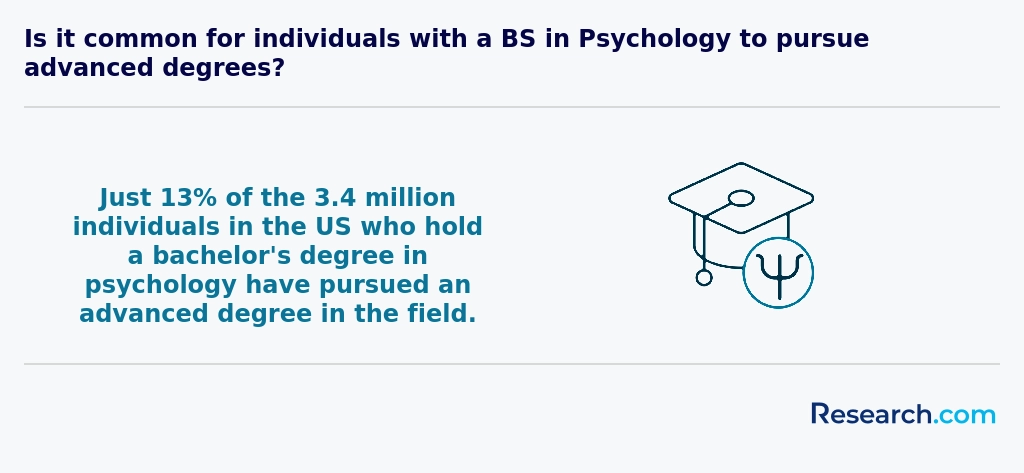
Graduates with an online psychology degree in Pennsylvania must understand that a bachelor’s credential alone does not confer professional licensure, but it does lay the groundwork for postgraduate certification and state licensure. To become a licensed psychologist or counselor, students typically pursue a master’s or doctoral degree accredited by the American Psychological Association (APA) or a master’s in counseling accredited by CACREP, followed by supervised clinical experience. For example, aspiring Licensed Professional Counselors (LPCs) must complete at least 60 graduate semester hours in counseling, accrue 3,000 hours of supervised clinical practice, and pass the National Counselor Examination (NCE) administered by the National Board for Certified Counselors. For those interested in specialized roles such as behavior analysis, the Board Certified Behavior Analyst (BCBA) credential requires a relevant master’s degree, specific coursework in behavior analysis, and 2,000–3,000 hours of supervised fieldwork overseen by a BCBA. To find high-quality programs that meet these requirements without breaking the bank, consider exploring our cheapest aba master’s programs online. After completing graduate studies and supervised hours, candidates must pass the Examination for Professional Practice in Psychology (EPPP) to apply for licensure through the Pennsylvania State Board of Psychology. Maintaining licensure requires ongoing continuing education-typically 30 hours every two years-including ethics and cultural competency courses. By planning early for these certification pathways, psychology graduates can ensure a smooth transition from academia to practice, ultimately enabling them to provide ethical, evidence-based care across clinical, educational, and organizational settings.
Enrolling in an online psychology degree in Pennsylvania requires meeting several key prerequisites, starting with a high school diploma or GED, ensuring a solid academic foundation. Graduates from programs at universities like Penn State World Campus report that completing core courses in English, math, and science was crucial for their success. Many programs may still request standardized test scores such as the SAT or ACT, although some schools have adopted test-optional policies recently.
Applicants must provide official transcripts from high school and any post-secondary institutions, with transfer students often benefiting from up to 60 accepted credit hours. This flexibility allows motivated students from institutions like Temple University to accelerate progress and reduce costs. Including a personal statement and letters of recommendation helps applicants demonstrate genuine passion and communication skills, traits valued by admissions committees.
Reliable technology is essential; graduates often highlight that having stable internet and comfort with virtual platforms made remote learning manageable. Meeting these prerequisites in Pennsylvania aligns with national standards but also reflects a practical and student-centered approach to online psychology education.

- Flexible schedules and 24/7 access to lectures, ideal for working professionals or parents balancing obligations.
- Lower tuition rates and in-state fees make programs more affordable compared to on-campus alternatives.
- Accredited coursework that meets APA standards, ensuring credit transferability and professional recognition.
- Diverse specialization options-such as developmental, clinical, or industrial-organizational psychology-tailored to career goals.
- Opportunity to accelerate completion with accelerated psychology degree online tracks for motivated students.
Online psychology degree programs in Pennsylvania commonly include a range of foundational and advanced courses designed to equip students with both theoretical knowledge and practical skills. Graduates from popular institutions such as Penn State and Temple University often highlight how courses like Introduction to Psychology and Research Methods provided them with essential tools to understand human behavior and scientific inquiry.
Core classes typically cover Statistics for Psychology, vital for analyzing research data, alongside subjects like Biopsychology and Cognitive Psychology, which explain brain functions and mental processes relevant to real-life challenges such as memory issues or decision making.
Students also engage with applied topics such as Abnormal Psychology and Psychological Ethics, preparing them for ethical dilemmas and mental health care scenarios frequently encountered during internships or practicum experiences offered by these Pennsylvania colleges.
The curriculum often includes electives like Health Psychology or Industrial-Organizational Psychology, enabling students to tailor their learning towards specific career goals while enjoying the affordability of in-state tuition averaging $10,000 to $13,000.
Online psychology degree specializations Pennsylvania students encounter often include Clinical Psychology, Developmental Psychology, Industrial-Organizational Psychology, Forensic Psychology, and Health Psychology. Graduates from popular institutions like Penn State or Temple University reflect on how Clinical Psychology prepared them for counseling roles, while those pursuing Industrial-Organizational tracks appreciated its relevance to Pennsylvania's corporate sectors.
These specializations are tailored to fit diverse career goals, supporting roles from therapy to organizational development. Psychology students at vibrant urban universities benefit especially from Industrial-Organizational Psychology due to the state's strong economy. Additionally, many programs integrate rigorous research methods and data analysis, aligning with APA accreditation standards, which graduates highlight as valuable for advanced studies or employment.
For students seeking flexibility, some programs also offer a variety of internship opportunities tailored to these concentrations. Pennsylvania's wide range of reputable programs also means students can compare formats and faculty expertise according to their career aspirations. Those interested in accelerating their studies may find additional support in programs like the accelerated master's in psychology online.
Psychology concentration options Pennsylvania online programs offer provide a comprehensive foundation for scalable careers in this dynamic field, matching the state's diverse educational and professional environment.
Choosing the best online psychology degree in Pennsylvania requires analyzing accreditation, curriculum, and outcomes specific to the state. Graduates from well-known institutions in Pennsylvania often emphasize the importance of enrolling in programs regionally accredited by agencies like the Middle States Commission on Higher Education to ensure transferability of credits and employability. These programs typically align coursework with areas such as clinical or forensic psychology, preparing students for licensure pathways relevant within Pennsylvania.
Considering tuition, public online programs in Pennsylvania offer affordable psychology bachelor's programs PA with costs ranging between $10,000 and $30,000 annually. Many students report using financial aid and state grants to manage expenses effectively. Those seeking specialization might also explore options like the cheapest aba master's programs online for targeted career goals.
Faculty expertise and student support services are pivotal. Online learners from popular Pennsylvania colleges appreciate access to experienced professors and robust advising services, which contribute to higher graduation rates-often above 70%. This indicates programs fostering student satisfaction and academic success in the best online psychology degree Pennsylvania offers.
Graduates with an online psychology degree in Pennsylvania have access to diverse career paths tailored to the state's dynamic job market. Entry-level roles commonly include social service positions such as case managers and behavioral health technicians, where graduates apply psychological concepts to support community members in real-world settings. Many also transition into human resources or organizational development roles, leveraging their understanding of cognitive processes to enhance workplace culture and employee engagement. These opportunities are particularly promising for graduates from well-known Pennsylvania institutions who seek to impact both business and social sectors.
For those focused on clinical practice, Pennsylvania's licensure requirements necessitate further graduate study. Graduates often pursue advanced degrees in clinical or school psychology to qualify as licensed psychologists or counselors. This pathway aligns with the state's gap in mental health professionals and reflects the steady employment growth reported by the Pennsylvania Department of Labor & Industry. These practical career prospects demonstrate the value of an online psychology degree careers in Pennsylvania for students aiming to enter healthcare.
Other graduates find rewarding roles in educational support and healthcare, such as special education aides or psychiatric technicians, where they contribute directly to mental health services. The annual cost to obtain this degree typically ranges from $15,000 to $25,000 at public colleges, making it a worthwhile investment given the versatile job options available. Prospective students can explore more affordable programs through resources like the Low Cost Psychology Degree Programs Ranking in Wichita, KS, which helps compare value and outcomes nationwide.
Graduates holding an online psychology degree in Pennsylvania encounter a moderately growing job market influenced by regional demand and state-specific salary benchmarks. The median annual wage for psychologists in Pennsylvania was about $81,500 in 2022, slightly below the national average of $83,000, which reflects the state's mixed urban and rural economic landscape. Students from well-known institutions like West Chester University and Pennsylvania State University report finding entry-level roles in social services, human resources, or rehabilitation counseling, while those pursuing clinical psychology often continue with advanced degrees due to licensure requirements.
Psychology career opportunities in Pennsylvania are supported by an expected 9% growth in counseling and social work positions through 2030, driven by healthcare providers and educational institutions in metropolitan hubs like Philadelphia and Pittsburgh. Many online learners enhance their prospects by seeking local internships or certifications in specialized fields. Those concerned about affordability may explore cheapest online associate programs as stepping stones to build practical experience and reduce overall costs.
2027 Best Online Bachelor's in Psychology Degree Programs Ranking in Pennsylvania
Investing in your education is a significant decision that can profoundly impact your future, and the Research.com team is committed to helping you make informed choices. To guide prospective students in Pennsylvania, we have carefully developed the "2027 Best Online Bachelor's in Psychology Degree Programs Ranking." Our dedication to quality, credibility, and accuracy is demonstrated through thorough research and analysis.
We utilized the following reputable data sources to ensure a comprehensive evaluation of these programs:
By exploring this ranking, readers will gain valuable insights into the top online psychology degree options in Pennsylvania, empowering them to select the program that best fits their goals and needs. For more information on how this ranking was created, please visit our Research.com methodology page.
# 1 position
Penn State University Park
Bachelor of Psychology



Frequently Asked Questions About psychology
Students pursuing an online psychology degree in Pennsylvania can maximize their learning by actively engaging with their coursework and utilizing available resources. Regular participation in virtual discussions and group projects helps deepen understanding and develop critical thinking skills.
Taking advantage of academic support services, such as tutoring and library access provided by most Pennsylvania institutions, is vital. Research from the Pennsylvania Department of Education notes that nearly 60% of students benefit from these supports to improve retention and performance.
Additionally, seeking internships or volunteer opportunities within Pennsylvania's robust mental health system offers practical experience. The state's emphasis on behavioral health initiatives creates openings for hands-on learning that complement online studies.
The field of psychology is evolving with several emerging niches gaining attention, especially for students pursuing online degrees in Pennsylvania. One growing area is neuropsychology, which focuses on how brain function affects behavior. This specialty is important as brain-related disorders increase nationwide.
Another expanding niche is health psychology, which studies how mental well-being influences physical health. Pennsylvania's Department of Health notes rising interest in behavioral health solutions, increasing demand for such professionals.
Additionally, forensic psychology, involving the application of psychology in legal settings, is becoming more prominent. The Bureau of Labor Statistics projects a steady growth rate for psychologists across specialties, reflecting broader opportunities.
These emerging areas offer diverse career paths for psychology graduates in Pennsylvania and across the US.
After completing an online psychology degree in Pennsylvania, preparing for the job market involves several strategic steps. First, graduates should seek internships or volunteer roles in local mental health clinics, hospitals, or school counseling programs to gain practical experience. Pennsylvania's Department of Labor reports that psychology-related jobs are expected to grow by 8% through 2030, indicating steady demand. Networking with Pennsylvania-based professional organizations, such as the Pennsylvania Psychological Association, can connect graduates to job openings and mentors. Additionally, obtaining relevant certifications, such as Licensed Psychological Associate (LPA), requires supervised hours and can enhance employability. Staying informed about state licensure requirements is essential.
Employers in Pennsylvania seek psychology graduates with strong analytical and communication skills. Graduates must be able to interpret data accurately and present findings clearly, which is essential for roles in clinical and research settings.
Critical thinking and ethical decision-making are also highly valued, especially given Pennsylvania's diverse populations and regulatory standards. According to the Pennsylvania Department of Labor, the demand for professionals skilled in behavioral assessment and intervention continues to grow.
Additionally, proficiency in technological tools for psychological research and understanding cultural competence are important. These skills equip graduates to work effectively in Pennsylvania's expanding mental health services sector.
Finding internships in Pennsylvania relevant to a psychology degree involves leveraging local resources and academic connections. Many universities and colleges in Pennsylvania, such as Penn State and Temple University, maintain partnerships with mental health clinics, hospitals, and community organizations that offer psychology internships. The Pennsylvania Psychological Association provides a directory of internship opportunities and guidelines tailored to students.
Students should also explore state government health departments and nonprofits focused on behavioral health, as these agencies often recruit interns. According to the Bureau of Labor Statistics, Pennsylvania employs over 15,000 clinical, counseling, and school psychologists, making it a robust job market.
Networking via LinkedIn and university career centers can increase chances of placement. Additionally, websites like Handshake and the National Association of School Psychologists' Pennsylvania chapter list internships specifically for psychology students.
Online psychology degrees in Pennsylvania provide flexible pathways for career mobility and advancement. Graduates with a bachelor's in psychology often qualify for entry-level roles in mental health support, social services, and human resources across the state. According to the Pennsylvania Department of Labor & Industry, jobs in psychology-related fields are projected to grow 9% between 2020 and 2030, reflecting increasing demand.
Holding an accredited online degree can also serve as a foundation for advanced studies, which are typically necessary for licensed positions such as clinical psychologists or counseling professionals in Pennsylvania. Employers increasingly recognize reputable online programs, especially those with regional accreditation, facilitating career progression.
Many institutions partner with Pennsylvania agencies to provide internship opportunities, enhancing practical experience and employability. This combination of education and hands-on training supports graduates in moving up the professional ladder within the state's mental health and human services sectors.
Studying for a psychology degree in Pennsylvania offers a strong foundation for interdisciplinary roles by combining core psychological principles with practical knowledge relevant to fields such as healthcare, education, and social services. Many programs emphasize collaboration skills and applied research methods that prepare students to work effectively across diverse professional settings.
Pennsylvania's colleges often integrate coursework in areas like behavioral science, counseling, and human development, facilitating an understanding of psychological concepts within broader contexts. According to the Pennsylvania Department of Education, graduates with interdisciplinary training are increasingly sought after in healthcare teams and community organizations.
This preparation aligns with workforce needs in Pennsylvania where mental health services intersect with public health and education, making psychology graduates valuable assets in multidisciplinary environments.
Choosing between a thesis and a non-thesis psychology degree program in Pennsylvania depends on your career goals and learning preferences. Thesis programs require conducting original research and writing a formal paper, which can prepare you for graduate studies or research careers. Non-thesis programs focus on coursework and practical applications, ideal for those seeking immediate employment in psychology-related fields or planning to pursue professional certifications.
According to the Pennsylvania Department of Education, many online psychology degrees offer both options to accommodate diverse student needs. Thesis tracks often demand more time and commitment but can enhance critical thinking and research skills valued in academia. Non-thesis tracks might finish faster and emphasize applied knowledge relevant to local mental health services and counseling roles.
Students based in Pennsylvania interested in studying psychology abroad through online programs face limited but growing options. Most U.S. institutions offering psychology degrees online do not provide direct foreign residency options, but Pennsylvania residents can enroll in accredited universities that have international partnerships or offer study-abroad components. According to the Pennsylvania Department of Education, online psychology programs typically focus on local licensing requirements, which can complicate practicing abroad without additional certification. However, some students opt for programs accredited by the American Psychological Association, which can facilitate international recognition. It is important to verify credit transfer policies and specific overseas opportunities when exploring such programs.
Part-time jobs that complement psychology degree studies in Pennsylvania often involve roles in healthcare, education, and social services. Positions such as behavioral health technician, psychiatric aide, or research assistant offer hands-on experience aligned with psychology coursework. According to the Pennsylvania Department of Labor & Industry, healthcare support roles are expected to grow by over 12% through 2030, providing ample opportunities for students.
Many universities in Pennsylvania encourage psychology students to seek internships or part-time roles at mental health clinics or community outreach programs. These experiences build practical skills and enhance resumes.
Research assistant jobs at institutions like the University of Pennsylvania expose students to experimental psychology, helping them apply their academic knowledge to real-world studies.
Students may also find roles in educational support, such as teacher aides, where psychological principles support student development.
Online psychology students in Pennsylvania have access to various networking opportunities that can enhance their academic and professional growth. Many accredited institutions encourage participation in virtual student organizations and psychology clubs, which facilitate interactions among peers and faculty.
Students can also attend webinars and online conferences hosted by Pennsylvania-based psychology associations, such as the Pennsylvania Psychological Association (PPA). These events often feature expert speakers and offer chances to connect with practicing psychologists and researchers.
Additionally, local internships and practicum placements arranged through universities provide in-person networking possibilities within Pennsylvania's mental health communities. According to the Bureau of Labor Statistics, the state employs over 25,000 psychologists and counselors, highlighting a robust professional network for students to tap into.
Alumni networks play a significant role for online psychology degree students in Pennsylvania by providing valuable professional connections. Graduates can access job opportunities through networking events and online platforms managed by their institutions. According to the Pennsylvania Psychological Association, strong professional networks improve job placement rates for psychology graduates by up to 20%.
These networks also offer mentorship opportunities where experienced alumni guide recent graduates in navigating career paths, licensure, and continuing education. Mentorship is especially important in psychology fields requiring supervised practice hours, such as clinical or counseling psychology.
Furthermore, alumni often share resources about internships and licensure exam preparation, which can be crucial for students studying remotely. Active alumni engagement enhances students' chances of success in Pennsylvania's competitive psychology job market.
Customizing an online psychology degree in Pennsylvania allows students to align their education with specific career goals. Many programs offer elective courses focusing on areas such as clinical, counseling, or industrial-organizational psychology. Students can also choose concentrations or minors to deepen expertise in specialized fields.
Some Pennsylvania institutions provide supervised internship opportunities or research projects, enabling practical experience tailored to career interests. According to the Pennsylvania Department of Education, accredited online programs meet rigorous state standards, ensuring quality training for licensure or advanced studies.
Flexible scheduling and part-time options help accommodate working professionals. By selecting courses strategically and pursuing certifications alongside the degree, students enhance their marketability in Pennsylvania's growing behavioral health workforce.
Online psychology students in Pennsylvania often face several typical challenges during their studies. One major issue is managing time effectively, as many students balance coursework with work or family responsibilities. According to the Pennsylvania Department of Education, nearly 40% of online learners in the state report difficulties in self-discipline and staying motivated without in-person support.
Another challenge involves accessing quality practicum experiences essential for psychology degrees. While online programs offer theoretical knowledge, finding local placements in Pennsylvania's healthcare settings can be competitive and limited.
Additionally, students may encounter technological barriers, including unreliable internet service in rural areas, which affects their ability to participate in live discussions or submit assignments on time.
Lastly, online learners sometimes struggle with building professional networks and gaining mentorship, critical for future career opportunities within Pennsylvania's mental health landscape.
With an online psychology degree in Pennsylvania, graduates can pursue several professional certifications to advance their careers. Common certifications include becoming a Certified Alcohol and Drug Counselor (CADC), which is in demand across the state due to growing substance abuse treatment needs. Additionally, the Certified Rehabilitation Counselor (CRC) credential is valuable for those working with individuals facing disabilities.
For those aiming to become licensed psychologists, Pennsylvania requires completing a doctoral degree and passing the Examination for Professional Practice in Psychology (EPPP), but a bachelor's degree serves as a foundation. Other certifications like the Psychiatric Rehabilitation Practitioner (PRP) also enhance job prospects in social service agencies throughout Pennsylvania. The Pennsylvania Psychological Association offers updated guidance on these credentials.
Applying for an online psychology program in Pennsylvania requires careful preparation to ensure your application stands out. First, highlight your academic achievements, especially in science and social science courses, as psychology programs value a strong foundational knowledge. Include any relevant volunteer or work experience related to mental health or counseling.
Craft a clear and concise personal statement explaining your interest in psychology and why you want to study online. Pennsylvania schools often look for applicants who demonstrate motivation and an understanding of online learning challenges.
Make sure to meet all deadlines and provide official transcripts from accredited institutions.
According to the Pennsylvania Department of Education, students with a GPA above 3.0 tend to have a higher acceptance rate in competitive psychology programs.
Prepare strong letters of recommendation from professors or professionals familiar with your academic or work ethic to strengthen your application.
The global perspective on a psychology career highlights the growing importance of mental health across diverse cultures and countries. In the United States, including Pennsylvania, psychology professionals are increasingly in demand due to rising awareness of mental wellness. The U.S. Bureau of Labor Statistics projects a 8% growth in psychologist employment nationally from 2021 to 2031, aligning with global trends emphasizing psychological services.
Students pursuing online psychology degrees in Pennsylvania benefit from programs accredited by the APA or regional accreditors, which meet standards recognized internationally. Pennsylvania's diverse population also offers unique insights into cross-cultural psychological practices.
International organizations, such as the American Psychological Association and the International Union of Psychological Science, contribute to setting ethical and professional standards relevant worldwide, helping graduates adapt to various global contexts.
Students pursuing an online psychology degree in Pennsylvania can gain practical experience through university-arranged internships. Many accredited programs require or strongly encourage practicum placements, allowing students to work in counseling centers, schools, or community organizations statewide. The Pennsylvania Psychological Association highlights that internships help develop essential skills by providing real-world exposure under professional supervision.
Additionally, students often engage in research projects remotely, collaborating with faculty on ongoing studies. Volunteering at mental health nonprofits is another valuable option, offering hands-on experiences that strengthen resumes. According to the Bureau of Labor Statistics, Pennsylvania employs over 6,000 psychologists, indicating a healthy job market where internships and volunteer roles can build strong networks and enhance professional readiness.
Choosing the right concentration within an online psychology degree program in Pennsylvania depends on your career goals and interests. Common specializations include clinical, counseling, forensic, and developmental psychology. Pennsylvania employs over 15,000 psychologists, with many focusing on clinical practice, signaling strong demand in that area (Bureau of Labor Statistics, 2023).
Consider accreditation; programs accredited by the American Psychological Association (APA) meet rigorous training standards. Some concentrations prepare you for licensure, essential for clinical work in the state.
Review course offerings and faculty expertise to ensure alignment with your goals. For example, forensic psychology may suit those interested in law enforcement, while developmental psychology focuses on lifespan growth.
Your choice should match both personal interest and Pennsylvania's job market trends to maximize opportunities after graduation.
- 2027 Best Online Bachelor's in Psychology Degree Programs Ranking in New York
- 2027 Best Online Bachelor's in Psychology Degree Programs Ranking in Ohio
- 2027 Best Online Bachelor's in Psychology Degree Programs Ranking in Virginia
- 2027 Best Online Bachelor's in Psychology Degree Programs Ranking in Massachusetts
- 2027 Best Online Bachelor's in Psychology Degree Programs Ranking in Michigan
- 2027 Best Online Bachelor's in Psychology Degree Programs Ranking in Georgia
- 2027 Best Online Bachelor's in Psychology Degree Programs Ranking in Illinois
- 2027 Best Online Bachelor's in Psychology Degree Programs Ranking in Alabama
- 2027 Best Online Bachelor's in Psychology Degree Programs Ranking in Florida
- 2027 Best Online Bachelor's in Psychology Degree Programs Ranking in Missouri
See What Experts Have To Say About Studying Psychology
Read our interview with Psychology experts

Joann Farrell Quinn, Ph.D., MBA
Psychology Expert
Director at the College of Medicine Department of Medical Education
Morsani College of Medicine

Elizabeth L. Jeglic Ph.D.
Psychology Expert
Professor of Psychology
City University of New York

Robin M. Kowalski. Ph.D.
Psychology Expert
Professor of Psychology
Clemson University

- Know more about thesis vs non- thesis: what is the difference? https://studyfans.com/en/blogs/816
- Professional Networking For Psychologists | Psychology.org https://www.psychology.org/resources/professional-networking/
- Psychology (Online) https://www.claflin.edu/DivisionofAcademicAffairs/the-center-for-professional-and-continuing-studies/degrees/psychology-(online)
- Psychology | York College of Pennsylvania https://www.ycp.edu/academics/programs/psychology
- Ontario Psychological Association - Networking and Community Resources https://www.psych.on.ca/become-a-member-(1)/member-services/networking-and-community-resources
- Online Psychology Degrees | University of Phoenix https://www.phoenix.edu/online-psychology-degrees.html
- How to Find a Psychology Internship https://paloaltou.edu/resources/blog/how-find-psychology-internship
- Mental Health Challenges Faced by Psychology Students | The Healthcare Guys https://healthcareguys.com/2023/11/23/mental-health-challenges-faced-by-psychology-students/
- Best Psychology Internships Abroad 2026 & 2027 | Intern Abroad HQ https://www.internhq.com/blog/best-psychology-internships-abroad/
- Best Psychology Internships for College Students - Camp Starfish https://campstarfish.org/blog/starfish-staff/best-psychology-internships-for-college-students/


