2027 Best Psychology Degree Programs Ranking in Pullman

Co-Founder and Chief Data Scientist
Exploring psychology degree options in Pullman just got easier. This article introduces the 2027 Best Psychology Degree Programs Ranking in Pullman, created by the Research.com team of data scientists to guide you toward the programs that truly stand out.
Choosing the right program can shape your future in meaningful ways. Whether you aim to understand human behavior or pursue a rewarding career helping others, this ranking offers clear insights to support your decisions.
Discover programs that match your goals and take confident steps toward a fulfilling psychology journey.
Key benefits of getting psychology degree in Pullman
- Salary for psychology degree graduates: Careers like Human Resources Specialist offer a mean annual wage of $76,060, while Marketing Research Analysts earn about $83,190, showing strong earning potential in Pullman.
- Career paths: Graduates from a local university in Pullman often pursue roles in research, clinical settings, or business, reflecting the versatile opportunities a psychology degree provides.
- Benefits of online degrees: Earning a psychology degree online from a recognized Pullman institution allows for flexible learning schedules and the ability to balance work or family, making education more accessible and convenient.
- 2027 Best Psychology Degree Programs Ranking in Pullman
- What can I expect from psychology degree in Pullman?
- Where can I work with psychology degree in Pullman?
What can I expect from psychology degree in Pullman?
When diving into a psychology degree in Pullman, Washington State University (WSU) stands out as the go-to choice, and the cost reflects the value of this comprehensive education. On average, undergraduates can expect to spend around $12,000 per year in tuition and fees if they are in-state residents, while out-of-state students might pay closer to $28,000 annually. Graduates pursuing advanced degrees, like a Master's or Ph.D., typically see similar yearly tuition costs, but the intensity of research opportunities and mentorship here makes every dollar feel worthwhile.
Graduates often share stories of moments spent analyzing real-world behaviors during internships with local healthcare providers, where the practical skills they honed became priceless. One former WSU psychology student recalls how the affordable yet rich academic environment allowed deep dives into cognitive psychology, paired with hands-on experiences that made the learning both thrilling and intensely personal.
This blend of solid academic foundation and real-world application at an accessible cost creates an exciting adventure in understanding the human mind right in the heart of Pullman.
Where can I work with psychology degree in Pullman?
Graduates with a psychology degree in Pullman dive into diverse career paths fueled by the vibrant local scene. Many find themselves energized working at Washington State University's Counseling & Psychological Services (CAPS), where they support students navigating mental health challenges. Imagine guiding someone through stressful semesters-it's a rewarding, hands-on way to apply your skills.
Others explore roles in the Pullman School District, helping young learners develop coping strategies and succeed academically. Picture the satisfaction of making a difference in a child's school day, turning tough moments into breakthroughs. Social work and community outreach roles add another dimension, offering chances to aid families through Whitman County's programs focused on crisis intervention and substance abuse prevention.
For those with a passion for discovery, research positions connected to local universities offer a gateway to advancing human understanding. Graduates contribute to fascinating studies in behavioral science, partnering with experts in Pullman's academic circles. This blend of clinical, educational, and research opportunities turns a psychology degree into an exciting launchpad right at the heart of Pullman's supportive community.
Imagine graduating from a psychology program at Washington State University in Pullman and stepping into the local job market ready to explore your career options. With a psychology degree, many graduates find themselves drawn to roles such as Human Resources Specialists, where the average annual wage is around $76,060. This role offers a rewarding opportunity to apply your understanding of human behavior to support workplaces and teams.
Others venture into Marketing Research Analysis, merging psychology with business insights to earn about $83,190 per year on average. This path is perfect for those curious about consumer behavior and the why behind choices, right in the heart of Pullman's academic influence.
Some graduates jump-start their careers as Clinical Research Associates or Survey Researchers, earning approximately $62,370 annually. These roles often involve hands-on research experiences, similar to projects undertaken during university studies, bringing theory to life.
For those who enjoy meaningful, everyday connections, working as Childcare Workers is another avenue, with an average salary near $32,070, offering the joy of nurturing development while gaining practical insights into human growth.
In Pullman, psychology graduates have a range of exciting pathways where their skills meet real-world needs and promising earning potential.
- Washington State University in Pullman offers accredited bachelor's, master's, and doctoral psychology degrees covering core areas like cognitive and clinical psychology.
- In-state undergraduate tuition is about $11,500 per year, while out-of-state students pay around $28,000 annually; graduate tuition varies by degree and residency.
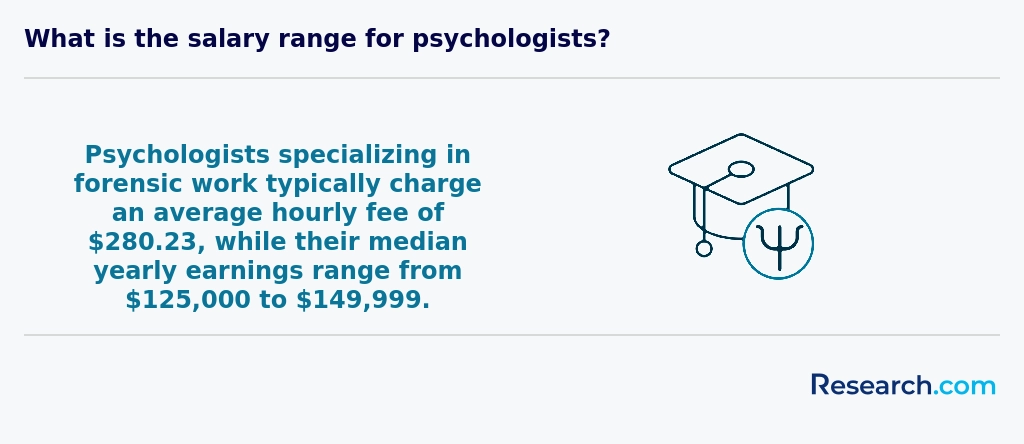
- Entry-level psychology jobs in Pullman have starting salaries between $45,000 and $50,000 per year, with advanced degrees raising median earnings to $65,000-$90,000.
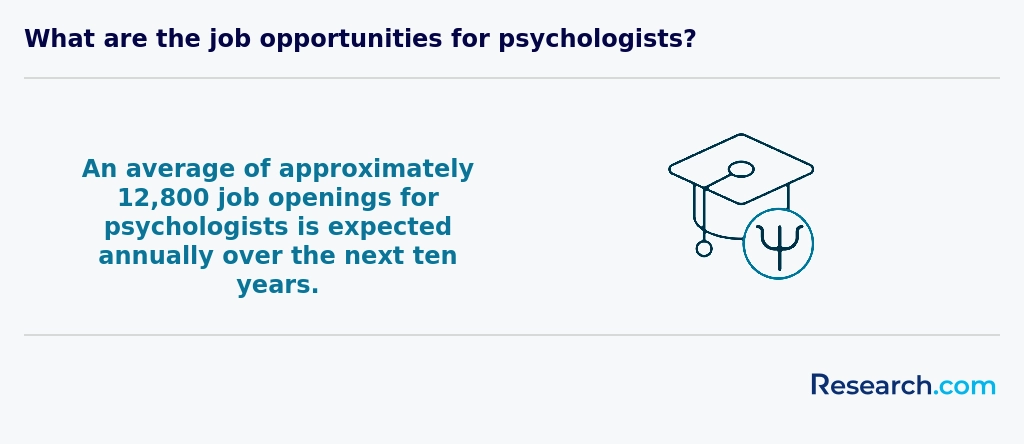
- Job opportunities are available in healthcare, education, social services, and research sectors, with an expected employment growth rate of 8% to 12% over the next decade.
- Positions in mental health counseling, rehabilitation, and community programs are supported by local providers and state agencies, while academic roles exist at WSU.
The time it takes to earn your degree can flex depending on whether you juggle part-time study or internships. This adaptability lets you explore your passions, making every step of studying psychology in Pullman a unique, enriching experience.
For students seeking to pursue a psychology degree in Pullman, WA, without accumulating significant debt, exploring affordable options is crucial. One viable approach is to consider the cheapest psychology programs in Washington, which can provide a high-quality education at a lower cost. By weighing the costs and benefits of different programs, prospective students can make informed decisions that align with their financial situation and career aspirations. This thoughtful approach enables individuals to invest in their future without shouldering an unmanageable financial burden, ultimately paving the way for a successful and fulfilling career in psychology.
Choosing between online and on-campus psychology degrees in Pullman feels like setting off on two distinct adventures. Imagine walking through the bustling Washington State University campus, where on-campus students dive into hands-on research in state-of-the-art labs, connect with professors face-to-face, and enjoy lively discussions that spark fresh ideas. This immersive experience creates a strong sense of community and belonging, fueling motivation and friendships that often last beyond graduation.
On the flip side, online psychology programs unlock the freedom to learn wherever life takes you. Graduates often share how balancing work, family, and studies became possible thanks to flexible, asynchronous classes that let them study late at night or early mornings. This path feels like crafting a personalized journey, blending education seamlessly with daily routines.
Though costs can be similar-Washington State University's on-campus and online graduate psychology programs both hover around $30,000 a year-the choice often boils down to whether you crave campus energy or crave flexibility. Either way, the quality and accreditation promise professional rigor and real future possibilities.
Hands-on clinical training and practicum placements are integral to psychology degree programs in Pullman, WA, ensuring students graduate with the applied skills employers demand. Most bachelor’s and master’s programs require 100–300 supervised practicum hours, typically coordinated through partnerships with local mental health clinics, school counseling centers, and community outreach organizations. Key features include:
- Structured Supervision: Faculty-led seminars and one-on-one mentorship guide students through case conceptualization, ethics, and evidence-based interventions.
- Diverse Settings: Students can choose placements in hospital behavioral health units, university counseling centers, or pediatric clinics-ideal for those aiming at psychology jobs working with children.
- Skill Development: Practicum experiences emphasize client assessment, treatment planning, and professional documentation, cultivating competencies in empathy, cultural sensitivity, and crisis intervention.
- Reflective Practice: Regular debriefs and peer consultations foster critical thinking and self-awareness, reinforcing theoretical knowledge with real-world application. By embedding practicum experiences into the curriculum, Pullman’s psychology programs not only bolster students’ resumes but also satisfy state licensure prerequisites, positioning graduates for smooth transitions into clinical roles and advanced graduate study.
Exploring the average cost of a psychology degree in Pullman reveals a balanced investment in your future. At Washington State University, a beloved destination for psychology enthusiasts, in-state students face a median total cost of about $13,391, making it an accessible choice for those rooted in Washington. Graduates often recall navigating these costs alongside the vibrant campus life and supportive faculty that make the financial commitment feel worthwhile. For out-of-state students, the journey is a bit steeper, with a median total cost near $44,334, yet many find the diverse experiences and advanced research opportunities worth every dollar.
Pullman's scene blends academic rigor with a welcoming community, where students from all backgrounds share stories of growth and discovery. A common thread among psychology graduates here is the feeling of accomplishment from managing the total expenses for psychology degree Pullman, alongside meaningful internships and lab work that prepare them for impactful careers.
Beyond tuition, students often budget for essentials like books, supplies, and living costs, which bring the full experience to life. Those curious about future pathways and funding options can learn more here, where many find guidance to make their psychology education an exciting reality.

For students passionate about working with children and making a lasting impact on their mental health, pursuing a career as a child psychologist offers a rewarding future. In Pullman, WA, the path to specializing in child psychology typically starts with earning a robust foundation in general psychology, complemented by hands-on experiences through internships, research projects, and volunteer opportunities in child-focused settings. Aspiring child psychologists are encouraged to engage in specialized coursework and training that emphasize developmental psychology, behavioral assessment, and therapeutic techniques tailored for young individuals. Furthermore, exploring mentorship opportunities and networking with local practitioners can enhance your understanding of the field’s unique demands and emerging trends. For those seeking detailed guidance on this career path, you can learn more by visiting how do you become a child psychologist. By staying informed about innovative practices and maintaining a commitment to continuous professional development, future child psychologists in Pullman can position themselves to make a significant impact on the well-being of children and families alike.
Imagine stepping onto the Washington State University campus in Pullman, eager to dive into your psychology studies but wondering how to handle tuition costs. Many psychology students here embark on their journey by applying for federal financial aid through FAFSA, unlocking grants like the Pell Grant that can cover up to $7,395 per year without any repayment worries. This lifeline eases the financial load, allowing you to focus more on the fascinating behaviors and minds you'll study.
For those calling Pullman home, Washington's State Need Grant offers crucial support tailored for local residents studying at in-state colleges, making degrees more affordable for many psychology learners. Graduates often recall how such grants positioned them to explore their interests deeply without drowning in debt.
Psychology students also find scholarships via organizations like the American Psychological Association or through departmental awards at WSU, rewarding academic passion and research curiosity. Balancing work and study is another adventure-on-campus work-study roles in psychology labs provide both income and invaluable experience that feel like stepping stones toward future careers.
After earning your psychology degree in Pullman, graduates must satisfy state standards before practicing independently.
- Degree: Doctoral degree (PhD/PsyD) from an APA-accredited program for psychologist licensure; master’s degree for Licensed Mental Health Counselors (LMHC).
- Supervised Hours: Complete at least 3,000 supervised professional experience hours (including externship, internship and post-doctoral), with approved supervisors.
- Examination: Pass the Examination for Professional Practice in Psychology (EPPP) and the Washington state jurisprudence exam.
- Application: Submit license application, verification of education and experience, and fees to the Washington State Department of Health.
Counseling graduates seeking specialized training can explore best online mft programs.
Diving into a psychology degree in Pullman means gearing up to meet a set of clear but exciting prerequisites that shape your journey. Imagine walking the vibrant halls of Washington State University, where undergraduates proudly recall submitting transcripts and personal statements filled with genuine curiosity about the mind. Most applicants bring a high school diploma with solid marks in science and math, reflecting their analytical spark that fits the psychology world perfectly.
Graduates remember the thrill of crafting compelling letters of recommendation and meeting GPA thresholds around 2.5 to 3.0 to unlock those doors. For those adventurous enough to pursue graduate studies, having a bachelor's degree in psychology or a related field becomes a passport to specialized knowledge. Picture the countless hours spent mastering research methods and statistics, essential tools for uncovering human behavior.
Many recall the challenge and excitement of submitting GRE scores and showcasing research experience that promised new discoveries. Pullman's programs also emphasize ethical dedication and comfort with technology, guiding students to become thoughtful, modern psychologists ready to engage with real-world problems. This pathway, while demanding, invites passionate explorers to embark on an intellectually rewarding adventure.
Ensuring your psychology degree is earned from an accredited institution is critical for both academic quality and future licensure. In Pullman, WA, Washington State University’s Bachelor of Science in Psychology is accredited by the Northwest Commission on Colleges and Universities (NWCCU) and aligns with APA guidelines for undergraduate preparation, positioning graduates for State Board of Psychology licensure. Accreditation not only signals rigorous curriculum and qualified faculty but also determines eligibility for federal financial aid and graduate programs nationwide. To become a licensed psychologist or counselor in Washington, graduates must:
- Hold a degree from an APA-accredited or regionally accredited institution.
- Complete supervised clinical hours (2,000–4,000 hours, depending on the license).
- Pass the Examination for Professional Practice in Psychology (EPPP).
- Apply to the Washington State Department of Health, Psychology Advisory Committee, for endorsement. Early planning helps streamline this process: seek practicum placements at on-campus clinics or partner hospitals, track supervised hours meticulously, and attend licensure workshops offered by WSU’s Career Services. For students considering cost-effective accredited programs elsewhere, comparing our Affordable Psychology Degree Programs Ranking in Wichita, KS can provide valuable benchmarks on tuition, accreditation status, and post-graduation licensure outcomes. By prioritizing accredited programs and understanding state requirements, you’ll lay a solid foundation for a successful career in psychology.
Diving into a psychology degree in Pullman means embarking on an exciting journey through the human mind. Students at popular universities like Washington State University find themselves captivated by courses such as Introduction to Psychology, where the foundations of human thought and behavior come alive through engaging lectures and lively discussions.
Imagine exploring Developmental Psychology by reflecting on how your own childhood shaped you, or connecting with peers during Social Psychology classes that decode everyday group dynamics. Many graduates recall how hands-on Research Methods and Statistics sessions empowered them to design experiments with confidence, turning abstract numbers into meaningful insights.
Cognitive Psychology courses invite learners to marvel at memory and problem-solving, while Biological Psychology reveals the fascinating links between brain function and behavior. Ethics in Psychology sparks thoughtful conversations about responsibility, and real-world practicums enable students to apply theory in clinical or community settings.
For those studying in Pullman, these courses are more than just classes-they're adventures into understanding people, fueling a sense of discovery and purpose throughout their academic path.

Diving into psychology degree specializations in Pullman means embarking on an exciting journey through diverse fields that shape how we understand human behavior. At Washington State University, many students find themselves captivated by clinical psychology, where they learn hands-on skills to diagnose and treat mental health concerns, often recalling their rewarding experiences in therapy practicums. Counseling psychology draws those passionate about helping others navigate emotional and social hurdles, enriching their studies with real-world applications.
Developmental psychology intrigues students eager to explore life's stages, from childhood curiosity to aging wisdom, reflecting on personal stories shared by graduates who watched theory come alive during internships. Cognitive psychology captivates the analytical minds fascinated by memory, perception, and decision-making, often sparking spirited debates in campus seminars. Social psychology opens doors to understanding the intricate dance between individual behavior and society, inspiring careers in organizational settings.
These types of psychology programs in Pullman emphasize both rigorous academics and practical training. For students seeking to advance even further, this often leads to exploring psychology doctoral degree programs in Michigan, where specialization deepens in exciting new directions.
Choosing the best psychology degree in Pullman means diving into programs that truly spark your curiosity and align with your ambitions. Graduates from Washington State University often share stories of how the university's blend of rigorous research and hands-on experiences opened doors to exciting roles and meaningful careers. Pullman's psychology programs stand out because they focus not only on theory but also on real-world application, making the learning vibrant and deeply relevant.
Consider affordable psychology colleges Pullman WA, where costs are balanced with quality education-WSU's in-state tuition offers an accessible path without compromising on faculty expertise and resources. Think about your future: many students found value in faculties that encouraged exploring diverse specialties from cognitive science to social psychology, preparing them for dynamic careers, including roles similar to the roles and responsibilities of a geriatric social worker.
To truly enjoy your journey, look for programs with flexibility like evening or online classes, support services, and scholarships tailored to psychology students in Pullman. It's these elements combined that help you choose a degree which feels like your own adventure, cultivating both knowledge and passion along the way.
Graduates with a psychology degree in Pullman often find themselves drawn to vibrant clinical and counseling careers, fueled by opportunities at Washington State University and local mental health centers. Many alumni describe the rewarding challenge of supporting community members' mental health, pursuing further credentials to become licensed therapists or clinical psychologists. Those curious about the workings of the mind discover exciting research roles, from cognitive to social psychology, often landing assistantships or jobs at nearby universities and government agencies. For students passionate about organizational dynamics, psychology careers in Pullman include roles in human resources or workforce development, helping businesses thrive while boosting employee well-being.
Job opportunities for psychology graduates Pullman extend beyond typical paths, with applied fields like educational psychology offering unexpected adventures in school districts. Students often marvel at how their degree opens doors to these diverse avenues. Balancing passion with practicality, many explore affordable education options, such as Washington State University's programs, with guides to the cheapest psychology programs in Washington helping ease financial worries along the way.

The psychology degree job outlook in Pullman invites a blend of opportunity and exciting challenges, especially for graduates eager to dive into counseling, academia, or research. Imagine joining a vibrant community at Washington State University, where recent graduates share stories of landing roles in student counseling centers or collaborating on groundbreaking research projects within university psychology departments. This close-knit atmosphere fosters both professional growth and a sense of meaningful impact.
Employment opportunities for psychology graduates Pullman tend to focus around educational institutions, healthcare settings, and local research initiatives. Many find rewarding positions in hospitals or mental health clinics, bringing real-world therapy or behavioral support to the community. Others with master's or doctoral degrees embrace licensed roles-navigating licensing requirements and clinical experience with determination and passion.
For those curious about career pathways, exploring how do you become a child psychologist can offer practical insight and inspiration. While salaries in Pullman may align with state averages, graduates often celebrate the rich, hands-on experiences gained here, setting the stage for lifelong careers in psychology.
2027 Best Psychology Degree Programs Ranking in Pullman
Investing in one's education is a significant decision that can profoundly impact your future, and the Research.com team recognizes the importance of making well-informed choices. To aid prospective students in Pullman, we have carefully developed the "2027 Best Psychology Degree Programs Ranking in Pullman." Our dedication to quality, credibility, and accuracy is evident through the comprehensive research and rigorous analysis behind this ranking.
We utilized the following reputable data sources to ensure a thorough evaluation of psychology degree programs:
By consulting this ranking, readers will receive valuable insights into the top psychology programs in Pullman, empowering them to make confident and informed educational decisions. For more information about how this ranking was created, please visit our Research.com methodology page.

Frequently Asked Questions About psychology
Psychology degree students in Pullman can enhance their learning by taking advantage of local university resources, such as research labs and counseling centers. Washington State University, located in Pullman, offers access to faculty-led research projects that provide valuable hands-on experience. Participating in internships with regional healthcare providers or community organizations gives students practical application of psychological theories.
Joining student organizations focused on psychology helps build professional networks and facilitates peer learning. Additionally, attending seminars and workshops hosted by the university enables students to stay updated on current trends and practices in psychology. Utilizing the Pullman Public Library's academic resources also supports effective study habits.
According to the National Center for Education Statistics, engaged learning through research and community involvement significantly improves academic outcomes in psychology programs across the U.S.
Emerging niches within the psychology field offer exciting opportunities for students pursuing degrees in Pullman. One rapidly growing area is neuropsychology, which focuses on how brain functions relate to behavior. This specialization benefits from advances in brain imaging technologies. Another expanding field is health psychology, addressing how psychological factors influence physical health and illness management. Industrial-organizational psychology is also gaining attention, helping businesses improve employee wellbeing and productivity.
According to the U.S. Bureau of Labor Statistics, employment in psychology-related fields is expected to grow by 8% from 2021 to 2031. Locally, Washington State University in Pullman provides research opportunities that align with these niches, preparing graduates for specialized careers.
After completing a psychology degree in Pullman, preparing for the job market involves several strategic steps. Graduates should prioritize gaining practical experience through internships or research assistant positions, often available via Washington State University's Psychology Department. Such opportunities enhance resumes and develop relevant skills. Networking with faculty and local professionals is crucial; Pullman hosts events connecting students to regional employers in healthcare and education.
Additionally, graduates should consider certification or licensure paths depending on career goals, as many psychology-related roles require credentials beyond a bachelor's degree. According to the Bureau of Labor Statistics, employment for psychologists is projected to grow 8% from 2022 to 2032 nationwide, indicating steady demand.
Strong communication and analytical skills also remain vital, so joining campus groups or local organizations can build abilities important to employers. Finally, exploring graduate programs or specialized training in nearby cities might further improve job prospects in the competitive psychology field.
Employers in Pullman highly value psychology degree graduates who demonstrate strong critical thinking and analytical skills. These abilities are essential for interpreting research data and understanding complex human behaviors. Effective communication is another key skill, as graduates often work in settings that require clear interaction with clients, colleagues, or patients.
In addition, proficiency in research methods and statistical analysis is important. According to the Bureau of Labor Statistics, psychologists often engage in designing studies and analyzing results, which demands solid quantitative skills. Employers also look for ethical judgment, empathy, and cultural competence, reflecting Pullman's diverse population.
Problem-solving and adaptability remain crucial, given the evolving nature of psychological practice.
Finding internships in Pullman related to a psychology degree involves several practical steps. Students often begin by consulting the career services department at Washington State University, the primary institution offering psychology programs in Pullman. This office maintains connections with local clinics, schools, and counseling centers that frequently host psychology interns.
Additionally, students can explore partnerships with the Pullman Regional Hospital and community mental health organizations. According to the National Association of Psychology Students, internships in such settings provide valuable hands-on experience essential for licensure and graduate studies.
Online platforms like Handshake and the American Psychological Association's (APA) internship listings are also useful. Early application and networking with faculty advisors increase chances of placement.
A psychology degree in Pullman can significantly enhance career mobility and advancement opportunities. Locally, graduates benefit from access to Washington State University's respected psychology programs, which provide foundational knowledge and research skills valued by employers. According to the U.S. Bureau of Labor Statistics, psychology-related jobs are expected to grow about 8% nationally through 2031, reflecting steady demand.
In Pullman, a psychology degree opens doors to roles in healthcare, education, and social services. Advanced degrees often lead to licensing as a psychologist, counselor, or therapist, which further expands career options and earning potential. Networking within Pullman's academic and clinical communities also supports professional growth.
Graduates equipped with both technical expertise and soft skills in psychology tend to progress faster in organizational and clinical settings. Obtaining internships or research positions through local institutions increases the likelihood of career advancement.
Studying for a psychology degree in Pullman offers students a strong foundation for interdisciplinary careers. Programs often emphasize research methods, statistical analysis, and collaborative projects, which are crucial skills across many fields like healthcare, education, and business. For example, Washington State University in Pullman provides access to labs and community partnerships that integrate psychology with public health and social work.
This approach helps students gain experience working with professionals from different disciplines. According to the U.S. Bureau of Labor Statistics, psych graduates with interdisciplinary skills are increasingly sought after in roles involving mental health, human resources, and counseling.
Overall, a psychology degree from Pullman equips students with versatile knowledge applicable beyond traditional psychology jobs.
When choosing between a thesis and a non-thesis psychology degree program in Pullman, consider your career goals and learning preferences. Thesis programs typically require original research and offer deeper academic training, which benefits students aiming for doctoral studies or research careers. Non-thesis options focus more on coursework and practical skills, suiting those pursuing immediate employment in clinical or counseling roles.
At universities in Pullman, about 40% of psychology graduate students opt for thesis tracks, aligning with national trends reported by the American Psychological Association. Financial aid and program length can also differ, so reviewing specific program details is essential.
Students in Pullman interested in studying psychology abroad have several pathways available through U.S. higher education institutions' exchange programs and partnerships. Washington State University (WSU), located in Pullman, participates in various international study abroad opportunities that include courses in psychology. These programs typically allow students to spend a semester or year abroad while earning credits transferable to their degree at WSU.
Many psychology programs emphasize experiential learning, so students often seek study in countries known for unique psychological research, such as the United Kingdom or Canada. The U.S. Department of Education's Open Doors report indicates that psychology ranks among the top disciplines for U.S. students studying abroad.
Students should consult WSU's Global Campus or Psychology Department for current opportunities, eligibility, and application processes specific to psychology-focused study abroad options.
Students pursuing psychology degrees in Pullman can find several part-time job opportunities that enhance their academic experience. Working as research assistants at Washington State University's Psychology Department is a common role, providing practical skills in data collection and analysis. Local counseling centers occasionally offer internship or aide positions, enabling students to observe therapeutic practices.
Campus mental health services also recruit part-time peer support specialists, which helps develop communication and empathetic skills essential for psychology careers. According to the Bureau of Labor Statistics, gaining related work experience can improve employability and deepen understanding of theoretical concepts.
Additionally, volunteering at community health organizations in Pullman offers practical exposure to mental health issues affecting diverse populations, complementing classroom learning.
Psychology students in Pullman benefit from various networking opportunities primarily centered around Washington State University (WSU), which is the main institution offering psychology degrees in the area. WSU hosts regular events such as guest lectures, research symposiums, and psychology club meetings that allow students to connect with faculty, professionals, and peers.
Students can also engage with local internships and practicum placements in Pullman's healthcare facilities, schools, and community organizations. These hands-on experiences foster relationships with practicing psychologists and industry professionals.
Additionally, WSU's Psychology Department supports involvement in regional and national conferences, aiding students in expanding their professional networks beyond Pullman.
Alumni networks play a crucial role in supporting psychology degree students in Pullman. These networks provide valuable connections to experienced professionals who have graduated from local universities. Engaging with alumni can lead to mentorship opportunities, internships, and job placements in psychology-related fields.
According to the National Association of Colleges and Employers, 85% of job openings are filled through networking channels, highlighting the importance of alumni contacts. In Pullman, where psychology programs are closely tied to community organizations and research institutions, alumni often facilitate introductions to relevant internships and research projects.
Students benefit from access to alumni-hosted workshops and career panels, helping them stay current with industry trends and licensure requirements specific to Washington State. This support enhances career readiness and professional growth throughout their education.
Students pursuing a psychology degree in Pullman can tailor their studies by selecting electives aligned with their career goals. Many programs offer concentrations such as clinical psychology, counseling, or industrial-organizational psychology. This flexibility allows students to deepen expertise in areas relevant to fields like mental health, human resources, or research.
Additionally, students can engage in internships and research projects with local organizations and university labs. Washington State University, located in Pullman, provides access to resources and faculty with specialized expertise. According to the U.S. Department of Education, hands-on experience significantly enhances job prospects in psychology-related careers.
Students should also consider graduate pathways; choosing courses that meet prerequisites for advanced study in psychology can open doors to licensure and specialized roles. Advisors at Pullman institutions often help customize academic plans to fit personal career trajectories.
Psychology students in Pullman face several challenges common to those pursuing this field across the United States. One major obstacle is managing the heavy workload, including extensive reading, research projects, and laboratory work. Understanding complex theories and applying statistical methods also pose difficulties for many students. According to data from the American Psychological Association, nearly 50% of psychology undergraduates nationwide report stress related to balancing coursework and personal commitments.
In Pullman specifically, students may struggle with limited local internship opportunities, which are essential for practical experience. Additionally, mental health issues are prevalent among psychology students, reflecting national trends. Awareness and support services are increasingly emphasized but remain areas for improvement.
With a psychology degree in Pullman, graduates can pursue several professional certifications that enhance career opportunities. Common certifications include becoming a Licensed Professional Counselor (LPC) or a Licensed Clinical Social Worker (LCSW), both requiring advanced degrees and supervised clinical experience. Another option is certification as a Certified Alcohol and Drug Counselor (CADC), relevant in addiction treatment fields. For those interested in school settings, certification as a School Psychologist (National Certified School Psychologist, NCSP) is available through the National Association of School Psychologists.
These certifications often require passing standardized exams and completing continuing education. According to Washington State licensing boards, pursuing these credentials can significantly improve job prospects in the Pullman region. Practical experience combined with certification is key for professional advancement in psychology-related fields.
When applying for a psychology program in Pullman, start by carefully reviewing Washington State University's requirements, as it hosts a prominent psychology department. Emphasize your academic achievements, particularly in science and math courses, as these strengthen your profile. Highlight any relevant research experience or volunteer work in mental health settings to demonstrate commitment. Craft a clear, concise personal statement that explains your interest in psychology and your career goals.
Including strong letters of recommendation from teachers or supervisors familiar with your academic potential is crucial. According to recent data from the National Center for Education Statistics, programs like WSU's attract applicants with an average GPA above 3.5, so maintain solid grades. Be mindful of application deadlines, often in early spring, and ensure all materials are submitted on time to stand out in this competitive field.
The field of psychology offers diverse career opportunities worldwide, including in Pullman, Washington, where education aligns with broad global trends. According to the American Psychological Association (APA), psychology specialists are in demand for roles in healthcare, education, and business sectors. Globally, psychology careers emphasize evidence-based practices and cultural competence, reflecting increasing globalization and multicultural populations.
In the US, including Pullman, the Bureau of Labor Statistics projects a 8% growth in psychologist jobs through 2031, faster than the average for all occupations. This growth is driven by rising awareness of mental health and therapeutic needs.
Students pursuing psychology degrees in Pullman benefit from programs that incorporate international research standards, preparing graduates for a career that can extend beyond US borders while serving diverse local communities.
Students pursuing a psychology degree in Pullman can gain practical experience through various opportunities available locally. Washington State University (WSU), the main institution in Pullman offering psychology programs, encourages students to engage in research assistantships, internships, and community service projects. These experiences allow students to apply theoretical knowledge in real-world settings.
Internships at WSU-affiliated clinics or local mental health organizations provide hands-on exposure to clinical, counseling, and developmental psychology. Research labs on campus regularly recruit undergraduates to assist with data collection and analysis, enhancing research skills.
Additionally, students can seek volunteer roles in nearby hospitals or social service agencies to broaden their understanding of psychological applications.
Choosing the right concentration within a psychology degree program in Pullman involves understanding your career goals and interests. Pullman, home to Washington State University, offers concentrations such as clinical psychology, industrial-organizational psychology, and cognitive neuroscience. Clinical psychology focuses on mental health treatment, while industrial-organizational prepares students for workplace psychology roles. According to the Bureau of Labor Statistics, demand for psychologists specializing in clinical and counseling is projected to grow 6% from 2022 to 2032, which aligns with programs offered locally. Reviewing course requirements and considering internship opportunities in Pullman can also help make an informed decision.
- 2027 Best Psychology Degree Programs Ranking in San Francisco
- 2027 Best Psychology Degree Programs Ranking in Boulder
- 2027 Best Psychology Degree Programs Ranking in Denver
- 2027 Best Psychology Degree Programs Ranking in Santa Barbara
- 2027 Best Psychology Degree Programs Ranking in Pasadena
- 2027 Best Psychology Degree Programs Ranking in Claremont
- 2027 Best Psychology Degree Programs Ranking in Los Angeles
- 2027 Best Psychology Degree Programs Ranking in Riverside
- 2027 Best Psychology Degree Programs Ranking in Irvine
- 2027 Best Psychology Degree Programs Ranking in Phoenix
See What Experts Have To Say About Studying Psychology
Read our interview with Psychology experts

Joann Farrell Quinn, Ph.D., MBA
Psychology Expert
Director at the College of Medicine Department of Medical Education
Morsani College of Medicine

Robin M. Kowalski. Ph.D.
Psychology Expert
Professor of Psychology
Clemson University

Elizabeth L. Jeglic Ph.D.
Psychology Expert
Professor of Psychology
City University of New York

- Have You Found a Niche? https://www.apaservices.org/practice/business/marketing/building/niche
- How To Find Psychology Internships https://www.psychology.org/resources/how-to-find-an-internship/
- How Long Does it Take to Complete a Bachelor's in Psychology | University of Bridgeport https://www.bridgeport.edu/news/how-long-to-complete-bachelors-in-psychology/
- Mental Health Challenges Faced by Psychology Students | The Healthcare Guys https://healthcareguys.com/2023/11/23/mental-health-challenges-faced-by-psychology-students/
- Application and tuition fees - SWPS University https://english.swps.pl/programs/apply/application-and-tuition-fees
- National Application Center :: campus tours :: Washington State University https://www.nationalapplicationcenter.com/gotocollege/campustour/undergraduate/5423/Washington_State_University__Pullman/Washington_State_University__Pullman4.html
- Study Psychology Abroad | Go Overseas https://www.gooverseas.com/study-abroad/psychology
- Financial Aid for Psychology Students https://www.onlinepsychologydegrees.com/financial-aid/
- Society for the Teaching of Psychology https://teachpsych.org/page-1784686/8675326
- CLINICAL PSYCHOLOGY (THESIS / NON-THESIS) - Lisansüstü Eğitim Enstitüsü https://lee.nisantasi.edu.tr/en/clinical-psychology-thesis-non-thesis/