
2027 Most Affordable Psychology Degree Programs Ranking in Azusa

Co-Founder and Chief Data Scientist
Choosing the right psychology degree program in Azusa can feel overwhelming, but you're not alone. This article introduces the 2027 Most Affordable Psychology Degree Programs Ranking in Azusa, developed by the Research.com team of data scientists to guide students like you in making informed decisions.
Discover affordable options that align with your goals and budget. Pursuing a psychology degree opens doors to fulfilling careers and personal growth, making it a valuable investment in your future.
Explore the ranking and take a confident step toward your academic journey.
Key benefits of getting psychology degree in Azusa
- Salary for psychology degree graduates: Graduates in Azusa can expect competitive salaries such as $76,060 annually for Human Resources Specialists or $62,370 for Clinical Research Associates, providing financial stability and rewarding career options.
- Career paths: Psychology graduates from local schools like Azusa Pacific University often pursue roles in research, counseling, or human resources, showcasing the degree's versatility in helping others while building a fulfilling career.
- Online degree benefits: Earning a psychology degree online offers flexible scheduling and accessibility, allowing graduates to balance work and study efficiently-often leading to quick job placement with practical skills.
- 2027 Most Affordable Psychology Degree Programs Ranking in Azusa
- What can I expect from psychology degree in Azusa?
- Where can I work with psychology degree in Azusa?
What can I expect from psychology degree in Azusa?
Students pursuing a psychology degree in Azusa often encounter tuition costs around $40,000 per year at private institutions like Azusa Pacific University. Graduates recall that while the price may feel significant, the investment is aligned with the quality of education-small classes, personalized faculty mentorship, and meaningful community internships make the expense worthwhile. One alum reflects on the value of hands-on experiences gained through placements in local clinics and social services, highlighting how these opportunities eased the transition into rewarding careers.
Financial aid and scholarships can alleviate the burden, and many find this path manageable with careful planning. Another graduate recalls balancing part-time work and campus resources to navigate costs effectively. In Azusa, paying for a psychology degree often feels like investing directly in one's professional future, as programs emphasize skill-building tailored for mental health fields and research roles.
While tuition might appear steep at first glance, the supportive environment and career preparation foster confidence and enthusiasm among students ready to make a positive impact.
Where can I work with psychology degree in Azusa?
Graduates with a psychology degree in Azusa often find rewarding career paths within mental health services, where local counseling centers and social service agencies eagerly welcome their skills. Many alumni of Azusa Pacific University share how internships at nearby medical centers helped them secure roles as psychiatric technicians or case managers, grounding their theoretical knowledge in real-world healthcare settings.
Beyond healthcare, school counseling and educational support roles in Azusa's public schools and tutoring centers represent meaningful opportunities. Graduates frequently highlight the fulfillment they feel working with students, applying psychological principles to support learning and behavioral development. Businesses also value psychology graduates for human resources and organizational development, recognizing their insight into workplace motivation as a vital asset for talent management.
Research positions at universities and local nonprofits offer pathways for those passionate about data analysis and community impact. The city's steady economic growth broadens prospects further, including fields like criminal justice and marketing-though advancing often means pursuing graduate studies or certifications, which many graduates embrace enthusiastically to deepen their expertise.
Graduates from psychology programs in Azusa, such as those from Azusa Pacific University, often find rewarding career paths with varying salaries based on their specialization and experience. For example, roles like Human Resources Specialists-common for bachelor's degree holders-offer mean annual wages near $76,060, providing a stable income while building foundational skills in organizational behavior and personnel management.
Other graduates choose positions like Marketing Research Analysts, combining psychology insights with data analysis to earn around $83,190 annually. This role appeals to those interested in consumer behavior, giving a dynamic work environment close to home.
For those working as Clinical Research Associates or Survey Researchers, salaries typically range near $62,370 per year. These positions often involve collaboration with healthcare or academic institutions in the Azusa area, offering meaningful contributions to psychological research and practice.
Reflecting on experiences shared by graduates, many appreciate the blend of solid earnings and opportunities to grow locally. Whether starting in entry-level roles or advancing toward clinical practices, Azusa students find their psychology backgrounds open doors to careers with both purpose and financial reward.
- Azusa Pacific University is the main institution offering psychology degrees in Azusa, with tuition around $43,000 per year for full-time students.
- Additional costs include books, fees, and living expenses, but financial aid and scholarships are often available.
- Entry-level psychology jobs in Azusa pay between $40,000 and $50,000 annually, while advanced degree holders may earn $70,000 to $90,000.
- There is growing demand for mental health counselors, social workers, and clinical psychologists in Azusa and the Los Angeles area.
- Licensure in California requires a graduate degree, supervised clinical hours, and passing state exams to provide therapy or counseling services.
Completing a psychology degree in Azusa typically takes around four years for full-time students, as many graduates from Azusa Pacific University have found. Their experience often reflects a balanced rhythm of coursework, research, and practical application, all designed within a standard four-year curriculum. This timeframe allows students to deeply engage with psychological theories while managing a steady pace.
For those juggling work or personal commitments, taking courses part-time may extend the journey, yet many find this approach rewarding as it offers flexibility without sacrificing understanding. Some students accelerate their progress by enrolling in summer sessions, which can create momentum and a sense of accomplishment.
Advanced studies such as master's or doctoral programs add several years, with some graduates spending up to seven years immersed in research and clinical practice. In Azusa, the path to a PhD or PsyD often feels like an enriching exploration, blending rigorous academics with hands-on experience that prepares students for impactful careers.
Understanding the long-term financial payoff of a psychology degree is critical for students weighing tuition costs against future earnings. On average, graduates from Azusa Pacific University incur $28,000 in undergraduate debt, while those at private institutions may carry up to $60,000. However, with entry-level roles like Human Resources Specialist offering a mean annual salary of $73,080, and Clinical Research Associates earning $57,760, students often recoup their investment within 4–7 years, depending on program cost and living expenses. • Break-even analysis: – Public bachelor’s (tuition ~$7,070/year): payback in ~4 years at $73K salary – Private bachelor’s (tuition ~$32,954/year): payback in ~7 years at $73K salary • Long-term ROI: Over a 20-year career, an Azusa psychology graduate can expect total earnings of $1.4M–$1.8M, with an average net ROI (earnings minus debt and living costs) exceeding $1M. For students seeking further cost comparisons, explore our Cheapest Psychology Degree Programs Ranking in Baltimore, MD to benchmark affordability and ROI across different regions.
The key difference between online and on-campus psychology degrees in Azusa lies in the learning environment and daily experience. Graduates from Azusa Pacific University often recall the energizing buzz of campus life-engaging face-to-face with professors, participating in lively discussions, and gaining hands-on experience in local clinics. This immersion shapes communication skills and strengthens professional networks, elements many find invaluable.
In contrast, those who pursued online degrees valued the flexibility that fit around work or family life. Accessing lectures from home or a quiet café allowed them to study at their own pace, a freedom that many found empowering yet demanding in self-discipline. For Azusa residents, this option often means saving on commuting and housing costs while still accessing accredited programs that meet high standards.
Both paths share rigorous core courses, but on-campus students typically enjoy more direct support through structured schedules and easier access to internships, which can be crucial for licensure. Those online must often proactively seek out such opportunities, balancing independence with ambition.
. When exploring the most affordable psychology degree programs, it's essential to consider various factors, including tuition costs, location, and available financial aid. Students can explore the most affordable psychology programs in California to find options that fit their budget and career goals. By evaluating these factors, prospective students can make informed decisions about their education and set themselves up for success in their future careers. Additionally, understanding the cost of living in Azusa, CA, and the surrounding areas can help students plan their expenses and make the most of their educational investment. Overall, finding an affordable psychology program requires careful consideration of multiple factors, but the end result can be a rewarding and fulfilling educational experience.
The average cost of a psychology degree in Azusa reflects a mix of educational paths and opportunities, with in-state students typically facing a median total cost of around $44,458 and out-of-state students seeing figures closer to $67,608. Graduates from Azusa Pacific University often share how the investment, while significant, is balanced by access to quality instruction and valuable university resources in a private setting. Meanwhile, others highlight how starting their academic journey at community colleges like Citrus College helped ease financial pressures, offering more affordable psychology degree programs Azusa residents can appreciate.
Many students find that these community colleges serve as a practical foundation, reducing the overall cost before transferring to a four-year institution. This strategy often inspires optimism, as it creates a manageable path toward completing a bachelor's degree without overwhelming debt. Students recount the relief felt when securing financial aid, scholarships, or grants that made pursuing their passion for psychology more attainable.
In navigating these costs and options, prospective students might explore online psychology degrees california industry demand as a flexible alternative that can complement traditional studies and limit expenses. Reflecting on these experiences can empower you to plan a psychology degree journey in Azusa that aligns with both your educational goals and financial reality.

After earning your degree, follow these key steps to transition from graduate to licensed professional:
- Obtain a qualifying graduate degree: complete a master’s in psychology or a PsyD (consider an online psyd for flexibility).
- Accumulate supervised hours: fulfill at least 3,000 hours of supervised professional experience under a licensed psychologist.
- Pass required exams: clear the Examination for Professional Practice in Psychology (EPPP) and the California Psychology Supplemental Examination (CPSE).
- Apply for licensure: submit your application to the California Board of Psychology with transcripts, exam scores, and supervision documentation.
- Maintain credentials: complete continuing education units (CEUs) as required to renew your license every two years.
Many psychology students in Azusa find federal aid through FAFSA to be a lifeline. Graduates from Azusa Pacific University often recall how Pell Grants-offering up to $7,395 in the 2023-2024 academic year-alleviated the pressure of tuition fees early in their studies, allowing them to focus on research and internships rather than part-time jobs alone.
State programs like the Cal Grant have also been invaluable, especially for those attending local public colleges. Some students from Citrus College share how this aid, sometimes covering up to $12,570 annually, helped them stay enrolled and motivated without worrying constantly about finances.
The opportunity to combine scholarships, such as those offered by psychology departments or organizations like the American Psychological Association, with work-study programs, provides a balanced experience. For instance, engaging in part-time roles related to psychology not only supports students financially but also enriches their career readiness and confidence.
Azusa students embracing these diverse aid options often feel empowered. The wise approach is to apply early, exploring each avenue thoroughly to make their academic journey more manageable and rewarding.
Becoming a licensed psychologist or counselor in California typically involves:
- Graduate Degree
Earn a master’s or doctoral degree from a regionally accredited program. For counseling, choose CACREP-accredited programs like cacrep accredited online counseling programs to satisfy educational requirements.
- Supervised Experience
Complete 3,000–3,500 hours of supervised clinical practice under a qualified supervisor, depending on your target license (LPCC vs. psychologist).
- Examinations
Pass the required exams: the National Counselor Examination (NCE) or Examination for Professional Practice in Psychology (EPPP), plus the California Law and Ethics Exam.
- State Application
Submit your transcripts, exam results, and verification of supervised hours to the California Board of Behavioral Sciences (BBS) for counselors or the Board of Psychology for psychologists.
Typical Timeline: 2–7 years post-bachelor’s, varying by degree level and pace of supervised experience.
Enrolling in a psychology degree program in Azusa begins with meeting clear academic standards that prepare you for the challenges ahead. Graduates from local institutions like Azusa Pacific University often recall how their solid high school foundation, including courses in English, math, social sciences, and biology, made a real difference in understanding core psychology concepts early on.
Many students found that maintaining a GPA around 2.5 to 3.0 was essential for undergraduate admission, reflecting their readiness for college-level study. Some community colleges in Azusa encourage taking introductory psychology or statistics before transferring, which eases the transition and builds confidence.
For those pursuing graduate degrees, the expectations rise: a bachelor's degree with a GPA above 3.0, plus strong letters of recommendation and a thoughtful statement of purpose, were key factors cited by successful master's and doctoral candidates. Experience in research or psychology-related volunteer work often became a proud turning point, fueling passion and opening doors within these competitive programs.

For many psychology graduates in Azusa, CA, earning an undergraduate degree is only the beginning. As you plan your future in the field, it’s important to explore advanced studies and licensure options that can further elevate your career. Pursuing graduate education not only deepens your understanding of psychological theories and research methodologies but also opens the door to specialized careers in clinical, counseling, or forensic psychology. A well-structured graduate program can significantly enhance your job prospects and earning potential, helping you stand out in a competitive job market. When considering further education, ensure that the programs you select are accredited and focused on comprehensive clinical practice, ethical training, and evidence-based research. For instance, if you are interested in advancing your career through doctoral studies, exploring accredited online psyd programs can offer flexibility without compromising on academic rigor. Additionally, preparing for licensure involves understanding state-specific requirements, engaging in supervised internships, and continually updating your professional skills through continuing education. By taking a proactive approach to advanced studies and licensure, you are positioning yourself for long-term success in the ever-evolving landscape of psychology. Remember, the path to becoming a licensed psychologist is a journey that blends academic excellence with practical experience, ensuring that you are well-prepared to meet the diverse needs of your future clients and communities.
Psychology degree programs in Azusa commonly include a variety of courses that build a deep and practical understanding of human behavior. Students at local colleges often speak warmly about foundational classes like Introduction to Psychology, which touches on fascinating topics from social interactions to mental health, making it easy to relate theory to everyday life.
Many graduates reflect on how Research Methods and Statistics initially felt challenging but later became empowering tools for confidently interpreting data and crafting their own studies. Courses such as Biological Psychology open doors to understanding the brain's role in emotions and decision-making - a favorite for those curious about the science behind behavior.
Developmental, Social, and Cognitive Psychology classes enrich perspectives by examining how people change through life and respond to their environments, which many students find inspiring when applied to real-world experiences during internships in the Azusa area.
Learning about Abnormal and Personality Psychology helps students develop empathy and insight, qualities often mentioned by alumni who've found these courses vital for careers in counseling or social services based in and around Azusa.

Psychology degree specializations in Azusa offer a diversity of paths tailored to individual passions and career ambitions. Graduates from local universities frequently mention how Clinical Psychology deepened their understanding of therapeutic techniques, empowering them to support mental health in real-world settings. Similarly, concentrations like Cognitive Psychology invite students to explore the intricacies of memory and decision-making, often through research projects that spark genuine enthusiasm for discovery.
At colleges around Azusa, Industrial-Organizational Psychology strikes a chord with those interested in improving workplace dynamics, pairing classroom theories with practical applications that feel immediately relevant. Developmental Psychology, another popular concentration, illustrates how behavior evolves through life stages, which many find relatable from personal experiences growing up in California. Social Psychology courses cultivate insights into human interactions that resonate deeply with students fascinated by community and communication.
For students drawn to the intersection of law and psychology, Forensic Psychology provides compelling opportunities to engage with criminal behavior analysis, enhancing their post-graduate prospects. The accessibility of internships and research, integral to Azusa psychology program concentrations, enriches learning beyond textbooks. Those eager to understand licensing and further education requirements might explore resources like iowa psychology education for broader perspectives.
Choosing the best psychology degree in Azusa means considering more than just the program length or cost. Graduates from Azusa Pacific University often reflect on how the balance between strong faculty support and practical internship opportunities helped shape their confidence and professional skills. Many find that programs offering flexible online or hybrid classes fit their busy schedules, allowing them to manage work and study effectively. When looking into affordable psychology degree programs in Azusa, it's wise to compare public versus private tuition alongside available financial aid, as this directly impacts your long-term investment in education.
Accreditation is vital; graduates appreciate that APA-accredited programs bring credibility and better clinical licensing prospects. Exploring programs with a favorable student-to-faculty ratio often results in more personalized mentorship, something many recall as pivotal during challenging coursework. Internships tied to local clinics enhance real-world exposure, turning theory into practice. To understand professional pathways further, you might review the steps to become a licensed psychologist in Pennsylvania for insight on licensure, which parallels many states' requirements.
For those seeking the best psychology degrees near Azusa California, observing graduation rates and faculty research interests often reveals programs that align closely with personal career goals and values.

Graduates with a psychology degree in Azusa often find themselves drawn to diverse career paths that align closely with their passions and academic training. Many pursue roles as clinical psychologists, requiring further graduate study, where they deeply impact individuals' mental well-being, often inspired by experiences during their time at Azusa Pacific University. Others follow routes as counselors or therapists, working within local schools or rehabilitation centers, where their graduate training enhances their ability to connect and support vulnerable populations.
Some graduates discover rewarding opportunities as social workers, combining psychology knowledge with direct community support. The job opportunities with psychology degree Azusa also include human resources specialist roles in local businesses, where understanding organizational behavior proves invaluable. Research assistants at nearby universities apply their skills in real-world studies, gaining satisfaction from contributing to innovative behavioral science. Those considering further advancement may explore online clinical psychology programs that fit their needs and ambitions.
The job market for psychology degree holders in Azusa reflects a balance between local opportunities and the wider metropolitan area's influence. Graduates from institutions like Azusa Pacific University often find that entry-level roles directly within Azusa can be competitive but rewarding, particularly in counseling and educational psychology. These graduates share how internships secured through university programs helped them connect with healthcare and social service agencies nearby, expanding their employment prospects beyond the city limits. The thriving mental health field in this region aligns with the growing demand for behavioral health support, ensuring a positive trajectory for career opportunities with psychology degree Azusa.
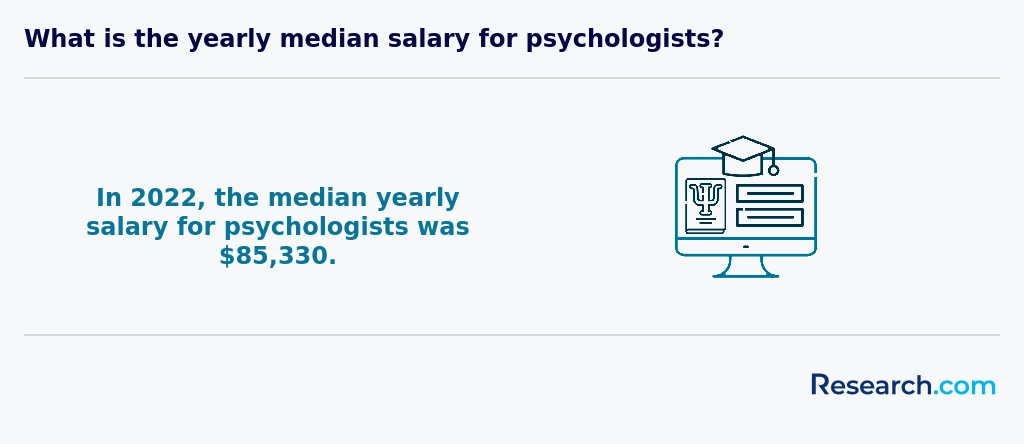
Many graduates appreciate the advantage of Azusa's proximity to Los Angeles, where salaries average around $105,000 annually for psychologists, offering motivation and clear long-term goals. Students considering their educational path often explore the most affordable psychology programs in California, weighing tuition costs against the valuable practical experience gained. This mindset helps prepare them for California's rigorous licensure requirements, fostering confidence as they step into an evolving job market.
2027 Most Affordable Psychology Degree Programs Ranking in Azusa
Investing in your education is a significant decision that can shape your future, and the Research.com team fully recognizes the importance of making informed choices. To support prospective students in Azusa, we have carefully developed the "2027 Most Affordable Psychology Degree Programs Ranking in Azusa." Our dedication to quality, credibility, and accuracy guided the thorough research and analysis behind this ranking.
We utilized the following reputable data sources to ensure a comprehensive evaluation of psychology degree programs:
By exploring this ranking, readers will gain valuable insights into affordable and credible psychology programs in Azusa, empowering them to make well-informed educational decisions. For more details on how this ranking was created, please visit our Research.com methodology page.

Frequently Asked Questions About psychology
Psychology degree students in Azusa can maximize their learning by engaging actively in both coursework and hands-on experiences. Azusa Pacific University, a key local institution, emphasizes internships and research opportunities, which help students apply theory to real-world situations. According to the National Center for Education Statistics, students involved in internships report a 20% higher job readiness upon graduation. Joining psychology clubs or professional organizations like the American Psychological Association's student chapters also enhances practical skills and networking. Additionally, utilizing campus resources such as tutoring centers and faculty office hours supports academic success and deeper understanding of complex topics.
The psychology field is rapidly evolving, with emerging niches gaining prominence in recent years. In Azusa, students can explore specialties such as neuropsychology, which examines the connection between brain function and behavior. This area is growing due to advances in brain imaging technology. Another expanding niche is health psychology, focusing on how psychological factors affect physical health and wellness.
Additionally, forensic psychology is increasing in demand, as legal systems require expert evaluations and counseling. Industrial-organizational psychology also offers opportunities within local businesses seeking to improve employee productivity and workplace culture. According to the Bureau of Labor Statistics, careers in these specialties are expected to grow by 8% through 2030, reflecting robust demand nationwide, including California.
After earning a psychology degree in Azusa, preparing for the job market involves several practical steps. First, gaining hands-on experience through internships or volunteer work in local clinics, schools, or community programs is crucial. Azusa and nearby Los Angeles County offer various opportunities where students can build relevant skills.
Networking is also important; connecting with professionals via organizations such as the California Psychological Association can open job leads. Additionally, pursuing certification or licensure related to counseling or social work may improve employment prospects.
According to the U.S. Bureau of Labor Statistics, the demand for psychology-related roles in California is projected to grow 10% through 2031, faster than average. Staying updated on industry trends and continuing education will help graduates remain competitive in Azusa's evolving job market.
Employers in Azusa value psychology degree graduates who demonstrate strong analytical and communication skills. According to the Bureau of Labor Statistics, effective communication is essential for roles in counseling, clinical services, and research. Graduates must also show proficiency in critical thinking to interpret behavioral data and develop evidence-based interventions.
Additionally, employers seek candidates familiar with ethical standards and cultural competence, especially given Azusa's diverse population. Technical skills, such as knowledge of statistical software and research methodologies, are increasingly important for positions in academic or clinical research. Leadership and teamwork abilities further enhance a graduate's employability in multidisciplinary settings.
Finding internships in Azusa relevant to a psychology degree involves leveraging local educational resources and community partnerships. Azusa Pacific University (APU), the region's primary institution for psychology studies, offers a dedicated internship program connecting students with clinical, counseling, and research placements in surrounding healthcare facilities and schools.
Students should start by consulting their university's career services and psychology department advisors, who maintain up-to-date listings of available internships. In addition, local organizations such as mental health clinics, nonprofit agencies, and school districts often post internships tailored for psychology students.
According to the Bureau of Labor Statistics and local educational resources, internships in psychology in Azusa typically range from 100 to 300 hours, providing practical experience critical for graduate school or licensure.
Networking through professional groups like the California Psychological Association and participating in community volunteer opportunities can also enhance internship prospects in Azusa.
A psychology degree in Azusa can significantly enhance career mobility and advancement opportunities. Graduates often find doors open in diverse fields such as counseling, social services, education, and business. According to the U.S. Bureau of Labor Statistics, positions related to psychology in California are projected to grow about 14% from 2022 to 2032, faster than average.
Locally, Azusa's proximity to larger job markets like Los Angeles expands chances for internships and employment in health care and human services. Employers frequently prefer candidates with advanced degrees or specialized certifications, which a psychology degree provides.
Additionally, psychology graduates develop critical skills in research, communication, and problem-solving, valued across many industries. This versatility can lead to higher salaries and quicker promotions compared to those without such credentials.
Studying for a psychology degree in Azusa offers a strong foundation for interdisciplinary roles by integrating courses from related fields like sociology, biology, and education. Azusa Pacific University, for example, emphasizes practical skills and cross-disciplinary knowledge, which are crucial as 67% of psychology-related jobs require collaboration across multiple sectors, according to the U.S. Bureau of Labor Statistics.
Students gain experience in research methods and data analysis, preparing them for work in healthcare, social services, and business. This approach helps graduates adapt to diverse work environments, a key advantage noted in California's workforce reports.
Hands-on internships and community partnerships in Azusa further enhance students' ability to work in teams involving educators, medical professionals, and counselors.
Choosing between a thesis and a non-thesis psychology degree program in Azusa depends on your career goals and academic interests. Thesis programs require original research and are often recommended for students planning to pursue doctoral study or research careers. Non-thesis options typically focus on coursework and practical skills, suitable for those targeting immediate employment in psychology-related fields.
According to the National Center for Education Statistics, about 40% of psychology master's students nationwide opt for thesis tracks, reflecting a strong preparation for research roles. Azusa programs align with this trend, particularly for students aiming at advanced study.
Consider the time commitment as well-thesis programs usually take longer due to research requirements. Evaluate your readiness for rigorous writing and data analysis tasks before choosing.
Students based in Azusa seeking to study psychology abroad have several pathways through U.S. higher education partnerships and exchange programs. While Azusa itself does not host large international psychology programs, students often leverage resources at nearby institutions like Azusa Pacific University, which offers study abroad opportunities in Europe and Asia. According to the Institute of International Education, psychology remains a popular major among American students studying abroad, especially in countries such as the United Kingdom and Australia.
Many U.S. institutions have partnerships allowing credits earned overseas to transfer back, supporting degree completion. Additionally, programs like the Fulbright U.S. Student Program facilitate research opportunities in psychology abroad for graduates from the Azusa area.
Students pursuing psychology degrees in Azusa can benefit from several part-time job opportunities that enhance their academic knowledge and practical skills. Roles such as research assistants at Azusa Pacific University enable hands-on experience with psychological studies and data analysis. Local mental health clinics often hire interns or aides, providing exposure to case management and patient interaction.
Additionally, tutoring psychology or general education subjects offers valuable teaching experience. Schools and community centers in Azusa may need support staff for youth programs, helping students develop interpersonal and counseling skills. According to the U.S. Bureau of Labor Statistics, experience gained through these roles can boost employability in psychology-related careers after graduation.
Psychology students in Azusa have several valuable networking opportunities to enhance their academic and professional growth. Azusa Pacific University, the city's primary institution offering psychology degrees, supports student connections through psychology club meetings and panel discussions with licensed professionals. These events foster direct engagement with practitioners and alumni.
Additionally, the Los Angeles County Psychological Association, located nearby, offers internships, workshops, and seminars where Azusa students can build local industry contacts. According to the Bureau of Labor Statistics, networking is essential for psychology graduates seeking work in the region's competitive mental health field.
Students are encouraged to attend conferences and volunteer at community mental health centers, expanding real-world connections.
Alumni networks play a crucial role for psychology degree students in Azusa by offering access to a broad community of professionals and recent graduates. These connections often lead to mentorship opportunities, internships, and job placements in local clinics, schools, and counseling centers. According to the California Psychological Association, over 60% of new psychology graduates find employment through referrals and networking, which highlights the importance of these groups.
Moreover, alumni events allow students to stay updated on industry trends and continuing education workshops. This ongoing learning is vital in a field evolving as rapidly as psychology.
Customizing a psychology degree program in Azusa to align with your career goals involves selecting courses, internships, and research opportunities that suit your interests. Many psychology programs offer concentrations such as clinical, cognitive, or developmental psychology, allowing students to gain specialized knowledge. Azusa Pacific University, for example, provides options to tailor coursework and field experiences depending on desired career paths.
Students can also often choose elective classes related to counseling, social work, or forensic psychology. Engaging in local internships or part-time roles at community mental health centers helps build practical skills while networking within Azusa's professional landscape.
Additionally, consult academic advisors early to design a plan that meets licensing requirements if you aim to become a licensed psychologist or counselor in California, ensuring your education supports future certification exams.
Psychology students in Azusa often face a range of common challenges linked to rigorous coursework and practical experience requirements. Balancing comprehensive studies in areas like cognitive, clinical, and developmental psychology with hands-on internships can be demanding. Many students report time management difficulties due to intensive reading and research assignments.
A significant hurdle is the competitive nature of internship placements essential for licensure. According to the California Board of Psychology, securing quality clinical practicum opportunities in the Azusa area can be limited, delaying graduation or licensure timelines. Additionally, students often encounter financial pressures from tuition and fees, as highlighted by local college cost reports.
Lastly, some students struggle with the emotional toll of studying sensitive psychological issues while building resilience to handle client challenges effectively in their future careers.
With a psychology degree in Azusa, graduates can pursue several professional certifications to enhance their careers. One common path is obtaining licensure as a Licensed Professional Clinical Counselor (LPCC), which requires a master's degree and supervised clinical hours. Another option is becoming a Licensed Marriage and Family Therapist (LMFT), focusing on family and relationship counseling.
Psychology graduates may also seek certification as a Certified Alcohol and Drug Counselor (CADC), which involves specific training and exams. National certifications like the Board Certified Behavior Analyst (BCBA) are available for those specializing in behavior analysis. These credentials can improve job prospects and demonstrate expertise in distinct psychology fields.
Applying to a psychology program in Azusa requires careful preparation and attention to detail. Start by researching programs offered by institutions such as Azusa Pacific University, known for its comprehensive psychology curriculum. Applicants should highlight relevant academic achievements, such as coursework in social sciences and biology, alongside a strong GPA-typically above 3.0 for competitive programs. Including volunteer or work experience related to mental health can strengthen the application. Personal statements must clearly explain your motivation for studying psychology and your career goals. Letters of recommendation from educators familiar with your academic or research abilities are also essential.
Standardized test scores like the GRE are optional at many Azusa institutions but may enhance your profile. Review each school's specific requirements carefully. Azusa Pacific reported admitting 56% of psychology applicants in 2023, showing moderate competition. Thorough proofreading and adherence to application deadlines significantly improve your chances of acceptance.
Psychology careers in the United States offer diverse opportunities with a growing demand for mental health professionals. In Azusa, students pursuing psychology degrees benefit from access to accredited programs and can prepare for roles in clinical, counseling, or industrial-organizational psychology. Globally, psychology is recognized as a vital field addressing mental health challenges, workplace efficiency, and educational development. The U.S. Bureau of Labor Statistics projects a 10% employment growth for psychologists nationally from 2021 to 2031, reflecting increasing awareness and resource allocation.
Azusa's proximity to major California universities facilitates exposure to research trends and professional networks. Moreover, global perspectives emphasize cultural competence, critical for psychologists working in diverse communities. According to the APA, professionals familiar with multicultural practices are better equipped to serve varied populations, an important consideration for students in culturally rich areas like Azusa.
Gaining practical experience while studying for a psychology degree in Azusa is essential for building skills and enhancing employability. Many local institutions, including Azusa Pacific University, offer internship programs where students can work in counseling centers, hospitals, or community organizations. These placements provide hands-on experience under professional supervision.
Additionally, students can participate in research projects alongside faculty, contributing to ongoing psychological studies. According to the National Center for Education Statistics, involvement in research increases students' chances of graduate school admission by up to 20%.
Volunteer opportunities are also valuable; community mental health agencies in Azusa often welcome psychology students for support roles. Networking through local psychology associations can further open doors to practical experiences and professional mentorship.
Choosing the right concentration within a psychology degree program in Azusa involves assessing your career goals and areas of interest. Psychology offers various specializations, such as clinical, counseling, developmental, or social psychology. Each concentration prepares you for different roles, from therapy and research to education. According to the U.S. Bureau of Labor Statistics, Azusa's demand for licensed psychologists grows steadily, especially in clinical settings.
It is advisable to review the curriculum at local institutions like Azusa Pacific University, which provides detailed course descriptions. Consider internships or practicum opportunities offered locally to gain hands-on experience.
Additionally, reflect on whether you prefer research or applied practice, as this influences the best concentration fit. Consulting academic advisors and reviewing Azusa-specific employment trends can also guide your decision effectively.
- 2027 Most Affordable Psychology Degree Programs Ranking in Claremont
- 2027 Most Affordable Psychology Degree Programs Ranking in Pasadena
- 2027 Most Affordable Psychology Degree Programs Ranking in Los Angeles
- 2027 Most Affordable Psychology Degree Programs Ranking in Irvine
- 2027 Most Affordable Psychology Degree Programs Ranking in La Jolla
- 2027 Most Affordable Psychology Degree Programs Ranking in Santa Barbara
- 2027 Most Affordable Psychology Degree Programs Ranking in San Diego
- 2027 Most Affordable Psychology Degree Programs Ranking in Riverside
- 2027 Most Affordable Psychology Degree Programs Ranking in Phoenix
- 2027 Most Affordable Psychology Degree Programs Ranking in San Francisco
See What Experts Have To Say About Studying Psychology
Read our interview with Psychology experts

Robin M. Kowalski. Ph.D.
Psychology Expert
Professor of Psychology
Clemson University

Joann Farrell Quinn, Ph.D., MBA
Psychology Expert
Director at the College of Medicine Department of Medical Education
Morsani College of Medicine

Elizabeth L. Jeglic Ph.D.
Psychology Expert
Professor of Psychology
City University of New York

- Professional Networking For Psychologists | Psychology.org https://www.psychology.org/resources/professional-networking/
- What can I do with a psychology degree? https://www.hull.ac.uk/study/undergraduate/courses/psychology-bsc-hons/what-can-i-do-with-a-psychology-degree
- Alumni Perspectives - Meet Our FPN Alumni https://www.aanmelder.nl/alumni-perspectives-june-2023
- Ontario Psychological Association - Networking and Community Resources https://www.psych.on.ca/become-a-member-(1)/member-services/networking-and-community-resources
- Psychology Placement Opportunities for Year 12 Students https://studymind.co.uk/ucas-guide/year-12-guide-to-gaining-psychology-work-experience/
- Study Psychology Abroad https://astarfuture.co.uk/study_psychology_abroad.html
- Society for the Teaching of Psychology https://teachpsych.org/page-1784686/8675326
- Study Psychology Abroad | Go Overseas https://www.gooverseas.com/study-abroad/psychology
- Careers With a Psychology Degree https://www.warnerpacific.edu/blog/careers-in-psychology/
- Psychology Degree Careers and Salary in Europe - StudyinEurope.eu https://www.studyineurope.eu/psychology/psychology-degree-careers-salary-europe/


