
2027 Most Affordable Online Master's in Psychology Degree Programs Ranking in Alabama

Co-Founder and Chief Data Scientist
Exploring online master's programs in psychology can feel overwhelming, especially when you're looking for quality and affordability in Alabama. This article presents the 2027 Most Affordable Online Master's in Psychology Degree Programs Ranking in Alabama, developed by the Research.com team of data scientists to guide you through your options.
By reading this ranking, you'll gain clear insights to help you decide which programs offer the best value for your time and investment. Earning a psychology degree opens doors to meaningful careers that make a difference, and this article supports you in taking that important step.
Key benefits of getting online psychology degree in Alabama
- Psychology graduates in Alabama can expect varied salaries, such as $91,990 annually for school psychologists and $60,080 for mental health counselors, showcasing strong earning potential in meaningful careers.
- Graduates from popular Alabama universities often pursue diverse paths including mental health counseling, school psychology, and marriage/family therapy, offering rewarding roles that make a real difference in their communities.
- Completing a psychology degree online provides flexible scheduling and accessibility, allowing students in Alabama to balance work and study effectively while gaining quality education from recognized programs.
- 2027 Most Affordable Online Master's in Psychology Degree Programs Ranking in Alabama
- What can I expect from online psychology degree in Alabama?
- Where can I work with online psychology degree in Alabama?
What can I expect from online psychology degree in Alabama?
The average cost of an online psychology degree in Alabama typically falls below the national average, making it an appealing choice for many students. Graduates from well-regarded institutions like the University of Alabama or Auburn University often share how affordable tuition allowed them to focus on their studies without overwhelming financial stress. One graduate recounted managing coursework alongside a full-time job, appreciating how the reasonable costs enabled them to pursue their passion for psychology without relocating or taking on excessive loans.
Many programs combine asynchronous classes with occasional synchronous sessions, offering flexibility that complements busy lives. This balance supports students who juggle careers and families, reducing the financial burden that can come from lost wages or housing changes. Additionally, some online degrees include in-state tuition benefits, further lowering costs for Alabama residents attending local universities.
The accessibility of these programs encourages steady enrollment growth and fosters motivated learners who value quality education paired with affordability. This creates a positive learning environment that graduates often describe as both supportive and energizing.
Where can I work with online psychology degree in Alabama?
Graduates with an online psychology degree from universities like the University of Alabama or Auburn University often find rewarding careers in clinical settings throughout the state. Many alumni share how working in mental health clinics or hospitals allows them to make a tangible difference in patients' lives, helping with assessments and treatment plans. These roles usually require at least a master's degree, but earning an online degree from a respected program opens doors to these positions, especially when paired with regional accreditation.
Others describe fulfilling experiences working in Alabama's public and private schools, where they support student mental health and behavioral programs. School psychology is a growing field fueled by statewide initiatives, making it a hopeful path for graduates eager to empower youth.
Community-based organizations and nonprofits also attract psychology graduates who wish to engage with substance abuse recovery or youth services. Many alumni appreciate the opportunity to contribute meaningfully through case management and behavioral health support in these familiar local settings.
Some find nontraditional roles in business environments, leveraging their psychology training to improve workplace wellness. These diverse pathways highlight the flexibility an online psychology degree provides within Alabama's job market.
Graduates holding an online psychology degree in Alabama often find their earnings reflecting the diverse paths available within the field. For instance, those working as school psychologists-common among those from the University of Alabama's psychology program-can expect a mean annual wage around $91,990, offering a strong foundation early in their careers. Mental health counselors, many of whom have graduated from Auburn University's respected counseling programs, typically earn about $60,080 annually, a figure that grows with experience and licensure.
More specialized roles, such as industrial-organizational psychologists, show promising financial rewards, with mean salaries reaching $154,380. This path, though less common locally, demonstrates the value of advanced credentials and niche expertise. Rehabilitation counselors and marriage/family therapists also represent achievable salary ranges for many Alabama graduates, earning approximately $48,430 and $68,730 respectively, balancing meaningful work with steady income.
Many graduates report that studying online allows flexibility to pursue licensure and supervised clinical hours-key steps that open doors to these diverse salary opportunities. Whether working in Birmingham's metro area or smaller communities, the steady demand for psychology professionals ensures these salaries can grow with dedication and further specialization.
- Tuition for online psychology degrees in Alabama ranges from $300 to $450 per credit hour, with total costs between $10,800 and $21,600 for a master's degree.
- Average annual salaries for psychologists in Alabama are about $70,000, with starting salaries from $45,000 to $55,000 depending on specialization and location.
- Counties like Jefferson, Madison, and Montgomery offer more job opportunities due to larger populations and healthcare facilities.
- Graduates should verify that their program is regionally accredited and ideally aligns with APA standards for licensure eligibility.
- Online degrees offer flexibility but may require in-person practicum or internship hours and meeting Alabama's specific licensing requirements.
Completing an online psychology degree in Alabama is a journey where time varies with your goals and lifestyle. Graduates from institutions like the University of Alabama or Auburn University often share how their bachelor's programs typically span four to five years when attending full-time. This timeline feels manageable, allowing for a balanced college experience and part-time work.
For those pursuing a master's degree, many find themselves engaged for one to two years, with some accelerated options at places like Troy University enabling completion in as little as 12 months. This flexibility offers a boost of motivation, especially for working professionals eager to advance quickly.
Doctoral candidates, often enrolled at universities offering hybrid models, describe a more extended path-typically four to seven years. The blend of online coursework with hands-on clinical practica can be demanding but deeply rewarding, creating a profound sense of growth and accomplishment unique to psychology study in Alabama.
Scholarships can reduce the cost of an online psychology degree in Alabama, but students need to search beyond one university webpage. Funding may come from universities, psychology organizations, research foundations, government agencies, private donors, employers, and professional associations.
- University scholarships: Institutions such as the University of Alabama and Auburn University may offer awards for psychology students, graduate students, online learners, or students with financial need or academic merit.
- National Science Foundation's Graduate Research Fellowship Program: This may be relevant for students pursuing research-intensive graduate study.
- American Psychological Association's scholarships: APA-related opportunities can support students pursuing psychology education, research, and professional development.
- Psy Chi Scholarship: Psychology honor society awards may help eligible students cover education-related expenses.
- Employer assistance: Working students should ask whether their employer offers tuition reimbursement, professional development funds, or education benefits.
Students should confirm whether scholarships are open to online learners, whether awards are renewable, whether full-time enrollment is required, and whether funds can be applied to fees as well as tuition. Applying early is important because competitive psychology scholarships often require essays, faculty recommendations, transcripts, and evidence of research or service interests.
Choosing between an online and an on-campus psychology degree in Alabama boils down to how you want to experience your education. Graduates from the University of Alabama often share how on-campus programs created deep personal connections through face-to-face discussions and hands-on clinical labs. These moments, especially during practicums, build confidence that's hard to replicate in a virtual environment.
Conversely, online psychology programs in Alabama offer remarkable flexibility, which many graduates who juggle jobs or family responsibilities find invaluable. They appreciate logging in after work or finishing assignments whenever their schedule allows. This adaptability is a lifeline for those pursuing careers without putting life on hold.
Costs also play a noticeable role. Though both formats at Alabama schools might charge $400 to $600 per credit hour, online students save on commuting and housing, easing financial stress in real terms.
Ultimately, whether you thrive with structured classroom energy or prefer self-paced learning, Alabama's psychology programs provide solid training tailored to your lifestyle and goals.
An online Master’s in Psychology can be part of a professional pathway in Alabama, but licensure depends on the specific credential. Students considering Licensed Psychological Associate (LPA), Licensed Professional Counselor (LPC), or related roles should verify requirements with the Alabama Board of Examiners in Psychology or the appropriate counseling board before choosing a program.
Candidates typically need to:
- Earn a regionally accredited master’s degree in psychology or counseling from an institution approved by the Alabama Board of Examiners in Psychology.
- Complete a minimum of 3,000 hours of supervised post-degree experience, such as practicum, internship, or supervised employment, under a Board-approved supervisor.
- Pass the Examination for Professional Practice in Psychology (EPPP) and the Alabama Jurisprudence Exam, which tests knowledge of state laws, ethics, and regulations governing psychological practice.
- Submit a formal application, official transcripts, supervisory verification, and background check to the Board.
After licensure, professionals must complete 30 hours of continuing education every two years, including ethics, multicultural competence, and evidence-based practice courses, to maintain good standing. Students comparing affordability and accreditation across regions may also review external benchmarks, such as the Most Affordable Psychology Degree Programs Ranking in New York, NY, to compare program costs and outcomes outside Alabama.
The average cost of an online psychology degree in Alabama typically centers around a median total of $17,280, reflecting a balance between accessible state university rates and more premium private institution fees. Graduates from popular universities in Alabama often recall how choosing an in-state public school helped them invest wisely without sacrificing quality education. For example, many note that paying approximately $400 to $600 per credit hour made earning their degree manageable and reduced financial strain.
Those who pursued affordable online psychology master's programs Alabama welcomed the flexibility and lower expenses, especially with fewer commuting costs and no relocation needed. This practical approach gave them peace of mind, allowing focus on studies and practical experiences rather than overwhelming debt. The wisdom of weighing program length and credit requirements became clear as students found that carefully calculating the total cost for their chosen credits helped avoid surprises.
Many students also reflected on additional fees, such as technology and course materials, which were minor compared to tuition but worth factoring in. Public universities in Alabama consistently show tuition rates below the national average, providing further reassurance for in-state learners. Opportunities for scholarships and assistantships made attaining this degree feel within reach for those determined to advance their careers.
Considering these elements, prospective students benefit from reflecting on their choices. Practical experiences from alumni at notable Alabama colleges emphasize how the decision to pursue an online psychology degree aligned with both their professional goals and financial well-being, showcasing a path that balances ambition with affordability.

Graduates of an online master’s in psychology who want to practice in Alabama must plan carefully because education alone may not be enough for independent practice. Licensure depends on the specific credential, scope of practice, degree level, supervised experience, exams, and approval by the relevant Alabama board. Students should verify current requirements before enrolling and again before beginning supervised experience.
Candidates should first confirm that their program is regionally accredited and appropriate for their intended pathway. Students comparing online options may also want to review broader program guidance, such as the best psychology online degrees, while remembering that state licensure rules control professional eligibility.
Key steps may include:
- Earning a master’s or doctoral degree in psychology with at least 45 semester hours of graduate coursework covering clinical, experimental, and ethical foundations.
- Completing a supervised internship, including a pre-doctoral practicum of 1,500 hours and a post-doctoral residency of at least 1,500 hours under a board-approved supervisor.
- Passing the Examination for Professional Practice in Psychology (EPPP) and the Alabama jurisprudence exam on state laws, ethical codes, and practice standards.
After licensure, psychologists must fulfill biennial continuing education requirements: 30 hours every two years with specific credits in ethics and cultural competency. Because requirements can change and may differ by license type, students should rely on official Alabama board guidance when making enrollment and career decisions.
When pursuing an online psychology degree in Alabama, financial aid options can truly lighten the load. Many graduates from the University of Alabama recall relying on federal aid like Pell Grants and Direct Subsidized Loans, which brought relief by reducing immediate expenses. These supports often serve as a dependable foundation, allowing students to focus more on their studies and less on financial stress.
At Auburn University, students frequently tap into merit-based scholarships and need-based grants offered by the school. These awards can turn dreams into achievable goals, making advanced learning feel within reach. Employers also often step in with tuition assistance, especially for those pursuing their degrees while working full-time, blending ambition with practical support.
State-level grants, like the Alabama Student Assistance Program, provide an additional safety net. Completing the FAFSA annually unlocks these resources, and connecting with financial aid offices helps uncover hidden opportunities. These combined channels create a hopeful pathway for many Alabama residents striving to earn their online psychology degree.
Accreditation is one of the most important checks before choosing an online Master’s in Psychology program in Alabama. It affects federal financial aid, transfer credit, employer recognition, doctoral admissions, and whether coursework may support future licensure plans.
- Regional accreditation: Confirm that the institution is accredited by the Southern Association of Colleges and Schools Commission on Colleges (SACSCOC), which validates overall academic quality and helps preserve access to federal financial aid.
- APA programmatic accreditation: APA does not currently accredit master’s-level programs. However, completing an APA-accredited doctoral program is often important for students who intend to pursue clinical psychologist licensure. For doctoral comparisons, review this psyd programs ranking.
- Alabama licensure requirements: Students should understand the typical pathway, including a degree from a regionally accredited institution, 3,000 hours of supervised experience combining pre- and post-degree components, passage of the Examination for Professional Practice in Psychology (EPPP), and successful completion of the Alabama Jurisprudence Exam.
- State board approval: Verify whether practicum, internship, and supervised experience sites will be accepted by the Alabama Board of Examiners in Psychology before beginning hours.
- Transfer and doctoral planning: If you plan to continue to a doctoral program, ask whether master’s credits transfer, whether articulation agreements exist, and what post-graduate placement outcomes are available.
The safest approach is to contact the program and the relevant Alabama licensing board before enrolling. Ask direct questions: Does this degree meet educational requirements for the license I want? Are online students eligible for approved practicum placements? Have graduates been accepted into doctoral programs or obtained supervised roles?
Enrolling in an online psychology degree program in Alabama typically requires holding a bachelor's degree, often in psychology or a related field like sociology or health sciences. Graduates from popular institutions such as the University of Alabama or Auburn University often recall that meeting a minimum GPA-usually around 3.0-was essential, helping them feel confident they could manage graduate coursework remotely while juggling personal commitments.
Many found that submitting official transcripts and a thoughtful statement of purpose helped admissions committees understand their unique motivations and career aspirations. Some graduates remember needing to complete prerequisite courses like research methods, especially if their undergraduate degree was outside psychology, which reinforced crucial foundational knowledge before advancing.
While GRE scores were once a hurdle, many Alabama programs have waived this for candidates with solid academic records or experience. Students appreciated this flexibility, especially those balancing jobs or family.
Seeing these requirements as achievable milestones, rather than barriers, helped many feel preparation was stepping stones toward a rewarding psychology career. The relative affordability of Alabama's programs also made this journey feel accessible and worthwhile.
Students pursuing psychology, counseling, or marriage and family therapy pathways in Alabama should distinguish between degree completion and legal authority to practice. Licensure generally requires education, supervised hours, examinations, application materials, and continuing education after approval.
- Education: Earn a Master’s degree in Psychology, Counseling, or MFT from a regionally accredited institution.
- Supervision: Complete 3,000 supervised hours for LPC or 1,500 hours for LMFT under an approved supervisor.
- Examination: Pass the National Counselor Examination (NCE) for LPC or the AMFTRB exam for LMFT.
- Application: Submit official transcripts, supervision logs, exam results, and a background check to the Alabama Board of Examiners in Counseling.
- Renewal: Earn 20–40 continuing education credits every license cycle to maintain good standing.
Students interested in marriage and family therapy should compare programs that align with that credential specifically. For focused training options, explore online mft degrees.
Students pursuing an online psychology degree in Alabama frequently engage with a well-rounded set of courses that form the backbone of their understanding. For example, graduates from the University of Alabama experience foundational classes like Introduction to Psychology, where they explore core theories and the history of the field, setting a solid stage for deeper study.
Courses in Research Methods and Statistics are particularly valued, as many alumni recall how mastering data analysis empowered them to confidently interpret studies and apply findings in real-world counseling or educational settings. Developmental Psychology offers relatable insights into human growth, helping students from Auburn University frame behaviors they observe in their personal and professional lives.
Abnormal Psychology often evokes a strong sense of empathy, as students connect classroom knowledge with stories from their communities about mental health challenges. Electives in Social Psychology and Biopsychology also stand out, encouraging learners to appreciate how social dynamics and brain processes shape behavior-skills many have found invaluable in clinical or research roles across Alabama.
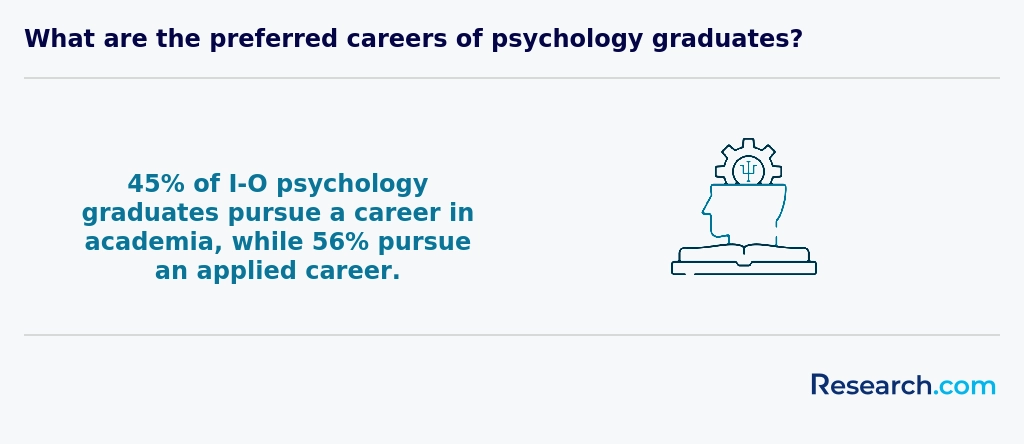
Students pursuing an online psychology degree in Alabama often discover a range of specializations designed to align with both personal interests and regional career opportunities. Popular concentrations include Clinical Psychology, where graduates develop skills for diagnosing and treating mental health disorders, and Counseling Psychology, focusing on therapeutic techniques to support emotional well-being. Those interested in workplace dynamics frequently choose Industrial-Organizational Psychology to enhance employee productivity and organizational health, while School Psychology prepares graduates to meet children's educational and developmental needs within Alabama's diverse school systems.
Graduates from renowned Alabama colleges often reflect positively on the practical relevance of Health Psychology, which connects mental and physical health-a growing field as the state expands its healthcare services. For students considering less common paths, online programs may also offer forensic, developmental, or social psychology, echoing national trends in psychology education. Choosing specializations that match licensure requirements and local workforce demands is wise, and resources such as iowa psychology education can provide helpful guidance for comparative insights into regional education standards.
For those exploring cost-conscious options, Alabama affordable online psychology concentrations offer a balanced approach, preparing graduates for meaningful careers while managing tuition in a state known for competitive pricing.
Choosing the best online psychology degree in Alabama involves focusing on accreditation and curriculum relevance. Graduates from well-known Alabama universities often highlight how programs accredited by the American Psychological Association (APA) or recognized regional bodies like SACSCOC gave them confidence in their education quality and licensure readiness. Many have appreciated degree tracks that emphasize clinical or counseling psychology, aligning closely with local job market demands.
Cost efficiency deeply influences decisions; programs offering affordable online psychology degrees Alabama residents can manage without sacrificing quality stand out. Public universities in Alabama typically provide this balance, keeping tuition accessible while maintaining strong support services. Graduates frequently remark on the value of faculty expertise and the practical internship connections that helped them transition smoothly into professional roles.
When thinking beyond degree completion, consider programs that provide robust career resources. For example, understanding the virginia lpc application process can be an inspiration for navigating licensure steps elsewhere. Reflecting on these factors positions you to choose the best online master's psychology programs Alabama offers with assurance and clarity.
Graduates pursuing online psychology careers in Alabama find a diverse array of opportunities suited to varied interests, from licensed counseling to roles in education and business. Many who enrolled at universities like the University of Alabama or Auburn University recall how their online master's programs prepared them thoroughly for clinical licensure requirements, including supervised hours and exams that are essential for licensed professional counselor roles in the state.
Others have moved into educational settings as school psychologists or behavioral specialists, where they support student learning and emotional well-being. These roles often build on the solid foundation provided by an Alabama psychology degree job opportunities, while requiring additional certification. The practical knowledge gained through online programs empowers graduates to confidently contribute in schools or community agencies.
Beyond traditional settings, graduates frequently apply their understanding of human behavior to human resources, marketing, and organizational development. Their skills enhance workplace culture and productivity in Alabama's expanding industries. For those aiming for clinical practice, preparing for the Utah psychologist licensure exam provides perspective on national standards, enriching their professional readiness and ambition.

The job market for graduates with an online psychology degree in Alabama offers promising opportunities, especially for those coming from well-regarded institutions such as the University of Alabama or Auburn University. Many graduates share their uplifting experiences entering roles in hospitals, outpatient centers, and community organizations where demand for mental health services continues to grow. This positive trend reflects the broader landscape where Alabama's rural areas, in particular, urgently need qualified professionals, creating rewarding chances for those willing to serve underserved communities. Graduates describe feeling fulfilled by making real impact in these regions, a strong draw for those dedicated to social contribution and professional growth.
Graduates often remark on salary prospects, noting the median annual wage around $75,000, which, while slightly below national figures, balances well with Alabama's cost of living. Many find that licensure and specialization pave the way for improved earnings, a point frequently emphasized by alumni from online programs focused on clinical or industrial-organizational psychology. The practical experience gained through these programs often leads to valuable job placements, reinforcing the optimistic online psychology degree job outlook Alabama holds.
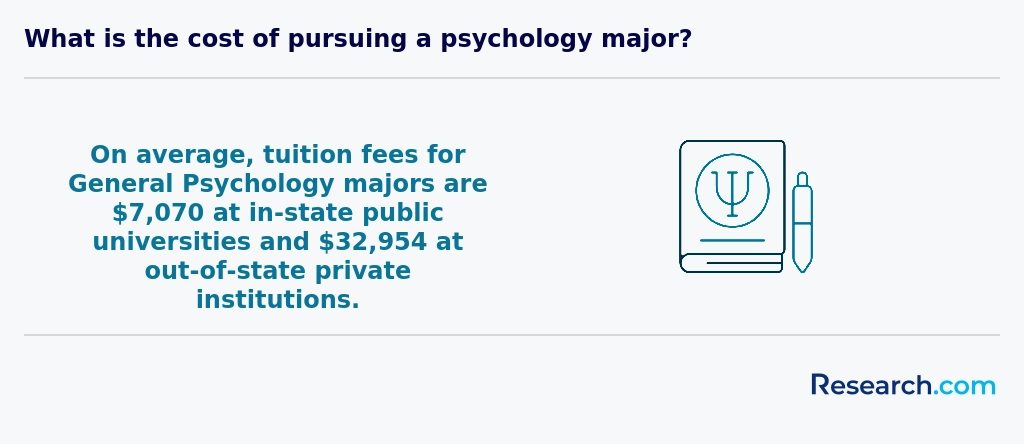
For prospective students weighing costs, online programs offer a compelling balance; in-state tuition averages between $8,000 and $15,000 annually, making further education accessible. Those looking to broaden their credentials might consider related fields too-many turn to Colorado MSW programs for an additional pathway to expand their career horizons while remaining mindful of cost and flexibility.
2027 Most Affordable Online Master's in Psychology Degree Programs Ranking in Alabama
Investing in your education is a significant decision that can shape your future, and the Research.com team understands the importance of making informed choices. To assist prospective students in Alabama, we have meticulously crafted the "2027 Most Affordable Online Master's in Psychology Degree Programs Ranking in Alabama." Our commitment to quality, credibility, and accuracy is reflected in the extensive research and analysis conducted to compile this ranking.
We utilized the following reputable data sources to ensure a comprehensive evaluation of psychology programs:
By exploring this ranking, readers will gain valuable insights into affordable and credible online psychology master's programs in Alabama, empowering them to make well-informed educational decisions. For more details on our methodology, please visit our Research.com methodology page.
# 1 position
Columbia Southern University
Master of Industrial/Organizational Psychology


# 3 position
Amridge University
Master of Professional Counseling

Frequently Asked Questions About psychology
Students pursuing online psychology degrees in Alabama can enhance their learning by actively engaging with course materials and participating in virtual discussions. Utilizing university-provided resources such as tutoring, library databases, and counseling services strengthens academic success. Since Alabama has specific licensure requirements for psychologists, students should align their coursework with the Alabama Board of Examiners in Psychology guidelines to ensure eligibility for licensure.
Time management is crucial; setting regular study schedules helps balance coursework with personal commitments. Additionally, networking with peers and faculty through online forums and local psychology associations builds professional connections valuable for internships and employment.
The Alabama Department of Labor reports that demand for psychologists is expected to grow by 8% through 2030, highlighting the importance of quality education paired with practical experiences.
The psychology field is expanding with several emerging niches that appeal to students pursuing online degrees in Alabama. One growing area is forensic psychology, where professionals apply psychological principles to legal cases. According to the Alabama Board of Psychology, demand for forensic experts is rising due to complex criminal investigations.
Another in-demand specialty is health psychology, focusing on how behavior affects wellness and chronic illness management. The Alabama Department of Public Health reports increased interest in integrating mental health with physical healthcare, creating jobs for specialists.
Additionally, cyberpsychology studies the impact of technology on human behavior, a niche gaining attention as digital interactions rise. These emerging fields offer graduates diverse career opportunities in Alabama's evolving job market.
Preparing for the job market after completing an online psychology degree in Alabama involves several key steps. First, graduates should pursue relevant internships or practicum experiences to gain practical skills, as hands-on experience is valued by employers in this field. According to the Alabama Board of Examiners in Psychology, licensure requires supervised hours, so early planning is essential.
Networking is another crucial strategy. Joining organizations like the Alabama Psychological Association can connect graduates with professionals and job opportunities. Additionally, tailoring resumes and cover letters to highlight skills such as research, data analysis, and client communication improves employability. Understanding industry demands in Alabama's growing mental health sector also helps target job searches effectively.
Employers in Alabama seek psychology graduates with strong analytical skills to interpret research and apply evidence-based methods. Critical thinking is vital for assessing client needs and developing treatment plans effectively. Communication skills, both written and verbal, rank highly, as psychologists must convey complex ideas clearly to clients and colleagues.
In Alabama, where mental health services are expanding, cultural competence is increasingly important. Understanding diverse populations helps graduates provide inclusive care. Additionally, familiarity with ethical standards and confidentiality laws, as outlined by the Alabama Board of Examiners in Psychology, is essential for workplace compliance.
Technical proficiency in data analysis software and virtual counseling platforms is also attractive to employers amid growing telehealth demand in the state.
Finding psychology internships in Alabama requires a strategic approach aligned with both academic requirements and local opportunities. Students should begin by consulting their university's career services and psychology department advisors, as many schools have partnerships with local clinics and organizations. According to the Alabama Department of Mental Health, there are several community mental health centers across the state that offer internship programs.
Additionally, students can explore opportunities at hospitals, nonprofit organizations, and school systems, which often need psychology interns. The Alabama Psychological Association also provides resources and a job board tailored to psychology students and professionals. Networking through local conferences and online platforms can further enhance internship prospects.
An online psychology degree in Alabama can significantly enhance career mobility and advancement opportunities within the state's growing mental health sector. According to the Alabama Department of Labor, jobs for psychologists and mental health counselors are projected to grow by 14% through 2030. Graduates with an online degree often qualify for licensure as Licensed Professional Counselors (LPC), a key credential for career growth in Alabama's healthcare and educational settings.
Online programs provide flexibility, allowing working professionals to upgrade their credentials without interrupting employment. This can lead to promotions, salary increases, or transitions into specialized roles such as clinical psychology or behavioral analysis.
Employers in Alabama increasingly recognize accredited online degrees, especially those regionally accredited and aligned with Alabama Board of Examiners in Psychology standards. This recognition broadens job prospects across urban centers like Birmingham and Huntsville as well as rural areas seeking qualified mental health practitioners.
Studying for a psychology degree in Alabama offers strong preparation for interdisciplinary roles by integrating multiple fields such as healthcare, education, and social services. Online programs emphasize applied skills in research, communication, and critical thinking, essential for collaboration across professions. According to the Alabama Commission on Higher Education, many institutions align coursework with state workforce needs, ensuring graduates are adept in diverse environments.
Students engage with topics like behavioral health, neuropsychology, and community psychology, fostering understanding useful in social work, counseling, and public health. This approach reflects Alabama's growing demand for professionals versed in both psychology and allied disciplines.
Choosing between a thesis and a non-thesis psychology degree program in Alabama depends on your career goals and academic interests. Thesis programs emphasize original research, ideal for those considering a PhD or research-oriented roles. Non-thesis tracks focus more on coursework and practical skills, suitable for immediate professional application in mental health services or counseling.
In Alabama, many online master's programs offer both options, with thesis paths typically requiring around 6 to 9 credit hours dedicated to research. According to the Alabama Commission on Higher Education, thesis students often engage in faculty-led research projects, enhancing critical thinking and analytical skills.
Consider program requirements, available faculty expertise, and your long-term plans. If you aim to work in clinical settings, the non-thesis route may be more practical. For students interested in academia or research careers, the thesis option provides valuable experience.
Students based in Alabama seeking to study psychology abroad have several options through online programs offered by international universities. While physical relocation may be challenging, many accredited institutions provide fully online psychology degrees accessible from Alabama. These programs allow students to benefit from a global curriculum while complying with Alabama's licensing requirements.
It is important to verify that any foreign program meets U.S. accreditation standards and is recognized by Alabama's licensing boards, such as the Alabama Board of Examiners in Psychology. Students should also consider universities with partnerships or approvals that facilitate credit transfer to local or regional institutions.
Statistics from the National Center for Education Statistics indicate a rise in online psychology program enrollment nationally, which includes out-of-state and international institutions serving Alabama residents. Choosing a program with recognized credentials ensures eligibility for clinical practice or further education within Alabama.
Students pursuing an online psychology degree in Alabama can enhance their education by engaging in part-time jobs related to the field. Common roles include behavioral health technician positions in local clinics and hospitals, where students assist with patient care and therapeutic activities. These jobs offer practical experience with mental health treatment practices.
Another option is working as a research assistant at nearby universities or institutions focused on psychology studies. According to the Alabama Department of Labor, psychology-related employment in the state is expected to grow by 12% over the next decade, increasing opportunities for students.
Additionally, peer counseling or tutoring roles within college programs can develop communication and counseling skills necessary for psychology careers. These positions provide valuable exposure to psychological concepts in practice.
Online psychology students in Alabama have access to various networking opportunities that support their academic and professional growth. Many Alabama universities offering online psychology degrees facilitate virtual events, webinars, and discussion groups where students can connect with peers and faculty. Professional organizations like the Alabama Psychological Association provide membership options for students, enabling access to conferences, workshops, and peer networking.
The National Alliance on Mental Illness (NAMI) Alabama chapter also offers volunteer opportunities that can expand local networks. According to the Bureau of Labor Statistics, Alabama employs over 4,000 psychologists, indicating a strong state community for professional connections after graduation.
Alumni networks offer significant advantages for students pursuing online psychology degrees in Alabama. These networks connect current students with graduates who have practical experience in the state's psychology field, creating valuable mentorship opportunities. Through alumni networks, students gain insight into local job markets, internships, and licensure requirements specific to Alabama, such as those outlined by the Alabama Board of Examiners in Psychology.
Networking with alumni can also enhance employment prospects by providing access to job openings that may not be widely advertised. According to the National Association of Colleges and Employers, 85% of jobs are filled through networking, demonstrating the importance of these connections.
Moreover, alumni events and online forums foster community engagement, which is crucial for students studying remotely. This sense of belonging supports academic success and career advancement in Alabama's growing mental health sector.
Customizing an online psychology degree program in Alabama allows students to align their studies with specific career goals. Many Alabama institutions offer elective courses in areas such as clinical psychology, counseling, or industrial-organizational psychology. Students can select these based on their interests and intended career paths.
Practicum and internship opportunities are often part of online programs, enabling hands-on experience in local settings. This is crucial for licensure and professional development in Alabama, where clinical roles require supervised hours.
Additionally, students should consider programs accredited by the American Psychological Association or regional bodies to ensure quality and eligibility for state licensure.
Keeping up with Alabama's job market trends, such as growing demand for mental health counselors per the Alabama Department of Labor, can guide course choices.
Online psychology students in Alabama often face challenges related to balancing coursework with personal and professional responsibilities. Many students juggle jobs or family commitments, making the flexibility of online programs essential but sometimes difficult to manage. Another common issue is limited access to local internship opportunities, which are crucial for gaining practical experience and fulfilling licensure requirements in Alabama. Additionally, students may encounter technological barriers, including unreliable internet connections, especially in rural areas of the state.
Some also report feeling isolated due to reduced face-to-face interaction with faculty and peers, which can affect motivation and networking.
With an online psychology degree in Alabama, graduates can pursue several professional certifications that enhance career prospects. Popular certifications include becoming a Licensed Professional Counselor (LPC), which requires passing the National Counselor Examination and completing supervised clinical hours. The Alabama Board of Examiners in Counseling oversees this process.
Another certification is the Licensed Marriage and Family Therapist (LMFT), ideal for those focusing on family dynamics and therapy, also regulated by Alabama's state licensing board.
For those interested in school settings, certification as a School Psychologist through the Alabama State Department of Education is an option, typically requiring additional examination and practical experience. National certifications like the Certified Rehabilitation Counselor (CRC) are also valuable and recognized within Alabama.
To write a winning application for an online psychology program in Alabama, start by demonstrating clear motivation and understanding of psychology's role in mental health services, a priority in Alabama's healthcare landscape. Highlight relevant academic achievements, especially in behavioral sciences or related fields. According to the Alabama Commission on Higher Education, mentioning any prior experience with mental health organizations or internships strengthens your profile.
Personalize your statement of purpose to reflect how the program's offerings align with your career goals. Be concise, focused, and proofread carefully for clarity and grammar. Strong letters of recommendation from academic or professional contacts familiar with your skills are also essential.
The field of psychology offers diverse career opportunities around the world, with growing demand for mental health professionals. In the United States, including Alabama, psychology careers are expanding due to increased awareness of mental health issues. According to the U.S. Bureau of Labor Statistics, employment for psychologists is projected to grow 6% from 2021 to 2031, reflecting steady demand nationally.
Globally, the role of psychologists varies by region but consistently emphasizes research, clinical practice, and counseling. For Alabama students pursuing online psychology degrees, understanding these international trends highlights the widespread importance of cultural competence and evidence-based approaches in the profession.
Alabama's educational institutions often integrate global perspectives into their programs to prepare graduates for diverse work environments. This global outlook helps psychologists address complex societal issues locally and abroad.
Gaining practical experience while pursuing an online psychology degree in Alabama is essential for applying theoretical knowledge. Many programs offer structured internships or practicum placements in local healthcare facilities, schools, or community organizations. These opportunities allow students to work under supervision, which is vital for licensure. The Alabama Board of Examiners in Psychology requires supervised hours for certification, making hands-on experience critical.
Additionally, students can engage in research projects affiliated with universities or participate in virtual labs. Online learners should contact their program advisors early to secure placements tailored to Alabama's mental health landscape. According to the Alabama Department of Mental Health, practicum sites often include state hospitals and nonprofit agencies.
Choosing the right concentration within an online psychology degree program in Alabama starts with understanding your career goals. Popular concentrations include clinical, counseling, industrial-organizational, and educational psychology. Each offers different paths: for example, clinical psychology focuses on mental health treatment, while industrial-organizational centers on workplace behavior.
Consider the demand for each specialty in Alabama. According to the Alabama Department of Labor, clinical and counseling psychologists are among the fastest-growing professions in the state, with a projected 15% job growth by 2030. This suggests strong opportunities in mental health services locally.
Evaluate program offerings and faculty expertise at Alabama institutions, ensuring the curriculum aligns with licensure requirements in the state. Licensure is critical if you plan to practice professionally, especially in clinical or counseling roles.
Finally, assess practical components like internships or practicum placements, as these provide valuable experience and networking within Alabama's healthcare and education systems.
- 2027 Most Affordable Online Master's in Psychology Degree Programs Ranking in Missouri
- 2027 Most Affordable Online Master's in Psychology Degree Programs Ranking in Indiana
- 2027 Most Affordable Online Master's in Psychology Degree Programs Ranking in Texas
- 2027 Most Affordable Online Master's in Psychology Degree Programs Ranking in Virginia
- 2027 Most Affordable Online Master's in Psychology Degree Programs Ranking in Ohio
- 2027 Most Affordable Online Master's in Psychology Degree Programs Ranking in Kansas
- 2027 Most Affordable Online Master's in Psychology Degree Programs Ranking in Pennsylvania
- 2027 Most Affordable Online Master's in Psychology Degree Programs Ranking in Florida
- 2027 Most Affordable Online Master's in Psychology Degree Programs Ranking in New York
- 2027 Most Affordable Online Master's in Psychology Degree Programs Ranking in Massachusetts
See What Experts Have To Say About Studying Psychology
Read our interview with Psychology experts

Catherine Caldwell-Harris, Ph.D.
Psychology Expert
Associate Professor of Psychology
Boston University

Elizabeth L. Jeglic Ph.D.
Psychology Expert
Professor of Psychology
City University of New York

Robin M. Kowalski. Ph.D.
Psychology Expert
Professor of Psychology
Clemson University

- A Guide to Psychology Internships | Psychology Degree Guide https://psychologydegreeguide.org/resources/internships/
- Professional Networking For Psychologists | Psychology.org https://www.psychology.org/resources/professional-networking/
- Study Psychology Abroad https://astarfuture.co.uk/study_psychology_abroad.html
- Ontario Psychological Association - Networking and Community Resources https://www.psych.on.ca/become-a-member-(1)/member-services/networking-and-community-resources
- Study Psychology Abroad | Go Overseas https://www.gooverseas.com/study-abroad/psychology
- Society for the Teaching of Psychology https://teachpsych.org/page-1784686/8675326
- Best Online and Campus Psychology Schools in Alabama https://www.psychologydegree411.com/schools/alabama/
- CLINICAL PSYCHOLOGY (THESIS / NON-THESIS) - Lisansüstü Eğitim Enstitüsü https://lee.nisantasi.edu.tr/en/clinical-psychology-thesis-non-thesis/
- Psychology Online Degree Pathway https://www.learndirect.com/course/psychology-online-degree
- Why Get a Psychology Degree Online? | University of Bridgeport https://www.bridgeport.edu/news/reasons-to-get-your-psychology-degree-online/


