
2027 Most Affordable Online Master's in Psychology Degree Programs Ranking in Massachusetts

Co-Founder and Chief Data Scientist
Choosing the right online master's in psychology program can be challenging, especially when balancing affordability and quality. This article presents the 2027 Most Affordable Online Master's in Psychology Degree Programs Ranking in Massachusetts, created by the Research.com team of data scientists. It is designed to help you make an informed decision about which programs offer real value.
Pursuing a psychology degree opens doors to meaningful careers and personal growth. Exploring these affordable options ensures you invest wisely in your future without unnecessary financial stress.
Discover programs that fit your goals and budget today.
Key benefits of getting online psychology degree in Massachusetts
- Graduates with a psychology degree can expect strong salary prospects in Massachusetts, such as Industrial-Organizational Psychologists earning around $154,380 annually and School Psychologists making approximately $91,990.
- Career paths include roles like Mental Health Counselor or Marriage/Family Therapist, offering fulfilling opportunities to support community well-being, as seen with many graduates from universities like Boston University.
- Online psychology degrees from institutions such as Northeastern University provide flexible schedules and accessible learning, allowing graduates to balance studies with work or family life without sacrificing quality.
- 2027 Most Affordable Online Master's in Psychology Degree Programs Ranking in Massachusetts
- What can I expect from online psychology degree in Massachusetts?
- Where can I work with online psychology degree in Massachusetts?
What can I expect from online psychology degree in Massachusetts?
The average tuition cost for an online psychology master's degree in Massachusetts typically ranges between $15,000 and $30,000, depending on the institution and program length. Graduates from popular universities such as Boston University or Northeastern University often reflect on the value of competitive in-state tuition rates combined with the flexibility of online learning, enabling them to balance work and family commitments seamlessly.
Many students appreciate how Massachusetts institutions support learners through state financial aid programs, reducing the financial burden while maintaining rigorous academic standards. For instance, one graduate recalled accessing local resources that supplemented tuition costs, allowing them to focus more on coursework and practicums required for licensure.
This balance of affordability and quality attracts prospective students seeking convenience without compromising accreditation or preparation for doctoral programs. By choosing an online psychology degree in Massachusetts, learners gain access to well-structured programs aligned with national standards and practical experiences, all while managing finances effectively within the stated tuition range.
Where can I work with online psychology degree in Massachusetts?
Graduates with an online psychology degree in Massachusetts find diverse employment opportunities in healthcare, education, social services, research, and corporate sectors. Many secure roles in behavioral health clinics and hospitals, such as Massachusetts General Hospital or McLean Hospital, working as mental health counselors, behavioral specialists, or psychological associates. These positions offer rewarding experiences helping patients directly, fueling a sense of purpose and accomplishment.
School systems throughout Massachusetts also actively employ psychology graduates for school counseling and special education support. Graduates from Boston University or Harvard University often share how their online studies prepared them to support student mental health needs effectively within public schools, fostering positive change in young lives.
Community agencies tackling substance abuse and homelessness provide roles as case managers or mental health outreach coordinators, engaging psychology professionals in meaningful advocacy and outreach. For those drawn to academia, opportunities exist as research assistants at prominent institutions, gaining exposure to cutting-edge behavioral science.
Additionally, many graduates apply their skills in corporate wellness programs, human resources, or psychological technician roles, benefiting from Massachusetts' growing emphasis on mental health across sectors.
Graduates holding an online psychology degree from distinguished institutions like Boston University or UMass Amherst can anticipate rewarding salary outcomes in Massachusetts. For example, school psychologists in the state earn a mean annual wage of approximately $91,990, reflecting the strong demand for their expertise in educational settings. Mental health counselors commonly find roles offering around $60,080 annually, providing fulfilling opportunities to support community well-being.
Those pursuing industrial-organizational psychology-a popular specialization-can expect significantly higher earnings, with mean salaries reaching $154,380 per year. This reflects roles in corporate environments focused on enhancing workforce productivity and organizational culture.
Graduates working as marriage and family therapists earn about $68,730 annually, while rehabilitation counselors have mean wages near $48,430. Many alumni express satisfaction in Massachusetts's diverse opportunities, especially in private practice or healthcare, where experience and certifications lead to progressive salary growth.
These figures underscore how an online psychology degree from reputable Massachusetts universities can open doors to well-compensated and impactful careers.
- Massachusetts has several accredited institutions offering fully or partially online psychology programs, providing flexibility for students.
- The average tuition for an online master's degree at public universities in Massachusetts ranges from $20,000 to $35,000, while private institutions may charge over $40,000.
- Psychologists in Massachusetts earn an average annual salary of about $95,000, with entry-level positions starting between $60,000 and $70,000.
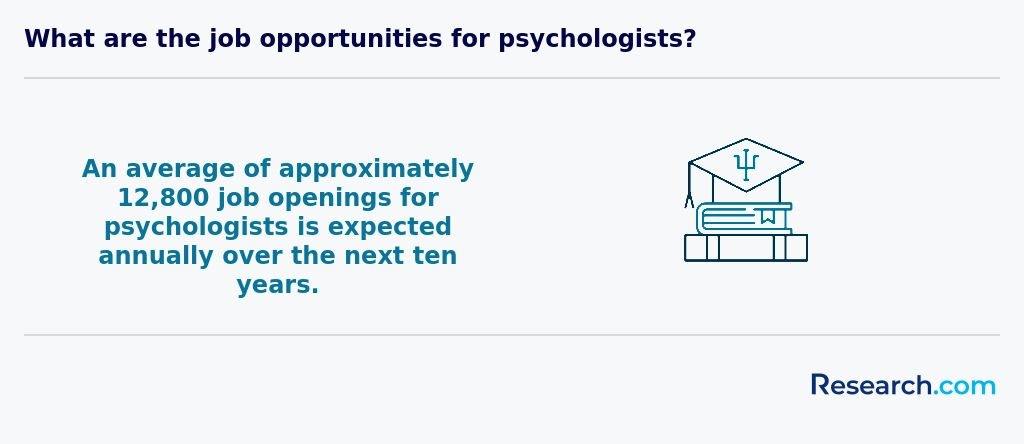
- The state projects a 10% job growth rate for psychologists and mental health professionals over the next decade, slightly higher than the national average.
- Licensure in Massachusetts requires a graduate degree from an accredited program, supervised clinical experience, and passing state exams.
- Various professional support networks and continuing education options are available to help psychology graduates advance their careers in Massachusetts.
Completing an online psychology degree in Massachusetts typically ranges from about four years for a bachelor's degree to up to seven years for doctoral programs, depending on the pace and level of study. For example, students at well-known institutions such as Boston University or UMass Amherst often report that full-time online bachelor's programs take around four years, while part-time learners may extend their studies to six years to balance work and personal commitments.
Master's degree candidates generally complete their studies within 18 to 24 months when enrolled full-time, with part-time students stretching the duration to three years or more. Graduates from programs like those at Simmons University value the flexibility of asynchronous classes, allowing them to work while progressing steadily.
Doctoral students pursuing hybrid PsyD or PhD paths at schools such as the Massachusetts School of Professional Psychology often experience program lengths of four to seven years, integrating practical internships and research. These individuals emphasize the rewarding challenge of balancing rigorous demands with real-world clinical experiences.
In Massachusetts, the choice between online and on-campus psychology degrees hinges on the learning environment and lifestyle needs. Graduates from prestigious schools like Boston University often highlight the enriched interpersonal connections forged during on-campus programs, where face-to-face discussions and collaborative projects foster immediate engagement and networking.
Conversely, students from institutions such as the University of Massachusetts laud the flexibility of online programs, which allow them to balance coursework with professional and family responsibilities. These students appreciate accessing lectures and materials asynchronously, enabling tailored study schedules without sacrificing educational rigor.
Practical training remains essential in both formats, with arrangements varying between local internships and approved placements. While on-campus learners benefit from direct access to campus resources, online students utilize comprehensive digital libraries and virtual advising, ensuring robust support.
Cost considerations also differ; online programs typically reduce expenses related to commuting and housing, a key factor noted by many students attending colleges like Northeastern University. This flexibility combined with state-accredited curricula makes online psychology degrees a viable and satisfying option for many Massachusetts residents.
The average cost of an online psychology degree in Massachusetts typically centers around $22,200, reflecting the state's balance of high-quality education and competitive pricing. Many graduates from well-known public institutions describe their investment as worthwhile, citing access to esteemed faculty and comprehensive online resources that make the financial commitment feel justified. Public universities, such as those within the University of Massachusetts system, offer per-credit prices ranging from $800 to $1,200, which helps students manage overall expenses effectively while benefiting from a reputable program.
For those seeking affordable online master's psychology programs Massachusetts provides options through both public and private universities. Private colleges often charge between $700 and $1,500 per credit, leading to total program costs usually falling between $18,000 and $35,000. Despite the variation, many students find these programs offer significant financial aid opportunities and scholarships, making the pursuit of a psychology degree more accessible. Alumni frequently highlight the value of tailored support services and flexible course schedules that helped them balance studies with personal and professional commitments.
In addition to tuition, students should consider costs for technology fees, textbooks, and practicum experiences, which are essential parts of psychology education. Reviewing comprehensive tuition structures for each school is crucial to understanding the full financial picture. For prospective students eager to accelerate their academic progress, exploring pathways such as the fastest bachelors degree options may offer a strategic advantage in cost and time management, complementing the overall value of psychology degrees in Massachusetts.
Students pursuing an online psychology degree in Massachusetts benefit from multiple financial aid opportunities designed to ease the high tuition costs typical of local institutions such as Boston University and Harvard Extension School. Federal aid is a critical resource, accessed via FAFSA, offering unsubsidized loans that many graduate psychology students rely on to manage expenses during their studies.
Additionally, scholarships and grants tailored for psychology students are frequently available through organizations like the American Psychological Association, providing non-repayable support that past graduates have found instrumental in reducing debt burdens.
Massachusetts' state-level aid, coordinated by MEFA, connects students with merit-based and need-based scholarships, helping fund programs at schools including UMass Amherst's online offerings. Some employers in the area also provide tuition assistance, enabling working students to advance their education with less stress about costs.
Institutional scholarships and work-study opportunities within these universities offer further relief; graduates often recall how reaching out to admissions offices revealed personalized support pathways that made their educational journey affordable and achievable.
To enroll in an online psychology degree program in Massachusetts, applicants must hold a bachelor's degree from an accredited institution, often completed before starting the program. Graduates from Massachusetts universities like Boston University and UMass Amherst frequently share that having a background in psychology or related fields such as sociology or health sciences significantly eased their transition into graduate studies. However, institutions commonly provide foundational courses to support students coming from non-psychology disciplines, allowing diverse academic experiences to thrive.
Applicants should prepare official transcripts demonstrating strong academic performance, typically with a minimum GPA around 3.0. In practice, graduates recall how those with higher GPAs and compelling letters of recommendation-usually from professors or supervisors-felt more confident during admissions. Most schools ask for a statement of purpose reflecting clear career goals and motivation for pursuing online study, a crucial step that helps programs in Massachusetts assess an applicant's dedication and fit.
Work or volunteer experience in mental health sectors is encouraged and often strengthens applications, as graduates from key Massachusetts programs describe how such experience boosted their readiness and passion for psychology.
Online psychology degree programs in Massachusetts typically include foundational courses such as Introduction to Psychology, where students explore basic concepts, key theories, and the historical development of the field. Graduates from well-regarded institutions often recall how Research Methods and Statistics courses equipped them with practical skills in designing experiments and analyzing data, essential for both academic and real-world applications.
Developmental Psychology is another core subject, examining human growth and changes from infancy through adulthood, often illustrating theories with relatable case studies drawn from local communities. Courses in Abnormal Psychology provide insight into mental health disorders and diagnostic criteria, which many students find deeply rewarding as they prepare for careers addressing real patient challenges in Massachusetts.
Social Psychology and Cognitive Psychology classes further deepen understanding by studying interpersonal dynamics and mental processes like memory and decision-making. Graduates from major Massachusetts colleges often describe their experience as engaging and relevant, appreciating how these courses prepare them to respond thoughtfully to diverse social and cognitive contexts in their careers.
Online psychology degree specializations in Massachusetts typically include clinical psychology, counseling psychology, industrial-organizational psychology, and forensic psychology. Clinical psychology is highly favored for its focus on diagnosing and treating mental health issues, with graduates from popular Massachusetts universities often recalling rewarding experiences working in hospitals or community health clinics. Counseling psychology, popular among those aspiring to support mental wellness, aligns well with state licensing standards and suits careers in school or family therapy settings.
Graduates from Massachusetts online programs concentrating on industrial-organizational psychology appreciate the direct application of psychological principles to workplace challenges, benefiting from the state's thriving corporate and tech environments. Forensic psychology, although offered less commonly, attracts students drawn to criminal justice careers involving assessments and expert testimony.
Students selecting programs based in Massachusetts also find emerging options like health psychology and neuropsychology, though these may require extra certifications. Many online learners value these programs' integration with real-world demands. Additionally, considering tuition costs and career benefits, exploring online certificate programs that pay well can be a strategic step when pursuing a psychology degree with specialized concentrations in Massachusetts.
Choosing the best online psychology degree Massachusetts students rely on requires careful evaluation of program accreditation, curriculum, and affordability. Graduates from well-known Massachusetts universities often emphasize the importance of attending programs accredited by the New England Commission of Higher Education (NECHE), as this ensures coursework meets licensure standards and supports easier credit transfer. Many appreciate programs offering asynchronous classes and practicum placements within Massachusetts, which allow them to balance work and personal commitments while gaining relevant state-specific experience.
Affordability remains a key concern; programs at public universities in Massachusetts may often be less expensive yet still provide strong educational quality compared to private institutions. Students have shared how financial aid and scholarship opportunities contributed positively to their learning experience. When seeking information on potential programs, consider utilizing resources like the Massachusetts Department of Higher Education and the National Center for Education Statistics.
Prospective students can also explore the best online degree programs for seniors to find models of flexibility and support tailored to diverse learners pursuing psychology studies.

Graduates of an online psychology degree in Massachusetts have access to diverse career paths that leverage the state's high demand for mental health professionals. Careers often include roles as licensed professional counselors offering therapeutic support, school psychologists addressing student mental health in educational institutions like Boston University, and industrial-organizational psychologists improving workforce dynamics for regional businesses. Many graduates have found rewarding opportunities working as research coordinators in academic centers or behavioral health specialists within community agencies, reflecting the broad spectrum of psychology job opportunities in Massachusetts.
Students from popular universities in Massachusetts often share positive experiences about transitioning into roles that not only offer professional growth but also personal fulfillment. Engaging with institutions such as Northeastern University or University of Massachusetts Amherst helps graduates align their skills with licensure requirements, enhancing career prospects. For those exploring degree options, Massachusetts learners benefit from flexible online formats available at some of the best open admission colleges, combining accessibility with quality education tailored to regional employment needs.
The job market for online psychology degree graduates in Massachusetts is robust and competitive, reflecting the state's prioritization of mental health services. Graduates from renowned institutions in the state, such as those attending prominent universities in Boston, report strong employment prospects in clinical, counseling, and school psychology roles. Employers in hospitals, community health centers, and private practices consistently seek professionals prepared through accredited online programs that emphasize practical training. This dynamic aligns well with the online psychology degree job outlook Massachusetts students often explore, highlighting lucrative roles with median annual wages around $97,000.
Graduates pursuing advanced licensure benefit from opportunities demanding doctoral degrees and supervised hours, while master's holders find rewarding positions as psychological technicians or behavioral health specialists. The flexibility of online education, combined with Massachusetts's emphasis on continuing education, enhances career trajectories. Many graduates emphasize how balancing studies with personal responsibilities was achievable through well-structured programs.
Cost considerations remain vital; the tuition for online psychology master's degrees generally ranges from $13,000 to $30,000 nationwide. Prospective students in Massachusetts should weigh this against potential earnings and local living costs. For exploring alternatives, students often consult resources on easiest associate's degree programs to build foundational skills before progressing further in psychology.
2027 Most Affordable Online Master's in Psychology Degree Programs Ranking in Massachusetts
Investing in your education is a significant decision that can shape your future, and the Research.com team recognizes the importance of making well-informed choices. To support prospective students seeking affordable online Master's in Psychology programs in Massachusetts, we have carefully developed the "2027 Most Affordable Online Master's in Psychology Degree Programs Ranking in Massachusetts." Our dedication to quality, credibility, and accuracy is demonstrated through thorough research and analysis.
We utilized the following reputable data sources to ensure a comprehensive evaluation of programs:
By exploring this ranking, readers will gain valuable insights into the most affordable and credible programs, enabling informed decisions that align with their educational and financial goals. For a detailed explanation of how this ranking was created, please visit our Research.com methodology page.


# 3 position
UMassOnline
Master of Family Therapy
Frequently Asked Questions About psychology
Online psychology degree students in Massachusetts can maximize their learning experience by actively engaging with course materials and participating in virtual discussions. Establishing a structured study schedule helps maintain consistency and improves retention. Leveraging Massachusetts' broad range of mental health resources, such as those offered by the Massachusetts Psychological Association, provides valuable networking opportunities and professional insights.
Students should also seek out internship or practicum placements within local healthcare settings to gain hands-on experience, which is critical for licensure in Massachusetts. Accessing research databases through state university libraries can enhance academic work by providing credible, up-to-date sources.
Time management and communication skills are essential to successfully balancing coursework and other commitments while studying online.
The psychology field is evolving rapidly, with several emerging niches gaining importance. One growing area is health psychology, which focuses on how behavior, biology, and social context influence health and illness. Massachusetts hosts leading medical centers that fuel research and practical applications in this niche. Another expanding specialty is neuropsychology, studying brain-behavior relationships, supported by Massachusetts' prominent neuroscience institutions.
Additionally, industrial-organizational psychology is rising in demand as businesses seek experts to improve workplace productivity and employee well-being. Finally, forensic psychology continues to grow due to increasing collaboration with the legal system. According to the Massachusetts Department of Higher Education, programs offering these specializations are becoming more available online, providing flexible options for students.
After completing an online psychology degree in Massachusetts, preparing for the job market involves several key steps. First, gaining relevant experience through internships or supervised clinical hours is essential, as many psychology roles require practical training. Massachusetts has a strong healthcare and research sector, offering opportunities in hospitals, schools, and community organizations.
Networking is crucial; joining professional groups like the Massachusetts Psychological Association can provide connections and job leads. Additionally, obtaining state licensure is necessary for many psychology careers and requires passing the Examination for Professional Practice in Psychology (EPPP).
Continuing education and staying updated on local labor market trends help graduates remain competitive. According to the U.S. Bureau of Labor Statistics, Massachusetts expects a 6% growth in psychologist positions from 2022 to 2032, indicating steady demand in the field.
Employers in Massachusetts highly value psychology graduates with strong analytical and research skills. The ability to design studies, interpret data, and apply findings to real-world problems is critical, reflecting a national trend highlighted by the American Psychological Association (APA).
Interpersonal skills are also essential, as psychology professionals often work directly with clients or in collaborative environments. Empathy, active listening, and clear communication are frequently listed as top attributes by Massachusetts healthcare employers, according to reports from the Massachusetts Department of Labor.
Additionally, familiarity with ethical standards and cultural competence is increasingly important. Graduates are expected to understand diverse populations, an expectation emphasized by Boston-area counseling centers and clinical settings.
Technical proficiency in software like SPSS or R is advantageous, given the growing role of data analysis in psychology roles statewide.
Finding internships in Massachusetts relevant to a psychology degree requires a strategic approach combining research and networking. Many online psychology programs in the state encourage students to seek placements at local hospitals, mental health clinics, and community organizations approved for internship credits.
Massachusetts is home to numerous clinical and counseling psychology internships, often affiliated with institutions like Harvard Medical School or Massachusetts General Hospital. The Massachusetts Psychological Association (MPA) offers resources and listings for internship opportunities specific to psychology students. Checking MPA's website regularly can provide updated information on openings.
It also helps to connect with your university's career services office, which often maintains partnerships with local agencies. According to the Bureau of Labor Statistics, Massachusetts employs over 11,000 psychologists, indicating a competitive but diverse internship market.
Finally, online students should consider virtual internship options, which have become more prevalent post-pandemic and still meet state licensing requirements when properly supervised.
An online psychology degree in Massachusetts can significantly enhance career mobility and advancement opportunities. The state's strong healthcare and education sectors increasingly demand skilled professionals with advanced psychology credentials. According to the Massachusetts Department of Labor, employment of psychologists in the state is projected to grow by 8% from 2022 to 2032, a rate higher than the national average.
Obtaining a master's or doctoral degree online allows working adults to balance study with employment, facilitating career progression without pausing their current jobs. Graduates may qualify for roles such as licensed counselor, behavioral analyst, or clinical psychologist assistant, which often require state licensure contingent on completed accredited degrees.
Moreover, Massachusetts offers various licensing pathways tailored to those with approved online degrees, further supporting professional growth. Credentialing through the Massachusetts Board of Registration of Psychologists ensures graduates meet industry standards, enhancing employment prospects and salary potential across clinical, educational, and corporate settings.
Studying for a psychology degree in Massachusetts equips students with a broad set of skills essential for interdisciplinary roles. Many programs emphasize collaboration across fields such as healthcare, education, and social services. This prepares graduates to work effectively with professionals in nursing, social work, and counseling.
Massachusetts hosts numerous research institutions and hospitals, providing students access to cutting-edge studies and practical experiences. According to the Massachusetts Department of Higher Education, over 60% of psychology graduates find employment in roles involving multiple disciplines.
This interdisciplinary focus enhances critical thinking and communication skills, making graduates valuable contributors in diverse team settings.
When choosing between a thesis and a non-thesis online psychology degree in Massachusetts, consider your career goals first. A thesis program usually requires original research, which is ideal if you plan to pursue a PhD or work in research-related fields. According to the Massachusetts Board of Higher Education, many graduate psychology programs in the state offer thesis options to prepare students for such paths.
Non-thesis programs focus more on coursework and practical skills, suitable for professionals aiming for clinical practice or counseling roles. Data from the National Center for Education Statistics show that these programs often have shorter completion times, appealing to working adults in Massachusetts.
It's also important to check accreditation and faculty expertise to ensure quality education. Institutions like Bridgewater State University provide detailed program paths to help students decide. Balancing time, research interest, and professional objectives will guide you toward the right choice.
Students based in Massachusetts seeking to study psychology abroad through online degrees have several pathways available, but these often depend on accreditation and program recognition. Many U.S. institutions partner with international universities to offer joint or dual degrees, enhancing global exposure while maintaining a Massachusetts-based accreditation standard. According to the National Center for Education Statistics, Massachusetts students benefit from regional accreditation such as NEASC (New England Association of Schools and Colleges), crucial when considering foreign programs.
Options may include enrolling in fully online international programs approved by Massachusetts licensing boards for psychology professionals. However, students must verify if foreign course credits transfer and meet Massachusetts licensure requirements.
Massachusetts is home to many universities offering cross-border collaborations, which can facilitate abroad study experiences without relocating. This flexibility supports career advancement while complying with state regulations for psychology practice.
Part-time job opportunities in Massachusetts can greatly complement psychology degree education by providing practical experience and enhancing employability. Common roles include research assistant positions at local universities such as Boston University and Harvard, where students engage in behavioral studies and data analysis.
Additionally, psychology students often find opportunities as mental health technician aides in hospitals or community health centers. Massachusetts reports a growing demand for such roles due to increased awareness of mental health, according to the Massachusetts Department of Public Health.
Another relevant job is behavioral health caseworker, where students support clients under supervision, applying theoretical knowledge in real-world contexts. These positions typically pay between $15 and $20 per hour, helping students build relevant skills while earning.
Volunteering at crisis hotlines and support groups also offers valuable exposure without formal employment. These experiences align well with academic goals and professional development in psychology fields.
Online psychology students in Massachusetts have several networking opportunities despite the distance from campus. Many universities offer virtual events, webinars, and online discussion forums, allowing students to connect with peers and faculty statewide.
Professional organizations like the Massachusetts Psychological Association (MPA) provide memberships with access to local conferences, workshops, and networking mixers. These events often include mentorship programs that help online students build professional relationships.
Additionally, Massachusetts hosts numerous psychology-related conferences and job fairs open to students across all learning formats. Leveraging platforms like LinkedIn, students can join regional psychology groups to engage with professionals and alumni in the state's robust mental health community.
Alumni networks provide valuable support to students pursuing online psychology degrees in Massachusetts. These networks connect current students with graduates who have experience in the Massachusetts job market, increasing opportunities for internships and employment. According to the Massachusetts Department of Higher Education, networking through alumni can improve job placement rates significantly.
Many alumni offer mentorship, sharing advice on licensure requirements unique to Massachusetts, which are critical for psychology careers. Strong alumni ties also facilitate access to local research opportunities and professional events hosted by regional psychology associations.
Building relationships within these networks helps students integrate theory with practical experience, enhancing their career readiness in a competitive field.
Customizing an online psychology degree program in Massachusetts allows students to align their studies with specific career goals. Many accredited programs offer concentrations such as clinical psychology, counseling, or industrial-organizational psychology. Choosing relevant electives and research projects enhances expertise in desired areas.
Additionally, students can often select practicum or internship placements tailored to Massachusetts' mental health services, gaining practical experience that supports licensure requirements. Institutions like Massachusetts Department of Higher Education provide resources on state-approved programs.
Graduates targeting licensure should ensure their online degree meets requirements set by the Massachusetts Board of Registration of Psychologists, including coursework and supervised hours.
According to the Bureau of Labor Statistics, Massachusetts employs nearly 12,000 psychologists, reflecting strong local demand for well-prepared professionals.
Online psychology students in Massachusetts face several typical challenges that can affect their academic success. One key issue is balancing coursework with personal and professional responsibilities, as many students are working adults. According to the Massachusetts Department of Higher Education, time management remains a top challenge for over 60% of online learners statewide.
Another difficulty is limited access to local clinical practicum opportunities. Massachusetts requires supervised experience for licensure in psychology, and finding nearby placements can be competitive.
Additionally, students often encounter technological barriers, including reliable internet access and adapting to digital platforms. Finally, a lack of in-person interaction may lead to feelings of isolation, which can impact motivation and engagement.
With an online psychology degree in Massachusetts, you can pursue several professional certifications that enhance your career opportunities. Many graduates aim for licensure as a Licensed Mental Health Counselor (LMHC) or Licensed Psychologist, though these require additional supervised experience and passing state exams governed by the Massachusetts Board of Registration of Psychologists.
Other certifications include Certified Rehabilitation Counselor (CRC) or Certified School Psychologist, which often require a master's degree and specific practicum hours. According to the Massachusetts Department of Higher Education, demand for mental health professionals in the state grew by 10% from 2018 to 2023, highlighting strong job prospects for certified individuals.
To write a winning application for an online psychology program in Massachusetts, start by thoroughly researching each school's admission requirements. Most programs require a bachelor's degree with a minimum GPA, typically around 3.0. Include detailed transcripts and highlight any relevant coursework in psychology or social sciences.
Craft a compelling personal statement that clearly explains your motivation for pursuing psychology, your career goals, and why you chose an online program in Massachusetts. Schools value applicants who demonstrate commitment to the field, so mention any internships, volunteer work, or research experience.
Strong letters of recommendation are essential. Choose recommenders who know your academic abilities well, preferably professors or supervisors in psychology-related roles.
Massachusetts often ranks highly for psychology research and clinical programs, so referencing regional statistics from sources like the Massachusetts Department of Higher Education can strengthen your application by showing awareness of local academic standards.
Psychology careers are valued worldwide for their role in addressing mental health and human behavior. In the United States, and specifically Massachusetts, the demand for qualified psychologists is growing due to increased awareness of mental health issues. According to the U.S. Bureau of Labor Statistics, employment of psychologists is projected to grow 8% from 2022 to 2032, faster than average for all occupations.
Globally, psychology professionals increasingly collaborate across borders to tackle universal challenges like trauma, addiction, and developmental disorders. However, licensing requirements vary significantly by country, requiring U.S-trained psychologists to meet state-specific criteria to practice.
Massachusetts is a leader in psychology education, with online master's programs designed to meet both state and federal standards. This flexibility allows students to prepare for diverse career paths in research, clinical practice, or counseling, aligning with international mental health priorities.
Gaining practical experience while studying for an online psychology degree in Massachusetts is important for career readiness. Many Massachusetts universities with online programs encourage students to complete internships or practicums at local clinics, hospitals, or community organizations. These experiences allow students to apply theory to real-world settings.
Additionally, students can seek volunteer opportunities in psychology-related fields, such as mental health support or research assistance. According to the Massachusetts Department of Higher Education, partnerships between schools and local agencies help facilitate these placements. Some programs also include supervised practica as part of the curriculum, which count toward licensure requirements in the state.
Networking through professional organizations like the Massachusetts Psychological Association can further enhance practical exposure and job prospects.
Choosing the right concentration within an online psychology degree program in Massachusetts requires understanding your career goals and interests. Psychology offers various specializations such as clinical, counseling, educational, and industrial-organizational psychology. Each has distinct career paths and licensure requirements set by the Massachusetts Board of Registration of Psychologists.
Consider which field aligns with your professional ambitions. For example, clinical psychology prepares you for therapy roles, while industrial-organizational psychology suits those interested in workplace behavior. Research workforce trends in Massachusetts; the Bureau of Labor Statistics reports a steady demand for licensed psychologists in healthcare and education sectors.
Additionally, review program curricula to ensure the concentration covers topics and skills relevant to your desired career. Some programs offer practicum or internship opportunities specific to local Massachusetts agencies, which can enhance practical experience.
- 2027 Most Affordable Online Master's in Psychology Degree Programs Ranking in New York
- 2027 Most Affordable Online Master's in Psychology Degree Programs Ranking in Pennsylvania
- 2027 Most Affordable Online Master's in Psychology Degree Programs Ranking in Virginia
- 2027 Most Affordable Online Master's in Psychology Degree Programs Ranking in Ohio
- 2027 Most Affordable Online Master's in Psychology Degree Programs Ranking in Indiana
- 2027 Most Affordable Online Master's in Psychology Degree Programs Ranking in Florida
- 2027 Most Affordable Online Master's in Psychology Degree Programs Ranking in Alabama
- 2027 Most Affordable Online Master's in Psychology Degree Programs Ranking in Missouri
- 2027 Most Affordable Online Master's in Psychology Degree Programs Ranking in Kansas
- 2027 Most Affordable Online Master's in Psychology Degree Programs Ranking in Texas
See What Experts Have To Say About Studying Psychology
Read our interview with Psychology experts

Robin M. Kowalski. Ph.D.
Psychology Expert
Professor of Psychology
Clemson University

Joann Farrell Quinn, Ph.D., MBA
Psychology Expert
Director at the College of Medicine Department of Medical Education
Morsani College of Medicine

Elizabeth L. Jeglic Ph.D.
Psychology Expert
Professor of Psychology
City University of New York

- Professional Networking For Psychologists | Psychology.org https://www.psychology.org/resources/professional-networking/
- A Guide to Psychology Internships | Psychology Degree Guide https://psychologydegreeguide.org/resources/internships/
- Sample letters in psychology https://www.mystudies.com/en-in/human-and-social-sciences/psychology/letter-model/
- Have You Found a Niche? https://www.apaservices.org/practice/business/marketing/building/niche
- Massachusetts Psychology Schools, Colleges & Universities https://www.psychologycareercenter.org/massachusetts-psychology-schools.html
- Best Massachusetts Psychology Degrees Updated for 2025, Online Included https://www.psychologydegrees.org/state/massachusetts
- Online Psychology Degrees | University of Phoenix https://www.phoenix.edu/online-psychology-degrees.html
- Call for papers https://www.hogrefe.com/us/journal/international-perspectives-in-psychology-research-practice-consultation
- 2025 Most Affordable Online Colleges for Psychology Degrees https://www.onlineu.com/most-affordable-colleges/psychology-degrees
- Know more about thesis vs non- thesis: what is the difference? https://studyfans.com/en/blogs/816


