2027 Most Valuable Psychology Degree Programs Ranking in Abilene

Co-Founder and Chief Data Scientist
Choosing the right psychology degree program in Abilene can shape your future in meaningful ways. This article introduces the 2027 Most Valuable Psychology Degree Programs Ranking in Abilene, created by the Research.com team of data scientists to guide you toward the best options available.
By exploring this ranking, you'll gain helpful insights that make deciding easier and smarter. A psychology degree opens doors to rewarding careers, personal growth, and the chance to impact lives positively. Let this guide support your journey to finding the program that fits your goals and passions.
Key benefits of getting psychology degree in Abilene
- Salary for psychology degree graduates: Careers such as Human Resources Specialist earn a mean annual wage of $76,060, while Marketing Research Analysts make around $83,190, offering solid financial rewards for psychology graduates in Abilene.
- Career paths: Graduates from popular local colleges often find opportunities in research, counseling, or healthcare support roles, allowing them to use their skills in meaningful, people-focused jobs.
- Online degree benefits: Earning a psychology degree online provides flexible scheduling and the ability to study from home, making it easier for students balancing work or family commitments to succeed.
- 2027 Most Valuable Psychology Degree Programs Ranking in Abilene
- What can I expect from psychology degree in Abilene?
- Where can I work with psychology degree in Abilene?
What can I expect from psychology degree in Abilene?
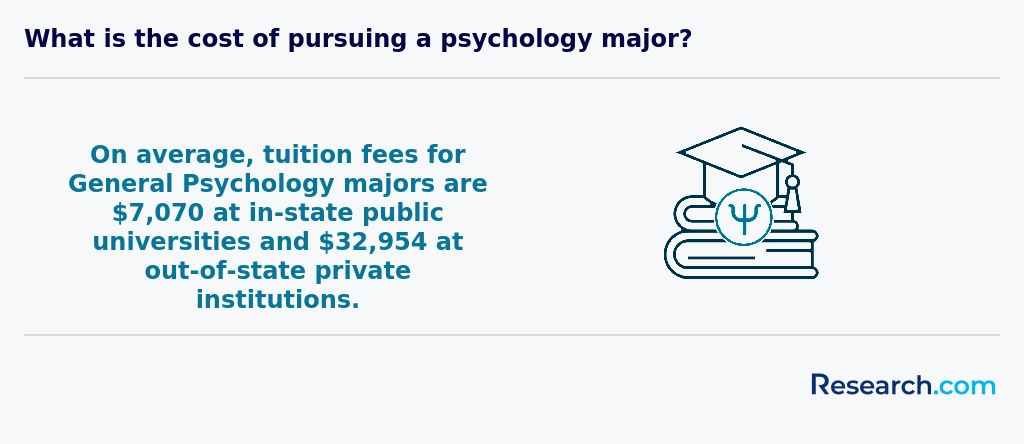
The average cost of earning a psychology degree in Abilene typically ranges between $25,000 and $40,000 for a bachelor's program, depending on the institution and residency status. Graduates from Abilene Christian University and Hardin-Simmons University often recall how these investments felt deeply worthwhile, particularly because their tuition supported a blend of theoretical learning and hands-on experiences like internships and community projects.
One graduate reflected on the priceless value of small class sizes at local universities, where personal attention from faculty transformed abstract psychological concepts into relatable, real-world applications. Another recounted how paying for coursework at Hardin-Simmons didn't just buy education but also access to mentorship that merged psychological theory with practical Christian perspectives, adding unique depth to their understanding.
Investing in a psychology degree here goes beyond fees-it fosters a supportive environment where students engage directly with clients and research, building confidence and professional networks. The cost feels more like a gateway to rich experiences and career opportunities, highlighting why many see their education in Abilene as an empowering personal journey.
Where can I work with psychology degree in Abilene?
Graduates with a psychology degree from institutions like Abilene Christian University often discover career paths that extend far beyond the therapy room. Many find themselves energized by roles in mental health services at places such as Abilene Regional Medical Center, where the demand for counselors continues to surge. Imagine supporting someone through a difficult time and witnessing their progress-that real-world impact creates a profound sense of fulfillment.
Others reflect warmly on their time in Abilene Independent School District, applying their psychology knowledge to help students navigate behavioral challenges and succeed academically. These graduates describe the work as deeply rewarding, offering constant opportunities for growth and connection.
Some choose less traditional routes, entering social service agencies or local businesses where understanding human behavior directly influences program success or workplace culture. Graduates often emphasize how studying psychology in Abilene equipped them with the practical skills and local network needed to thrive in these diverse settings, turning academic theory into meaningful community change.
Graduates holding psychology degrees from institutions like Hardin-Simmons University in Abilene often find themselves navigating earnings that challenge traditional expectations. While the average psychologist salary in Texas hovers around $82,000, Abilene's figures tend to sit just below due to local market dynamics.
For those stepping into roles common for psychology grads, the financial picture varies widely. Human Resources Specialists, a popular pathway, command a mean annual wage near $76,060 in Texas, offering a promising start. Meanwhile, Marketing Research Analysts, who apply psychological principles to understand consumer behavior, earn about $83,190 annually-figures that excite graduates aiming to blend research with business acumen.
Entry-level positions like Clinical Research Associates or Survey Researchers bring in average salaries around $62,370, reflecting the value placed on research skills developed during studies. These roles often appeal to Abilene graduates eager to transition their classroom insights into impactful, data-driven decisions. The reality is clear: psychology degrees unlock diverse income potentials within Abilene's economy, encouraging graduates to think creatively about their career trajectories.
- Annual tuition for psychology bachelor's degrees in Abilene ranges from $9,000 to $11,000 at public universities and can exceed $20,000 at private colleges.
- Entry-level salaries for psychology graduates typically start between $38,000 and $45,000 per year.
- Mid-career earnings in related fields like counseling or clinical psychology often surpass $65,000 annually.
- The job market for psychology professionals in Abilene is expected to grow by about 10% over the next decade.
- Many psychology careers in Abilene require licensure or certification, including graduate training and supervised clinical hours.
- Networking and internships during studies can enhance employment opportunities in local healthcare and social service organizations.
Completing a psychology degree in Abilene often means embracing a journey shaped by both ambition and practical challenges. Graduates from Abilene Christian University share how balancing a full course load with summer classes enabled them to finish a four-year bachelor's timeline, feeling energized rather than overwhelmed. This reflects the typical pace where roughly 120 credit hours blend foundational knowledge with specialized psychology courses. Meanwhile, those attending Texas State Technical College appreciate the flexibility of part-time enrollment, which extends degree completion but allows deep immersion in individual subjects and real-life applications.
For graduate students nearby, committing 2 to 3 years to a master's program can feel both intense and rewarding, especially when integrating thesis research or internships that bring theory to life. Doctoral candidates usually face a 5 to 7-year commitment-whose length reveals the profound depth of expertise and clinical skill-building required. In Abilene, where doctoral options are limited, many find their aspirations fulfilled through metropolitan universities, embracing the challenge of extended study as an investment in their future impact.
Accreditation ensures your psychology degree meets rigorous academic standards and is recognized by licensing authorities.
- Regionally accredited by the Southern Association of Colleges and Schools Commission on Colleges (SACSCOC)
- Doctoral programs should hold American Psychological Association (APA) accreditation for licensure eligibility
- Recognized by the Texas State Board of Examiners of Psychologists for state licensing
Key steps to become a licensed psychologist in Texas:
- Earn a bachelor’s, master’s, or doctoral degree from an accredited program
- Complete 3,000+ hours of supervised practicum and internship experiences
- Pass the Examination for Professional Practice in Psychology (EPPP)
- Submit an application and supporting documents to the Texas State Board
For students seeking a PsyD route with flexible scheduling, explore our recommended psyd online programs that align with APA standards.
Choosing between an online and on-campus psychology degree in Abilene transforms more than just your study location-it reshapes your daily life and personal growth. Graduates from Hardin-Simmons University often reminisce about the energizing buzz of face-to-face debates and the immediacy of connecting with professors during campus office hours. This immersion sparks a deeper sense of community and hands-on experience, critical for mastering clinical skills.
Conversely, online learners balancing family and work praise the flexibility that Abilene Christian University's remote programs provide, allowing them to study on their own schedule without sacrificing income or caregiving duties. However, these students must cultivate strong self-motivation, often finding camaraderie through virtual discussion boards rather than spontaneous hallway chats.
Financially, the difference is palpable too-online tuition tends to run 15-25% lower, easing the burden without compromising accreditation.
Ultimately, the decision challenges you to weigh the tangible energy of campus life against the accessible freedom of online study, all within Abilene's unique educational landscape.
Aspiring psychologists in Abilene, TX, must navigate specific state licensure and certification steps to practice professionally. In Texas, the Texas State Board of Examiners of Psychologists oversees credentialing for both Licensed Psychologists and Licensed Professional Counselors (LPC). Understanding these requirements early ensures a seamless transition from graduation to a rewarding career. Educational Prerequisites • Completion of an APA-accredited doctoral program (PhD or PsyD) for Licensed Psychologists or a master’s program for LPC candidates. • Some graduate programs, including specialized tracks like a child psychology degree, offer coursework tailored to meet state-mandated curriculum standards. Supervised Experience • Licensed Psychologists: 3,000 hours of supervised post-doctoral experience under a board-approved supervisor. • LPCs: 3,000 hours of supervised clinical counseling experience, including a minimum number of direct client contact hours. Examinations • Examination for Professional Practice in Psychology (EPPP): National exam required for doctoral-level licensure. • Texas Jurisprudence Exam: State-specific exam covering Texas statutes and ethical rules. • National Counselor Examination (NCE) or National Clinical Mental Health Counseling Examination (NCMHCE) for LPC licensees. Application Process 1. Submit official transcripts and verification of supervised hours. 2. Complete fingerprinting and background check as mandated by the state. 3. Pay application and examination fees through the Texas Behavioral Health Executive Council portal. Continuing Education and Renewal • Licensed Psychologists: 40 hours of continuing education every two years, including ethics. • LPCs: 20 hours of continuing education annually, with specific requirements for ethics and cultural competence. By familiarizing yourself with these licensure benchmarks in Abilene, you can strategically plan coursework, internships, and exam preparation to achieve professional certification and embark on a fulfilling psychology career.
The average cost of a psychology degree in Abilene challenges many assumptions about affordability. Graduates from popular institutions like Abilene Christian University often find themselves reflecting on tuition fees that hover around $52,838 total, a figure that aligns with statewide trends but might feel surprising considering local living costs. This median price highlights the reality faced by many students balancing rigorous academics and budget constraints.
In-state students typically see a median total cost closer to $38,580, but the decision between public and private universities profoundly affects this number. Students pursuing psychology often encounter a mix of direct tuition expenses and incidental costs, making it crucial to look beyond just the sticker price. Understanding psychology degree tuition and fees in Abilene demands an appreciation for these nuances, as practical costs like textbooks and supplies can add substantially to the financial burden.
Many graduates recall late nights studying while navigating financial aid and scholarships-a lifeline available through local programs and vital to easing the strain. By exploring options like assistantships or grants, students can often reshape their experience into one not solely defined by cost. Those willing to dig deep into resources often speak fondly of the vibrant learning communities and supportive faculty at Abilene's institutions.
For prospective students weighing the value of their investment, it helps to compare their path with those attending the valuable psychology schools in Texas and consider how each dollar spent can translate into meaningful opportunity. This reflective approach transforms the conversation about average cost of psychology degree in Abilene from a figure on paper into a thoughtful, personalized journey.

One of the most valuable aspects of a psychology degree in Abilene, TX, is the strong network and lasting relationships that alumni build during and after their studies. Many graduates go on to achieve remarkable career outcomes and actively contribute to their professional communities, enhancing the reputation of their alma maters. Alumni networks provide a supportive community where former students exchange ideas, share job leads, and mentor current students through internships and early-career challenges. For example, several alumni have credited networking events and career fairs with helping them land positions in fields ranging from clinical research to corporate human resources. In addition, institutions also offer webinars and virtual workshops, including sessions on specialized fields like online ms clinical psychology, that keep graduates up-to-date with industry trends and innovative practices. This ongoing engagement not only fosters professional growth but also reinforces a culture of continuous learning, which is essential in today’s competitive job market. Whether you are just starting your academic journey or looking to advance your career, tapping into these alumni resources can provide the insights and connections necessary for long-term success in the field of psychology.
Psychology students in Abilene often discover that financial aid is more than just numbers-it's a vital lifeline easing the road through college. Graduates from Abilene Christian University frequently credit Pell Grants, which can offer up to $7,395 annually, with making their coursework and living expenses manageable. These federal grants, grounded in demonstrated financial need, reduce the stress of tuition bills and allow students to focus on their studies.
Direct Loans also play a crucial role, providing flexible repayment tailored to psychology majors balancing part-time work and academics. Cisco College students have shared how these loans, paired with the Texas Grant Program, created a personalized safety net that lessened their financial burden and helped them remain enrolled despite challenges.
Many find institutional scholarships, awarded by local colleges or through the Texas Psychological Association, not only support tuition but also inspire a sense of achievement and community belonging. Work-study positions offer practical experience in Abilene's psychology departments, enabling students to earn while developing skills that brighten their resumes-and futures.
For students looking to further their education or explore more opportunities in psychology, there are several resources available. One valuable tool is the ranking of valuable psychology schools in Texas, which can provide insights into the best programs and institutions for psychology studies. Additionally, many organizations offer scholarships, grants, and fellowships specifically for psychology students, which can help alleviate the financial burden of education. Students can also benefit from joining professional organizations or attending conferences to network with professionals in the field and stay updated on the latest research and trends in psychology. By taking advantage of these resources, students can enhance their educational experience, gain valuable skills and knowledge, and prepare themselves for successful careers in psychology.
Enrolling in a psychology degree program in Abilene demands more than just a passion for understanding human behavior; it requires meeting specific academic and experiential benchmarks. For undergraduates, having a high school diploma or equivalent isn't enough without a solid foundation in core subjects like English, math, and science-skills essential for grasping complex psychological concepts. Graduates recall how these coursework prerequisites helped them develop critical thinking abilities, making challenging classes at institutions like Abilene Christian University feel attainable and engaging.
Test scores such as the SAT or ACT used to be non-negotiable, but many Abilene schools now offer test-optional paths, allowing students to present a fuller academic and extracurricular story. A consistent GPA around 2.5 to 3.0 often opens doors, yet graduates emphasize that demonstrating commitment through volunteer work or mental health initiatives strongly influences admissions.
At the graduate level, prerequisites grow more specialized. Applicants with undergraduate experience in statistics and research methods stand out, especially when coupled with internship experience. Letters of recommendation and a passionate statement of purpose bring these academic requirements to life, allowing prospective psychology students to showcase how their journey uniquely prepares them for the field's challenges in Abilene's vibrant educational landscape.
Accreditation is the cornerstone of a credible psychology degree. In Abilene, TX, reputable institutions hold regional accreditation from the Southern Association of Colleges and Schools Commission on Colleges (SACSCOC). For doctoral programs, look for American Psychological Association (APA) accreditation-this ensures your education meets the standards required for state licensure. When evaluating affordability alongside quality, compare benchmarks like the Most Affordable Online Psychology Degree Programs Ranking in Pennsylvania to understand how accredited programs stack up in tuition and outcomes. To become a licensed psychologist in Texas, graduates must: • Earn a doctorate (PhD or PsyD) from an APA-accredited program or a regionally accredited institution with board-approved equivalency. • Complete at least 3,000 hours of supervised post-doctoral experience under a licensed psychologist. • Pass the Examination for Professional Practice in Psychology (EPPP) and the Texas Jurisprudence Exam. • Submit official transcripts, supervised-experience verification, and application fees to the Texas State Board of Examiners of Psychologists. Meeting these requirements not only grants legal authority to practice but also enhances employability and earning potential. Accredited degrees accelerate the licensure timeline, reduce the risk of coursework deficiencies, and signal to employers that you’ve met rigorous academic and ethical standards-vital factors in choosing the most valuable psychology program in Abilene, TX.
Graduates from popular Abilene institutions often recall how courses like General Psychology sparked their curiosity by unraveling the mysteries of human behavior, making them feel excited about the complexity of the mind. At universities here, foundational classes such as Developmental Psychology vividly illustrate the journey of human growth-from childhood wonder to adult challenges-connecting theory to everyday life with relatable stories and observations.
Many students find Abnormal Psychology eye-opening, as it challenges preconceived notions about mental health while social psychology explains the invisible forces shaping our interactions, whether in a classroom or at work. Cognitive Psychology courses bring daily experiences of memory lapses or problem-solving struggles into sharp focus, deepening personal insight.
Courses in Biological Psychology or Neuroscience at these colleges reveal the brain's hidden powers, enabling students to feel awe and a stronger connection with science and themselves. Research Methods and Psychological Testing provide practical skills through hands-on projects, empowering students to critically evaluate the world around them.
The psychology degree specializations in Abilene challenge the notion that all psychology paths are the same. Graduates from well-known local institutions find themselves diving deeply into clinical psychology, learning not just theories but applying them through hands-on internships that prepare them vividly for licensed practice. Others embrace counseling psychology, finding fulfillment in helping individuals navigate emotional challenges-a pursuit that truly resonates within Abilene's community spirit.
Industrial-organizational psychology is another robust option, where students witness firsthand how psychological principles can revolutionize workplace culture and efficiency, reflecting Abilene's expanding business scene. Developmental psychology enthusiasts attend Abilene Christian University or McMurry University and connect theory to life by researching behavioral changes from infancy through old age.
These Abilene psychology degree concentration options are more than academic tracks; they are gateways to actively engaging with real-world challenges. For those curious about integrating practice with research, programs often include opportunities linked to elective courses or practicums. Students aiming higher might consider online ms clinical psychology options that build upon these foundations, emphasizing that specializations in Abilene open doors beyond the norm.
Choosing the best psychology degree program in Abilene means looking beyond surface details like school prestige or price tags. Graduates from places like Abilene Christian University often reflect on how accreditation and faculty expertise shaped their confidence entering the workforce. It's not just about coursework; it's the value of engaged professors who open doors to hands-on research or internships that transforms learning into lasting passion. Imagine joining a lab where your contributions matter, not just completing assignments.
Many students wrestle with the choice between a Bachelor of Arts or Science in psychology here. A BA's broader liberal arts approach can ignite new perspectives, while a BS's research focus prepares you deeply for specialized graduate training. When affordability matters, exploring affordable psychology colleges Abilene TX reveals options balancing cost and quality, something graduates appreciate when managing tuition without sacrificing opportunities.
Consider also practical pathways: local programs connect you to community partnerships that lead to internships or licensure preparation. Some graduates highlight how a child psychology degree pathway offered at these schools provided clear career direction, blending academic curiosity with real-world impact in Texas's growing market.
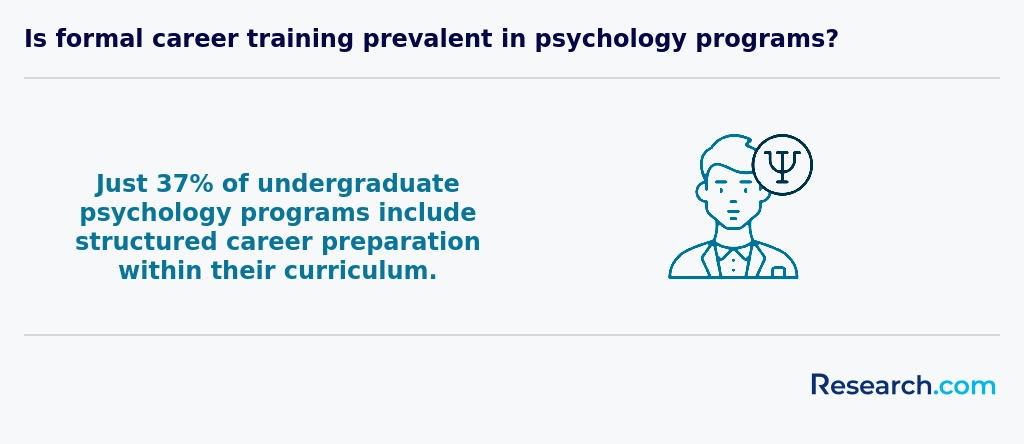
Psychology career opportunities in Abilene reveal surprising diversity beyond typical clinical roles. Graduates from local universities often find themselves thriving not only as licensed counselors but also in education, serving as school counselors who actively uplift students in Abilene's communities. These roles involve engaging closely with classrooms and families, providing support that transforms lives in tangible ways familiar to anyone who's experienced school challenges.
Jobs with psychology degree in Abilene Texas extend into organizational roles where graduates improve workplace culture at regional businesses-helping staff cope with stress and boosting productivity through behavioral insight. Some even delve into research, analyzing real-life data to address addiction or community health problems faced by locals. Such research roles at Abilene's universities or healthcare centers deepen graduates' connection to their region, making their work feel both relevant and rewarding. For practical guidance on navigating these paths, many students consult rankings like the Most Affordable Online Psychology Degree Programs Ranking in Pennsylvania, reflecting their broader career planning needs.
The psychology degree job opportunities in Abilene reflect a blend of steady local demand and practical challenges. Graduates from popular institutions like Hardin-Simmons University often find initial roles as mental health technicians or research assistants in healthcare facilities such as Hendrick Medical Center. These positions, typically starting around $38,000 to $50,000, offer valuable hands-on experience but require patience and persistence. Licensed psychologists, especially those with doctoral degrees, command salaries above $70,000, yet obtaining the necessary state licensure demands rigorous supervised hours and passing the EPPP exam, stretching the entry timeline.
Many Abilene psychology graduates appreciate that educational institutions and community mental health agencies provide diverse options, encouraging a career in counseling or academic roles. The Abilene psychology graduate employment outlook appears promising, but the key lies in navigating licensure and gaining relevant experience. Students often reflect that balancing the relatively affordable tuition with the time to practice professionally reshapes their definition of success. For those seeking certificate jobs that pay well alongside or after their degree, considering practical certifications can enhance career flexibility and income potential.
2027 Most Valuable Psychology Degree Programs Ranking in Abilene
Investing in your education is a significant decision that can shape your future, and the Research.com team understands the importance of making informed choices. To assist prospective students in Abilene, we have meticulously crafted the "2027 Most Valuable Psychology Degree Programs Ranking in Abilene." Our commitment to quality, credibility, and accuracy is reflected in the extensive research and analysis conducted to compile this ranking. We utilized the following reputable data sources to ensure a comprehensive evaluation of psychology programs:
By exploring this ranking, readers will gain valuable insights into the most valuable psychology degree programs in Abilene, empowering them to make well-informed decisions about their educational and career paths. For more details on how this ranking was created, please visit our Research.com methodology page.


Frequently Asked Questions About psychology
Psychology degree students in Abilene can maximize their learning by engaging actively in local internships and research opportunities. Abilene's proximity to several healthcare institutions and counseling centers allows students practical experience, which is crucial for graduate success. According to the Bureau of Labor Statistics, hands-on experience enhances employment prospects, with psychology-related jobs in Texas projected to grow by 14% through 2031.
Students should also participate in study groups and attend workshops offered by local universities such as Hardin-Simmons University and McMurry University, both known for their psychology programs. Utilizing campus counseling labs and psychology clubs can deepen understanding of key concepts.
Networking through community events or the Texas Psychological Association chapters can connect students to professionals and alumni, creating mentoring opportunities and career guidance. Additionally, staying updated with the latest research by exploring resources like the American Psychological Association benefits theoretical knowledge and applied practice.
Emerging niches within the psychology field reflect shifting societal needs and advances in technology. In Abilene, growing interest in behavioral health has increased demand for psychologists specializing in integrated care, which combines mental and physical health treatment. Telepsychology is another fast-growing area, allowing professionals to reach rural and underserved communities via digital platforms.
Additionally, forensic psychology is gaining prominence, with local law enforcement agencies seeking expertise to better understand criminal behavior. Neuropsychology, focusing on brain-behavior relationships, also shows potential, supported by regional medical centers conducting related research.
These niches offer diverse career paths for Abilene students pursuing psychology degrees.
Preparing for the job market after earning a psychology degree in Abilene involves several strategic steps. First, gaining practical experience through internships or volunteer opportunities locally is essential, as employers highly value applied skills. For example, opportunities at healthcare centers or school counseling services in Abilene provide relevant experience. According to the U.S. Bureau of Labor Statistics, psychology-related roles in Texas are expected to grow 14% through 2032, indicating a positive job outlook.
Networking within local professional groups, such as the Texas Psychological Association, can enhance job prospects. Graduates should also consider licensure requirements if pursuing clinical roles, which typically involve supervised hours and passing exams. Continuing education and specialized certifications improve competitiveness in Abilene's job market.
Employers in Abilene highly value psychology graduates who demonstrate strong critical thinking and analytical skills. These abilities enable graduates to assess complex behavioral patterns and apply evidence-based solutions, which are essential in both clinical and organizational settings. Communication skills are also top priorities, as professionals often need to convey psychological concepts clearly to diverse audiences.
Additionally, proficiency in research methods and data analysis is important. According to the Bureau of Labor Statistics, psychology roles in Texas emphasize quantitative skills for interpreting studies and patient data effectively. Local employers also appreciate adaptability and cultural competence, reflecting Abilene's growing diverse population. These skills collectively enhance graduates' employability in the region.
Finding internships in Abilene related to a psychology degree involves several practical steps. Start by contacting local universities such as Hardin-Simmons University, which offers psychology programs and often posts internship opportunities on their career services pages. Many internships are available in healthcare settings like Hendrick Medical Center, where psychological services are provided. According to the Texas Workforce Commission, healthcare and social assistance sectors in Abilene have been steadily growing, increasing demand for interns in psychology-related roles.
Students should also explore nonprofit organizations and mental health clinics for placements. Networking through professors and attending local psychology association meetings can provide valuable leads.
A psychology degree in Abilene can significantly enhance career mobility and advancement opportunities within the region's growing healthcare, education, and social service sectors. According to the U.S. Bureau of Labor Statistics, psychiatric technicians and counseling professionals in Texas have seen employment growth rates of over 10% from 2021 to 2031, indicating rising demand.
Locally, Abilene's expanding mental health clinics and school districts increasingly prefer candidates with formal psychology education for roles offering leadership and specialized responsibilities. Earning a bachelor's or graduate degree in psychology also lays the foundation for licensure, which is essential for clinical practice and higher-paying supervisory positions.
Furthermore, Abilene residents with psychology degrees benefit from the network of institutions like Hardin-Simmons University, which supports internships and local job placement, enhancing professional advancement.
Studying for a psychology degree in Abilene equips students with a foundation well-suited for interdisciplinary roles by integrating knowledge from social sciences, healthcare, and education. Programs often emphasize research methods, critical thinking, and communication skills, essential for collaboration across fields such as social work, human resources, and counseling. According to the Texas Higher Education Coordinating Board, Abilene institutions offer coursework that intersects with fields like biology and sociology, promoting versatile skill sets.
Local internships and partnerships with community organizations in Abilene provide practical experience, further preparing students to work in diverse teams. This approach aligns with increasing demand for professionals who understand psychological principles alongside other disciplines.
When choosing between a thesis and a non-thesis psychology degree program in Abilene, consider your career goals and learning preferences. A thesis option typically involves conducting original research and writing a substantial paper, which is ideal for students aiming for doctoral programs or research careers. Non-thesis programs focus more on coursework and practical skills, often suited for those pursuing applied roles in counseling or human services.
The Texas Workforce Commission reports that psychology-related jobs in Abilene grow steadily, so understanding which path aligns with your professional plans is crucial. Additionally, thesis programs may take longer to complete due to research commitments, while non-thesis options can be faster and more flexible.
Students in Abilene interested in studying psychology abroad have several options through U.S. universities that offer exchange or study abroad programs. While local institutions like Abilene Christian University and Hardin-Simmons University may not have dedicated international psychology degrees, they often partner with global universities for semester-long or summer programs.
Many psychology students leverage these programs to gain international experience, which is highly valued in the field. According to the Institute of International Education, over 15% of U.S. psychology undergraduates participate in study abroad opportunities, enhancing cultural competence and research skills.
Additionally, some students may opt for online combined degrees with foreign universities, allowing them to earn credits internationally without relocating. This flexibility helps Abilene-based students access diverse curricula aligned with global psychology trends.
Students pursuing psychology degrees in Abilene have various part-time job opportunities that complement their educational goals. Many local mental health clinics and counseling centers offer roles such as behavioral health technician or case management assistant, providing practical experience alongside academic studies. According to the Texas Workforce Commission, mental health-related jobs in Abilene have grown by 8% over the past five years, reflecting rising community needs.
Additionally, some students find work as research assistants at institutions like Abilene Christian University, contributing to ongoing psychological studies while building relevant skills. Positions in social service agencies, such as youth mentoring or crisis hotlines, also help develop essential interpersonal and crisis management abilities valuable for future psychologists.
Psychology students in Abilene have several valuable networking opportunities through local universities and professional organizations. Abilene Christian University and McMurry University provide access to psychology clubs and events, where students can connect with peers and faculty.
The Abilene Psychological Association hosts periodic meetings and workshops, offering students chances to meet practicing professionals and learn about career paths.
Internships and practicum placements at Abilene-area health and social service agencies also serve as practical networking platforms. According to the Texas Workforce Commission, the region employs over 200 psychology-related professionals, expanding local contacts.
Students benefit from these connections when seeking job opportunities and graduate school referrals.
Alumni networks provide significant benefits for psychology degree students in Abilene by fostering professional connections and career support. These networks often include graduates working in various psychology fields such as counseling, clinical psychology, and research, which can help current students gain internships or job placements.
According to the National Association of Colleges and Employers (NACE), students with access to strong alumni networks report a 25% higher chance of finding employment within six months after graduation. In Abilene, local psychology alumni groups may organize events and workshops, offering valuable networking chances.
Additionally, alumni often mentor students, providing guidance on graduate school applications and licensure requirements specific to Texas.
Customizing a psychology degree program in Abilene involves selecting courses and experiences that align with your specific career goals. Many local institutions offer electives in areas like clinical psychology, counseling, or industrial-organizational psychology, allowing you to focus on specialties. You can also augment your studies with internships at regional healthcare facilities or social service agencies, which provide practical experience highly valued by employers.
Abilene's universities often provide flexible scheduling and online classes, making it easier to balance education with work or family commitments. Additionally, seeking mentorship from faculty involved in research or community projects can enhance your learning and professional network.
Psychology students in Abilene often face challenges related to balancing rigorous coursework with practical experience requirements. Local institutions, such as Abilene Christian University and Hardin-Simmons University, emphasize both theoretical knowledge and applied skills, which can demand extensive time management.
Access to diverse internship opportunities is another issue. While Abilene offers community mental health facilities, the number of placements is limited compared to larger cities. According to the Texas Higher Education Coordinating Board, this can slow hands-on training for some students.
Additionally, funding for graduate psychology programs in the region tends to be competitive, which may restrict options for scholarships and assistantships. These factors combined create a demanding environment for those pursuing psychology degrees locally.
With a psychology degree in Abilene, graduates can pursue several professional certifications that enhance career prospects. Common certifications include becoming a Licensed Professional Counselor (LPC), which requires completing a master's degree, supervised experience, and passing a state exam. The Texas Behavioral Health Executive Council oversees LPC licensure, relevant for Abilene professionals.
Other certifications include Certified Addiction Counselor (CAC), beneficial in Abilene's recovery and treatment centers, and the Board Certified Behavior Analyst (BCBA) credential, important for those working with developmental disabilities. These certifications often demand specific coursework, practicum hours, and national testing, expanding opportunities beyond academic degrees.
To write a winning application for a psychology program in Abilene, start by researching the specific admission requirements of local institutions like Abilene Christian University. Many programs expect applicants to demonstrate strong academic performance, often a minimum GPA of 3.0 in relevant coursework.
Highlight relevant experience in your personal statement, such as volunteer work, internships, or research related to psychology. Admissions committees value practical exposure alongside academic skills.
Ensure your letters of recommendation come from credible sources who can attest to your intellectual abilities and passion for psychology.
Finally, submit all materials before deadlines and consider including a clear statement of your career goals to show commitment to the field.
Psychology careers in the United States, including Abilene, benefit from growing global recognition of mental health's importance. Worldwide, the demand for trained psychologists continues to rise, driven by increased awareness of psychological well-being. According to the U.S. Bureau of Labor Statistics, employment of psychologists is projected to grow 8% from 2022 to 2032, reflecting expanding opportunities in clinical, counseling, and educational settings.
Abilene's psychology programs align with national standards, preparing students for diverse career paths including research, therapy, and organizational roles. Graduates often pursue licensure to practice professionally, which requires rigorous education and supervised experience. This emphasis on credentials reflects a global trend towards formal certification in mental health professions.
Globally, psychology integrates research from various cultures, but U.S. degrees, including those in Abilene, emphasize evidence-based practices grounded in local regulations and healthcare systems. This creates both challenges and opportunities for graduates seeking international work, as credential recognition varies.
Gaining practical experience while pursuing a psychology degree in Abilene is crucial for career readiness. Many local institutions, like Abilene Christian University and McMurry University, offer internship programs connected with community mental health centers and schools. These internships allow students to apply theoretical knowledge in real-world settings. According to the Texas Higher Education Coordinating Board, psychology students participating in internships report higher employment rates within six months of graduation.
Additionally, Abilene hosts several nonprofit organizations and counseling centers that often seek student volunteers. Engagement in research projects under faculty supervision is another path, enhancing both skills and resumes.
Choosing the right concentration within a psychology degree in Abilene requires careful consideration of your career goals and interests. Psychology programs in the area often offer specialties like clinical, counseling, or industrial-organizational psychology. According to the Texas Higher Education Coordinating Board, clinical psychology remains the most popular concentration due to demand in healthcare and counseling services.
Evaluate local job market trends in Abilene; for example, the area's healthcare sector is growing, favoring clinical and counseling roles. Additionally, industrial-organizational psychology can be advantageous as local businesses emphasize employee efficiency. Research program curricula to ensure alignment with your desired focus and confirm whether practical experience opportunities are available.
- 2027 Most Valuable Psychology Degree Programs Ranking in Tulsa
- 2027 Most Valuable Psychology Degree Programs Ranking in Springfield
- 2027 Most Valuable Psychology Degree Programs Ranking in Baton Rouge
- 2027 Most Valuable Psychology Degree Programs Ranking in Denver
- 2027 Most Valuable Psychology Degree Programs Ranking in Lincoln
- 2027 Most Valuable Psychology Degree Programs Ranking in Boulder
- 2027 Most Valuable Psychology Degree Programs Ranking in Hattiesburg
- 2027 Most Valuable Psychology Degree Programs Ranking in Saint Louis
- 2027 Most Valuable Psychology Degree Programs Ranking in Mobile
- 2027 Most Valuable Psychology Degree Programs Ranking in Phoenix
See What Experts Have To Say About Studying Psychology
Read our interview with Psychology experts

Catherine Caldwell-Harris, Ph.D.
Psychology Expert
Associate Professor of Psychology
Boston University

Joann Farrell Quinn, Ph.D., MBA
Psychology Expert
Director at the College of Medicine Department of Medical Education
Morsani College of Medicine

Robin M. Kowalski. Ph.D.
Psychology Expert
Professor of Psychology
Clemson University

- Psychology Major Degree Program in Texas | HSU https://www.hsutx.edu/academics/undergraduate-majors-minors/psychology-degrees/
- How To Find Psychology Internships https://www.psychology.org/resources/how-to-find-an-internship/
- Alumni Network - https://efpsa.org/alumni-network/
- A Guide to Psychology Internships | Psychology Degree Guide https://psychologydegreeguide.org/resources/internships/
- Psychology https://www.cisco.edu/degrees-programs/associate-of-arts/psychology
- Certificate in School Psychology https://www.esc20.net/apps/pages/index.jsp
- Licensed Specialist School Psychologist https://www.k12jobspot.com/Job/5602354
- Study Psychology Abroad | Go Overseas https://www.gooverseas.com/study-abroad/psychology
- Financial Aid for Psychology Students https://www.onlinepsychologydegrees.com/financial-aid/
- Ontario Psychological Association - Networking and Community Resources https://www.psych.on.ca/become-a-member-(1)/member-services/networking-and-community-resources