
2027 Easiest Online Doctorate in Psychology Degree Programs Ranking in the Midwest

Co-Founder and Chief Data Scientist
Are you considering advancing your career with a doctorate in psychology but want a program that fits your busy life? This article introduces the 2027 Easiest Online Doctorate in Psychology Degree Programs Ranking in the Midwest, thoughtfully created by the Research.com team of data scientists. It's designed to help you find programs that are both accessible and reputable.
Choosing the right program can feel overwhelming. Our ranking makes it easier by highlighting quality options that suit your needs, empowering you to make informed decisions on your educational journey.
Getting a psychology degree opens many doors for personal growth and meaningful career opportunities. Let us guide you toward the best options in the Midwest!
Key benefits of getting online psychology degree in the Midwest
- Psychology degree graduates in the Midwest can expect competitive salaries, such as $106,600 annually for Clinical Psychologists and $110,300 for Neuropsychologists, offering strong financial benefits after graduation.
- Graduates from popular Midwest universities often pursue diverse careers including clinical practice, forensic psychology, and research science, providing wide-ranging opportunities to make a positive impact.
- Online psychology degrees from reputable Midwest institutions offer flexibility and convenience, allowing students to balance work and study effectively while gaining the same valuable knowledge as traditional programs.
- 2027 Easiest Online Doctorate in Psychology Degree Programs Ranking in the Midwest
- What can I expect from online psychology degree in the Midwest?
- Where can I work with online psychology degree in the Midwest?
What can I expect from online psychology degree in the Midwest?
When it comes to the cost of an online psychology degree in the Midwest, students often find a surprising balance between quality and affordability. Graduates from universities like the University of Illinois and Michigan State University recall investing roughly between $12,000 and $25,000 for their entire online degree-numbers that feel manageable when weighed against the flexible schedules and strong regional reputations these schools carry.
Imagine juggling work, family, and studies while logging into engaging webinars and virtual labs, all without uprooting your life. This cost covers access to accredited programs trusted by employers and licensure boards, a reassurance that makes the financial commitment feel like a true investment in personal growth rather than a gamble.
Many Midwestern online learners cherish how their education blends rigorous scientific study with practical experiences like local internships, ensuring that tuition spent translates into real-world skills. It's a price that, for them, opens doors to rewarding careers in healthcare, education, and counseling-with hopeful smiles and firm professional footing as proof.
Where can I work with online psychology degree in the Midwest?
Picture a graduate from a well-known Midwestern university, online psychology degree in hand, stepping confidently into a bustling hospital corridor. With a bachelor's, they might start as a psychiatric technician, quietly weaving hopes of recovery through patient care. In community centers or social service agencies, similar graduates become case managers-guiding individuals patiently through life's storms. Those pursuing master's degrees from institutions like the University of Illinois online often land roles as licensed counselors or behavioral therapists, blending digital expertise with heartfelt human connection in schools or non-profits.
Doctoral graduates, perhaps from an online PhD program at a respected Midwestern research university, dive deep into clinical psychology or academia, shaping research that ripples through healthcare systems and university halls alike. Employment here spans hospitals, rehabilitation centers, and innovative corporate spaces where industrial-organizational psychologists decode workplace minds. The region's steady job growth offers these graduates a tapestry of opportunities, each shaped by their degree level and the state's licensure paths.
Many Midwest graduates share stories of embracing licensed roles, energized by state-specific regulations that elevate their professional pride. Their online journey becomes a bridge to vibrant careers rooted in real Midwestern communities where passion meets purpose.
A graduate with an online psychology degree from a well-known Midwestern university often discovers a vibrant salary landscape stretching from $40,000 in entry-level roles to eye-popping figures past $110,000 as they climb the ladder. Imagine a recent graduate from the University of Illinois, stepping into the shoes of a forensic psychologist and earning an average annual wage of $110,300, powered by their specialized skills and the urban demand in Chicago.
Meanwhile, those who ventured through Indiana University's online doctoral program might find themselves as neuropsychologists, drawing similar high salaries around $110,300. The rhythm of Midwest life-whether in bustling Minneapolis or Columbus-casts a strong glow on licensed clinical psychologists, who comfortably pull in about $106,600 annually, reflecting both the clinical rigor and the demand in these thriving hubs.
Picture another graduate blending academic passion with research prowess at Michigan State University, stepping into a research scientist role with a $102,210 mean salary. The blend of hands-on practice and vibrant academic culture in the Midwest makes online psychology degrees not just gateways to knowledge, but bridges to meaningful, well-compensated work.
- The Midwest offers accredited online psychology degrees at bachelor's, master's, and doctoral levels.
- Tuition for online undergraduate programs ranges from $8,000 to $15,000 per year, while master's programs cost between $10,000 and $20,000 annually.
- Doctoral degrees such as online PhDs or PsyDs can cost from $15,000 to over $30,000 per year depending on the institution.
- Employment for psychologists in the Midwest is expected to grow by about 8% over the next decade, matching the national growth rate.
- Starting salaries for entry-level psychologists are around $55,000 to $65,000 annually, with experienced professionals earning between $80,000 and $100,000 or more.
- Many online programs provide flexible scheduling and remote learning options for working adults and students with family commitments.
Imagine diving into an online psychology degree from a cozy home in the Midwest, where pace and persistence shape your journey. For many undergraduates at schools like the University of Iowa or Michigan State, the path winds through roughly four years of full-time study, weaving through lectures, assignments, and eureka moments-all from the comfort of a favorite coffee nook.
Graduate students at places such as Indiana University embrace about two years of full-time online exploration, balancing life's rhythms while tackling research projects and clinical hours. One graduate fondly recalls completing courses in between shifts, savoring each breakthrough that made the effort worthwhile.
Doctoral candidates, often enrolled through hybrid programs at universities like Ohio State, embark on a marathon lasting four to seven years. Their days blend virtual seminars with hands-on practicum, with many treasuring the flexibility to progress at their own pace-a bliss for those juggling work, family, and academic dreams in equal measure.
This dance of time unfolds uniquely, influenced by enrollment status, accelerated programs, and credit transfers, all cultivated in the Midwest's welcoming, affordable academic climate.
Imagine juggling a full-time job while peering into your laptop at a University of Illinois online psychology lecture, sipping coffee in your living room at midnight. That's the reality for many Midwestern online students who crave flexibility without sacrificing rigor. These online programs, accredited by the Higher Learning Commission, mirror the in-person challenges faced by those crossing the snow-covered Quad at the University of Michigan, engaging in dynamic face-to-face discussions and collaborating on campus-based group projects.
Graduates often recall the contrast: on-campus students relish spontaneous chats in library nooks and hands-on internships arranged by local hospitals-true immersions that spark immediate connection and insight. Online learners, meanwhile, master self-motivation, navigating virtual platforms while arranging local clinical placements, occasionally feeling that proud spark of independence.
Financially, online students dodge extra costs-no daily bus rides across Northwestern's sprawling campus or dorm fees-making education more accessible. In both worlds, though, the heartbeat remains the same: acquiring the supervised clinical experience essential for licensure and a meaningful psychology career.
When diving into the average cost of online psychology degree Midwest programs, imagine balancing ambition and budget in vibrant classrooms viewed through a screen at places like the University of Illinois at Springfield. Graduates recall how their journey felt like threading a needle through knowledge and expenses, with tuition hovering around $64,332 total-affordable enough to inspire without dimming dreams. This figure captures the essence of a Midwest education, blending quality and accessibility in a uniquely regional way.
Many students find joy in the financial predictability amid the whirlwind of coursework: a smart investment that feels tangible when they pay for each credit hour knowing it's part of a larger, manageable sum. This figure often contrasts pleasantly with coastal programs, adding a sense of relief to the excitement of chasing a psychology degree online. The practical financial approach here unlocks doors to explore the depths of human behavior without steep debt, fueling motivation and hope.
Those pursuing affordable online doctorate psychology programs Midwest experience this balance profoundly. Their stories reveal how additional fees-like tech support or textbooks-become smaller ripples rather than overwhelming waves. It's no wonder many turn toward schools like the University of Nebraska-Lincoln, where regional scholarships and payment options brighten their paths.
Seeking to broaden horizons further, some students explore innovative options through undergraduate dual degree programs, blending psychology with other fields. This flexibility not only enriches learning but also cleverly stretches tuition dollars, crafting a personalized educational journey tuned to both passion and pragmatism.
Imagine a psychology student at a renowned Midwestern university, like the University of Illinois or Ohio State, diving into their online coursework without the crushing weight of sky-high tuition. That relief often comes from the lifeline of federal aid, especially the FAFSA, which unlocks Pell Grants and low-interest loans, painting a hopeful financial picture. Graduates recall how Pell Grants, as gift aid, felt like a financial breath of fresh air allowing them to focus on mental models instead of mounting bills.
State grants act as regional superheroes, with programs like Illinois' MAP or Michigan's grants creating bridges for online learners meeting residency and enrollment rules. Picture a student juggling family and work, eased by a MAP grant that nearly halves their cost.
Many Midwestern universities tailor scholarships for online psychology seekers, rewarding academic grit or a passion for mental health. One graduate mused how an APA fellowship transformed their experience, providing funding alongside professional validation. Meanwhile, some graduate students thrive through assistantships that trade teaching or research for tuition relief, a win-win enabling deep dives into cognitive science without financial stress.
Military-affiliated learners also celebrate the GI Bill's role, turning service into scholarship funds that make further study not just a dream but a rewarding reality.
- Federal aid including Pell Grants and subsidized loans
- State grants such as Illinois MAP and Ohio College Opportunity Grant
- University-specific scholarships targeting psychology or online learners
- Professional association scholarships from bodies like the APA
- Graduate assistantships and fellowships with tuition waivers
- Veterans' benefits including GI Bill funding
Ready to dive into the vibrant world of psychology in the Midwest? Imagine a recent graduate from a well-known Midwestern university sharing how their journey began: a high school diploma firmly in hand, supported by transcripts showing steady academic growth with a GPA hovering around 3.0. This mirrors the typical starting line for many bachelor's hopefuls.
Graduate hopefuls, picture yourself with a bachelor's degree-perhaps one that included intriguing behavioral science classes-gleaming on your transcript from a university somewhere between Chicago and Minneapolis. Your GPA of 3.0 isn't just a number; it's your ticket to crafting compelling statements of purpose and gathering heartfelt letters of recommendation, elements cherished by admissions committees at these institutions.
For those eyeing doctoral programs, think of the discipline ingrained by completing foundational courses in statistics and research methods. One Midwestern doctoral candidate recalls how their summer internship in a clinical setting brought their studies to life, turning theory into empathetic practice. GRE scores might have once loomed large, but many schools here are relaxing that barrier, recognizing diverse paths to understanding the human mind.
Imagine diving into the vibrant world of human minds right from your Midwest home, exploring courses like Introduction to Psychology that unwrap the mysteries of behavior, much like a graduate from a well-known state university recalls their first "aha" moment while studying brain functions. Developmental Psychology feels like watching a lifetime in a semester, tracing growth and change through stories shared by fellow learners from community colleges renowned for their psychology programs.
Picture yourself navigating Abnormal Psychology, where you unravel the complexities of disorders with empathy-a skill that alumni from Midwest universities say transformed their outlook on mental health care. Social Psychology invites you to decode group dynamics, echoing evening conversations among peers about cultural influences on behavior in bustling college towns.
Meanwhile, Cognitive Psychology challenges you to map mental processes, akin to research projects undertaken by students at top Midwest schools, bridging theory and practice in real-world problem-solving. Electives like Industrial-Organizational Psychology and Neuroscience become your toolkit, shaping your journey toward meaningful careers grounded in Midwest values and expansive digital classrooms.
Midwest online psychology degree concentrations include some truly dynamic paths, sparking excitement among students from universities like the University of Illinois or Ohio State. Imagine diving into clinical psychology, mastering therapeutic techniques while addressing real mental health challenges in communities craving compassionate care. Graduates often share how this specialization felt like stepping into a vital role across the Midwest landscape. Then there's counseling psychology, where learners embrace the art of listening and guiding others through life's hurdles, a journey deeply rewarding for those balancing coursework with their own busy lives.
For students at popular Midwestern colleges, forensic psychology opens a gritty dialogue between the law and human behavior, envisioning themselves consulting in bustling courts or correctional facilities. Industrial-organizational psychology feels more like unlocking the human energy behind workplace trends, while developmental psychology invites curious minds to explore growth from childhood through elder years. These varied online psychology specializations Midwest residents pursue ignite passion as they transform theory into tangible impact.
Many graduates praise flexible programs designed for working professionals, often complemented by local internships fostering hands-on experience. For those wondering about career outlooks beyond psychology, exploring a trade school careers list and salaries uncovers a diverse universe of opportunity that fits different passions and skill sets.
Choosing the best online psychology degree in the Midwest feels like crafting your own roadmap through a vast intellectual terrain. Graduates from popular Midwest institutions often recall how accreditation was their compass, ensuring their efforts didn't wander into academic dead ends. Imagine settling into a flexible online program that blends clinical insights with hands-on internships, just like many find at familiar regional universities known for robust psychology tracks.
Affordability is a vivid thread here-students balancing life and studies celebrate finding affordable online psychology degrees Midwest with transparent tuition and financial aid that feels less like a puzzle and more like a lifeline. The real magic happens when programs offer strong student support, from virtual advising to career counseling, creating a community akin to bustling campus life but from your own cozy space.
One graduate described how exploring employment stats before enrolling clarified the value of their degree, enthused about stepping into growing job markets rather than chasing uncertain paths. For those curious about trade school jobs that pay well, this mindset can broaden horizons beyond traditional psychology roles.

Graduates of online psychology programs in the Midwest often find themselves stepping into worlds as varied as the region's sprawling plains and bustling cities. From counseling roles in tight-knit communities to clinical psychologist positions requiring doctoral study, the spectrum is broad yet deeply connected to local needs. Imagine a graduate from the University of Michigan weaving through the intricate human stories in a hospital or a counseling center, their knowledge grounding them as they help individuals navigate emotional storms.
Midwest job opportunities for psychology graduates also extend to school psychology, where enthusiasm for child development meets the daily challenges of educating young minds across states like Illinois and Minnesota. Others dive into forensic psychology, shaping justice by advising law enforcement and rehabilitation programs.
Even those anchored in research can thrive-graduates linked to strong institutions such as the University of Wisconsin contribute to projects that decode human behavior or evaluate workplace dynamics. For students seeking practical, career-focused training, exploring the best online trade schools offers a treasure trove of possibilities to turn passion into profession.
The job market for online psychology degree graduates in the Midwest sparkles with steady promise, especially as demand swells in states like Illinois and Michigan. Graduates from well-known programs at universities such as Michigan State and the University of Illinois often share how their clinical training opened doors to roles in metropolitan hubs like Chicago and Minneapolis, where salaries ranging from $70,000 to $90,000 feel like a fair reward for their dedication. Rural corners of the Midwest add a twist-shortages there translate into unexpected opportunities for those ready to step outside the city buzz.
Many graduates find that aligning their credentials with licensure requirements, including EPPP preparation, transforms ambitions into tangible jobs. The experience of juggling online coursework with local supervised hours at respected Midwest colleges causes a surge of accomplishment and confidence.
Cost-wise, Midwest online programs balance ambition with affordability, a boon for budget-conscious students navigating tuition and living expenses. Some graduates also pursue certifications that pay well to boost their competitiveness and open fresh career doors. In short, the Midwest career opportunities for online psychology graduates blossom within a landscape that resonates with real-life, hopeful journeys.
2027 Easiest Online Doctorate in Psychology Degree Programs Ranking in the Midwest
Investing in your education is a significant decision that can shape your future, and the Research.com team understands the importance of making informed choices. To assist prospective students in the Midwest, we have meticulously crafted the "2027 Easiest Online Doctorate in Psychology Degree Programs Ranking in the Midwest." Our commitment to quality, credibility, and accuracy is reflected in the extensive research and analysis conducted to compile this ranking.
We utilized the following reputable data sources to ensure a comprehensive evaluation of these programs:
By exploring this ranking, readers will gain valuable insights into the most accessible online doctorate programs in psychology across the Midwest, enabling them to make informed decisions tailored to their educational goals and personal circumstances. For more details on our methodology, please visit our Research.com methodology page.
# 1 position
University of Missouri
Doctor of Psychiatric Mental Health Nurse Practitioner (Across the Lifespan)

# 2 position
Walden University
Doctor of Psychology

# 3 position
Adler University
Doctor of Industrial and Organizational Psychology

# 4 position
Capella University
Doctor of Psychology

Frequently Asked Questions About psychology
Online psychology degree students in the Midwest can maximize their learning experience by actively engaging with course materials and virtual discussions. Research from the American Psychological Association highlights that students who participate in interactive webinars and group projects tend to perform better. Utilizing regional resources, such as Midwest-based psychology associations, offers networking and mentorship opportunities tailored to local licensure requirements.
Balancing study schedules to include consistent weekly goals also improves knowledge retention. According to recent Midwest education surveys, students using structured time management tools report 30% higher satisfaction with online programs. Finally, seeking internships in Midwestern clinics or organizations helps apply theory to practice within the local mental health context.
The psychology field is evolving rapidly, with several emerging niches gaining prominence, especially in the Midwest. One key area is telepsychology, fueled by increased demand for remote mental health services. According to the Midwest Association of Psychologists, telepsychology usage grew by 40% from 2020 to 2023. Another growth niche is neuropsychology, focusing on brain-behavior relationships, supported by advancements in neurological research at regional universities.
Additionally, industrial-organizational psychology is expanding as Midwest companies increasingly prioritize employee wellness and productivity. For instance, the Bureau of Labor Statistics projects a 13% growth in this specialty through 2030. Environmental psychology, which studies how physical spaces affect mental health, is gaining interest amid urban development in Midwest cities.
After completing an online psychology degree in the Midwest, preparing for the job market involves strategic planning. First, gaining practical experience through internships or supervised clinical hours is crucial. Many states in the Midwest require specific supervised hours for licensure, so understanding local requirements early is essential.
Networking plays a significant role; joining regional psychology associations such as the Illinois Psychological Association can provide valuable contacts and job leads. Also, updating your resume to highlight your online learning adaptability can appeal to employers familiar with distance education.
According to the Bureau of Labor Statistics, employment of psychologists in the Midwest is projected to grow around 6% through 2031, emphasizing opportunities for well-prepared graduates.
Employers in the Midwest seek psychology graduates with strong analytical and critical thinking skills. These abilities help graduates interpret complex behavioral data, which is essential in applied psychology roles. According to the Bureau of Labor Statistics (2023), Midwestern employers also value excellent communication skills, as psychologists must explain findings clearly to clients and interdisciplinary teams.
Additionally, proficiency in research methods and data analysis software like SPSS or R is highly preferred. The demand for technological competence reflects the increasing use of evidence-based practices in the region's healthcare and educational sectors. A 2022 survey from the Midwest Psychological Association found that 67% of employers prioritize candidates with hands-on research experience.
Finally, interpersonal skills, including empathy and cultural awareness, are critical. The Midwest's growing diversity requires psychologists to adapt interventions effectively for varied populations. These skills combined enhance graduates' employment prospects in clinical, counseling, and organizational psychology fields across the region.
Finding psychology internships in the Midwest often involves using university career centers and local mental health organizations. Many Midwestern universities maintain partnerships with clinics, hospitals, and community programs, providing direct internship opportunities to students. According to the Midwest Psychological Association, practical experience is essential for licensure and can often be gained through these local networks.
Students should actively search platforms like the Association of Psychology Postdoctoral and Internship Centers (APPIC), which lists accredited internships nationwide, including those in Midwest states. Networking with faculty and attending regional psychology conferences can also reveal hidden opportunities.
Internships commonly focus on clinical, counseling, or research roles in institutions with a strong presence in states like Illinois, Michigan, and Ohio. These experiences are vital for building skills and meeting state licensure requirements.
Online psychology degrees offer increased career mobility and advancement opportunities for individuals in the Midwest by providing flexible access to accredited programs. The region's growing mental health workforce demand, projected to increase by 14% through 2030 according to the U.S. Bureau of Labor Statistics, encourages professionals to pursue advanced qualifications. A degree earned online allows students to maintain employment while gaining relevant credentials, which can lead to promotions and eligibility for specialized roles such as licensed psychologists or clinical supervisors. Employers in states like Illinois, Ohio, and Michigan increasingly recognize reputable online degrees, enhancing job prospects within healthcare, education, and counseling sectors.
Studying for a psychology degree in the Midwest equips students with skills that are highly valued across multiple disciplines. Many Midwest programs emphasize collaborative learning, integrating psychology with fields like education, healthcare, and social work. This interdisciplinary focus responds to regional labor market needs, where mental health professionals often work in team settings.
Midwestern institutions frequently include coursework in research methods, statistics, and applied psychology, preparing graduates for roles in policy development, counseling, and organizational leadership. According to the American Psychological Association, collaborations between psychology and other fields have grown by 15% nationally, with the Midwest experiencing steady demand for such expertise.
Additionally, online programs in states like Illinois and Michigan offer flexible options for professionals seeking to bridge psychology with nursing or education careers, enhancing their ability to address complex community challenges.
Choosing between a thesis and a non-thesis psychology degree program in the Midwest largely depends on your career goals and learning preferences. Thesis programs typically emphasize research skills and require students to design and complete a significant research project. This path suits those planning academic research or doctoral study. Non-thesis programs focus more on coursework and practical application, appealing to professionals seeking clinical or counseling careers without intensive research.
Many Midwest institutions align with APA accreditation standards, ensuring quality and relevance. According to the National Center for Education Statistics, about 45% of psychology graduate students in the Midwest opt for thesis tracks, reflecting the region's strong research culture. Ultimately, consider your long-term plans and consult program advisors to make an informed decision.
Students based in the Midwest seeking to study psychology abroad through online programs have limited direct options from their home region's institutions. Most Midwest universities offering online psychology degrees focus on domestic accreditation and typically do not provide fully online international study programs. However, students can explore partnerships or exchange agreements facilitated by some Midwest schools with European or Canadian universities, which may allow for research collaborations or short-term residencies abroad.
The APA reports that less than 10% of psychology programs in the Midwest have active international study components. Students interested in global perspectives often supplement their online studies by enrolling in globally recognized courses or certifications offered by international institutions outside the traditional US higher education system. Understanding these constraints can help Midwest students plan accordingly for an international study experience.
Part-time job opportunities in the Midwest that complement psychology degree education are plentiful and practical for students balancing academics and work. Common roles include behavioral therapy aides, research assistants, and mental health support staff. These positions provide hands-on experience relevant to psychological theories and methods. According to the Bureau of Labor Statistics, Illinois and Ohio rank among the top states for clinical, counseling, and school psychologists, creating demand for support roles.
Research assistant jobs at universities in cities like Minneapolis or St. Louis offer exposure to psychological studies, data collection, and analysis. Behavioral aides often work with children or adults with developmental disabilities, aligning with applied psychology skills.
Many nonprofit organizations in the Midwest seek part-time mental health advocates, providing opportunities to develop counseling and intervention skills. These roles enhance graduates' resumes and practical knowledge before pursuing advanced degrees or licensure.
Online psychology students in the Midwest benefit from a growing number of networking opportunities designed to bridge the gap between virtual learning and professional engagement. Many Midwestern universities offer access to local chapters of national psychology organizations such as the American Psychological Association (APA) and the Midwestern Psychological Association (MPA). These chapters often hold conferences, workshops, and webinars that foster connections among students, faculty, and practicing professionals.
In addition, online students can participate in virtual internship fairs and alumni networks tailored to regional markets. According to the Bureau of Labor Statistics, the Midwest's demand for licensed psychologists is increasing by nearly 10% through 2030, making networking essential for career advancement.
Students are also encouraged to join university-sponsored online forums and mentorship programs, which frequently include Midwestern practitioners as mentors. These structured interactions provide practical insights into local employment trends and internship openings, helping students build valuable relationships despite the distance imposed by online study.
Alumni networks play a critical role in supporting online psychology degree students in the Midwest. These networks connect current students with graduates who have experience in regional job markets and professional settings.
Membership in an alumni network often provides access to mentoring, internships, and job placement opportunities, which can be especially valuable for those studying remotely. The Midwestern Psychological Association reports that graduates engaged with alumni networks have a 20% higher employment rate within six months after graduation.
Additionally, alumni connections foster collaboration and continuing education, helping students stay informed about local licensing laws and best practices relevant to Midwestern states.
Midwestern online psychology degree programs often allow students to tailor their coursework through elective options and specialization tracks. Many universities in the region provide concentrations such as clinical psychology, counseling, forensic psychology, or industrial-organizational psychology. This flexibility enables students to align their studies with specific career goals.
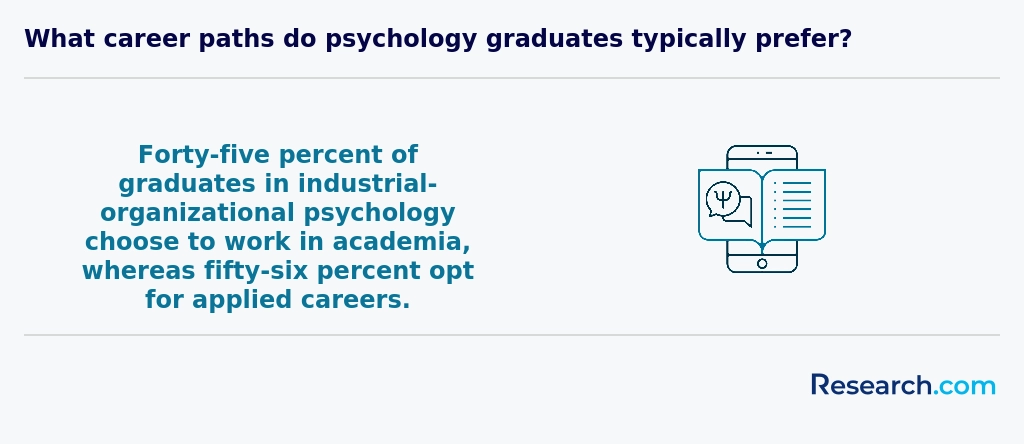
Additionally, some programs offer opportunities for practical experience via virtual internships or local field placements, which are crucial for licensure in many Midwestern states. According to the National Center for Education Statistics, about 60% of psychology graduates in the Midwest choose applied career paths, highlighting the importance of customizable programs.
Advisors and faculty support also play a key role, helping students select courses and projects that match workforce demands in the region.
Online psychology students in the Midwest often face unique challenges related to access and support. Many programs require in-person internships or practicum hours, which can be difficult to arrange due to limited local placement options. This is especially true in rural areas where the population density is lower.
Additionally, some students struggle with balancing coursework alongside family and work responsibilities. According to the Midwestern Higher Education Compact, about 35% of online students report time management as a major hurdle.
Technology access and reliable internet connectivity remain concerns, particularly in less urbanized regions.
Finally, ensuring program accreditation and meeting state-specific licensing requirements can be complex, potentially delaying graduation or professional licensure.
With an online psychology degree from a Midwestern institution, graduates can pursue several professional certifications to enhance career opportunities. Common certifications include Licensed Professional Counselor (LPC), Licensed Clinical Social Worker (LCSW), and Board Certified Behavior Analyst (BCBA).
Requirements vary by state, but generally involve completing supervised clinical hours, passing a licensing exam, and holding at least a master's degree in psychology or a related field. For example, Illinois and Ohio require 3,000 hours of supervised experience for LPC licensure. The BCBA credential is valuable for those interested in behavior analysis and requires a graduate degree plus coursework approved by the Behavior Analyst Certification Board.
According to the National Board for Certified Counselors, the demand for licensed counselors in the Midwest is growing by about 15% annually due to mental health awareness. Pursuing these certifications can elevate professional credibility and expand job prospects in healthcare, education, and social services.
To write a winning application for an online psychology program in the Midwest, start by thoroughly researching each school's admission requirements. Many programs require a minimum GPA of 3.0 and relevant experience in psychology or related fields. Highlight your academic achievements and practical experiences clearly.
Strong letters of recommendation from psychology professionals or professors can greatly support your application. Additionally, a compelling personal statement that explains your career goals and why you chose the Midwest for your studies will help differentiate you.
According to the National Center for Education Statistics, Midwestern schools often value applicants who demonstrate commitment to community mental health issues, reflecting regional priorities.
Ensure all materials are submitted on time, and consider reaching out to admissions counselors for guidance.
Psychology careers are recognized worldwide for their importance in addressing mental health, human behavior, and societal challenges. In the United States, including the Midwest, psychology professionals enjoy diverse opportunities across clinical, counseling, and research fields. Globally, demand for psychologists is growing, driven by increased awareness of mental health needs.
The U.S. Bureau of Labor Statistics projects a 10% growth in psychologist jobs from 2022 to 2032, aligning with global trends valuing psychological services. Midwest states like Illinois and Ohio are home to top psychology programs offering online degrees, supporting workforce needs in the region.
Many countries are adopting standards similar to U.S. licensure and education models, making online psychology degrees from Midwestern institutions attractive for international recognition. This global perspective encourages Midwestern students to consider careers that impact mental health locally and worldwide.
Gaining practical experience while studying for an online psychology degree in the Midwest is essential for developing professional skills. Many universities require or encourage internships at local clinics, hospitals, or community organizations. Students can seek placements that align with their career goals, such as counseling centers or research labs.
Additionally, some programs partner with Midwest institutions to provide supervised practicum opportunities. This hands-on training adheres to state licensure requirements, with states like Illinois and Michigan expecting 1,500 to 2,000 hours of clinical experience for psychologist licensure (APA 2023).
Online students should proactively network with local professionals and utilize university career services to find relevant sites near their residence. This localized approach helps bridge online learning with real-world practice.
Choosing the right concentration within an online psychology degree program in the Midwest depends on your career goals and interests. Popular concentrations include clinical, counseling, industrial-organizational, and school psychology. According to the American Psychological Association, the Midwest has a growing demand for industrial-organizational psychologists due to the region's expanding corporate sectors.
Evaluate program accreditation and faculty expertise to ensure quality education. Consider licensure requirements in your state, as some concentrations like clinical psychology have specific supervised hours and exams.
Research regional job markets using Bureau of Labor Statistics data to identify in-demand specialties and salary ranges locally. Align your choice with both personal passion and practical employment opportunities.
See What Experts Have To Say About Studying Psychology
Read our interview with Psychology experts

Catherine Caldwell-Harris, Ph.D.
Psychology Expert
Associate Professor of Psychology
Boston University

Robin M. Kowalski. Ph.D.
Psychology Expert
Professor of Psychology
Clemson University

Elizabeth L. Jeglic Ph.D.
Psychology Expert
Professor of Psychology
City University of New York

- Skills of a Psychology Major https://wagner.edu/psychology/skills/
- Doctor of Clinical Psychology Program https://www.midwestern.edu/academics/degrees-programs/college-health-sciences/doctor-clinical-psychology-program
- Psychology Programs and Careers in Wisconsin https://www.onlinepsychologydegrees.com/states/wisconsin/
- BA in Psychology | Online | $2500-$7500 Per Year https://www.eastern.edu/academics/online-undergraduate-programs/ba-psychology-online
- Online Psychology Major | Hamline University - Minnesota https://www.hamline.edu/academics/online-bachelors-psychology-major
- Federal Student Financial Aid Program https://www.midwestinstitute.edu/financial-aid/
- Online Psychology Degrees: What You Need To Know https://www.psychology.org/online-degrees/
- Most Popular Online Psychology Degrees in Wisconsin https://www.onlineu.com/degrees/psychology/wisconsin
- Online Psychology Degrees https://www.phoenix.edu/online-psychology-degrees.html
- Online Psychology Degree Salary by Career Path https://www.collegetransitions.com/blog/online-psychology-degree-salary-by-career-path/


