2027 Most Popular Psychology Degree Programs Ranking in Nebraska

Co-Founder and Chief Data Scientist
Choosing the right psychology degree program in Nebraska can shape your future in meaningful ways. To help you navigate this important decision, this article presents the 2027 Most Popular Psychology Degree Programs Ranking in Nebraska, developed by the Research.com team of data scientists.
By exploring this ranking, you'll gain valuable insights into programs that align with your goals and interests. Earning a psychology degree opens doors to rewarding careers and personal growth, making it a powerful step forward.
Read on to discover the programs that can support your journey toward success and fulfillment.
Key benefits of getting psychology degree in Nebraska
- Psychology degree graduates in Nebraska can pursue rewarding jobs such as Marketing Research Analysts with an average salary of $83,190 or Human Resources Specialists earning about $76,060 annually, providing strong financial stability.
- Graduates from Nebraska colleges often explore diverse career paths including clinical research, childcare, and survey research, making the degree versatile and exciting for many interests.
- Completing a psychology degree online from Nebraska universities offers flexibility and convenience, allowing students to balance work and study while gaining the same skills as traditional programs.
- 2027 Most Popular Psychology Degree Programs Ranking in Nebraska
- What can I expect from psychology degree in Nebraska?
- Where can I work with psychology degree in Nebraska?
What can I expect from psychology degree in Nebraska?
When diving into a psychology degree in Nebraska, many students quickly discover that the average cost hovers around $10,000 to $15,000 per year at public institutions like the University of Nebraska-Lincoln or the University of Nebraska at Omaha. Private schools, such as Creighton University, tend to be pricier, often reaching $25,000 or more annually. Graduates often recall the excitement of hands-on practicum experiences that added value far beyond tuition-real internships that made the cost feel like an investment rather than just an expense.
Many psychology students describe their journey as a captivating blend of theory and practice, where classroom lessons at Nebraska universities feel directly connected to their internships in bustling Omaha clinics or rural counseling centers. The moderate costs paired with such rich experiential learning often leave graduates feeling ready and confident to step into their careers.
For those aiming at advanced studies, costs can rise with master's and doctoral programs, but students embrace this climb, motivated by the research breakthroughs and mentorship available at Nebraska's top institutions.
Where can I work with psychology degree in Nebraska?
Graduates from universities like the University of Nebraska-Lincoln find themselves stepping into vibrant careers across Nebraska with their psychology degrees. Imagine working in a bustling hospital in Omaha as a licensed clinical psychologist, helping patients navigate mental health challenges with compassion and expertise. Or picture yourself as a school psychologist in Lincoln, supporting students' emotional growth while collaborating with teachers and families-a role many graduates cherish for its direct impact on young lives.
Others embrace the adventure of community work, joining nonprofit agencies in rural Nebraska to develop programs that uplift vulnerable populations. Business-minded graduates often thrive in Nebraska's corporate hubs, using psychological insights to boost employee wellness and productivity. Even local government roles offer exciting pathways, from behavioral health policy to correctional program evaluation, blending research with meaningful societal impact.
Enrolling in Nebraska's respected psychology programs unlocks these diverse opportunities, inviting students to explore and shape their unique career journeys in healthcare, education, social services, business, or government-all while making a real difference in their communities.
Imagine graduating from the University of Nebraska or Creighton University with a psychology degree and stepping into the vibrant job market. As a Human Resources Specialist, you could enjoy a mean annual wage of about $76,060, opening doors to dynamic roles in organizational culture and employee well-being. Maybe you'll thrive as a Marketing Research Analyst, where your understanding of human behavior can earn you around $83,190 yearly, blending creativity with data in ways that shape business decisions.
For graduates passionate about research, Clinical Research Associate or Survey Researcher roles both offer mean wages near $62,370 annually, providing exciting opportunities to contribute to healthcare advancements or social studies. Even if you start in a more entry-level role like Childcare Worker, with mean annual pay around $32,070, you're building a foundation of skills deeply connected to psychology.
These figures illuminate the adventurous path psychology graduates in Nebraska can take-highlighting real salaries that turn passion into a rewarding career across Omaha, Lincoln, and beyond.
- Public universities in Nebraska typically charge between $9,000 and $11,000 per year for psychology bachelor's degrees for in-state students.
- Private universities may charge over $25,000 annually for psychology programs, with additional costs for books, fees, and living expenses.
- Entry-level psychology jobs in Nebraska pay between $40,000 and $50,000 per year, depending on degree level and job type.
- Master's and doctoral degree holders in psychology often earn between $70,000 and $90,000 or more annually in healthcare, schools, or private practice.
- Nebraska requires psychologists to be licensed by completing education, supervised experience, and exams, which affects career planning.
Graduate students chasing a master's degree embrace roughly two years of rigorous study packed with engaging research and practical experiences. Many who balance work and school find flexible scheduling at Nebraska's various institutions, feeling encouraged by the possibility to adapt their learning journey without losing momentum.
Doctoral candidates at places like the University of Nebraska Medical Center often commit five to seven years, blending intense coursework, clinical hours, and dissertation writing. Graduates frequently describe this stretch as a challenging but profoundly rewarding exploration of their passion and expertise in psychology, expanding their horizons beyond the classroom walls.
Before practicing as a licensed psychologist or counselor in Nebraska, graduates must navigate a structured licensure process governed by the Nebraska Department of Health and Human Services. Key steps include: 1. Education and Degree Requirements • For Licensed Psychologists (LP), earn a doctoral degree (Ph.D. or Psy.D.) in psychology from an APA-accredited program. • For Licensed Professional Counselors (LPC), obtain a master’s in counseling or a related field from a CACREP-accredited institution. • For Licensed Independent Mental Health Practitioners (LIMHP), complete a master’s in psychology, counseling, social work or marriage and family therapy. 2. Supervised Practice Hours • LP candidates must accrue at least 3,000 hours of supervised clinical experience over a minimum of two years. • LPC applicants require 3,600 hours of supervised counseling practice, including 1,200 direct client contact hours. • LIMHP candidates complete 3,000 supervised hours, with specified counseling and client-facing requirements. 3. Examinations and Jurisprudence • All LP candidates must pass the Examination for Professional Practice in Psychology (EPPP) and Nebraska’s jurisprudence exam. • LPC and LIMHP applicants take the National Counselor Examination (NCE) or National Clinical Mental Health Counseling Examination (NCMHCE), plus a Nebraska law and ethics exam. 4. Application and Renewal • Submit proof of education, supervised hours, and exam scores to the Nebraska Board of Psychology or the Behavioral Health Licensing Section. • Licenses renew biennially, requiring 40 hours of continuing education credits to maintain competency. For students comparing affordability and accreditation across regions, see our Most Affordable Psychology Degree Programs Ranking in District of Columbia.
Choosing between an online and on-campus psychology degree in Nebraska feels like setting off on two unique adventures. Imagine walking the halls of the University of Nebraska-Lincoln, chatting face-to-face with passionate professors, and diving into hands-on research or internships that connect you deeply with the local mental health community. Graduates often recall the vibrant energy of these interactive spaces, rich with resources like counseling centers and labs that bring psychology to life.
Now picture a different journey: studying from home through an accredited Nebraska program's online platform. This path offers a flexible rhythm, perfect for balancing work or family, with virtual classrooms and lively discussion boards. While you might miss those in-person moments, many online learners appreciate the freedom to tailor studies around their busy lives without sacrificing quality.
Both routes require real-world experiences crucial for licensure, often involving some on-site attendance. Tuition hovers around $9,400 annually for in-state students, though online programs sometimes have extra tech fees or occasional savings. Either way, Nebraska's psychology students are empowered to craft a path that suits their lifestyles and goals.
For many aspiring mental health professionals, the traditional psychology degree isn’t the only route to a rewarding career in therapy. Individuals coming from diverse academic backgrounds can explore alternative certifications, specialized training programs, and hands-on experiences that provide a solid foundation in therapeutic skills. These alternative pathways emphasize practical experience, professional development, and continuous learning to meet the standards of the field. For example, industry-recognized certificates and supervised internships can significantly boost one’s credibility even without a formal psychology degree. Moreover, resources such as our guide on how to become therapist without a psychology degree offer detailed insights into the necessary steps, including mentorship opportunities and networking strategies. As the demand for mental health services continues to grow, embracing non-traditional routes not only widens your career prospects but also provides flexibility in tailoring your professional journey to match your unique interests and strengths.
The average cost of earning a psychology degree in Nebraska offers an intriguing mix of affordability and investment. For many engaged in this fascinating field at public universities like the University of Nebraska-Lincoln or Creighton University, the median in-state total tuition hovers around $10,434. Graduates often recall balancing budgets carefully but feeling proud of achieving a meaningful education without overwhelming debt. However, out-of-state students typically encounter a steeper price, with median costs reaching about $37,778, reflecting the broader range of Nebraska psychology degree tuition fees that universities apply beyond resident rates.
Imagine a psychology student navigating through textbooks, lab work, and internships in bustling campuses while being mindful of expenses. Private college attendees often face higher annual charges, sometimes exceeding $30,000, but many find that scholarships and financial aid breathe life into their educational dreams. Those pursuing graduate psychology studies, for instance, at the University of Nebraska-Lincoln, experience tuition fees calculated per credit hour, often between 30 and 60 credits, making each course a carefully weighed decision on their educational journey.
For students exploring the average cost of psychology degree Nebraska options, they also discover valuable cost-saving strategies and support systems that lighten financial burdens. Checking details of affordable psychology programs in Nebraska can open doors to rewarding career paths without sacrificing quality learning or personal growth.
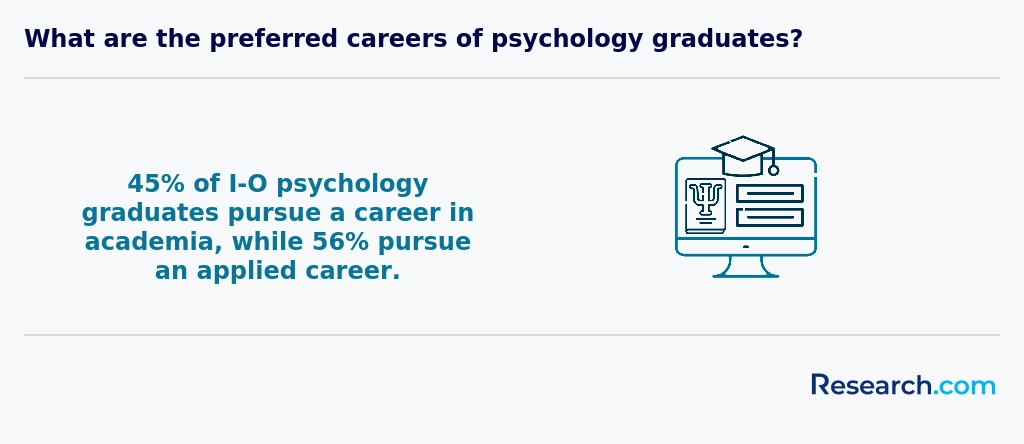
Choosing an accredited psychology program ensures that your degree meets rigorous academic standards and positions you for state licensure. In Nebraska, most accredited bachelor’s programs are regionally approved by the Higher Learning Commission (HLC), while advanced degrees may hold American Psychological Association (APA) accreditation. Regional accreditation validates general quality, but APA accreditation is particularly important for those pursuing clinical or counseling licensure. Nebraska’s licensure board requires applicants for Licensed Psychologist (LP) and Licensed Mental Health Practitioner (LMHP) designations to complete an APA-accredited doctoral or master’s program, respectively, plus a specified number of supervised clinical hours. Before enrolling, verify that practicum and internship components align with state requirements; insufficient supervised experience can delay licensure exams and credentialing. Financial considerations often intersect with accreditation: highly accredited programs can cost more, but robust financial aid options and competitive tuition rates may offset expenses. When comparing program value, also review our Most Affordable Psychology Degree Programs Ranking in District of Columbia for a benchmark on cost-effectiveness. Ultimately, accreditation and licensure pathways safeguard your educational investment and career trajectory. Confirm program approvals with both the HLC and APA, and consult the Nebraska Department of Health & Human Services for up-to-date licensure criteria to ensure a seamless transition from degree completion to professional practice.
Imagine stepping into your psychology classes at the University of Nebraska, feeling the thrill of discovery, while knowing that federal Pell Grants are easing your financial worries by covering nearly half your tuition. Many students there find these grants-averaging around $4,000 annually-a vital support that turns dreams into reality without the stress of repayment. Others, especially graduate students chasing clinical careers, embrace federal loans with manageable terms, helping them face tuition costs exceeding $12,000 a year at public universities in Nebraska.
State scholarships, like the Nebraska Opportunity Grant, often become hidden treasures for low-income undergraduates, while university-specific awards reward both academic excellence and financial need. Picture a psychology major gaining hands-on experience and supplementing income through work-study research assistant roles that reveal the backstage of their field.
- Professional groups, including the Nebraska Psychological Association, occasionally offer scholarships that inspire graduate students to keep pushing forward.
- External foundations focused on mental health add another layer of support, inviting students to explore beyond campus resources and secure additional funding.
When considering a psychology program in Nebraska, affordability is a crucial factor. Prospective students should explore various funding options to make their educational pursuits more manageable. For those looking for affordable psychology programs in Nebraska, researching institutions that offer competitive tuition rates and financial aid packages is essential. Many universities in Nebraska provide scholarships, grants, and work-study programs specifically designed for psychology students, helping to alleviate some of the financial burdens associated with higher education. By understanding the available funding options and prioritizing affordability, students can make informed decisions about their educational investments and set themselves up for success in their future careers in psychology.
Diving into a psychology degree in Nebraska means gearing up with some important prerequisites that set the stage for academic adventure. Most students you'll hear about from popular Nebraska universities come in with a high school diploma or GED and a solid GPA, usually around 2.5 to 3.0. Imagine the excitement of opening that acceptance letter knowing your academic efforts paid off!
Many institutes, like those in Lincoln or Omaha, often encourage having completed courses in biology, math, and English. This foundation helps students confidently tackle the fascinating mix of science and writing they'll face in psychology classes. Picture yourself eagerly discussing behavior theories, backed by your prior study in science and statistics.
Standardized tests such as the SAT or ACT might be part of the journey, though many Nebraska schools now offer test-optional paths, giving you flexibility as you plan. For those aspiring to graduate studies, holding a bachelor's degree and providing GRE scores, glowing recommendation letters, and proof of research experience unlocks the next exciting chapter.
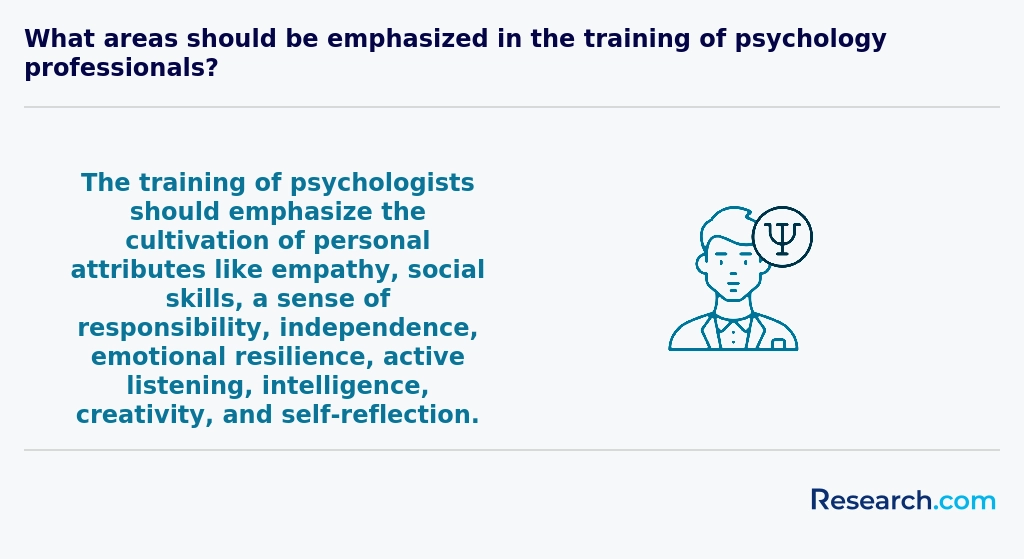
Becoming a licensed psychologist in Nebraska involves meeting specific educational, examination, and supervised practice standards set by the Nebraska Board of Psychology. Applicants must first complete a graduate-level credential-many start with a psychology masters degree to build foundational knowledge and fulfill prerequisite coursework. For full licensure as a psychologist, a doctoral degree (PhD or PsyD) from an APA-accredited program is required. After earning the appropriate degree, candidates must complete a minimum of 1,500 hours of supervised professional experience (SPE), including both predoctoral and postdoctoral placements. Supervision must align with board guidelines, emphasizing direct client contact, ethical practice, and case documentation. Once the SPE requirement is met, applicants register for and pass the Examination for Professional Practice in Psychology (EPPP) with a board-approved passing score. Finally, successful candidates submit a licensure application, official transcripts, verification of supervised hours, and examination results to the Nebraska Board of Psychology. Licensed psychologists in Nebraska must complete 40 hours of continuing education every two years-covering ethics, diversity, and evidence-based interventions-to maintain their credential and ensure ongoing professional competence.
Diving into a psychology degree in Nebraska means embarking on a journey through fascinating courses like General Psychology, where students at universities such as the University of Nebraska-Lincoln first unravel the basics of human thoughts and behaviors. Imagine sitting in a lively lecture hall, connecting theories to everyday life experiences, sparking that exciting "aha" moment about why people act the way they do.
Students often share how hands-on courses in Research Methods in Psychology and Statistics for Behavioral Sciences felt empowering, as they learned to design experiments and decode data. These classes at institutions like Creighton University prepare you to critically evaluate research, essential for a future in applied psychology or research.
Core courses like Developmental Psychology and Social Psychology invite students to explore growth through a lifetime or understand social influences-a perspective that graduates treasure when working in counseling or community programs around Nebraska.
Electives in fascinating areas like forensic psychology or personality assessment add an adventurous flair, letting you tailor your studies with a personal twist. These varied courses fuel a vibrant learning atmosphere that many students describe as inspiring and uniquely Nebraska.
Exploring psychology degree specializations in Nebraska reveals a vibrant range of pathways that excite curious minds. Imagine diving into Clinical Psychology at the University of Nebraska-Lincoln, where graduates feel empowered by helping individuals face mental health challenges. Others choose Counseling Psychology, a field that sparks empathy and resilience as seen in students from Creighton University who thrive in this nurturing environment. For those intrigued by the intersection of law and mind, Forensic Psychology offers a thrilling blend of criminal behavior insights and courtroom applications.
Industrial-Organizational Psychology attracts students who love solving real-world workplace puzzles, improving team dynamics and productivity. Meanwhile, Developmental Psychology captures the wonder of human growth, appealing to those passionate about education and healthcare. Social Psychology invites exploration into how groups shape attitudes, a favorite among students curious about social change.
Graduates often praise Nebraska's programs for providing affordable, accessible options to focus on the best psychology concentration options Nebraska has to offer. Students unsure about their path sometimes discover alternative careers by learning how to become therapist without a psychology degree, supporting their adventurous spirit in the psychological field.
Choosing the best psychology degree in Nebraska feels like embarking on a personal journey through mind and meaning. Graduates from the University of Nebraska-Lincoln often share how selecting a program accredited by the APA elevated their confidence, especially when stepping into clinical roles. The real reward is finding a program that matches your ambition, whether it's a bachelor's path or a more advanced master's degree, common choices among those weighing Nebraska's diverse options. Many discover that navigating costs is less daunting here compared to other states, making affordable psychology colleges in Nebraska a true treasure for students eager to dive into learning without overwhelming debt.
Flexibility also shapes this adventure. Those living beyond city limits appreciate the rise of online or hybrid courses offered by local schools, blending classroom energy with remote convenience. Exploring internships within Nebraska's rich network of partnerships brings psychology to life-they say nothing compares to that "aha" moment when theory meets practice. If you're ready to level up, consider the psychology masters degree options guiding many on their next frontier.
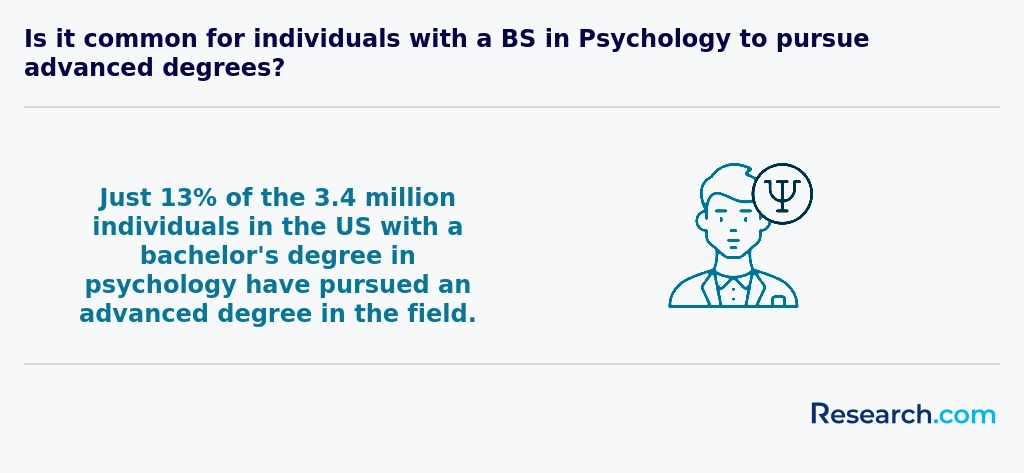
Exploring jobs with psychology degree Nebraska opens a world filled with vibrant career paths. Graduates from the University of Nebraska or Creighton University often dive into clinical psychology, diagnosing and treating mental health challenges, fueled by the satisfaction of directly improving lives. Others find themselves drawn to school psychology, working in local schools to support children's emotional and educational success, a role that truly resonates with the community spirit of Nebraska.
For those with a curious mind, research roles at Nebraska's universities offer the thrill of discovery, contributing to behavioral science and health advancements. Industrial-organizational psychology shines for graduates eager to transform Nebraska's workplaces, boosting employee wellbeing and productivity in booming healthcare and agricultural sectors. Many alumni remember starting in social work or mental health technician roles, gaining hands-on experience while embracing the warm, supportive networks found locally.
Studying in Nebraska not only nurtures diverse career opportunities but also offers affordable tuition compared to private schools. For a comprehensive view, check out the Most Affordable Psychology Degree Programs Ranking in District of Columbia.
Graduates with a psychology degree in Nebraska often find a varied and promising job market ahead, especially within clinical, counseling, and school psychology roles. Those emerging from well-known Nebraska universities feel energized by the state's growing awareness around mental health, which opens doors in both bustling urban centers and tight-knit rural communities. Imagine collaborating within integrated healthcare teams in community health centers or stepping into schools eager for experts who understand mental well-being-these real-life settings nurture a fulfilling career path.
Psychology degree job opportunities Nebraska offers are particularly bright for those who pursue advanced degrees, where the combination of licensure and specialized skills unlocks rewarding positions. One graduate's experience highlights how affordable tuition at public universities, paired with supervised clinical hours, equips students to meet licensing demands and thrive professionally. For anyone curious about exploring similar academic avenues, checking out popular college majors can provide helpful insights into shaping your unique journey.
2027 Most Popular Psychology Degree Programs Ranking in Nebraska
Investing in your education is a significant decision that can shape your future, and the Research.com team understands the importance of making informed choices. To assist prospective students in Nebraska, we have meticulously crafted the "2027 Most Popular Psychology Degree Programs Ranking in Nebraska." Our commitment to quality, credibility, and accuracy is reflected in the extensive research and analysis conducted to compile this ranking.
We utilized the following reputable data sources to ensure a comprehensive evaluation of psychology programs:
By exploring this ranking, readers will gain valuable insights into the most popular psychology degree programs in Nebraska, helping them make well-informed decisions about their educational paths. For more details on our methodology, please visit our Research.com methodology page.


# 19 position
Wayne State College
Bachelor of Science in Psychology

# 20 position
Peru State College
Bachelor of Science in Psychology

Frequently Asked Questions About psychology
Students pursuing psychology degrees in Nebraska can maximize their learning by engaging in experiential opportunities offered by local universities. Participating in internships or research projects allows practical application of theoretical knowledge. For example, the University of Nebraska system promotes collaborative research with Nebraska's mental health facilities, enhancing real-world understanding.
Additionally, joining psychology clubs and attending statewide conferences like those hosted by the Nebraska Psychological Association helps students network and stay informed about current trends. Offering access to around 2,000 psychology professionals statewide, these connections are valuable for mentorship and career growth.
Taking advantage of online learning tools and Nebraska's expanding mental health initiatives can further support academic success and career readiness.
The psychology field is evolving rapidly with several emerging niches gaining attention among students in Nebraska. One growing area is neuropsychology, which focuses on understanding how brain function affects behavior. This niche is critical as Nebraska's aging population increases demand for specialists addressing cognitive decline and brain injuries. Another expanding field is forensic psychology, where professionals apply psychology to legal contexts, supporting Nebraska's justice system.
Additionally, industrial-organizational psychology is becoming popular, driven by businesses seeking to improve workplace productivity and employee well-being. Telepsychology is also on the rise, especially after COVID-19, offering remote mental health services across Nebraska's rural communities.
According to the U.S. Bureau of Labor Statistics, these specialties reflect a nationwide trend that is echoed in Nebraska's higher education programs and job market.
Preparing for the job market after completing a psychology degree in Nebraska involves several strategic steps. First, gaining practical experience through internships or volunteer work within local healthcare facilities or community organizations is essential. Nebraska offers diverse opportunities in mental health services, which helps build relevant skills.
Networking is also crucial; connecting with professionals via the Nebraska Psychological Association or local career fairs can provide valuable contacts. According to the Bureau of Labor Statistics (2023), Nebraska's psychology-related fields are growing steadily, with clinical psychology and counseling in highest demand.
Finally, consider pursuing licensure or advanced degrees if aiming for specialized roles, as many employers require credentials beyond a bachelor's degree.
Employers in Nebraska highly value psychology graduates who demonstrate strong analytical and critical thinking skills. These abilities are crucial for interpreting behavioral data and designing effective interventions. Communication skills, both written and verbal, are also essential as professionals must convey complex information clearly to clients and colleagues.
Additionally, Nebraska employers seek graduates with practical experience, often gained through internships or research projects, which enhance problem-solving and adaptability. According to the Nebraska Department of Labor, interpersonal skills rank among the top competencies needed in social service positions related to psychology.
Familiarity with ethical standards and cultural competence is increasingly important, reflecting Nebraska's diverse population. Data from the American Psychological Association emphasize that employers prioritize graduates who can work respectfully and effectively in varied community settings.
Finding internships in Nebraska for psychology students involves exploring opportunities in various settings, including hospitals, mental health clinics, universities, and community organizations. Many Nebraska universities with psychology programs maintain relationships with local agencies to help students secure internships. The Nebraska Psychological Association offers resources and networking events that can assist in locating clinical and research internships.
Students should also utilize job boards like Handshake or the Nebraska Department of Labor's career services, which list psychology-related internships. It is important to start early and meet program requirements, such as background checks or specific coursework.
According to the Nebraska Workforce Trends, healthcare and social assistance sectors are among the fastest-growing fields, suggesting plentiful internship opportunities in psychology-related areas across the state.
A psychology degree in Nebraska can significantly enhance career mobility and advancement opportunities. Graduates often qualify for roles in mental health counseling, social services, education, and human resources, where demand is steadily increasing. According to the U.S. Bureau of Labor Statistics, Nebraska's employment for psychologists and counselors is projected to grow about 8% from 2022 to 2032, faster than the national average.
Holding a degree also helps professionals meet state licensing requirements necessary for clinical and counseling roles. Advanced degrees, such as a master's or doctorate, open doors to higher-paying positions and supervisory roles within healthcare facilities or educational institutions.
Additionally, Nebraska's growing emphasis on mental health awareness encourages career advancement for psychology graduates, as organizations seek qualified experts to design programs and interventions tailored to community needs. This trend highlights the degree's value beyond entry-level jobs in the region.
Studying for a psychology degree in Nebraska equips students with skills applicable across various professional fields. Universities in the state emphasize interdisciplinary learning, integrating psychology with areas such as healthcare, education, and social services. This approach reflects Nebraska's workforce trends, where nearly 30% of psychology graduates work in roles requiring knowledge beyond traditional psychology, according to the Nebraska Department of Labor.
Programs often include coursework on research methods, data analysis, and communication, preparing students to collaborate effectively with professionals in medicine, business, and community organizations. This broad training enhances employability in diverse settings and supports roles in counseling, human resources, and public health.
Many Nebraskan institutions also encourage internships and hands-on experiences, fostering practical skills that benefit interdisciplinary collaboration. These experiences help graduates adapt to evolving job markets locally and nationally.
When choosing between a thesis and a non-thesis psychology degree program in Nebraska, consider your career goals and learning preferences. Thesis programs emphasize original research and are suited for those planning to pursue doctoral studies or research careers. Non-thesis programs focus more on coursework and practical skills, fitting students aiming for professional practice or immediate employment.
According to data from the Nebraska Department of Education, about 40% of psychology graduate students in the state choose thesis tracks for their strong research foundation. However, non-thesis options remain popular for their flexibility and shorter duration.
Evaluating faculty expertise, available resources, and future plans will help determine the best fit.
Students based in Nebraska who want to study psychology abroad have several pathways to consider. Many Nebraska universities, such as the University of Nebraska-Lincoln, offer study abroad programs in partnership with international institutions. These programs provide opportunities to earn credits while gaining global perspectives on psychology.
Exchange programs in Europe, Australia, and parts of Asia are common destinations for psychology students. Nebraska students can apply for scholarships through programs like Gilman or Fulbright, which support U.S. undergraduates studying overseas. The U.S. Department of Education reports fewer than 10% of Nebraska college students engage in study abroad, suggesting room for growth in participation.
Additionally, some accredited online psychology degrees include international learning components or collaborations with foreign universities, allowing for flexible options without leaving Nebraska. Students should consult their academic advisors to understand credit transfer and licensure implications.
Students pursuing psychology degrees in Nebraska can benefit from several part-time job opportunities that enhance their education. Roles such as research assistants at universities like the University of Nebraska-Lincoln provide practical experience in experimental design and data analysis. According to the Nebraska Department of Labor, consumer service positions supporting mental health agencies are growing by 5% annually, offering roles like behavioral health technicians or case aides.
Additionally, internships at community counseling centers or nonprofit organizations provide exposure to applied psychology in real-world settings. Working part-time in human resources or social services can also help students develop skills relevant to psychology careers. These jobs complement academic learning and improve employability post-graduation.
Psychology students in Nebraska benefit from diverse networking opportunities that support academic and professional growth. Many universities in the state host psychology clubs and honor societies like Psi Chi, which provide regular meetings, guest lectures, and community events focused on connecting students with faculty and professionals.
Additionally, the Nebraska Psychological Association (NPA) offers student memberships, giving access to conferences and workshops where students meet practicing psychologists and potential employers. Nebraska also boasts various internships in hospitals, schools, and research centers, allowing students to build practical networks.
According to the Bureau of Labor Statistics, Nebraska's growing demand for psychologists encourages these networking platforms, facilitating smoother transitions into local careers.
Alumni networks play a significant role in supporting psychology degree students in Nebraska. These networks connect current students with graduates who have experience in diverse psychology careers, including clinical, counseling, and research roles. According to the Nebraska Department of Labor, networking can increase the chance of job placement by up to 40% in health-related fields.
Through alumni connections, students gain mentorship opportunities and insider advice on graduate school applications and licensure requirements specific to Nebraska, such as those governed by the Nebraska Behavioral Health Clearinghouse.
Additionally, many Nebraska universities organize alumni-led workshops and career fairs, enhancing students' access to internships and employment options within the state's growing mental health sector.
Customizing a psychology degree in Nebraska allows students to align their education with specific career goals. Many Nebraska universities offer elective courses and specialized tracks, such as clinical, counseling, or industrial-organizational psychology. This flexibility helps tailor learning to areas like mental health services, human resources, or research.
Students can also gain practical experience through internships or research projects, often available through Nebraska institutions. For example, the Nebraska Department of Labor notes growing demand for mental health professionals, encouraging students to seek relevant certifications.
Advisors at Nebraska colleges assist in creating personalized study plans based on career objectives, a crucial support for tailoring programs effectively.
Psychology students in Nebraska often face challenges related to limited local research funding and internship opportunities. Unlike larger states with many research institutions, Nebraska offers fewer specialized labs focused exclusively on psychology, which may impact hands-on experience. According to the Nebraska Department of Labor, competition for internships and practicum placements is strong, as most programs require these for graduation and licensure.
Additionally, students must navigate Nebraska's specific licensure requirements, which can involve complex exam and supervision hours, potentially delaying professional entry. Balancing rigorous coursework with these practical components often adds stress. Furthermore, rural students may find access to advanced courses and faculty mentorship more difficult due to geographical constraints.
With a psychology degree in Nebraska, there are several professional certifications available that can enhance your career prospects. One popular option is becoming a Licensed Psychologist, which requires a doctoral degree and passing the Examination for Professional Practice in Psychology (EPPP), overseen by the Nebraska Board of Psychology.
Graduates can also pursue certification as a Licensed Mental Health Practitioner (LMHP), a credential that allows for clinical work under state regulations. This license typically requires a master's degree in psychology or a related field and supervised clinical experience.
Other certifications include becoming a Certified Addiction Counselor or obtaining credentials in school psychology, where the Nebraska Department of Education provides specialist-level licenses.
According to the U.S. Bureau of Labor Statistics, Nebraska had about 1,000 practicing psychologists as of 2022, reflecting steady demand for licensed professionals in the state's healthcare and education sectors.
Applying to a psychology program in Nebraska requires careful preparation to stand out. Begin by researching accredited institutions such as the University of Nebraska-Lincoln and Creighton University, known for their robust psychology curricula. Admissions committees often prioritize GPA, so highlight your academic strengths with a minimum GPA of 3.0, which is typical for competitive programs.
Craft a compelling personal statement that clearly explains your motivation for studying psychology and your career goals. Nebraska programs value applicants who demonstrate community involvement or relevant volunteer experience, especially in mental health settings.
Secure strong letters of recommendation from faculty or professionals familiar with your work or research abilities. Finally, tailor your application by referencing specific faculty interests or program features related to Nebraska's mental health landscape, as reported by the Nebraska Department of Health and Human Services.
The field of psychology offers diverse career opportunities, valued worldwide for its role in understanding human behavior. In the United States, psychology professionals often pursue licensing to practice clinically. Nebraska aligns with this trend, requiring specific state licensure for clinical and counseling psychologists. According to the U.S. Bureau of Labor Statistics, employment of psychologists is expected to grow 8% nationally between 2022 and 2032, reflecting steady demand.
Globally, psychology careers emphasize cultural competence and research skills, important for addressing mental health in varied populations. Nebraska's universities provide strong training that balances theory with practical application, preparing graduates for both local and international work environments.
Students in Nebraska benefit from programs accredited by the American Psychological Association, ensuring education that meets national and global standards.
Gaining practical experience while studying psychology in Nebraska is vital for developing essential skills and improving employment prospects. Many Nebraska universities encourage internships and practicum placements in local clinics, schools, and community organizations. For example, the University of Nebraska offers structured internship programs that integrate hands-on learning with academic coursework.
Students can also participate in research assistant positions, which provide exposure to experimental design and data analysis. According to the Nebraska Psychology Association, nearly 70% of psychology undergraduates in the state engage in at least one internship before graduation.
Volunteering at counseling centers or mental health facilities is another common option, allowing students to observe professionals and apply theoretical knowledge. These experiences are often required for licensure and graduate program applications, ensuring practical readiness alongside academic achievement.
Choosing the right concentration within a psychology degree program in Nebraska depends largely on your career goals and interests. Common concentrations include clinical, counseling, industrial-organizational, and developmental psychology. Nebraska's universities often offer these options, reflecting trends in the US job market.
Consider local demand: according to the Nebraska Department of Labor, clinical and counseling psychologists are among the fastest-growing professions in the state, with employment projected to grow by 10% through 2028. This suggests strong opportunities for those concentrations.
Research each concentration's curriculum and available internships. Hands-on experience is critical for licensure in Nebraska, especially in clinical settings where supervised hours are required. Schools like the University of Nebraska-Lincoln provide clear pathways suited to state licensure requirements.
Finally, reflect on your personal interests and strengths. Aligning your concentration with your passion can improve academic success and professional fulfillment.
- 2027 Most Popular Psychology Degree Programs Ranking in Iowa
- 2027 Most Popular Psychology Degree Programs Ranking in Colorado
- 2027 Most Popular Psychology Degree Programs Ranking in Minnesota
- 2027 Most Popular Psychology Degree Programs Ranking in Oklahoma
- 2027 Most Popular Psychology Degree Programs Ranking in North Dakota
- 2027 Most Popular Psychology Degree Programs Ranking in Arkansas
- 2027 Most Popular Psychology Degree Programs Ranking in New Mexico
- 2027 Most Popular Psychology Degree Programs Ranking in Mississippi
- 2027 Most Popular Psychology Degree Programs Ranking in Louisiana
- 2027 Most Popular Psychology Degree Programs Ranking in Alabama
See What Experts Have To Say About Studying Psychology
Read our interview with Psychology experts

Joann Farrell Quinn, Ph.D., MBA
Psychology Expert
Director at the College of Medicine Department of Medical Education
Morsani College of Medicine

Robin M. Kowalski. Ph.D.
Psychology Expert
Professor of Psychology
Clemson University

Elizabeth L. Jeglic Ph.D.
Psychology Expert
Professor of Psychology
City University of New York

- Know more about thesis vs non- thesis: what is the difference? https://studyfans.com/en/blogs/816
- Sample letters in psychology https://www.mystudies.com/en-in/human-and-social-sciences/psychology/letter-model/
- Have You Found a Niche? https://www.apaservices.org/practice/business/marketing/building/niche
- Best Nebraska Psychology Degrees Updated for 2025, Online Included https://www.psychologydegrees.org/state/nebraska
- Psychology, Bachelor of Science https://catalog.unk.edu/undergraduate/departments-programs/psychology/psychology-bs/
- How to help students cope with mental health challenges https://www.eaie.org/resource/help-students-cope-mental-health-challenges.html
- Study Psychology Abroad https://astarfuture.co.uk/study_psychology_abroad.html
- What Certifications Can I Get With A Bachelor's In Psychology? https://www.psychology.org/resources/certification-skills-for-psychology-major-resumes/
- Society for the Teaching of Psychology https://teachpsych.org/page-1784686/8675326
- How Psychology Students Can Get Clinical Experience Before Graduating | The Playful Psychologist https://www.theplayfulpsychologist.com/post/students-experience-how-to-get-the-experience-you-need-before-you-graduate