
2027 Most Affordable Psychology Degree Programs Ranking in Boulder

Co-Founder and Chief Data Scientist
Choosing the right psychology degree program in Boulder can feel overwhelming. That's why we created the 2027 Most Affordable Psychology Degree Programs Ranking in Boulder. Our team of data scientists at Research.com carefully analyzed programs to help you find affordable options that match your goals.
Whether you're just starting out or advancing your education, knowing which programs offer real value can make all the difference. This article will guide you through options that combine quality and cost-effectiveness, so you can focus on building a rewarding career in psychology.
Key benefits of getting psychology degree in Boulder
- Psychology degree graduates in Boulder can expect rewarding salary opportunities, such as a Human Resources Specialist earning around $76,060 annually and a Marketing Research Analyst making about $83,190 per year.
- Graduates from local universities often pursue diverse careers including clinical research, marketing analysis, or childcare services, reflecting the flexibility and wide applicability of a psychology degree.
- Completing a psychology degree online offers convenience and balance, allowing students to learn at their own pace while gaining skills recognized by Boulder employers, often leading to similar career options as traditional graduates.
- 2027 Most Affordable Psychology Degree Programs Ranking in Boulder
- What can I expect from psychology degree in Boulder?
- Where can I work with psychology degree in Boulder?
What can I expect from psychology degree in Boulder?
The average cost of pursuing a psychology degree in Boulder, particularly at CU Boulder, balances quality with accessibility. For many in-state students, tuition hovers around $12,500 annually, which feels manageable given the rich academic environment and extensive research opportunities they gain. Graduates often reflect positively on how this investment paved the way for hands-on internships and collaborations with mental health clinics, deepening their understanding beyond textbooks.
Out-of-state students face higher fees, but many find that the specialized graduate programs, though more costly, offer valuable training that justifies the expense. Imagine immersing yourself in a cognitive neuroscience lab equipped with cutting-edge technology, or joining community projects that shape mental health services in the Denver area-this practical experience is often mentioned by alumni as a defining highlight of their time in Boulder.
Looking ahead, the combination of reasonable tuition and strong career prospects energized by Boulder's expanding healthcare sector suggests that pursuing psychology here remains a worthwhile and inspiring choice for future students.
Where can I work with psychology degree in Boulder?
Graduates from psychology programs in Boulder often step into roles where they make real differences in people's lives. Many find fulfillment working in clinical or counseling settings, such as local mental health clinics or Boulder Community Health, responding to the rising need for support highlighted by recent healthcare growth. Imagine a recent graduate collaborating with therapists to design personalized treatment plans, directly impacting community well-being.
Others pursue careers in education, joining Boulder County schools as school psychologists. These professionals tackle student mental health and learning challenges daily, creating positive change through individual attention and innovative programs supported by demand projections.
For those studying at the University of Colorado Boulder, research opportunities in cognitive or developmental psychology open doors to contributing fresh insights on mental health trends. Graduates often feel excited working alongside experts on impactful studies or in nonprofit roles that address local community needs.
Emerging tech and business sectors in Boulder also create paths in organizational psychology, where graduates apply skills to boost workplace morale and productivity. Here, the evolving economy inspires optimism for pioneering roles shaping future workforce well-being.
Additionally, social services and public health organizations offer meaningful work in substance abuse recovery or elder care programs, where psychology graduates experience the rewarding challenge of supporting vulnerable populations in dynamic settings.
Graduates holding a psychology degree in Boulder often find promising salary prospects aligned with their chosen career paths. For example, those entering human resources roles can expect a mean annual wage of approximately $76,060, which supports a comfortable lifestyle despite Boulder's 31% higher cost of living. Marketing research analyst positions, popular among psychology graduates interested in data-driven roles, offer mean salaries near $83,190 annually, making them one of the better-paid options locally.
Many Boulder-based graduates also pursue careers as clinical research associates or survey researchers, earning around $62,370 per year. These roles often appeal to those who enjoyed university research projects and want to continue contributing to evidence-based practices in psychology.
Imagine a recent psychology graduate from a well-known Boulder college securing a marketing research analyst position. The hands-on skills learned at university, combined with Boulder's innovative environment, allow them to thrive professionally while earning a competitive salary. Positive experiences like this underscore the value of a psychology degree in this dynamic region and hint at expanding opportunities as mental health awareness grows.
- Boulder's main public university, CU Boulder, offers accredited undergraduate and graduate psychology degrees with strong research options.
- In-state tuition at CU Boulder for a bachelor's degree ranges from $12,000 to $15,000 per year, while out-of-state tuition can be between $35,000 and $40,000 annually.
- Graduate psychology programs typically cost more but may provide scholarships, assistantships, or fellowships to help with expenses.
- Entry-level psychology jobs in Boulder pay about $45,000 to $55,000 annually, with salaries rising to $70,000 or more with experience and advanced degrees.
- Boulder's job market for psychologists is growing due to demand in healthcare, education, and social services, reflecting a steady increase in opportunities.
- Psychology programs in Boulder follow American Psychological Association (APA) standards, essential for licensure and professional work.
Completing a psychology degree in Boulder typically takes about four years for undergraduates at the University of Colorado Boulder, known for its comprehensive program requiring 120 to 130 credit hours. Many graduates reflect on their time balancing core courses, electives, and general education, appreciating how this structure laid a solid foundation for their future. Some part-time students find flexibility helps manage work-life balance, though it can extend their timeline.
Graduate students often experience varied durations. Those pursuing a Master of Arts or Master of Science usually finish within two to three years, especially if they focus on accelerated coursework without a thesis. Doctoral candidates at Boulder's institutions often embrace the challenge of a four to seven-year journey, blended with research, internships, and dissertations-many describing this path as demanding but deeply rewarding.
Looking ahead, innovative program formats and online learning options emerging in Boulder might accelerate these timelines, making advanced psychology degrees more accessible and adaptable to busy lives while maintaining the city's strong academic reputation.
For many students, obtaining a bachelor’s degree in psychology is just the beginning of an exciting educational and professional journey. Advancing to graduate studies not only deepens understanding of complex psychological theories but also offers enhanced career prospects and specialized skills for emerging roles in the industry. In today’s competitive job market, pursuing further education-such as an online master’s degree-can provide a critical edge. Many professionals ask if is getting an online masters in psychology worth it, and the answer often depends on individual career goals and the dynamic demands of the field. Graduate programs typically offer flexible curriculums that emphasize advanced research methodologies, practical applications through internships, and networking opportunities with industry leaders. By cultivating in-depth expertise in areas like clinical psychology, organizational behavior, or forensic studies, students are well-prepared to tackle more complex challenges and assume leadership roles within various sectors. Moreover, enhanced credentials can play a significant role in salary growth and professional recognition, setting the stage for future success and innovation in psychology.
Graduates from the University of Colorado Boulder often reflect on the vibrant energy of on-campus psychology programs, where face-to-face interactions foster strong connections with professors and peers. The hands-on experiences such as lab work and clinical practicums create memorable moments that feel deeply rewarding and build practical skills essential in their careers. Imagine studying in bustling campus counseling centers or joining study groups that spark lively debates around psychology topics-these opportunities enrich learning beyond textbooks.
Conversely, online learners appreciate the freedom to study around their own schedules, especially those juggling work or family in Boulder's active community. These students often describe a sense of empowerment from pacing their coursework and accessing diverse digital resources. While some miss spontaneous classroom chatter, many find creative ways to collaborate virtually and organize local practicum experiences, blending flexibility with real-world practice.
Looking ahead, Boulder's evolving education landscape may blur these lines further, with hybrid models combining the personal touch of on-campus life and the adaptable rhythms of online study, making psychology degrees increasingly accessible and engaging for everyone.
The average cost of a psychology degree in Boulder currently centers around $63,902, reflecting a blend of in-state and out-of-state tuition rates along with additional fees. Many students pursuing psychology at institutions like the University of Colorado Boulder find that in-state tuition is significantly lower, averaging approximately $15,666, which makes it an appealing choice for local residents. Graduates often share that while this investment feels substantial, the value comes through immersive learning experiences, research opportunities, and strong community connections that Boulder's programs foster.
Looking ahead, the landscape for affordable psychology degree programs Boulder 2027 is expected to benefit from increased financial aid and scholarship opportunities, particularly through partnerships with local organizations and state-supported initiatives. For example, some graduates recall how support from the Colorado Department of Higher Education helped ease their financial burden while they navigated the academic journey. This evolving environment motivates prospective students to explore funding options early and reach out to campus advisors for tailored guidance.
Besides tuition, students should also anticipate costs for housing, books, and personal expenses, which can add up significantly. Reflecting on their experiences, many psychology students at Boulder's well-regarded institutions appreciate living in a vibrant community that enriches their education beyond the classroom. To identify options for reducing overall expenses, it's worth checking out the cheapest psychology school in colorado listings, which highlight programs that balance cost and quality effectively while delivering a meaningful psychology education.
Colorado graduates must meet state‐specific education, supervised experience and exam criteria before practicing:
- Earn a graduate degree from an APA-accredited (psychologist) or CACREP-accredited (counselor) program in psychology.
- Complete supervised experience hours:
- Psychologists: 1,500 predoctoral + 2,000 postdoctoral hours
- Licensed Professional Counselors (LPC): 3,840 supervised hours
- Pass the national Examination for Professional Practice in Psychology (EPPP) and the Colorado Jurisprudence Examination.
- Submit official transcripts, exam scores and supervised experience verification to the Colorado Board of Psychologist Examiners or the Colorado Board of Licensed Professional Counselor Examiners.
For students looking to streamline their path, a fast track psychology degree online can align coursework with licensure requirements while offering flexibility.
Psychology students at Boulder's University of Colorado often discover that federal aid forms a sturdy foundation for funding their education. One graduate recalled feeling relieved after securing a Pell Grant, which covered a substantial part of her tuition without repayment worries. Many peers take advantage of FAFSA to unlock grants, loans, and work-study opportunities that fit their academic schedules.
Local scholarships offered by groups like the Colorado Psychological Association add an encouraging layer of support. Students from Naropa University, for example, have shared how merit scholarships boosted their confidence, enabling them to focus more on research than finances. Institutional aid from Boulder colleges often rewards academic dedication, creating a positive cycle of achievement and assistance.
Graduate psychology students frequently engage in assistantships or research grants, trading teaching or research duties for tuition remission and stipends. One doctoral candidate described the joy of gaining hands-on experience while significantly easing educational costs. Emerging trends suggest expanding partnerships between local employers and universities may soon offer more tuition reimbursement programs, broadening options and fostering long-term career growth.
Graduates aiming to practice as a licensed psychologist in Colorado must navigate a clear set of requirements designed to ensure competence and public safety. First, you must earn a master’s or doctoral degree from an APA-accredited program, which lays the academic foundation for advanced practice. Next, complete a minimum of 3,000 hours of supervised experience-often divided between pre-doctoral and post-doctoral placements-in clinical, counseling, or school settings under a board-approved supervisor. After fulfilling supervised hours, candidates must pass the Examination for Professional Practice in Psychology (EPPP) and the Colorado Jurisprudence Exam. Finally, submit a licensure application to the Colorado Board of Psychologist Examiners, including official transcripts, verification of supervised experience, exam scores, and a background check. For those considering a doctoral track, flexible options exist: you can explore accredited psyd psychology online programs that combine rigorous coursework with remote practicums, enabling you to meet both academic and experiential requirements. Maintaining licensure requires ongoing continuing education-typically 40 hours every two years-so it’s crucial to select a program that offers robust alumni support and career services to streamline your transition from student to practicing professional.
Enrolling in a psychology degree in Boulder typically means meeting clear academic prerequisites that set students up for success. At the University of Colorado Boulder, many undergraduates recall how a strong foundation in English, math, and science helped them confidently tackle challenging psychology concepts early on. It's common to need a high school diploma with solid grades, especially in these core subjects.
For those aiming at graduate studies, graduates often share how having a bachelor's degree-usually in psychology or a related field-felt like a crucial stepping stone. A GPA around 3.0 is often expected, and while GRE scores were once standard, many find programs are moving toward flexible admissions to ease stress. Preparing with courses like statistics and research methods seems essential, as these skills resonate deeply when conducting real-world psychological research.
Many Boulder students appreciate how letters of recommendation and a personal statement offer space to express passion and unique experiences. Volunteering or working in mental health roles before applying often brings confidence and a sense of connection to the field, making the entire process feel more rewarding and purposeful.
When exploring options for a psychology degree, one crucial aspect to consider is the financial investment. Understanding the costs associated with tuition, living expenses, and additional fees is essential for making an informed decision. For those seeking an affordable option, researching schools that offer competitive pricing without compromising on the quality of education is vital. In Boulder, CO, prospective students can find a range of programs that cater to different budgets. For instance, students looking for the cheapest psychology school in colorado can explore various institutions that offer psychology programs at different price points. By carefully evaluating these financial factors and considering options such as scholarships, grants, and part-time jobs, students can navigate the challenges of financing their psychology education and set themselves up for success in their future careers.
Psychology degree programs in Boulder usually feature courses that build a strong foundation while sparking curiosity about human behavior and mental processes. Students at the University of Colorado Boulder, for example, often describe how engaging classes like Introduction to Psychology and Cognitive Psychology made complex ideas feel personal-such as understanding memory quirks during their daily routines or recognizing social influences in campus life.
Graduates recall hands-on experiences in Research Methods in Psychology and Psychological Assessment that felt empowering, as they learned to design studies or interpret emotions in real-world settings like local clinics or community centers. Classes in Biopsychology often inspire awe, revealing how brain function shapes feelings they notice in themselves and others during social interactions.
Specializations like Developmental or Abnormal Psychology encourage students to connect theory with situations they observe among Boulder's diverse population, fostering both empathy and scientific insight. The practical focus prepares many to confidently pursue internships that deepen their understanding through meaningful work, reflecting Boulder's emphasis on experiential learning.
Psychology degree specializations in Boulder continue to evolve, reflecting both traditional and emerging interests among students at institutions like the University of Colorado Boulder. Graduates often speak enthusiastically about clinical psychology, where they gain hands-on experience dealing with mental health challenges, preparing them for impactful roles in therapy and assessment. Others, inspired by Boulder's cutting-edge research labs, pursue cognitive psychology, diving deeply into mental processes and neuropsychology, which opens doors to innovative scientific inquiries.
Types of psychology majors Boulder Colorado students choose also include developmental and industrial-organizational psychology, each offering unique career possibilities-from shaping educational interventions to improving workplace dynamics. Forensic psychology is gaining traction, fueled by Boulder's access to legal networks and real-world case studies, giving students exciting avenues to blend psychology with criminal justice. Many who wonder about their paths find that is getting an online masters in psychology worth it can be an option worth exploring to complement their local studies and broaden future prospects.
Choosing the best psychology degree in Boulder means looking beyond just the curriculum to how the program prepares you for future trends in mental health and research. Graduates from CU Boulder often share how being part of a community with NIH-funded researchers made their studies feel dynamic and deeply connected to cutting-edge discoveries. Imagine engaging in internships with Boulder's local mental health clinics, creating real-world impact while gaining invaluable experience. For students seeking affordable psychology degree programs in Boulder, balancing cost with access to diverse electives like neuropsychology or counseling is key.
Many find that programs with strong alumni networks and career services lead to exciting job placements soon after graduation, tapping into Boulder's vibrant psychology field. If balancing study with work or life means online learning might suit you better, exploring psyd psychology online could be a forward-looking option. By anticipating future mental health challenges and aligning your degree with practical skills, you position yourself well in the evolving landscape of psychology careers near Boulder Colorado.
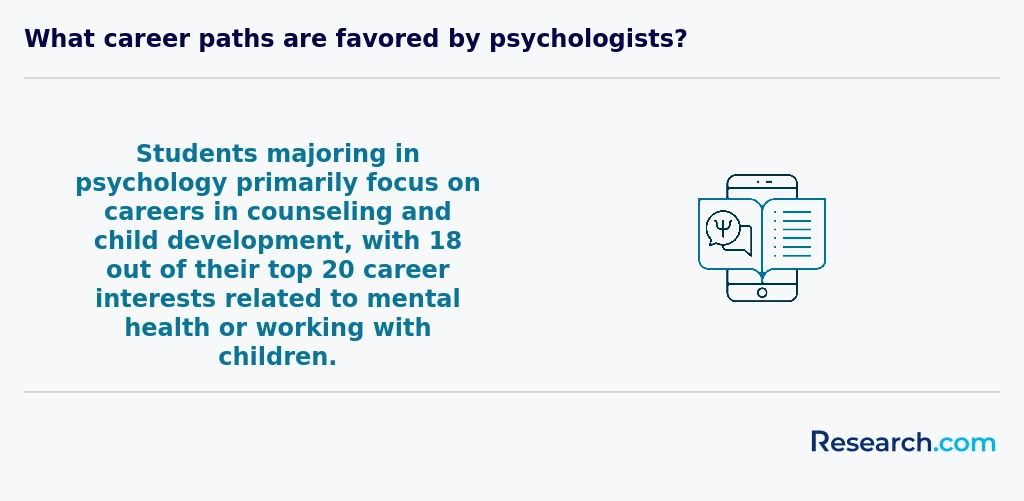
Graduates who pursue a psychology degree in Boulder often find a broad spectrum of career paths opening up, fueled by the city's dynamic economy and wellness-oriented culture. Many psychology degree holders from the University of Colorado Boulder, for instance, step into roles as licensed professional counselors or therapists, contributing to Boulder's growing mental health community. Their work in private practices or local health organizations reflects a meaningful response to rising demand for accessible mental healthcare.
Others engage in academic research or teaching, drawing on opportunities at top institutions where they collaborate on cutting-edge projects or prepare for advanced degrees. Such experiences boost their readiness for specialized clinical roles or research careers, illustrating popular job opportunities for psychology graduates Boulder can proudly offer.
Applied psychology is another thriving field, especially within Boulder's tech and startup ecosystems. Graduates often enjoy roles in organizational development or user experience research, shaping better workplaces and products. Many students also explore financial feasibility via resources like the Low Cost Online Master's in Psychology Degree Programs Ranking in the Northeast, helping to balance investment with future opportunities.
The psychology degree job outlook Boulder is encouraging, especially for graduates from universities known for strong programs in behavioral sciences. Many graduates find rewarding positions in local mental health clinics or school districts, where the demand for psychological services continues to grow. The city's vibrant academic atmosphere blends well with Boulder's focus on wellness, making it a fertile ground for those interested in combining clinical skills with community service. For example, psychology graduates often share how internships within Boulder's nonprofit organizations helped launch their careers by building valuable local networks.
Employment opportunities for psychology graduates Boulder also extend into research roles at nearby institutions, where the integration of science and practice is highly valued. Salaries for licensed clinical psychologists here reflect a competitive market, aligning with Boulder's higher cost of living. Many students consider bridging their studies with flexible, fast-track options such as the top 6 month associate degree online programs to enhance their qualifications while gaining practical experience.
2027 Most Affordable Psychology Degree Programs Ranking in Boulder
Investing in your education is a significant decision that can shape your future, and the Research.com team understands the importance of making informed choices. To assist prospective students in Boulder, we have meticulously crafted the "2027 Most Affordable Psychology Degree Programs Ranking in Boulder." Our commitment to quality, credibility, and accuracy is reflected in the extensive research and analysis conducted to compile this ranking.
We utilized the following reputable data sources to ensure a comprehensive evaluation of psychology degree programs:
By exploring this ranking, readers will gain valuable insights into the most affordable psychology degree options in Boulder, empowering them to make well-informed decisions aligning with their academic and financial goals. For more details on our methodology, please visit our Research.com methodology page.


Frequently Asked Questions About psychology
Psychology degree students in Boulder can maximize their learning by engaging actively with both coursework and local research opportunities. The University of Colorado Boulder, a leading institution in the region, offers numerous labs and centers where students can work alongside faculty on cutting-edge psychological studies.
Participating in internships with Boulder's diverse mental health organizations helps students apply classroom theories to real-world settings. Statistics from the National Center for Education Statistics show that hands-on experiences significantly improve academic outcomes for psychology majors.
Additionally, attending workshops, conferences, and campus events focused on psychology promotes networking and professional growth. Students are encouraged to join psychology clubs and honor societies to deepen their academic involvement.
Emerging niches within the psychology field reflect shifts in societal needs and scientific advancements. In Boulder, growing interest surrounds neuropsychology, which examines brain-behavior relationships and benefits from proximity to neurotechnology research centers. Another rapidly expanding area is health psychology, focusing on how psychological factors impact physical health, relevant given Colorado's emphasis on holistic wellness.
Environmental psychology is gaining prominence as communities prioritize sustainability, studying human interaction with natural spaces. Additionally, industrial-organizational psychology remains vital, with Boulder's thriving tech sector driving demand for workplace efficiency and employee well-being experts. According to the American Psychological Association, these specializations show strong growth trends nationwide, reflecting evolving career opportunities for Boulder students.
After completing a psychology degree in Boulder, preparing for the job market involves combining academic knowledge with practical experience. Many Boulder graduates benefit from internships or volunteer work in local clinics, schools, or nonprofit organizations, which provide valuable hands-on skills and networking opportunities.
According to the Bureau of Labor Statistics, employment for psychologists in Colorado is projected to grow 9% from 2022 to 2032, indicating a positive job outlook. Graduates should also consider obtaining certifications relevant to their career goals, such as counseling or behavioral analysis credentials.
Joining professional associations, like the Colorado Psychological Association, can open doors to job leads and mentorship. Additionally, tailoring resumes and preparing for interviews with a focus on applied skills remains essential.
Employers in Boulder highly value psychology graduates who demonstrate strong analytical and critical thinking skills. These abilities help professionals evaluate research data effectively and apply evidence-based practices, essential in clinical and applied psychology roles.
Communication skills are equally important. Graduates must clearly convey complex psychological concepts to diverse audiences, including patients, colleagues, and community stakeholders. This demand aligns with findings by the Colorado Department of Labor and Employment, which highlights communication as a top skill in mental health professions statewide.
Additionally, research proficiency and ethical decision-making are crucial. Boulder employers often seek graduates familiar with ethical guidelines from the American Psychological Association (APA) and experienced in data collection and interpretation.
Finding psychology internships in Boulder involves a mix of on-campus and community resources. Students often start by consulting their university's career services office, which typically maintains updated listings of local internships relevant to psychology majors.
Boulder hosts several mental health clinics and nonprofit organizations, such as Boulder Community Health and Mental Health Partners, that regularly offer internship opportunities. Connecting directly with these organizations via their websites or informational sessions can be effective.
Additionally, professional groups like the Boulder County Psychological Association provide networking events and job boards that help psychology students find practical experience. According to the Bureau of Labor Statistics, internship experience significantly boosts employment prospects in psychology fields.
Obtaining a psychology degree in Boulder can significantly enhance career mobility and advancement opportunities within the region. Boulder's growing healthcare and social services sectors increasingly value professionals with psychology expertise. According to the U.S. Bureau of Labor Statistics (2023), psychology-related jobs in Colorado are projected to grow by 11% over the next decade, outpacing the national average.
The University of Colorado Boulder offers respected programs that prepare graduates for various roles, including clinical, counseling, and organizational psychology. Graduates benefit from local networking opportunities and internships available through Boulder's diverse mental health organizations.
Those with a psychology degree often experience faster promotion potential and higher earning potential compared to non-degree holders, especially when paired with relevant certifications or graduate studies.
Studying for a psychology degree in Boulder offers a strong foundation for interdisciplinary roles through its emphasis on diverse coursework and research opportunities. Many programs encourage collaboration with departments such as neuroscience, education, and social work, reflecting the integrated nature of modern psychology. According to the University of Colorado Boulder, nearly 40% of psychology undergraduates engage in joint projects that span multiple disciplines.
Boulder's academic environment supports hands-on experience in community organizations and healthcare settings, vital for applying psychological principles in varied contexts. This approach equips students with adaptable skills highly valued in fields such as public health, counseling, and human factors engineering.
Choosing between a thesis and a non-thesis psychology degree program in Boulder depends largely on your career goals and academic interests. A thesis program involves conducting original research, which is ideal for students aiming to pursue a PhD or research-oriented careers. It typically requires more time and a stronger commitment to scholarly work.
Non-thesis programs focus more on coursework and practical skills, suited for those seeking immediate employment in clinical or counseling roles. According to the University of Colorado Boulder, about 40% of psychology graduate students opt for thesis tracks, reflecting a preference for research careers in the region.
Consider your long-term plans and discuss options with faculty advisors before deciding.
Students in Boulder interested in studying psychology abroad have several pathways through U.S. higher education partnerships and exchange programs. The University of Colorado Boulder, a leading local institution, offers study abroad opportunities that allow psychology majors to gain global perspectives, with programs in countries like the United Kingdom and Spain, often lasting a semester or summer session.
These programs provide hands-on learning in diverse cultural contexts, enhancing research and clinical understanding. Additionally, many U.S. universities have exchange agreements enabling credit transfer, which benefits Boulder students aiming to broaden their psychology education internationally.
Students should consult the CU Boulder Education Abroad Office for current offerings and eligibility requirements. According to the Institute of International Education, psychology remains a popular major for study abroad participants, reflecting its growing global relevance.
Students pursuing psychology degrees in Boulder can benefit from various part-time jobs that enhance their education. One common opportunity is working as a research assistant at local universities like the University of Colorado Boulder, which hosts numerous psychology studies. These roles provide hands-on experience in data collection and analysis.
Another option is mental health support roles at community centers or nonprofit organizations, where students assist with client intake or coordinate wellness programs. Boulder's growing demand for behavioral health services creates openings in these areas, supplementing academic knowledge with practical skills.
Additionally, positions as teaching assistants in psychology courses are available, offering experience in academic environments and improving communication skills.
Psychology students in Boulder benefit from various networking opportunities through local universities and professional organizations. The University of Colorado Boulder, a leading institution in the region, hosts regular events such as guest lectures, workshops, and research symposiums that connect students with faculty and practicing psychologists.
The Boulder Psychological Association offers student memberships, providing access to conferences and networking mixers that promote community engagement and professional growth. Additionally, students can attend monthly meetings and share research or internship experiences, building valuable industry contacts.
Nearby psychology clinics and research centers also encourage internships and volunteer roles, giving students direct exposure to the field and expanding their professional networks within Boulder's psychology community.
Alumni networks play a crucial role in supporting psychology degree students in Boulder. These networks connect current students with graduates who have professional experience in psychology fields such as clinical, counseling, and research. According to the University of Colorado Boulder's Career Services, over 70% of psychology graduates find employment through alumni referrals or connections.
Through events, mentorship programs, and online platforms, students gain valuable insights into career paths and job opportunities. Alumni often share advice on navigating licensure requirements, which vary by state but are essential for clinical psychology careers. Networking also aids access to internships and research positions, key for gaining practical experience.
Studies from the American Psychological Association emphasize that strong professional networks increase job placement success, highlighting alumni groups' importance for Boulder's psychology students.
Customizing your psychology degree program in Boulder allows you to align academic experiences with your career aspirations. Many institutions in Boulder offer elective courses spanning clinical, cognitive, social, and developmental psychology, enabling students to focus on areas of interest. Internships and research opportunities at local hospitals, counseling centers, and research institutes provide practical experience essential for employment or graduate studies. Some Boulder programs also offer specialization tracks or concentrations, which can help you build expertise in particular fields.
Additionally, advisors in Boulder colleges typically work closely with students to tailor coursework, balancing foundational knowledge with specialized classes. For example, University of Colorado Boulder's annual report highlights a 20% increase in internships taken by psychology majors, demonstrating a trend toward experiential learning.
Psychology students in Boulder commonly face several challenges during their studies. One significant issue is balancing rigorous academic coursework with practical experience requirements. For example, programs often require internships or research participation, which can demand substantial time alongside classes.
Financial pressure is another concern. According to the National Center for Education Statistics, Boulder's living costs are higher than the national average, increasing the financial burden on students. Many struggle to cover expenses related to textbooks, research materials, and tuition.
Mental health difficulties are reported frequently among psychology students nationwide, including in Boulder. The American Psychological Association notes that intense study and exposure to sensitive topics can increase stress and anxiety.
A final challenge involves staying competitive for graduate placements and licensure, as students must maintain strong academic records and accumulate relevant experience in a tight local job market.
With a psychology degree in Boulder, graduates can pursue various professional certifications to enhance their careers. Common options include becoming a Licensed Professional Counselor (LPC) or Licensed Clinical Social Worker (LCSW), which require a master's degree and supervised clinical experience. For those interested in school settings, the School Psychologist certification is available after completing a specialist-level program. Additionally, credentials such as Certified Alcohol and Drug Counselor (CADC) can supplement clinical roles. According to Colorado licensure boards, these certifications improve job prospects and salary potential in the state. Boulder's growing mental health sector values these credentials highly for employment.
To write a winning application for a psychology program in Boulder, start by clearly demonstrating your passion for psychology and your long-term goals. Highlight relevant experiences such as research assistantships, internships, or volunteer work related to mental health. Strong letters of recommendation from professors or professionals familiar with your skills make a significant impact.
Ensure your personal statement is well-structured, focused, and reflects knowledge of Boulder's psychology community and resources. According to the University of Colorado Boulder, programs value applicants showing an understanding of local research opportunities and clinical practices.
Maintain a competitive GPA and consider submitting GRE scores if required. Lastly, tailor each application component to the specific program's values and strengths.
The global outlook on a psychology career reflects growing demand for mental health professionals. In the United States, including Boulder, psychology careers are expanding at an estimated 8% growth rate through 2031, faster than average for all occupations, according to the U.S. Bureau of Labor Statistics. This trend aligns with global recognition of mental wellness as a priority.
Psychologists trained in Boulder have opportunities to engage in diverse fields such as clinical, counseling, and research psychology. Many international organizations encourage cross-cultural research, enhancing understanding of mental health worldwide. Boulder's universities emphasize preparing students for these global challenges through diverse curriculum offerings.
Gaining practical experience while studying for a psychology degree in Boulder is essential for career readiness. Many programs encourage students to participate in internships at local mental health clinics, hospitals, or nonprofit organizations. For example, the University of Colorado Boulder offers placements that expose students to clinical and research settings.
Additionally, Boulder's strong research community provides undergraduate students opportunities to assist faculty with psychology studies, enhancing hands-on skills. According to the National Center for Education Statistics, about 65% of Boulder psychology students engage in internships or practicums before graduation.
Volunteering at community centers or advocacy groups also strengthens practical understanding.
Choosing the right concentration within a psychology degree program in Boulder depends on your career goals and interests. Psychology offers many specializations, including clinical, cognitive, developmental, and industrial-organizational psychology. In Boulder, the University of Colorado Boulder is a key institution offering diverse options aligned with research and applied settings.
Consider exploring local job market trends; Boulder's growing healthcare and tech sectors often seek expertise in clinical and industrial-organizational psychology. According to the Bureau of Labor Statistics, employment for psychologists in Colorado is projected to grow by 10% from 2022 to 2032, highlighting opportunities in multiple fields.
Lastly, reviewing faculty research interests and internship availability in Boulder can guide your decision by linking academic focus to practical experience.
- 2027 Most Affordable Psychology Degree Programs Ranking in Denver
- 2027 Most Affordable Psychology Degree Programs Ranking in Lincoln
- 2027 Most Affordable Psychology Degree Programs Ranking in Wichita
- 2027 Most Affordable Psychology Degree Programs Ranking in Kansas City
- 2027 Most Affordable Psychology Degree Programs Ranking in Phoenix
- 2027 Most Affordable Psychology Degree Programs Ranking in Springfield
- 2027 Most Affordable Psychology Degree Programs Ranking in Minneapolis
- 2027 Most Affordable Psychology Degree Programs Ranking in Saint Paul
- 2027 Most Affordable Psychology Degree Programs Ranking in Riverside
- 2027 Most Affordable Psychology Degree Programs Ranking in Claremont
See What Experts Have To Say About Studying Psychology
Read our interview with Psychology experts

Elizabeth L. Jeglic Ph.D.
Psychology Expert
Professor of Psychology
City University of New York

Robin M. Kowalski. Ph.D.
Psychology Expert
Professor of Psychology
Clemson University

Catherine Caldwell-Harris, Ph.D.
Psychology Expert
Associate Professor of Psychology
Boston University

- Ontario Psychological Association - Networking and Community Resources https://www.psych.on.ca/become-a-member-(1)/member-services/networking-and-community-resources
- Study Psychology Abroad https://astarfuture.co.uk/study_psychology_abroad.html
- Professional Networking For Psychologists | Psychology.org https://www.psychology.org/resources/professional-networking/
- Colorado Psychology Schools | Psychology Degree Guide https://psychologydegreeguide.org/state/colorado/
- Know more about thesis vs non- thesis: what is the difference? https://studyfans.com/en/blogs/816
- Society for the Teaching of Psychology https://teachpsych.org/page-1784686/8675326
- 5 Best Places to Study Abroad for Psychology https://www.ciee.org/go-abroad/college-study-abroad/blog/5-best-places-study-abroad-psychology
- Call for papers https://www.hogrefe.com/us/journal/international-perspectives-in-psychology-research-practice-consultation
- Mental Health Challenges Faced by Psychology Students | The Healthcare Guys https://healthcareguys.com/2023/11/23/mental-health-challenges-faced-by-psychology-students/
- Have You Found a Niche? https://www.apaservices.org/practice/business/marketing/building/niche


