
2027 Most Affordable Online Master's in Psychology Degree Programs Ranking in Kansas

Co-Founder and Chief Data Scientist
Are you a student in Kansas considering advancing your career with a master's degree in psychology? This article introduces the 2027 Most Affordable Online Master's in Psychology Degree Programs Ranking in Kansas to help you navigate your options.
Developed by the Research.com team of data scientists, this ranking provides clear and reliable insights into affordable programs worth your attention.
Exploring these programs can open doors to meaningful work and personal growth in psychology, making your educational journey both valuable and rewarding.
Key benefits of getting online psychology degree in Kansas
- Graduates with a psychology degree in Kansas can expect competitive salaries such as $91,990 annually for School Psychologists and $60,080 for Mental Health Counselors, offering strong financial opportunities.
- Career paths include roles in counseling, therapy, and organizational psychology, with local universities like the University of Kansas preparing students for various fulfilling jobs in mental health and human resources.
- Online psychology degrees provide flexibility and convenience, allowing students from Kansas to balance work and life while earning credible credentials from institutions such as Fort Hays State University.
- 2027 Most Affordable Online Master's in Psychology Degree Programs Ranking in Kansas
- What can I expect from online psychology degree in Kansas?
- Where can I work with online psychology degree in Kansas?
What can I expect from online psychology degree in Kansas?
Determining the average cost of an online psychology degree in Kansas can be nuanced because tuition varies by institution and program length. Graduates from popular public universities report paying between $7,000 and $15,000 annually for in-state online tuition, a figure notably lower than traditional on-campus programs. This affordability often reflects reduced fees and the elimination of commuting expenses, providing a financial relief that many students appreciate.
Some private colleges may charge higher tuition, sometimes exceeding $20,000 per year, but these often come with additional resources like personalized mentorship or advanced practicum opportunities, which graduates find valuable for career readiness. Students juggling work and family frequently express satisfaction with how online formats at universities like the University of Kansas or Kansas State University allow them to maintain income while progressing academically.
While the lower cost is attractive, prospective students should critically evaluate whether a program's affordability aligns with their long-term goals, especially regarding licensure or further doctoral study. Graduates emphasize balancing quality and cost, recognizing that investing slightly more might offer richer practicum placements or stronger community connections essential for their future roles in Kansas's mental health sphere.
Where can I work with online psychology degree in Kansas?
Graduates with online psychology degrees in Kansas often find themselves working in diverse fields. Many enter mental health services, joining community mental health agencies or counseling centers where the demand continues to rise, as seen through data from the Kansas Department for Aging and Disability Services.
Graduates from the University of Kansas or Wichita State University, for example, report rewarding roles in schools as behavioral interventionists or support specialists. Although becoming a licensed school psychologist requires extra certification, these positions allow recent graduates to make a tangible difference in students' lives early in their careers.
Hospitals and clinics also hire psychology graduates for patient support programs, focusing on mental health or substance abuse. With behavioral health roles expected to grow by 10%, graduates find hope in a stable, expanding job market.
Others pursue business psychology roles in human resources or wellness programs, enjoying opportunities that often don't require licenses yet benefit from their expertise in workplace behavior. These varied paths illustrate the broad, practical impact an online psychology degree can have in Kansas.
Graduates with an online psychology degree from institutions like the University of Kansas or Kansas State University often find promising salary prospects depending on their chosen career paths and credentials. For example, licensed mental health counselors in Kansas earn an average of about $60,080 annually, reflecting a solid return for those with master's degrees who pursue counseling roles. Those interested in rehabilitation counseling can expect around $48,430 per year, which may appeal to graduates focused on community and vocational support.
Higher salaries come with more specialized roles. School psychologists in Kansas report mean wages near $91,990, indicating that educators with this background and certification are well-compensated. For graduates aiming at advanced, research-oriented jobs, industrial-organizational psychologists earn around $154,380 annually, though these positions usually require doctoral degrees.
Several graduates recall how studying online allowed them to balance education with part-time jobs in local clinics, gradually increasing their income as certifications like the Licensed Specialist Clinical Social Worker (LSCSW) were obtained. Kansas City's metropolitan area offers higher pay ranges, making it a popular destination despite higher living costs. The variety in salaries underscores the importance of considering both educational level and geographic location when projecting earnings.
- Kansas offers fully online and hybrid psychology degree programs from accredited institutions, available at bachelor's and master's levels.
- In-state tuition for online psychology programs at public universities ranges from $300 to $400 per credit hour, with master's degree costs typically between $18,000 and $24,000.
- Private schools may charge over $600 per credit hour, but financial aid and scholarships for online learners can help reduce costs.
- The average psychologist salary in Kansas is about $78,000 annually, with entry-level master's graduates earning between $45,000 and $55,000.
- Job growth in clinical, counseling, and school psychology is projected at 6% over the next decade, especially in rural areas needing mental health professionals.
- Licensure requires a doctoral degree accredited by the APA, supervised clinical hours, and passing the EPPP for psychologists; master's roles need state-specific certification.
Completing an online psychology degree in Kansas often aligns with traditional timelines, but individual experiences vary widely. For example, graduates from the University of Kansas share that full-time undergraduate study usually takes about four years, balancing coursework with personal commitments thanks to flexible online schedules. Others from Kansas State University pursuing master's degrees report a range of two to three years, influenced by whether they study full time or part time while managing work or family.
Several factors shape these timelines. Some students benefit from transferring credits earned elsewhere, reducing their time to graduation. Others find themselves extending their studies due to thesis requirements or practicum obligations, especially in clinical or counseling psychology tracks common at institutions like Wichita State University. These real demands often spark both challenge and satisfaction, as students feel deeply engaged in practical learning despite a longer duration.
Moreover, financial decisions play a role. Many Kansas residents enrolling in public universities choose to maintain full-time status to minimize tuition costs and finish sooner, resulting in positive motivation. Ultimately, students appreciate tailored guidance from faculty advisors who help map realistic, personalized completion paths within Kansas's diverse online programs.
While a master’s in psychology remains the most common route to licensure in Kansas, aspiring mental health professionals can pursue several alternative pathways to a therapy career. These options allow individuals to leverage related academic backgrounds or gain practical experience before committing to a full psychology program. • Degrees in Related Fields: A master’s in social work (MSW), counseling, marriage and family therapy (MFT), or sociology can qualify graduates for state licensure exams upon completing approved clinical hours. These programs often include coursework in psychopathology, ethics, and assessment. • Post-Baccalaureate Certificates: Many Kansas universities offer graduate certificates in counseling or behavioral health. These standalone credentials satisfy specific licensure prerequisites and can be completed in 12–18 months online. • Paraprofessional Roles: Starting as a behavioral health technician, case manager, or peer support specialist provides valuable hands-on experience. Accumulating supervised client-contact hours in community mental health centers or private practices strengthens future licensure applications. • Continuing Education and Workshops: Accredited continuing education units (CEUs) in trauma-informed care, substance abuse counseling, or trauma therapy help professionals from fields like education, nursing, or occupational therapy pivot into mental health roles. • Online Guidance and Resources: For those weighing non-traditional routes, comprehensive guides-such as can you become a therapist without a psychology degree-detail state-by-state requirements, approved coursework, and supervised practice hour breakdowns. By exploring these alternative pathways, candidates can tailor their professional journey, balance existing responsibilities, and enter the therapy field equipped with the necessary skills and credentials.
Choosing between online and on-campus psychology degrees in Kansas often comes down to how students value flexibility and direct engagement. Graduates from the University of Kansas appreciate the on-campus environment for its close-knit community and easy access to counseling centers, which support hands-on learning. Meanwhile, many online students at Wichita State University highlight the freedom to study around work schedules, especially those living in rural areas where commuting is a major challenge.
Cost considerations also differ. While in-state tuition at Kansas public universities remains affordable whether online or in person, online learners often save on housing and travel expenses, a relief for those balancing family needs. Still, some online programs add technology fees, which graduates advise inspecting carefully.
Experiential opportunities vary too. On-campus learners benefit from university-arranged internships, yet motivated online students tap into Kansas's expanding mental health sector to create their own placements. Both paths demand proactive effort but can lead to fulfilling training.
For those interested in pursuing a career in psychology, understanding the various resources available can be invaluable. Prospective students can explore the most affordable psychology schools in Kansas to find programs that fit their budget and academic goals. This resource can help students make informed decisions about their education, considering factors such as program accreditation, curriculum, and career outcomes. By leveraging these resources, students can set themselves up for success in their academic and professional pursuits, whether they aim to work in clinical settings, research institutions, or social services.
The average cost of an online psychology degree in Kansas is generally around $6,780, which is notably affordable compared to national figures. Many students who have graduated from prominent Kansas universities report that public institutions offer competitive tuition rates that enable them to complete their degree without overwhelming debt. For example, graduates from schools known for their psychology programs often find the balance between cost and quality highly favorable, reflecting the appeal of affordable online master's psychology programs Kansas-wide.
These graduates frequently mention manageable expenses beyond tuition, such as modest technology fees or course materials, which stay well below what on-campus students typically pay. This affordability provides peace of mind as they navigate their studies while balancing work or family responsibilities. However, the actual costs can vary; private institutions in Kansas can charge much more, sometimes exceeding $20,000 for the entire program, highlighting the value of considering public schools for cost-efficiency.
In addition to tuition costs, financial aid opportunities like scholarships and assistantships often help students reduce expenses. Resources from the Kansas Board of Regents serve as crucial support for budgeting, especially for residents. Those interested in further details about licensure and career paths might explore how earning an online degree in Kansas compares to requirements in nearby states, such as through the Texas psychologist qualification standards.

Accreditation is a crucial marker of quality for any affordable online master’s in psychology program in Kansas, ensuring that coursework meets rigorous academic standards and is recognized by employers and licensing boards. Prospective students should verify that their chosen institution holds regional accreditation-such as from the Higher Learning Commission-and, when applicable, specialized accreditation from the American Psychological Association (APA). Programs with these endorsements demonstrate a commitment to continuous improvement, robust faculty credentials, and adherence to ethical guidelines, which collectively enhance graduate outcomes and licensure prospects. Beyond accreditation, quality assurance also encompasses faculty expertise, curriculum relevance, and student support services. Leading online psychology programs in Kansas often publish faculty profiles detailing real-world experience and research accomplishments, offer synchronous and asynchronous formats to accommodate diverse learning needs, and provide dedicated academic advisors and career counselors. Additionally, program transparency-through published retention rates, graduation timelines, and post-graduation employment statistics-empowers students to make informed decisions aligned with their professional aspirations. For those exploring cost-effective pathways at the undergraduate level, you may also find valuable insights in our Low Cost Online Bachelor’s in Psychology Degree Programs Ranking in Florida, which highlights accredited institutions offering exceptional affordability and quality.
Students pursuing an online psychology degree in Kansas often find federal financial aid to be the most straightforward starting point. Completing the FAFSA opens doors to Direct Unsubsidized Loans and Grad PLUS Loans, which many graduates from institutions like Washburn University have appreciated for their manageable interest rates and flexible repayment schedules. However, it's important to weigh these federal options carefully against personal financial circumstances, as loans ultimately require repayment.
Kansas residents may benefit from state-specific grants such as the Kansas Comprehensive Grant, which has helped numerous learners at Wichita State University reduce tuition expenses. Although psychology-specific scholarships are scarce, some individuals pursuing degrees at Fort Hays State University have secured general federal grants like the TEACH Grant by committing to educational roles after graduation.
Beyond government aid, many students recall the positive impact of institutional scholarships and assistantships. Participating in graduate assistantships at the University of Kansas, for example, not only lightened tuition burdens but also enriched their academic experience through research or teaching roles.
Additionally, several graduates emphasize the value of employer tuition reimbursement programs, especially for those employed in Kansas healthcare or mental health sectors. Private scholarships from organizations such as the American Psychological Association can also provide targeted support, although competition is notable, encouraging early application and thorough research to maximize funding.
Graduates aiming to practice as psychologists or counselors in Kansas must secure state licensure through the Kansas Behavioral Sciences Regulatory Board (BSRB). Key steps include:
- Education: Earn a regionally accredited master’s or doctoral degree in psychology. Ensure your program meets curriculum standards-many of the most affordable masters in psychology online options satisfy these requirements.
- Supervised Experience: Complete a minimum of 1,750 hours of postgraduate supervised experience for psychologists (requirements vary for LPC or LMFT).
- Examination: Pass the Examination for Professional Practice in Psychology (EPPP) and any state-specific jurisprudence exam.
- Application: Submit official transcripts, verification of supervised hours, exam scores, and a background check to the BSRB.
- Renewal & Continuing Education: Renew your license biennially and complete required continuing education (typically 40 contact hours per renewal).
Enrolling in an online psychology degree program in Kansas typically requires a bachelor's degree from an accredited institution, often in psychology or a related field such as sociology. Graduates from universities like the University of Kansas and Wichita State University often recall how foundational courses like introductory psychology and statistics helped them adjust smoothly to graduate coursework. Some programs in Kansas are flexible, accepting students with diverse backgrounds if they complete key prerequisite courses.
Applicants usually must submit official transcripts and meet a GPA standard, commonly around 3.0, which ensures readiness for demanding graduate studies. For instance, students have shared that maintaining this GPA while balancing work and family felt challenging but rewarding as it prepared them well.
Beyond academics, many Kansas programs request letters of recommendation and personal statements, which graduates say provide a platform to express their passion for psychology. Professional experience in human services is valued but not always mandatory.
Although some programs waived the GRE amid recent trends, others still require it, reflecting ongoing debates about fair assessment. Understanding these prerequisites helps Kansas students approach their applications with confidence and clarity.
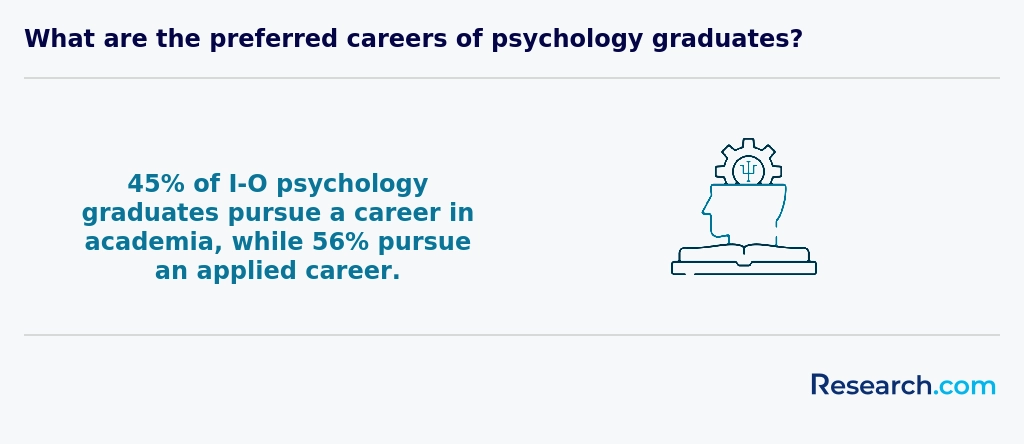
For many graduates completing an online master’s in psychology, the next step in expanding their expertise and career opportunities is pursuing a doctorate. Earning a terminal degree not only deepens your understanding of complex psychological theories and research methodologies but also opens doors to leadership roles, specialized clinical practices, and higher academic positions. Doctoral programs often provide rigorous training that emphasizes independent research, critical thinking, and advanced clinical skills, positioning graduates to become experts in their fields. Additionally, many prospective students are curious about the financial implications of advanced education. To explore this further and gain insight into educational costs and potential return on investment, you might consider reviewing details on how much is a doctorate in psychology. This resource offers a comprehensive guide to understanding the financial commitment and long-term benefits of obtaining a doctoral degree, ultimately helping you decide if pursuing advanced studies aligns with your professional goals. Whether you aim to work in clinical settings, contribute to academic research, or take on high-level administrative roles, evaluating the potential advantages of a doctorate alongside your master’s qualification is a vital step in planning a robust career trajectory in psychology.
Students enrolled in online psychology degree programs in Kansas, such as those offered by the University of Kansas or Wichita State University, frequently describe their courses as both challenging and engaging. Typical coursework begins with Introduction to Psychology, providing a broad understanding of key concepts that graduates often find useful in everyday life, such as understanding friends' behaviors or workplace dynamics.
Core classes like Research Methods and Statistics may initially seem daunting, but many students appreciate how these skills become essential when evaluating studies or interpreting data critically in professional settings. In courses such as Abnormal Psychology, graduates recall vivid case studies that deepen empathy for individuals with mental health disorders.
Electives reflecting Kansas' workforce needs-like counseling techniques or applied behavioral analysis-help students connect theory to practical applications in local mental health clinics or school settings. This blend of foundational topics with applied specializations forms a curriculum that current students praise for preparing them both intellectually and emotionally for career or further study.
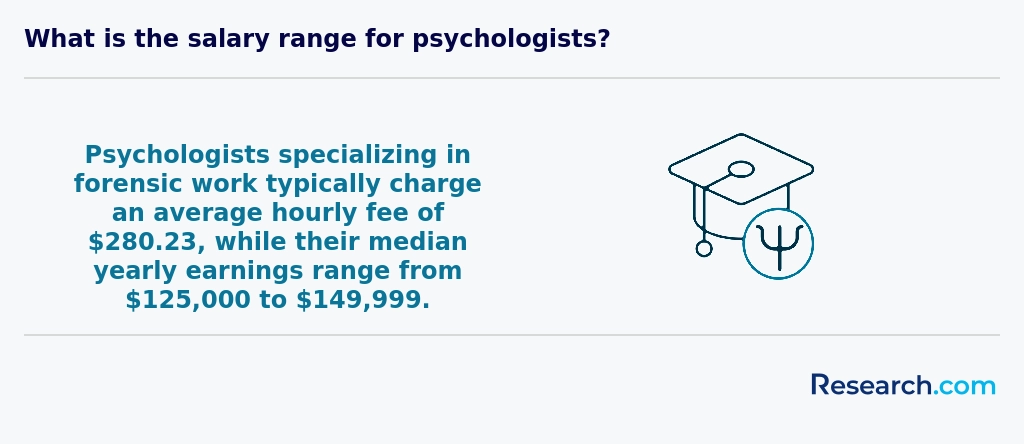
Students pursuing an online psychology degree in Kansas often encounter a range of specializations reflecting the field's diversity. Popular programs at institutions like the University of Kansas and Wichita State frequently offer clinical psychology, counseling psychology, industrial-organizational psychology, and school psychology. Graduates from these programs describe satisfaction in choosing areas that fit their career goals, such as helping children in school settings or improving workplace dynamics.
Exploring Kansas online psychology degree specializations in Kansas can also reveal less common tracks like forensic psychology or health psychology. These options appeal to students who want to integrate psychology with criminal justice or physical health, respectively, enriching their professional paths. Some graduates emphasize how these specialized programs helped them gain clarity and purpose.
Moreover, students focused on licensure appreciate that many Kansas online psychology graduate programs specialties align with state requirements, especially in counseling psychology. Those interested might refer to resources detailing the Georgia psychology license steps for comparison, highlighting how standards vary by location and affect career preparation.
Choosing the best online psychology program in Kansas requires weighing several factors that directly impact your education and career. Accreditation from bodies like the American Psychological Association (APA) or the Higher Learning Commission is crucial; graduates from programs at popular institutions like the University of Kansas often mention feeling confident about their degrees because of this recognition. Affordability also plays a significant role. Many students appreciate how public universities in Kansas offer competitive total costs-some between $8,000 and $15,000-making affordable online psychology degrees Kansas residents can realistically consider without enormous debt.
It's important to evaluate the curriculum's focus. For example, some graduates from Fort Hays State University highlight their program's strong emphasis on clinical psychology and internship opportunities, which aligned well with their licensure goals. Speaking of licensure, ensuring that programs comply with Kansas Behavioral Sciences Regulatory Board standards prepares you for required supervised hours. Many students find reviewing state-specific guidelines helpful; for instance, referencing resources like South Carolina psychologist certification requirements offers comparative insights. Considering these practical concerns leads to more informed, fulfilling choices.

Graduates earning an online psychology degree in Kansas find several viable career paths, though choices often depend on additional qualifications and certifications. Many alumni from universities such as the University of Kansas and Wichita State highlight careers as licensed professional counselors, behavioral health technicians, or school counselors supporting student mental health within Kansas public schools. The flexibility of online psychology career options Kansas allows graduates to work in social services or educational settings close to home, enriching community well-being.
Further specialization often involves pursuing doctoral degrees to become licensed clinical psychologists, as Kansas requires advanced certification and supervised hours. Some graduates combine their degree with roles in human resources or organizational psychology, improving workplace environments and employee wellbeing in local businesses, thus demonstrating the degree's adaptability. For those interested in research, positions as research assistants in regional academic institutions provide hands-on experience contributing to psychological studies.
It is important, however, to acknowledge the challenges in earning licensure and securing positions with competitive requirements. Graduates have found that understanding the tennessee lpc application process helped clarify steps applicable to Kansas licensing pathways, improving their preparedness and confidence. These real-life insights emphasize that actively engaging with state regulations and gaining practical experience crucially influences the success of online psychology degree job prospects Kansas offers.

The job market for online psychology degree graduates in Kansas shows steady promise, particularly as demand for mental health professionals grows. Graduates from popular universities or colleges in Kansas often share how their programs helped them meet licensing requirements, including supervised clinical hours, leading to roles like licensed professional counselors or school psychologists. Many appreciate the flexibility and affordability of online education, which fits well with their busy schedules.
Kansas employers tend to recognize accredited online degrees, especially when graduates meet state licensure standards. This acceptance supports positive experiences for those entering the field, as they find opportunities in schools, mental health centers, or private practice settings. Exploring various careers, such as behavioral health technician or human resources specialist focused on organizational psychology, is common among these graduates.
Salaries start modest but increase with experience, reflecting industry norms. For those researching sustainable options, the most affordable psychology schools in Kansas offer programs that balance cost and quality for long-term career growth. Such insights are essential when evaluating online psychology degree job opportunities in Kansas.
2027 Most Affordable Online Master's in Psychology Degree Programs Ranking in Kansas
Investing in your education is a significant decision that can shape your future, and the Research.com team recognizes the importance of making well-informed choices. To support prospective students in Kansas, we have carefully developed the "2027 Most Affordable Online Master's in Psychology Degree Programs Ranking in Kansas." Our dedication to quality, credibility, and accuracy is demonstrated through thorough research and analysis behind this ranking.
We utilized the following reputable data sources to ensure a comprehensive evaluation of affordable psychology programs:
By exploring this ranking, readers will gain valuable insights into affordable, accredited online master's psychology programs in Kansas, empowering them to make confident, informed decisions about their education. For more details on how the ranking was created, please visit our Research.com methodology page.

# 2 position
Kansas State University
Master of Psychology with an emphasis in Industrial and Organizational Psychology

Frequently Asked Questions About psychology
Online psychology degree students in Kansas can enhance their learning by actively engaging with digital course materials and participating in virtual discussions. Utilizing university-provided resources like online libraries and tutoring services helps deepen understanding. Scheduling regular study times supports time management, which is essential for balancing coursework with personal and professional responsibilities.
Kansas students benefit from connecting with local professional psychology organizations, such as the Kansas Psychological Association, to gain networking opportunities and current industry insights. Additionally, seeking internships or practicum placements within Kansas can provide practical experience, strengthening theoretical knowledge. According to the Bureau of Labor Statistics, the local demand for psychologists is expected to grow 6% through 2032, underscoring the importance of hands-on learning.
The psychology field is rapidly evolving with several emerging niches attracting attention across the United States, including Kansas. One growing area is neuropsychology, which explores the connection between brain function and behavior. This specialization meets increasing demand as awareness of neurological disorders rises.
Another expanding niche is telepsychology, especially relevant in Kansas where rural communities benefit from remote mental health services. The COVID-19 pandemic accelerated acceptance of virtual therapy, creating new career opportunities.
Additionally, forensic psychology is gaining ground, with Kansas criminal justice agencies seeking experts to assist in legal cases and rehabilitation programs.
Finally, industrial-organizational psychology is growing due to employers focusing on workplace mental health and productivity. According to the Bureau of Labor Statistics, Kansas expects a 7% growth in psychology-related jobs through 2030, reflecting these trends.
Preparing for the job market after completing an online psychology degree in Kansas involves strategic steps to enhance employability. Start by obtaining relevant licensure, as many psychology roles in Kansas require state certification or registration through the Kansas Behavioral Sciences Regulatory Board.
Gain practical experience through internships or supervised clinical hours, which are often prerequisites for advanced positions. Networking is crucial; joining professional organizations like the Kansas Psychological Association can connect you with local employers and industry updates.
Tailor your resume to highlight skills in research, assessment, and counseling, as demand in Kansas includes behavioral health and school psychology sectors. Additionally, stay informed about Kansas-specific labor market trends via the U.S. Bureau of Labor Statistics for targeted job searches.
Employers in Kansas highly value psychology graduates who demonstrate strong analytical and critical thinking skills. These professionals must be capable of interpreting complex behavioral data to support evidence-based decisions. Communication is also essential; being able to clearly explain findings to clients or colleagues is a common requirement in many psychology roles.
In addition, proficiency in research methodology and statistical analysis is crucial. According to data from the Bureau of Labor Statistics and the Kansas Department of Labor, job postings increasingly emphasize these technical abilities for psychology graduates.
Interpersonal skills and cultural competence are equally important in Kansas, reflecting the state's diverse population. Graduates who can adapt approaches to varied communities tend to stand out.
Finding internships in Kansas related to a psychology degree involves several key steps. Start by contacting your university's career services or internship office, as many online psychology programs maintain local partnerships with Kansas mental health clinics, hospitals, and counseling centers. The Kansas Psychological Association provides resources and listings for internship opportunities within the state. Additionally, consider reaching out directly to organizations such as the Kansas Department for Aging and Disability Services or The Guidance Center, which often offer psychology internship placements. Networking at professional events and utilizing platforms like Handshake can also connect students to local internship options specific to Kansas psychology fields.
Obtaining an online psychology degree in Kansas can significantly enhance career mobility and advancement. The Kansas Department of Labor reports that employment for psychologists in the state is projected to grow by 11% from 2020 to 2030, reflecting a strong demand for mental health professionals.
With an accredited online degree, graduates meet educational requirements needed for licensure and certification. This opens opportunities in clinical settings, schools, and human services agencies throughout Kansas.
Online programs also provide flexibility, allowing professionals to balance work and study, which can lead to faster career progression. Earning a master's in psychology often results in higher salaries-Kansas psychologists typically earn a median annual wage above $80,000, according to the U.S. Bureau of Labor Statistics.
Furthermore, advanced degrees often qualify individuals for supervisory roles, specialized therapy positions, or academic careers, broadening professional options within the state.
Studying for an online psychology degree in Kansas equips students with a broad understanding of human behavior alongside skills applicable across various fields. Programs often emphasize collaboration, critical thinking, and research methods relevant to disciplines such as healthcare, education, and social services.
Kansas higher education institutions frequently integrate interdisciplinary coursework, which prepares graduates for roles that require working with diverse teams. According to the Kansas Board of Regents, psychology graduates are increasingly employed in settings that blend mental health, business, and community outreach.
This educational approach supports adaptability, allowing students to meet the evolving demands of interdisciplinary careers efficiently.
Choosing between a thesis and a non-thesis online psychology degree program in Kansas depends largely on your career goals and learning preferences. A thesis program involves conducting original research, which can be beneficial if you plan to pursue doctoral studies or a research-focused career. According to the American Psychological Association, thesis options often require a commitment to rigorous study and writing.
Non-thesis programs typically emphasize coursework and practical application, better suited for students aiming for professional roles like counseling or applied psychology. Kansas State University and other institutions often offer both tracks online, allowing flexibility.
Consider also faculty mentorship availability and time commitment, as thesis projects usually extend program duration.
Students based in Kansas seeking to study psychology abroad through online programs have limited direct options due to state licensing and accreditation requirements. Most Kansas residents pursue degrees from U.S.-accredited institutions that offer flexible online formats rather than enrolling in foreign universities. This preference is partly because psychology licensure in Kansas requires degrees from regionally accredited schools recognized by the Kansas Behavioral Sciences Regulatory Board.
While international schools may offer psychology courses online, credits often do not transfer easily to Kansas programs. According to the Kansas Board of Regents, maintaining state licensure eligibility is critical, which influences students toward U.S.-based online master's programs.
Therefore, Kansas learners are better positioned to focus on nationally recognized online psychology degrees that meet state standards instead of studying abroad online.
Students pursuing an online psychology degree in Kansas can benefit from various part-time jobs that provide practical experience and complement their education. Common roles include behavioral health technicians and mental health aides, positions often available in hospitals and community mental health centers across the state. According to the Kansas Department for Aging and Disability Services, these roles help students develop skills in patient interaction and therapeutic support.
Other opportunities include research assistant positions at universities such as the University of Kansas and Kansas State University, where students can engage in data collection and analysis related to psychological studies. These roles not only strengthen research skills but also build professional networks.
Additionally, crisis hotline volunteers offer valuable experience in active listening and crisis intervention. The Kansas Suicide Prevention Hotline often recruits volunteers, providing flexible schedules suited for students. These part-time jobs can enhance both practical knowledge and future employment prospects in the psychology field.
Online psychology students in Kansas have a number of networking opportunities despite the remote format of their studies. Many universities offer virtual events, guest lectures, and career fairs where students can connect with faculty, alumni, and local professionals in psychology. For example, institutions like Fort Hays State University provide access to online student organizations and psychology clubs which promote peer interaction and professional growth.
In addition, Kansas is home to the Kansas Psychological Association, which hosts conferences and workshops accessible to students. These events allow students to engage with practicing psychologists and stay informed about local industry trends.
Moreover, internship placements and practicum connections often occur within Kansas health systems and community centers, facilitating valuable in-person networking. According to the Bureau of Labor Statistics, Kansas employs over 3,000 psychologists, making it a viable state for building local professional relationships during or after online studies.
Alumni networks play a crucial role for online psychology degree students in Kansas. These networks provide valuable professional connections that can help graduates find internships, job placements, and collaborative research opportunities. According to the Kansas Board of Regents, psychology graduates often leverage alumni contacts to enter the state's growing mental health sector, which is expected to grow by 10% through 2030. Networking with alumni also offers mentorship, helping students navigate certification requirements and licensure processes specific to Kansas. In addition, alumni groups often share regional job market trends and continuing education resources, which are vital for career advancement in psychology.
In Kansas, many online psychology degree programs offer flexible curricula to help students tailor their education to specific career goals. Customization typically includes selecting electives or specializations such as clinical, counseling, or industrial-organizational psychology. This approach allows learners to gain targeted skills essential for their desired profession.
Students often benefit from practicum or internship options, which provide practical experience aligned with regional licensing requirements. Kansas' Board of Psychology outlines specific supervised hours needed for licensure, influencing program choices.
Additionally, some programs encourage independent research projects or thesis work, enabling deeper focus on particular topics of interest. Checking each university's course offerings and alignment with Kansas state standards is essential for informed decision-making.
Online psychology students in Kansas often face several challenges that can impact their academic success. One common issue is limited access to local internships and practicum placements, which are crucial for gaining hands-on experience required by many psychology programs. Kansas regulations for licensure also mandate supervised hours that may be harder to complete remotely.
Connectivity and technology problems pose additional hurdles, especially in rural areas where internet service can be inconsistent. According to the Kansas Department of Education, about 14% of rural households still lack high-speed internet, which affects online learning reliability.
Furthermore, maintaining motivation and managing time effectively in a virtual environment can be difficult for many students balancing work, family, and study commitments.
With an online psychology degree in Kansas, graduates can pursue various professional certifications to advance their careers. One prominent certification is the Licensed Professional Counselor (LPC), which requires a master's degree in psychology or a related field and supervised clinical experience. The Kansas Behavioral Sciences Regulatory Board oversees LPC licensure.
Another option includes the Certified Addiction Counselor (CAC), relevant due to Kansas's increasing focus on behavioral health. This certification aids professionals working with substance abuse issues. Additionally, school psychologists can seek the National Certified School Psychologist (NCSP) credential, beneficial for those aiming to work in educational settings.
Each certification has specific requirements linked to education, experience, and state exams. For updated details, consult the Kansas Behavioral Sciences Regulatory Board and the National Association of School Psychologists.
Writing a winning application for an online psychology program in Kansas requires careful attention to detail and clear demonstration of your academic and professional readiness. Start with a strong personal statement that highlights your passion for psychology and connects your goals with the program's strengths. Kansas institutions, such as the University of Kansas, often seek candidates with relevant experience or volunteer work in behavioral health.
Include transcripts that show a solid academic record, especially in psychology or related fields. Some programs may require minimum GPA thresholds, commonly around 3.0. Additionally, secure strong letters of recommendation from academic or professional mentors who can attest to your skills and dedication.
Online psychology programs in Kansas typically emphasize understanding research methods and ethical practice, so mention any research experience or familiarity with ethical standards from sources like the American Psychological Association. Finally, ensure all application materials are submitted before deadlines, usually between December and March for fall admission.
The psychology career field is recognized globally for its diverse applications in mental health, education, and human services. In the United States, including Kansas, psychology professionals are increasingly valued for their role in addressing mental health challenges, especially as demand for licensed psychologists grows. According to the U.S. Bureau of Labor Statistics, psychology-related occupations are projected to grow 8% nationally from 2021 to 2031, reflecting a steady demand that aligns with global health priorities.
Internationally, psychology careers also emphasize cultural competence and adaptability, skills important for practitioners working in diverse communities. For Kansas students, pursuing an online psychology degree offers access to curriculum that reflects these global trends, preparing graduates for both local and broader opportunities.
Gaining practical experience while studying for an online psychology degree in Kansas is essential for skill development and future employment. Many accredited programs encourage internships, which students can complete at local agencies, hospitals, or counseling centers. These opportunities provide hands-on experience in clinical, research, or community settings. Students may also engage in supervised practicums, often coordinated by their online school's career services.
Kansas has multiple organizations, such as the Kansas Psychological Association, that offer networking and mentorship opportunities to help students connect with professionals. According to the Bureau of Labor Statistics, applied experience significantly improves job prospects in psychology fields within Kansas.
Choosing the right concentration within an online psychology degree program in Kansas depends on your career goals and interests. Kansas offers concentrations such as clinical psychology, counseling, and industrial-organizational psychology, each leading to distinct career paths.
Consider labor market trends: the Kansas Department of Labor reports a steady increase in demand for mental health counselors and industrial-organizational psychologists through 2030. Clinical concentrations prepare students for licensure, which requires specific coursework and supervised hours.
Review program accreditation to ensure it meets standards set by the American Psychological Association (APA) or the Kansas Behavioral Sciences Regulatory Board, essential for licensure.
Finally, analyze curriculum details, faculty expertise, and available practicum opportunities to align your education with your targeted field.
- 2027 Most Affordable Online Master's in Psychology Degree Programs Ranking in Missouri
- 2027 Most Affordable Online Master's in Psychology Degree Programs Ranking in Texas
- 2027 Most Affordable Online Master's in Psychology Degree Programs Ranking in Alabama
- 2027 Most Affordable Online Master's in Psychology Degree Programs Ranking in Indiana
- 2027 Most Affordable Online Master's in Psychology Degree Programs Ranking in Florida
- 2027 Most Affordable Online Master's in Psychology Degree Programs Ranking in Ohio
- 2027 Most Affordable Online Master's in Psychology Degree Programs Ranking in Virginia
- 2027 Most Affordable Online Master's in Psychology Degree Programs Ranking in Pennsylvania
- 2027 Most Affordable Online Master's in Psychology Degree Programs Ranking in New York
- 2027 Most Affordable Online Master's in Psychology Degree Programs Ranking in Massachusetts
See What Experts Have To Say About Studying Psychology
Read our interview with Psychology experts

Elizabeth L. Jeglic Ph.D.
Psychology Expert
Professor of Psychology
City University of New York

Robin M. Kowalski. Ph.D.
Psychology Expert
Professor of Psychology
Clemson University

Catherine Caldwell-Harris, Ph.D.
Psychology Expert
Associate Professor of Psychology
Boston University

- Have You Found a Niche? https://www.apaservices.org/practice/business/marketing/building/niche
- Best Online and Campus Psychology Schools in Kansas https://www.psychologydegree411.com/schools/kansas/
- How To Find Psychology Internships https://www.psychology.org/resources/how-to-find-an-internship/
- Know more about thesis vs non- thesis: what is the difference? https://studyfans.com/en/blogs/816
- 4 Psychology Certifications with a Bachelor’s | University of Bridgeport https://www.bridgeport.edu/news/bachelors-in-psychology-certifications/
- Most Popular Online Psychology Degrees 2025 https://www.onlineu.com/degrees/psychology
- Study Psychology Abroad https://astarfuture.co.uk/study_psychology_abroad.html
- Study Psychology Abroad | Go Overseas https://www.gooverseas.com/study-abroad/psychology
- Psychology degree online programs in Kansas https://www.onlinepsychologydegrees.com/states/kansas/
- Community Psychology in Global Perspective http://siba-ese.unisalento.it/index.php/cpgp


