2027 Most Popular Psychology Degree Programs Ranking in Manchester

Co-Founder and Chief Data Scientist
Choosing the right psychology degree program in Manchester can shape your future career and personal growth. This article introduces the 2027 Most Popular Psychology Degree Programs Ranking in Manchester, developed by the Research.com team of data scientists to guide you toward the best options available.
By exploring this ranking, you'll gain insight into programs that match your interests and goals. Pursuing a psychology degree offers meaningful opportunities to understand human behavior and make a positive impact in society.
Take a confident step toward your educational journey with informed choices that inspire success and fulfillment.
Key benefits of getting psychology degree in Manchester
- Graduates with a psychology degree can earn competitive salaries; for example, a Human Resources Specialist makes a mean annual wage of $76,060, while a Marketing Research Analyst earns about $83,190.
- Career paths are diverse, ranging from clinical research to marketing analysis, as seen in graduates from popular Manchester universities who find roles in healthcare, education, and business sectors.
- Online psychology degrees offer flexibility and convenience, allowing graduates to balance studies with life and work, which many online learners from Manchester universities appreciate for advancing careers without relocating.
- 2027 Most Popular Psychology Degree Programs Ranking in Manchester
- What can I expect from psychology degree in Manchester?
- Where can I work with psychology degree in Manchester?
What can I expect from psychology degree in Manchester?
Most students studying psychology in Manchester can expect to pay around £9,250 per year if they're classified as UK or EU students, which usually applies if you have settled status or other qualifying conditions. For international students, like many Americans, the fees tend to be higher - typically around £18,000 to £22,000 per year at big names like the University of Manchester or Manchester Metropolitan University.
One graduate I heard about shared how they felt the fees were worth it because the courses dive deep into both the science and practical side of psychology. They loved the hands-on labs and being part of actual research projects, which really brought the big theories to life.
While the price might feel steep at first, lots of students felt supported by scholarships, bursaries, and part-time jobs acting as a great cushion. Plus, the strong focus on research and real-world skills often made the cost feel like an investment toward a fulfilling career in psychology.
Where can I work with psychology degree in Manchester?
If you've got a psychology degree from a place like the University of Manchester or Manchester Metropolitan University, you've got loads of options right in your backyard. Many grads land jobs with the NHS here in Manchester, working as clinical or counseling psychologists, helping people through mental health challenges. It's pretty rewarding knowing you're making a real difference in your community.
Some grads dive into research roles at local universities, supporting projects about how our brains work or how we develop-perfect if you're curious and love digging into data. I've heard from recent graduates who find these roles super exciting because they get to work alongside passionate academics and really push the boundaries of what we know about psychology.
On the flip side, lots of grads also find great gigs in business, like helping companies with employee wellbeing or figuring out what makes customers tick. Manchester's vibrant business scene is eager for psych graduates who can bring those people skills to the table.
And don't forget about social services or schools, where you can support vulnerable people or become a school counselor. It's a mix of teamwork and real human connection that many psychology grads find really fulfilling.
If you're studying psychology in Manchester-say at the University of Manchester or Manchester Metropolitan-you might be wondering, "How much can I really make after graduating?" Entry-level roles like research assistants or support workers usually start around £20,000 to £25,000 a year, which is decent while you're gaining experience. Graduates often share how starting out in these jobs gave them a solid foundation.
For those keen on moving up, clinical psychology is where the salary really picks up. New clinical psychologists fresh out of their doctorate programs can expect between £31,000 and £40,000. Imagine working at an NHS hospital-lots of graduates mention how rewarding the role feels both professionally and financially.
Looking at US salary data can also give some perspective: human resources specialists with a psychology background earn a mean annual wage of $76,060, and marketing research analysts make about $83,190. So if you land a role linked to research or HR, those figures can sound pretty motivating for your career planning.
- Tuition fees for psychology degrees in Manchester range from £14,000 to £22,000 per year for international students.
- Living expenses in Manchester average around £9,000 annually, covering accommodation, food, and transport.
- Entry-level salaries for psychology graduates typically range from £23,000 to £28,000 per year, with mid-career pay between £35,000 and £45,000.
- Clinical psychology specialists can earn over £50,000 annually, depending on accreditation and training.
- Manchester has diverse employers such as hospitals, NHS trusts, and research organizations offering job opportunities in psychology.
- Students can access internships, volunteer roles, and networking events to support professional growth in psychology.
Finishing a psychology degree in Manchester usually takes three years if you're studying full-time. Graduates from places like the University of Manchester and Manchester Metropolitan University often share how those three years fly by, packed with learning everything from cool psychological theories to hands-on research skills. It's pretty common to find students balancing social life and studies while diving into fascinating projects, which makes the time feel well spent.
If you're thinking of going part-time, expect to stretch things out to about six years, which works great if you need to juggle work or other commitments. For those aiming higher, a master's degree typically wraps up in one year full-time, or two years part-time, while doctoral programs take around three to four years, filled with research and clinical work that really prepare you for the professional world.
People often say the supportive vibe at Manchester's universities helps make the journey smoother and way more enjoyable, especially knowing the courses are British Psychological Society approved - a big plus for career-ready skills.
For many psychology graduates in Manchester, NH, understanding licensure and certification requirements is essential for launching a successful career. This section provides insights into the necessary steps for obtaining professional credentials that validate your expertise. Aspiring clinicians should note that pursuing additional qualifications through accredited programs can lead to quicker entry into the workforce. For example, some graduates have accelerated their journey by choosing accredited 2 year psyd programs, which are designed to blend academic rigor with practical experience. Key elements to consider include:
- The specific licensure requirements vary by state, and it is important to check local guidelines to ensure you meet all necessary criteria, such as accredited graduate coursework and supervised clinical hours.
- Certification from reputable organizations can enhance your credibility, make you a competitive candidate, and open up further career opportunities in areas like clinical practice, counseling, or research.
- Continuing education is not limited to the pre-license phase; many professionals pursue advanced certifications or specialized training throughout their careers to stay current with industry advancements and emerging therapeutic techniques. By planning your path early and taking advantage of these educational opportunities, you can not only meet the professional standards required for licensure but also enjoy a rewarding career that fosters both personal growth and community impact.
If you're wondering about the real difference between online and on-campus psychology degrees in Manchester, it's all about how you experience learning and daily life. On-campus programs, like those at the University of Manchester, mean you're right there in the thick of things-attending live lectures, chatting with classmates over coffee, and using the campus labs. Graduates often say this hands-on approach made clinical practice feel much more real and boosted their confidence in ways nothing online could replicate.
On the flip side, online courses give you the freedom to study whenever and wherever you want. This works great if your job or life outside school is hectic. Some Manchester locals juggling work found video lectures and digital forums flexible enough to fit into their busy days. Plus, they saved on commuting and housing costs, which can be a relief for many. But remember, if you're studying online from the US or Manchester, you'll likely need to arrange your own local clinical placements.
Overall, the choice depends on how you like to learn and manage your time in a city full of opportunities.
Before launching your career, it’s essential to understand the state-specific licensure pathways that validate your expertise and allow you to practice legally in Manchester, NH. For psychologists, New Hampshire requires a doctoral degree (PhD or PsyD) in psychology, completion of at least 1,500 supervised clinical hours, and a passing score on the Examination for Professional Practice in Psychology (EPPP). Aspiring mental health counselors must hold a master’s degree in counseling or a closely related field, accrue 2,000 supervised clinical hours post-graduation, and pass the National Clinical Mental Health Counseling Examination (NCMHCE). Social workers seeking clinical licensure (LCSW) need a Master of Social Work (MSW), 3,000 supervised hours, and successful completion of the Association of Social Work Boards (ASWB) clinical exam. The New Hampshire Board of Mental Health Practice oversees all licensing processes, including application submission, verification of supervised experience, and exam administration. Applicants should prepare official transcripts, letters of supervision from accredited clinicians, and fee payments at least 60 days before their intended practice start date. Once licensed, professionals must renew their credentials biennially and complete a minimum of 40 continuing education credits, with topics spanning ethics, cultural competence, and evidence-based interventions. Staying current with these requirements not only ensures compliance but also signals to employers and clients your commitment to ongoing professional growth. For those considering alternative routes into therapeutic roles-such as coaching or peer counseling without a psychology degree-explore resources on how to become a therapist without a degree. Understanding these diverse pathways helps you make informed decisions about your education, accreditation, and long-term career trajectory in Manchester’s evolving mental health landscape.
The average cost of a psychology degree in Manchester tends to hover around $33,000 for international students, which many graduates find to be a solid investment considering the vibrant academic environment at places like the University of Manchester and Manchester Metropolitan University. These universities are pretty popular among psychology students who often mention how the quality of teaching and research opportunities add real value, making the tuition feel worthwhile despite the upfront cost. When you think about the psychology degree tuition fees Manchester students face, it's important to factor in living expenses, which many say are manageable and comparable to other UK cities.
Many US-based students share that while tuition might seem a bit higher than some public universities back home, the cultural experience and wide range of psychology courses available make it exciting and rewarding. Some graduates talk about balancing part-time jobs and scholarships to help with the costs, which makes the overall experience feel more accessible. Living in Manchester also means you get to enjoy a lively city with plenty of affordable options for social life and study spots, which helps keep the budget flexible.
For a closer look at options and how to manage the investment, it's worth checking out popular psychology programs that offer resources or financial advice. You might find some helpful tips by exploring popular psychology programs in Manchester to see which one fits your goals and budget best.
- University of Manchester (Rank 1): BPS-accredited BSc with optional placement year, cutting-edge research labs, and top graduate employment rates.
- Manchester Metropolitan University (Rank 2): Applied psychology focus with strong industry partnerships for clinical placements and community projects.
- University of Salford (Rank 3): Emphasis on developmental and neuropsychology modules, hands-on lab sessions, and dedicated student mentorship.
If cost is a key factor, explore the cheapest psychology degree online.
If you're eyeing a psychology degree in Manchester, grabbing financial aid isn't as tricky as it might seem. Students from places like the University of Manchester or Manchester Metropolitan often share how federal aid, like FAFSA, opens doors to grants and loans that really take the sting out of tuition costs. For example, Pell Grants offer solid need-based support that doesn't have to be paid back, which feels like a huge relief when juggling bills.
Lots of grads mention scoring scholarships through their uni-either for rocking their grades or specific psychology interests. Assistantships are another cool path; they often come with stipends or tuition breaks, perfect for grad students diving deep into research or teaching.
Some have even worked part-time through work-study programs focused on psychology research or admin roles on campus. It's not a fortune, but it keeps things manageable without piling on debt, which definitely eases the stress.
Looking into all this early and chatting with the uni's financial aid office makes a big difference-many aid options are waiting, you just have to know where to look!
Internships and research placements in Manchester deepen practical skills and professional networks:
- NHS placements (assistant psychologist, mental health support) for clinical exposure
- University research labs (neuroscience, social psychology) assisting ongoing studies
- Community organizations (Mind, local charities) applying social and counseling psychology
- Industry internships in HR, market research, and user experience roles
- Optional placement year or summer internships enhancing graduate employability
Students can also complement campus experiences with an online psychology degree, gaining access to virtual labs and remote research projects.
If you're eyeing a psychology degree in Manchester, the basics you'll need are pretty straightforward but important. Most universities here, like the University of Manchester or Manchester Metropolitan University, expect you to have finished secondary education comparable to UK A-levels. For US students, that means a solid high school diploma with good grades, especially in science or math. Graduates often say having a strong background in biology or social sciences really helps once you start the course.
English skills are a big deal too. International students usually need to show they can handle academic English through tests like IELTS, scoring around 6.5 to 7.0. One psychology graduate shared how prepping for the English test gave them extra confidence during seminars and group projects, making the whole experience way more enjoyable.
Many programs also want to see your passion-stuff like a personal statement or some psychology-related volunteer work can really set you apart. Letters of recommendation pop up a lot too, showing you're ready to thrive in the university vibe in Manchester.
Pursuing a psychology degree from a top-ranked program in Manchester, NH, can significantly enhance one's career prospects and personal growth. By exploring the popular psychology programs, prospective students can make informed decisions about their educational journey. Many graduates have expressed how their alma mater's reputation and rigorous curriculum played a crucial role in their success, from securing competitive salaries to finding fulfillment in their careers. The comprehensive education provided by these programs equips students with a deep understanding of human behavior, mental processes, and research methods, making them versatile candidates in various job markets. Furthermore, the networking opportunities and practical experiences offered by top-ranked programs can lead to valuable connections and a strong foundation for future academic or professional pursuits.
If you're diving into a psychology degree in Manchester, you'll quickly notice the courses cover all the essentials to give you a solid grounding. Students at popular universities like the University of Manchester or Manchester Metropolitan University usually start with core topics like cognitive psychology, where you explore how memory and learning work, or biological psychology, which connects brain function to behavior-imagine studying how your own brain reacts in stressful situations!
Many grads say they loved the mix of theory and hands-on research methods, diving into statistics and experiment design. It's not just textbook stuff; you actually get to collect data and analyze real results. Plus, you'll find modules on social psychology examining how people act in groups, or abnormal psychology that looks at mental health disorders-topics that often spark lively debates in class.
One cool thing about studying in Manchester is how practical it feels, especially when you get to link classroom lessons to real-life examples from the city's diverse communities. It makes learning about behavior and development much more relatable, like seeing theories come alive right outside your door.
If you're thinking about a psychology degree in Manchester, you'll find plenty of specializations to dive into. From clinical psychology, where graduates get hands-on experience with mental health treatment, to cognitive psychology, which explores how our brains process things like memory and perception, Manchester programs cover a lot. Many students love how these courses connect to real-world jobs, whether that's working in hospitals or tech firms focusing on AI. The city's top psychology programs Manchester specializations also include developmental psychology, which looks at how people grow and change through life, and social psychology, perfect for those interested in group behavior and marketing.
Some grads from well-known Manchester universities rave about specializing in forensic psychology, where they learn how psychology applies to legal cases, or health psychology, connected to helping people improve overall wellbeing. If you want to go deeper, many programs offer MSc or postgraduate diplomas, and you can even check out 2 year psyd programs for that extra boost.
- Clinical psychology
- Cognitive psychology
- Developmental psychology
- Social psychology
- Forensic psychology
- Health psychology
- Occupational psychology
When picking the best psychology degree programs in Manchester, it's all about finding a course that vibes with what you want to do. Graduates from places like the University of Manchester often say how the mix of theory and hands-on research, especially in areas like neuropsychology or mental health, made their studies feel real and exciting. You'll want to check if the program is accredited by the British Psychological Society-that's a big deal here.
Another thing several students mention is the practical side. Psychology courses in Manchester usually offer internships or placements with NHS trusts or local mental health centers, which really helps when you start job hunting or thinking about further study. If you're worried about costs, affordable psychology degrees Manchester-wide generally run between £16,000 and £22,000 a year, making it a sweet spot compared to the US. And if you're curious about alternative paths, don't miss out on exploring how to become a therapist without a degree.
Graduates with a psychology degree from universities in Manchester often find themselves exploring a mix of exciting career paths. Many jump into clinical psychology, working hands-on with patients to tackle mental health challenges. While becoming a licensed clinical psychologist requires more schooling, starting with a bachelor's in Manchester is a great stepping stone that opens doors nationwide. Others dive into counseling roles, where they support people managing emotional hurdles-often beginning in assistant positions at local mental health clinics or hospitals.
Jobs with psychology degree Manchester grads also include fascinating roles in research and academia. Many students from popular colleges here get involved in hands-on studies around behavior and cognition, making the experience both rewarding and inspiring. Some choose the business world, applying psychology to boost workplace vibes, recruitment, and user experience design. For those curious about advancing quickly, checking out 1 year graduate programs could be a smart move.
Graduates with a psychology degree in Manchester often find plenty of job opportunities in healthcare, education, and research, especially if they've studied at well-known places like the University of Manchester or Manchester Metropolitan University. Many have landed roles within the NHS, gaining hands-on experience in mental health services or rehabilitation, which feels really rewarding for those passionate about helping others. Some also step into educational psychology roles at local schools, supporting students' development, while others enjoy research gigs that push the boundaries of what we know about the mind.
Since the job market for psychology degree job opportunities Manchester is influenced by UK standards, US students sometimes discover they need extra certifications from the British Psychological Society. But once that's sorted, the steady demand means there's a good chance to build a career you actually look forward to. Plus, salaries typically start around £24,000-£30,000, which might be different from the US, but the experience and connections you gain are priceless.
Many graduates also explore different paths like working in human resources or organizational psychology within Manchester's thriving business community. If you're juggling tuition costs or unsure about certification hurdles, consider supplementing your skills with quick online certifications that pay well to boost your profile and job prospects.
2027 Most Popular Psychology Degree Programs Ranking in Manchester
Investing in your education is a significant decision that can greatly influence your future, and the Research.com team fully recognizes the importance of making well-informed choices. To support prospective students in Manchester, we have carefully developed the "2027 Most Popular Psychology Degree Programs Ranking in Manchester." Our dedication to quality, credibility, and accuracy is reflected in the thorough research and analysis performed to create this ranking.
We utilized the following reputable data sources to ensure a comprehensive evaluation of psychology degree programs:
By consulting this ranking, readers will gain valuable insights into the most popular psychology degree programs in Manchester, enabling them to make confident, informed decisions about their educational journeys. For a detailed explanation of how this ranking was developed, please visit our Research.com methodology page.


# 5 position
University of New Hampshire College of Professional Studies Online
Bachelor of Science in Psychology

Frequently Asked Questions About psychology
Psychology degree students in Manchester can maximize their learning by engaging deeply with both theoretical and practical components of their studies. Manchester's universities offer diverse research opportunities, allowing students to participate in ongoing projects, which enhances understanding of concepts in real-world settings. According to the British Psychological Society, gaining research experience during undergraduate studies improves graduate employability by 20%. Leveraging campus resources like psychology labs and libraries is vital for comprehensive learning.
Students should also seek internships or volunteer roles in local mental health organizations, strengthening applied skills and networking. Forming study groups can foster peer learning and enhance retention. Regular consultation with academic advisors ensures tailored guidance aligned with career goals.
Psychology in Manchester is experiencing growth in several emerging niches that reflect broader trends in the US as well. One key area is neuropsychology, which explores the link between brain function and behavior. This niche is gaining attention due to advances in brain imaging technologies.
Another growing field is health psychology, focusing on how psychological factors impact physical well-being. With rising chronic health conditions in the US, professionals trained in this area are increasingly in demand.
Additionally, forensic psychology is expanding as the criminal justice system looks to better integrate psychological insights. Data from the American Psychological Association highlights forensic psychology as one of the fastest-growing specialties nationwide.
Preparing for the job market after completing a psychology degree in Manchester requires strategic planning, especially for US-based students aiming to work within or beyond Manchester.
First, gaining practical experience through internships or assistantships is critical. In Manchester, institutions often collaborate with local clinics and research centers, offering valuable hands-on opportunities essential for employment.
Second, developing strong research and analytical skills enhances employability, as many psychology roles demand evidence-based decision-making.
Networking through university career services and psychology associations, such as the British Psychological Society, helps build professional connections.
Additionally, consider certification or licensure requirements if planning to practice clinically, which differ between the UK and US.
Employers in Manchester seek psychology graduates with strong critical thinking skills, enabling them to analyze complex behavioral data effectively. Communication skills are also vital, as graduates must convey psychological concepts clearly to diverse audiences.
Research proficiency is another key skill, with many roles requiring experience in designing studies and interpreting results. According to the British Psychological Society, practical knowledge of statistical software enhances employability.
Additionally, employers value adaptability and teamwork, given the collaborative nature of psychology work in clinical and organizational settings around Manchester.
Understanding ethical guidelines and maintaining professional integrity is essential, reflecting trustworthiness in sensitive environments.
Finding psychology internships in Manchester involves a mix of university resources, local organizations, and online platforms. Many universities in Manchester offer dedicated career services that connect students with placements in healthcare settings, research centers, and community mental health organizations. According to the British Psychological Society, practical experience is essential for psychology students aiming to become chartered psychologists.
Local NHS trusts and private clinics often provide internship opportunities tailored for psychology undergraduates. Additionally, students should explore online job boards like NHS Jobs or Health Careers, which regularly list relevant internships in Greater Manchester.
Networking through university psychology departments and attending local psychology conferences or workshops can also open doors to exclusive internship options in this competitive field.
A psychology degree in Manchester offers significant career mobility and advancement opportunities, particularly within the UK's large healthcare and social services sectors. Graduates often find roles in clinical, educational, and organizational psychology fields, with Manchester's strong academic and research institutions enhancing employability.
According to a 2023 report from the British Psychological Society, psychology graduates from Manchester universities have a 15% higher employment rate within six months post-graduation compared to the national average. This advantage partly stems from local partnerships between universities and health services.
Furthermore, a psychology degree provides a strong foundation for roles in counseling, human resources, and business analysis, where skills in understanding human behavior are valued. Manchester's growing mental health initiatives also create new pathways for career advancement with relevant qualifications.
Studying for a psychology degree in Manchester offers strong preparation for interdisciplinary roles, blending core psychological theories with practical approaches applicable in various fields. Manchester universities emphasize collaborative learning, involving courses that intersect with neuroscience, social work, and healthcare, reflecting the growing demand for professionals who understand multiple perspectives.
Many programs incorporate practical placements and research projects, allowing students to engage with real-world challenges alongside experts from medicine, education, and criminal justice. According to the Higher Education Statistics Agency (HESA), Manchester graduates in psychology showed a 15% above-average rate of employment in health and social care sectors.
This interdisciplinary training helps develop adaptable skills such as data analysis, critical thinking, and communication, valuable in diverse career paths across the U.S. and beyond.
When choosing between a thesis and a non-thesis psychology degree program in Manchester, consider your career goals. A thesis option involves conducting original research and writing a detailed paper, which suits students aiming for research roles or doctoral studies. According to the American Psychological Association, completing a thesis can enhance critical thinking and research skills.
Non-thesis programs typically focus on coursework and practical experience, appealing to those seeking professional roles without a research emphasis. The Bureau of Labor Statistics highlights that many psychology careers in Manchester value applied skills over research.
Your decision should also factor in time and workload, as thesis programs often take longer to complete.
Students based in Manchester who wish to study psychology abroad often consider US universities, given the country's diverse program offerings. Many US institutions provide undergraduate and graduate psychology degrees accredited by the American Psychological Association (APA), essential for professional recognition.
Exchange programs and study abroad partnerships between Manchester universities and US colleges allow students to spend a semester or a year in America. These opportunities enhance cultural experience while earning credits toward their degree.
According to the Institute of International Education, psychology remains among the top five fields for UK students studying in the US. Costs and visa requirements are important factors to research before applying.
Part-time job opportunities in Manchester that complement psychology degree education are diverse and valuable for gaining practical experience. Many students find positions as research assistants at local universities, such as the University of Manchester, which conducts extensive psychological research. These roles help develop data collection and analysis skills.
Clinical support roles in NHS facilities are also popular, offering exposure to mental health settings and patient interaction. Additionally, volunteering with community organizations like mental health charities can enhance interpersonal and counseling skills.
According to UK government data, over 15% of psychology undergraduates in Manchester engage in related part-time work, supporting their academic and professional growth.
Psychology students in Manchester benefit from a variety of networking opportunities that support academic and professional growth. The city hosts regular events through local branches of national psychology organizations, such as the British Psychological Society (BPS), which facilitate connections with peers and professionals.
Universities in Manchester often organize guest lectures, workshops, and career fairs inviting experts in various psychology fields. These events allow students to engage directly with practitioners and researchers, helping them build valuable contacts.
Additionally, Manchester's strong healthcare and research sectors offer internships and volunteer positions, providing practical experience and expanding students' professional networks in real-world settings.
Alumni networks provide valuable resources for psychology degree students in Manchester by creating connections with graduates who have navigated similar academic and career paths. These networks often offer mentorship opportunities, guiding current students through coursework and internship applications. A study by the British Psychological Society (BPS) notes that over 60% of psychology graduates find jobs through networking within alumni communities.
Students gain access to exclusive events such as workshops, lectures, and job fairs hosted by alumni groups, which can increase employability in competitive fields like clinical or counseling psychology. Furthermore, alumni often share insights on local job markets and graduate programs in Manchester, giving students a regional advantage.
Customizing a psychology degree in Manchester allows students to align their studies with specific career goals. Many programs offer elective courses in specialized areas such as clinical, cognitive, or developmental psychology. This flexibility helps tailor your learning experience to jobs in healthcare, education, or research.
Internships and placements are commonly available, giving practical experience and networking opportunities within Manchester's diverse psychological services. According to the British Psychological Society, nearly 70% of graduates find roles related to their specialty within two years.
Additionally, some universities in Manchester provide options for research projects and combined degrees, broadening career pathways in psychology.
Psychology students in Manchester commonly face challenges related to balancing rigorous academic demands with practical experience requirements. Many programs in the area emphasize research methodology and statistics, areas where students often report difficulties due to limited prior exposure. According to a recent survey by the British Psychological Society, nearly 40% of psychology undergraduates express concerns about mastering quantitative analysis.
Additionally, securing placements for clinical or research internships proves competitive, which can delay progression or limit hands-on learning opportunities. Financial pressures also impact students, as living costs in Manchester are rising, adding stress alongside academic workload. These challenges require effective time management and strong support networks to navigate successfully.
With a psychology degree, graduates in Manchester can pursue various professional certifications to advance their careers in the US. Common certifications include becoming a Licensed Professional Counselor (LPC), Certified Clinical Mental Health Counselor (CCMHC), or Board Certified Behavior Analyst (BCBA). These credentials require additional supervised experience and passing relevant exams.
Many certification programs require a master's or doctoral degree, but a bachelor's in psychology is often a first step toward these goals. According to the American Psychological Association, demand for certified counselors is expected to grow by 22% through 2030.
Local Manchester universities often provide guidance and resources to help students prepare for these certifications.
When applying for a psychology program in Manchester, a strong personal statement is essential. Emphasize your passion for psychology and connect it to your experiences or goals. UK universities value clarity and focus in applications, so avoid generic statements.
Highlight any relevant coursework, volunteering, or research, especially if linked to psychology or mental health. Manchester's psychology programs often look for applicants demonstrating awareness of current psychological theories and practices.
Include clear reasons for choosing a Manchester university, showing knowledge of its specific offerings. According to UCAS data, programs in Manchester have become more competitive, so demonstrating commitment and preparedness improves your chances significantly.
Lastly, ensure your application is error-free and seek feedback from educators familiar with UK higher education.
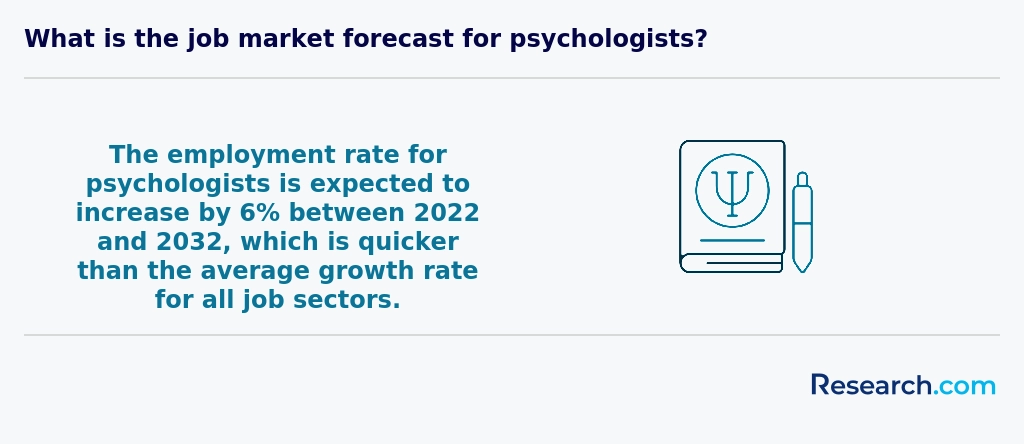
Psychology careers hold significant global appeal, with a growing demand for professionals who understand human behavior across cultures. In the United States, the Bureau of Labor Statistics forecasts a 8% growth in psychologist employment from 2022 to 2032, reflecting rising needs in healthcare, education, and corporate sectors. This trend is mirrored internationally by expanding mental health awareness and cross-cultural research collaborations.
For Manchester-based students, pursuing psychology offers a pathway into a global network of research and practice. The city hosts institutions partnered with US universities, fostering exchange opportunities. Graduates can expect to engage with diverse career options, including clinical, counseling, and industrial-organizational psychology, matching trends seen in American job markets.
Understanding psychological issues globally requires adapting to different social contexts, a skill developed in comprehensive UK programs. According to the Higher Education Statistics Agency (HESA), Manchester universities attract international students, creating a multicultural learning environment that enriches perspectives on psychology careers worldwide.
Gaining practical experience during a psychology degree in Manchester is essential for strengthening your skills and employability. Many universities offer placement opportunities within local healthcare settings, such as NHS trusts or mental health organizations, allowing students to observe and participate in real-life psychological practice. According to the British Psychological Society, over 70% of accredited programs in the UK, including those in Manchester, include work placements or internships as part of their curriculum.
Students can also join research projects led by faculty members, gaining hands-on experience in psychological experiments and data analysis. Volunteering with community support groups or local charities provides additional practical exposure and networking opportunities. These options help build a strong foundation for postgraduate studies or careers in psychology.
Choosing the right concentration within a psychology degree program in Manchester involves evaluating your career goals and interests. Popular concentrations include clinical, cognitive, developmental, and social psychology. Each focuses on different aspects of human behavior and mental processes.
In Manchester, universities often emphasize applied psychology fields due to strong ties with local healthcare and social service sectors. According to the British Psychological Society, clinical and counseling psychology remain top choices, aligning with growing mental health needs in the UK.
Consider internships and research opportunities offered with various concentrations, as hands-on experience is critical. Also, review faculty expertise and resources available, ensuring your program matches your aspirations.
- 2027 Most Popular Psychology Degree Programs Ranking in Boston
- 2027 Most Popular Psychology Degree Programs Ranking in Worcester
- 2027 Most Popular Psychology Degree Programs Ranking in Amherst
- 2027 Most Popular Psychology Degree Programs Ranking in Albany
- 2027 Most Popular Psychology Degree Programs Ranking in Bronx
- 2027 Most Popular Psychology Degree Programs Ranking in Queens
- 2027 Most Popular Psychology Degree Programs Ranking in New York
- 2027 Most Popular Psychology Degree Programs Ranking in Rochester
- 2027 Most Popular Psychology Degree Programs Ranking in Buffalo
- 2027 Most Popular Psychology Degree Programs Ranking in Cleveland
See What Experts Have To Say About Studying Psychology
Read our interview with Psychology experts

Joann Farrell Quinn, Ph.D., MBA
Psychology Expert
Director at the College of Medicine Department of Medical Education
Morsani College of Medicine

Catherine Caldwell-Harris, Ph.D.
Psychology Expert
Associate Professor of Psychology
Boston University

Robin M. Kowalski. Ph.D.
Psychology Expert
Professor of Psychology
Clemson University

- Study Psychology Abroad https://astarfuture.co.uk/study_psychology_abroad.html
- Student psychological helpline – challenges and (non) ... https://www.archivespp.pl/pdf-205962-131609
- Know more about thesis vs non- thesis: what is the difference? https://studyfans.com/en/blogs/816
- 476 jobs found for Clinical psychologist within 20 miles of Manchester https://www.jobs.nhs.uk/candidate/search/results
- Studying a Psychology degree at Wrexham University: A Student’s Perspective https://wrexham.ac.uk/blog/posts/studying-a-psychology-degree-at-wgu-a-students-perspective/
- A Guide to Psychology Internships | Psychology Degree Guide https://psychologydegreeguide.org/resources/internships/
- Discover Psychology Career Paths That Lead to Professional Success https://online.mountsaintvincent.edu/degrees/undergraduate/bachelor-psychology/careers-for-professional-success/
- Alumni Perspectives - Meet Our FPN Alumni https://www.aanmelder.nl/alumni-perspectives-june-2023
- Study Psychology Abroad | Go Overseas https://www.gooverseas.com/study-abroad/psychology
- Professional Networking For Psychologists | Psychology.org https://www.psychology.org/resources/professional-networking/