2027 Most Affordable Psychology Degree Programs Ranking in River Forest

Co-Founder and Chief Data Scientist
Choosing the right psychology degree program in River Forest can feel overwhelming. That's why the 2027 Most Affordable Psychology Degree Programs Ranking in River Forest was created by the Research.com team of data scientists-to help you make an informed choice.
This article highlights affordable options that won't compromise quality, saving you time and stress in your search. Whether you're starting your academic journey or looking to expand your expertise, a psychology degree opens doors to meaningful careers.
Discover programs that fit your goals and budget, and take confident steps toward a rewarding future.
Key benefits of getting psychology degree in River Forest
- Psychology degree graduates in River Forest can expect rewarding salaries, such as $76,060 annually for Human Resources Specialists and $83,190 for Marketing Research Analysts, reflecting strong earning potential.
- Career paths from a psychology degree include roles in clinical research, human resources, and marketing analytics, offering diverse options for graduates from local colleges.
- Online psychology degrees provide flexible learning schedules and often lower costs, making it easier for busy River Forest students to gain valuable skills and enter the workforce confidently.
- 2027 Most Affordable Psychology Degree Programs Ranking in River Forest
- What can I expect from psychology degree in River Forest?
- Where can I work with psychology degree in River Forest?
What can I expect from psychology degree in River Forest?
The average cost of earning a psychology degree in River Forest centers around the tuition rates at Concordia University Chicago, the primary local institution offering this program. Graduates often share how the investment in their education felt manageable thanks to competitive tuition compared to other private colleges in the Chicago area. Many found that combining scholarships, grants, and federal financial aid made their journey not only affordable but also deeply rewarding.
Picture yourself in small, engaging classes where professors frequently involve students in research and hands-on experiences. These settings provide immense value beyond the tuition, equipping you with practical skills and real-world internships that truly prepare you for careers or advanced study.
One graduate recalled how the financial support received allowed them to focus on building critical thinking and data analysis skills, crucial for licensing and professional success. Choosing to study psychology in River Forest means investing in a solid education while accessing resources that help ease the financial burden.
Where can I work with psychology degree in River Forest?
Graduates with a psychology degree in River Forest often find rewarding careers that tap into the village's unique blend of suburban life and proximity to Chicago. Many step confidently into roles at mental health clinics and counseling centers, applying what they learned while studying at local institutions to support individuals navigating real challenges every day. For example, graduates from well-known colleges often share how their internships at nearby hospitals opened doors to jobs as behavioral health technicians or case managers, roles that make a tangible difference in people's lives.
Schools in and around River Forest eagerly hire psychology graduates, especially those trained at respected programs who want to become school counselors or educational psychologists. These professionals help students thrive by addressing mental health and learning needs, which is deeply fulfilling and impactful. Graduates feel proud knowing they contribute to shaping positive futures.
Social service agencies are another vibrant path, where many find meaningful work supporting families and vulnerable groups. River Forest's location allows easy access to suburban agencies offering roles like social workers or substance abuse counselors, with competitive wages that reflect the importance of their work. Local nonprofits and businesses also value psychology graduates for their insight into human behavior and research skills, proving there are diverse, exciting paths for graduates right here.
Graduates with a psychology degree from schools in River Forest, such as those attending local colleges, often find diverse career paths that offer rewarding salaries. For example, entry-level roles like clinical research associates or survey researchers start with mean annual wages around $62,370, which is a solid foundation for new graduates eager to make a difference.
Those who pursue roles related to human behavior in business or social services may become human resources specialists, earning approximately $76,060 annually, balancing financial stability with meaningful work. Marketing research analyst positions also attract psychology graduates, with an average salary near $83,190, especially appealing to those who enjoy combining psychology with data analysis.
One graduate shared how starting as a research assistant inspired their transition into marketing research, a field that not only values their psychology background but also provides strong earnings and career growth. The vibrant River Forest community and nearby Chicago's opportunities support such career development, amplifying both income potential and professional fulfillment.
With dedication, your psychology degree from River Forest can translate into a career that supports your passion and your paycheck.
- Completing a bachelor's degree in psychology in River Forest typically costs between $30,000 and $45,000 for in-state students at public universities.
- Private or specialized programs may charge $50,000 or more, with additional expenses for textbooks, fees, and living costs.
- Entry-level psychology graduates in the area earn about $45,000 annually, with experienced professionals making $70,000 to $85,000.
- The local job market includes roles in clinical psychology, counseling, social work, research, and human resources.
- Licensure for clinical practice in Illinois requires a graduate degree, supervised hours, and passing state exams beyond the bachelor's level.
Completing a psychology degree in River Forest typically follows a clear timeline, but it's also a journey filled with growth and discovery. Most students pursuing a bachelor's degree at well-regarded local schools like Dominican University find themselves immersed for about four years, balancing general education with core psychology courses. These four years, though demanding, become a foundation where students connect theory with real-world human behavior.
Graduates who continue toward a master's degree often add two more years of focused study. Many recall how their time at nearby universities was a blend of advanced coursework and meaningful research-experiences that deepened their passion and prepared them for hands-on work in counseling or clinical settings.
For those driven to become licensed clinical psychologists, the doctoral path is a commitment of 4 to 7 years after the bachelor's degree. These years, spent at schools near River Forest, are intense but deeply rewarding, filled with supervised internships and research that students often describe as transformative, propelling them toward impactful careers serving others.
Choosing an accredited psychology program ensures your degree is recognized by employers, licensing boards, and graduate schools. In River Forest, IL, most reputable institutions hold regional accreditation from the Higher Learning Commission (HLC) and program-specific approval from the American Psychological Association (APA). APA accreditation is crucial if you plan to pursue licensure as a clinical psychologist, as it validates that your curriculum meets national standards for ethics, research training, and supervised practicum hours. Before applying, verify each program’s accreditation status on the institution’s website or the APA directory. Accredited programs typically include:
- A minimum of 1,500 supervised practicum hours
- Coursework in ethics, assessment, and intervention techniques
- Preparation for the Examination for Professional Practice in Psychology (EPPP) After graduation, you must complete state licensure requirements, which in Illinois include passing the EPPP and fulfilling a designated number of postdoctoral supervised hours. For those considering alternative or supplemental pathways, you can compare affordable online options in nearby regions by exploring the Most Affordable Online Bachelor's in Psychology Degree Programs Ranking in Pennsylvania. Ensuring accreditation and understanding licensure prerequisites will streamline your journey from student to licensed professional.
Choosing between an online and on-campus psychology degree in River Forest shapes not just your education but your entire experience. On-campus programs at local institutions like Dominican University offer vibrant face-to-face interaction, where graduates cherish lively discussions and hands-on labs that prepare them for real-world clinical settings. Imagine walking to campus counseling centers or joining research projects that deepen your understanding-this connection helps build strong professional networks essential for internships.
Conversely, graduates from online psychology programs appreciate the freedom to study flexibly around work or family. Many River Forest students have praised the ability to learn at their own pace while still meeting rigorous accreditation and clinical practicum requirements. Some programs even blend online study with short, immersive residencies nearby, making advanced training accessible without relocating. Ultimately, your perfect fit depends on your lifestyle and learning style, but both paths in River Forest equip you for licensure and a meaningful psychology career.
After completing your psychology degree, follow these key steps to secure professional licensure in Illinois:
- Earn Relevant Degree: A bachelor’s degree qualifies you for support roles; a master’s (e.g., counseling, clinical psychology) is required for licensure.
- Accumulate Supervised Hours: Complete 3,000–4,000 hours of supervised clinical experience under a licensed psychologist or counselor.
- Pass Licensing Exams: Successfully pass the Examination for Professional Practice in Psychology (EPPP) and any state-specific exams.
- Submit Application: Apply through Illinois Department of Financial and Professional Regulation, including verification of degree and supervised hours.
- Maintain and Renew: Fulfill continuing education requirements every two years to renew licensure.
Students aiming for a counseling license can consider an online masters in psychology to meet educational requirements efficiently.
The average cost of a psychology degree in River Forest depends largely on whether you attend as an in-state or out-of-state student. For most candidates, the median total cost stands around $50,438, with in-state students typically paying about $37,488. Graduates from local universities often reflect on how investing in their education felt substantial but worthwhile, especially when they landed meaningful roles in counseling and research soon after completing their degrees.
Many students pursuing affordable psychology degree programs River Forest appreciate the balance of cost and quality offered by public universities nearby. These institutions provide solid programs without the steep price tag of private colleges. For example, residents find it easier to manage expenses when they leverage in-state tuition benefits while living close to campus or commuting, allowing them to allocate funds toward materials and living costs.
Beyond tuition, students often mention budgeting for textbooks, materials, and fees, which can add roughly $1,000 to $2,000 annually. Living arrangements can also influence the overall investment; some students reduce costs by sharing housing or living off-campus. Strategically using financial aid, scholarships, and payment plans plays a crucial role in making the dream of earning a psychology degree practical and achievable.
If you're considering graduate studies, costs may increase, but with options like online counseling master's degree programs, you can find flexible and sometimes more affordable pathways to advance your career without sacrificing quality.
Choosing an accredited psychology program is the first critical step toward a valid license and a successful career. In River Forest, IL, prospective students should verify that their institution holds regional accreditation from bodies such as the Higher Learning Commission (HLC), and, for clinical tracks, programmatic accreditation by the American Psychological Association (APA). Graduates of non-APA-accredited master’s programs may still pursue licensure, but they often need supplemental coursework or supervised experience. After completing a bachelor’s degree from an HLC-accredited college, aspiring psychologists must enroll in a master’s or doctoral program that meets Illinois state board standards. Many students bolster their qualifications by pursuing an online masters in neuropsychology or other APA-aligned graduate degrees, which streamline eligibility for the Examination for Professional Practice in Psychology (EPPP). Key licensure steps in Illinois include:
- Earn a graduate degree from an APA-accredited or board-approved program.
- Accumulate at least 3,360 hours of supervised professional experience (including a 1,920-hour pre-doctoral internship).
- Pass the EPPP with a minimum scaled score of 500.
- Apply for licensure through the Illinois Department of Financial and Professional Regulation and complete any required jurisprudence or ethics exams. Maintaining licensure requires 40 hours of continuing education every two years, with at least three hours focused on ethics. By understanding these accreditation benchmarks and licensure requirements up front, River Forest students can make informed decisions that align academic investment with long-term professional goals.
Many psychology students in River Forest successfully ease their financial burden through federal aid by applying for FAFSA. This opens doors to Pell Grants, which can provide up to $7,395 annually without the worry of repayment. For example, graduates from local colleges often recall how federal work-study programs gave them valuable campus jobs that balanced income with experience in research labs or counseling centers.
Illinois residents studying psychology also benefit from state grants like the Monetary Award Program (MAP), which directly reduces tuition costs at in-state institutions. Students at River Forest's popular universities frequently share that these grants made pursuing their passions more accessible.
Institutional scholarships tailored to psychology majors or high achievers in academics and community service are common in the area. Many psychology students have seen these scholarships alleviate expenses, allowing them to focus on clinical internships and hands-on learning.
Private scholarships from organizations such as the American Psychological Association often support those committed to advancing in psychology, adding another layer to a strong financial aid foundation.
To find the most affordable psychology programs in River Forest, IL, students should consider several factors, including tuition costs, financial aid options, and the potential return on investment. One crucial step is to research and compare the costs of different programs, taking into account both in-state and out-of-state tuition rates. For instance, students can explore the cheapest psychology schools in illinois to identify institutions that offer quality education at an affordable price. Additionally, students should look into financial aid opportunities, such as scholarships, grants, and assistantships, which can significantly reduce the overall cost of their education. By carefully evaluating these factors and exploring affordable options, students can make informed decisions about their educational investments and set themselves up for success in their future careers.
To enroll in a psychology degree in River Forest, you'll need a solid foundation, starting with a high school diploma or GED. Graduates from popular local colleges often recall how their strong background in English and math helped them confidently tackle introductory psychology courses. It's more than just grades-it's about honing critical thinking and communication skills that professors here highly value.
Standardized tests like the SAT or ACT may still play a role in your application, although some schools now offer test-optional paths. One graduate shared how focusing on relevant prerequisite courses-biology, introductory psychology, and statistics-gave them a clear advantage when moving into advanced study.
For those aiming for graduate programs in River Forest, a bachelor's degree in psychology or a related field with a GPA of about 3.0 is often expected. Personal statements and recommendation letters are your chance to show passion and commitment. Embracing these prerequisites opens doors to exciting academic and professional opportunities right here in River Forest's vibrant psychology community.
In today’s dynamic job market, merging psychological expertise with business acumen is emerging as a powerful strategy for career growth. Students and graduates in River Forest, IL, increasingly recognize that incorporating business insights not only broadens career opportunities but also enhances problem-solving and leadership skills across industries. Developing an understanding of both human behavior and business strategies can lead to roles in organizational development, consultancy, and beyond. For instance, exploring what is business psychology degree can provide a pathway to careers that merge analytical research with strategic decision-making in corporate settings. This integrated approach equips graduates with a versatile skill set, fostering innovative thinking that benefits teams and drives organizational success. Emphasizing interdisciplinary learning and real-world application, this trend highlights the importance of continuous professional development and networking, ensuring that graduates remain competitive in an ever-evolving business landscape.
In River Forest, psychology degrees typically start you off with foundational courses like introduction to psychology, which one graduate fondly recalls as a window into understanding everyday human behavior-from why friends think differently to how memories influence decisions. These courses cover key areas such as cognitive, developmental, social, and abnormal psychology, laying the groundwork for deeper exploration.
Students also dive into research methods and statistics, essential for mastering the art of designing experiments and analyzing data-a skill highlighted by many graduates who found these classes vital for internships and research projects at local colleges.
- Biopsychology, linking brain functions to behavior, sparks curiosity about the mind-body connection
- Developmental psychology, illustrating human growth through real-life case studies from infancy to adulthood
- Social psychology, uncovering how people influence each other in communities like those around River Forest
- Abnormal psychology, teaching compassionate approaches to mental health challenges
- Cognitive psychology, explaining processes such as memory and perception through hands-on learning
- Psychological testing and assessment, preparing students to ethically evaluate intelligence and personality traits
Many River Forest programs also encourage electives like forensic or neuropsychology, inviting students to tailor their studies to passions sparked during class discussions or local internships. Graduates often speak about how these courses not only fuel academic growth but inspire real-world confidence in their future psychology careers.
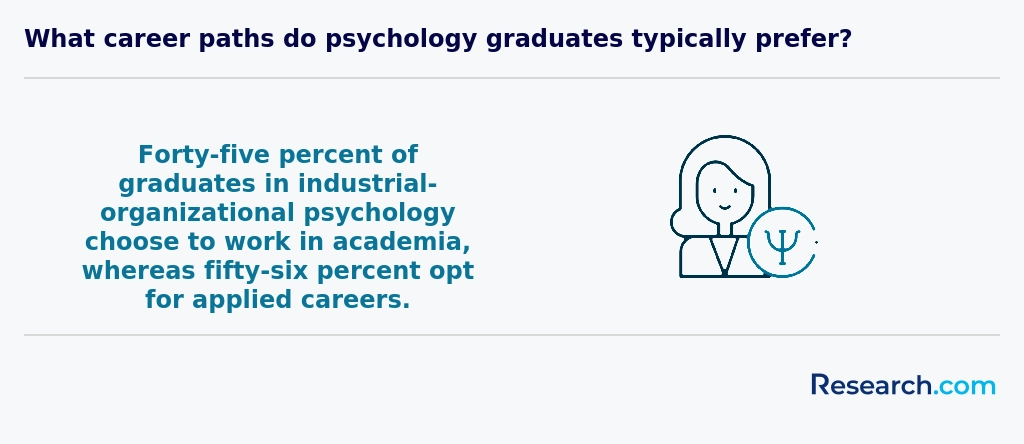
Students pursuing a psychology degree in River Forest discover a rich array of specializations that shape their career paths and personal growth. Popular River Forest psychology program concentrations include Clinical Psychology, where graduates engage deeply with diagnosing and treating mental health conditions, and Counseling Psychology, which trains students to support individuals through emotional and social challenges in schools and community settings. Others find inspiration in Developmental Psychology, exploring human growth across a lifetime, while Industrial-Organizational Psychology offers practical skills to enhance workplace motivation and performance.
Graduates from colleges near River Forest often share how Social Psychology opened their eyes to the impact of group dynamics on individual behavior. Forensic Psychology fascinates those eager to apply psychology within the legal system, a path that some local alumni have embraced with enthusiasm. Choosing the right specialization from the diverse options available empowers students to tailor their education in ways that resonate with their career dreams.
For those interested in exploring these options further, many turn to the top online psychology associate programs accredited as a flexible start to their studies.
When choosing the best psychology degree in River Forest, look closely at program accreditation and curriculum fit. Graduates from well-known local colleges often share how accredited programs, recognized by bodies like CACREP, provided them confidence in quality education and better job prospects. Besides accreditation, seek programs offering diverse specializations-clinical, counseling, or industrial-organizational psychology-so you can tailor your studies to your passions and career goals.
Cost is another vital factor, especially when exploring affordable psychology degree programs River Forest offers. Many students balance tuition with scholarships and financial aid to ease expenses. Consider also the class size and faculty support; smaller classes in River Forest colleges foster deeper connections and personalized guidance, which former students frequently praise as invaluable for their growth.
Practical experience matters too. Local institutions often provide internships or lab work tied to nearby clinics and hospitals, giving you a real edge. For those aiming to become licensed counselors, exploring opportunities like lpc training iowa can complement your degree path and broaden your professional horizon.

Graduates with a psychology degree in River Forest find themselves at the forefront of diverse and rewarding career paths. Many alumni from local institutions pursue roles as licensed therapists or counselors, applying their knowledge directly to help individuals overcome challenges. Those aiming for clinical psychologist positions often continue their studies for a doctorate while benefiting from nearby graduate programs in the Chicago metro area.
Others channel their degree into impactful roles like school psychologists supporting students' well-being or industrial-organizational psychologists optimizing workplace environments. Graduates keen on research or human resources thrive by integrating behavioral insights into real-world settings, demonstrating the versatility of psychology degree jobs in River Forest.
These experiences reveal how River Forest's academic environment, combined with proximity to Chicago's healthcare and research hubs, opens numerous doors. For those exploring career opportunities with psychology degree River Forest graduates often reflect on how their foundation empowered them to advance confidently in their chosen fields. To explore more about these options, check out careers with a psychology degree.
The job market for psychology degree holders in River Forest offers promising prospects rooted in its connection to the larger Chicago metropolitan area. Graduates from colleges nearby often find rewarding roles in hospitals, schools, or local businesses, applying their skills to improve mental health and workplace wellness. Many psychology students share how hands-on experiences in community clinics or district schools transformed their understanding, fueling passion for continued growth. This reflects a broader positive job outlook for psychology graduates River Forest, supported by growing awareness of mental health needs in the region.
Entry-level positions might include administrative support or case management in mental health facilities, while those pursuing master's or doctoral degrees often unlock more advanced and higher-paying roles. Students at well-known local universities appreciate learning alongside diverse populations, which enhances their employability.
For those concerned about costs, exploring the cheapest psychology schools in illinois can be a strategic step toward balancing tuition investment and career potential.
2027 Most Affordable Psychology Degree Programs Ranking in River Forest
Investing in your education is a significant decision that can shape your future, and the Research.com team understands the importance of making informed choices. To assist prospective students in River Forest, we have meticulously crafted the "2027 Most Affordable Psychology Degree Programs Ranking in River Forest." Our commitment to quality, credibility, and accuracy is reflected in the extensive research and analysis conducted to compile this ranking.
We utilized the following reputable data sources to ensure a comprehensive evaluation of psychology degree programs:
By exploring this ranking, readers will gain valuable insights into the most affordable and high-quality psychology programs available in River Forest, empowering them to make informed decisions about their educational investments. For more details on our methodology, please visit our Research.com methodology page.


Frequently Asked Questions About psychology
Psychology degree students in River Forest can enhance their learning by engaging actively with both coursework and practical experiences. Local colleges often collaborate with nearby mental health clinics, offering valuable internship opportunities that provide hands-on training. According to the National Center for Education Statistics, internships improve employment prospects by nearly 20% for psychology graduates nationwide. Joining campus organizations related to psychology also supports networking and peer learning, which are crucial in understanding complex theories and research methods.
Additionally, attending workshops and seminars hosted by Illinois psychological associations helps students stay current on developments within the field. River Forest's proximity to Chicago gives easy access to conferences featuring leading psychologists, enriching academic growth further.
Emerging niches within the psychology field reflect evolving societal needs and technological advances. Areas like neuropsychology and forensic psychology are gaining prominence due to increased demand for brain health assessments and criminal profiling.
Health psychology has also expanded, focusing on how behavior affects wellness and recovery, driven by a nationwide rise in chronic illnesses. Additionally, industrial-organizational psychology grows in importance as companies seek to improve workplace productivity and employee well-being.
In River Forest, students can find programs emphasizing these specialties, supported by resources at nearby universities and healthcare centers. The U.S. Bureau of Labor Statistics projects a 14% growth in psychology-related jobs from 2021 to 2031, signaling strong career potential.
Preparing for the job market after completing a psychology degree in River Forest involves several practical steps. Graduates should seek internships or volunteer opportunities in local mental health clinics or community centers to gain hands-on experience. According to the Bureau of Labor Statistics, practical experience significantly improves employability in psychology-related fields.
Networking is also vital. Joining professional organizations, such as the Illinois Psychological Association, offers access to job listings and local events. Additionally, developing skills in data analysis and familiarizing oneself with psychological research software can make candidates more competitive.
Many River Forest graduates pursue certification or licensure depending on their specialty, which may require supervised hours beyond the degree. Staying informed about local job trends through resources like the Illinois Department of Employment Security also helps tailor job searches effectively.
Employers in River Forest highly value psychology graduates who demonstrate strong analytical and communication skills. These abilities are essential for interpreting research data and effectively engaging with clients or colleagues. According to the U.S. Bureau of Labor Statistics, effective interpersonal skills improve job prospects in psychology-related fields nationwide, including Illinois.
Additionally, problem-solving and critical thinking are crucial skills, enabling graduates to design interventions or contribute to mental health programs. Employers also seek candidates familiar with research methods and statistical software, reflecting the growing emphasis on evidence-based practice.
Ethical awareness and cultural competence are increasingly important, as local agencies in River Forest serve diverse populations. Graduates who understand and respect these dimensions tend to be preferred hires in clinical and counseling settings.
Finding internships in River Forest relevant to a psychology degree involves leveraging local educational institutions and community resources. Dominican University, located in River Forest, offers psychology students access to internships through its Career Services. Students can find placements in mental health clinics, schools, and nonprofit organizations. The American Psychological Association notes that internships are crucial for gaining practical skills and improving employment prospects after graduation.
Additionally, River Forest's proximity to Chicago expands opportunities, with many agencies seeking interns in clinical, research, and counseling settings. Networking through university alumni and attending local psychology events can also help secure internships. Checking statewide databases like Illinois workNet is beneficial as well.
A psychology degree in River Forest can significantly enhance career mobility and advancement opportunities. Graduates often qualify for diverse roles in mental health, social services, education, and business sectors, reflecting the U.S. Bureau of Labor Statistics' projection of a 8% job growth for psychologists nationally through 2031.
River Forest's proximity to Chicago offers access to a variety of internships and networking opportunities within hospitals, schools, and private practices, which are crucial for career progression. According to the Illinois Department of Employment Security, holding a bachelor's or master's in psychology can increase salary potential by 10-20% compared to non-degree holders in related fields.
Advanced credentials, such as a licensed clinical psychologist or counseling certification, often require postgraduate study but open doors to higher-paying, specialized positions in River Forest's healthcare system and beyond.
Studying for a psychology degree in River Forest offers strong preparation for interdisciplinary roles by emphasizing collaboration across diverse fields. Local programs often integrate coursework in sociology, biology, and communication, reflecting broader trends in U.S. psychology education noted by the American Psychological Association.
Many River Forest institutions promote hands-on experiences where students work alongside professionals in healthcare, education, and social services. This approach builds versatile skills attractive to employers in clinical, organizational, and research settings.
Data from the National Center for Education Statistics shows a growing demand for psychology graduates with interdisciplinary training, indicating that River Forest's degree programs align well with evolving workforce needs.
Choosing between a thesis and non-thesis psychology degree program in River Forest depends largely on your career goals and academic interests. Thesis programs typically require original research and a written dissertation, which is ideal if you plan to pursue a doctoral degree or a research-focused career. These programs often take longer to complete but offer valuable experience in data analysis and academic writing.
Non-thesis options usually emphasize coursework and practical experience, making them suitable for students aiming for professional practice in areas like counseling or human services. According to the National Center for Education Statistics, most US psychology master's students opt for non-thesis tracks due to their shorter completion times and applied focus.
Local institutions in and around River Forest may vary in prerequisites and resources, so consider faculty expertise and available research facilities when making your choice.
Students based in River Forest seeking to study psychology abroad have several options within the US higher education system. Many River Forest students begin their education at local institutions such as Dominican University, which partners with other universities to offer study abroad programs incorporating psychology coursework. Popular destinations include the United Kingdom and Canada, countries with strong psychology research and recognized degree equivalence in the US.
According to the Institute of International Education (IIE), around 15% of US psychology students participate in study abroad programs annually, allowing exposure to diverse psychological theories and practices.
Students can also consider international internships or exchange programs affiliated with River Forest colleges, providing practical experience alongside academic study.
In River Forest, part-time job opportunities that complement psychology degree education often involve roles in mental health and community services. Positions such as behavioral health technician, research assistant, or counseling aide provide practical experience relevant to psychology students.
Local clinics and counseling centers frequently seek part-time staff to support client care and administrative tasks. For example, Loyola University Health System in the Chicago metro area, near River Forest, offers roles that help students gain exposure to clinical settings.
Research opportunities at nearby universities, including assisting in psychology studies or data collection, are common and valuable. According to the Bureau of Labor Statistics, gaining work experience during study improves job prospects in psychology fields.
Additionally, roles in social service agencies and non-profits offer environments where students can develop communication and interpersonal skills critical for psychology careers.
Psychology students in River Forest benefit from numerous networking opportunities integral to their academic and professional growth. Institutions like Dominican University, located within River Forest, regularly host events such as guest lectures, workshops, and career fairs tailored to psychology students. These events provide chances to connect with faculty experts, local practitioners, and alumni who work in diverse psychology fields.
Additionally, students can join local chapters of national organizations, such as the American Psychological Association, which promote networking and mentorship. Nearby metropolitan areas also offer expanded opportunities through internships and volunteer work, fostering valuable professional relationships early in a student's career.
Alumni networks provide significant advantages to psychology degree students in River Forest by offering access to professional connections and mentorship opportunities. These networks help current students connect with graduates working in local clinics, research facilities, and counseling centers, enhancing career prospects.
According to data from the Illinois Psychological Association, strong alumni ties in the River Forest area increase internship placements by approximately 20%, which is crucial for hands-on experience in psychology.
Additionally, alumni often share job openings and industry insights that are not publicly advertised, giving students a competitive edge in the job market.
Such networks also support ongoing education through workshops and seminars localized in River Forest, fostering continuous professional growth.
Customizing a psychology degree program in River Forest allows students to align their studies with specific career goals. Many institutions offer concentrations such as clinical psychology, developmental psychology, or counseling, enabling focused expertise. Elective courses and research opportunities help build practical skills relevant to various psychology fields. Internships and community partnerships in River Forest provide hands-on experience and networking, critical for job placement.
Flexible scheduling and online course options also support students balancing work and study. According to the Illinois Board of Higher Education, schools in the Chicago metropolitan area, including River Forest, report a 15% increase in psychology program enrollment focusing on applied specialties since 2021, reflecting growing demand for customized education paths.
Psychology students in River Forest face several common challenges during their studies. One major difficulty is managing the demanding coursework, which often includes extensive research projects and statistics classes. According to the American Psychological Association, students nationwide report high stress levels related to quantitative methods.
Additionally, balancing internships and practicum requirements with academic responsibilities can be tough. Local placement opportunities in River Forest may be limited, requiring students to commute or seek locations in nearby Chicago.
Financial strain also affects many students, as graduate programs in psychology can be costly without significant scholarships or assistantships. Understanding ethical standards and applying theoretical knowledge in real-world settings are other frequent hurdles.
With a psychology degree in River Forest, graduates can pursue various professional certifications to enhance their career prospects. Common certifications include becoming a Licensed Clinical Professional Counselor (LCPC) or Licensed Clinical Social Worker (LCSW), which require further graduate study and state licensure. Many also pursue certification as a Certified Alcohol and Drug Counselor (CADC), addressing substance abuse issues.
Other certifications, such as Board Certified Behavior Analyst (BCBA), are available for those interested in behavioral therapy, especially in educational or developmental settings. The Illinois Department of Financial and Professional Regulation provides detailed licensure requirements specific to River Forest residents. Candidates should be prepared for supervised experience hours and passing state or national exams to obtain these credentials.
Crafting a winning application for a psychology program in River Forest starts with thorough research. Focus on schools like Dominican University, which offers accredited psychology degrees tailored for diverse interests within the field.
Highlight your academic achievements, particularly in coursework related to psychology, biology, and statistics, as these are often emphasized by admissions committees. Incorporate any volunteer or work experience in mental health settings to demonstrate practical engagement.
Personal statements should clearly express your passion for psychology, career goals, and why studying in River Forest specifically aligns with your ambitions. According to U.S. Department of Education data, local programs often value well-rounded applicants with community involvement.
Finally, strong letters of recommendation from educators or professionals familiar with your psychology interests will strengthen your application considerably.
Psychology careers have a broad global outlook, with increasing demand for professionals trained in mental health, research, and counseling. In the United States, including areas like River Forest, psychology is recognized for its diverse career paths, ranging from clinical practice to organizational consulting. According to the U.S. Bureau of Labor Statistics, employment for psychologists is expected to grow 8% from 2022 to 2032, faster than average. This growth reflects a rising awareness of mental health worldwide.
Global perspectives emphasize evidence-based treatment and cross-cultural competence, key skills taught in many U.S. programs. Psychology degrees from River Forest institutions adhere to these evolving standards, preparing students for both local and international opportunities.
Gaining practical experience while studying for a psychology degree in River Forest is essential for applying theoretical knowledge. Many local institutions, including nearby Loyola University Chicago, offer internship opportunities in clinical, counseling, and research settings. Students often participate in supervised practicums, which provide hands-on experience working with clients or conducting psychological research.
Additionally, partnerships with local hospitals, schools, and community centers allow students to engage in diverse environments. Volunteering is another valuable method, giving exposure to real-world psychological services. According to the American Psychological Association, internships improve employment prospects, with over 60% of graduates securing jobs due to relevant experience.
Choosing the right concentration within a psychology degree program in River Forest involves assessing your career goals and interests. Psychology offers many subfields such as clinical, counseling, developmental, and industrial-organizational psychology. Each concentration leads to different career paths and licensure requirements.
Students should research local job markets; for example, the Illinois Department of Employment Security reports steady demand in clinical psychology and school psychology roles. Visiting River Forest-area colleges' websites can provide specific concentration options and curriculum details.
Consider also how concentrations align with graduate school prerequisites if you plan to pursue advanced degrees. Speaking with academic advisors and professionals in the River Forest community can offer valuable insight tailored to local opportunities and licensing standards.
- 2027 Most Affordable Psychology Degree Programs Ranking in Chicago
- 2027 Most Affordable Psychology Degree Programs Ranking in Notre Dame
- 2027 Most Affordable Psychology Degree Programs Ranking in Fort Wayne
- 2027 Most Affordable Psychology Degree Programs Ranking in Indianapolis
- 2027 Most Affordable Psychology Degree Programs Ranking in Detroit
- 2027 Most Affordable Psychology Degree Programs Ranking in Saint Louis
- 2027 Most Affordable Psychology Degree Programs Ranking in Louisville
- 2027 Most Affordable Psychology Degree Programs Ranking in Saint Paul
- 2027 Most Affordable Psychology Degree Programs Ranking in Minneapolis
- 2027 Most Affordable Psychology Degree Programs Ranking in Kansas City
See What Experts Have To Say About Studying Psychology
Read our interview with Psychology experts

Robin M. Kowalski. Ph.D.
Psychology Expert
Professor of Psychology
Clemson University

Joann Farrell Quinn, Ph.D., MBA
Psychology Expert
Director at the College of Medicine Department of Medical Education
Morsani College of Medicine

Elizabeth L. Jeglic Ph.D.
Psychology Expert
Professor of Psychology
City University of New York

- Your Guide to Psychology Degree Entry Requirements https://www.stonebridge.uk.com/blog/distance-learning/entry-requirements-psychology-degree-or/
- Psychology Degree Requirements | University of Bridgeport https://www.bridgeport.edu/news/psychology-education-requirements/
- OPRF Psychology: classes and clubs https://trapezeonline.com/5920/features/oprf-psychology-classes-and-clubs/
- Global Perspective & Psychology Teacher/ Immediate Hiring, Al Qahirah - Tes Jobs https://www.tes.com/jobs/vacancy/global-perspective-and-psychology-teacher-immediate-hiring-al-qahirah-2251620
- Jobs With A Bachelor's Degree In Psychology https://www.psychology.org/resources/jobs-with-a-bachelor-of-arts-in-psychology/
- Psychology Career Paths Resource https://usemypsychdegree.my.canva.site/uvic
- How to help students cope with mental health challenges https://www.eaie.org/resource/help-students-cope-mental-health-challenges.html
- Alumni Perspectives - Meet Our FPN Alumni https://www.aanmelder.nl/alumni-perspectives-june-2023
- Psychology - SWPS University https://english.swps.pl/academics/warsaw/ba-programs/psychology
- Sample letters in psychology https://www.mystudies.com/en-in/human-and-social-sciences/psychology/letter-model/