
2027 Fastest Online Master's in Psychology Degree Programs Ranking in Missouri

Co-Founder and Chief Data Scientist
If you're looking to advance your career in psychology, finding the right online master's program in Missouri can be overwhelming. This article introduces the 2027 Fastest Online Master's in Psychology Degree Programs Ranking in Missouri, developed by the Research.com team of data scientists to guide you through the best options.
By exploring this ranking, you'll gain insight into programs that offer accelerated paths without compromising quality. A psychology degree opens doors to meaningful work, personal growth, and new opportunities. Take the first step toward a rewarding future today.
Key benefits of getting online psychology degree in Missouri
- Graduates with psychology degrees in Missouri can access rewarding careers with strong salaries, such as Industrial-Organizational Psychologists earning about $154,380 annually and Mental Health Counselors making around $60,080 per year.
- Potential career paths include school psychologists, marriage and family therapists, and rehabilitation counselors, providing diverse opportunities for meaningful work in education, healthcare, and human services.
- Completing a psychology degree online in Missouri offers flexibility and convenience, allowing graduates to balance work and study while gaining the same respected credentials as traditional programs.
- 2027 Fastest Online Master's in Psychology Degree Programs Ranking in Missouri
- What can I expect from online psychology degree in Missouri?
- Where can I work with online psychology degree in Missouri?
What can I expect from online psychology degree in Missouri?
The average cost of pursuing an online psychology degree in Missouri can vary significantly, especially between public and private institutions. Graduates from popular universities often share how public options like the University of Missouri offer more accessible tuition rates, sometimes ranging around $8,000 to $12,000 per year for in-state students. This affordability allows many to pursue their passion without overwhelming financial burden.
Conversely, private colleges tend to have higher tuition, occasionally exceeding $20,000 annually, reflecting their specialized curriculum and resources. However, these costs often come with added perks like closer faculty mentorship and dedicated career services, which students found invaluable when transitioning to licensure and practicum opportunities in cities like St. Louis or Kansas City.
Students frequently express relief and motivation upon discovering financial aid and scholarships tailored to Missouri residents. This support not only alleviates monetary stress but empowers them to fully engage in their studies and hands-on training, essential for thriving in the demanding yet rewarding psychology field within the state.
Where can I work with online psychology degree in Missouri?
Graduates from popular Missouri institutions offering online psychology degrees-such as the University of Missouri or Missouri State University-often discover a wide spectrum of career opportunities that challenge traditional expectations. Far from limiting yourself to typical counseling roles, you might find yourself working as a licensed professional counselor (LPC) providing vital mental health support in bustling Kansas City clinics or serving as a school psychologist assistant in St. Louis schools, directly impacting children's lives.
Many graduates recall the rewarding feeling of securing roles in community health agencies or residential treatment centers, where their master's degree enabled them to help individuals battling addiction or developmental challenges. Bachelor's holders, meanwhile, navigate entry-level jobs like psychiatric technicians, though many embrace additional certifications to unlock their potential.
Doctoral degree holders boldly step into roles as clinical psychologists or university faculty, merging research rigor with compassionate care. Missouri's emphasis on licensing and clinical experience ensures graduates are prepared to meet real-world needs, fueling a growing demand fueled by state-wide mental health priorities.
Graduates of online psychology programs from institutions like the University of Missouri and Webster University often discover that their degrees open doors to varied career paths with distinct earning potentials. For example, those entering roles as school psychologists can anticipate a mean annual wage near $91,990, aligning with Missouri's demand for skilled professionals in educational settings.
Meanwhile, mental health counselors, many of whom build their practices after completing online master's degrees, typically earn around $60,080 annually. This fosters hope among graduates aiming to make tangible community impacts while maintaining a stable income.
Highly specialized graduates pursuing industrial-organizational psychology-perhaps inspired by faculty expertise at Missouri State University-find themselves in the upper wage brackets, with mean salaries reaching $154,380. Such figures challenge the assumption that psychology careers must be confined to clinical or counseling roles.
Other graduates working as rehabilitation counselors or marriage and family therapists report mean salaries of approximately $48,430 and $68,730, respectively, reflecting the spectrum of opportunities in Missouri's diverse psychological services sector. These salaries demonstrate the rewarding interplay of passion and financial viability for online psychology degree holders.
- Missouri offers fully online psychology programs for both undergraduate and graduate students at accredited institutions.
- Undergraduate tuition typically ranges from $8,000 to $15,000 per year for in-state students, while master's degrees cost about $12,000 to $25,000 in total.
- The average starting salary for psychology graduates in Missouri is around $43,000 annually, increasing to about $70,000 with experience and advanced qualifications.
- The psychology job market in Missouri is expected to grow moderately, especially in mental health, school counseling, and industrial-organizational psychology.
- Doctoral degrees are required for psychologist licensure in Missouri, but many counseling and social work careers begin with a master's degree.
Completing an online psychology degree in Missouri typically spans about four years for undergraduates, yet this timeline isn't set in stone. Graduates from well-known institutions like the University of Missouri or Missouri State University often share how balancing work and family stretched their path beyond the standard timeframe, while others accelerated their progress by transferring credits or testing out of courses.
For master's degrees, the range is even more flexible-usually between 18 months and three years. Some graduates from Saint Louis University's online psychology program celebrated finishing quicker thanks to accelerated terms designed for professionals eager to advance. Their stories reveal the emotional payoff of intense focus and adaptable schedules, allowing study alongside busy lives.
Factors like mandatory practicum placements or prerequisite courses can either lengthen or deepen the experience, making the journey personal and meaningful rather than just a checkbox. In Missouri's online psychology scene, time to completion emerges less as a fixed countdown and more as a tailored rhythm shaped by individual goals and real-world demands.
To make the most out of your online psychology degree in Missouri, it's essential to consider several factors that can enhance your educational journey and future career prospects. One crucial aspect is selecting a program that not only aligns with your interests but also offers flexibility and affordability. For instance, finding an affordable psychology school in Missouri can significantly impact your ability to pursue your degree without financial strain. Additionally, exploring various specializations within psychology, such as clinical psychology, counseling psychology, or school psychology, can help tailor your education to specific career goals. Many online programs in Missouri offer a range of courses, from introductory psychology to specialized topics like abnormal psychology and research methods, designed to provide a comprehensive understanding of psychological principles and their applications. By carefully evaluating these aspects and considering your personal aspirations and circumstances, you can optimize your online psychology degree experience, setting yourself up for success in a fulfilling and demanding career in psychology.
In Missouri, choosing between an online and on-campus psychology degree often means weighing flexibility against immersion. Graduates from well-known institutions like the University of Missouri recall how on-campus programs offered spontaneous conversations after class and hands-on lab experiences that sparked deeper understanding. These moments, they say, created a vibrant learning community and lifelong connections.
Conversely, online psychology students at Missouri State University highlight the freedom to study around work schedules or family life, praising the digital lectures and discussion boards as empowering tools. Yet, they also mention the challenge of securing local clinical placements, which requires extra initiative and persistence.
Tuition differences matter too: online options tend to cut costs on commuting and housing, which Missouri residents find appealing amid rising living expenses. Still, on-campus learners appreciate easier access to campus counseling centers and in-person internships.
This contrast reveals that the "best" format in Missouri depends less on prestige and more on how a student's lifestyle, motivation, and goals align with the unique demands of each path.
Completing your master’s degree faster requires a targeted approach that balances academic rigor with efficient planning:
- Transfer eligible undergraduate or graduate credits to reduce required coursework.
- Select programs offering capstone-only tracks instead of full thesis options.
- Enroll continuously in summer and winter terms to avoid long breaks.
- Schedule practicum or internship placements early and overlap them with online classes.
These strategies help you maintain momentum and shorten your time to graduation. To balance speed with budget, explore the cheapest online psychology degree options that meet Missouri’s accreditation and licensure standards.
The average cost of an online psychology degree in Missouri hovers around $29,301, reflecting a balance between quality education and affordability. Many graduates recall managing their budgets carefully, noting that programs like those at the University of Missouri system or Missouri State University offer competitive tuition rates that make pursuing a psychology degree more accessible. For undergraduates, this cost translates to paying roughly $250 to $400 per credit hour at public institutions, which can total between $30,000 and $48,000 for the full bachelor's degree. Graduate students often see higher costs, with master's programs averaging $400 to $600 per credit hour in-state and requiring 30 to 45 credit hours.
What makes this investment feel worthwhile to many is not just the price but the supportive online learning environment, financial aid options, and professional preparation provided by reputable Missouri schools. Graduates often highlight how pairing their studies with scholarships and in-state tuition benefits helped ease the financial strain. Missouri's online psychology programs reflect the broader trend of balancing price with meaningful educational experiences, especially when considering additional expenses like books and exam preparation.
For those seeking an affordable online master's in psychology Missouri residents find value in exploring multiple programs, comparing not just cost but also accreditation and student support. Here, resources such as the affordable psychology school in Missouri can guide prospective students to smart choices that challenge the assumption that higher cost always means better quality.

Ensuring your Online Master’s in Psychology program holds proper accreditation is vital for both academic quality and professional licensure in Missouri. Most reputable online programs are regionally accredited by bodies like the Higher Learning Commission (HLC), while clinical tracks often secure American Psychological Association (APA) accreditation, which is preferred for aspiring licensed psychologists. Prospective students should verify their institution’s status on the HLC directory and check APA listings to confirm programmatic recognition. After graduation, licensure in Missouri involves several key steps regulated by the Missouri State Board of Psychology. First, candidates must pass the Examination for Professional Practice in Psychology (EPPP), a standardized test covering core psychological knowledge. Next, applicants complete at least 2,000 supervised postgraduate hours-typically under a licensed psychologist’s mentorship-and submit a jurisprudence exam demonstrating familiarity with Missouri statutes and ethical codes. Upon successful review, the Board awards the license, allowing practitioners to use the title “Psychologist” and deliver client services within the state. Maintaining licensure requires ongoing professional development: Missouri mandates 20 hours of continuing education (CE) every two years, including two hours of ethics training. Accredited programs often integrate CE planning into their curriculum, smoothing the transition from student to licensed professional. By choosing an accredited online master’s program and understanding licensure timelines, students can streamline their path to practice. For those balancing budget considerations with quality, it’s helpful to compare cost metrics across regions-you may also explore our Low Cost Psychology Degree Programs Ranking in Buffalo, NY for additional insights into affordable program structures.
Financial aid for online psychology students in Missouri often begins with the FAFSA, a gateway to federal grants and loans that many graduates from institutions like the University of Missouri or Saint Louis University have found indispensable. Picture a working professional balancing family and coursework who, by securing a Pell Grant, relieved significant financial stress without incurring debt. These federal options stand out as real, tangible support rather than abstract promises.
State-specific programs such as the Missouri Access Program further ease the burden, particularly for those who fall outside typical income brackets yet still find private tuition daunting. Graduates who accessed this program often describe it as a lifeline that allowed them to focus on their studies without constant worry about loan repayment.
Scholarships and assistantships-offered by many Missouri schools-reflect more than just financial aid; they recognize dedication and passion for psychology. Alumni recall the pride and motivation sparked by awards from entities like the Missouri Psychological Association, which acknowledged their academic and research efforts. For many, employer tuition reimbursement also transformed the pursuit of a degree into an attainable reality, especially when education aligned directly with their career goals.
Obtaining state licensure is essential for practicing as a psychologist or counselor in Missouri. First, graduates must complete a regionally accredited or APA-accredited master’s program and accrue at least 3,000 hours of supervised experience under a licensed psychologist. Many online learners choose accelerated options-students seeking an expedited path can explore a 2 year psychology degree online that meets Missouri’s educational prerequisites while offering comprehensive practicum placements. Next, candidates must pass the Examination for Professional Practice in Psychology (EPPP) administered by the Association of State and Provincial Psychology Boards (ASPPB). Missouri also requires a jurisprudence exam covering state statutes and ethical codes; preparation guides are available through the Missouri Committee of Psychologists. Once both exams are passed, aspiring professionals submit their application, verification of supervised hours, and examination scores to the Missouri Division of Professional Registration, Psychology Section, along with the required fees. For those pursuing counseling or school psychology licensure, additional certifications such as the Licensed Professional Counselor (LPC) or the Missouri Nationally Certified School Psychologist credential may be required. LPC applicants need 3,000 hours of post-master’s supervised counseling experience and must pass the National Counselor Examination (NCE). School psychologists should complete an approved specialist-level program and meet the Missouri Department of Elementary and Secondary Education’s internship requirements. Maintaining licensure in Missouri demands ongoing professional development. Licensees must complete 40 hours of continuing education every two years, including specific ethics coursework. Adhering to these licensure and certification pathways ensures that online psychology graduates can confidently transition into practice, serving Missouri communities with both expertise and compliance.
Meeting the prerequisites for online psychology degrees in Missouri often means more than just holding a bachelor's diploma. Graduates from popular programs at institutions like the University of Missouri or Webster University recall how foundational psychology coursework-such as developmental psychology or research methods-was key in preparing them for the rigor ahead. Many programs ask for a bachelor's degree from an accredited school, with a GPA typically near 3.0, but it's the depth of understanding in these subjects that truly sets candidates apart.
Some students found submitting GRE scores still necessary, even as exemptions become more common, adding an unexpected challenge to their applications. Official transcripts, strong letters of recommendation from professors or supervisors, and a personal statement reflecting genuine passion for psychology often tip the scales, capturing admissions committees' attention. One graduate shared how crafting a compelling statement about personal growth made all the difference.
For doctoral hopefuls, like those aiming for PsyD programs in Missouri, prior research experience and clinical exposure become non-negotiable. These prerequisites not only shape academic success but build confidence, making the journey feel as rewarding as it is demanding.

Prospective students not only want to know about the top-ranked online psychology programs in Missouri but also how these programs compare to options in other regions. Understanding regional differences in program structure, cost, and career opportunities can provide a broader perspective when making an educational decision. In Missouri, students benefit from tightly connected local industries and supportive state-specific financial aid, while other regions might offer distinctive advantages. For instance, many students considering a comprehensive approach to their education often explore options beyond Missouri. If you’re curious to see how programs stack up elsewhere, consider checking out what are the best texas psychology degrees online. This comparative insight highlights factors such as regional industry demands, networking opportunities, and state-specific support services. By evaluating both local and regional opportunities, students can make informed decisions tailored to their career goals and service areas, ensuring that their investment in an online psychology degree yields the best long-term benefits.
Online psychology degrees in Missouri consistently include courses that challenge students to rethink human behavior through diverse lenses. Graduates from popular institutions like the University of Missouri often recall how foundational classes such as General Psychology felt like uncovering the 'why' behind everyday actions, from a child's development at home to decisions made in the workplace.
Missouri learners quickly realize that understanding biological and cognitive psychology isn't just academic-it's discovering how their own brains influence emotions and choices. Developmental Psychology courses bring vivid clarity to the life stages they witness personally or through family and community.
Methods and statistics classes push students beyond theory into tangible skills, transforming confusion about research into confidence in analyzing real mental health trends affecting Missourians. For example, learning about Research Methods often sparks excitement in students eager to contribute to the state's growing mental health services.
Electives tailored to Missouri's needs, like Clinical Psychology or Counseling Techniques, leave graduates feeling prepared and hopeful to impact local communities where counselor demand is rising. These courses resonate deeply, reflecting lived experiences of empathy and resilience.
When exploring an online psychology degree in Missouri, students often find themselves drawn to a variety of specializations that truly shape their career trajectory. Clinical psychology stands out as a path for those passionate about diagnosing and treating mental health disorders, with graduates from institutions like the University of Missouri noting how practical experience helped them thrive in community health settings. Meanwhile, counseling psychology attracts individuals eager to support others through life's challenges, often leading to fulfilling roles as licensed professional counselors.
For those intrigued by the business world, Industrial-Organizational psychology offers an exciting avenue to apply psychological principles to improve workplace dynamics-graduates from Missouri State University often describe how this specialization sharpened their skills in boosting employee satisfaction and productivity. Other enriching options, frequently highlighted in discussions about online psychology degree specializations Missouri, include forensic psychology and developmental psychology, which open doors to careers in criminal justice or studying human growth.
Prospective students might also be interested in comparing Missouri's competitive tuition with those from other states potentially found at what are the best texas psychology degrees online. This context enhances appreciation for Missouri's program variety and affordable pathways toward advancing a psychology career.
When choosing the best online psychology degree in Missouri, don't settle for surface-level factors like tuition alone. Graduates from Missouri State University often highlight the importance of accreditation by bodies like the American Psychological Association or the Higher Learning Commission as it directly impacts licensure and job prospects. One graduate shared how researching this saved them months of reapplication delays.
Missouri offers affordable online psychology programs Missouri residents can capitalize on, especially at public universities known for reasonable in-state rates. But cost is just one piece-flexibility matters just as much. Many students balancing work or family prefer asynchronous courses, yet others value occasional live sessions or practicum experiences that enrich their learning with real-world application.
Consider whether your degree aligns with your career goals. Graduates from the University of Missouri emphasize how choosing programs with strong research components or internships helped them gain practical skills and confidence. For those looking for quicker options, exploring a 2 year psychology degree online can be a strategic move, combining speed with substance.
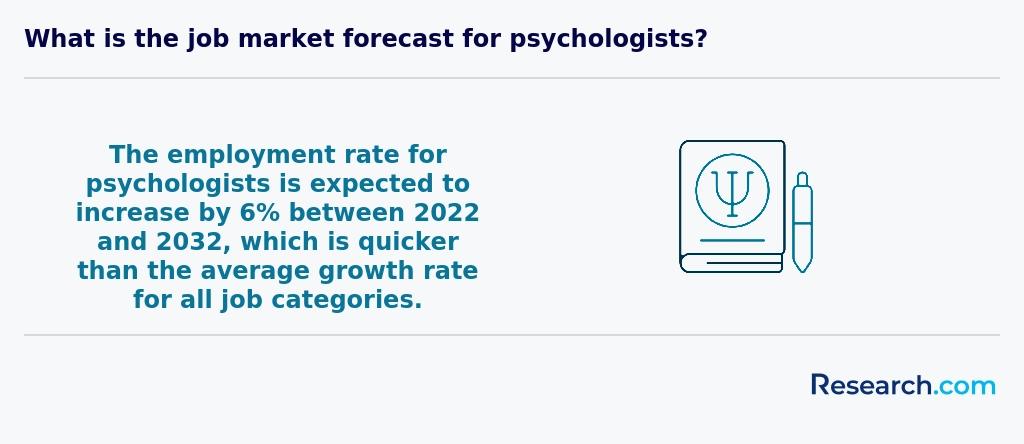
Graduates with an online psychology degree in Missouri find themselves at a unique crossroads of opportunity, where traditional clinical roles blend with innovative fields. Many alumni from universities like the University of Missouri describe their fulfillment working as licensed counselors or clinical psychologists in community agencies, directly impacting mental health in real, transformative ways. The state's emphasis on licensure ensures that whether you pursue counseling or school psychology, your skills are both recognized and highly valued.
Exploring less conventional routes, some graduates have embraced industrial-organizational psychology, enhancing workplace cultures in thriving Missouri companies, revealing how psychology genuinely shapes environments beyond therapy rooms. Others engage in forensic psychology within Missouri's legal system, navigating the complex intersection of human behavior and justice, a path that demands both precision and empathy.
For those inspired by research and academia, institutions such as Washington University in St. Louis offer vibrant opportunities to contribute to cutting-edge studies. These real-world examples broaden the horizon beyond basic expectations, compelling Missouri students to reflect on their personal aspirations and the state's expanding need for psychology professionals. To discover affordable paths, explore the Low Cost Psychology Degree Programs Ranking in Buffalo, NY.
The array of psychology job opportunities Missouri graduates can pursue is diverse, proving that an online degree here is not just a credential but a gateway to meaningful impact across multiple industries.
The job market for online psychology degree jobs Missouri offers is shaped by a blend of steady growth and emerging opportunities that challenge traditional expectations. Graduates from popular institutions like the University of Missouri or Saint Louis University often find that real-world settings such as hospitals, schools, and private practices welcome their skills, but licensure remains a crucial gatekeeper. One graduate shared how completing supervised clinical hours and passing the Missouri licensure exam unlocked positions in both urban St. Louis and rural telehealth services, reflecting evolving career pathways.
Missouri's growing healthcare and social assistance sectors bolster psychology career opportunities in Missouri, yet competition in cities is fierce. Meanwhile, graduates trained in telepsychology report new openings in underserved rural areas, emphasizing the value of digital proficiency combined with accreditation. The investment in education, whether through traditional or online programs, signals a promising salary trajectory, making this challenge worthwhile for many. For those considering foundational studies, exploring options like an easiest online associates degree may provide a practical entry point into the broader psychological workforce.
2027 Fastest Online Master's in Psychology Degree Programs Ranking in Missouri
Investing in your education is a significant decision that can shape your future, and the Research.com team understands the importance of making informed choices. To assist prospective students in Missouri, we have meticulously developed the "2027 Fastest Online Master's in Psychology Degree Programs Ranking in Missouri." Our commitment to quality, credibility, and accuracy is demonstrated through extensive research and careful analysis.
We utilized the following reputable data sources to ensure a comprehensive evaluation of online psychology programs:
By exploring this ranking, readers will gain valuable insights into the fastest online master's programs in psychology in Missouri, enabling them to make well-informed decisions about their educational journey. For more information on how this ranking was created, please visit our Research.com methodology page.

# 2 position
Missouri University of Science and Technology
Master of Industrial-Organizational Psychology

Frequently Asked Questions About psychology
Online psychology degree students in Missouri can enhance their learning by actively engaging with course materials and participating in virtual discussions. Missouri offers a variety of accredited programs, so confirming accreditation through the American Psychological Association (APA) or regional accrediting bodies ensures quality education. Students should leverage Missouri's online library resources, including access to journals and databases, which support research and deepen understanding.
Practical experience is also valuable; seeking internships or practicum placements within Missouri's mental health agencies can provide hands-on learning. Additionally, joining state psychology associations, such as the Missouri Psychological Association, offers networking and professional development opportunities. Balancing coursework with time management tools aids in maintaining steady progress toward degree completion.
The psychology field is evolving rapidly, with several emerging niches gaining prominence in Missouri and across the US. One notable area is **telepsychology**, which uses digital platforms to provide mental health services remotely. This approach grew substantially during the COVID-19 pandemic and continues to expand.
Another growing niche is **neuropsychology**, focusing on brain-behavior relationships and cognitive assessment. Missouri institutions support research and training in this specialty due to its increasing demand in healthcare.
**Forensic psychology** also draws interest, blending psychology with the legal system. Missouri's judicial system often employs forensic experts for criminal and civil cases, creating job opportunities in this sector.
Lastly, **health psychology** is gaining traction, emphasizing mental well-being in chronic disease management. According to the Missouri Department of Mental Health, these niches align with workforce needs for specialized psychological services statewide.
After completing an online psychology degree in Missouri, preparing for the job market involves several key steps. Start by securing relevant internships or practicum experiences during your studies, as Missouri employers highly value hands-on training.
Networking is equally important. Join local psychology associations, such as the Missouri Psychological Association, to connect with professionals and access job listings.
Obtaining licensure or certification, when applicable, strengthens your job prospects. The Missouri Division of Professional Registration provides clear guidance on licensing requirements for psychologists and counselors.
Consider graduate programs or specialized certifications to increase competitiveness in Missouri's psychology job market.
Employers in Missouri highly value a mix of technical and interpersonal skills in psychology graduates. Critical thinking and analytical abilities are essential for interpreting research and assessing client needs effectively. Strong communication skills, both written and verbal, enable graduates to interact with diverse populations and collaborate with professionals.
Knowledge of ethical practices and confidentiality is vital due to state licensing requirements overseen by the Missouri Committee of Psychologists. Additionally, proficiency in data analysis software and evidence-based intervention strategies is increasingly sought after, reflecting trends reported by the Missouri Department of Higher Education.
Adaptability and cultural competence are crucial as Missouri's workplaces become more diverse. According to the U.S. Bureau of Labor Statistics, psychology-related jobs in Missouri are projected to grow by 10% through 2030, highlighting the demand for graduates equipped with these skills.
Finding internships in Missouri relevant to a psychology degree requires strategic research and networking. Start by exploring Missouri's licensed mental health facilities and hospitals, such as the University of Missouri Health Care and Barnes-Jewish Hospital, which often offer psychology-related internships. The Missouri Psychological Association provides resources and listings for students seeking placements.
Many universities with online psychology programs maintain partnerships with local agencies, enhancing internship opportunities across the state. Additionally, the Missouri Department of Mental Health offers internship programs that provide practical experience in clinical and community settings.
Students should also utilize platforms like Handshake and LinkedIn tailored to Missouri's job market. According to the Bureau of Labor Statistics, Missouri employs over 7,000 clinical, counseling, and school psychologists, indicating a steady demand for interns and trainees in the field.
Obtaining an online psychology degree in Missouri can significantly enhance career mobility and advancement opportunities. Missouri's growing healthcare and social services sectors increasingly value candidates with advanced degrees in psychology. According to the Missouri Economic Research and Information Center, employment for psychologists in the state is expected to grow by 9% through 2030, faster than average for all occupations.
Online psychology programs accredited by recognized bodies prepare graduates for licensure and advanced roles, including counseling, research, or human resources. Flexible online formats enable working professionals to upskill without interrupting their careers, making advancement more accessible.
Additionally, many Missouri employers prioritize applicants with master's degrees for supervisory and specialized positions, enhancing earning potential and job security.
Studying for a psychology degree in Missouri equips students with a strong foundation in both scientific research and practical application, essential for interdisciplinary roles. Missouri universities emphasize collaboration across fields such as health sciences, education, and social work, reflecting a growing demand for professionals who can navigate complex, multi-faceted challenges. According to the Missouri Department of Higher Education, many psychology programs integrate coursework in counseling, neuroscience, and behavioral analysis, preparing graduates to work alongside medical professionals, educators, and policy makers.
Online programs in Missouri offer flexible learning while fostering skills like critical thinking and ethical decision-making. This interdisciplinary approach is vital in healthcare settings and community services, where psychology intersects with other specialties. The Missouri Economic Research and Information Center reports steady growth in healthcare and social assistance jobs, underscoring the relevance of such training for local workforce demands.
When choosing between a thesis and a non-thesis online psychology degree program in Missouri, it is important to consider your career goals. Thesis programs require original research and are ideal for students aiming for doctoral studies or research careers. Non-thesis options often emphasize practical skills and coursework, suitable for those seeking immediate work in clinical or counseling roles.
Missouri institutions typically align thesis tracks with preparation for PhD programs, while non-thesis tracks focus on professional practice. According to the Missouri Department of Higher Education, about 60% of psychology master's graduates pursue non-thesis paths for faster completion and licensure readiness.
Also, think about your time commitment. Thesis projects usually extend degree duration due to research demands, whereas non-thesis degrees may offer accelerated timelines. Research your preferred Missouri university's program requirements carefully to choose what matches your personal and professional needs.
Students based in Missouri interested in studying psychology abroad have limited direct options, as most international universities do not offer fully online psychology degrees to U.S. residents. However, Missouri residents can enroll in accredited U.S. institutions with global partnerships or study-abroad programs integrating psychology coursework. The Missouri Department of Higher Education notes that local universities like the University of Missouri system encourage international exchanges but often require some in-person presence.
For fully online alternatives, students may explore accredited U.S.-based universities offering psychology degrees with international relevance, recognized by the American Psychological Association (APA). This approach supports global perspectives while maintaining Missouri licensure requirements. U.S.-based online psychology programs remain the most practical and recognized path for Missouri students aiming for quality graduate education, as confirmed by data from the National Center for Education Statistics.
Students pursuing an online psychology degree in Missouri can benefit from various part-time jobs that complement their academic learning. Positions such as behavioral health technician or psychiatric aide offer practical experience in mental health settings. These roles allow students to observe therapy techniques and interact with patients under supervision. According to Missouri Department of Mental Health, the demand for such support staff is expected to grow by nearly 10% through 2030.
Other opportunities include research assistant roles at local universities or hospitals, where students can engage in data collection and analysis. This practical work strengthens research skills essential for advanced psychology careers.
Additionally, peer counseling or crisis hotline volunteers in Missouri provide valuable hands-on experience while fostering community engagement. These positions are flexible and often remote, fitting well with online study schedules.
Online psychology students in Missouri have access to diverse networking opportunities despite the virtual format. Many Missouri universities offering online programs facilitate virtual meetups, guest lectures, and peer discussion boards to foster connections. Students can also join state chapters of professional organizations such as the Missouri Psychological Association (MPA), which hosts regular events and conferences.
Local internship placements and research collaborations are often available through partnerships between online programs and Missouri healthcare facilities. According to the Bureau of Labor Statistics, Missouri's psychology field is growing steadily, creating expanded networking possibilities in hospitals and counseling centers.
Engaging with alumni networks further helps students build professional contacts within the state's psychology community.
Alumni networks play a significant role in supporting online psychology degree students in Missouri. These networks provide access to professional connections, mentorship, and job opportunities within the state's mental health field. Missouri has a growing demand for psychologists, with the U.S. Bureau of Labor Statistics projecting a 10% increase in employment for psychologists by 2030.
Through alumni connections, students can find internships or entry-level positions in local clinics, hospitals, or schools. Many Missouri universities offer online graduates exclusive events and online forums, strengthening ties across the psychology community.
Engagement with alumni also fosters career guidance and collaboration on research projects, enhancing professional development beyond graduation.
Customizing an online psychology degree program in Missouri allows students to align their education with specific career goals. Many Missouri institutions offer elective courses or specialization tracks, such as clinical psychology, counseling, or industrial-organizational psychology. Selecting relevant electives helps tailor skills to desired professions.
Some programs also provide practicum or internship opportunities within Missouri's healthcare and community settings. These experiences support practical learning and professional networking.
Moreover, students may choose flexible pacing options to balance studies with work or family commitments. Accreditation, such as from the APA or regional bodies, ensures program quality and acceptance by employers statewide.
According to the Missouri Department of Higher Education, demand for specialized psychology roles grew by 8% between 2019 and 2023, emphasizing the value of customization.
Online psychology students in Missouri often face several challenges that can impact their academic progress. One common difficulty is maintaining motivation and time management while balancing coursework with personal and professional responsibilities. According to the Missouri Department of Higher Education, nearly 40% of online students report struggles with managing deadlines independently.
Another challenge involves limited access to in-person networking and practical experiences. Psychology programs usually require supervised clinical hours, which can be harder to arrange remotely in Missouri's varied urban and rural settings. Missouri students may also encounter technical issues or lack reliable internet access, particularly in rural areas where connectivity is less robust.
Finally, mastering research methods and statistics, key components of psychology degrees, can be tougher without direct faculty interaction. These factors combined illustrate the typical hurdles Missouri students must navigate when pursuing psychology online.
With an online psychology degree in Missouri, graduates can pursue several professional certifications that enhance career prospects. The most common certification is the Licensed Professional Counselor (LPC), which requires a master's degree, supervised experience, and passing the National Counselor Examination. Missouri's licensing board provides clear guidelines for this process, important for graduates seeking clinical roles.
Another option is becoming a Certified Alcohol and Drug Counselor (CADC), appealing to those focusing on addiction and substance abuse. This certification requires specific coursework and supervised hours related to substance use disorders.
For those interested in industrial-organizational psychology, certification through the Society for Industrial and Organizational Psychology (SIOP) offers recognition, though it's voluntary.
These certifications support diverse career paths in Missouri's growing mental health field and adhere to state regulations overseen by the Missouri Division of Professional Registration.
Submitting a strong application for an online psychology program in Missouri begins with thorough research. Identify accredited universities approved by the Missouri Department of Higher Education to ensure program quality. Focus on showcasing your academic readiness by providing transcripts that highlight relevant coursework and a competitive GPA, ideally above 3.0.
Many programs require a statement of purpose-use this to clearly explain your motivation for studying psychology online, your career goals, and how the program fits these plans. Missouri employers value candidates with practical experience, so including internships or volunteer work related to mental health can strengthen your application.
Letters of recommendation from professors or professionals familiar with your abilities are crucial. Strong references that attest to your research skills or commitment to psychology boost your profile. Finally, carefully follow application deadlines and provide all requested documents to avoid delays or disqualification.
The global perspectives on a psychology career emphasize its growing importance across diverse cultures and healthcare systems. In the United States, psychology ranks among the fastest-growing fields, with the Bureau of Labor Statistics projecting a 8% growth rate for psychologists from 2021 to 2031. For Missouri, the demand for mental health professionals is particularly high due to rising awareness and investments in behavioral health services.
Internationally, psychologists often face different licensure and practice requirements, but the core skills of assessment, counseling, and research remain universal. Studying psychology online in Missouri allows students to access education aligned with U.S. standards while preparing for careers with global relevance.
Gaining practical experience while pursuing an online psychology degree in Missouri is essential for building skills and enhancing career prospects. Many Missouri universities with online psychology programs require students to complete supervised internships or practicums. These placements can often be arranged locally, allowing students to work in hospitals, mental health clinics, or community organizations.
Students should consult with their program advisors early to identify approved sites and ensure placements meet degree requirements. According to the Missouri Department of Higher Education, internships help bridge theoretical learning with real-world application.
Additionally, some programs offer virtual labs and case study simulations to supplement hands-on experiences. Volunteering with local nonprofits focused on mental health can also provide valuable exposure.
Choosing the right concentration within an online psychology degree program in Missouri involves aligning your interests and career goals with the options offered by schools. Common concentrations include clinical, counseling, industrial-organizational, and forensic psychology. Missouri's labor market projects a 12% growth in psychologist jobs through 2030, especially in clinical settings, according to the Bureau of Labor Statistics.
Consider your preferred work environment and populations served when selecting a focus. Reviewing curricula and practicum opportunities offered by Missouri institutions can clarify how each concentration prepares you for licensure requirements within the state. Save time by verifying these details early in your research to ensure the program matches your long-term plans.
- 2027 Fastest Online Master's in Psychology Degree Programs Ranking in Kansas
- 2027 Fastest Online Master's in Psychology Degree Programs Ranking in Indiana
- 2027 Fastest Online Master's in Psychology Degree Programs Ranking in Colorado
- 2027 Fastest Online Master's in Psychology Degree Programs Ranking in Alabama
- 2027 Fastest Online Master's in Psychology Degree Programs Ranking in Texas
- 2027 Fastest Online Master's in Psychology Degree Programs Ranking in Florida
- 2027 Fastest Online Master's in Psychology Degree Programs Ranking in Virginia
- 2027 Fastest Online Master's in Psychology Degree Programs Ranking in Pennsylvania
- 2027 Fastest Online Master's in Psychology Degree Programs Ranking in New York
- 2027 Fastest Online Master's in Psychology Degree Programs Ranking in California
See What Experts Have To Say About Studying Psychology
Read our interview with Psychology experts

Elizabeth L. Jeglic Ph.D.
Psychology Expert
Professor of Psychology
City University of New York

Robin M. Kowalski. Ph.D.
Psychology Expert
Professor of Psychology
Clemson University

Joann Farrell Quinn, Ph.D., MBA
Psychology Expert
Director at the College of Medicine Department of Medical Education
Morsani College of Medicine

- 2025 Most Popular Online Psychology Degrees in Missouri https://www.onlineu.com/degrees/psychology/missouri
- Best Missouri Psychology Degrees Updated for 2025, Online Included https://www.psychologydegrees.org/state/missouri
- Sample letters in psychology https://www.mystudies.com/en-in/human-and-social-sciences/psychology/letter-model/
- Why Get a Psychology Degree Online? | University of Bridgeport https://www.bridgeport.edu/news/reasons-to-get-your-psychology-degree-online/
- Missouri Psychology Schools | Psychology Degree Guide https://psychologydegreeguide.org/state/missouri/
- Ontario Psychological Association - Networking and Community Resources https://www.psych.on.ca/become-a-member-(1)/member-services/networking-and-community-resources
- Missouri Online Psychology Degree Programs https://www.onlinepsychologydegrees.com/states/missouri/
- What Certifications Can I Get With A Bachelor's In Psychology? https://www.psychology.org/resources/certification-skills-for-psychology-major-resumes/
- Know more about thesis vs non- thesis: what is the difference? https://studyfans.com/en/blogs/816
- Society for the Teaching of Psychology https://teachpsych.org/page-1784686/8675326


