2027 Fastest Online Master's in Psychology Degree Programs Ranking in Indiana

Co-Founder and Chief Data Scientist
Choosing the right online master's program in psychology can shape your future in meaningful ways. For students in Indiana, this article offers a clear path forward with the 2027 Fastest Online Master's in Psychology Degree Programs Ranking in Indiana. Developed by a skilled team of data scientists at Research.com, this ranking helps you identify programs that combine speed and quality.
Exploring these options allows you to pursue your passion efficiently while building a strong foundation for your career. Whether you want to advance your skills or enter a new field, understanding your choices empowers you to make a confident decision.
Key benefits of getting online psychology degree in Indiana
- Salary for psychology degree graduates: Graduates in Indiana can expect competitive salaries like $91,990 annually for School Psychologists or $60,080 for Mental Health Counselors, offering rewarding financial opportunities.
- Career paths: Psychology graduates often find diverse roles, such as Rehabilitation Counselors or Marriage/Family Therapists, reflecting the versatility of the degree in helping others and growing professionally within Indiana's workforce.
- Benefits of an online degree: Online psychology degrees from Indiana schools provide flexibility and convenience, allowing students to balance work and life while earning valuable credentials recognized across the state.
- 2027 Fastest Online Master's in Psychology Degree Programs Ranking in Indiana
- What can I expect from online psychology degree in Indiana?
- Where can I work with online psychology degree in Indiana?
What can I expect from online psychology degree in Indiana?
The average cost of an online psychology degree in Indiana varies but generally falls between $10,000 and $30,000 total tuition, depending on the institution and residency status. Graduates from well-regarded schools like Indiana University have shared how their investment felt worthwhile due to the program's rigorous curriculum and strong licensing preparation. Many found public universities more affordable, especially when factoring in in-state tuition discounts.
Financial aid and scholarships tailored for online learners often help ease the burden, making these programs not only accessible but also financially manageable. One graduate recalled balancing work and study without incurring overwhelming debt, thanks to such support.
While the sticker price might seem significant at first, students often appreciate the flexibility and quality of instruction, understanding that this investment opens doors to licensure and specialized careers in counseling or clinical psychology within Indiana's expanding mental health sector.
Where can I work with online psychology degree in Indiana?
Graduates with an online psychology degree from well-known Indiana institutions like Indiana University or Ball State often find meaningful roles that align well with their passion for helping others. Many begin as psychiatric technicians or case managers in local hospitals and community centers, where they feel a deep sense of purpose supporting patients' recovery journeys.
Those who pursue further education, such as a master's degree, often step into counseling or therapy roles, frequently becoming licensed clinical social workers or school counselors. Graduates cherish the opportunity to guide students through challenging academic and emotional times, especially within Indiana's public schools.
Others have discovered fulfilling careers in industrial-organizational psychology, contributing to improving workplace dynamics at major companies in Indianapolis. Their work not only boosts employee morale but also makes a tangible impact on business success, creating rewarding daily experiences.
Doctoral degree holders, having navigated rigorous licensure and supervised hours, often thrive in private practices or hospitals where they feel the gratification of transforming lives through psychology. These career paths reflect the diverse, positive outcomes Indiana psychology graduates regularly experience.
Graduates with an online psychology degree in Indiana often find encouraging salary prospects that reflect the level of education and chosen career path. For instance, those entering school psychology can expect mean annual wages around $91,990, which closely aligns with salaries reported by Indiana universities known for their psychology programs. This figure offers reassurance to graduates who want to make a meaningful impact in educational settings while maintaining financial stability.
Many online graduates also pursue roles as mental health counselors, earning approximately $60,080 per year. This salary supports a rewarding career helping individuals navigate personal challenges, often leaving professionals feeling fulfilled. Graduates specializing in marriage and family therapy typically see earnings near $68,730, resonating with those drawn to nurturing relationships and strengthening families within Indiana communities.
For ambitious individuals who excel in industrial-organizational psychology, the outlook is even brighter, with mean wages reaching about $154,380 annually. Indiana's growing demand for workplace psychologists translates into opportunities for graduates to influence corporate culture and employee well-being while enjoying competitive compensation.
Overall, graduates from respected Indiana institutions appreciate how their degree opens doors to well-paying roles tailored to their passion and expertise, offering both personal satisfaction and financial reward in the state's diverse job market.
- Online psychology master's programs in Indiana are available fully online or as hybrid options, suited for working professionals and distance learners.
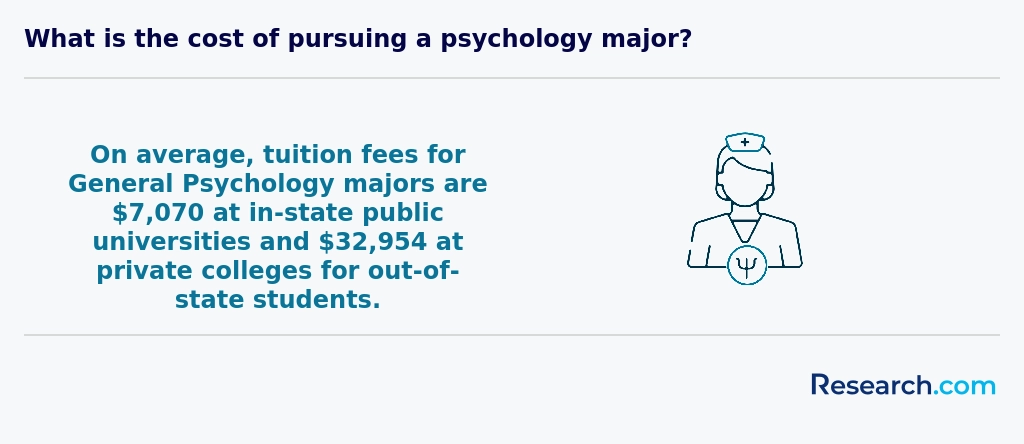
- Tuition typically ranges from $8,000 to $25,000 per year, with public schools generally more affordable for in-state students compared to private institutions.
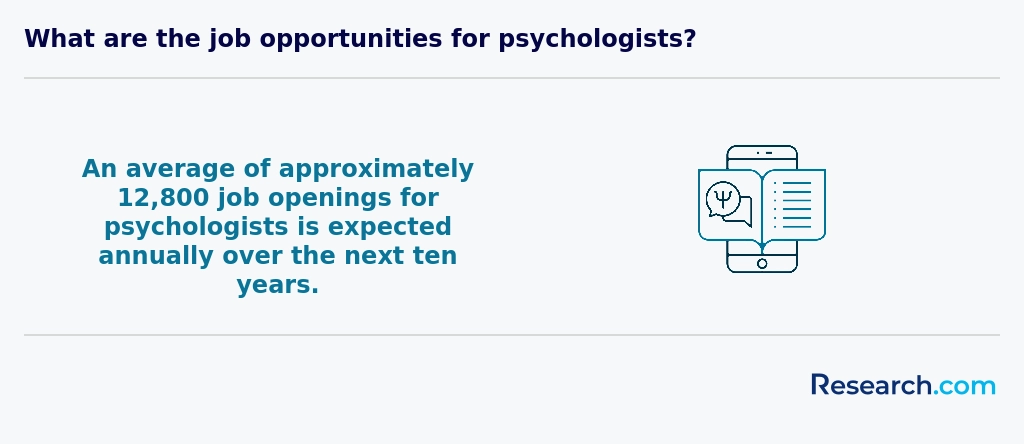
- Job growth for psychologists and mental health specialists in Indiana is expected to increase by about 10% over the next decade.
- Starting salaries for psychology graduates in Indiana average between $50,000 and $60,000 annually, with experienced licensed psychologists earning $75,000 to $85,000 per year.
- Licensing in Indiana requires a graduate degree from an accredited program, supervised clinical hours, and passing state exams; many online programs include these licensure components.
Completing an online psychology degree in Indiana often reflects a balance between structure and flexibility. Graduates from universities like Indiana State and Purdue have shared how a bachelor's degree generally takes around four years of dedicated full-time study, similar to on-campus timelines. Yet, these online formats frequently allow students to accelerate their journey by taking extra courses, fitting education neatly around work or family life.
Master's degree seekers reveal varied experiences, with completion times ranging from 18 months to three years. For example, some students at Ball State University appreciated programs offering continuous enrollment, enabling them to stay on track despite busy schedules. Part-time students, juggling commitments, naturally experience longer durations but value the ability to progress steadily without sacrificing quality.
Those pursuing a doctoral path in Indiana online often navigate a more extended timeline of four to six years, reflecting the depth of research and clinical practice required. The flexibility here comes with thoughtful planning-graduates emphasize confirming any local internship mandates early to avoid surprises, maintaining a positive and empowered approach throughout their studies.
Navigating an online psychology program successfully requires setting clear goals, establishing a dedicated study schedule, and actively engaging with both the course material and your peers. In addition to following a structured calendar for lectures, assignments, and readings, it is beneficial to join virtual study groups or discussion forums where you can exchange ideas and clarify doubts. With effective time management and digital communication skills, students can maximize the flexibility offered by online learning while still fostering a strong academic community. To further boost your educational journey, consider exploring complementary programs that enhance your clinical expertise and career preparedness. For instance, candidates interested in advanced clinical training might review the best psyd programs available online, which can offer valuable insights into specialized approaches and current industry practices. Moreover, staying proactive by seeking virtual office hours with professors and utilizing available academic resources can significantly deepen your understanding of complex psychological theories. Ultimately, these strategies are designed to empower you to achieve both academic excellence and professional growth in a dynamic, online learning environment.
Graduates from Indiana University who pursued online psychology degrees often emphasize the invaluable flexibility this format offers. They recall managing full-time jobs or family commitments while engaging in coursework through asynchronous classes, which allowed them to learn at their own pace without sacrificing quality. This convenience proves especially meaningful for residents living outside urban centers where campus access is limited.
Conversely, those who embraced on-campus programs at institutions like Purdue University appreciate the immersive campus atmosphere. They describe the benefit of engaging directly with professors and peers in lively discussions, as well as the access to hands-on resources, such as campus research labs and psychology clinics, which enrich their educational experience.
Many graduates highlight cost considerations unique to Indiana: online students often save on housing and commuting expenses, which can accumulate quickly in cities like Bloomington or West Lafayette. Yet, both formats necessitate fulfilling practicum hours within Indiana to meet licensure requirements, ensuring that practical experience remains a cornerstone regardless of study style.
To find the most affordable online psychology programs in Indiana, it's essential to research and compare the costs of different institutions. Many students prioritize affordability when choosing a program, as it directly impacts their financial stability and career prospects. By exploring options like most affordable psychology programs in Indiana, prospective students can make informed decisions about their education. This involves considering factors such as tuition rates, living costs, and available financial aid, which can significantly influence the overall cost of the program. Additionally, understanding the job market and potential salaries for psychology graduates in Indiana can help students evaluate the return on investment for their degree.
The average cost of an online psychology degree in Indiana typically centers around a median total of $23,940, with in-state students often benefiting from a lower median total cost near $13,530. Graduates from well-known Indiana public universities have shared positive reflections on managing expenses while engaging deeply with their coursework within these affordable frameworks. Many appreciate that by choosing institutions with competitive per-credit tuition rates-generally ranging from $400 to $700 for public universities-their investment aligns well with the quality of education and flexibility offered.
In exploring affordable online psychology master's programs Indiana offers, private universities present a broader range with some charging between $20,000 and $50,000 depending on credit hours and program structure. Some graduates have found value in institutions offering per-credit pricing, which allows part-time learners to balance studies with work and reduce immediate financial burden. Importantly, several report that financial aid, scholarships, and employer tuition reimbursement have been instrumental in easing their journey.
For prospective students navigating these decisions, it helps to think like those who've walked the path before-imagine balancing course materials and technology fees against savings from no required commuting or housing costs. Indiana's programs usually demand 30 to 36 credit hours, a significant factor in budgeting overall expenses. Aspiring professionals outside Indiana might compare these costs with their state's offerings or consider the pathway toward becoming a psychologist in colorado, ensuring they choose the best fit for their career and finances.

To ensure your online psychology master’s degree in Indiana meets both academic and professional standards, verify that your institution holds regional accreditation from agencies like the Higher Learning Commission (HLC) and programmatic accreditation from the American Psychological Association (APA). APA accreditation signals that a curriculum aligns with the rigorous training, ethical guidelines, and supervised practicum hours necessary for licensure. Graduates of non-accredited programs may face hurdles when applying for state licensure or transferring credits to doctoral programs. Beyond accreditation, Indiana’s psychology licensing board requires applicants to complete a specified number of supervised clinical hours (typically 3,000 post-degree) and pass the Examination for Professional Practice in Psychology (EPPP). Familiarize yourself with Indiana’s professional licensing rules early in your program-many online degrees incorporate supervised fieldwork or internship placements at approved mental health facilities to streamline this process. While accreditation and licensure remain paramount, cost considerations also influence program selection. Students interested in comparing tuition rates and financial aid options regionally may find value in exploring our Most Affordable Psychology Degree Programs Ranking in Utah.
When pursuing an online psychology degree in Indiana, students often find relief through a variety of financial aid sources tailored to the unique costs of their programs. Graduates from institutions like Indiana University and Purdue University share how completing the FAFSA unlocked access to federal aid including Pell Grants for undergraduates and manageable federal loans for graduate studies. This foundational step is key to easing financial stress early on.
State-specific support, such as the Twenty-First Century Scholarship offered by the Indiana Commission for Higher Education, provides undergraduate students with meaningful tuition assistance, a boon for those balancing work and study.
At the institutional level, many psychology master's students benefit from merit scholarships, assistantships, and fellowships that reduce tuition while offering hands-on teaching or research experience. These opportunities, often found at universities known for psychology programs like Ball State, significantly lighten the financial load and enhance learning.
Employers in Indiana's healthcare and social services sectors also frequently sponsor tuition reimbursement. One graduate described this support as a lifeline during the rigors of graduate school, enabling focus on coursework rather than financial worry. Additionally, the National Health Service Corps' loan repayment program rewards those who commit to serving Indiana's underserved communities, creating a fulfilling career path aligned with financial stability.
After earning an online master’s in psychology in Indiana, securing state licensure is essential for practicing as a therapist or counselor. The Indiana Professional Licensing Agency (IPLA) oversees the credentialing process, which typically involves: 1. Supervised Experience • Complete 2,000–3,000 hours of supervised clinical practice under a licensed psychologist or LPC supervisor. • Most candidates fulfill this requirement over 1–2 years, combining paid and unpaid placements in community agencies, hospitals, or private practices. 2. Examination Requirements • Pass the Examination for Professional Practice in Psychology (EPPP) for psychologists or the National Counselor Examination (NCE) for licensed professional counselors. • Schedule your exam after finishing supervised hours to ensure eligibility. 3. Application and Fees • Submit official transcripts, verification of supervised hours, and exam scores to the IPLA. • Pay application and licensing fees, typically ranging from $100 to $200. 4. Continuing Education • Maintain licensure by completing 30 clock hours of approved continuing education every two years, including ethics and diversity training. For an in-depth timeline of each stage-from graduation to board approval-explore this guide on how long does it take to become a therapist. Understanding these requirements early can streamline your path to independent practice and ensure compliance with Indiana’s professional standards.
To enroll in an online psychology degree program in Indiana, you'll first need a bachelor's degree from an accredited institution, ideally in psychology or a related discipline. Many graduates from well-known Indiana schools share how this foundation made their transition into graduate studies smoother and more rewarding. For those with degrees outside psychology, completing key psychology courses beforehand often opens doors, reflecting the flexible yet rigorous standards of Indiana's programs.
A minimum GPA around 3.0 is commonly expected, signaling that you're ready to tackle advanced topics. Students from Indiana University and Purdue have spoken positively about how maintaining this benchmark not only meets admission criteria but boosts confidence when facing graduate coursework.
Expect to submit official transcripts, letters of recommendation, and a statement of purpose. These documents let admission committees appreciate your genuine passion and professional goals. Some programs still request GRE scores, especially for specialized areas, so it's wise to prepare accordingly.
For clinical or counseling tracks, prior relevant experience-whether internships at local clinics or volunteer work-is often indispensable, grounding theory in real-life practice. This blend of credentials encourages success and fulfillment throughout your studies in Indiana's supportive educational environment.
Completing your master’s in psychology more quickly requires strategic planning and leveraging program features:
- Transfer eligible credits: Evaluate prior graduate or related coursework and request credit transfers to bypass foundational classes.
- Choose accelerated terms: Enroll in programs offering 5–8 week modules to focus intensively on one course at a time.
- Maintain full-time enrollment: Take a full course load each term-including summer sessions-to finish in under two years.
- Leverage credit-by-exam options: Use recognized exams or portfolio assessments, when available, to earn credit for professional experience.
- Balance speed and cost: Compare accelerated paths with affordable programs like the cheapest online psychology degree to optimize both time and budget.
Online psychology degree programs in Indiana typically immerse students in a well-rounded curriculum that integrates core topics such as cognitive psychology, developmental psychology, and abnormal psychology. Graduates from popular institutions across the state often share how studying these subjects helped them better understand complex human behaviors they encountered during their practicum or daily life.
Several programs also emphasize research methods and statistical analysis, giving students practical skills to evaluate data critically-skills a graduate recalled using confidently in organizational settings. Ethical issues and professional development courses prepare students to navigate real-world challenges with integrity, especially important for those aiming for licensure in fields like counseling or therapy.
Electives like health psychology or industrial-organizational psychology frequently provide a chance to explore specialized interests. Many students find these options rewarding, as they connect theory to everyday professional situations, whether in hospitals, schools, or businesses throughout Indiana.
This blend of foundational knowledge and applied learning reflects the commitment of Indiana colleges to ensure graduates feel prepared and inspired to advance in their psychology careers.
Online psychology degree specializations Indiana programs typically offer include clinical psychology, counseling psychology, industrial-organizational psychology, and forensic psychology. Graduates from popular universities like Indiana University Bloomington or Purdue have shared how clinical and counseling paths immersed them in real-world therapeutic techniques, preparing them well for roles in hospitals or private practices.
Industrial-organizational psychology is another standout concentration, perfectly suited for Indiana's varied economy. Many students appreciate how the coursework, often available in Indiana psychology master's program concentrations, ties directly into workplace dynamics, enhancing their career prospects in human resources or corporate consulting.
Forensic psychology appeals to those drawn to the legal system's intersection with mental health. One graduate recalled how studying at a well-regarded college in Indiana opened doors to correctional facility internships, deepening their understanding of mental health challenges in legal contexts.
Beyond these, specialized tracks like developmental or health psychology allow students to address pressing community needs. Those considering a broader social impact often explore related fields; for example, some supplement their psychology training by taking social work courses california universities offer, creating a versatile skill set that resonates across disciplines.
Choosing the best online psychology degree in Indiana starts with ensuring the program's accreditation, such as from the Higher Learning Commission, which validates educational quality and credit transferability. Graduates from well-known Indiana colleges often share how this assurance unlocked opportunities for advanced study or licensure. For many, the appeal of the fastest online psychology degree programs Indiana lies in flexible, asynchronous course options, allowing students to balance work, family, and study without missing critical practicum experiences locally.
Another crucial factor is curriculum alignment with your career goals. Graduates aiming for licensure emphasize verifying the program meets Indiana's licensing board requirements, often consulting resources similar to the Indiana Professional Licensing Agency. Those seeking an affordable online psychology master's Indiana appreciate how public universities maintain reasonable tuition while offering strong academic advising and career support, which creates confidence during busy schedules. To understand real-world prospects, it's helpful to explore internship placements and local partnerships, as many alumni credit these experiences for smoother transitions into roles with positive workplace morale.
For students pondering different career pathways, comparing program emphases-from clinical to industrial-organizational psychology-can spark enthusiasm and clarity. Practical insights from Indiana graduates reveal that navigating such choices thoughtfully prevents later frustration and fosters a rewarding journey. If your focus includes counselor licensure, reviewing the lpc job outlook tennessee might provide regional career perspectives worth considering alongside Indiana's offerings.

Graduates with an online psychology degree in Indiana find a range of rewarding career paths that align with their passion for understanding human behavior. Many pursue mental health counseling, working in community centers or private practice after completing the required master's degree and supervised hours. From conversations with recent graduates at Indiana University and Purdue, this career brings a profound sense of fulfillment by directly improving clients' well-being.
Others leverage their skills in industrial-organizational psychology, contributing to workforce development in Indiana's thriving corporate and manufacturing sectors. These roles often involve designing employee training programs and promoting healthier workplace environments, which graduates describe as both challenging and gratifying.
School psychology is another vibrant avenue, where graduates help students overcome learning barriers and behavioral issues. Many appreciate the hands-on impact within Indiana's education system and the clear certification pathways available through the Indiana Department of Education.
Beyond these, psychology alumni explore research or health services administration, fields sometimes combined with studies in related areas such as accredited MSW programs in Colorado. These diverse opportunities illustrate the breadth of online psychology degree careers Indiana offers, ensuring each graduate can find a meaningful direction.

The job market for those with an online psychology degree in Indiana is promising, bolstered by the state's growing telehealth services and supportive licensing boards. Graduates from well-known institutions like Indiana University and Ball State often find roles in clinical and counseling settings, thriving in environments where their practical skills meet real community needs. This steady demand reflects wider national trends but holds a particular strength here due to Indiana's affordable cost of living and investments in mental health services.
Many graduates recount how their online studies allowed them to balance personal commitments while accessing excellent faculty and resources. Indiana employment opportunities for psychology graduates often come with competitive salaries, with average wages around $79,000 and entry-level roles beginning roughly between $50,000 and $60,000. These numbers encourage hopeful professionals to envision sustainable and fulfilling careers close to home.
For those exploring affordable options, several regional institutions provide highly rated programs; prospective students can explore the most affordable psychology programs in Indiana to find fits that combine quality and cost savings.
2027 Fastest Online Master's in Psychology Degree Programs Ranking in Indiana
Investing in your education is a significant decision that can shape your future, and the Research.com team understands the importance of making informed choices. To assist prospective students in Indiana, we have meticulously crafted the "2027 Fastest Online Master's in Psychology Degree Programs Ranking in Indiana." Our commitment to quality, credibility, and accuracy is reflected in the extensive research and analysis conducted to compile this ranking.
We utilized the following reputable data sources to ensure a comprehensive evaluation of psychology programs:
By exploring this ranking, readers will gain valuable insights into the fastest online master's programs in psychology available in Indiana, empowering them to make well-informed decisions about their educational journeys. For more details on our methodology, please visit our Research.com methodology page.


Frequently Asked Questions About psychology
Online psychology degree students in Indiana can maximize their learning by actively engaging with both course materials and virtual class discussions. Utilizing the state's resources, such as the Indiana Psychological Association, offers networking and professional development opportunities. Staying organized with a consistent study schedule helps balance coursework and personal commitments effectively.
Many Indiana institutions encourage students to participate in internships or practicum experiences within local mental health facilities, enhancing hands-on skills. Research from the National Center for Education Statistics indicates that students who integrate experiential learning tend to achieve higher retention and understanding.
Lastly, leveraging Indiana's online academic libraries and psychological databases strengthens research skills and supports academic success.
Emerging niches in psychology are responding to evolving societal needs, and Indiana's online psychology degrees reflect these trends. One fast-growing area is health psychology, addressing mental health alongside physical health, especially relevant amid rising chronic health conditions.
Another promising field is neuropsychology, focusing on brain-behavior relationships and cognitive disorders. Indiana's healthcare sector supports this through research institutions like the Indiana University School of Medicine.
Additionally, forensic psychology is expanding, where professionals apply psychology to legal issues, a niche with growing demand in Indiana's judicial system. Industrial-organizational psychology also gains traction, helping improve workplace dynamics and productivity.
These emerging specialties benefit from Indiana's increasing focus on integrative and applied psychological services, supported by data from the Bureau of Labor Statistics and state education reports.
Graduates holding an online psychology degree in Indiana can enhance their job prospects by gaining relevant experience through internships or volunteer work. According to the Indiana Department of Workforce Development, positions in psychological services are expected to grow by 6.8% through 2030, emphasizing the importance of practical skills.
Networking with local psychology professionals and joining state organizations like the Indiana Psychological Association can open doors to job opportunities. Additionally, pursuing state licensure is crucial for clinical roles; Indiana requires a doctoral degree and supervised hours, but having a master's degree with experience can still lead to roles in counseling or social services.
Developing strong communication and research skills, alongside familiarity with local mental health trends, will also improve employability in Indiana's diverse communities.
Employers in Indiana highly value several key skills when hiring graduates with online psychology degrees. Strong communication abilities are essential, as psychologists must clearly explain complex concepts to clients or colleagues. Critical thinking and analytical skills enable graduates to assess behavior effectively and develop appropriate treatment plans.
Additionally, cultural competence is increasingly important in Indiana's diverse communities, helping professionals work respectfully with individuals from various backgrounds. According to the Indiana Department of Workforce Development, interpersonal skills and ethical judgment rank among the top traits sought by local employers in healthcare and social services.
Familiarity with research methods and data analysis tools also improves a candidate's employability, especially for roles in clinical or organizational psychology.
Finding psychology internships in Indiana involves leveraging resources offered by universities, professional organizations, and local agencies. Many Indiana institutions with online psychology programs, such as Indiana University, provide internship placement assistance through their career services. These offices often maintain partnerships with mental health clinics, hospitals, and schools across the state.
The Indiana Psychological Association (IPA) is a valuable resource for locating internship opportunities. They offer networking events and job boards tailored to psychology students and professionals. Additionally, the Indiana Department of Health and local mental health centers frequently advertise internships, which can provide crucial hands-on experience.
Students should also explore community organizations and nonprofit agencies in Indiana that focus on mental health and social services, as these often provide relevant internships. According to the Bureau of Labor Statistics, Indiana has a growing demand for psychological services, increasing the availability of internship positions statewide.
Obtaining an online psychology degree in Indiana can significantly enhance career mobility and advancement opportunities. According to the Bureau of Labor Statistics, Indiana's employment of psychologists is projected to grow by about 5% from 2021 to 2031, indicating steady demand. An online degree offers flexibility for working professionals to gain credentials without interrupting their careers.
In Indiana, licensed psychologists often require advanced degrees such as a master's or doctorate, so earning an online psychology degree is a crucial step in meeting these qualifications. Additionally, many employers recognize accredited online degrees, enabling graduates to pursue roles in counseling, human services, or research more easily.
Access to specialized certifications and networking through online programs can further improve career prospects. Overall, such degrees provide accessible pathways for professionals to advance within education, healthcare, and business sectors statewide.
Studying for an online psychology degree in Indiana offers strong preparation for interdisciplinary roles by integrating diverse fields such as healthcare, education, and business. Indiana's higher education institutions often emphasize collaboration across disciplines, reflecting the real-world environments psychology graduates encounter.
The curriculum typically includes courses in research methods, ethics, and applied psychology, combined with opportunities to study related areas like sociology, counseling, and neuroscience. This broad approach equips students with versatile skills valuable in settings ranging from hospitals to corporate organizations.
According to the Indiana Commission for Higher Education, psychology graduates contribute significantly to Indiana's growing health services and social assistance sectors, reflecting the demand for professionals who navigate multiple disciplines.
Choosing between a thesis and a non-thesis psychology degree program in Indiana depends on your career goals and learning preferences. Thesis programs typically involve conducting original research and writing a substantial paper, which is ideal if you plan to pursue a doctorate or a research-oriented role.
Non-thesis programs often focus on coursework and practical skills, appealing to those aiming for clinical, counseling, or applied psychology careers. Indiana students should consider program flexibility and whether they seek licensure; some paths may favor thesis experience.
According to the Indiana Commission for Higher Education, over 60% of psychology master's graduates in the state choose non-thesis options, reflecting workforce demands.
Students in Indiana seeking to study psychology abroad while pursuing an online degree have several pathways to consider. Many accredited U.S. institutions offer online psychology programs with study abroad or exchange opportunities in partner countries. However, fully international online psychology degrees recognized in the U.S. remain rare, so students often enroll in American programs that include short-term overseas components.
Indiana's Commission for Higher Education supports global learning experiences for psychology students to enhance cultural competence, a critical skill in mental health fields. According to the National Center for Education Statistics, about 7% of Indiana psychology students engaged in study abroad experiences as part of their degree. Students should verify the program's accreditation and how credits transfer internationally before enrolling.
For those interested in international credentials, pursuing joint degree programs or graduate certificates with foreign universities online is an emerging trend, but these require careful research regarding licensing and recognition in Indiana and the U.S.
Part-time job opportunities in Indiana that complement psychology degree education often include roles in mental health support and academic environments. Many students work as psychiatric aides or behavioral health technicians in hospitals and clinics, gaining practical experience while studying. Indiana's Department of Workforce Development notes increasing demand for mental health support roles, reflecting nationwide trends.
Other options include research assistant positions at local universities such as Indiana University and Purdue University, where students can engage in psychological research projects. These roles provide valuable exposure to study design and data analysis.
Additionally, tutoring or peer counseling jobs on campus offer practical experience in communication and counseling skills. These opportunities help build relevant skills while managing academic commitments effectively.
Online psychology students in Indiana benefit from several networking opportunities despite the virtual format. Many Indiana universities offering online programs encourage participation in local professional organizations such as the Indiana Psychological Association (IPA). This group hosts conferences and workshops that students can attend in person or virtually, facilitating connections with practicing psychologists and graduate students.
Additionally, online students often access university career services, which provide networking events and internship placement assistance. Indiana's robust healthcare and social services sectors offer practical opportunities to connect through internships.
According to the Bureau of Labor Statistics, Indiana employs over 3,000 psychologists, creating a solid local professional network for students seeking mentors or job opportunities.
Alumni networks play a vital role for students pursuing online psychology degrees in Indiana by providing access to professional connections and career resources. These networks often include graduates working in local mental health agencies, schools, and private practices, where psychology jobs are projected to grow by 14% statewide from 2022 to 2032, according to the U.S. Bureau of Labor Statistics.
Through events and online platforms, alumni facilitate mentorship opportunities that help current students understand Indiana's licensure requirements and job market nuances. They also share internship and job openings that might not be widely advertised.
Ultimately, involvement in these networks enhances employment prospects and professional development for online psychology degree students in Indiana.
Customizing an online psychology degree in Indiana allows students to align their education with specific career goals. Many Indiana institutions offer elective courses or specializations such as clinical psychology, counseling, or industrial-organizational psychology. This flexibility helps tailor the program to interests and job market demands.
Students can also often select practicum or internship experiences in settings relevant to their intended career, such as schools, healthcare facilities, or corporate environments.
Additionally, Indiana's licensing requirements for psychologists emphasize relevant coursework and supervised experience, guiding students to choose programs that meet these standards. The Indiana Professional Licensing Agency provides updated guidance on these requirements.
Online psychology students in Indiana often face challenges related to balancing coursework with personal and professional responsibilities. Many learners juggle jobs or family commitments, which can make meeting deadlines and participating in synchronous activities difficult. Additionally, limited access to local internship placements or supervised practicum opportunities can hinder applied learning experiences essential for psychology degrees.
Another challenge is the need for reliable technology and internet access, particularly for students in rural areas of Indiana where connectivity may be less stable. According to the Indiana Commission for Higher Education, approximately 8% of households still lack high-speed internet, impacting online education accessibility.
Furthermore, students sometimes report feelings of isolation or lack of peer interaction compared to traditional classroom settings. This can affect motivation and networking, which are vital in the psychology field. Institutions are encouraged to provide virtual support services to address these concerns effectively.
With an online psychology degree in Indiana, graduates can pursue several professional certifications that enhance career opportunities. Common certifications include Licensed Mental Health Counselor (LMHC) and Licensed Clinical Social Worker (LCSW), both requiring graduate education and state licensing. Indiana's Professional Licensing Agency oversees these credentials, ensuring standards are met.
Other certifications include the National Certified Counselor (NCC), granted by the National Board for Certified Counselors, which recognizes professional competence nationwide. Additionally, individuals may pursue specialist certifications such as Certified Addiction Counselor or Marriage and Family Therapist credentials, depending on their focus and additional training.
These certifications often require supervised experience beyond degree completion and passing relevant exams. For the best outcomes, verify specifics with Indiana's regulatory bodies and the American Psychological Association's guidelines.
When applying to an online psychology program in Indiana, start by carefully reviewing each school's specific admission requirements. Many programs seek a strong academic record, often a minimum GPA of 3.0, along with relevant undergraduate coursework in psychology or related fields.
Highlight your motivation for studying psychology online in your personal statement. Be clear about your professional goals and how the program aligns with your career plans. Indiana employers value applicants with practical experience, so include relevant work or volunteer activities.
Request recommendation letters from professors or supervisors who can attest to your academic potential and character. According to Indiana Commission for Higher Education, competition is rising as interest in psychology degrees grows statewide.
Lastly, ensure your application is complete and submitted before deadlines, demonstrating your commitment and organization-qualities important for online learners in rigorous programs.
The psychology profession is increasingly viewed through a global lens, reflecting diverse cultural, social, and economic contexts. Although psychology careers in Indiana align with U.S. standards, many professionals engage with international research and practices. Globally, the demand for mental health services is rising, and the U.S. Bureau of Labor Statistics projects a 14% growth in psychology jobs by 2032, with Indiana following similar trends. Understanding global perspectives can enrich an Indiana-based psychology career by fostering cultural competence and awareness of worldwide mental health challenges.
Indiana universities offering online psychology degrees emphasize research and practicum experiences that prepare students for these global dynamics. According to the American Psychological Association, interdisciplinary and multinational collaborations are shaping the future of psychology. Hence, Indiana students gain relevant skills applicable both locally and internationally.
Gaining practical experience while pursuing an online psychology degree in Indiana is essential for career readiness. Many programs encourage or require internships or practicums at local clinics, schools, or mental health agencies. Given Indiana's rich network of healthcare providers and community centers, students often find opportunities near their residence. The Indiana Psychological Association (IPA) offers resources and connections to licensed psychologists who may serve as supervisors or mentors.
Additionally, some universities partner with regional hospitals and counseling centers to facilitate remote or in-person experiential learning. Students should check accreditation status to ensure practicum hours count toward licensure. Indiana's licensing board requires supervised experience, typically 1,500-2,000 hours post-degree, reinforcing the need to start practical work early.
When choosing a concentration within an online psychology degree program in Indiana, start by considering your career goals. Specializations like clinical, counseling, industrial-organizational, or forensic psychology each lead to different roles and licensing requirements.
Research job market trends in Indiana through the Indiana Department of Workforce Development. For example, clinical psychologists have steady demand, with an expected growth of 8% regionally through 2030. Identifying demand can guide your choice.
Also, consider program accreditation and how the concentration aligns with licensure in Indiana. The Indiana Psychological Association offers resources on state-specific licensing pathways.
Finally, reflect on your interests and strengths, balancing passion with practical outcomes for your future psychology career.
- 2027 Fastest Online Master's in Psychology Degree Programs Ranking in Missouri
- 2027 Fastest Online Master's in Psychology Degree Programs Ranking in Pennsylvania
- 2027 Fastest Online Master's in Psychology Degree Programs Ranking in Alabama
- 2027 Fastest Online Master's in Psychology Degree Programs Ranking in Virginia
- 2027 Fastest Online Master's in Psychology Degree Programs Ranking in Florida
- 2027 Fastest Online Master's in Psychology Degree Programs Ranking in New York
- 2027 Fastest Online Master's in Psychology Degree Programs Ranking in Kansas
- 2027 Fastest Online Master's in Psychology Degree Programs Ranking in Texas
- 2027 Fastest Online Master's in Psychology Degree Programs Ranking in Colorado
- 2027 Fastest Online Master's in Psychology Degree Programs Ranking in California
See What Experts Have To Say About Studying Psychology
Read our interview with Psychology experts

Joann Farrell Quinn, Ph.D., MBA
Psychology Expert
Director at the College of Medicine Department of Medical Education
Morsani College of Medicine

Elizabeth L. Jeglic Ph.D.
Psychology Expert
Professor of Psychology
City University of New York

Catherine Caldwell-Harris, Ph.D.
Psychology Expert
Associate Professor of Psychology
Boston University

- Bachelor of Psychology Online https://www.grace.edu/programs/psychology-online/
- Financial Aid For Psychology Students | Psychology.org https://www.psychology.org/resources/financial-aid/
- Study Psychology Abroad | Go Overseas https://www.gooverseas.com/study-abroad/psychology
- Most Popular Online Psychology Degrees in Indiana https://www.onlineu.com/degrees/psychology/indiana
- Ontario Psychological Association - Networking and Community Resources https://www.psych.on.ca/become-a-member-(1)/member-services/networking-and-community-resources
- Call for papers https://www.hogrefe.com/us/journal/international-perspectives-in-psychology-research-practice-consultation
- CLINICAL PSYCHOLOGY (THESIS / NON-THESIS) - Lisansüstü Eğitim Enstitüsü https://lee.nisantasi.edu.tr/en/clinical-psychology-thesis-non-thesis/
- Alumni Perspectives - Meet Our FPN Alumni https://www.aanmelder.nl/alumni-perspectives-june-2023
- Study Psychology Abroad https://astarfuture.co.uk/study_psychology_abroad.html
- Sample letters in psychology https://www.mystudies.com/en-in/human-and-social-sciences/psychology/letter-model/