
2027 Fastest Online Master's in Psychology Degree Programs Ranking in Pennsylvania

Co-Founder and Chief Data Scientist
If you're looking to advance your career with a psychology degree in Pennsylvania, this article is for you.
We present the 2027 Fastest Online Master's in Psychology Degree Programs Ranking in Pennsylvania, created by the Research.com team of data scientists to help you make an informed decision.
Choosing the right program can open doors to exciting opportunities and personal growth.
Explore programs that balance quality education with the flexibility you need to succeed.
Your journey toward making a positive impact starts here.
Key benefits of getting online psychology degree in Pennsylvania
- Psychology degree graduates in Pennsylvania can expect strong salary prospects, such as an Industrial-Organizational Psychologist earning about $154,380 annually and a School Psychologist making around $91,990 per year.
- Career paths are diverse, ranging from Mental Health Counselor roles to Marriage and Family Therapist positions, offering graduates flexible opportunities to work in various helping professions within the state.
- Online psychology degrees offer the advantage of flexible schedules and accessibility, allowing Pennsylvania students to balance work and study while earning a respected credential from reputable universities.
- 2027 Fastest Online Master's in Psychology Degree Programs Ranking in Pennsylvania
- What can I expect from online psychology degree in Pennsylvania?
- Where can I work with online psychology degree in Pennsylvania?
What can I expect from online psychology degree in Pennsylvania?
The average cost of an online psychology degree in Pennsylvania typically ranges from $15,000 to $35,000 for a master's program, depending on the institution and program length. Graduates from popular universities like Temple University or Penn State often share how the investment felt worthwhile as the flexible scheduling allowed them to maintain full-time jobs while studying, reducing financial stress.
Many students highlight the value of access to expert faculty and practical experiences, such as virtual labs or community-based internships, which enrich their learning without additional travel costs. These opportunities create a sense of connection and accomplishment, making the tuition feel like a direct investment in their future careers.
With increasing demand for mental health professionals, some programs offer financial aid or payment plans, making the journey more affordable. Graduates express optimism about how these pathways helped them transition smoothly into roles like counselors or behavioral specialists, combining passion with financial practicality in Pennsylvania's evolving psychology landscape.
Where can I work with online psychology degree in Pennsylvania?
Graduates with online psychology degrees from institutions in Pennsylvania, such as Penn State or Temple University, often find themselves stepping confidently into diverse career paths. Many report excitement working in clinical settings like mental health clinics or private practices, where they apply their training as behavioral health coordinators or psychological assistants. The state's strong healthcare sector, employing over a million people, provides a thriving environment for such roles.
Others share how their degree opened doors in education, joining school districts as counselors or behavioral specialists. With Pennsylvania's growing demand for certified school psychologists, these graduates feel optimistic about long-term job stability and community impact.
Some alumni describe rewarding experiences entering human resources or organizational development within Pennsylvania's corporate landscape. Their understanding of human behavior helps improve workplace culture and employee motivation.
Lastly, many find purpose working with government or nonprofit agencies, contributing to mental health outreach and social services. These opportunities make graduates feel valued as they support vital programs shaping Pennsylvania's future.
Graduates with an online psychology degree in Pennsylvania can expect varied earning potentials based on their chosen career paths and levels of education. For example, those working as school psychologists often earn around $91,990 annually, reflecting a strong return on investment for those who studied at institutions like Penn State or Temple University.
Graduates entering counseling fields may find rewarding roles as mental health counselors or marriage and family therapists, with mean wages near $60,080 and $68,730 respectively. These salaries align well with the rising demand for mental health services noted across the state.
Specializing in industrial-organizational psychology could open opportunities with salaries averaging $154,380, particularly valuable for graduates leveraging degrees from well-regarded schools such as Drexel University. Real-world alumni stories often speak to the excitement of applying psychology principles to improve workplace dynamics while enjoying lucrative compensation.
Rehabilitation counselors, earning around $48,430 yearly, represent another viable path for those passionate about community impact after studying online in Pennsylvania. These diverse salary figures highlight the optimistic future for psychology graduates embracing emerging trends and regional needs.
- Online psychology degrees in Pennsylvania are offered by accredited institutions and allow students to study remotely while meeting state education standards.
- Undergraduate tuition ranges from $15,000 to $30,000 per year for in-state students, while graduate programs typically cost between $20,000 and $40,000 for the entire duration.
- Employment for psychologists in Pennsylvania is expected to grow about 8% over the next decade, matching the national average.
- Starting salaries for early career psychologists average around $53,000 annually, with advanced professionals earning median salaries near $85,000 or higher.
- Licensure requires an accredited degree, completion of a doctoral program, supervised experience, and passing state exams; master's degrees are used in counseling and social work but often need separate licenses.
Completing an online psychology degree in Pennsylvania typically spans several years, but the journey is becoming more adaptable and tailored to individual needs. At popular institutions like Penn State World Campus or Temple University's online program, graduates often share how flexibility in pacing helped them balance work, family, and studies. For example, bachelor's degree students frequently finish in about four years full-time, though part-time options stretch that timeline comfortably, allowing for personal and professional growth.
Master's degree candidates at these universities usually take between 1.5 and 3 years, with some accelerated tracks enabling completion in as little as 12 to 18 months. Graduates describe a sense of accomplishment when leveraging transfer credits or intensified course loads to advance faster, opening doors to careers sooner.
Doctoral students find their path more varied, often spanning 4 to 7 years due to hands-on practicum and research requirements, blending online coursework with in-person training. Many appreciate how Pennsylvania's hybrid programs balance rigorous clinical experience with flexible learning schedules, fostering both expertise and confidence in their future roles.
As the field of psychology continues to evolve, emerging trends such as sports psychology are gaining momentum, offering fresh and specialized career opportunities. Graduates can leverage the analytical and research skills honed in their online degrees to explore roles that extend beyond traditional clinical and counseling settings. With an increasing focus on athlete mental health, performance optimization, and team dynamics, sports psychology is rapidly carving out its niche as a high-demand specialty. Many professionals view this as an innovative blend of psychology with sports science, providing dynamic work environments in both academic research and practical applications within sports organizations. For those eager to explore a specialized pathway in this thriving subfield, check out the fastest way to become a sports psychologist and discover how you can apply your expertise in exciting and transformative ways. This trend not only reflects the diversification of psychology careers but also emphasizes the importance of staying informed about industry-specific advancements when planning your educational and professional trajectory.
Psychology students at well-known Pennsylvania institutions like Penn State or Temple University often find the choice between online and on-campus programs deeply personal yet practical. Online learners appreciate the freedom to study around work or family, logging into lectures at dawn or midnight without the stress of commuting through Pittsburgh's busy streets. Graduates often feel empowered by the ability to pace their studies, blending coursework seamlessly into their lives.
Conversely, on-campus students celebrate the vibrant social life and immediate feedback they receive in face-to-face classes at places like the University of Pennsylvania. They describe energizing hallway chats after lectures and spontaneous study sessions in historic campus libraries as vital to their growth and connection.
Looking ahead, Pennsylvania's accredited online psychology programs are increasingly integrating virtual reality for immersive clinical training, potentially narrowing the gap with on-campus practicum experiences. The flexibility of online education combined with advancing tech promises a future where students can enjoy both accessibility and rich, interactive learning environments.
Graduates of an online psychology master’s program in Pennsylvania must fulfill state licensure requirements before practicing as licensed psychologists or professional counselors. For licensure as a psychologist, candidates need a doctoral degree (PhD or PsyD) in psychology, completion of at least 1,750 hours of supervised pre- and post-doctoral experience, and a passing score on the Examination for Professional Practice in Psychology (EPPP). The Pennsylvania State Board of Psychology also mandates one full year of supervised practice under a licensed psychologist and ongoing continuing education-typically 12 credits per year-to maintain an active license. Those aiming to become Licensed Professional Counselors (LPC) must hold a relevant master’s degree, complete 3,000 hours of supervised clinical experience, and pass the National Counselor Examination (NCE). Similarly, aspiring Licensed Marriage and Family Therapists (LMFT) require an accredited MFT degree, 2,000–3,000 hours of supervised practice, and successful passage of the Association of Marital & Family Therapy Regulatory Boards (AMFTRB) exam. It’s essential to verify that your online psychology degree in Pennsylvania aligns with these board requirements and includes accredited practicum or internship components. Exploring mental health careers that don’t require a graduate psychology degree? Check out our guide on can you become a therapist without a degree to learn about alternative pathways, certification options, and entry-level roles.
When exploring the average cost of online psychology degree in Pennsylvania, it typically ranges around a median total of $23,565. This reflects a balance between in-state students paying closer to $15,480 and out-of-state learners around $15,780, demonstrating relatively affordable options compared to many other states. Graduates of popular universities such as West Chester University or Shippensburg University often share positive reflections on the financial accessibility combined with quality instruction, which helped them feel supported and confident throughout their studies.
Many students pursuing an online master's in psychology tuition fees Pennsylvania find that the credit hour cost, ranging from approximately $500 to $1,200, aligns well with their budget planning, especially when they consider the extra savings from avoiding relocation and commuting. One alum recalled that managing expenses while working part-time allowed them to invest more into enriching experiences rather than stressing over tuition, an encouragement for future learners who value flexibility.
Beyond tuition, additional costs like textbooks or technology fees can add up, but scholarships and financial aid available at Pennsylvania institutions often ease these burdens. Some programs also include brief on-campus residencies, which presents an opportunity to interact with peers and faculty in person. Students curious about professional paths following their degree might explore specific requirements, like the hawaii counseling education requirements, highlighting how costs and credentials vary regionally.
As the demand for online psychology degrees grows, Pennsylvania's competitive pricing combined with solid academic reputations creates a promising landscape for prospective students to obtain valuable education without overwhelming debt, making psychology an appealing choice for those passionate about mental health careers.
Navigating the path from graduation to professional practice requires understanding Pennsylvania’s licensure standards for psychology and counseling. After earning your online master’s in psychology, you’ll typically pursue licensure as a Licensed Professional Counselor (LPC) or Licensed Psychologist, each with distinct requirements: • Licensed Professional Counselor (LPC): Candidates must complete 60 graduate credits in counseling or psychology, accrue 3,000 supervised clinical hours (a minimum of 100 per annum under qualified supervision), and pass the National Counselor Examination (NCE) or National Clinical Mental Health Counseling Examination (NCMHCE). Applications are submitted to the Pennsylvania State Board of Social Workers, Marriage and Family Therapists, and Professional Counselors, accompanied by official transcripts and verification of supervised experience. • Licensed Psychologist: Aspiring psychologists must hold a doctoral degree (Ph.D. or Psy.D.) in psychology, complete 1,500 postdoctoral supervised hours, and pass the Examination for Professional Practice in Psychology (EPPP) along with Pennsylvania’s jurisprudence assessment. The Pennsylvania State Board of Psychology oversees credential verification, ensuring adherence to professional ethics and scope of practice. • School Psychologist and Other Specialties: Those aiming for certification in school settings pursue an Education Specialist (Ed.S.) or equivalent, fulfill 1,200 supervised internship hours, and apply through the Pennsylvania Department of Education. Additional credentials, such as the Nationally Certified School Psychologist (NCSP), may enhance employability. Continuing Education: All Pennsylvania licensees must complete 30 approved credit hours every two years, including ethics and cultural competency courses. For insights into more budget-friendly online psychology programs in neighboring states, explore the Affordable Online Psychology Degree Programs Ranking in Virginia to compare licensure guidance and program costs.
Online psychology students in Pennsylvania often find relief through a variety of financial aid options tailored to their unique situations. Graduates from well-known institutions like Penn State or Temple University frequently share how applying early for the Free Application for Federal Student Aid (FAFSA) unlocked Pell Grants and access to federal loans, which eased the upfront burden of tuition costs.
State-specific support is another treasure trove. Imagine a student at Drexel University receiving a Pennsylvania State Grant, which can reduce expenses by up to $5,136 depending on financial need-it's a game-changer for many balancing work and study.
Merit-based scholarships awarded for academic excellence or relevant experience also play a vital role. For instance, online psychology learners at University of Pittsburgh have highlighted how institutional aid helped them focus on coursework without the stress of finances.
Looking ahead, more employers may bolster tuition reimbursement programs, especially as psychology careers grow in demand, offering hopeful learners even greater financial flexibility and motivation to pursue their degrees online within Pennsylvania.
Identify program elements that enable you to earn your master’s in less time:
- Short session lengths (e.g., 5–8 week courses)
- Multiple annual start dates to minimize breaks
- Generous transfer credit allowances (often 6–12 credits)
- Intensive capstone or practicum options
- Competency-based assessments to advance through mastered topics
- Fully asynchronous coursework for maximum scheduling flexibility
For insights on balancing speed with affordability, see our masters in psychology online guide.
Students often describe how maintaining a solid GPA, generally around 3.0 or higher, boosted their self-assurance when applying to programs. Admissions committees tend to value academic readiness combined with personal insights, so submitting letters of recommendation and a thoughtful personal statement about career goals became a natural part of the process for many.
There's optimism about evolving admissions policies in Pennsylvania, where some universities are moving toward GRE test-optional approaches, reducing stress and opening doors to a wider, more diverse range of applicants ready to positively impact the field of psychology.
- Relevant volunteer or professional experience, like counseling or mental health work, is often seen as an invaluable asset.
- Choosing regionally accredited programs ensures the degree holds value for licensure and employment in Pennsylvania and beyond.
For students looking to pursue an online psychology degree in Pennsylvania without accumulating significant debt, exploring the most affordable options is crucial. When considering affordability, it's essential to weigh factors such as tuition fees, additional costs, and available financial aid. Many institutions in Pennsylvania offer competitive pricing for their online psychology programs, making higher education more accessible. For instance, students can check out the cheapest psychology schools in pennsylvania to find programs that fit their budget. By doing so, they can make informed decisions about their educational investment and potential return on investment in terms of career opportunities and salary expectations.
Online psychology degree programs in Pennsylvania commonly include courses like Introduction to Psychology, Research Methods and Statistics, and Developmental Psychology, which many graduates from popular schools like Penn State and Temple University have found engaging and practical. These foundational classes prepare students to understand human behavior scientifically and analyze real-world data, equipping them with skills to make evidence-based decisions.
Students often share how programs integrate Abnormal Psychology and Social Psychology, helping them relate course concepts to everyday interactions and mental health awareness within diverse communities across Pennsylvania. Coursework in Counseling Techniques, Ethics, and Psychological Assessment is especially valued by those aiming for counseling careers, offering hands-on scenarios that reflect challenges unique to local populations.
Graduates appreciate how these programs emphasize cultural diversity and inclusion, preparing them for professional environments embracing Pennsylvania's varied demographics. Many report feeling confident applying therapeutic practices learned online to real-life settings, especially when practicum components connect them with nearby clinics or agencies, bridging theory with impactful community work.
Online psychology degree specializations Pennsylvania offer students a chance to tailor their studies according to rapidly evolving career paths. Graduates from prominent institutions in the state often highlight how specializations like clinical, forensic, and industrial-organizational psychology have deeply shaped their professional journeys. For example, those focusing on industrial-organizational psychology appreciate how it enhances workplace dynamics, aligning with trends predicting strong job growth through 2031.
Another popular focus is counseling psychology, where students at major Pennsylvania colleges report feeling empowered by learning therapeutic techniques that directly impact schools and community health. Less common yet emerging fields such as sports and health psychology resonate with students eager to blend mental and physical wellness in innovative ways. Psychology master's specializations Pennsylvania online increasingly reflect these tailored approaches, giving learners flexibility without geographical constraints.
Many Pennsylvania students also explore how criminal justice intersects with psychology through forensic tracks, finding rewarding roles in legal consulting. For those seeking versatile options, programs here rival other regions, which encourages exploring options alongside online psychology programs in Florida as well.
Choosing the best online psychology degree Pennsylvania offers means focusing on programs that blend flexibility with rigorous accreditation. Graduates from well-known Pennsylvania institutions often highlight how attending accredited programs-approved by bodies like MSCHE-gave them confidence for their clinical or counseling careers. Picture completing coursework asynchronously while managing family or work, knowing your practicum is recognized locally for licensure. This balance between quality and convenience is crucial as more professionals seek affordable online psychology programs Pennsylvania provides, especially through public universities with reduced in-state tuition.
Students frequently share how tailoring their curriculum, such as specializing in forensic or industrial-organizational psychology, enhanced their job prospects. Real-world internships embedded in these online degrees let you build networks and hands-on skills without sacrificing your current lifestyle. Furthermore, schools offering support services-from career counseling to tech help-make a considerable difference. Some even integrate financial aid options or accelerated pacing, making it easier to commit fully.
Envision finding programs where alumni report high job placements and strong connections post-graduation, which speaks volumes about school reputation. For those weighing options, exploring resources like the Pennsylvania Department of Education helps in comparing outcomes. Also, consider exploring pathways, like a quick dental hygienist degree, that complement psychology studies or career goals.
Graduates with an online psychology degree in Pennsylvania often find themselves stepping confidently into diverse career paths that reflect the state's evolving needs. Many choose to become licensed mental health counselors or licensed professional counselors (LPC), roles deeply valued in both urban centers and rural communities. Graduates from well-known Pennsylvania institutions frequently share how their training prepared them for licensure processes requiring supervised clinical hours and state exams.
Others explore school psychology, working within Pennsylvania's public schools to support children's behavioral and academic development. The growing focus on mental health in education makes these roles increasingly vital, reflecting broader psychology job opportunities in Pennsylvania that extend beyond traditional clinical settings. Some graduates apply their skills in organizational settings, helping Pennsylvania's businesses improve employee well-being and productivity through industrial-organizational psychology.
Meanwhile, research assistants at universities and healthcare organizations contribute to expanding knowledge that shapes future therapies and policies. Many students appreciate the flexibility of studying an online psychology degree paired with resources at popular colleges, especially when considering options like the cheapest psychology schools in pennsylvania for affordable, quality education.
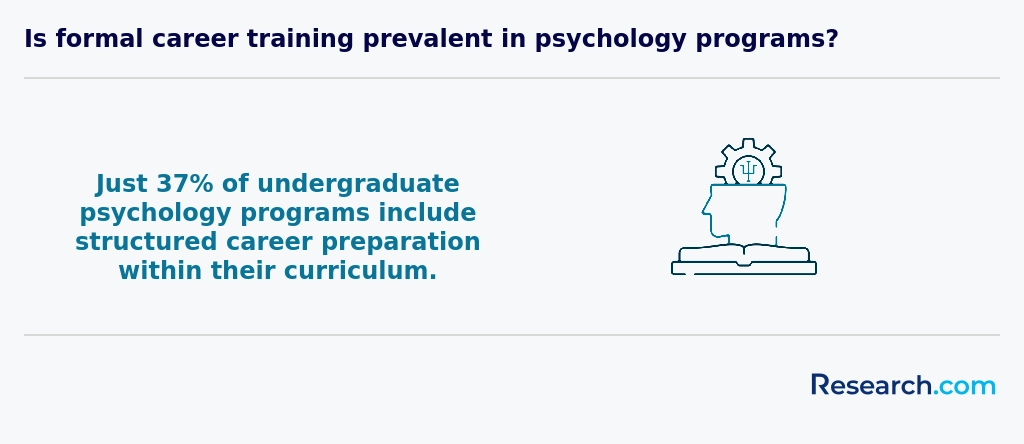
The job market for online psychology degree graduates in Pennsylvania is evolving with expanding opportunities beyond traditional clinical roles. Graduates from universities like Temple or Penn State report finding rewarding positions in diverse settings such as schools, hospitals, and corporate wellness programs. This reflects a growing regional demand fueled by increasing mental health awareness and behavioral health service expansions.
Employment opportunities for psychology graduates Pennsylvania-wide often require state licensure, prompting many to pursue accredited online master's or doctoral programs that satisfy Pennsylvania Board of Psychology requirements. Those who have secured licensure describe a strong sense of confidence entering roles in government agencies or private practice. The ability to work remotely or in hybrid models adds a layer of flexibility that resonates well with recent graduates balancing family or other commitments.
Many graduates also explore specialized fields, benefiting from Pennsylvania's network of institutions that foster practical experience. Interested students might consider the fastest way to become a sports psychologist, blending passion for athletics with psychological expertise. As these sectors grow, the overall online psychology degree job outlook Pennsylvania presents continues to brighten for forward-thinking students ready to meet emerging challenges.
2027 Fastest Online Master's in Psychology Degree Programs Ranking in Pennsylvania
Investing in your education is a significant decision that can shape your future, and the Research.com team understands the importance of making informed choices. To assist prospective students in Pennsylvania, we have meticulously crafted the "2027 Fastest Online Master's in Psychology Degree Programs Ranking in Pennsylvania." Our commitment to quality, credibility, and accuracy is reflected in the extensive research and analysis conducted to compile this ranking.
We utilized the following reputable data sources to ensure a comprehensive evaluation of psychology degree programs:
By exploring this ranking, readers will gain valuable insights into the fastest online psychology master's programs in Pennsylvania, empowering them to make informed and confident decisions about their educational paths. For more details on our methodology, please visit our Research.com methodology page.
# 1 position
Penn State University Park
Master of Psychology of Leadership


Frequently Asked Questions About psychology
Online psychology degree students in Pennsylvania can maximize their learning experience by actively engaging with course materials and faculty. Utilizing discussion boards and virtual office hours offered by accredited institutions helps deepen understanding of complex psychological theories.
Accessing Pennsylvania's extensive library resources through university partnerships provides valuable peer-reviewed journals and local research data. Students should also consider joining professional organizations such as the Pennsylvania Psychological Association to network and stay informed about regional trends.
Practical experience through online internships or community-based projects enhances applied skills critical in psychology careers. According to the Pennsylvania Department of Education, combining theory with practice significantly increases retention and readiness for licensure exams.
Emerging niches within the psychology field reflect growing societal and technological trends. In Pennsylvania, areas such as neuropsychology and health psychology are gaining momentum, driven by increased demand for mental health services and aging populations. According to the Pennsylvania Psychological Association, telepsychology-a remote therapy method-is expanding rapidly as online psychology programs prepare graduates for digital care.
Forensic psychology is also developing as criminal justice systems seek expert insights. Similarly, industrial-organizational psychology is growing, with Pennsylvania businesses applying behavioral science to improve workplace efficiency. These niches offer specialized career paths fostering innovation and responding to evolving community needs.
After completing an online psychology degree in Pennsylvania, preparing for the job market involves strategic actions. First, consider obtaining state licensure, which in Pennsylvania requires meeting education and supervised experience standards outlined by the Pennsylvania State Board of Psychology. This step is crucial for clinical or counseling roles.
Second, build a professional network by joining organizations like the Pennsylvania Psychological Association. Networking offers access to job openings, mentorship, and continuing education opportunities. According to the U.S. Bureau of Labor Statistics, Pennsylvania had over 8,000 psychology-related jobs in 2022, emphasizing regional opportunities.
Finally, gaining practical experience through internships or volunteer positions in mental health clinics can enhance employability. Highlighting any specializations or certifications in popular areas such as behavioral health may also improve job prospects in the competitive Pennsylvania market.
Employers in Pennsylvania highly value psychology graduates who demonstrate strong analytical skills. The ability to interpret behavioral data and apply scientific methods is crucial in roles from clinical settings to organizational environments. Communication skills, both written and verbal, are essential for clearly conveying psychological concepts to clients and colleagues. According to the Bureau of Labor Statistics, psychology-related jobs in Pennsylvania emphasize teamwork and ethical decision-making, reflecting the profession's demand for integrity and collaboration. Additionally, proficiency in research tools and technology is increasingly important as digital data collection becomes more prevalent. These skills position graduates competitively in Pennsylvania's job market.
Finding internships in Pennsylvania relevant to a psychology degree involves multiple steps. First, students should explore university career centers, as many institutions maintain partnerships with local mental health clinics and organizations. The Pennsylvania Psychological Association offers resources and internship listings that can help place students in clinical or research settings.
Additionally, students can search for opportunities through state government agencies, hospitals, and nonprofit organizations focused on mental health. According to the Bureau of Labor Statistics, Pennsylvania had nearly 22,000 psychology-related jobs in 2023, so demand for interns exists.
Networking through professional events and joining psychology-focused groups online also increases internship prospects.
Obtaining an online psychology degree in Pennsylvania can significantly enhance career mobility and advancement opportunities. The state's growing demand for mental health professionals, driven by an estimated 20% increase in related job openings through 2028 (according to the Pennsylvania Department of Labor & Industry), benefits graduates. An online degree offers flexibility, allowing professionals to continue working while earning credentials aligned with state licensure requirements.
Graduates with a master's degree in psychology often access higher-level roles, such as behavioral health counselors or research coordinators, which require advanced education. Additionally, earning an online degree accredited by a regionally recognized body helps meet Pennsylvania's certification standards, facilitating smoother licensure processes.
Many employers in Pennsylvania value the combination of online education and practical experience, which supports upward career movement in clinical, educational, and organizational psychology fields.
Studying for a psychology degree in Pennsylvania offers strong preparation for interdisciplinary roles due to the state's diverse academic and professional landscape. Pennsylvania's universities emphasize collaboration between psychology and fields such as healthcare, education, and social services. This approach aligns with data from the Pennsylvania Department of Labor, showing growth in occupations requiring cross-disciplinary skills.
Online psychology programs in Pennsylvania typically incorporate courses on behavioral science, ethics, and research methods, which are applicable across multiple fields. Students also gain exposure to practical skills relevant to healthcare teams, criminal justice, and counseling, enhancing their adaptability.
Additionally, Pennsylvania's focus on applied psychology reflects employer demands highlighted by the U.S. Bureau of Labor Statistics, where 18% growth is projected for related interdisciplinary roles through 2032.
Choosing between a thesis and a non-thesis online psychology degree in Pennsylvania depends on your career goals and learning preferences. Thesis programs emphasize original research, making them ideal for students aiming for doctoral studies or research-intensive roles. Non-thesis options typically focus on coursework and practical skills, suiting those targeting clinical practice or applied psychology careers.
In Pennsylvania, about 25% of psychology master's students pursue thesis tracks, often at research-focused universities. According to the Pennsylvania Department of Education, these programs may take longer to complete due to research demands. Non-thesis programs usually allow faster completion and greater flexibility, aligning with many online learners' schedules.
Accreditation and faculty expertise in research or applied psychology should also inform your decision. Review program curricula carefully to ensure alignment with your professional aspirations.
Students based in Pennsylvania who wish to study psychology abroad have several pathways to consider. Many U.S. universities, including those in Pennsylvania, offer study abroad programs or exchange partnerships with international institutions. These programs enable students to earn credit toward a psychology degree while gaining global perspectives.
The American Psychological Association emphasizes the importance of international experience in psychology education, which can enhance cultural competence essential for this field. However, fully online psychology degrees offered from foreign universities are less common and may face accreditation issues recognized by U.S. licensing boards.
For students seeking global study options, leveraging Pennsylvania universities' established exchange agreements or enrolling in hybrid programs with international components is often the safest and most reliable route.
In Pennsylvania, part-time job opportunities for psychology students can enhance both practical skills and academic knowledge. Roles such as mental health technician, behavioral health assistant, or case manager aid in understanding patient care and therapy techniques. According to the Pennsylvania Department of Labor & Industry, positions in mental health services are expected to grow by 12% over the next decade, offering ample chances for hands-on experience.
Many universities recommend internships or part-time roles in community health centers and counseling facilities to complement online coursework. These jobs help develop interpersonal skills essential for psychology careers. Additionally, research assistant positions at local universities provide exposure to experimental methods and data analysis.
Students can also find opportunities in school counseling programs or social services agencies. These environments foster applied learning and understanding of psychological theory in diverse populations, supporting both academic and professional growth.
Online psychology students in Pennsylvania have several networking opportunities that can enhance their educational experience. Many Pennsylvania universities offering online psychology degrees provide access to virtual career fairs and alumni networking events, connecting students with local and national professionals.
The Pennsylvania Psychological Association (PPA) is a valuable resource, hosting conferences, workshops, and webinars that allow students to engage with practicing psychologists and researchers.
Additionally, online students often have access to internships and practicum placements within Pennsylvania's extensive healthcare and counseling networks, supporting hands-on experience and professional connections.
These options help bridge the gap between remote learning and in-person networking crucial for career growth.
Alumni networks offer significant advantages to students pursuing online psychology degrees in Pennsylvania. These networks provide access to a community of graduates who have successfully navigated both academic and professional paths in psychology within the state. This connection can lead to mentorship opportunities, job referrals, and guidance on licensure requirements specific to Pennsylvania.
According to the Pennsylvania Psychological Association, strong professional networks enhance career advancement for psychologists in the region. Alumni groups often organize events and workshops that help students stay updated on local industry trends and continuing education opportunities.
Access to alumni networks also supports students in building relationships with professionals working in diverse settings, from healthcare to education, creating pathways for internships and employment after graduation.
In Pennsylvania, online psychology degree programs often offer flexible curricula allowing students to tailor their studies to specific career goals. Many schools provide elective courses in areas such as clinical psychology, counseling, or industrial-organizational psychology. This customization helps students build expertise aligned with Pennsylvania's diverse job market.
Students can also choose practicum or internship placements that meet state licensure requirements, essential for careers in mental health professions. According to the Pennsylvania Department of Labor & Industry, demand for psychologists in the state is projected to grow 10% through 2030, emphasizing the need for specialized skills.
Finally, some programs offer concentration tracks and research opportunities to deepen knowledge in areas relevant to local healthcare or educational settings.
Online psychology students in Pennsylvania often face challenges related to maintaining motivation and managing time effectively. Balancing coursework with personal and professional responsibilities can be difficult, especially since many learners in these programs are working adults.
Another common challenge is the limited access to hands-on clinical experience. Pennsylvania requires certain practicum hours for licensing, which can complicate placement logistics for online students who must find local supervisors (Pennsylvania State Board of Psychology).
Technical issues and adapting to virtual learning platforms also pose obstacles, particularly for those less familiar with digital tools. Additionally, limited peer interaction may reduce opportunities for networking and collaborative learning, which are valuable in psychology studies.
With an online psychology degree in Pennsylvania, graduates can pursue several professional certifications to enhance their careers. One common path is obtaining licensure as a Licensed Psychologist, which requires completing a doctoral degree, supervised experience, and passing the Examination for Professional Practice in Psychology (EPPP).
For those with a master's degree, Pennsylvania offers certification as a Licensed Professional Counselor (LPC). This allows professionals to provide therapy and counseling services after fulfilling supervised hours and passing relevant state exams.
Additional certifications include Certified Addiction Counselor (CAC) or Behavioral Analyst credentials, which may supplement psychology degrees and are recognized in Pennsylvania's healthcare system.
According to the Pennsylvania Department of State, these certifications offer a competitive edge in the state's thriving mental health sector.
To write a winning application for an online psychology program in Pennsylvania, start by carefully researching accredited institutions recognized by the Pennsylvania Department of Education. Accreditation ensures program quality and eligibility for licensure. Highlight your relevant academic background, emphasizing coursework in psychology, research methods, and statistics. Include any professional experience or volunteer work related to mental health or social services.
Strong letters of recommendation from professors or supervisors familiar with your skills can enhance your application. A well-crafted personal statement should clearly explain your career goals and why you chose an online format in Pennsylvania's educational environment. Be sure to follow each program's specific application instructions closely.
According to the Pennsylvania State System of Higher Education, carefully meeting all deadlines and submitting transcripts promptly increases acceptance chances. Finally, applicants should demonstrate familiarity with psychology trends in Pennsylvania, such as the growing demand for mental health professionals highlighted by the state Department of Labor & Industry.
The global perspective on a psychology career highlights its growing importance and diversity. Psychology professionals are increasingly valued for their role in mental health, education, and organizational development worldwide. In the U.S., including Pennsylvania, the field is expanding rapidly, with the Bureau of Labor Statistics projecting a 8% growth in psychologist jobs from 2021 to 2031.
Psychologists trained in Pennsylvania benefit from exposure to both domestic and international research, helping them address various cultural and social challenges. Many online programs incorporate global case studies, preparing graduates for a worldwide workforce.
According to the Pennsylvania Department of Labor & Industry, psychologists' median annual wage in the state was $80,540 in 2022, reflecting steady demand.
Gaining practical experience while studying online for a psychology degree in Pennsylvania is essential for career readiness. Many accredited programs require or encourage internships or supervised practicum experiences, which students can complete locally. Pennsylvania has numerous hospitals, mental health clinics, and community organizations offering placements.
Students should consult their program advisors to identify approved sites near their location. Some universities partner with agencies within Pennsylvania's well-established mental health network, providing structured opportunities consistent with licensing requirements. According to the Pennsylvania Psychological Association, hands-on training enhances skill development and employability.
Additionally, students may engage in research projects remotely with faculty or participate in virtual simulations to build clinical competencies. Keeping track of state licensing board guidelines is important to ensure that practical experiences align with professional standards.
Choosing the right concentration within an online psychology degree program in Pennsylvania depends largely on your career goals and interests. Popular areas include clinical, counseling, industrial-organizational, and developmental psychology. In Pennsylvania, clinical psychology is especially in demand due to the state's extensive healthcare systems, with the Bureau of Labor Statistics projecting a 10% growth for psychologists by 2031 nationally.
Consider state licensure requirements, as Pennsylvania requires specific coursework and supervised hours for practicing psychologists. Reviewing program accreditation by the American Psychological Association (APA) can ensure your degree meets industry standards. Additionally, evaluating faculty expertise and research opportunities aligned with Pennsylvania's mental health priorities can provide practical advantages.
Analyzing job market trends in cities like Philadelphia and Pittsburgh, where demand for psychology professionals is higher, may help tailor your concentration choice. Online programs often offer flexibility to explore interdisciplinary concentrations, aligning with Pennsylvania's evolving workforce needs, such as forensic or school psychology specialties.
- 2027 Fastest Online Master's in Psychology Degree Programs Ranking in New York
- 2027 Fastest Online Master's in Psychology Degree Programs Ranking in Virginia
- 2027 Fastest Online Master's in Psychology Degree Programs Ranking in Indiana
- 2027 Fastest Online Master's in Psychology Degree Programs Ranking in Alabama
- 2027 Fastest Online Master's in Psychology Degree Programs Ranking in Florida
- 2027 Fastest Online Master's in Psychology Degree Programs Ranking in Missouri
- 2027 Fastest Online Master's in Psychology Degree Programs Ranking in Kansas
- 2027 Fastest Online Master's in Psychology Degree Programs Ranking in Texas
- 2027 Fastest Online Master's in Psychology Degree Programs Ranking in Colorado
- 2027 Fastest Online Master's in Psychology Degree Programs Ranking in California
See What Experts Have To Say About Studying Psychology
Read our interview with Psychology experts

Catherine Caldwell-Harris, Ph.D.
Psychology Expert
Associate Professor of Psychology
Boston University

Elizabeth L. Jeglic Ph.D.
Psychology Expert
Professor of Psychology
City University of New York

Joann Farrell Quinn, Ph.D., MBA
Psychology Expert
Director at the College of Medicine Department of Medical Education
Morsani College of Medicine

- Best Online Psychology Degrees in Pennsylvania [2026] https://www.accreditedpsychologydegrees.com/online-psychology-degrees-pennsylvania/
- Psychology Programs and Careers in Pennsylvania https://www.onlinepsychologydegrees.com/states/pennsylvania/
- Online Psychology Degrees: What You Need To Know https://www.psychology.org/online-degrees/
- Online Psychology Degrees https://www.phoenix.edu/online-psychology-degrees.html
- Incorporating Career Exploration and Skill Development ... https://teachpsych.org/page-1784686/8675326
- Most Popular Online Psychology Degrees in Pennsylvania https://www.onlineu.com/degrees/psychology/pennsylvania
- Online Psychology Degree Salary by Career Path https://www.collegetransitions.com/blog/online-psychology-degree-salary-by-career-path/
- Psychology | York College of Pennsylvania https://www.ycp.edu/academics/programs/psychology
- BA in Psychology | Online | $2500-$7500 Per Year https://www.eastern.edu/academics/online-undergraduate-programs/ba-psychology-online
- Networking and Community Resources https://www.psych.on.ca/become-a-member-(1)/member-services/networking-and-community-resources


