
2027 Best Psychology Degree Programs Ranking in Kansas

Co-Founder and Chief Data Scientist
Choosing the right psychology degree program in Kansas can shape your future career and personal growth. To help with this important decision, the Research.com team of data scientists has created the 2027 Best Psychology Degree Programs Ranking in Kansas. This comprehensive ranking highlights programs that stand out for quality and opportunities.
Reading this article will give you clear insights, making it easier to find a program that fits your goals and passions. Pursuing a psychology degree opens doors to rewarding paths, and this guide supports you every step of the way.
Key benefits of getting psychology degree in Kansas
- Salary for psychology degree graduates: Graduates in Kansas can earn competitive wages, with roles like Clinical Research Associate and Survey Researcher averaging around $62,370 annually, while Marketing Research Analysts make about $83,190.
- Career paths: A psychology graduate from the University of Kansas might pursue careers in research, human resources, or clinical roles, benefiting from diverse opportunities across industries.
- Online degree benefits: Earning a psychology degree online from institutions like Fort Hays State University offers flexibility and affordability, helping students balance work, life, and education while gaining valuable credentials.
- 2027 Best Psychology Degree Programs Ranking in Kansas
- What can I expect from psychology degree in Kansas?
- Where can I work with psychology degree in Kansas?
What can I expect from psychology degree in Kansas?
The financial journey toward a psychology degree in Kansas often feels like a carefully charted adventure rather than a daunting climb. Public universities such as the University of Kansas and Kansas State University stand out by offering tuition rates that are friendlier to Kansas residents, making dreams of psychology studies more attainable. Graduates from these campuses recall how scholarships and graduate assistantships-like research roles in bustling campus labs-acted as lifelines, easing monetary pressure while deepening their academic immersion.
One graduate remembers balancing evenings in counseling practicum with a research assistantship that not only covered tuition but filled their days with purpose. Tuition estimates for public institutions hover much lower than private colleges, often translating to tens of thousands saved over the span of a bachelor's or master's program. The cost feels less like a barrier and more like an investment fueled by community support and institutional dedication.
Ultimately, the average price tag in Kansas psych programs varies by degree and institution but remains within reach-especially with strategic financial aid-allowing students to focus on the thrill of discovery rather than the weight of debt.
Where can I work with psychology degree in Kansas?
Graduates from psychology programs at places like the University of Kansas discover their skills weaving through the bustling hallways of hospitals or the cozy corners of mental health clinics across Kansas. Imagine working as a counselor alongside a team helping families navigate healing - a role many find deeply rewarding. Others launch into schools, licensed through the Kansas State Department of Education, supporting students as school psychologists or program coordinators, turning challenges into growth stories every day.
Picture a recent psychology graduate stepping into a nonprofit office in Topeka, crafting programs that uplift vulnerable communities or teaming with the Kansas Department for Children and Families, where their empathy becomes impactful social change. Some choose the business world in Wichita or Kansas City, innovating employee wellness programs and reshaping workplace culture through mental health advocacy.
With a local psychology degree, the story is as vivid as the state itself - from research labs at Kansas State University to behavioral health roles in rehabilitation centers, career paths unfurl with opportunities to connect, heal, and inspire in uniquely Kansan ways.
Imagine stepping out of the University of Kansas with a psychology degree in hand, ready to dive into the workforce landscape of Kansas. Graduates often find themselves in roles like Human Resources Specialists, earning around $76,060 annually, or Marketing Research Analysts, who can bring home about $83,190 per year. These salaries don't just pay the bills; they reflect the value of understanding human behavior in real-world settings.
Some psychology grads might land positions as Clinical Research Associates or Survey Researchers, earning roughly $62,370 annually-solid starting points that blend science and people skills in ways unique to psychology. Picture a graduate from Wichita State University, leveraging this knowledge to analyze market trends or support clinical trials, awakening an empowered sense of purpose.
Even childcare roles tied to psychology, like Childcare Workers, offer around $32,070 yearly, providing both meaningful work and a foundation for career growth. Kansas graduates see their degrees come alive in local communities, where their skills are both respected and rewarded, creating a gratifying bridge between education and earnings.
- Tuition for psychology bachelor's degrees in Kansas ranges from $8,000 to $12,000 per year at public universities, while private colleges often charge over $20,000 annually.
- Additional costs include fees, textbooks, and living expenses, but financial aid and scholarships are commonly available.
- The average entry-level salary for psychology graduates in Kansas is about $44,000 per year, with experienced psychologists earning over $75,000 annually.
- Employment in psychology-related jobs in Kansas is expected to grow by approximately 10% over the next decade.
- Kansas requires psychologists to have a doctoral degree and supervised professional experience for licensure, with graduate programs offering practicum and internships to meet these standards.
Imagine walking through the sprawling campus of the University of Kansas, where a graduate recalls balancing lively lectures and late-night study sessions to wrap up a bachelor's degree in just about four years. This is the typical Kansas rhythm-four years weaving general education with specialized psychology courses, a journey many public institutions like Kansas State University proudly support.
For some, the path stretches onward. Those embracing the challenge of a master's degree find themselves immersed in two to three years of focused study, whether diving into clinical psychology or exploring counseling techniques. It's a period marked by growth, where part-time students craft schedules around work and life, savoring the flexibility Kansas schools offer.
Then there are the doctoral candidates, whose stories echo dedication and tenacity. Across Kansas' campuses, these scholars commit five to seven years-researching, interning, crafting dissertations-transforming curiosity into expertise. The time is substantial, but so is the reward, as each chapter brings them closer to a vibrant career in psychology rooted firmly in Kansas soil.
Imagine diving into psychology at the University of Kansas, sitting in a bustling classroom buzzing with energy, exchanging ideas face-to-face with professors and peers. On-campus students thrive on this tactile connection - the hum of group discussions, spontaneous lab experiments, and easy access to campus libraries or counseling centers build a rich, immersive experience. Graduates recall the electric thrill of hands-on internships secured through campus resources, shaping their pathway to licensure.
Now picture a working adult in rural Wichita enrolled at Fort Hays State University's online program. Their study nook is a quiet corner at home, balancing courses delivered via engaging videos and digital forums. This flexibility lets them juggle career and coursework, cutting out stressful commutes and housing costs. Yet, they still hunt down local practicum placements, weaving theory into real-world settings.
Both routes share rigorous core classes-developmental psychology, cognitive science, research methods-but their rhythms differ: one pulses with in-person collaboration; the other beats to the focused, self-paced rhythm of digital learning in Kansas' diverse landscapes.
In Kansas, ensuring your psychology degree program is accredited by the American Psychological Association (APA) or the Higher Learning Commission (HLC) is critical for meeting state licensure prerequisites. Accredited programs guarantee that your coursework covers core competencies in ethics, research methodology, and clinical practice, all of which are evaluated by the Kansas Behavioral Sciences Regulatory Board (BSRB) during the licensing process. Graduates must complete a minimum of 3,000 supervised internship hours and pass the Examination for Professional Practice in Psychology (EPPP) before applying for full licensure. Understanding post-degree credentials is equally important. Many graduates choose to pursue specialized certifications-such as the Board Certified Behavior Analyst (BCBA)-to expand career opportunities in clinical and educational settings. Prospective BCBA candidates should review resources on how much is bcba certification to plan for examination fees, supervision costs, and continuing education requirements. Once you meet educational and examination benchmarks, the Kansas BSRB issues a provisional license, during which you must accumulate an additional 1,500 hours of post-doctoral supervised practice. After completing these hours and submitting verification forms, you become eligible for an independent license to practice psychology in schools, hospitals, and private practices statewide. Maintaining licensure requires at least 20 hours of approved continuing education every two years, including ethics and substance abuse courses. Many accredited institutions and professional associations in Kansas offer online and in-person workshops to satisfy these requirements, ensuring you remain compliant and up to date with the latest developments in psychological theory and practice.
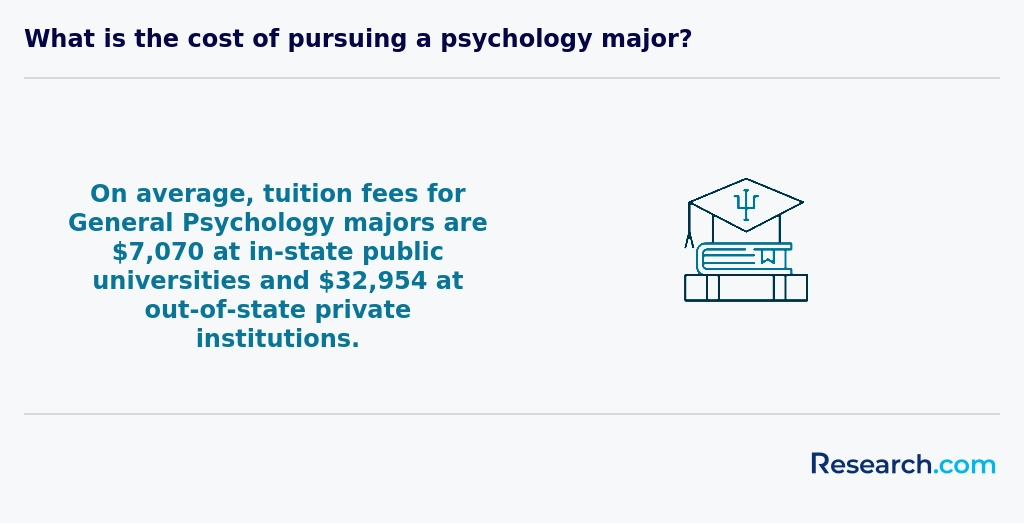
Enrolling in a psychology degree in Kansas usually means budgeting around $13,296 for the entire course if you're an in-state student, a figure that gives many students a tangible target to plan their futures around. Graduates from popular schools like the University of Kansas often share stories of balancing part-time work with classes, proud of managing costs while diving into fascinating psychological concepts. The average cost of psychology degree in Kansas reflects an accessible entry point, especially when you consider the mix of public options providing quality education without daunting price tags.
Graduate-level dreams sometimes come with a higher price but promise richer experiences. Those pursuing advanced study at state universities might budget closer to $15,000 annually, combining tuition and living expenses. Many psychology students describe this as an investment that feels worthwhile-fueling their curiosity and opening doors to fulfilling careers. That sense of momentum, of walking hallways where some of the nation's most insightful psychological research takes shape, helps soften the weight of tuition figures.
Private colleges near Kansas, such as Rockhurst University, often charge over $25,000 per year, a number that can feel intimidating. Yet many students find themselves empowered by scholarships and support networks that help transform those costs into stepping stones rather than barriers. If you want a clear snapshot and pathways to savings, checking out affordable psychology programs in Kansas can spark helpful ideas in your journey through tuition and fees Kansas 2027.
Choosing an APA-accredited psychology program ensures your degree meets the rigorous standards required for clinical practice and licensure. In Kansas, the American Psychological Association (APA) and the Kansas Behavioral Sciences Regulatory Board (BSRB) oversee program accreditation and practitioner credentials. Graduates must complete a doctoral degree from an APA-accredited institution, accumulate at least 1,500 hours of supervised practicum experience, and log 1,500 hours of post-doctoral supervised practice before sitting for the Examination for Professional Practice in Psychology (EPPP). After passing the EPPP, candidates apply to the BSRB for licensure, submitting official transcripts, verification of supervised hours, and passing scores. Licenses must be renewed biennially, which requires completion of 40 hours of continuing education credits, including at least four hours in ethics. Staying informed about these requirements not only accelerates your path to independent practice but also safeguards public trust in psychological services. For students weighing program costs against long-term professional benefits, comparing tuition fees and accreditation status can reveal hidden value. Prospective applicants often refer to affordability rankings-such as the Most Affordable Psychology Degree Programs Ranking in Albany, NY-to benchmark expenses and outcomes when evaluating Kansas institutions.
Imagine landing a merit-based scholarship at the University of Kansas, where maintaining a strong GPA in psychology classes unlocks research grants that feel like golden tickets to academic adventures. Or picture a graduate from Kansas State University who balanced late-night study sessions with work-study campus jobs, earning enough to ease tuition stress while gaining real-world experience in the mental health field. Here in Kansas, federal aid is a lifeline-Pell Grants can cover thousands, whispering relief to students navigating the $9,000 to $12,000 annual in-state tuition. Meanwhile, federal loans stand ready with flexible repayment plans, a double-edged sword that requires careful thought to avoid long-term debt shadows.
State programs like the Kansas Comprehensive Grant weave another safety net, catching students who show both academic promise and financial need. Psychology majors focusing on clinical or counseling paths might even tap into STEM and health scholarships, extending opportunities beyond the classroom walls.
External scholarships from the APA or Psi Chi add sparkles of hope, rewarding dedication and academic excellence like stars aligning for your future. In Kansas, financial aid isn't just support-it's a complex, vibrant ecosystem designed to power your psychology journey.
When considering a psychology degree in Kansas, one of the crucial factors to weigh is the cost of tuition. While many excellent programs are available, some stand out for their affordability without compromising on quality. For those seeking budget-friendly options, exploring affordable psychology programs in Kansas can provide a comprehensive overview of the most cost-effective choices. This approach enables prospective students to balance their financial constraints with their academic aspirations, making the pursuit of a psychology degree more accessible. By focusing on affordability, individuals can invest in their future without shouldering an unmanageable financial burden, ultimately paving the way for a successful and fulfilling career in psychology.
To step into the vibrant world of psychology studies in Kansas, you first need a sturdy academic foundation-a high school diploma showcasing strong skills in English, math, and science. Imagine a student at the University of Kansas, eagerly handing in SAT or ACT scores, some choosing to skip this step as test-optional policies sweep across campuses, making pathways more accessible.
Undergraduates often embark on their journey through foundational courses in biology and statistics, building confidence before diving into complex psychological theories. Graduates at Washburn University recall the pivotal moment they tightened their focus: submitting letters of recommendation and weaving personal essays that reveal their passion and purpose.
Many also share stories of gaining hands-on experience-internships or volunteering-which transform textbooks into living, breathing realities of human behavior. Such practical exposure electrifies their resolve and strengthens their applications, creating a richer, more relatable educational adventure right here in Kansas.
After earning a psychology degree in Kansas, graduates must navigate state licensure processes to practice clinically or provide counseling services. The Kansas Behavioral Sciences Regulatory Board (BSRB) oversees certification for psychologists, psychological associates, and licensed professional counselors (LPCs). Key steps include: 1. Educational Prerequisites • Licensed Psychologist: Doctoral degree (Ph.D. or Psy.D.) from a program accredited by the American Psychological Association (APA) or recognized by the BSRB. • Psychological Associate: Master’s degree in psychology plus coursework equivalent to doctoral training in ethics and assessment. • Licensed Professional Counselor: Master’s degree in counseling, psychology, or related field accredited by CACREP or equivalent. 2. Supervised Experience • Psychologists: Minimum of 1,500 post-doctoral supervised hours under a licensed psychologist. • Psychological Associates: At least 3,000 supervised hours, with a minimum of 1,500 in assessment and intervention. • LPCs: 3,000 supervised clinical hours, including direct client contact and group supervision. 3. Examinations • Examination for Professional Practice in Psychology (EPPP) required for psychologists and psychological associates. • National Counselor Examination (NCE) or National Clinical Mental Health Counseling Examination (NCMHCE) for LPC applicants. 4. Application and Fees • Submit official transcripts, verification of supervised hours, and exam scores to the BSRB. • Application fees range from $100 to $300, plus annual licensure renewal fees. 5. Continuing Education • Psychologists and LPCs must complete 40 hours of continuing education every two years, including ethics, cultural competency, and evidence-based practice. By understanding these requirements early, prospective students can tailor their program choices and internships to align with licensure criteria. For a comparative look at tuition affordability, consider our Most Affordable Psychology Degree Programs Ranking in Albany, NY.
Imagine diving into your first psychology class at the University of Kansas, where the journey begins with the thrill of unraveling what makes people tick-cognition, emotion, social behavior-all painted vividly through real-life case studies and lively discussions. As Kansas State University grads recall, courses like Abnormal Psychology feel like opening a door to the human mind's secret chambers, where mental health disorders become not just theory but stories of resilience and challenge.
Picture yourself in a lab at Wichita State, discovering how Biological Psychology grounds behavior in brain waves and neural chatter, while Cognitive Psychology nudges you to decode memory puzzles and perception illusions first-hand.
Then there's the adrenaline rush of Research Methods and Statistics, where Kansas students learn to craft experiments and interpret data-skills that spark confidence and curiosity in equal measure. Add Social Psychology's exploration of group dynamics, or Psychological Testing's deep dive into the tools behind understanding personality, and you have a curriculum that's as dynamic and adaptable as the communities across Kansas themselves.
Imagine diving deep into the human mind right here in Kansas, where psychology degree specializations open doors to unique pathways like clinical psychology, counseling psychology, developmental psychology, and industrial-organizational psychology. Graduates from the University of Kansas recall how their clinical psychology track challenged them to diagnose and treat mental health issues, fueling both empathy and expertise. Meanwhile, at Wichita State University, students enamored with developmental psychology relish exploring human growth stages, connecting theory with real kids in local schools.
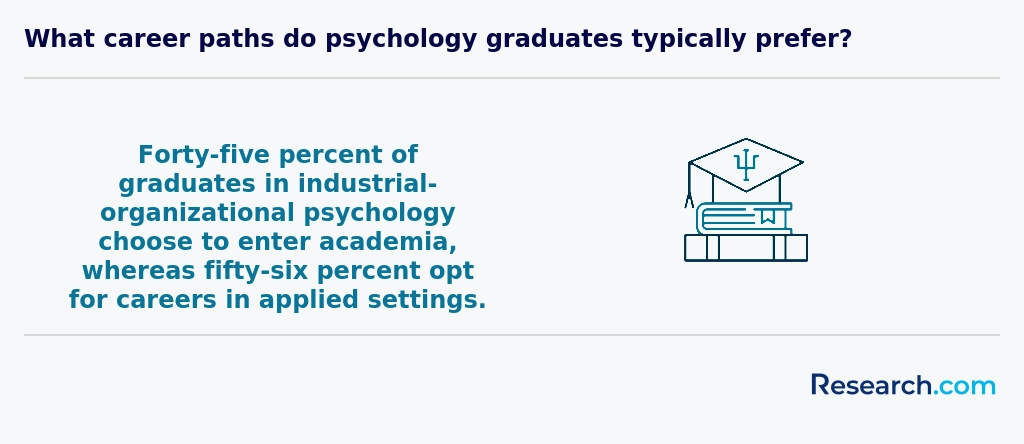
Others gravitate toward the industrial-organizational stream, fascinated by how psychological principles enhance workplace productivity-this draws energetic students eager to revolutionize Kansas businesses from within. Some have even ventured into forensic psychology, merging law and human behavior, or health psychology, tackling mind-body connections. These types of psychology programs Kansas offer are vibrant ecosystems where theory meets life's messiness.
For those balancing ambition and practicality, cost considerations surface, prompting many to explore an accelerated online psychology degree option that fits their bustling lives and budgets while maintaining quality and focus.
Choosing the best psychology degree programs in Kansas feels like piecing together a puzzle where each element-accreditation, cost, flexibility-fits perfectly into your unique life picture. Imagine a graduate from the University of Kansas who balanced evening classes with a full-time job, discovering that part-time, online courses made their dream achievable. Meanwhile, a Kansas State University alum thrives, remembering how faculty expertise ignited their passion in behavioral science, proving that hands-on research matters as much as textbooks.
Think about tuition numbers not as cold facts but as gateways-you could attend affordable psychology colleges Kansas, paying around $9,500 annually if you stay in-state, versus a pricier private path exceeding $20,000. Smart students weigh these costs alongside financial aid, ensuring they don't drown in debt. For those curious about related accreditation and licensing demands, Kansas graduates often emphasize aligning programs with state requirements, preparing them seamlessly for licensure exams.
And if you're wondering how much is bcba certification, that same strategic mindset applies to balancing quality, cost, and flexibility when choosing your path.
Graduates of psychology programs at Kansas universities often find themselves stepping into vibrant roles that ripple through communities. From clinical psychology to counseling, many embark on journeys requiring licensure, such as Licensed Clinical Psychologist or Licensed Professional Counselor, unlocking doors to deeply impactful work with individuals. Psychology career opportunities in Kansas also extend into schools, where graduates become school psychologists certified through the Kansas State Department of Education, aiding students in overcoming emotional or learning hurdles.
Others channel their energy into organizational psychology within corporate hubs scattered across the state, crafting healthier, more productive workplaces. Social service agencies and nonprofits beckon psychology grads eager to design community programs tackling complex issues like substance abuse and child welfare, blending compassion with strategy.
Dreaming of a future shaped by a psychology degree? Many students from Kansas's top colleges share stories of this dynamic path. To explore affordable options in psychology education, see the Most Affordable Psychology Degree Programs Ranking in Albany, NY. Jobs with psychology degree in Kansas carry promising growth and meaningful impact, making this field both a practical and passionate choice.
The psychology degree job opportunities Kansas offers feel like a growing tapestry of possibility woven into the fabric of communities from Wichita to Kansas City. Graduates from popular universities find themselves stepping into roles in schools, clinics, and social services, where their skills meet real needs. One graduate recalled how their clinical psychology work in a school district helped children navigate emotional challenges, confirming that demand for licensed professionals continues steadily upward.
Psychology students in Kansas often balance hopeful ambition with practical concerns, knowing that licensure through the Kansas Behavioral Sciences Regulatory Board is a gateway to rewarding careers. Tuition costs in Kansas universities, generally ranging between $10,000 and $12,000 per year in-state, encourage many to pursue advanced degrees without the financial burden felt elsewhere. This makes Kansas a welcoming environment for those hungry to make a difference.
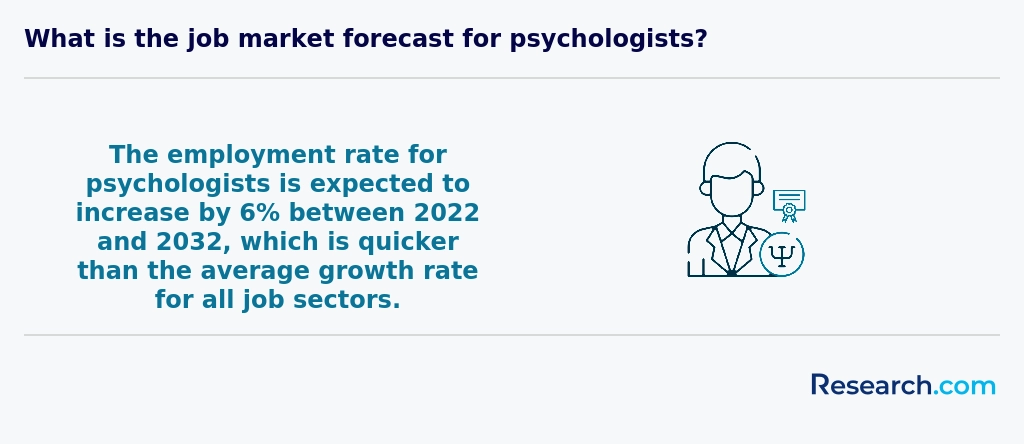
When it comes to Kansas psychology career outlook 2027, expect a roughly 6% growth in jobs, mirroring national trends. Master's and doctoral graduates often find that combining their degrees with supervised experience opens doors to diverse specialties. Those seeking accelerated paths might explore one year masters programs, enabling quicker entry into the workforce and fulfilling Kansas's steady psychological services need.
2027 Best Psychology Degree Programs Ranking in Kansas
Investing in your education is a significant decision that can shape your future, and the Research.com team understands the importance of making informed choices. To assist prospective students in Kansas, we have meticulously crafted the "2027 Best Psychology Degree Programs Ranking in Kansas." Our commitment to quality, credibility, and accuracy is reflected in the extensive research and analysis conducted to compile this ranking.
We utilized the following reputable data sources to ensure a comprehensive evaluation of psychology programs:
By exploring this ranking, readers will gain valuable insights into the best psychology degree programs available in Kansas, enabling them to make well-informed decisions about their educational paths. For more details on our methodology, please visit our Research.com methodology page.


Frequently Asked Questions About psychology
Psychology degree students in Kansas can enhance their learning by actively engaging in internships and research projects offered by local universities and mental health organizations. The Kansas Psychological Association highlights that practical experience is vital for developing clinical skills and understanding theoretical concepts. Students should also participate in student organizations and attend regional conferences, which provide networking opportunities with professionals and peers.
Choosing programs accredited by the American Psychological Association (APA) ensures quality education and better career prospects. Additionally, utilizing campus resources like tutoring and counseling centers can support academic success. According to the National Center for Education Statistics, Kansas awards over 1,000 psychology-related degrees annually, reflecting a growing interest and job market in the state.
The psychology field in Kansas is evolving, with several emerging niches gaining attention among students and professionals. One growing area is behavioral health integration, where psychologists collaborate with medical providers to address mental health in primary care settings. This approach reflects nationwide trends and is supported locally by increased funding for community health programs.
Another niche is forensic psychology, driven by demand within Kansas's legal and correctional systems. Jobs in this field involve assessments, consultations, and expert testimony.
Additionally, industrial-organizational psychology is expanding due to Kansas companies focusing on workplace productivity and employee well-being. According to the U.S. Bureau of Labor Statistics, demand for psychologists in Kansas is expected to grow by 10% by 2030, especially in specialized roles.
Preparing for the job market after earning a psychology degree in Kansas involves several key steps. First, gaining practical experience through internships or volunteer work in local mental health clinics or hospitals is crucial. According to the Kansas Board of Regents, many psychology graduates find opportunities in agencies across the state that serve diverse populations.
Networking is important; joining state organizations like the Kansas Psychological Association can connect you with professionals and job openings. Licensure requirements in Kansas generally include completing supervised hours and passing the Examination for Professional Practice in Psychology (EPPP).
Enhancing skills in data analysis and counseling techniques can increase employability. The U.S. Bureau of Labor Statistics reports that psychology-related jobs in Kansas are growing at a steady rate, particularly in healthcare and social services sectors.
Employers in Kansas seeking psychology degree graduates emphasize a blend of strong interpersonal and analytical skills. Effective communication is crucial, as graduates must engage with clients, colleagues, and stakeholders clearly and empathetically. According to the U.S. Bureau of Labor Statistics, psychologists in Kansas often collaborate across diverse teams, making teamwork and adaptability vital.
Critical thinking and data analysis are also highly valued. Graduates should competently design studies, interpret psychological data, and apply evidence-based solutions. The Kansas Department of Labor highlights problem-solving abilities as essential for careers in counseling, research, or human services within the state.
Additionally, ethical judgment and cultural competence are key, reflecting the state's growing diversity and legal guidelines governing psychological practice.
Finding internships in Kansas relevant to a psychology degree involves several strategic steps. Start by exploring partnerships between local universities and mental health organizations. Institutions like the University of Kansas and Kansas State University offer internship listings through their psychology departments. Additionally, check with community health centers, hospitals, and nonprofit organizations in cities such as Wichita and Topeka. The Kansas Psychological Association provides resources and networking opportunities that can connect students with internship openings.
Online job boards and university career centers are valuable tools, as about 60% of Kansas psychology students secure internships through these channels, according to recent survey data from the Kansas Board of Regents. Developing relationships with faculty advisors can also lead to personalized internship recommendations.
A psychology degree in Kansas can significantly enhance career mobility and advancement opportunities. Graduates often find roles in mental health, education, social services, and business sectors. According to the U.S. Bureau of Labor Statistics (BLS, 2023), Kansas has a steady demand for psychologists, with an average annual growth rate of about 5% expected through 2030. Earning a degree also opens doors to specialized certifications and graduate studies, which are often required for higher-level positions.
Employers in Kansas value psychology skills such as critical thinking and understanding human behavior, which can lead to promotions and leadership roles. Networking through local organizations like the Kansas Psychological Association further supports career growth.
Studying for a psychology degree in Kansas equips students with a strong foundation in understanding human behavior, critical for interdisciplinary roles. Kansas universities often emphasize collaboration across fields like healthcare, education, and social services. This approach reflects regional workforce needs highlighted by the Kansas Department of Labor, which forecasts a 10% growth in social and human service positions by 2030.
Many programs integrate practical experiences, including internships in diverse settings such as schools, hospitals, and community agencies. These opportunities help students apply psychological principles in real-world contexts alongside professionals from other disciplines.
Additionally, Kansas psychology curricula often include courses on research methods, counseling strategies, and cultural competency, fostering skills valuable for teamwork in interdisciplinary environments. According to the American Psychological Association, strong interdisciplinary training can enhance employment prospects and effectiveness in sectors like mental health, education, and criminal justice across Kansas.
When choosing between a thesis and a non-thesis psychology degree program in Kansas, consider your career goals and time commitment. Thesis programs emphasize research skills and typically require 1-2 years of original study, ideal if you plan to pursue a PhD or work in research. Non-thesis options usually focus on coursework and practical skills, allowing faster completion and suited for those aiming for clinical or counseling roles.
Universities like the University of Kansas offer both paths, with thesis students often receiving more faculty mentorship. According to the National Center for Education Statistics, about 40% of Kansas psychology graduate students choose thesis programs, reflecting diverse professional intentions.
Financial aid opportunities may differ, as thesis tracks sometimes provide research assistantships. Review each program's curriculum and consult academic advisors to align your choice with your professional future.
Students based in Kansas who wish to study psychology abroad have several pathways to consider. Many Kansas universities with psychology programs, such as the University of Kansas and Kansas State University, offer study abroad partnerships with institutions in countries like the United Kingdom, Australia, and Canada. These programs often allow students to earn credit towards their degrees while gaining international experience.
Exchange and faculty-led programs typically last one semester, giving students exposure to different psychological theories and practices in an international context.
Financial aid and scholarships specifically for study abroad are available for Kansas students, making these opportunities more accessible. According to the Institute of International Education, about 2% of U.S. psychology students study abroad each year, and Kansas institutions actively promote these experiences to enhance cultural competence in psychology careers.
Students pursuing psychology degrees in Kansas have multiple part-time job opportunities that enhance their academic experience. Working as a research assistant at universities like the University of Kansas or Kansas State University provides hands-on experience with psychological studies and data analysis. These positions often pay between $12 and $18 per hour, depending on experience.
Another option is to work in mental health support roles, such as a behavioral health technician or crisis hotline responder. Kansas is actively increasing mental health services, offering job openings that complement psychology education.
Additionally, tutoring psychology courses or assisting in educational programs offers flexible hours and reinforces subject knowledge.
Psychology students in Kansas benefit from various networking opportunities through universities, professional organizations, and local events. Many institutions, like the University of Kansas and Kansas State University, host psychology clubs and honor societies where students connect with peers and faculty. These groups often organize speaker events and career panels that facilitate networking.
The Kansas Psychological Association (KPA) offers student memberships, providing access to conferences and workshops that allow students to meet practicing psychologists and researchers. In 2023, KPA events attracted over 300 attendees, including students statewide, enhancing professional connections.
Additionally, internships and research programs frequently bring students in contact with local mental health clinics and community services, broadening their professional networks in practical settings.
Alumni networks play a significant role in supporting psychology degree students in Kansas. These networks offer connections to professionals who have graduated from the same programs, providing valuable mentorship and career advice.
Many Kansas institutions with psychology programs, such as the University of Kansas and Wichita State University, maintain active alumni groups. These groups host events and share job opportunities tailored for psychology graduates within the state.
According to the Kansas Board of Regents, students involved in alumni networks are 30% more likely to secure internships or entry-level positions in psychology fields, thanks to networking and referrals.
Such connections also help students stay informed about local industry trends and licensing requirements, critical for practicing psychology in Kansas.
Customizing a psychology degree in Kansas to fit your career goals begins with selecting the right courses and specializations. Many Kansas universities offer concentrations such as clinical psychology, counseling, or industrial-organizational psychology, allowing students to tailor their education to specific fields.
You can also choose between Bachelor of Arts or Bachelor of Science tracks, depending on whether you prefer a broader liberal arts approach or a science-heavy curriculum focused on research.
Internships and fieldwork opportunities in Kansas provide practical experience. For example, Wichita State University and the University of Kansas have partnerships with local clinics and organizations that help students gain hands-on exposure.
Additionally, students should consider programs accredited by the American Psychological Association (APA) if aiming for licensure as psychologists in Kansas. This can impact eligibility for certain careers in counseling or clinical psychology.
Finally, exploring certificates or minors in related fields such as social work or education may further customize your degree to better match your career aspirations.
Psychology students in Kansas often face several challenges related to education and career preparation. One common difficulty is accessing quality internships and practicum opportunities, which are essential for licensure and gaining hands-on experience. In Kansas, the limited number of accredited clinical psychology programs can increase competition for these positions.
Another challenge is managing the financial burden associated with higher education. According to the National Center for Education Statistics, the average annual cost for public universities in Kansas can exceed $10,000, which may require students to seek scholarships or federal aid.
Additionally, students must navigate evolving licensure requirements overseen by the Kansas Behavioral Sciences Regulatory Board, which often demand substantial supervised hours and post-graduate education.
With a psychology degree in Kansas, graduates can pursue several professional certifications to enhance their careers. One common path is becoming a Licensed Psychologist, which requires a doctoral degree, supervised clinical hours, and passing the Examination for Professional Practice in Psychology (EPPP). For those with a master's degree, certification as a Licensed Specialist Clinical Social Worker (LSCSW) or Licensed Professional Counselor (LPC) is available, involving state-specific exams and supervised experience.
Additionally, certifications like Certified Addiction Counselor or Board Certified Behavior Analyst are accessible to Kansas psychology graduates aiming to specialize. The Kansas Behavioral Sciences Regulatory Board provides updated requirements and licensure information for these certifications.
To write a winning application for a psychology program in Kansas, start by thoroughly researching each school's program focus and requirements. Programs like those at the University of Kansas emphasize research experience, so highlight any internships, lab work, or volunteer roles related to psychology.
Strong letters of recommendation are crucial; seek recommenders familiar with your academic abilities and passion for psychology. Kansas schools often value a clear personal statement explaining why you want to study psychology and how it fits your career goals.
Include your GPA and standardized test scores, if required, paying attention to competitive statistics-many Kansas institutions seek applicants with GPAs above 3.0. Finally, submit all materials well before deadlines to ensure consideration.
Psychology careers in Kansas reflect broader global trends emphasizing interdisciplinary skills and applied knowledge. Around the world, psychology professionals increasingly engage in diverse fields such as healthcare, education, and business. In the US, including Kansas, the demand for clinical, counseling, and school psychologists is expected to grow by 8% from 2021 to 2031, according to the U.S. Bureau of Labor Statistics.
International collaboration in research and practice also shapes career paths. For example, Kansas institutions often participate in global mental health initiatives, preparing graduates for work both locally and abroad. This global scope enhances opportunities for Kansas psychology students aiming to understand cultural diversity and emerging psychological issues worldwide.
Gaining practical experience while studying for a psychology degree in Kansas is essential for career readiness. Many universities in Kansas offer internships or practicum placements in local clinics, hospitals, and community organizations. For example, the University of Kansas provides students with opportunities to work in mental health settings, enhancing hands-on skills.
Students can also participate in research projects led by faculty members, which is crucial since 60% of psychology graduates enter research-oriented roles (American Psychological Association, 2023). Volunteering in counseling centers or social service agencies across Kansas is another way to build experience.
Additionally, some programs require supervised fieldwork before graduation, helping students develop professional competencies. Engaging in these activities while studying increases employability and practical knowledge.
Choosing the right concentration within a psychology degree program in Kansas involves evaluating your career goals and interests. For example, clinical psychology focuses on diagnosing and treating mental illnesses, while industrial-organizational psychology applies psychological principles to workplace settings. According to the Kansas Board of Regents, several universities in the state offer diverse concentrations, including child psychology, counseling, and forensic psychology.
It is essential to consider the job market in Kansas. The U.S. Bureau of Labor Statistics reports that behavioral health jobs in Kansas are projected to grow by 10% between 2020 and 2030. Specializing in high-demand areas may improve your employment prospects.
Additionally, review the curriculum and faculty expertise at each school, as well as opportunities for internships and research within Kansas to gain practical experience.
- 2027 Best Psychology Degree Programs Ranking in Colorado
- 2027 Best Psychology Degree Programs Ranking in Iowa
- 2027 Best Psychology Degree Programs Ranking in Arkansas
- 2027 Best Psychology Degree Programs Ranking in Illinois
- 2027 Best Psychology Degree Programs Ranking in Louisiana
- 2027 Best Psychology Degree Programs Ranking in Alabama
- 2027 Best Psychology Degree Programs Ranking in Indiana
- 2027 Best Psychology Degree Programs Ranking in Georgia
- 2027 Best Psychology Degree Programs Ranking in Florida
- 2027 Best Psychology Degree Programs Ranking in Arizona
See What Experts Have To Say About Studying Psychology
Read our interview with Psychology experts

Joann Farrell Quinn, Ph.D., MBA
Psychology Expert
Director at the College of Medicine Department of Medical Education
Morsani College of Medicine

Robin M. Kowalski. Ph.D.
Psychology Expert
Professor of Psychology
Clemson University

Elizabeth L. Jeglic Ph.D.
Psychology Expert
Professor of Psychology
City University of New York

- Study Psychology Abroad | Go Overseas https://www.gooverseas.com/study-abroad/psychology
- Alumni Perspectives - Meet Our FPN Alumni https://www.aanmelder.nl/alumni-perspectives-june-2023
- Explore Psychology Degrees Online | Psychology.org https://www.psychology.org/online-degrees/
- Kansas Psychology Schools | Psychology Degree Guide https://psychologydegreeguide.org/state/kansas/
- What Can You Do With a Psychology Degree? Careers, Paths, and What to Study https://www.griffith.ie/knowledge/what-can-you-do-with-a-psychology-degree-careers-paths-and-what-to-study
- Society for the Teaching of Psychology https://teachpsych.org/page-1784686/8675326
- Mental Health Challenges Faced by Psychology Students | The Healthcare Guys https://healthcareguys.com/2023/11/23/mental-health-challenges-faced-by-psychology-students/
- Best Sports Psychology Programs for Kansas Students (2026) https://www.sportspsychology.org/state/kansas/
- Psychology Discipline - MCC Kansas City https://mcckc.edu/programs/psychology/index.aspx
- Research and Experimental Psychology https://www.fastweb.com/directory/scholarships-for-research-and-experimental-psychology-majors


