2027 Questions to Ask Before Accepting a Skilled Nursing Facility Nurse Position
Audited and Verified:
Our Editorial and Data Verification Process
Research.com uses government datasets, official education statistics and primary institutional information to support its career and degree guides. Our review process checks factual accuracy, occupational definitions, source dates and the requirements associated with the credentials discussed.
How This Article Was Fact-Checked
Our editorial team verifies salary estimates, employment projections, education requirements and program information against original data providers and official organizations. Salary figures are checked against the relevant occupational definitions and reporting periods. Information about licensure, accreditation and required in-person training is reviewed separately.
Fact-checked and verified on:

Co-Founder and Chief Data Scientist
A skilled nursing facility offer can look attractive until you learn how many residents you will cover, who responds when a condition changes, and what happens when a shift is short-staffed. For nursing students, new graduates, and experienced nurses considering a move, those details matter more than a job title alone.
This guide helps you test the offer against your license, experience, and goals. You will leave with questions to ask, evidence to request, and a practical way to decide whether the position offers safe support and worthwhile growth.
Key Things You Should Know
- Ask for the usual resident census, staffed RN and LPN/LVN coverage, nursing assistant support, and what changes on nights and weekends; an advertised ratio alone does not describe the workload.
- Confirm the length and content of supervised orientation, who validates competencies, and whom you can call when a resident deteriorates - especially if this is your first nursing job.
- Compare at least two offers using the full compensation package, schedule, resident acuity, and documented staffing information, not the hourly rate alone.
What should you ask before accepting a skilled nursing facility nurse position?
A skilled nursing facility (SNF) provides nursing and rehabilitation services to residents who may need short-term recovery care or longer-term support. The nurse's workload depends on the resident mix, not just the number of beds: admissions, medication passes, wound care, changes in condition, and family communication can all compete for time. Ask to speak with a nurse who works the shift you would actually take.
Use these questions to turn a general promise of "support" into details you can evaluate:
- Assignment: How many residents do nurses typically cover on this shift, how many are receiving short-stay rehabilitation, and who handles admissions and discharges?
- Staffing: How many RNs, LPNs/LVNs, and nursing assistants are scheduled and usually present? What is the backup plan for callouts or increased acuity?
- Clinical support: Who is on site or on call when a resident deteriorates, and how are transfers and urgent orders handled?
- Orientation: How many supervised shifts are planned, who is the preceptor, and what competencies must be demonstrated before taking a full assignment?
- Daily workflow: Who completes assessments, care plans, treatments, documentation, and family calls? How much time is allocated for each?
- Terms: Are shifts, weekends, floating, overtime, differentials, benefits eligibility, and any sign-on-bonus repayment terms stated in writing?
Ask for a realistic shift walkthrough and, where available, review the facility's publicly reported staffing and inspection information alongside what employees tell you. A good sign is a manager who can explain how assignments change with acuity and how a new nurse gets help - not merely quote a target ratio. If the employer describes the job as a stepping stone to advanced practice, assess that separately: online MSN-PMHNP completion timelines do not establish eligibility for that specialty or replace the experience and supervised education its programs require.
What qualifications and licenses are required for skilled nursing facility nurses?
SNFs employ registered nurses and licensed practical or vocational nurses. An RN generally completes an approved prelicensure nursing program, meets state licensing requirements, and passes the NCLEX-RN; an LPN/LVN follows the applicable practical nursing and NCLEX-PN pathway. Duties differ by license and state scope-of-practice rules. Neither graduation nor a passed exam alone is the same as an active license.
Before accepting, confirm that the position's assigned duties match your license and the facility's policies. Ask whether the employer requires current CPR training, experience with the resident population, or specific treatment competencies - and whether it will teach and assess skills you have not yet performed. Short-format LPN coursework and clinical requirements may help someone considering entry into nursing, but an accelerated program does not remove required supervised preparation or guarantee licensure eligibility.
How do you evaluate a nursing program for skilled nursing careers?
If you are not yet licensed, choose a program that prepares you for the license required by your target SNF role. Verify its state board status and your eligibility to seek licensure where you intend to work; also check institutional and applicable nursing program accreditation. These are different forms of review. Ask about supervised experiences with older adults, rehabilitation, chronic illness, medication administration, and transitions of care, while recognizing that a particular SNF placement may not be guaranteed.
For each program, request its clinical-placement policy, total attendance requirements, recent NCLEX results with the reporting period, and the support available when a student struggles. If you are entering from another field, comparing online prelicensure nursing pathways can clarify options; confirm directly which program leads to initial RN eligibility rather than assuming an online nursing degree does.
Neither format is inherently better preparation for SNF practice. A prelicensure program with online lectures still requires approved hands-on learning, clinical experiences, and demonstrated skills. Compare where those activities occur, who arranges placements, how often you must attend in person, and whether the schedule works with your job or caregiving responsibilities. "Online" does not necessarily mean self-paced.
For an already-licensed RN, an online RN-to-BSN program serves a different purpose: degree completion rather than initial licensure. Its clinical or practice-experience requirements vary, so review online RN-to-BSN clinical requirement comparisons and verify the school's current policy. If the SNF position does not require a BSN, ask whether the degree would support a specific advancement goal before paying for it.
Health assessment, pharmacology, pathophysiology, adult and older-adult nursing, mental health, and care coordination all connect to common SNF work. The useful question is how a program turns that knowledge into supervised performance: recognizing a change from a resident's baseline, communicating concerns, documenting accurately, and prioritizing care across an assignment. Classroom or simulation success alone does not establish readiness to manage an independent workload.
Ask a prospective employer which gaps its orientation addresses, including wound care, infection prevention, dementia care, medication systems, and the facility's electronic record. Mental health coursework is valuable for resident care, but it is not psychiatric nurse practitioner preparation. If that is a separate long-term goal, review PMHNP certificate completion timelines only after confirming the certificate's entry requirements and clinical expectations.
Requirements vary by school and pathway. Prelicensure applicants may need prerequisite sciences and labs, minimum grades, an entrance exam, and checks required for clinical placement. RN-to-BSN applicants generally need an RN license or must meet a program's stated license-timing policy. Admission to a college is not necessarily admission to its nursing sequence.
If a school advertises no TEAS or HESI requirement, ask how it selects students and whether other conditions apply; admission requirements beyond TEAS and HESI can help frame that conversation. For an SNF job applicant who is already licensed, a new degree application may be unnecessary. First establish whether the employer needs additional education or simply relevant training and a supported orientation.
Program length depends on prerequisites, transfer credit, enrollment pace, clinical availability, and whether you already hold a nursing license. Compare the school's written completion plan and full estimated cost rather than relying on an advertised minimum timeline. Include tuition, fees, equipment, screenings, clinical travel, examination and licensing expenses, and earnings lost if your schedule must change.
Before accepting a job for its education benefit, request the policy: eligibility date, annual cap, eligible programs, grade requirements, and repayment terms if you leave. If a later MSN is part of your plan, BSN-to-MSN tuition and fee considerations are a separate financial decision. Do not count a possible promotion or reimbursement as guaranteed return on the SNF offer.
Within an SNF, a nurse may develop expertise in direct care, admissions, infection prevention, staff education, care coordination, or nursing management. These roles differ in experience expectations and authority; a supervisory title does not expand a nurse's legal scope of practice. Ask whether openings are filled internally, what preparation recent appointees had, and whether mentorship or protected training time is available.
For an RN with an associate degree, advancement may involve experience, an RN-to-BSN program, or graduate study depending on the target job - not automatically another degree. ADN-to-MSN admission requirements are worth examining only if a specific graduate-level goal calls for that route. If your goal is stronger bedside practice, a well-supported SNF role and focused continuing education may be the more direct investment.
Pay varies by license, location, experience, shift, employer, and whether the offer includes benefits. The U.S. Bureau of Labor Statistics reports wages for occupations such as registered nurses and licensed practical and vocational nurses, but an occupation-wide median is not an SNF-specific offer or a new graduate's expected salary. Ask for the base hourly rate in writing, then compare shift and weekend differentials, overtime rules, paid leave, insurance costs, retirement contributions, and any bonus conditions.
Compare offers on the same basis: expected paid hours and likely take-home compensation, alongside workload and support. A higher rate may not compensate for unpredictable shifts or an assignment beyond your preparation. Do not compare an SNF nurse offer with earnings associated with a different licensed role; cost-focused online psychiatric NP options involve additional education and a distinct career decision, not an SNF pay benchmark.
What is the job outlook for nurses in skilled nursing facilities?
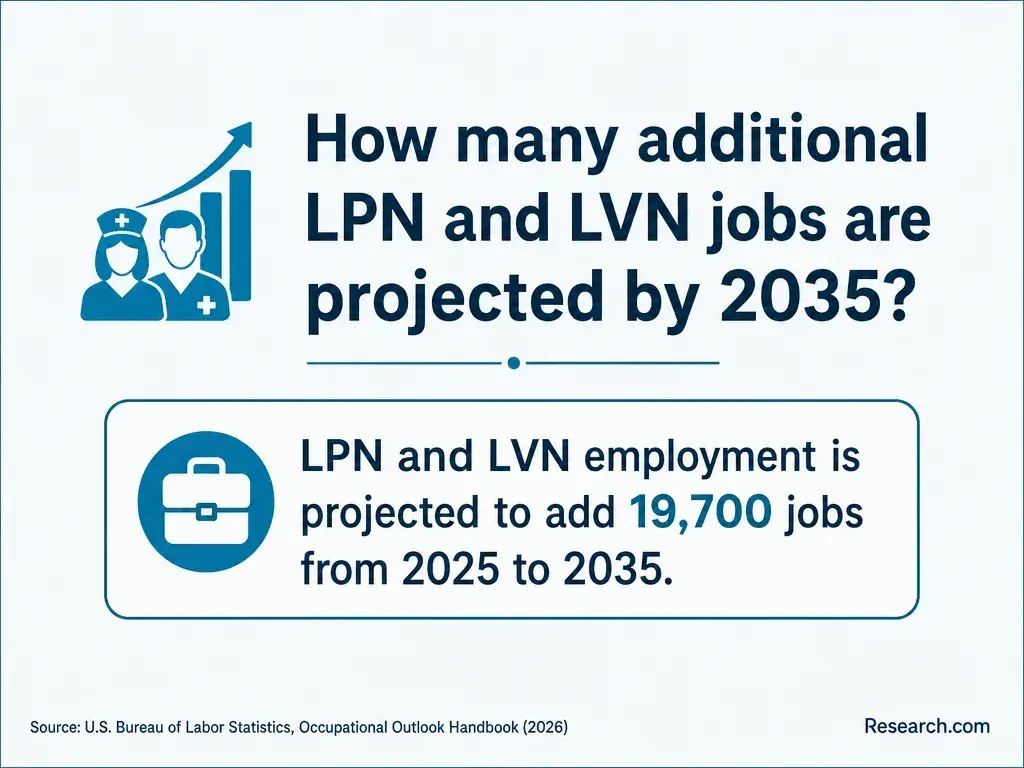
Demand for nursing care does not tell you whether a particular facility is a good employer. National RN and LPN/LVN employment projections cover multiple settings, not just SNFs, and local openings may reflect growth, turnover, or both. Ask why this position is open, how long nurses typically stay, and whether the facility has been able to fill scheduled shifts. Evaluate those answers with its staffing and inspection record rather than treating frequent vacancies as proof of opportunity.
If you hope to move into leadership later, check the qualifications of the actual role you want. Advanced study can be useful for some positions, but DNP study options beyond highly selective programs should not be mistaken for a requirement to begin - or advance in - SNF nursing. The sound immediate choice is an offer whose current responsibilities, supervision, and conditions fit you now.
Other Things You Should Know About Nursing
Yes. Ask whether the facility permits a scheduled observation and what confidentiality rules apply. If shadowing is unavailable, request a detailed walkthrough with a nurse from your proposed shift.
Ask the employer to resolve the difference in writing before you accept. Pay, shift, status, and bonus terms are especially important to clarify.
Yes. Describe what you learned, what you have performed under supervision, and what training you need. This helps the employer plan a safe orientation and avoids overstating your readiness.
Read the agreement before signing. Repayment obligations and exceptions depend on its terms and applicable law; ask for clarification if the conditions are unclear.
- Fact Sheet #56C: Bonuses under the Fair Labor Standards Act (FLSA) | U.S. Department of Labor https://www.dol.gov/agencies/whd/fact-sheets/56c-bonuses
- Module 1. Detecting Change in a Resident's Condition | Agency for Healthcare Research and Quality https://www.ahrq.gov/patient-safety/settings/long-term-care/resource/facilities/ltc/gdmod1.html
- Resident condition change: should I call 911? | PubMed https://pubmed.ncbi.nlm.nih.gov/18267174/
- High Nursing Staff Turnover in Nursing Homes Offers... - PMC https://pmc.ncbi.nlm.nih.gov/articles/PMC7992115/
- To Advance Information on Quality of Care, CMS Makes Nursing Home Staffing Data Available https://www.cms.gov/newsroom/press-releases/advance-information-quality-care-cms-makes-nursing-home-staffing-data-available
- Understanding Benefits | UConn Center for Career Readiness and Life Skills https://career.uconn.edu/resources/understanding-benefits/
- Retention of Registered Nurses: A Brief Report on Interventions to Increase Retention in the Nursing Workforce https://nchealthworkforce.unc.edu/projects/nursing-workforce/retention_brief/