2027 Cardiac ICU vs Cardiac Catheterization Lab Nursing: Daily Work, Schedules, and Career Fit
Audited and Verified:
Our Editorial and Data Verification Process
Research.com uses government datasets, official education statistics and primary institutional information to support its career and degree guides. Our review process checks factual accuracy, occupational definitions, source dates and the requirements associated with the credentials discussed.
How This Article Was Fact-Checked
Our editorial team verifies salary estimates, employment projections, education requirements and program information against original data providers and official organizations. Salary figures are checked against the relevant occupational definitions and reporting periods. Information about licensure, accreditation and required in-person training is reviewed separately.
Fact-checked and verified on:

Co-Founder and Chief Data Scientist
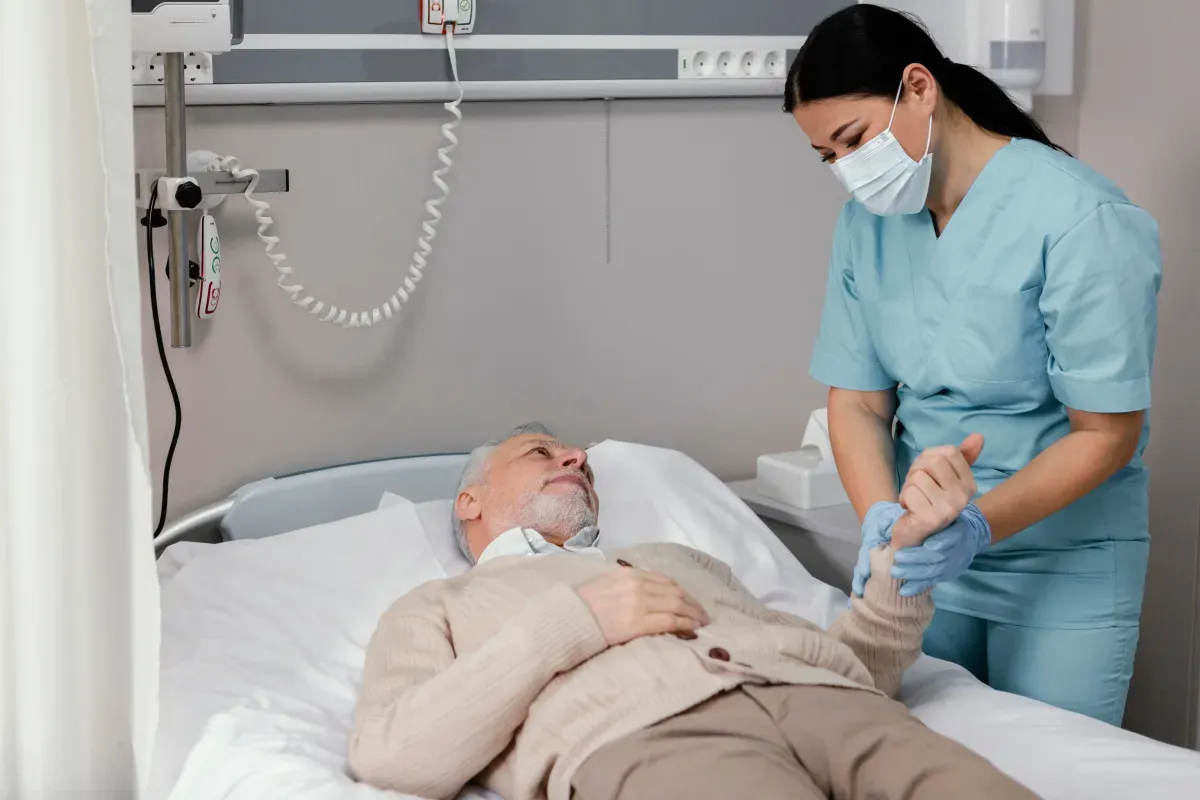
Cardiac ICU and cardiac catheterization lab nurses both care for people with serious heart conditions, but their workdays can feel entirely different. One role centers on continuous bedside care; the other often follows a procedure schedule interrupted by emergencies. For nursing students, new graduates, and RNs considering a move, that difference affects training, hours, and career satisfaction. This guide compares the work and shows what to verify in a job offer or nursing program before committing.
Key Things You Should Know
- Cardiac ICU nurses manage ongoing care for critically ill patients; cath lab nurses prepare, monitor, and recover patients around invasive cardiac procedures.
- Cardiac ICU jobs commonly use around-the-clock shifts, often 12 hours; cath lab jobs may have scheduled daytime hours plus potentially disruptive emergency call.
- Both roles require RN licensure and employer-validated specialty skills. The U.S. Bureau of Labor Statistics does not publish separate wage medians for cardiac ICU and cath lab nurses.
What are the differences between cardiac ICU and cardiac catheterization lab nursing?
A cardiac intensive care unit (ICU) cares for patients who need continuous assessment and treatment, such as those recovering from major cardiac surgery or experiencing severe heart failure or shock. A cardiac catheterization lab is a procedural setting where a team performs tests and treatments such as coronary angiography and percutaneous coronary intervention. Services vary by hospital; some labs also handle structural-heart or electrophysiology procedures.
This comparison focuses on where each nurse spends time, how care unfolds, and what a transition would require.
| Consideration | Cardiac ICU | Cath lab |
| Main workflow | Continuous bedside care across a shift | Preparation, intraprocedure care, handoff, and recovery around cases |
| Patient relationship | Repeated assessments and family communication over hours or days | Focused encounters that may last one procedure or recovery period |
| Core demands | Recognizing changes in unstable patients while coordinating multiple treatments | Coordinating with a procedural team while monitoring a patient and anticipating case needs |
| Common pressure point | Sustained vigilance during a full shift | Rapid response to emergencies, particularly when on call |
An ICU nurse may develop deep familiarity with a patient's course; a cath lab nurse may prefer discrete cases and procedural teamwork. Neither role is inherently a promotion from the other. Experienced nurses can move between them, but each move requires setting-specific orientation and demonstrated competence.
When evaluating a guide to accelerated family nurse practitioner study, treat a "12-month" label as a structural clue rather than a guarantee of calendar time.
What does a cardiac ICU nurse do during a typical shift?
A cardiac ICU shift generally begins with a detailed handoff: why each patient is admitted, recent changes, current treatments, and immediate risks. The nurse assesses patients, reviews monitoring and orders, administers prescribed therapies, documents responses, communicates with the care team, and helps patients and families understand the plan. The exact assignment depends on acuity and staffing, so a job title alone does not establish patient load.
Much of the work is iterative rather than a fixed checklist. A nurse might help prepare one patient for a procedure, receive another back from the operating room, and escalate a concerning change in a third. Invasive monitoring, vasoactive medications, mechanical circulatory support, and ventilators may be part of a unit's practice, but nurses use them according to their training, orders, scope, and hospital policy - not simply because they work in a cardiac ICU.
This role tends to suit nurses who value bedside relationships and can sustain attention through changing priorities. For a new graduate, the quality and length of supervised orientation matter more than an expectation of arriving with independent critical-care expertise.
That same distinction—between a unit or program title and what actually happens in day-to-day practice—is central when reviewing accelerated post-master's FNP study.
What does a cardiac catheterization lab nurse do each day?
A cath lab nurse's day often starts by reviewing the case schedule, equipment and room readiness, patient information, and team assignments. Depending on the facility, nurses may assess and prepare patients, verify required documentation, administer ordered medications within policy, monitor patients during procedures, document events, and coordinate transfer or recovery. Other team members - including physicians and cardiovascular technologists - have distinct responsibilities; the RN's role is not identical at every lab.
Scheduled cases can change quickly when an emergency patient arrives. A nurse may have to shift from a planned diagnostic case to an urgent intervention while maintaining clear communication and safe handoffs. Some positions include pre- or post-procedure care; others focus predominantly on the procedure room. Ask which areas the job actually covers, rather than assuming every cath lab position has the same daily workflow.
Cath lab work can fit nurses who enjoy technical procedures, short but consequential patient encounters, and close teamwork. It may be less satisfying for someone who wants sustained bedside care or dislikes unpredictable emergency activation.
That same lesson—checking what is actually covered rather than taking a broad label at face value—applies directly when comparing clinical site support for FNP students.
The key distinction is not simply nights versus days; it is predictable shifts versus potential call. Either specialty can have difficult hours, and local staffing models determine the actual schedule.
These common patterns provide a starting point for comparing offers, not a promise about a particular employer.
| Schedule feature | Cardiac ICU | Cath lab |
| Regular coverage | Typically staffed 24/7, including nights, weekends, and holidays | Often has scheduled procedure hours, with emergency coverage outside them |
| Shift pattern | Frequently 12-hour shifts; other arrangements exist | Often 8- or 10-hour scheduled shifts; arrangements vary |
| Unexpected work | Patient deterioration, admissions, and delayed handoffs can extend a shift | Cases can run late; call may bring staff back at night or on weekends |
| Pay considerations | Potential night, weekend, or holiday differentials | Potential call, callback, and overtime pay under employer policy |
Before accepting either job, request the written schedule and pay policies. For cath lab roles, ask how often each nurse takes call, how quickly they must arrive, whether proximity to the hospital is required, and what rest is provided after a callback. For ICU roles, ask about rotation between days and nights, weekend requirements, and how staffing changes affect assignments. Those answers are especially important if childcare, commuting, or another job limits availability.
Pinning down those exact operational constraints ahead of time is equally valuable when evaluating affordable psychiatric-mental health NP pathways, where program pacing, clinical hour commitments, state authorization rules, and true out-of-pocket costs can easily shift if they aren't checked against your real schedule and bandwidth.
Both positions are registered nurse roles. A prospective RN completes an approved prelicensure nursing pathway, meets the applicable state board's requirements, passes the NCLEX-RN, and obtains an RN license. An associate degree in nursing and a prelicensure BSN are common routes; employers may prefer or require a BSN for a particular opening. A degree alone does not confer an RN license, and licensure does not establish independent ICU or cath lab competence.
For a student who already holds a bachelor's degree outside nursing, direct-entry MSN prerequisite comparisons can help distinguish initial RN preparation from graduate pathways that assume the applicant is already an RN. The right route depends on prerequisites, clinical access, cost, and state eligibility - not the degree title alone.
After licensure, an employer provides role-specific orientation and evaluates competencies. Hospitals may hire new graduates into a cardiac ICU residency, while some cath labs prefer prior ICU, emergency, or procedural experience. Those are hiring practices, not universal licensing rules; check the actual posting and ask how supervised progression works.
There is no separate RN degree required for cardiac ICU or cath lab nursing. Prelicensure programs build general nursing judgment and supervised patient-care experience; specialty expertise develops through clinical exposure and employer onboarding. When comparing an ADN with a BSN, consider both eligibility for local jobs and the time and cost of completion.
Students with an earlier bachelor's degree may consider accelerated BSN programs with accessible admissions, but should verify science prerequisites, the full-time clinical schedule, state board eligibility, and total cost. "Accelerated" describes pace, not a shortcut around supervised preparation.
For an already-licensed ADN-prepared nurse, an RN-to-BSN program may satisfy an employer's education preference. It is a postlicensure degree-completion route, not a replacement for cardiac orientation. An RN who already meets hiring requirements may gain more immediate value from a strong residency or transition program than from an additional degree pursued solely to learn cath lab or ICU procedures.
The strongest foundation combines anatomy and physiology, pathophysiology, pharmacology, health assessment, and clinical judgment with supervised practice. Cardiac-focused learning includes recognizing changes in perfusion and rhythm, communicating urgent findings, and understanding the purpose and risks of common therapies. Simulation can help students rehearse escalation and teamwork, but it is not proof of independent competence with a particular device or procedure.
Students exploring online coursework options for aspiring nurses should confirm where labs, simulation, and supervised clinical experiences occur. An online lecture format does not make clinical preparation remote or self-scheduled.
To prepare for either specialty, seek approved clinical experiences that expose you to cardiac patients, ask instructors for feedback on assessment and handoffs, and discuss shadowing with potential employers. Once hired, expect competency checks tied to the unit's patient population and equipment. A cath lab transition may also require learning procedural workflow and radiation-safety practices; an ICU transition may emphasize prolonged management of unstable patients.
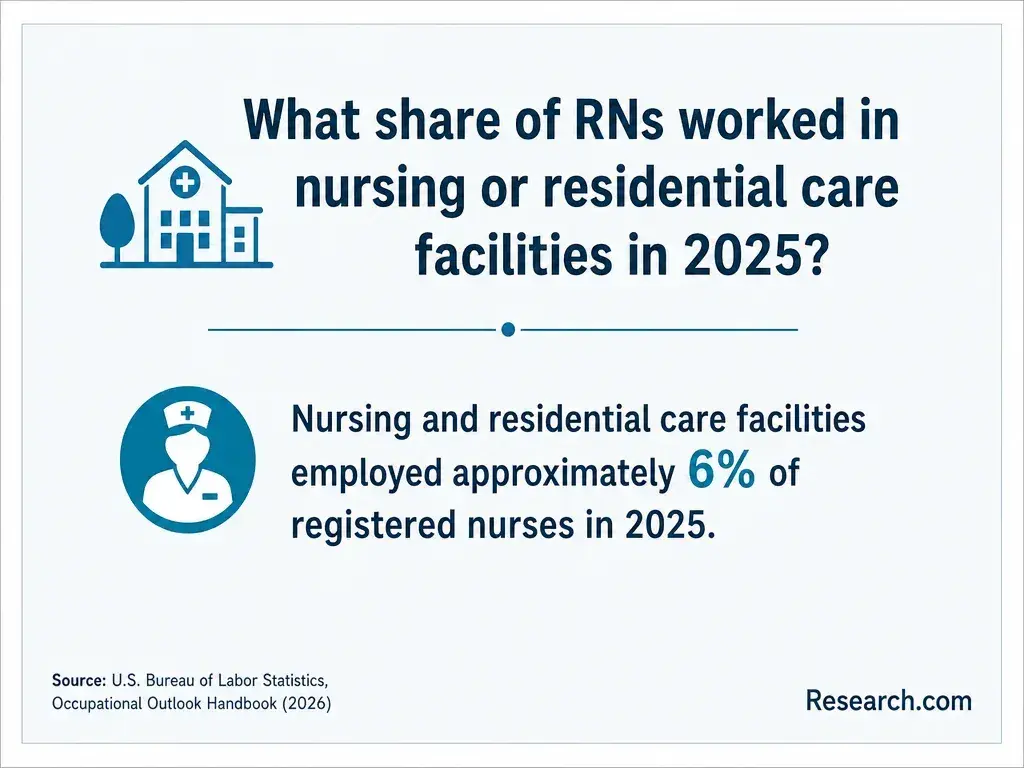
There is no reliable national wage figure that isolates these two RN specialties in U.S. Bureau of Labor Statistics (BLS) occupational data. BLS reports wages and employment projections for registered nurses as an occupation, not separate medians for cardiac ICU and cath lab nurses. Its May 2024 RN median annual wage was $93,600, a useful historical benchmark - not a current offer, a specialty-specific salary, or a prediction for a new graduate. Check the latest BLS release when comparing it with a new offer.
Compare compensation using the entire offer: base rate, scheduled hours, differentials, call pay, callback minimums, overtime rules, benefits, and retirement contributions. A cath lab job with a higher apparent annual total may require substantial nights on call; an ICU job may earn more through regular night shifts. Ask for a realistic example of a recent pay period with identifying details removed, and calculate what each schedule would mean for your own time and expenses.
Broader RN employment projections can indicate demand for the occupation, but they cannot predict openings in one hospital's cath lab or cardiac ICU. Local vacancies, turnover, and willingness to train nurses new to the specialty are more useful for an immediate career decision.
Certification can document specialty knowledge after relevant practice, but it does not replace an RN license, employer orientation, or a competency assessment. For cardiac ICU nurses, the AACN Certification Corporation's CCRN is a commonly recognized critical-care credential; its eligibility includes qualifying practice hours and other current requirements. Cath lab nurses may consider the Cardiovascular Credentialing International RCIS credential if their education and experience meet an applicable eligibility pathway. Depending on duties, other cardiac or critical-care credentials may be relevant.
Employers commonly specify life-support training appropriate to the role, such as BLS and sometimes ACLS. Confirm which provider and renewal interval the employer accepts. Before paying for any specialty exam, check the certifying organization's current eligibility and renewal rules, then ask whether the credential matters for the jobs you want. Certification should follow your actual practice and goals, not substitute for experience you have yet to gain.
How can students choose a reputable cardiac nursing program?
Choose a program that can get you to RN eligibility and strong generalist practice, then evaluate cardiac exposure as an added advantage. Verify state board approval or recognition for initial licensure, the institution's accreditation, and any applicable nursing program accreditation. These are distinct checks. Ask where clinical placements occur, who arranges them, whether cardiac or critical-care exposure is possible, and how the program reports NCLEX outcomes for recent cohorts.
Admissions convenience should not outweigh clinical and regulatory fit. For example, HESI-free nursing admission options may be worth comparing if an entrance exam is an obstacle, but verify each program's actual requirements, clinical availability, and eligibility in your state.
If you are already an RN, evaluate prospective employers as carefully as schools: request the orientation plan, ask who precepts nurses entering the specialty, and learn how readiness is assessed before independent assignments or call. A shadow shift, when available, can reveal more about team communication and workload than a specialty label on a job posting.
Other Things You Should Know About Nursing
Pregnancy does not automatically exclude a nurse from cath lab work. Discuss occupational radiation exposure, monitoring, protective measures, and any requested accommodations with the employer's radiation-safety and occupational-health teams under applicable policy.
No. A qualified procedural clinician performs the catheterization. Nurses have patient-care, medication, monitoring, documentation, and coordination responsibilities according to their license, training, and facility policy.
Often, if the facility permits it. Ask a nurse manager or recruiter about an approved observational visit, including privacy and safety requirements. Shadowing is useful for assessing fit but does not count as procedural competency.
It depends on the unit and team resources. ICU nurses frequently reposition patients and provide bedside care; cath lab nurses help transfer and position patients for procedures. Ask about lift equipment, staffing, and injury-prevention practices in either setting.
- Radiation Emergency Preparedness and Response | Occupational Safety and Health Administration http://www.osha.gov/emergency-preparedness/radiation/response
- Exposure to radiation | who.int https://www.who.int/tools/occupational-hazards-in-health-sector/exposure-to-radiation
- Essential Skills for Nurses | What Employers Look For | St. Catherine's https://nursing.stkate.edu/essential-skills-for-nurses/
- What Is High-Acuity Nursing? | Arkansas State University Online https://degree.astate.edu/online-programs/healthcare/rn-to-bsn/high-acuity-nursing/
- Cardiac Cath Lab Nurse Job Description & Requirements | Eisenhower Health Careers https://careers.eisenhowerhealth.org/career-paths/cardiac-cath-lab-nurse/
- Cardiac Catheterization for the Novice Nurse | Nursing CE Central https://nursingcecentral.com/lessons/cardiac-catheterization-for-the-novice-nurse/
- Cath Lab Nursing: Your Complete Career Guide | Gifted Healthcare https://giftedhealthcare.com/blog/cath-lab-nurse/
- Cath Lab Nurse: Career Guide, Salary & Requirements (2026) | RegisteredNursing.org https://www.registerednursing.org/specialty/cardiac-catheterization-laboratory-nurse/