
2027 Most Popular Psychology Degree Programs Ranking in Indiana

Co-Founder and Chief Data Scientist
Choosing the right psychology degree program in Indiana can feel overwhelming. To help, this article presents the 2027 Most Popular Psychology Degree Programs Ranking in Indiana, created by the Research.com team of data scientists.
By exploring this ranking, you'll discover programs that offer quality education and promising career opportunities. Psychology is a rewarding field that opens doors to helping others and understanding human behavior.
Reading this guide will give you confidence in making an informed decision about your future studies and career path.
Key benefits of getting psychology degree in Indiana
- Salary for psychology degree graduates: Graduates in Indiana can expect rewarding salaries, such as $76,060 annually for Human Resources Specialists and $62,370 for Clinical Research Associates. These figures highlight the strong earning potential in various psychology-related roles.
- Potential career paths: Psychology graduates from Indiana universities often pursue diverse careers like Marketing Research Analyst roles paying around $83,190 or Survey Researcher positions at $62,370, demonstrating versatility and opportunity. This flexibility lets you find a career that truly fits your interests and strengths.
- Benefits of online psychology degrees: Earning an online psychology degree in Indiana offers convenience and balance, allowing students to work or manage life while studying. Many online graduates appreciate this flexibility, helping them succeed without sacrificing personal commitments.
- 2027 Most Popular Psychology Degree Programs Ranking in Indiana
- What can I expect from psychology degree in Indiana?
- Where can I work with psychology degree in Indiana?
What can I expect from psychology degree in Indiana?
The average cost of earning a psychology degree in Indiana is generally more affordable than the national average, especially at public universities like Indiana University Bloomington or Ball State University. Many graduates report that in-state tuition rates, which can range from $10,000 to $12,000 annually, made their education financially manageable without accruing excessive debt. Beyond tuition, additional expenses include textbooks, materials, and living costs, but scholarships and assistantships frequently offered by these institutions helped offset these for many students.
For example, graduates often describe taking advantage of graduate assistant positions that not only provide a stipend but also valuable hands-on experience in labs or community programs. This practical involvement enhances learning while easing financial pressure. Choosing a public university within Indiana maximizes in-state benefits, so it's crucial to apply early for state scholarships and look into departmental awards tailored for psychology majors.
Private colleges may have higher sticker prices, sometimes reaching $25,000 or more annually, but some students found their investment worthwhile due to smaller class sizes and targeted mentorship, which helped them thrive professionally. Planning your budget realistically, exploring financial aid thoroughly, and considering the value of practical experience will make your psychology education in Indiana both achievable and rewarding.
Where can I work with psychology degree in Indiana?
Graduates with a psychology degree from Indiana universities like Indiana University-Bloomington or Purdue University often find entry-level roles in human services, case management, or as psychiatric technicians at local rehabilitation centers or community outreach programs. For example, many alumni recall starting at non-profits where they gained hands-on experience supporting clients with behavioral health needs, which laid a strong foundation for their careers.
With a master's or doctoral degree, options expand to becoming licensed clinical, counseling, or school psychologists. Graduates pursuing advanced licensure follow Indiana Professional Licensing Agency requirements, including supervised clinical hours and passing the EPPP exam. Those from Ball State University's psychology programs highlight how practicum placements in nearby hospitals helped them meet these standards while building confidence.
Indiana's hospitals, mental health clinics, and school systems employ many psychology graduates. Some find satisfying careers working as licensed school psychologists, assisting students with learning disabilities and behavioral challenges, making a real difference in education. Others enter industrial-organizational psychology roles, helping businesses across the state improve employee well-being and productivity, often collaborating with organizations like the Indiana Chamber of Commerce.
Research roles at Indiana's universities also attract graduates interested in human behavior studies or academic careers, offering opportunities to contribute to advancements in psychology locally and beyond.
Graduates from popular psychology programs in Indiana, such as those at Indiana University Bloomington or Ball State University, often find themselves stepping into roles like Human Resources Specialist with a mean annual wage around $76,060, according to the latest BLS data. This is a practical starting point, especially for those relying on a bachelor's degree while gaining experience to advance.
Others land positions as Marketing Research Analysts, earning about $83,190 per year, benefiting from strong analytical skills developed during their studies. These salaries reflect real opportunities for Indiana psychology graduates who combine their education with relevant internships or certifications.
Entry-level roles like Clinical Research Associate and Survey Researcher each offer mean wages near $62,370 annually, presenting a solid mid-level income that graduates often secure after further education or experience.
One graduate recalled starting as a Clinical Research Associate in Indianapolis, appreciating the steady income and chance to build clinical research skills before pursuing a doctoral program. These examples show that Indiana's diverse job market allows psychology degree holders to tailor their careers for rewarding pay and growth.
- Annual tuition for a bachelor's degree in psychology at public universities in Indiana averages about $11,000 for in-state students, while private schools may charge over $30,000 per year.
- Community colleges offer more affordable options for the first two years, allowing transfer credits to four-year programs.
- Entry-level psychology jobs in Indiana typically start around $45,000 per year, with licensed clinical psychologists earning between $75,000 and $85,000 annually.
- Becoming a licensed psychologist requires a doctoral degree, 2,000 hours of supervised experience, and passing national and state exams.
- The psychology job market in Indiana is expected to grow around 5% over the next decade, matching the national growth rate.
Completing a psychology degree in Indiana usually starts with a bachelor's, which takes about four years at universities like Indiana University Bloomington or Purdue University. Many graduates appreciate the clear structure of these programs, where 120 credit hours guide them through foundational courses and hands-on internships that build both knowledge and confidence.
If you choose to continue, a master's degree typically adds 2 to 3 years. For example, students pursuing clinical psychology at Indiana schools often find the practical training rewarding, even if it means a slightly longer timeline. The balance of coursework and real-world experience helps graduates feel prepared for professional roles.
Doctoral degrees such as PhD or PsyD involve 5 to 7 years of advanced studies and research. Graduates often mention how the challenge of combining research and supervised clinical work at Indiana's institutions gave them a strong sense of achievement and readiness.
Part-time and online options increase flexibility but may extend your timeline. This adaptability lets many students fit school around life without losing momentum, making the psychology path feel personal and manageable.
Becoming a licensed psychologist in Indiana involves several critical steps designed to ensure competency, professional ethics, and public safety. First, candidates must complete an APA-accredited doctoral program in psychology, which typically includes coursework, practicum hours, and a doctoral dissertation. After graduation, Indiana requires at least 2,000 hours of supervised professional experience-known as the Postdoctoral Supervised Professional Experience (PSPE)-under a board-approved supervisor. Once the PSPE hours are fulfilled, applicants submit their credentials to the Indiana Professional Licensing Agency (IPLA) along with official transcripts, verification of supervised hours, and a background check. Next, candidates must pass the Examination for Professional Practice in Psychology (EPPP), administered by the Association of State and Provincial Psychology Boards (ASPPB). A scaled score of 500 or higher is required for licensure in Indiana. In addition to the EPPP, Indiana mandates a jurisprudence exam on state laws and ethical standards governing psychological practice. Candidates register for this open-book test through the IPLA portal. After passing both exams, the IPLA issues a license to practice independently as a psychologist in Indiana. Renewal occurs biennially, requiring completion of 20 continuing education (CE) credits, including at least two in ethics, to maintain active status and stay current with evolving best practices. For students balancing cost and quality, it’s worth comparing programs beyond Indiana. You may find value in exploring the Cheapest Psychology Degree Programs Ranking in Tennessee, which highlights affordable pathways to fulfill educational prerequisites and CE opportunities. Understanding these licensing and certification requirements early helps prospective psychologists plan their academic timeline, budget for exam fees, and ultimately achieve professional goals in Indiana’s dynamic mental health landscape.
Choosing between online and on-campus psychology degrees in Indiana comes down to your daily routine and learning style. On-campus programs at places like Indiana University Bloomington provide hands-on experiences through labs and counseling centers, which graduates often describe as invaluable for building real-world skills. Imagine walking across campus to join a study group or meeting a professor face-to-face for immediate feedback; these moments build strong connections and confidence.
In contrast, online programs offer flexibility for those balancing work or family, with digital lectures and virtual discussions that graduates appreciate for fitting education into busy lives. Ball State University, for example, offers online courses designed to include clinical hours through coordinated internships, ensuring licensure requirements are met.
Costs vary, but online students often save on commuting and housing, though it's important to budget for technology fees. Graduates from both formats emphasize the importance of checking that clinical practicums are included to avoid surprises when pursuing professional credentials in Indiana.
A critical factor for prospective psychology students in Indiana is understanding the role of accreditation and licensing in ensuring program quality and career success. Accreditation by recognized bodies-such as the American Psychological Association (APA)-not only validates the rigor of a program but also directly impacts eligibility for state licensure and advanced career opportunities. Institutions that maintain strong accreditation standards often integrate comprehensive curricula with robust research opportunities and hands-on training, preparing graduates for a competitive job market. In addition to accreditation, prospective students must become familiar with state licensing requirements for practicing psychology. These guidelines, which vary by institution and program level, ensure that aspiring psychologists meet both educational and clinical competencies. By choosing programs that align with both accreditation and licensing standards, students can be confident in their ability to meet the professional benchmarks expected by employers and licensing boards. For those looking to fast-track their education while maintaining high academic quality, some universities offer specialized tracks such as an accelerated bachelor's degree psychology program. This option not only reduces time-to-degree but also integrates essential hands-on experiences and mentorship opportunities, equipping students with the skills necessary to thrive in dynamic professional settings. Ultimately, understanding the nuances of accreditation and licensing enables students to select a program that truly supports their long-term career goals in psychology. This informed approach lays the foundation for both academic success and professional fulfillment.
The average psychology degree cost Indiana students face is around $27,900 for in-state total expenses, encompassing tuition, fees, and additional costs over the course of a typical program. Graduates from schools like Indiana University Bloomington or Ball State University recall budgeting not only for tuition but also for living expenses and books, which add roughly $3,000 to $5,000 annually. These real-life scenarios highlight the importance of planning carefully for the full spectrum of college costs. For example, an undergraduate pursuing psychology at Purdue University might find the in-state tuition manageable compared to private colleges, yet still requires diligence in managing day-to-day expenses.
Many psychology students in Indiana discover that graduate programs can vary considerably in price. Tuition rates for a master's or doctoral degree generally range from $9,000 up to $20,000 or more per year depending on whether the institution is public or private. It's common for students in these programs to seek assistantships or scholarships to ease financial burdens, making it feasible to complete advanced degrees without overwhelming debt. Keeping a clear picture of typical costs including tuition and fees helps candidates make sound decisions aligned with their educational and financial goals.
For prospective students shopping around, it's helpful to explore options by checking the cheapest psychology schools in Indiana to find programs that balance quality with cost. Gathering this information early ensures a practical approach to budgeting, helping students avoid surprises and enjoy their psychology studies with confidence.
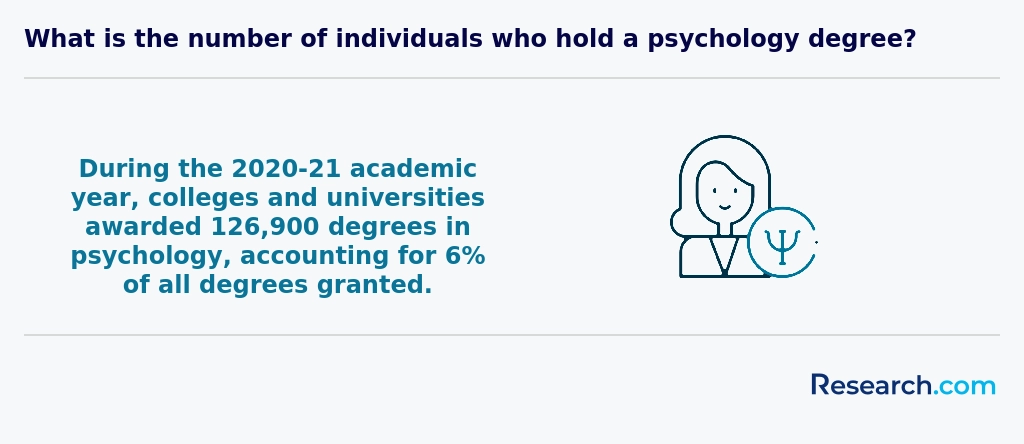
Navigating the path to becoming a licensed psychologist in Indiana involves a clear set of educational and professional milestones. First, candidates must earn a minimum of a master’s degree in psychology from a program accredited by the American Psychological Association (APA) or hold equivalent coursework. After graduation, graduates are required to complete at least 2,000 hours of supervised professional experience-commonly fulfilled through internships or postdoctoral fellowships under the guidance of a board-approved supervisor. Once supervised requirements are met, applicants must pass the Examination for Professional Practice in Psychology (EPPP), a standardized test assessing core domains such as assessment, intervention, and ethics. Indiana also mandates a state jurisprudence exam to ensure proficiency in local laws and ethical codes. Successful candidates then submit verification of education, supervised hours, and exam scores to the Indiana Professional Licensing Agency (IPLA) for review and licensure issuance. Maintaining active licensure requires ongoing continuing education: psychologists must accrue 20 clock hours every two years, with at least two hours dedicated to ethics or professional responsibility. Indiana offers a variety of approved workshops and online courses to satisfy these requirements. Prospective students evaluating programs should confirm that coursework includes supervised practicums and licensure exam preparation. For those balancing cost concerns with quality accreditation, it’s useful to explore affordability benchmarks beyond state lines. Compare program expenses with our Cheapest Psychology Degree Programs Ranking in Tennessee to find high-value options that meet Indiana’s licensure prerequisites.
When pursuing a psychology degree in Indiana, start by completing the FAFSA to unlock federal aid options like the Pell Grant, which helped many Ball State and Indiana University students cover up to $7,395 annually. This grant can significantly ease tuition costs, especially as public universities here charge between $10,000 and $12,000 per year for in-state students.
Next, explore Indiana-specific programs such as the Frank O'Bannon Grant, which provided an average of $2,500 per student in recent years at colleges like Purdue University Fort Wayne. Graduates often mention how this state grant bridged critical gaps in their budgets, making their degree more affordable.
Scholarships tailored to psychology majors, offered by institutions like IUPUI or private organizations such as the Indiana Psychological Association, also play a vital role. These awards, ranging from several hundred to thousands of dollars, can transform your financial outlook and boost motivation during tough semesters.
Don't overlook work-study programs, frequently utilized by students at Indiana State University, which provide both income and valuable psychology-related work experience, helping graduates confidently enter the job market with practical skills.
When considering a psychology degree in Indiana, financial aspects are a crucial factor. Students should weigh the costs of tuition, living expenses, and other fees against the potential benefits of their degree. For those looking to minimize expenses, exploring the cheapest psychology schools in Indiana can be a viable option. Many institutions offer financial aid, scholarships, and grants to help offset the costs. Additionally, students can consider part-time jobs, internships, or research assistantships to gain experience and earn money while studying. By carefully managing finances and exploring available resources, students can make their psychology degree more affordable and set themselves up for success in their future careers.
To enroll in a psychology degree in Indiana, start by securing your high school diploma or GED, which is essential for undergraduate programs. Graduates from Indiana University and Purdue University often recall how completing core subjects like English, math, and biology beforehand gave them a solid foundation. These prerequisites help you handle psychology's introductory coursework with confidence.
Standardized test scores like the SAT or ACT may be required, but many schools in Indiana are adopting test-optional policies, giving you flexibility when applying. For graduate degrees, expect to have completed a related bachelor's degree with a solid GPA, usually around 3.0 or higher. Many students found submitting GRE scores optional recently, making entry easier.
- Letters of recommendation from professors or supervisors can make a difference-graduates frequently highlight how these endorsements opened doors to programs.
- Writing a clear personal statement outlining your goals has helped candidates from popular Indiana colleges stand out.
- Gaining some research or clinical experience beforehand, especially for specialized tracks, boosts both confidence and acceptance chances.

Graduating with a psychology degree in Indiana is just the first step toward professional practice; obtaining state licensure and certification is essential for roles such as Licensed Clinical Psychologist, Licensed Mental Health Counselor, and School Psychologist. To become a Licensed Clinical Psychologist in Indiana, candidates must typically:
- Earn a doctoral degree (PhD or PsyD) in psychology from an APA-accredited program or complete a regionally accredited program that meets Indiana’s board requirements. For those considering graduate pathways, an online psych masters degree can provide flexible options while fulfilling prerequisites for doctoral study.
- Complete at least 2,000 hours of supervised professional experience (pre-doctoral internship) and an additional 1,500 post-doctoral hours under a licensed psychologist’s supervision. Documentation of these hours must adhere to the Indiana State Psychology Board’s guidelines.
- Pass the Examination for Professional Practice in Psychology (EPPP), administered by the Association of State and Provincial Psychology Boards (ASPPB), with a score that meets or exceeds Indiana’s minimum passing requirement. Some candidates also choose to take the Indiana jurisprudence exam covering state laws and ethical standards. For aspiring Licensed Mental Health Counselors (LMHCs) and Marriage and Family Therapists (LMFTs), the process involves:
- Completing a master’s degree in counseling, clinical mental health, or marriage and family therapy from a program accredited by CACREP or by meeting Indiana’s academic equivalency standards.
- Accumulating 2,000 hours of supervised clinical experience post-degree, including a minimum of 100 hours of direct supervision by a board-approved supervisor.
- Successfully passing the National Counselor Examination (NCE) or National Clinical Mental Health Counseling Examination (NCMHCE), plus any state-specific jurisprudence exam. School Psychologists in Indiana pursue certification through the Indiana Department of Education (IDOE) by:
- Earning a specialist-level degree (EdS or equivalent) in school psychology from an NASP-accredited program.
- Completing the IDOE’s required practicum and internship experiences within K–12 settings.
- Passing the Praxis II School Psychology exam and applying to the IDOE for an initial school psychologist license. Maintaining active licensure in Indiana necessitates ongoing professional development. Psychologists and counselors must complete 40 hours of continuing education every two years, including ethics coursework approved by licensing boards. Understanding these licensure pathways ensures that graduates of Indiana’s psychology programs can transition smoothly from academia to impactful careers in mental health, education, and beyond.
In Indiana, psychology degree programs typically include core courses that build a solid foundation in understanding human behavior and mental processes. Students at well-regarded institutions like Indiana University or Purdue University often start with Introduction to Psychology, which covers basic concepts and historical perspectives, helping them connect theory with everyday interactions.
Graduates recall how Research Methods and Statistics courses equipped them with practical skills to design experiments and analyze data, essential for both academic work and future careers. These classes often use real Indiana-based studies, making the content feel directly relevant.
Classes in Developmental Psychology and Abnormal Psychology allow students to explore human growth and mental health challenges, often through case studies that bring textbook material to life-like understanding behavioral changes in local communities.
Social and cognitive psychology courses help students grasp how social environments and mental processes shape behavior, often through engaging group projects reflecting Indiana's diverse populations.
Many programs also encourage electives such as counseling techniques or industrial-organizational psychology, offering practical options to tailor your degree to specific interests and career paths.
Psychology degree specializations in Indiana often include clinical psychology, which equips students with skills in mental health assessment and treatment. Graduates from Indiana University Bloomington, for example, describe hands-on experiences in clinics that build confidence for real-world practice. Another practical option is counseling psychology, a rapidly growing field where students learn to help individuals manage life's challenges, often leading to work in community agencies or schools.
Those interested in brain function might consider neuropsychology, combining psychology with neuroscience through research programs offered at certain Indiana universities. Industrial-organizational psychology is also popular, focusing on workplace behavior and leadership, which fits well with Indiana's varied economy. Additionally, students pursuing Indiana psychology programs concentration options frequently explore areas like developmental, forensic, or health psychology, tailoring their studies to specific populations.
For students needing flexibility, many turn to an accelerated bachelor's degree psychology program, enabling quicker entry into their chosen field. This practical approach suits ambitious learners eager to progress swiftly in their psychology careers.
Start by pinpointing which psychology field excites you most-clinical, counseling, research, or industrial-organizational-to focus your search. In Indiana, graduates from Indiana University Bloomington praise the faculty's mentorship and the university's research facilities, which helped them build strong practical skills. Affordable psychology schools Indiana 2027 should also be on your list; public universities like Purdue University offer quality programs with in-state tuition averaging about $11,000, easing financial pressure.
Next, verify accreditation. Programs approved by the Higher Learning Commission and the American Psychological Association provide credentials that fuel successful careers. Graduates often share that schools with solid accreditation gave them a smoother path to licensure and better job prospects.
Consider program outcomes like graduation rates and job placement. Many find Indiana's Commission for Higher Education data valuable in assessing programs aligned with workforce demands. Also, explore funding options such as scholarships or assistantships to minimize debt. Some students choose an online psych masters degree for flexibility and cost savings, balancing family or work commitments while progressing toward their goals.
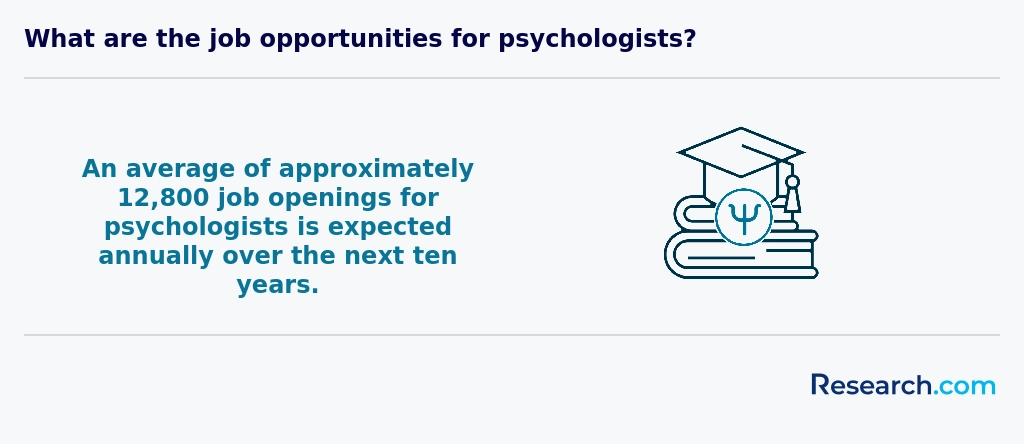
Graduates from Indiana universities like Indiana University and Purdue University often find psychology career opportunities in Indiana that span clinical work, education, research, and business. For example, many pursue licensure to become clinical or counseling psychologists, helping patients manage mental health challenges-this hands-on role can be deeply fulfilling and stable due to steady demand and licensing requirements in the state.
Others choose to become school psychologists, actively supporting student well-being in local schools. A practical step is to engage with the Indiana Department of Education's reports on growing needs, which highlight a 10% increase in demand for school psychologists coming soon. This path offers rewarding chances to make a direct impact on young lives.
Jobs with psychology degree Indiana also include industrial-organizational psychology positions where graduates improve workplace environments at manufacturing or healthcare facilities. Those seeking research careers often enroll in graduate programs available at state universities, opening doors to roles in healthcare or market research.
- Social services and mental health counseling, supporting vulnerable populations
- Forensic psychology, assisting criminal justice agencies
- Health psychology roles in hospitals and rehabilitation centers
- Market research and consumer behavior analysis in corporate settings
Because education costs affect career plans, students researching programs often consult rankings like the Cheapest Psychology Degree Programs Ranking in Tennessee for comparison. Indiana's average tuition between $9,000 and $12,000 annually for residents remains a cost-effective choice to pursue a versatile and meaningful psychology degree.
Psychology degree job opportunities Indiana graduates often encounter start with entry-level roles in social services, human resources, or administrative support, particularly those from well-known institutions like Indiana University or Purdue University. However, many graduates quickly realize that advancing to rewarding positions such as licensed psychologists or clinical counselors requires obtaining a master's or doctoral degree, accompanied by state licensure through the Indiana Psychology Board. For example, former students from IU have highlighted how gaining relevant certifications significantly improved their employment prospects and salary potential.
The Indiana psychology career outlook 2027 is solid, supported by growth in mental health services and educational roles requiring state certification. Hospitals and rehabilitation centers in Indianapolis and Fort Wayne offer higher-paying opportunities, often exceeding the average annual wage of $79,000 reported statewide. Students should consider internships or certificate programs that pay well to gain practical skills and network locally. Many recent graduates recommend exploring certificate programs that pay well to enhance employability in this expanding field.
2027 Most Popular Psychology Degree Programs Ranking in Indiana
Investing in your education is a significant decision that can shape your future, and the Research.com team deeply understands the importance of making well-informed choices. To assist prospective students in Indiana, we have carefully developed the "2027 Most Popular Psychology Degree Programs Ranking in Indiana." Our dedication to quality, credibility, and accuracy is demonstrated by the thorough research and analysis behind this ranking.
We utilized the following reputable data sources to ensure a comprehensive evaluation of psychology degree programs:
By reviewing this ranking, readers will gain valuable insights into the most popular and reputable psychology programs in Indiana, empowering them to make confident decisions about their educational journey. For more information on how this ranking was created, please visit our Research.com methodology page.


Frequently Asked Questions About psychology
Psychology degree students in Indiana can maximize their learning experience by engaging in hands-on research and internship opportunities offered by many state universities. Institutions like Indiana University Bloomington provide access to labs and fieldwork that deepen practical skills. Participating in local mental health organizations as interns also enhances real-world understanding, a key factor in psychology education.
Utilizing Indiana's Psychologists Licensing Board resources helps students stay informed about state-specific licensure requirements. Networking with professionals through the Indiana Psychological Association further supports career development. According to the National Center for Education Statistics, actively involved students tend to perform better academically and professionally in psychology fields.
The psychology field is evolving with several emerging niches attracting attention from students and professionals, especially in Indiana. One growing area is neuropsychology, focusing on brain-behavior relationships, which ties into advances in neuroscience research at Indiana universities. Another niche is health psychology, which explores how mental and physical health interact-an important area given Indiana's increasing focus on public health and chronic disease management.
Industrial-organizational psychology is also expanding, with local businesses seeking experts to improve workplace productivity and employee well-being. Additionally, forensic psychology is gaining relevance due to rising demands in the criminal justice system. According to the Bureau of Labor Statistics, Indiana's psychology job market is expected to grow by 6% through 2031, reflecting these trends.
Preparing for the job market after completing a psychology degree in Indiana involves several strategic steps. Graduates should consider obtaining relevant licensure or certification, such as becoming a licensed psychological associate or pursuing further education to become a licensed psychologist, as required by Indiana state regulations.
Gaining practical experience through internships or supervised clinical hours is crucial. Indiana universities often partner with local healthcare facilities, offering valuable opportunities in diverse settings.
Networking within professional organizations like the Indiana Psychological Association can connect graduates to job leads and mentorship. According to the Bureau of Labor Statistics, Indiana's psychology-related employment is expected to grow moderately through 2030, emphasizing the importance of specialization.
Additionally, developing skills in data analysis and evidence-based practices enhances employability in research and applied fields common in the state.
Employers in Indiana value psychology graduates who demonstrate strong analytical and critical thinking skills. These abilities enable graduates to evaluate research data effectively and apply theoretical concepts to real-world situations, essential in clinical, counseling, and industrial psychology roles.
Interpersonal and communication skills are also highly sought after. Graduates must work well with clients, colleagues, and diverse populations, often requiring empathy and clear, concise communication. According to the Indiana Department of Workforce Development, effective communication enhances client outcomes and team collaboration.
Additionally, proficiency in research methods and statistical analysis is critical. Many psychology positions in Indiana involve data collection and interpretation, so familiarity with software like SPSS or R is advantageous. Finally, ethical decision-making and cultural competence remain top priorities across various psychology fields in the state.
Finding psychology internships in Indiana involves several practical steps. First, students should contact their college's career services or psychology department, which often maintain partnerships with local organizations. Indiana has numerous mental health centers, hospitals, and nonprofit agencies eager to offer internship opportunities related to psychology. The Indiana Psychological Association and state workforce resources can be valuable for locating available internships and networking.
Additionally, universities such as Indiana University and Purdue University frequently post internship openings specific to psychology students. The Indiana Department of Workforce Development also provides online job and internship listings, including those in behavioral health fields. Actively applying early and seeking faculty advice significantly increases success in securing relevant internships.
Obtaining a psychology degree in Indiana can significantly enhance career mobility and advancement. According to the U.S. Bureau of Labor Statistics (BLS), Indiana has seen steady growth in psychology-related occupations, with an expected 7% job increase from 2021 to 2031, matching the national average.
A degree in psychology opens doors to various fields such as mental health counseling, social work, and human resources. In Indiana, professionals with advanced degrees often earn higher salaries and access leadership roles within healthcare settings, schools, and corporate environments.
Furthermore, accredited Indiana universities offer programs that prepare students for licensure and specialized certifications, essential for career progression in clinical and counseling psychology.
Studying for a psychology degree in Indiana offers students structured training that equips them for interdisciplinary roles across health, education, and social services. Indiana universities emphasize collaboration with fields like neuroscience, counseling, and social work, reflecting national trends. According to the Indiana Commission on Higher Education, psychology programs often include coursework in biology, statistics, and communication, fostering versatile skills appreciated in diverse settings.
Many programs partner with local hospitals and community organizations, providing practical experience that bridges psychology with allied disciplines. This approach prepares graduates for roles requiring a holistic understanding of human behavior, making them valuable in multidisciplinary teams.
Choosing between a thesis and a non-thesis psychology degree program in Indiana depends largely on your career goals and academic interests. Thesis programs typically require conducting original research and writing a detailed report, which can be beneficial if you plan to pursue a PhD or work in research-heavy roles.
Non-thesis programs focus more on coursework and practical training, ideal for students aiming to enter the workforce quickly, such as in counseling or human services. According to the Indiana Commission for Higher Education, nearly 40% of psychology graduates here opt for non-thesis paths for accelerated completion.
Consider also faculty expertise and available resources at Indiana universities, as they can impact your research opportunities and mentorship if you choose a thesis track.
Students based in Indiana who wish to study psychology abroad have several pathways to explore. Many universities in Indiana, such as Indiana University Bloomington, offer study abroad programs or partnerships with institutions overseas. These programs often allow students to earn credit toward their psychology degree while experiencing different cultural and academic environments.
Additionally, Indiana students can take advantage of exchange programs facilitated by organizations like the Council on International Educational Exchange (CIEE) or the Institute for the International Education of Students (IES). These programs provide placements in countries known for strong psychology research, including the UK, Australia, and Germany.
Financial aid and scholarships specifically for study abroad are often available to psychology majors through Indiana University and other public institutions in the state.
In Indiana, part-time job opportunities that complement psychology degree education often include roles such as mental health technician, research assistant, and case manager. These positions provide practical experience with patients and research methodologies, directly enhancing academic learning.
Mental health technician jobs in hospitals or community centers allow students to apply psychological concepts in real-world settings. According to the Indiana Department of Workforce Development, such roles are expected to grow by 12% through 2030, reflecting increasing demand in mental health services.
Research assistant positions at universities like Indiana University and Purdue University help students engage with data collection and analysis, valuable skills for psychology careers.
Case manager roles in social service agencies offer insight into behavioral health and client advocacy, bridging academic knowledge and community work.
Psychology students in Indiana have various opportunities to build professional networks crucial for their careers. Many universities, such as Indiana University and Purdue University, host active psychology clubs and organizations where students connect with peers and faculty. These groups often organize guest lectures, workshops, and conferences offering direct access to experienced professionals in the field.
Additionally, the Indiana Psychological Association provides local events, internships, and mentorship programs tailored for students, helping them engage with licensed psychologists and researchers. Students can also attend state and regional conferences, such as the Midwestern Psychological Association meeting, which frequently includes Indiana participants. These experiences are essential for gaining contacts and learning about career paths in psychology.
Alumni networks provide significant benefits for psychology degree students in Indiana by offering valuable professional connections. Many Indiana universities, such as Indiana University and Butler University, have active alumni communities that help current students access internships and job opportunities in psychology fields. According to the National Association of Colleges and Employers, 85% of jobs are filled through networking, making these connections vital.
These networks also facilitate mentorship programs where experienced graduates guide students in academic and career decisions. Furthermore, alumni often organize events and workshops, enhancing professional development beyond the classroom.
Indiana's psychology students gain a competitive edge by tapping into these local and statewide alumni resources.
Customizing a psychology degree program in Indiana to match your career goals involves selecting electives and specializations offered by many state universities. Schools like Indiana University and Ball State provide options in clinical, counseling, or industrial-organizational psychology, allowing students to tailor their studies toward mental health, research, or business applications.
Indiana's higher education system supports practical experience through internships and research projects, essential for career readiness. According to the Indiana Commission for Higher Education, nearly 40% of psychology undergraduates engage in hands-on learning before graduation, helping clarify career paths.
Choosing online, part-time, or accelerated programs can also fit individual schedules and professional needs.
Psychology students in Indiana often face several challenges during their academic journey. One major difficulty is managing the rigorous coursework that combines both theoretical knowledge and practical application. Many programs require students to complete research projects, which demands strong analytical skills and time management.
Another challenge is finding suitable internship placements, especially in rural areas where clinical opportunities can be limited. According to the Indiana Commission for Higher Education, nearly 40% of psychology students seek internships in urban centers like Indianapolis, creating competitive environments.
Additionally, financial concerns are common. The average tuition for psychology degrees in Indiana public universities can range from $10,000 to $12,000 per year, placing pressure on students to balance work and study.
With a psychology degree in Indiana, graduates can pursue several professional certifications to advance their careers. Common options include the Licensed Mental Health Counselor (LMHC) and Licensed Clinical Social Worker (LCSW), which require additional supervised experience and passing state exams. Psychologists aiming for clinical practice must obtain a Licensed Psychologist (LP) credential by completing a doctoral degree, supervised hours, and the Examination for Professional Practice in Psychology (EPPP).
Other certifications include Certified Addiction Counselor (CAC) and Board Certified Behavior Analyst (BCBA), which are valuable in specialized fields. According to the Indiana Professional Licensing Agency, these certifications are essential for many psychology-related roles in the state.
To write a winning application for a psychology program in Indiana, start by researching the specific requirements of each university, as they can vary. Highlight your academic achievements, especially in psychology and related sciences, since Indiana schools emphasize strong foundational knowledge. Include a well-crafted personal statement that clearly explains your passion for psychology and career goals. Demonstrating relevant experience, such as internships or volunteer work in mental health settings, can strengthen your application.
Standardized test scores may still be required by some Indiana institutions, so check if the GRE is necessary. Maintain a competitive GPA, ideally above 3.0, as many programs in Indiana prefer applicants with solid academic records. Reviews from sources such as the National Center for Education Statistics reveal steady growth in psychology enrollment in the state, making your distinctive application even more important. Letters of recommendation from faculty or professionals familiar with your skills further support your candidacy.
The global outlook on a psychology career emphasizes diverse opportunities and growing demand across various fields. In the United States, including Indiana, psychology professionals are needed in clinical, educational, and organizational settings. According to the U.S. Bureau of Labor Statistics, employment for psychologists is projected to grow by 8% from 2022 to 2032, faster than the average for all occupations.
Internationally, psychologists play key roles in mental health, research, and policy development, often collaborating on global challenges like trauma and cultural diversity. Indiana's universities align their psychology programs with these trends, preparing students for both local and worldwide career paths.
Indiana also benefits from several accredited institutions offering psychology degrees, which meet rigorous standards recognized nationally. For students considering advanced degrees, Indiana ranks competitively in producing qualified graduates ready to contribute to the mental health workforce.
Gaining practical experience while studying psychology in Indiana is crucial for career readiness. Many universities, such as Indiana University and Purdue University, offer internship placements or practicum courses that connect students with local clinics, hospitals, and counseling centers.
Students can also participate in research assistant roles under faculty supervision, contributing to ongoing studies. According to the Indiana Commission for Higher Education, over 60% of psychology students engage in internships before graduation, enhancing their resumes and professional skills.
Additionally, service-learning programs provide valuable community involvement, often focusing on mental health outreach. These combined opportunities offer hands-on experience essential for licensure and advanced study.
Choosing the right concentration within a psychology degree program in Indiana depends on your career goals and interests. Psychology concentrations often include clinical, counseling, developmental, or industrial-organizational psychology. Research from the Indiana Commission for Higher Education shows that clinical psychology remains the most popular focus, aligning with a 15% growth in licensed clinical psychologists in the state through 2030.
Consider your intended career path: clinical or counseling concentrations prepare you for therapy roles, while industrial-organizational psychology suits business-oriented careers. Look for programs accredited by the American Psychological Association, as these meet rigorous standards. Additionally, explore faculty expertise and available internships in Indiana's diverse healthcare and corporate sectors.
- 2027 Most Popular Psychology Degree Programs Ranking in Iowa
- 2027 Most Popular Psychology Degree Programs Ranking in Minnesota
- 2027 Most Popular Psychology Degree Programs Ranking in Arkansas
- 2027 Most Popular Psychology Degree Programs Ranking in Georgia
- 2027 Most Popular Psychology Degree Programs Ranking in Alabama
- 2027 Most Popular Psychology Degree Programs Ranking in Mississippi
- 2027 Most Popular Psychology Degree Programs Ranking in North Carolina
- 2027 Most Popular Psychology Degree Programs Ranking in Louisiana
- 2027 Most Popular Psychology Degree Programs Ranking in Florida
- 2027 Most Popular Psychology Degree Programs Ranking in Maryland
See What Experts Have To Say About Studying Psychology
Read our interview with Psychology experts

Elizabeth L. Jeglic Ph.D.
Psychology Expert
Professor of Psychology
City University of New York

Catherine Caldwell-Harris, Ph.D.
Psychology Expert
Associate Professor of Psychology
Boston University

Robin M. Kowalski. Ph.D.
Psychology Expert
Professor of Psychology
Clemson University

- Call for papers https://www.hogrefe.com/us/journal/international-perspectives-in-psychology-research-practice-consultation
- Study Psychology Abroad | Go Overseas https://www.gooverseas.com/study-abroad/psychology
- Professional Networking For Psychologists | Psychology.org https://www.psychology.org/resources/professional-networking/
- Indiana Psychology Schools | Psychology Degree Guide https://psychologydegreeguide.org/state/indiana/
- Have You Found a Niche? https://www.apaservices.org/practice/business/marketing/building/niche
- Ontario Psychological Association - Networking and Community Resources https://www.psych.on.ca/become-a-member-(1)/member-services/networking-and-community-resources
- Psychology Placement Opportunities for Year 12 Students https://studymind.co.uk/ucas-guide/year-12-guide-to-gaining-psychology-work-experience/
- Society for the Teaching of Psychology https://teachpsych.org/page-1784686/8675326
- Psychology - SWPS University https://english.swps.pl/academics/warsaw/ba-programs/psychology
- Know more about thesis vs non- thesis: what is the difference? https://studyfans.com/en/blogs/816


