2027 Most Valuable Online Psychology Degree Programs Ranking in the West

Co-Founder and Chief Data Scientist
Choosing the right online psychology degree program can be overwhelming, especially with so many options available. This article introduces the 2027 Most Valuable Online Psychology Degree Programs Ranking in the West, thoughtfully created by the Research.com team of data scientists.
Designed to help you make an informed decision, the ranking highlights programs that offer true value for your investment. Pursuing a psychology degree opens doors to meaningful careers and personal growth.
Explore this guide to find the programs that best match your goals and aspirations.
Key benefits of getting online psychology degree in the West
- Salary for psychology degree graduates: Graduates can expect rewarding salaries, such as $76,060 annually for Human Resources Specialists and $83,190 for Marketing Research Analysts, reflecting strong earning potential in psychology-related fields.
- Career paths: Psychology graduates from well-known universities in the West often pursue diverse careers, including clinical research, marketing analysis, and human resources, allowing for exciting and varied job opportunities.
- Benefits of online degrees: Earning a psychology degree online offers flexibility and accessibility, enabling students from anywhere in the West to balance studies with life commitments while gaining the same valuable knowledge as traditional programs.
- 2027 Most Valuable Online Psychology Degree Programs Ranking in the West
- What can I expect from online psychology degree in the West?
- Where can I work with online psychology degree in the West?
What can I expect from online psychology degree in the West?
For students pursuing an online psychology degree in the Western U.S., the average cost typically ranges from $8,000 to $15,000 per year at public universities within states like California, Oregon, and Washington. In-state residents often benefit from these competitive tuition rates, making programs more accessible without excessive debt. Graduates from reputable institutions report satisfaction with this balance of affordability and quality, emphasizing how manageable costs contributed to their ability to focus on coursework and internships.
Many online programs incorporate financial aid options through FAFSA and scholarships, which several students have found instrumental in reducing their net expenses. For example, graduates from popular universities note that securing aid helped mitigate financial stress, allowing them to engage more deeply with experiential learning opportunities such as virtual labs and community-based internships.
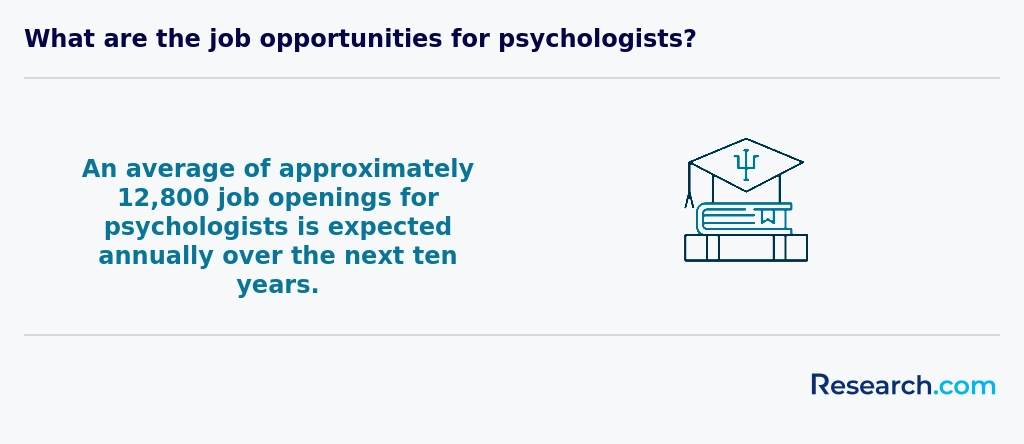
While private institutions may charge higher tuition, public universities' cost efficiency aligns well with the strong regional demand for psychology professionals, projected to grow around 12% through 2032. This affordability combined with robust academic and practical training fosters positive student experiences and promising career outcomes in the Western psychology job market.
Where can I work with online psychology degree in the West?
Graduates holding an online psychology degree from institutions like Arizona State University or the University of Washington often find diverse career pathways across the Western United States. Many secure roles in mental health services as case managers or psychiatric technicians, with states such as California and Oregon showing a 14% projected growth for licensed professional counselors through 2032. These opportunities are exciting for graduates eager to make a tangible impact in communities.
Others enter educational settings, starting as guidance counselors or research assistants within schools or universities. Graduates frequently express satisfaction knowing their efforts support student success, especially when advancing toward certifications in school psychology. Online degrees from colleges like Portland State University provide a strong foundation for these roles.
Business and human resources sectors also actively recruit psychology graduates for positions in organizational development and employee well-being programs, valuing the analytical and communication skills honed during studies. In criminal justice, roles such as probation officers and victim advocates are accessible with specialized certifications in states like Nevada, complementing the foundational knowledge acquired online.
Graduates with an online psychology degree in the Western U.S. can anticipate average salaries closely aligned with roles such as Human Resources Specialist or Marketing Research Analyst. According to recent data, Human Resources Specialists earn a mean annual wage of $76,060, while Marketing Research Analysts make around $83,190 annually. These figures reflect robust demand in states like California and Washington, where numerous graduates from universities like the University of California system find rewarding opportunities.
Entry-level positions related to psychology, such as Clinical Research Associate and Survey Researcher, offer mean annual wages of approximately $62,370. Graduates often share that working in such roles in metropolitan areas, including Seattle or San Francisco, not only supports financial stability but also provides valuable hands-on experience in research and evaluation. Meanwhile, Childcare Workers, another related option, report lower mean wages near $32,070, which can suit those pursuing their graduate degrees while working part-time.
Overall, combining the online degree with strategic job searching in the West enables graduates to secure competitive salaries that grow with experience and further certification, creating encouraging prospects for career advancement.
- Online psychology degrees in the Western US are offered by accredited universities, many recognized by the Western Association of Schools and Colleges (WASC).
- The tuition for online bachelor's degrees ranges from $30,000 to $70,000, with public institutions generally charging less, especially for in-state students.
- Graduate psychology programs online typically cost between $15,000 and $40,000, with additional expenses for textbooks and possible campus visits.
- Jobs in psychology in the Western region are expected to grow by about 8% over the next decade, matching the national average.
- Starting salaries for entry-level psychologists and counselors range from $50,000 to $60,000, with experienced professionals earning up to $110,000 or more in major cities.
- Licensure requirements vary by state and usually include supervised clinical hours and passing a licensing exam, so program approval for state licensure is important.
Completing an online psychology degree in the Western United States typically requires four years for full-time undergraduates, though accelerated paths can reduce this to three years. Graduates from well-known institutions like the University of Washington or Arizona State University often share how balancing coursework with personal commitments was manageable thanks to flexible scheduling in these programs. Part-time students tend to take up to six years, reflecting the reality that many juggle work and family alongside their studies.
At the graduate level, master's degrees usually take two to three years full-time, with some accelerated options finishing as quickly as 12 to 18 months. Master's students at institutions such as the University of Southern California often express satisfaction with the intensity and support these formats offer.
Doctoral degrees, available online or in hybrid forms at universities like the University of California, require four to seven years due to added clinical training and research demands. Many appreciate the rigorous preparation despite the extended timeline, understanding the value of onsite practicums for hands-on experience.
As digital transformation continues to reshape higher education, emerging trends in online psychology education are setting new benchmarks for both academic quality and career preparedness. Advancements in technology have led to the incorporation of interactive tools such as virtual labs, live webinars, and AI-driven tutoring, which make learning more engaging and adaptive to individual needs. Notably, institutions are increasingly integrating data analytics that personalize student experiences, ensuring that learners not only acquire theoretical knowledge but also practical skills applicable in real-world scenarios. Moreover, the shift toward competency-based learning models is gaining momentum. These models focus on mastering specific skill sets at a personalized pace rather than merely accumulating course credits. This approach aligns well with industry demands, where employers highly value demonstrable competencies over traditional educational timelines. For example, graduates are now better prepared to meet the evolving expectations in roles that require rapid adaptation and continuous learning. In addition, bridging academic theory with tangible career outcomes has become a priority. Students now benefit from enhanced mentorship programs, internship opportunities, and networking events that include partnerships with leading industry practitioners. In fact, for those looking to further escalate their expertise and financial prospects, exploring programs such as the ranking of affordable online masters degrees in psychology can provide crucial insights into cost-effective, high-impact advanced education pathways. These trends not only reflect the current trajectory of online psychology education but also provide a foundation for future innovations that promise to deliver an even more dynamic and responsive learning environment for aspiring psychologists.
Online and on-campus psychology degrees in the Western United States differ mainly in delivery, cost, and student experience. On-campus programs at institutions like the University of Washington allow students to engage in face-to-face discussions, participate in hands-on lab work, and access campus resources that enhance learning. Graduates recall these interactions as invaluable for their professional confidence and networking. Conversely, online programs from universities such as Arizona State offer flexible schedules that accommodate working adults or parents, with tuition typically 10-20% lower than on-campus rates. One graduate highlighted the convenience of completing coursework around a busy job while still accessing virtual internships and simulations.
In terms of costs, public on-campus psychology degrees average $7,000 to $12,000 annually for in-state students, but online students often save on living and commuting expenses. While networking is more organic on campus, online students proactively build connections via virtual forums, which one graduate found rewarding but requiring more initiative. Both formats maintain APA accreditation, ensuring curriculum quality and licensure preparation are consistent regardless of study mode.
The future of online psychology education in the West is promising, with advancements in technology and an increasing demand for mental health professionals. As the field continues to evolve, it's likely that online programs will become even more sophisticated, incorporating innovative tools such as virtual reality and artificial intelligence to enhance the learning experience. Furthermore, the growing recognition of the importance of mental health will lead to increased funding and support for online psychology programs, making them more accessible and affordable for students. With the rise of online learning, the traditional boundaries between institutions and geographical locations will continue to blur, enabling students to access high-quality education from anywhere in the world. This shift will also facilitate collaboration and knowledge-sharing among psychologists and researchers globally, driving progress in the field and improving outcomes for individuals and communities. As a result, online psychology education in the West is poised to play a vital role in shaping the next generation of mental health professionals, equipping them with the skills and knowledge necessary to address the complex challenges of the 21st century. Key trends to watch in the future of online psychology education include the integration of personalized learning approaches, the development of specialized certifications and training programs, and the expansion of online resources and support services for students and professionals alike.
The average cost of an online psychology degree in the Western US varies significantly depending on residency and institution type. The median total tuition cost for these programs is about $58,800. Students who qualify for in-state tuition can expect to pay roughly $40,295, while out-of-state students typically face higher tuition fees, with a median cost around $85,956. These figures illustrate the financial variation students encounter when pursuing an online psychology degree in this region.
Many graduates from universities like the University of California system and other well-known public colleges in Washington or Oregon recall balancing tuition costs with the rewarding experience of gaining flexible education while working or managing family responsibilities. In these cases, the more affordable in-state tuition rates make a significant difference in managing student debt.
For those attending private universities in the West, the total tuition can be notably higher, often exceeding the median total cost. However, numerous students find value in the additional resources and personalized support offered. These students often emphasize the importance of considering all costs-including technology and course materials-when evaluating the total tuition fees psychology degree programs in the Western US may require.
Graduate-level degrees in psychology also tend to increase tuition expenses, yet many programs support students with financial aid and scholarships. Prospective enrollees looking for options might explore the ranking of affordable online masters degrees in psychology to identify programs that align with their budgets and career goals.
The admissions process for online psychology degree programs in the West typically involves several steps that prospective students must complete to be considered for admission. First, students must submit an application, which usually includes providing transcripts from previous educational institutions, letters of recommendation, and a personal statement outlining their interests and goals in pursuing a psychology degree. Many programs also require standardized test scores, such as the SAT or ACT, although some institutions are moving towards test-optional policies. Additionally, some online psychology programs may require or recommend that applicants have a minimum GPA, often around 2.5 to 3.0, to be competitive for admission. Once the application is submitted, it is reviewed by the admissions committee, which assesses the applicant's academic preparation, personal statement, and recommendations to determine their potential for success in the program. For international students, there may be additional requirements, such as proof of English proficiency, which can be demonstrated through exams like TOEFL or IELTS. After being accepted into the program, students will typically receive guidance on how to register for classes, access online platforms, and navigate the program's curriculum. It's also important for prospective students to ensure that the program they are applying to is accredited by a recognized accrediting agency, as this can impact their eligibility for financial aid and future career opportunities. By understanding the admissions process and requirements, prospective students can better prepare themselves for a successful application and eventual enrollment in an online psychology degree program in the West.
Students pursuing online psychology degrees in the Western United States often rely heavily on federal financial aid. By completing the FAFSA, they access Federal Pell Grants-need-based awards covering up to $7,395 annually-which several graduates from the University of California system credit with enabling their continued studies despite financial hurdles. Additionally, Federal Direct Subsidized and Unsubsidized Loans provide flexible, low-interest borrowing options that many find manageable alongside work commitments. Federal Work-Study programs offer opportunities to earn income through part-time campus or community jobs, easing day-to-day expenses.
State-specific aid also plays a significant role. For instance, California's Cal Grant offers up to $12,630 annually to eligible public college undergraduates, a benefit often utilized by psychology students at California State University campuses. Oregon and Washington supplement with their own scholarships, making regional public universities attractive choices for online psychology education.
Private scholarships from organizations like the APA and local foundations further alleviate costs, awarding between $500 and several thousand dollars, which many students describe as crucial for covering textbooks and fees. Employer tuition assistance, common among healthcare and social services workers in the West, adds another layer of financial support, helping working professionals advance their psychology careers without overwhelming debt.
Finally, institutional scholarships and tailored payment plans offered by some Western schools provide personalized aid, with students encouraged to contact admissions offices directly to explore these flexible options.
After earning an online psychology degree in the West, graduates must navigate state-specific licensure requirements to practice clinically or provide counseling services. Most states require completion of a master’s or doctoral program from an accredited institution, a set number of supervised practice hours (often between 1,500 and 4,000), and passage of the Examination for Professional Practice in Psychology (EPPP). For example, California mandates 3,000 hours of supervised experience under a licensed psychologist before eligibility for the EPPP, while Oregon requires 1,500 hours plus an oral jurisprudence exam. It’s essential to verify each state board’s regulations early in your program and plan practicum placements accordingly. In addition to supervised hours and the EPPP, many states require jurisprudence or ethics exams and periodic continuing education to maintain licensure. Graduates interested in specialized fields-such as school psychology, industrial-organizational psychology, or health psychology-should confirm whether additional certifications or postdoctoral fellowships are necessary. For those balancing cost concerns with licensure goals, consider programs that integrate practicum placements in approved settings; some even partner with state agencies or clinics to streamline the supervision process. To explore cost-effective degree options that align with licensure pathways, see our Low Cost Psychology Degree Programs Ranking in Pennsylvania. Finally, planning for licensure early can shorten the path to independent practice and maximize return on investment. Keep detailed records of supervised hours, maintain open communication with your program’s practicum coordinator, and join professional organizations-like the Western Psychological Association-to access mentorship and state exam prep resources. By proactively addressing certification steps alongside your academic coursework, you’ll ensure a smoother transition from graduate to licensed psychologist in the Western United States.
Applicants aiming for online psychology degrees in the Western United States must typically hold a high school diploma or GED, with many public institutions expecting a GPA between 2.5 and 3.0. Graduates from state universities in California or Washington recall how meeting these standards instilled confidence ahead of their transition to higher-level coursework. For graduate programs, such as those offered by prominent Western universities, a completed bachelor's degree in psychology or a closely related field is required, alongside a stronger GPA, often 3.0 or above. This higher bar reflects the rigorous nature of master's and doctoral studies in psychology.
Letters of recommendation, personal statements, and relevant experience in mental health environments are common prerequisites, providing admissions committees insight into applicants' motivation and readiness. Graduates frequently share how crafting personal essays helped clarify their career focus and fueled enthusiasm.
Although some schools still request GRE scores, many have waived this requirement post-pandemic, enhancing accessibility for diverse applicants.
The ability to manage self-directed, online learning is emphasized, with students at leading Western colleges noting how developing discipline during the application stage prepared them for success in virtual classrooms.

Choosing an accredited online psychology program is essential to ensure your degree is recognized by employers and licensure boards. Regional accreditation-such as that granted by the Western Association of Schools and Colleges (WASC)-confirms a school meets rigorous academic standards. For students aiming to pursue clinical practice, American Psychological Association (APA) accreditation of doctoral programs is often required for licensure eligibility in many states. After graduation, aspiring psychologists must navigate state licensure processes, which typically include:
- Supervised Clinical Hours: Most jurisdictions mandate 1,500–3,000 hours of post-graduate supervised experience under a licensed psychologist.
- Examination for Professional Practice in Psychology (EPPP): Administered by the Association of State and Provincial Psychology Boards, the EPPP assesses core competencies in psychology.
- Jurisdictional Laws and Ethics Exams: Some states require additional exams covering local regulations and ethical guidelines. Maintaining your license also involves continuing education credits (CEUs). States often require 20–40 CEUs every 2–3 years, which can be earned through workshops, webinars, or specialized certificate programs. When exploring certification in behavior analysis-a growing specialization within psychology-compare options and affordability at reputable bcba schools online to align your accreditation path with cost-effective training. By prioritizing accredited programs and understanding licensure requirements early, you’ll streamline your journey from online classroom to professional practice, ensuring your credentials are respected across the Western states and beyond.
Online psychology degree programs in the Western United States typically include core courses like introduction to psychology, developmental psychology, and abnormal psychology, which lay the groundwork for understanding cognition, behavior, and mental health disorders. Graduates from well-known Western universities often express how these foundational subjects helped them grasp complex human emotions and behaviors, making concepts relatable to everyday life.
Students also delve into research methods and statistics, essential for analyzing psychological data and conducting experiments. Many find these skills empowering, as they can confidently interpret study results and apply them in clinical or organizational settings. Specialized courses frequently cover cognitive psychology, social psychology, biopsychology, and industrial-organizational psychology, expanding students' grasp of mental processes, social interactions, biology, and workplace behavior.
Practica or internships, even in online formats, provide hands-on experiences that former students describe as pivotal for their career readiness. Electives allow customization toward counseling or forensic psychology, further enhancing versatility for Western students seeking flexible paths within psychology.
Online psychology degree specializations in the West typically include clinical psychology, industrial-organizational psychology, child and adolescent psychology, forensic psychology, social psychology, and health psychology. Graduates from universities in California and Washington often highlight how clinical psychology programs prepare them for licensure with courses in cognitive-behavioral therapy and psychopathology, aligning well with regional workforce demands. Industrial-organizational psychology attracts students aiming to enhance workplace productivity, a field projected to grow over 10% through 2030 in Western states. Child and adolescent psychology and forensic psychology offer practical training for those targeting education, healthcare, or legal systems.
Many students appreciate the flexibility of these online degrees, which can be tailored to meet diverse professional goals. Schools in the West also provide competitive tuition rates between $300 and $600 per credit hour. For those exploring specialized career paths, resources like bcba schools online can complement these studies effectively.
Choosing the best online psychology degree in the West starts with verifying accreditation, such as from WASC or CHEA, to ensure the program meets regional quality standards. Graduates from universities in California often highlight how accredited programs provided them with practical internships that eased their transition into licensure and counseling roles. Curriculum relevance is also crucial; strong programs cover developmental, cognitive, and clinical psychology, reflecting the evolving research in the field. For example, students in Oregon value courses that incorporate recent evidence-based practices, leading to greater confidence in career readiness.
Cost considerations are significant when selecting affordable psychology programs Western US students can access. Public institutions in the West average tuition between $7,000 and $12,000 annually for residents, while private options may reach $30,000. Comparing tuition alongside financial aid helps manage investment wisely. For comprehensive cost comparisons, students often consult rankings such as the Low Cost Psychology Degree Programs Ranking in Pennsylvania, as models for affordability.
Program delivery formats also impact student satisfaction. Some prefer synchronous classes for interactive lectures, replicating campus engagement, while others, balancing work or personal commitments, choose asynchronous courses for flexibility. Graduates from Western schools frequently report that program adaptability played a key role in their successful degree completion and positive educational experiences.
Graduates with an online psychology degree in the West find diverse career opportunities that align with their interests and skills. Many begin as case managers or psychiatric technicians, roles that offer hands-on client experience while supporting mental health initiatives. For example, alumni from leading Western universities often describe rewarding positions in community clinics where interpersonal skills and foundational psychology knowledge are crucial. These career opportunities for online psychology degree West graduates typically provide a starting salary that reflects entry-level responsibilities.
Further specialization is common, with clinical roles such as licensed psychologists or school counselors requiring advanced education. Students in popular West region online psychology degree career paths programs often pursue these roles through flexible online master's or doctoral studies, sometimes choosing doctoral programs without dissertation to balance work and study. Median annual wages for these clinical professionals range between $70,000 and $90,000, reflecting both the expertise and licensure requirements.
Alternatively, graduates utilize psychology in business sectors like human resources or marketing, where behavioral insights improve workplace dynamics and consumer engagement. These roles in the West usually offer salaries from $60,000 to $80,000, underscoring the value of psychology degrees beyond traditional mental health careers.
Research roles also attract graduates from Western institutions with strong programs, enabling them to contribute to neuropsychology or developmental psychology studies. These positions often involve collaboration with universities or government agencies, enhancing the region's growing demand for qualified professionals.
The job outlook for online psychology degrees in the West is promising, with employment projected to grow 8% from 2021 to 2031 according to the U.S. Bureau of Labor Statistics. Graduates from West Coast institutions like the University of California system or Arizona State University often find roles in mental health, rehabilitation counseling, and human resources. Many report positive outcomes entering the workforce, crediting the flexibility of online programs with allowing them to gain practical experience alongside study.
Employment opportunities for psychology graduates in Western states include positions such as behavioral health specialists and case managers. These roles frequently serve communities through hospitals and social service agencies. Graduates appreciate that regionally accredited online degrees enhance their employability, especially when complemented by internships.
Salary expectations vary by metropolitan areas, with median wages often exceeding $100,000 in California cities. This competitive landscape encourages students at local universities to explore different fields of specialization, reinforcing the value of carefully selecting a program aligned with career ambitions and considering the best majors to make money.
2027 Most Valuable Online Psychology Degree Programs Ranking in the West
Investing in your education is a significant decision that can profoundly influence your career and personal growth. The Research.com team recognizes the importance of providing reliable and accurate information to support this process. To aid prospective students in selecting the best psychology degree programs in the Western United States, we have carefully developed the "2027 Most Valuable Online Psychology Degree Programs Ranking in the West." Our goal is to offer a trustworthy resource built on rigorous research, ensuring quality, credibility, and transparency.
We utilized the following reputable data sources to compile this ranking:
By reviewing this ranking, readers will gain valuable insights into the most credible and effective online psychology programs, enabling them to make well-informed decisions about their education. For further information about how we created this ranking, please visit our Research.com methodology page.


# 10 position
Colorado Christian University
Bachelor of Applied Psychology


# 13 position
University of Massachusetts Global
Bachelor of Psychology




# 18 position
University of Hawaii-West Oahu
Bachelor of Social Sciences with a concentration in Psychology


Frequently Asked Questions About psychology
Online psychology degree students in the West can maximize their learning experience by actively engaging with course materials and participating in virtual discussions. Research shows that students who regularly attend live sessions and communicate with peers and instructors demonstrate higher retention rates (Journal of Online Learning, 2023).
Additionally, dedicating time weekly to review lectures and readings helps reinforce knowledge outside scheduled classes. Utilizing university-provided resources like online libraries, tutoring centers, and career services is essential for success.
Internships or practicum experiences, even remote ones, offer valuable hands-on training and enhance employability. According to the American Psychological Association, students with practical experience have a 30% higher chance of job placement post-graduation.
The field of psychology is evolving rapidly, with several emerging niches gaining prominence, especially in the Western US. One growing area is digital mental health, which explores how technology can improve therapy and mental health services. Telepsychology has expanded notably since 2020, with the American Psychological Association reporting a 65% increase in remote sessions across the West.
Neuropsychology remains critical as brain research advances using technologies like fMRI. Another niche is health psychology, focusing on how psychological factors impact chronic disease management, increasingly relevant due to rising lifestyle-related illnesses. Additionally, industrial-organizational psychology, emphasizing workplace well-being and productivity, is increasingly popular, with a projected 8% job growth through 2030 in the US Bureau of Labor Statistics data.
After completing an online psychology degree in the West, preparing for the job market involves strategic steps. Graduates should pursue relevant internships or practicum experiences to gain practical skills and improve employability. According to the American Psychological Association, hands-on experience is critical for entry-level roles and graduate school applications.
Networking is also essential; joining professional organizations such as the Western Psychological Association can provide valuable connections and job leads. Additionally, obtaining certifications in specialized areas like behavioral analysis or counseling can increase job prospects. The U.S. Bureau of Labor Statistics projects 8% growth in psychology jobs through 2031, underlining steady demand.
Employers in the Western US seek psychology graduates who combine strong analytical skills with empathy. According to the American Psychological Association (APA), critical thinking and the ability to interpret data are among the most valued abilities in the workforce.
Communication skills, both written and verbal, are crucial for roles involving client interaction or research presentation. A report from the National Center for Education Statistics highlights that graduates proficient in teamwork and cultural competence have higher employment rates.
Additionally, familiarity with statistical software like SPSS or R is increasingly demanded in applied psychology fields. These technical and interpersonal skills together prepare graduates to meet regional workforce needs effectively.
Finding internships relevant to a psychology degree in the Western United States involves several strategic steps. Start by utilizing university career services, as many online programs in the West partner with local agencies to provide internship listings tailored to psychology students.
Additionally, sites like the American Psychological Association's internship directory offer many opportunities filtered by region. According to APA data, nearly 70% of psychology internships are located in clinical settings across California, Washington, and Oregon.
Networking with faculty and professionals through virtual events can open doors to unpaid internships often not publicly advertised. Finally, checking with state psychology boards can help identify approved internships that meet licensure requirements.
An online psychology degree in the Western US significantly enhances career mobility by offering flexible, accredited education aligned with industry standards. According to the American Psychological Association, graduates with bachelor's and master's degrees in psychology experience 8% faster job growth than the average occupation through 2031. Online programs often provide access to internships and networking opportunities, crucial for advancing in clinical, counseling, or organizational psychology fields.
The versatility of online degrees allows professionals to upskill while maintaining employment, improving chances for promotions or transitions into specialized roles.
California, Oregon, and Washington show growing demand for psychology professionals, making such degrees particularly valuable in these states.
Studying for an online psychology degree in the West equips students with a broad skillset essential for interdisciplinary roles. Many Western universities emphasize integrating psychology with fields like neuroscience, education, and business. This approach reflects data from the American Psychological Association, showing that over 60% of psychology graduates pursue careers involving multiple disciplines.
Curricula often include courses in statistics, research methods, and cognitive science to build analytical and critical thinking skills. These competencies are highly valued across healthcare, marketing, and human resources sectors.
Additionally, Western programs encourage collaborative projects and internships, fostering teamwork with professionals from various backgrounds. Such practical experiences enhance adaptability in diverse work environments.
This broad preparation aligns with job market trends, where interdisciplinary knowledge improves employability and career advancement opportunities.
Choosing between a thesis and a non-thesis psychology degree program in the West depends largely on your career goals and academic interests. Thesis programs typically require original research and a written dissertation, preparing students for doctoral study or research-intensive roles. According to data from the National Center for Education Statistics, about 30% of master's psychology programs in the US offer a thesis option.
Non-thesis programs focus more on coursework and practical experience, which suits students aiming for clinical practice or applied psychology careers. These programs may also include internships or capstone projects. State licensure boards in the West often recognize both pathways, but some research-oriented positions prioritize thesis credentials. Understanding your professional aims helps determine the best fit for your studies.
Students in the Western United States seeking online psychology degrees abroad have several options, primarily through American universities offering online programs with international recognition. Many accredited institutions provide bachelor's, master's, and doctoral degrees in psychology via distance learning. For example, Western Governors University and the University of Southern California offer fully online psychology degrees that meet U.S. accreditation standards and are recognized internationally.
There is a growing trend for U.S. students to enroll in programs based in Canada or Europe that have established partnerships with U.S. accrediting bodies. According to the National Center for Education Statistics (NCES), approximately 15% of psychology students utilize online platforms for flexible study options.
When studying abroad online, students must verify that the program is regionally accredited and aligns with their professional goals, especially if licensure is intended. Many programs include specialty tracks such as clinical, counseling, or industrial-organizational psychology, catering to diverse career paths.
Students pursuing online psychology degrees in the Western US often seek part-time jobs that enhance their academic experience. Common roles include mental health technician, research assistant, and counseling aide. These positions provide practical exposure to psychological concepts while offering flexible hours suitable for study.
According to the Bureau of Labor Statistics (2023), mental health technicians in California and Washington earn an average of $16-$20 per hour, allowing students to gain both income and relevant experience. Research assistant roles at local universities or community organizations also offer hands-on learning in data collection and analysis, strengthening skills necessary for future graduate studies.
Moreover, volunteering or part-time work in social service agencies can broaden understanding of diverse populations, critical for psychology careers. These opportunities align well with academic schedules and improve student resumes for post-degree job markets.
Online psychology students in the Western US have increasing access to networking opportunities despite the remote format. Many accredited programs partner with local organizations and clinics to facilitate internships and practicum placements, essential for hands-on experience and professional connections. According to the American Psychological Association (APA), students benefit from virtual workshops, seminars, and conferences tailored to regional interests.
Professional associations like the California Psychological Association (CPA) offer discounted memberships to online students, providing access to mentor programs and local chapter meetings. Social media platforms and specialized online forums also play a key role in connecting students with peers and established professionals within the Western psychology community.
Alumni networks provide crucial support to online psychology degree students in the West by fostering professional connections that can lead to job opportunities and internships. According to the National Association of Colleges and Employers, 85% of jobs are filled via networking, highlighting the importance of these relationships. In states like California and Washington, where psychology careers are growing rapidly, strong alumni ties can give graduates a competitive advantage.
These networks also offer mentorship, helping students navigate licensure requirements unique to each state, such as passing the EPPP exam. Furthermore, alumni often share up-to-date information on industry trends and continuing education opportunities, essential for staying current in this evolving field.
Customizing an online psychology degree program in the West allows students to align their education with specific career goals. Many universities offer specialized tracks such as clinical psychology, counseling, or industrial-organizational psychology. Students can select electives that focus on areas like child development, neuropsychology, or forensic psychology.
Internships and practicum placements can be arranged locally to gain hands-on experience. Accredited programs often provide flexible timelines, enabling working professionals to balance study and career.
According to the American Psychological Association, over 70% of psychology students in the Western US pursue concentrations that best prepare them for licensure or advanced research roles.
Online psychology students in the Western United States often encounter challenges related to limited access to hands-on experiences. Psychology programs usually require practicums or internships, which can be difficult to secure remotely. According to the American Psychological Association, securing in-person clinical hours remains a significant concern for online learners.
Another common issue is maintaining motivation and time management. Without the structure of a traditional classroom, students must self-regulate, which can affect retention and performance. Research from the National Center for Education Statistics shows that online course dropout rates are higher than on-campus rates.
Additionally, some employers and licensing boards in the West may question the credibility of online degrees, although this is gradually changing as accreditation standards improve.
With an online psychology degree earned in the Western United States, graduates can pursue several professional certifications to enhance their credentials. Common certifications include becoming a Licensed Professional Counselor (LPC) or Licensed Marriage and Family Therapist (LMFT), which require supervised clinical hours and passing state exams. For those interested in psychological assessment, certification as a Certified School Psychologist is also an option, though it typically requires a specialist-level degree.
The American Psychological Association (APA) accredits many online programs facilitating eligibility for licensure. According to the Bureau of Labor Statistics, these certifications can lead to higher job growth and salaries in Western states. Certification requirements vary by state, so prospective students should review local regulations early in their education planning.
Writing a winning application for an online psychology program in the West requires clear communication of your academic goals and relevant experiences. Admissions committees value a strong statement of purpose that explains why you want to study psychology and how the degree aligns with your career plans. Highlight any related work, volunteer experience, or research, especially if it demonstrates your understanding of psychological principles in practice.
Ensure your application meets all technical requirements, including official transcripts and recommendation letters from professionals familiar with your academic capabilities. According to the American Psychological Association, online programs expect applicants to show self-motivation and time-management skills.
Finally, familiarize yourself with specific program prerequisites and accreditation status, such as APA accreditation, which can influence licensure opportunities after graduation.
The global perspective on a psychology career highlights its growing importance across multiple regions, but opportunities and recognition vary. In the United States and Western countries, psychology is a well-established profession with diverse paths, including clinical, counseling, and research roles. According to the U.S. Bureau of Labor Statistics, employment in psychology-related jobs is projected to grow 8% from 2021 to 2031, faster than average for all occupations.
Western psychology degrees, especially from accredited online programs, align with international standards, making graduates competitive globally. Many Western universities emphasize empirical research and ethical practice, which are valued worldwide.
However, licensure requirements differ internationally, so U.S.-based psychology professionals seeking to work abroad often need additional certification or training. The growing international demand for mental health services supports continued career growth for those trained in Western institutions.
Gaining practical experience while studying an online psychology degree in the West is essential for skill development and career readiness. Many accredited programs require or recommend internships, which students can complete at local clinics, hospitals, or community organizations. According to the American Psychological Association (APA), approximately 70% of psychology programs integrate supervised fieldwork or practicum experiences as part of their curriculum. Online students often coordinate these placements independently, allowing flexibility in location and scheduling.
Additionally, volunteer opportunities in mental health services and research assistant positions at local universities provide valuable hands-on exposure. Some programs also offer virtual labs and simulation exercises to support skill development remotely.
Choosing the right concentration within an online psychology degree program in the West starts with identifying your career goals. Psychology offers diverse fields such as clinical, counseling, industrial-organizational, and forensic psychology. The Bureau of Labor Statistics reports that industrial-organizational psychologists in the U.S. West region earn median salaries above $97,000 annually, reflecting a strong job market.
Consider both your interests and local demand. For example, clinical psychology remains one of the most popular tracks, particularly in California and Washington, where mental health services continue growing.
Accreditation and program flexibility are crucial for online studies to ensure quality and state licensure eligibility.
See What Experts Have To Say About Studying Psychology
Read our interview with Psychology experts

Elizabeth L. Jeglic Ph.D.
Psychology Expert
Professor of Psychology
City University of New York

Joann Farrell Quinn, Ph.D., MBA
Psychology Expert
Director at the College of Medicine Department of Medical Education
Morsani College of Medicine

Catherine Caldwell-Harris, Ph.D.
Psychology Expert
Associate Professor of Psychology
Boston University

- What jobs can you get with a psychology degree bachelor https://www.bridgeport.edu/news/high-paying-jobs-with-a-bachelors-in-psychology-degree/
- Bachelor's Degree in Psychology https://www.cwu.edu.tr/bachelors-degree-in-psychology/
- Best Online Psychology Degrees 2026 https://www.onlineu.com/degrees/psychology
- Scholarships For Psychology Majors (2026) https://www.psychology.org/scholarships/
- BA in Psychology | Online | $2500-$7500 Per Year https://www.eastern.edu/academics/online-undergraduate-programs/ba-psychology-online
- Financial Aid for Psychology Students https://www.onlinepsychologydegrees.com/financial-aid/
- Online Psychology Degrees https://www.phoenix.edu/online-psychology-degrees.html
- Online Psychology Degree Salary by Career Path https://www.collegetransitions.com/blog/online-psychology-degree-salary-by-career-path/
- Benefits of Studying Psychology Abroad https://www.semesteratsea.org/psychology-study-abroad/
- online-ms-psychology-degree-job-roles-and-career- ... https://wsu.university/media/blog/online-ms-psychology-degree-job-roles-and-career-opportunities/67d913c853aef998b2cec2ff