
2027 Most Affordable Psychology Degree Programs Ranking in San Juan

Co-Founder and Chief Data Scientist
Choosing the right psychology degree program in San Juan can be both exciting and overwhelming. To help you navigate this important decision, this article presents the 2027 Most Affordable Psychology Degree Programs Ranking in San Juan, crafted by the Research.com team of data scientists.
By exploring this ranking, you'll discover quality programs that fit your budget and academic goals. Pursuing a psychology degree opens doors to meaningful careers and personal growth. This guide aims to support your journey toward a fulfilling future in psychology with confidence and clarity.
Key benefits of getting psychology degree in San Juan
- Psychology degree graduates in San Juan can expect competitive salaries, with roles like Marketing Research Analyst earning around $83,190 annually and Human Resources Specialists making approximately $76,060 each year.
- A graduate from the University of Puerto Rico in San Juan can explore diverse career paths, including clinical research, human resources, and survey research, all offering fulfilling and impactful opportunities.
- Obtaining a psychology degree online from institutions like Ana G. Méndez University allows flexible learning while balancing work or family, providing a convenient and practical way to advance your career in today's fast-paced world.
- 2027 Most Affordable Psychology Degree Programs Ranking in San Juan
- What can I expect from psychology degree in San Juan?
- Where can I work with psychology degree in San Juan?
What can I expect from psychology degree in San Juan?
The average cost of pursuing a psychology degree in San Juan varies notably between public and private institutions. Public universities typically offer undergraduate tuition ranging from $4,000 to $7,000 per academic year, making them a financially accessible option for many students. Graduates from these programs often highlight how this affordability allowed them to focus on their studies without excessive financial strain, enabling immersive participation in practicums and internships across local hospitals and community centers.
Private universities in San Juan generally charge higher tuition fees, but the availability of scholarships and financial aid frequently lessens the burden. Students at these institutions often express satisfaction with the bilingual and multicultural learning environment, which enhances their clinical skills and cultural competence-an invaluable asset for future counseling careers.
Overall, the balance between cost and educational quality in San Juan's psychology programs supports strong career prospects. Graduates feel well-prepared, citing hands-on experiences and research opportunities facilitated by their institutions as key contributors to their professional readiness.
Where can I work with psychology degree in San Juan?
Graduates with a psychology degree from institutions like the University of Puerto Rico in San Juan often find rewarding careers across healthcare, education, social services, and private sectors. Many begin their careers in healthcare settings such as hospitals and mental health clinics, where they provide therapy and collaborate in patient treatment plans. These roles offer graduates the chance to make a meaningful impact on individual lives, reflecting the increasing regional demand for licensed clinical psychologists.
Others pursue positions within San Juan's public and private school systems, working as school psychologists. Here, graduates actively support student development, from behavioral interventions to special education initiatives, fostering inclusive learning environments.
Social service agencies in the region also attract psychology graduates eager to engage in counseling, case management, and community outreach programs. Some graduates establish private practices or contribute to business sectors focusing on human resources and organizational consulting, applying psychology principles to enhance workplace well-being and efficiency.
The diverse opportunities available thus allow San Juan graduates to engage in professions that are both professionally fulfilling and deeply connected to community needs.
Graduates with a psychology degree in San Juan can expect variable earnings depending on their chosen career paths. Those entering roles such as Human Resources Specialist can anticipate a mean annual wage of approximately $76,060, reflecting solid opportunities beyond classical psychology positions. Marketing Research Analysts, another common avenue for psychology graduates, earn around $83,190 annually, highlighting the demand for analytical skills within San Juan's market.
Clinical Research Associates and Survey Researchers, roles closely linked to psychology studies, typically earn a median annual salary near $62,370. These positions often appeal to graduates from well-regarded institutions like the University of Puerto Rico at Río Piedras, where experiential learning prepares them for research-focused careers.
Graduates frequently share how bilingual abilities, especially English and Spanish, enhance their prospects in San Juan's diverse community, leading to better placement and pay. Many find rewarding roles within hospitals, government, or private research firms, where salaries reflect both specialized skillsets and local economic conditions.
Overall, studying psychology in San Juan offers graduates promising financial outcomes coupled with meaningful career opportunities tailored to regional needs.
- Tuition for psychology programs in San Juan ranges from $7,000 to $12,000 per year at public schools, while private institutions may charge over $15,000 annually.
- Entry-level psychologists in San Juan earn an average annual salary of about $50,000, which can increase to $80,000 or more with experience and advanced qualifications.
- The job market for psychologists in San Juan is projected to grow by approximately 10% over the next decade.
- Most psychology degree programs in San Juan meet US standards for licensure and certification, but students should confirm program accreditation.
- Many programs include internships or supervised clinical hours, which are essential for professional development and licensure.
Completing a psychology degree in San Juan typically requires a commitment aligned with the level of study pursued. Graduates from the University of Puerto Rico at Río Piedras, a leading institution in the city, often complete their bachelor's degree in about four years when studying full-time. These students experience a balanced schedule filled with core psychology courses and electives tailored to local societal contexts, which enrich their understanding and connection to Puerto Rican culture.
For those advancing to master's programs, the expected duration is generally two to three years. Graduate students frequently highlight the rewarding challenge of combining coursework with internships, which provide real-world clinical experience. This hands-on learning is a vital part of their professional growth in institutions throughout San Juan.
Doctoral candidates face a more extended journey, typically four to seven years after their undergraduate degree. Their path includes intensive research, comprehensive exams, and supervised practice, often with flexible options that accommodate working professionals or those balancing family obligations. Alumni often speak positively about how these programs shape their expertise and career readiness within the San Juan community.
Online psychology degrees in San Juan offer flexibility that resonates with students balancing work or family commitments. Graduates from these programs appreciate the ability to access lectures asynchronously, a crucial benefit for those living far from campuses like the University of Puerto Rico at Río Piedras. This flexibility often leads to reduced expenses by eliminating commuting and housing costs, making education more attainable.
Conversely, on-campus psychology students value direct interaction with professors and peers, essential for sharpening communication skills and building professional networks. Many students from traditional programs highlight hands-on experiences in laboratories and practicum placements that are vital for clinical competence. For instance, attending in-person classes at established institutions in San Juan facilitates fulfilling practicum hours required for licensure and provides immediate access to counseling centers and tutoring services.
While on-campus study may involve higher tuition and additional fees, the immersive environment often enhances motivation and career readiness. Both paths culminate in licensure opportunities, but the choice depends on personal circumstances and learning preferences.
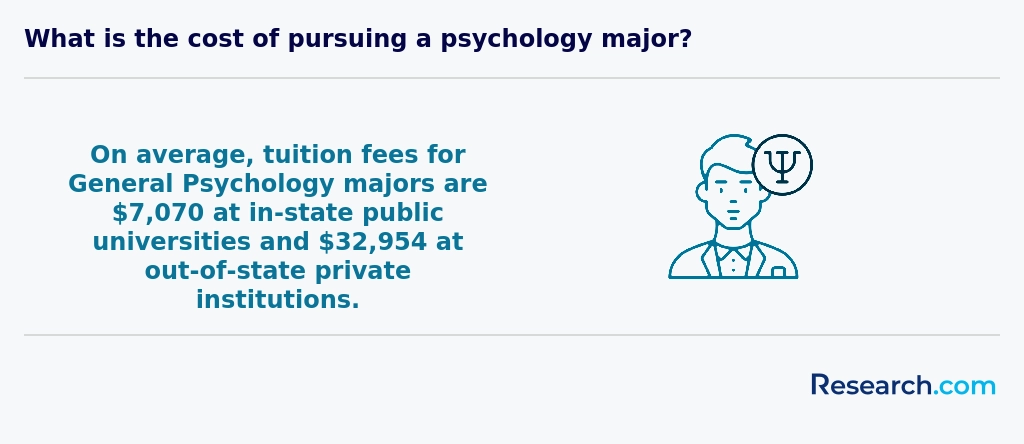
The average cost of a psychology degree in San Juan is shaped by several factors, including whether a student attends a public or private institution. At well-regarded public universities in San Juan, psychology graduates often note that tuition expenses remain manageable, with median in-state total costs around $5,780. This affordability appeals to many seeking budget-friendly programs aligned with the average cost of psychology degree in San Juan. However, private colleges commonly have higher tuition rates, contributing to a median total cost near $21,135, a figure often cited by students pursuing psychology degrees in more exclusive or specialized settings.
Graduates share that despite the higher price at private institutions, the quality of education and networking opportunities often make the investment feel worthwhile. Financial aid and scholarships help offset these expenses for many, enabling access to competitive psychology programs within the city. Students considering continuing education may explore one year master programs, which can offer concentrated study with a shorter commitment, helping to manage overall costs without sacrificing academic rigor.
Living expenses in San Juan present another layer of financial consideration, often reported by students as more accessible compared to mainland urban areas, making the overall pursuit of a psychology degree here more appealing. Understanding these cost dynamics is essential for anyone researching affordable psychology degree programs San Juan 2027.
Psychology students in San Juan commonly access a variety of financial aid options to support their education at institutions like the University of Puerto Rico and Universidad del Sagrado Corazón. Federal student aid through FAFSA is a key resource, with many qualifying for the Pell Grant, which provides up to $7,395 for low-income undergraduates. Graduates often recall how this grant alleviated financial stress early in their studies, allowing them to focus on coursework and internships without overwhelming debt.
Federal Direct Loans, both subsidized and unsubsidized, offer flexible repayment plans that many students in San Juan rely on to manage tuition, which averages between $3,000 and $6,000 annually. Additionally, local scholarships awarded by Puerto Rico's Higher Education Commission help reduce expenses significantly, especially for students pursuing psychology, a prioritized field.
Many students also gain financial and professional benefits through assistantships and internships often available at leading psychology programs in San Juan. These positions sometimes include tuition remission and stipends, facilitating practical experience without financial sacrifice and fostering enthusiasm about their future careers.
To enroll in a psychology degree program in San Juan, prospective students must hold a high school diploma or equivalent, such as a GED, with most institutions expecting a minimum GPA between 2.5 and 3.0. Popular universities in San Juan often emphasize strong English and math skills since psychology coursework involves reading complex materials and mastering statistics.
Graduates from these programs frequently recall that submitting personal statements and letters of recommendation was crucial for demonstrating genuine passion and readiness. Some programs also appreciate applicants' volunteer or work experience in counseling settings, which helps connect theoretical learning with real-world practice.
For those pursuing graduate psychology degrees, schools generally require a bachelor's degree with a GPA of 3.0 or higher, including completed courses in biology, introductory psychology, and statistics. Alumni from San Juan's leading colleges reflect positively on how these prerequisites helped them confidently engage in advanced research and clinical work.

Psychology degree programs in San Juan commonly include a comprehensive range of courses designed to build both theoretical knowledge and practical expertise. Graduates from well-known universities in the city often highlight foundational courses such as Introduction to Psychology, which offers a deep dive into major theories and historical perspectives that shape the field.
Students also engage with specialized courses like Research Methods in Psychology, where they learn to design experiments and analyze data-skills essential for evidence-based practice. Cognitive Psychology, focusing on memory and decision-making, and Biological Psychology, which connects brain function to behavior, are regularly part of the curriculum. Developmental and Social Psychology courses help students understand changes over the lifespan and human interactions within social contexts.
Many students appreciate applied courses in counseling techniques or clinical psychology, as these prepare them for real-world work with clients. Electives such as forensic psychology or health psychology further allow personalization based on career goals, making the learning both relevant and inspiring to those studying at San Juan's respected colleges.
Psychology degree specializations in San Juan cover a wide range of career concentrations tailored to meet the diverse needs of the community and local workforce. Graduates from institutions like the University of Puerto Rico at Río Piedras often highlight clinical psychology and counseling psychology as prominent options, both providing essential skills for diagnosing and treating mental health conditions or offering support in educational and community contexts. Many students appreciate the practical experience gained through supervised clinical hours, which is crucial for licensure.
Other popular tracks include educational psychology, especially relevant in San Juan's bilingual schools, where graduates work closely with children and educators to enhance learning outcomes. Industrial-organizational psychology is increasingly sought after by local businesses aiming to optimize employee productivity and satisfaction. Additional specializations such as forensic and health psychology attract students interested in legal settings or the connection between mental and physical health. Those looking for more research-focused paths often explore developmental or social psychology programs.
Students interested in further exploring education pathways can also find resources highlighting top degree programs for older adults online, reflecting the inclusive nature of the region's academic offerings.
Choosing the best psychology degree in San Juan requires careful consideration of several factors tailored to your career goals. Graduates from well-known universities in San Juan often emphasize the importance of selecting a program with recognized accreditation, such as APA approval, which directly influences licensure eligibility. For those seeking affordable psychology degrees in San Juan, public institutions offer competitive tuition rates while still providing robust clinical and counseling psychology tracks.
It is essential to evaluate the curriculum's alignment with your interests and the availability of practical learning opportunities, such as internships or field placements within local mental health facilities. These experiences enrich your academic knowledge and enhance employability. Many students describe their hands-on training at San Juan campuses as transformative, fostering strong professional confidence.
Additionally, understanding tuition and financial aid options is vital-some students benefit from exploring an associate degree online cost to manage expenses while advancing their education. Considering program reputation and graduate success rates will further guide you to the best psychology programs San Juan has to offer.
Graduates holding a psychology degree in San Juan encounter diverse career paths that align with the city's dynamic social and educational fabric. Many graduates pursue licensure to become clinical psychologists or counselors, working in hospitals, private practices, and community health centers where the demand for mental health services is growing rapidly. Others find roles as school psychologists within San Juan's educational institutions, aiding students through assessment and support programs. This tangible impact on youth development often brings a strong sense of fulfillment.
In addition to clinical and educational settings, jobs with a psychology degree in San Juan extend to corporate environments, where graduates contribute to human resources, market research, and organizational development. Psychology alumni from well-known colleges in San Juan frequently note how these roles allow them to apply theoretical knowledge to improve workplace performance and consumer insights. Furthermore, many engage in social work or case management, collaborating with local agencies to support vulnerable populations, an area that consistently inspires a profound empathy and purpose.
Graduates also appreciate the relatively affordable tuition in Puerto Rico, making it easier to pursue advanced training or specialize further. For prospective students, exploring options at most affordable online colleges can complement on-campus experiences and expand career possibilities.
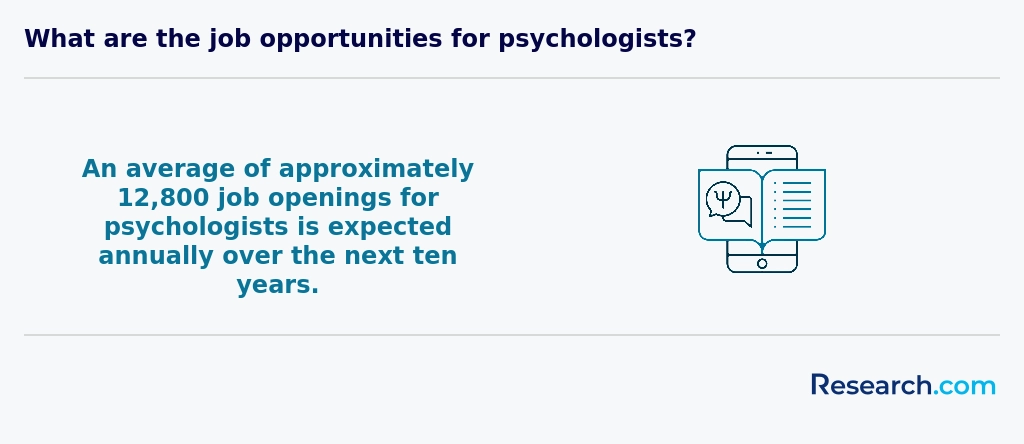
The job market for psychology degree holders in San Juan reflects a dynamic environment shaped by local demand and healthcare infrastructure. Graduates from well-regarded universities report strong opportunities in healthcare and mental health sectors, where increased awareness fuels a steady need for qualified professionals. These job openings include roles as licensed psychologists, counselors, and social workers within hospitals, schools, and government agencies. This diverse landscape forms the foundation for robust psychology career opportunities in San Juan.
Students pursuing psychology degrees at popular colleges often highlight the affordability of education paired with promising local prospects despite salaries generally being lower than mainland averages. Many find satisfaction working in supportive educational institutions or community programs that address island-specific mental health challenges. Understanding certification and licensing requirements in Puerto Rico enables graduates to confidently enter private practice or public service roles.
For those weighing education costs against career potential, the moderate tuition fees and job outlook for psychology graduates San Juan offer measurable advantages. Some students also explore alternatives, including high paying jobs from trade school, to complement their career planning decisions.
2027 Most Affordable Psychology Degree Programs Ranking in San Juan
Investing in your education is a significant decision that can profoundly impact your future, and the Research.com team is committed to supporting you through this process. To provide reliable guidance for students seeking the most affordable psychology degree programs in San Juan, we have carefully developed the "2027 Most Affordable Psychology Degree Programs Ranking in San Juan." Our dedication to quality, credibility, and accuracy is demonstrated by the thorough research and detailed analysis backing this ranking.
We utilized the following reputable data sources to ensure a comprehensive evaluation of psychology programs:
By consulting this ranking, readers will obtain critical insights into affordable psychology degree options in San Juan, empowering them to make well-informed educational choices. For more information about how this ranking was created, please visit our Research.com methodology page.

# 4 position
Universidad Ana G. Mendez-Cupey Campus
Master of Science in Psychology
# 5 position
Universidad Ana G. Mendez-Cupey Campus
Bachelor of Science in Psychology

# 9 position
Albizu University-San Juan
Master of Arts in Counseling Psychology
# 10 position
Albizu University-San Juan
Doctor of Philosophy in Psychology
Frequently Asked Questions About psychology
Psychology degree students in San Juan can maximize their learning experience by combining classroom knowledge with practical exposure. Engaging in internships within local hospitals, clinics, or community organizations allows students to apply theory to real-world situations, enhancing their understanding of psychological concepts. According to the American Psychological Association, supervised experiential learning is crucial for developing clinical skills.
Students should also participate in research projects offered by universities in San Juan to stay current with emerging psychological trends. Networking with faculty and peers fosters collaborative learning and professional growth. Additionally, leveraging resources such as counseling centers and attending relevant conferences within Puerto Rico can broaden academic perspectives and career opportunities.
Emerging niches within the psychology field reflect growing societal needs and technological advances. In San Juan, one key area is health psychology, focusing on how mental health affects physical well-being. This aligns with nationwide trends showing a 15% job growth in health psychologists through 2030, according to the U.S. Bureau of Labor Statistics.
Another expanding niche is neuropsychology, which examines brain-behavior relationships. Local universities have begun enhancing programs to include neurocognitive assessments, meeting the demand driven by aging populations and neurological disorders.
Additionally, digital mental health services, such as teletherapy, have rapidly grown since 2020, creating new roles for psychologists skilled in virtual care delivery. These niches offer promising career paths for San Juan students pursuing psychology degrees.
After earning a psychology degree in San Juan, preparing for the job market involves strategic steps to enhance employability. Graduates should seek internships or volunteer opportunities within local healthcare facilities, schools, or social service agencies to gain relevant experience. Networking is crucial; joining organizations like the Puerto Rico Psychological Association can connect you with professionals and potential employers.
Licensure is another key factor. To work as a clinical psychologist, you must meet the licensing requirements set by Puerto Rico's Board of Examiners of Psychologists, which typically includes supervised hours and passing the EPPP exam.
Considering the competitive job market, continuing education through certifications or a master's degree can improve job prospects. According to the U.S. Bureau of Labor Statistics, psychology roles in Puerto Rico are projected to grow moderately, underscoring the importance of specialized skills.
Employers in San Juan highly value psychology graduates who demonstrate strong communication skills. Being able to clearly explain concepts to clients and colleagues is essential in diverse settings, including clinical and educational environments. Critical thinking and problem-solving abilities are also top priorities, as psychology professionals often analyze complex human behaviors to develop effective interventions.
Interpersonal skills are crucial; graduates must show empathy and cultural sensitivity, especially in San Juan's multicultural communities. According to the U.S. Bureau of Labor Statistics, employment for psychologists is expected to grow by 8% through 2031, reflecting demand for adaptable, well-rounded professionals.
Data analysis skills, including familiarity with research methods and statistics, are increasingly important as employers seek evidence-based practice.
Finding internships in San Juan relevant to a psychology degree involves several practical steps. Many universities in San Juan, such as the University of Puerto Rico, offer internship placement services that connect students with local hospitals, clinics, and community organizations.
Students should also explore opportunities through professional associations like the Puerto Rico Psychological Association, which often lists internship openings and networking events. According to recent reports from the Bureau of Labor Statistics, hands-on experience is crucial for psychology careers, and San Juan offers a variety of clinical, research, and social service internships.
Additionally, visiting San Juan's healthcare facilities and nonprofit organizations directly can provide leads. Early outreach and maintaining a strong academic record increase the chances of securing competitive internships in the city.
Obtaining a psychology degree in San Juan can significantly enhance career mobility and advancement opportunities within the region. According to the U.S. Bureau of Labor Statistics (BLS), psychology-related professions are expected to grow by 8% nationally from 2021 to 2031, driven by increasing demand for mental health services. Locally, San Juan's expanding healthcare sector supports opportunities for those with psychology degrees, including roles in counseling, social work, and human resources.
Graduates with a Bachelor's degree often begin in entry-level roles, while advanced degrees (Master's or Doctorate) are typically required for clinical and specialized positions. Holding relevant licensure aligned with Puerto Rico regulations further improves job prospects and salary potential. Networking with local institutions and professional organizations in San Juan also bolsters career progression within psychological fields.
Studying for a psychology degree in San Juan offers strong preparation for interdisciplinary roles by emphasizing collaboration across fields such as healthcare, social work, and education. Programs often integrate courses in biology, sociology, and counseling, reflecting the complex nature of human behavior.
The University of Puerto Rico, San Juan campus, for example, provides research opportunities that connect psychology with public health and community services. This cross-disciplinary training aligns with growing workforce demands; the U.S. Bureau of Labor Statistics expects a 14% growth in related employment through 2031, especially in integrated care settings.
Such programs equip students with skills in communication, data analysis, and ethical decision-making, facilitating effective teamwork in diverse professional environments.
Choosing between a thesis and a non-thesis psychology degree program in San Juan depends largely on your career goals and academic interests. A thesis program requires conducting original research and writing a substantial paper, which is ideal if you plan to pursue doctoral studies or research-based roles. In contrast, a non-thesis program focuses more on coursework and practical training, suitable for those aiming for professional practice or immediate employment in clinical or counseling settings.
In San Juan, many universities follow U.S. accreditation standards, ensuring both options meet quality criteria. According to the American Psychological Association, thesis programs can enhance critical thinking and research skills, valuable in competitive fields.
Consider your long-term plans, workload capacity, and whether you prefer experiential learning or research before deciding. Consulting academic advisors at local institutions can provide tailored guidance.
Students based in San Juan seeking to study psychology abroad have several options within the United States higher education system. Many U.S. universities offer bachelor's and graduate psychology programs that welcome international students, often providing specialized support services. For example, institutions accredited by the American Psychological Association (APA) ensure high standards, which can be important for future licensure.
San Juan residents can consider universities in states with large Puerto Rican populations, such as Florida and New York, which may offer cultural familiarity and community support. According to the National Center for Education Statistics, over 300 U.S. colleges provide psychology degrees with flexible online or in-person formats.
Financial aid options like scholarships and federal loans may be available, depending on eligibility. Early research and contacting admissions offices can help clarify details about transfer credits and residency requirements.
Students pursuing psychology degrees in San Juan have several part-time job options that can enhance their academic knowledge and provide practical experience. Common roles include behavioral health technician positions, where students assist in therapy sessions or support mental health professionals. According to the Bureau of Labor Statistics, similar roles in Puerto Rico show steady demand with median hourly wages around $13-$16, making them both educational and financially viable.
Other opportunities include research assistant roles at local universities or psychology clinics, helping in data collection and analysis. Additionally, peer counseling or tutoring services on campus allow students to apply counseling skills in real scenarios.
Psychology students in San Juan have various networking opportunities that enhance their academic and professional development. Local universities, such as the University of Puerto Rico, Río Piedras Campus, frequently host psychology conferences and workshops, allowing students to connect with faculty and professionals in the field. According to the Puerto Rico Psychological Association, membership is open to students, providing access to seminars, career fairs, and mentorship programs.
Internships and practicum placements within San Juan's mental health clinics and hospitals foster valuable real-world contacts. Additionally, student chapters of national organizations like the American Psychological Association provide networking events both in-person and virtually, broadening students' professional circles.
Alumni networks offer important benefits to psychology degree students in San Juan by providing valuable professional connections. Graduates often share job opportunities, internships, and career advice, which can be crucial in the competitive psychology field. According to the American Psychological Association, networking increases the likelihood of employment post-graduation by up to 70%.
In San Juan, local alumni groups frequently organize workshops and seminars to support current students' skill development. This gives students direct access to experienced psychologists practicing in Puerto Rico's educational and clinical settings.
Additionally, alumni mentorship helps students navigate licensure requirements and specialized graduate programs, improving their success rates. Universities in San Juan emphasize these networks to enhance career readiness for psychology majors.
Customizing a psychology degree program in San Juan allows students to align their education with specific career goals in the mental health and research fields. Many universities in the area offer elective courses, internships, and independent study options that cater to interests such as clinical psychology, counseling, or organizational psychology. According to the U.S. Bureau of Labor Statistics, practical experience through internships can increase employment prospects by 20%. Students can also select programs with flexible schedules or online components, fitting study around work or other commitments. Academic advisors often assist in tailoring course selections to maximize future opportunities.
Psychology students in San Juan often face several challenges related to academic rigor and resource availability. Many institutions in the area offer limited research opportunities compared to larger mainland universities, which can affect hands-on experience.
Financial constraints are also common. According to the National Center for Education Statistics, nearly 60% of undergraduate students in Puerto Rico rely on financial aid, but funding gaps persist, making it difficult for some to continue their studies uninterrupted.
Additionally, access to licensed internship placements within clinical settings is competitive. This challenge impacts skill development vital for licensure and future employment. Language barriers sometimes arise as courses may be offered both in Spanish and English, requiring students to navigate bilingual academic demands.
With a psychology degree in San Juan, graduates can pursue several professional certifications to enhance their careers. Common certifications include becoming a Licensed Psychologist, which requires a doctoral degree plus supervised experience and passing the Examination for Professional Practice in Psychology (EPPP).
Other options involve certifications such as Certified Alcohol and Drug Counselor (CADC) or Licensed Mental Health Counselor (LMHC), both popular in Puerto Rico's growing mental health sector. These credentials usually require a master's degree in psychology or counseling, plus state-approved clinical hours.
According to the Puerto Rico Department of Health, the demand for licensed mental health professionals has increased by over 20% in recent years, highlighting the value of these certifications.
To write a winning application for a psychology program in San Juan, ensure your personal statement clearly explains your passion for psychology and your career goals. Highlight any relevant experience, such as internships or volunteer work, that demonstrates your commitment to the field. According to the American Psychological Association, a strong application also includes solid academic records, especially in science and social science courses.
Admissions committees in San Juan often value local community involvement, so mention any activities or projects connected to mental health or social services. Additionally, request letters of recommendation from professors or professionals familiar with your academic capabilities.
Standardized test scores may be required; check each program's specific criteria. Finally, proofread your application carefully to avoid errors and present yourself professionally.
The global perspective on psychology careers highlights a growing demand for mental health professionals, including in the United States. According to the U.S. Bureau of Labor Statistics, employment for psychologists is projected to grow 8% from 2022 to 2032, faster than average for all occupations. In San Juan, the presence of local universities offering accredited psychology programs supports this growth by training skilled professionals who meet both regional and national needs.
Internationally, psychology as a field is expanding beyond clinical roles to include organizational, educational, and research positions. In the U.S., cultural competence and understanding diverse populations, such as Puerto Rico's, are emphasized in training and practice. This prepares graduates for varied career paths and global collaborations.
Gaining practical experience while studying for a psychology degree in San Juan is vital for career readiness. Many local universities incorporate internships, practicum placements, or research assistant opportunities within their programs. These experiences allow students to apply theoretical knowledge in real settings such as hospitals, schools, or community centers.
The University of Puerto Rico in San Juan, for example, encourages participation in research projects and connections with mental health organizations. According to the American Psychological Association, hands-on experience significantly improves job prospects for psychology graduates.
Additionally, students can volunteer at San Juan clinics or support groups, enhancing both skills and professional networks.
Choosing the right concentration within a psychology degree program in San Juan depends on your career goals and interests. Common concentrations include clinical psychology, counseling, industrial-organizational psychology, and forensic psychology. Clinical and counseling psychology are popular due to growing mental health needs locally and nationally.
Consider the faculty expertise and available internships at San Juan institutions, as practical experience is crucial. The Puerto Rico Department of Labor reports a 12% projected growth in psychology jobs through 2030, especially in clinical settings.
Also, review accreditation status to ensure quality education. The American Psychological Association (APA) accredits many programs relevant for licensure.
Finally, assess which concentration aligns with your preferred work environment, such as hospitals, schools, or corporations.
See What Experts Have To Say About Studying Psychology
Read our interview with Psychology experts

Elizabeth L. Jeglic Ph.D.
Psychology Expert
Professor of Psychology
City University of New York

Catherine Caldwell-Harris, Ph.D.
Psychology Expert
Associate Professor of Psychology
Boston University

Joann Farrell Quinn, Ph.D., MBA
Psychology Expert
Director at the College of Medicine Department of Medical Education
Morsani College of Medicine

- What Certifications Can I Get With A Bachelor's In Psychology? https://www.psychology.org/resources/certification-skills-for-psychology-major-resumes/
- Psychology - SWPS University https://english.swps.pl/academics/warsaw/ba-programs/psychology
- Why Get a Psychology Degree Online? | University of Bridgeport https://www.bridgeport.edu/news/reasons-to-get-your-psychology-degree-online/
- Study Psychology Abroad https://astarfuture.co.uk/study_psychology_abroad.html
- Benefits of Studying Psychology Abroad https://www.semesteratsea.org/psychology-study-abroad/
- Ontario Psychological Association - Networking and Community Resources https://www.psych.on.ca/become-a-member-(1)/member-services/networking-and-community-resources
- Call for papers https://www.hogrefe.com/us/journal/international-perspectives-in-psychology-research-practice-consultation
- Have You Found a Niche? https://www.apaservices.org/practice/business/marketing/building/niche
- San Juan Campus https://www.albizu.edu/san-juan/
- Sample letters in psychology https://www.mystudies.com/en-in/human-and-social-sciences/psychology/letter-model/





