
2027 Best Online Bachelor's in Psychology Degree Programs Ranking in New Hampshire

Co-Founder and Chief Data Scientist
Choosing the right online psychology degree can shape your future. This article features the 2027 Best Online Bachelor's in Psychology Degree Programs Ranking in New Hampshire, developed by the Research.com team of data scientists. It's designed to help you make an informed decision about which programs truly stand out.
Exploring these rankings will give you clarity and confidence in your educational journey. A psychology degree opens doors to meaningful careers and personal growth. Dive in to discover the best options suited for New Hampshire students like you.
Key benefits of getting online psychology degree in New Hampshire
- Salary for graduates: Psychology degree holders in New Hampshire can expect jobs like Human Resources Specialist earning around $76,060 annually or Marketing Research Analyst positions paying an average of $83,190 per year, reflecting strong earning potential.
- Career paths: Graduates from universities like the University of New Hampshire often find diverse roles in research, counseling, or human resources, offering exciting opportunities to apply psychology in various industries.
- Online degree benefits: Earning a psychology degree online from institutions such as Southern New Hampshire University allows flexible learning schedules and saves commuting time, making it easier to balance studies with personal life.
- 2027 Best Online Bachelor's in Psychology Degree Programs Ranking in New Hampshire
- What can I expect from online psychology degree in New Hampshire?
- Where can I work with online psychology degree in New Hampshire?
What can I expect from online psychology degree in New Hampshire?
The average cost of an online psychology degree in New Hampshire typically ranges between $10,000 and $25,000 per year, depending on the institution and whether you qualify for in-state tuition. Many students find that schools like the University of New Hampshire Online and Southern New Hampshire University offer competitive pricing combined with strong academic support. Graduates often share how investing in these programs felt manageable due to flexible payment plans and available financial aid.
Imagine balancing coursework from your living room while also managing family or a job-many New Hampshire online psychology students thrive with this flexibility. They feel encouraged knowing their degree, backed by regional accreditation like NECHE, holds real value in their professional growth. This assurance motivates students who want to pursue careers in counseling or social work without overwhelming debt.
Cost can feel daunting, but hearing stories of those who budgeted smartly and accessed scholarships reminds prospective students that earning a quality psychology degree online in New Hampshire is both attainable and rewarding.
Where can I work with online psychology degree in New Hampshire?
Graduates with an online psychology degree from schools like Southern New Hampshire University often find rewarding roles in human services, such as case managers or rehabilitation specialists. These positions allow you to apply your understanding of psychology directly to help individuals navigate difficult life challenges, fostering a real sense of fulfillment.
Many alumni also pursue careers in healthcare settings, working as behavioral health technicians or mental health assistants at community centers and hospitals around New Hampshire. This hands-on experience supports growing mental health needs and builds strong foundations for those considering advanced degrees.
Others choose education, becoming teacher assistants or academic advisors in local K-12 schools or colleges like Dartmouth College, where their skills help students thrive emotionally and academically. These roles demonstrate the valuable impact psychology graduates have beyond clinical settings.
Many graduates have discovered success in business, especially in human resources and customer service, where psychological insight enhances communication and team dynamics. Your degree equips you with emotional intelligence that New Hampshire employers highly appreciate.
Remember, while a bachelor's opens many doors, pursuing licensure as a clinical psychologist or counselor in New Hampshire will require further graduate study and supervised practice, but the journey begins with the strong foundation your online degree provides.
Graduates with an online psychology degree from institutions like Southern New Hampshire University often start their careers in roles such as human resources specialists, earning a mean annual wage of about $76,060 in New Hampshire. This is a solid starting point that reflects the value of combining psychological knowledge with practical business skills.
Other alumni find fulfilling work as marketing research analysts, where the median salary reaches around $83,190, demonstrating how psychology graduates can thrive in data-driven roles that influence business strategies. Meanwhile, clinical research associates and survey researchers earn mean annual wages near $62,370, which highlights diverse career paths in research-focused positions.
Imagine applying psychological principles to understand consumer behavior or improve workplace well-being, knowing your efforts can command respectable pay. These salary figures show how the online degree you earn in New Hampshire can open doors to rewarding opportunities, especially when coupled with local experience and certifications. Graduates often express pride in securing these roles, appreciating how their education empowers both personal growth and professional success.
- Online psychology bachelor's degrees in New Hampshire are offered by accredited institutions recognized by bodies like NECHE.
- The annual cost for in-state public universities ranges from $10,000 to $18,000, while private schools may charge over $30,000 yearly.
- Entry-level psychology jobs in New Hampshire pay around $50,000 per year, increasing to $75,000-$85,000 with experience.
- Licensure for clinical psychology requires graduate education, supervised hours, and passing state-specific exams.
- The psychology job market in New Hampshire is expected to grow 8% in the next decade, above the national average.
Completing an online psychology degree in New Hampshire typically takes about four years for full-time students, which aligns with the experience of many graduates from well-known institutions like Southern New Hampshire University and Granite State College. These students often share how staying committed to a full-time schedule allowed them to progress steadily, balancing study with work or family life.
Part-time learners, however, may find their journey stretching to six years or more. For example, some graduates who juggled jobs alongside coursework appreciated the flexibility but noticed their path extended, making patience and consistent effort essential.
Many who transferred prior credits from other colleges were thrilled to shorten their time to degree by up to two years, accelerating their progress through summer sessions or accelerated courses offered by these New Hampshire universities. This flexibility empowers students to tailor their education pace, transforming challenges into manageable milestones.
Understanding these options helps you envision your own unique timeline and motivates you to take actionable steps toward your psychology career with confidence.
Choosing between online and on-campus psychology degrees in New Hampshire often hinges on how you envision your learning journey. Graduates from the University of New Hampshire recall the energizing campus life-engaging directly with professors and classmates, participating in lively group discussions, and gaining hands-on experience in local clinics. This face-to-face interaction cultivates confidence and immediate feedback, perfect for those who thrive in structured environments.
On the flip side, online students appreciate the freedom to study on their own terms, fitting coursework around work or family commitments. Many who attended Granite State College found this flexibility empowering, allowing them to remain focused while balancing life's demands. However, success here requires strong self-discipline to stay motivated without the physical presence of peers and instructors.
Both paths in New Hampshire demand dedication, but they offer unique ways to immerse yourself in psychology. Whether you prefer the bustling campus vibe or the adaptable pace of online learning, programs accredited by bodies like the APA ensure you're gaining quality education tailored to your lifestyle and professional goals.
When considering the average cost of online psychology degree in New Hampshire, students often find that public universities offer tuition rates between $300 and $450 per credit hour. For many, these rates make obtaining a degree more accessible, especially with in-state tuition discounts. Graduates from well-known institutions here reflect on how paying roughly $45,000 to $49,000 for the entire bachelor's program felt like a valuable investment, unlocking new career paths in psychology with manageable financial planning.
Private colleges in New Hampshire tend to charge higher tuition, ranging from $500 to $700 per credit hour. Some graduates share how their total tuition exceeded $70,000, yet the personalized instruction and networking opportunities made the cost worthwhile. Beyond tuition, it's essential to plan for additional expenses, such as technology fees and course materials, which, although generally less than on-campus costs, can add up. These details often surprise students in New Hampshire online bachelor's in psychology tuition fees discussions, but solid financial aid options can ease the burden.
Many students find encouragement from knowing that federal and state financial aid programs are available, along with grants and scholarships frequently awarded by local foundations. Reflecting on their journey, successful psychology graduates appreciate how these aids helped them focus fully on their studies without overwhelming debt. For those exploring options, it's also worth checking out an easy associates degree as a stepping stone toward a psychology career, balancing cost and educational progress effectively.

Many students pursuing an online psychology degree in New Hampshire find that federal financial aid is a vital resource. Completing the FAFSA opens doors to Pell Grants, which can provide thousands of dollars annually without the pressure of repayment. Graduates from institutions like the University of New Hampshire often share how these grants made their journey feel more achievable and less stressful financially.
State grants are another essential aid stream. The Granite State Grant Program supports residents attending in-state public colleges, including online learners, helping bridge gaps where federal aid falls short. Numerous students at Plymouth State University have benefited from this program, which lightened their financial load while focusing on their studies.
Scholarships tailored to psychology majors, such as those from the American Psychological Association and local New Hampshire associations, reward passion and dedication to the field. Graduates recall how these opportunities not only provided funds but also enhanced their confidence and commitment.
Beyond aid, flexible payment plans and tuition discounts available at New Hampshire schools enable students to manage expenses more comfortably, while workplace tuition assistance offers practical support for working professionals balancing education and careers.
To enroll in an online psychology degree in New Hampshire, you'll first need a high school diploma or GED-this is the essential foundation that opens the door to programs at well-known schools like the University of New Hampshire and Southern New Hampshire University. Many graduates recall submitting their transcripts with strong science and math grades, which really helped demonstrate their readiness for psychology's analytical demands.
Standardized test scores may still be requested, though a growing number of programs have adopted test-optional policies, especially post-pandemic. Imagine the relief students feel when they don't have to stress over the SAT or ACT, allowing them to focus on showcasing relevant experiences instead.
Many programs appreciate or require prerequisite courses such as introductory psychology or statistics, something graduates found invaluable for grasping complex theories and research methods once studying online. For adult learners juggling work and family, schools often ask for letters of recommendation or a statement of purpose, highlighting your passion and commitment in a way that resonates deeply with admissions boards.
Finally, reliable internet and basic tech skills are vital-graduates often mention how crucial it was to stay connected and participate actively in virtual discussions to thrive in their online psychology journey.
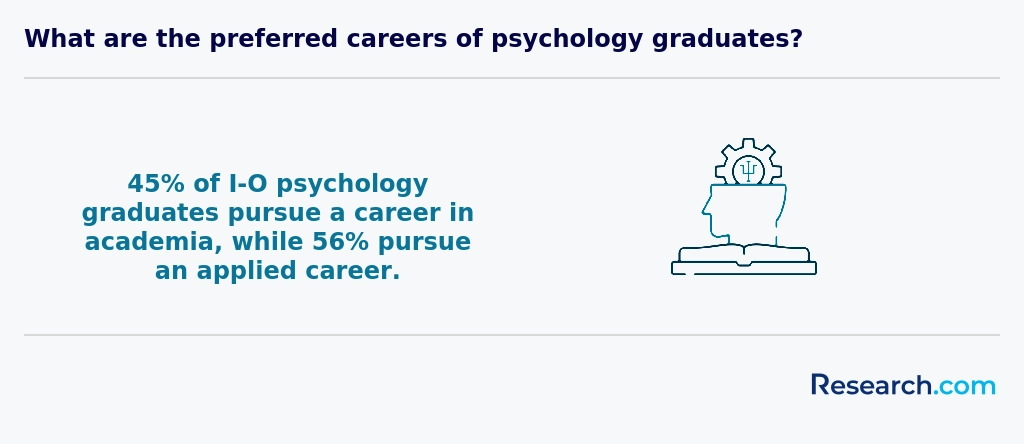
When you enroll in an online psychology degree program in New Hampshire, expect courses that build a strong foundation in understanding human behavior. Graduates from popular institutions like the University of New Hampshire often recall their first essential course, Introduction to Psychology, which opens up the fascinating world of mental processes and research methods. Imagine gaining insights into everyday interactions-how memory works or why people think differently in social settings-through lively lessons in social and cognitive psychology.
Courses like Developmental Psychology paint a vivid picture of growth from infancy to adulthood, helping you connect theory to real-life family dynamics or child development. In classes such as Biopsychology, students discover how brain function drives behavior, making complex science feel relatable and exciting.
Ethics and Abnormal Psychology are especially valued, guiding you to understand mental health with empathy and responsibility-skills graduates cherish as they enter careers in counseling or human services around New Hampshire.
Students pursuing an online psychology degree in New Hampshire frequently explore specializations that align with their passions and career goals. Popular options include Clinical Psychology, which prepares graduates for mental health counseling roles after further licensure, and Developmental Psychology, focusing on human growth from childhood to adulthood-perfect for those drawn to education or elder care. Industrial-Organizational Psychology appeals to individuals interested in workplace dynamics, fostering skills in employee motivation and organizational behavior, often highlighted by graduates of well-known New Hampshire colleges.
Those seeking to support individuals in crisis often choose Counseling Psychology, gaining communication and therapeutic techniques applicable in schools or communities. Forensic Psychology offers a compelling path intersecting law and mental health, ideal for graduates fascinated by criminal behavior and courtroom processes. These New Hampshire online psychology program concentrations provide flexible, targeted education that feels both achievable and deeply rewarding.
Many students find that pursuing an easiest bachelor degree with these specialized fields enriches their experience, blending academic rigor with real-world impact, especially at prominent New Hampshire institutions offering tailored online curricula.
Choosing the best online psychology degree in New Hampshire means focusing on accredited programs that align with your career goals and budget. Graduates from popular universities like the University of New Hampshire praise the flexibility of online courses combined with strong academic advising-key to balancing studies and personal life. Remember to check for programs accredited by recognized agencies such as the New England Commission of Higher Education, ensuring your degree holds weight in the job market and graduate schools.
Many students seeking affordable psychology bachelor's degrees NH online highlight how in-state tuition savings help ease financial pressure. Private colleges may charge more, but some offer enhanced faculty expertise or specialized counseling tracks. Whether you're drawn to clinical psychology or research, look for curriculums that reflect those interests and offer virtual internships or research projects, which former students found invaluable for gaining hands-on experience without leaving home.
If budgeting is a concern, explore flexible pacing options like part-time study or accelerated programs. Comparing costs alongside financial aid packages offers clarity. For those considering alternatives, researching options among the easiest masters degrees can provide insights on manageable study loads and quicker completion timelines.
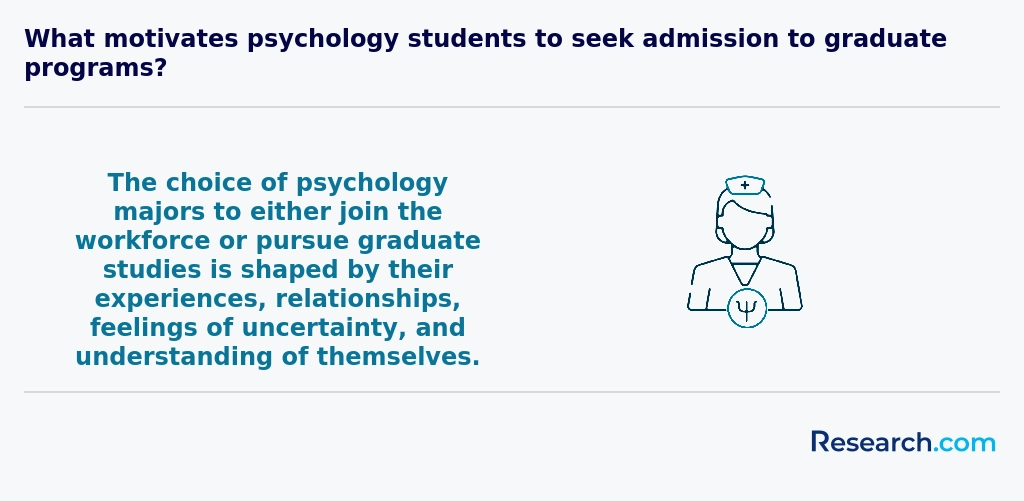
Graduates pursuing an online psychology degree in New Hampshire discover diverse career paths that tap into their deep understanding of human behavior. Many find rewarding roles as behavioral health technicians or case managers, where they provide vital support to individuals facing mental health challenges. Graduates from popular institutions like the University of New Hampshire or Southern New Hampshire University often share how these positions allow them to make meaningful impacts while gaining valuable practical experience.
Others leverage their psychology studies to enter fields like human resources or organizational behavior, contributing to employee well-being and workplace motivation in New Hampshire's thriving service sectors. Social services careers as rehabilitation specialists or community outreach workers also warmly welcome psychology graduates, blending compassion with practical intervention. These job opportunities reflect the growing demand for professionals skilled in psychological insights.
For those seeking further advancement, many use their bachelor's degree as a foundation to pursue graduate studies or specialized certifications in clinical psychology or counseling, often necessary for licensure. Exploring options through an easiest degree to get programs available online can be a strategic step toward building a flexible and impactful career in New Hampshire's psychology job market.
The job market for graduates holding an online psychology degree in New Hampshire shows steady promise, especially as mental health awareness grows across the state. Many graduates from respected institutions like the University of New Hampshire share how their online studies helped them secure roles as licensed mental health counselors or behavioral health technicians, taking advantage of the state's expanding healthcare infrastructure. With consistent demand reported by the New Hampshire Department of Employment Security, opportunities in counseling and school psychology continue to rise.
Those pursuing an online psychology degree job outlook New Hampshire should consider the advantage of gaining real-world experience through internships or support roles in social services, which many local graduates find invaluable. Salaries for entry-level positions typically range from $35,000 to $45,000, making it a practical starting point for advancing to higher credentials or specialized fields.
For students weighing options for further advancement, exploring the easiest phd to get can offer a pathway to roles with greater responsibility and salary. Graduates often highlight how an online platform prepares them well for telehealth psychology jobs, a future growth area in New Hampshire's diverse mental health landscape.
2027 Best Online Bachelor's in Psychology Degree Programs Ranking in New Hampshire
Investing in your education is a significant decision that can shape your future, and the Research.com team understands the importance of making informed choices. To assist prospective students in New Hampshire, we have carefully developed the "2027 Best Online Bachelor's in Psychology Degree Programs Ranking in New Hampshire." Our dedication to quality, credibility, and accuracy is demonstrated through thorough research and analysis in compiling this ranking.
We utilized the following reputable data sources to ensure a comprehensive evaluation of psychology programs:
By exploring this ranking, readers will gain valuable insights into the top online psychology degree programs in New Hampshire, empowering them to make well-informed decisions about their educational journey. For more information on how this ranking was created, please visit our Research.com methodology page.


Frequently Asked Questions About psychology
Students pursuing online psychology degrees in New Hampshire can enhance their learning by actively engaging with course materials and participating in virtual discussions. Research shows that interaction improves comprehension and retention. Utilizing local resources, such as New Hampshire Psychological Association events and webinars, offers valuable networking opportunities. Students should also seek internships or volunteer roles within state mental health organizations to gain practical experience, which is crucial in psychology education. According to the U.S. Bureau of Labor Statistics, hands-on experience increases employment prospects in New Hampshire's mental health field. Finally, maintaining consistent communication with faculty helps clarify complex concepts and supports academic success.
Emerging niches within the psychology field reflect broader societal and technological changes, offering new career paths for students pursuing online psychology degrees in New Hampshire. One key area is telepsychology, which has grown rapidly, especially since the COVID-19 pandemic. This niche focuses on delivering mental health services remotely, a practice increasingly adopted by New Hampshire clinics to reach rural populations.
Another developing specialty is neuropsychology, which studies brain-behavior relationships. Advances in brain imaging and cognitive science have driven demand for specialists. Additionally, forensic psychology, which applies psychology to legal situations, is expanding in the state due to increasing collaboration between law enforcement and mental health professionals.
Health psychology and behavioral medicine also see growth as New Hampshire prioritizes integrated healthcare approaches. These niches illustrate how traditional psychology roles are evolving to meet contemporary community and healthcare needs.
After earning an online psychology degree in New Hampshire, preparing for the job market involves several key steps. First, gaining relevant experience through internships or volunteer work in local mental health facilities can improve employability. The New Hampshire Department of Health and Human Services offers various internship opportunities that align with state regulations.
Networking is also crucial; joining professional organizations like the New Hampshire Psychological Association can connect graduates to industry professionals and job leads. Additionally, many entry-level psychology positions require additional certification or licensure, such as becoming a Licensed Clinical Mental Health Counselor (LCMHC).
The U.S. Bureau of Labor Statistics projects a 14% growth in psychology-related jobs in the New England region through 2031, indicating positive job prospects for degree holders.
Employers in New Hampshire highly value psychology graduates who demonstrate strong critical thinking and communication skills. According to the New Hampshire Department of Employment Security, these skills are essential for roles involving client interaction and data interpretation.
Graduates must also show proficiency in research methods and statistical analysis. These abilities help them contribute effectively to evidence-based practices, a growing priority in the state's mental health services.
Additionally, employers look for adaptability and cultural competence. New Hampshire's diverse populations require psychologists to work respectfully with individuals from various backgrounds.
Interpersonal skills and ethical judgment remain crucial, reflecting national trends emphasized by the American Psychological Association.
Finding internships in New Hampshire relevant to a psychology degree typically begins with exploring local hospitals, mental health clinics, and community organizations. Many psychology programs in the state have partnerships or provide resources to connect students with internships meeting licensure requirements.
Students should also consult the New Hampshire Psychological Association, which often lists internship opportunities and networking events. According to the Bureau of Labor Statistics, psychology-related roles in New Hampshire are expected to grow slightly, making early experience valuable.
Additionally, using university career centers and online job portals focused on health services can help identify relevant placements. Internships commonly require clear learning objectives aligned with psychology competencies, so confirming eligibility early is important.
Obtaining an online psychology degree in New Hampshire can significantly enhance career mobility and advancement opportunities. With the state's growing demand for mental health professionals-projected to grow by over 15% through 2030 according to the U.S. Bureau of Labor Statistics-earning a degree increases eligibility for various roles in healthcare, education, and social services.
Many employers in New Hampshire value accredited online degrees, which offer flexibility without sacrificing academic rigor. Graduates are better positioned to pursue certifications or advanced degrees that lead to higher salaries and leadership roles.
Additionally, online programs often facilitate networking through state-specific internships and practicum placements, aiding local career growth.
Studying for an online psychology degree in New Hampshire equips students with broad knowledge that supports interdisciplinary roles across healthcare, education, and business sectors. Programs emphasize critical thinking, research methods, and understanding human behavior, which are valuable in diverse fields.
New Hampshire schools often collaborate with local industries, allowing psychology students to engage in applied learning experiences that connect theories with real-world challenges. According to the New Hampshire Department of Education, this approach helps graduates adapt to roles requiring skills in counseling, data analysis, and teamwork.
Moreover, the regional focus on mental health initiatives encourages students to develop competencies aligned with state health priorities, preparing them to work alongside professionals in social services and public health.
When choosing between a thesis and a non-thesis psychology degree program in New Hampshire, students should consider their career goals and learning preferences. A thesis program emphasizes independent research and prepares students for graduate study or research positions, which may align with ambitions to pursue a master's or doctoral degree. Conversely, non-thesis programs focus more on coursework and practical skills, appealing to those aiming for applied roles in counseling or human services.
According to the New Hampshire Department of Education, about 30% of psychology graduates from regional universities opt for thesis tracks, reflecting a steady interest in research-based careers.
Students should also assess available faculty mentorship, time commitment, and the potential requirement of fieldwork or internships often integrated with non-thesis programs.
Students in New Hampshire seeking to study psychology abroad have several pathways due to the flexibility of online education. Many American universities offer accredited online psychology programs that are accessible internationally, allowing New Hampshire residents to enroll without relocating. Additionally, some institutions outside the U.S. provide online degrees recognized by U.S. accreditation bodies, which can be beneficial for credit transfer or licensure purposes.
While New Hampshire itself hosts no direct international study agreements specific to psychology, students often utilize exchange programs or virtual internships through U.S. universities to gain global experience. According to the National Center for Education Statistics, nearly 20% of psychology students engage in study-abroad or international online learning options nationwide. This growing trend supports New Hampshire students in expanding their academic horizons without departing from established U.S. educational standards.
Students pursuing an online psychology degree in New Hampshire can benefit from several part-time job opportunities that complement their education. Roles such as behavioral health technician assistants or mental health aides are common in community health centers and hospitals across the state. According to the New Hampshire Department of Labor, these positions offer practical experience working with patients facing mental health challenges.
Many students also find roles as research assistants at universities or nonprofit organizations, which helps build skills in data collection and psychological research methods.
Additionally, residential counselors at local youth or rehabilitation centers provide exposure to counseling techniques and client interaction.
These part-time jobs enhance a student's resume and professional network, essential for future psychology careers in New Hampshire's growing healthcare sector.
Online psychology students in New Hampshire have several networking opportunities despite the remote nature of their studies. Many universities offering online psychology degrees encourage participation in virtual student organizations and psychology clubs, allowing students to connect with peers and faculty. Institutions such as Southern New Hampshire University and Granite State College provide access to online seminars and guest lectures featuring psychology professionals.
The state's local chapters of national bodies like the American Psychological Association (APA) often host events, which online students can attend virtually to build professional connections.
Moreover, New Hampshire's strong healthcare and social services sectors create internship and volunteer options for online students seeking practical experience and in-person networking.
Alumni networks provide significant advantages for online psychology degree students in New Hampshire. Graduates gain access to professional connections within the local mental health community, which enhances job prospects and internships.
These networks often host events, workshops, and mentoring programs, helping students bridge theory with practical experience. According to the New Hampshire Psychological Association, networking is key for emerging professionals in the state's growing psychology field.
Additionally, alumni can share insights about licensure requirements and job market trends specific to New Hampshire, improving students' readiness to enter the workforce.
Such connections also support lifelong learning and professional growth beyond the degree completion.
Customizing an online psychology degree program in New Hampshire begins with selecting courses that align with your career goals. Many New Hampshire institutions offer electives in areas such as clinical psychology, counseling, or industrial-organizational psychology. This flexibility allows students to tailor their education toward specific fields.
Additionally, some programs provide options for internships or research projects, which can enhance practical skills and improve job prospects. According to the New Hampshire Department of Education, internships are valuable for gaining local professional experience.
Finally, pay attention to program accreditation, such as from the American Psychological Association, ensuring your degree meets professional standards and supports licensure nationwide.
Online psychology students in New Hampshire often face several notable challenges while pursuing their degrees. One common difficulty is limited access to local supervised clinical experiences, which are essential for psychology programs and licensure. Many students must seek placements outside their immediate area, complicating logistics and time management.
Additionally, adjusting to online learning requires strong self-discipline and time-management skills. According to the New Hampshire Department of Education, about 25% of online college students report struggles with staying motivated without in-person support.
Furthermore, technology barriers and feelings of isolation can affect student engagement. Reliable internet access varies, especially in rural parts of the state.
With an online psychology degree in New Hampshire, you can pursue several professional certifications that enhance your career prospects. Common options include the Certified Alcohol and Drug Counselor (CADC), authorized by the New Hampshire Board of Mental Health Practice.
Additionally, earning credentials like the Certified Rehabilitation Counselor (CRC) is possible with further supervised experience. These certifications require passing exams and meeting state-specific requirements.
For those interested in counseling or therapy, becoming a Licensed Clinical Mental Health Counselor (LCMHC) is a popular path. This license requires a master's degree and supervised clinical hours, but a bachelor's degree is a necessary first step.
National certifications such as the National Certified Counselor (NCC) also broaden your credentials after advanced study and experience.
According to the New Hampshire Department of Health and Human Services, professional certification improves job opportunities in local mental health settings, where demand for qualified counselors is growing.
Writing a winning application for an online psychology program in New Hampshire requires careful preparation. Begin by highlighting your academic achievements, especially in psychology and related fields. Strong grades in science and social science courses are essential since these programs can be competitive.
Next, emphasize relevant experience. Internships, volunteer work, or jobs involving counseling or mental health support demonstrate commitment and practical understanding. Many New Hampshire programs value real-world experience alongside academic records.
Craft a clear, focused personal statement explaining your passion for psychology and your career goals. Mention your interest in New Hampshire's regional issues or mental health trends, citing local resources such as the New Hampshire Psychological Association for context.
Finally, secure strong letters of recommendation from professors or professionals familiar with your skills. These add credibility and insight into your potential as a student and future psychologist.
Psychology careers are increasingly valued worldwide due to growing awareness of mental health. In the U.S., including New Hampshire, a psychology degree opens doors to roles in counseling, research, and applied psychology. Globally, professionals often adapt to different cultural contexts, making international experience a plus.
The U.S. Bureau of Labor Statistics projects a 8% growth in psychology jobs through 2032. New Hampshire offers competitive opportunities in clinical and school psychology, supported by local mental health initiatives.
Many online psychology programs in New Hampshire emphasize ethics and cultural competence to prepare students for diverse populations. Understanding psychological practices globally enhances career flexibility and impact.
Students pursuing an online psychology degree in New Hampshire can gain practical experience through internships and volunteer opportunities. Many colleges partner with local clinics, schools, and mental health organizations to provide hands-on training. The New Hampshire Psychological Association and state health departments often list placements suitable for students.
Online programs frequently require or recommend practicum hours, which must be completed in person at approved sites. According to the New Hampshire Department of Education, supervised internships enhance job readiness by allowing students to apply psychological theories in real-world settings.
Networking with local professionals and attending state psychology conferences can also support practical learning and career development.
Choosing the right concentration within an online psychology degree program in New Hampshire requires careful consideration of your career goals and interests. Common concentrations include clinical, counseling, developmental, and industrial-organizational psychology. Each area prepares students for specific roles in healthcare, education, business, or research.
Research New Hampshire's job market; for instance, the Bureau of Labor Statistics reports a steady demand for clinical psychologists and counselors in the state. Aligning your concentration with these trends can improve employment prospects after graduation.
Also, examine program curricula and faculty expertise to ensure quality and relevancy. Accredited programs by the American Psychological Association often maintain rigorous standards important for licensure.
Finally, consider if you want to pursue graduate studies or licensure; some concentrations better support these pathways.
- 2027 Best Online Bachelor's in Psychology Degree Programs Ranking in Massachusetts
- 2027 Best Online Bachelor's in Psychology Degree Programs Ranking in New York
- 2027 Best Online Bachelor's in Psychology Degree Programs Ranking in Pennsylvania
- 2027 Best Online Bachelor's in Psychology Degree Programs Ranking in Virginia
- 2027 Best Online Bachelor's in Psychology Degree Programs Ranking in Ohio
- 2027 Best Online Bachelor's in Psychology Degree Programs Ranking in Kentucky
- 2027 Best Online Bachelor's in Psychology Degree Programs Ranking in Tennessee
- 2027 Best Online Bachelor's in Psychology Degree Programs Ranking in Indiana
- 2027 Best Online Bachelor's in Psychology Degree Programs Ranking in Michigan
- 2027 Best Online Bachelor's in Psychology Degree Programs Ranking in Georgia
See What Experts Have To Say About Studying Psychology
Read our interview with Psychology experts

Elizabeth L. Jeglic Ph.D.
Psychology Expert
Professor of Psychology
City University of New York

Catherine Caldwell-Harris, Ph.D.
Psychology Expert
Associate Professor of Psychology
Boston University

Robin M. Kowalski. Ph.D.
Psychology Expert
Professor of Psychology
Clemson University

- Society for the Teaching of Psychology https://teachpsych.org/page-1784686/8675326
- Alumni Perspectives - Meet Our FPN Alumni https://www.aanmelder.nl/alumni-perspectives-june-2023
- Psychology, BA Online https://www.nec.edu/programs/ba-psychology-online
- What Certifications Can I Get With A Bachelor's In Psychology? https://www.psychology.org/resources/certification-skills-for-psychology-major-resumes/
- Psychology (Online) https://www.claflin.edu/DivisionofAcademicAffairs/the-center-for-professional-and-continuing-studies/degrees/psychology-(online)
- Online Psychology Degrees | University of Phoenix https://www.phoenix.edu/online-psychology-degrees.html
- Call for papers https://www.hogrefe.com/us/journal/international-perspectives-in-psychology-research-practice-consultation
- 2025 Most Affordable Online Colleges for Psychology Degrees https://www.onlineu.com/most-affordable-colleges/psychology-degrees
- Financial Aid for Psychology Students https://www.onlinepsychologydegrees.com/financial-aid/
- Know more about thesis vs non- thesis: what is the difference? https://studyfans.com/en/blogs/816


