
2027 Most Popular Psychology Degree Programs Ranking in Muncie

Co-Founder and Chief Data Scientist
Choosing the right psychology degree program in Muncie can shape your future in meaningful ways. This article introduces the 2027 Most Popular Psychology Degree Programs Ranking in Muncie, carefully developed by the Research.com team of data scientists to guide your decision-making process.
By exploring these rankings, you'll gain clear insights into the best programs available, helping you find a path that aligns with your goals and passions. Pursuing a psychology degree opens doors to rewarding careers that make a difference in people's lives.
Take this opportunity to invest in your future with confidence and enthusiasm.
Key benefits of getting psychology degree in Muncie
- Psychology degree graduates in Muncie can earn competitive salaries, such as a Human Resources Specialist with a mean annual wage of $76,060 or a Marketing Research Analyst earning $83,190 yearly, showcasing strong financial potential.
- Graduates from Ball State University in Muncie pursue diverse careers like Clinical Research Associates or Survey Researchers, offering fulfilling roles in healthcare, business, and social services.
- Online psychology degrees provide flexibility and convenience, allowing students to balance work and study effectively, often resulting in successful careers like on-campus graduates while saving time and commuting stress.
- 2027 Most Popular Psychology Degree Programs Ranking in Muncie
- What can I expect from psychology degree in Muncie?
- Where can I work with psychology degree in Muncie?
What can I expect from psychology degree in Muncie?
The average cost of earning a psychology degree in Muncie varies depending on the institution and the level of study, with Ball State University being the principal provider. For in-state students pursuing a bachelor's degree, annual tuition and fees typically range between $10,000 and $12,000. Graduates frequently highlight that this investment feels justified given the university's strong emphasis on research and experiential learning opportunities, such as internships and faculty-led projects that enhance practical skills.
Students often mention the value of hands-on experiences supported by community partnerships and clinical training facilities around Muncie, which complement classroom study and foster confidence in real-world settings. While out-of-state tuition may be higher, local residents benefit from more affordable rates and access to resources designed to maximize student success.
Master's programs naturally involve additional costs, usually increasing yearly expenses by several thousand dollars, but graduates appreciate the career advancement and licensure preparation such programs provide in the psychology field within Indiana's growing job market.
Where can I work with psychology degree in Muncie?
Graduates with a psychology degree in Muncie often find rewarding careers within healthcare settings such as Ball Memorial Hospital and regional mental health clinics, where they support patient counseling, behavioral health, and rehabilitation. Many alumni from Ball State University describe these roles as deeply fulfilling, allowing them to directly impact community wellbeing.
In education, psychology graduates frequently work as school psychologists or counselors throughout the Muncie Community Schools district. These positions involve supporting student mental health and academic success, providing a sense of purpose and connection to the local community.
Community nonprofits focusing on mental health and youth services also employ psychology degree holders. Graduates regularly highlight the meaningful nature of case management and advocacy work, where they design programs tailored to meet Muncie's unique social needs.
Additionally, the growing business sector in Muncie values psychology expertise for improving organizational culture and employee development. Many who studied psychology at Ball State share positive experiences applying their knowledge to enhance workplace dynamics and satisfaction.
Graduates holding a psychology degree in Muncie can expect varied earnings depending on their chosen career paths and levels of education. For example, those working as Human Resources Specialists earn a mean annual wage of approximately $76,060, reflecting solid prospects for entry- to mid-level roles. Similarly, Marketing Research Analysts with psychology backgrounds enjoy higher wages near $83,190 yearly, benefiting from skills in data analysis and consumer behavior insights.
Positions such as Clinical Research Associates or Survey Researchers typically offer mean salaries around $62,370 annually, which aligns well with the requirements of research-based psychology roles. Many graduates from popular local institutions like Ball State University find opportunities in these fields, leveraging their academic training to thrive in clinical and research environments. On the other hand, roles like Childcare Worker show lower mean wages near $32,070 but can serve as valuable stepping stones for those just beginning their careers.
Overall, psychology graduates in Muncie often report positive experiences, appreciating how their degrees open doors to meaningful work with competitive pay. The diverse local job market enables students to align their skillsets with roles that match their aspirations and financial goals, making Muncie a promising place for launching a psychology career.
- Annual tuition for psychology programs in Muncie ranges from $9,000 to $12,000 for in-state students and $15,000 to $18,000 for out-of-state students.
- Entry-level psychology-related jobs in Muncie typically pay between $35,000 and $40,000 per year.
- Experienced professionals in clinical, counseling, or industrial-organizational psychology earn between $55,000 and $70,000 annually.
- Psychology job opportunities in Muncie are expected to grow by 7-10% over the next decade.
- Local universities offer psychology programs with clinical training and pathways to licensure for clinical and counseling careers.
- Graduate degrees in psychology often come with financial aid and assistantships and improve job prospects and earning potential.
Completing a psychology degree in Muncie typically requires four years of full-time study, particularly at Ball State University, the city's leading institution for psychology education. Graduates often describe the journey as demanding yet rewarding, as they navigate around 120 to 130 credit hours comprising general education, core psychology classes, and electives. Many students find the structured timeline provides a clear path forward, helping them stay motivated and on track.
For those balancing part-time schedules or work commitments, the degree may extend beyond four years, but alumni often emphasize the value of flexibility offered by Ball State's courses and support services. Graduates recall hands-on experiences through internships and research projects, which, while sometimes lengthening the program, enhance practical skills crucial for licensure and career advancement.
Students pursuing advanced study note that master's degrees add roughly two more years, while doctoral paths, pursued at nearby universities or online, can require an additional four to seven years. Many graduates appreciate how Muncie's accessible programs build strong foundations for these next steps.
Ensuring your psychology degree is accredited and meets Indiana licensure standards is essential for career advancement and professional credibility.
- Regional Accreditation: Choose programs approved by the Higher Learning Commission (HLC) to guarantee federal financial aid eligibility and seamless credit transfer.
- Programmatic Accreditation: For advanced practice, look for APA-accredited doctoral programs or CACREP-accredited counseling tracks that satisfy state licensing boards.
- State Licensure Steps:
- Earn a graduate degree from an accredited institution.
- Complete supervised clinical hours (1,500–4,000 for psychologists, 2,000+ for counselors).
- Pass the Examination for Professional Practice in Psychology (EPPP) or the National Counselor Examination (NCE).
- Continuing Education: Maintain licensure in Indiana by completing required CE credits every licensure cycle through approved providers.
After meeting these requirements, consider advancing your credentials with an online psychology masters to specialize and stay competitive in the field.
Choosing between an online and on-campus psychology degree in Muncie involves distinct experiences shaped by delivery methods and campus resources. Graduates from Ball State University often recall the energizing atmosphere of face-to-face lectures, lively group discussions, and hands-on activities in well-equipped psychology labs. These direct interactions foster deep connections with professors and peers, enriching learning through immediate feedback and collaborative research projects.
Conversely, graduates of online programs appreciate the flexibility to balance studies with work or family commitments. They benefit from video lectures and digital forums that allow learning at their own pace, often from the comfort of home. However, some online students note the challenge of missing live lab work or in-person internships, which are pivotal for building clinical skills.
Financially, on-campus learners in Muncie invest in housing and commuting, while online students save on these but may face occasional travel for essential fieldwork. Both pathways maintain accredited curriculum standards, though students seeking clinical experience may lean toward on-campus advantages offered by local institutions like Ball State.
After completing your psychology degree in Muncie, IN, follow these essential steps to become a licensed practitioner:
- Graduate from an accredited Master’s or Doctoral program that meets Indiana board standards.
- Accumulate supervised clinical hours (1,500–2,000 for counselors; 3,000+ for psychologists) under a qualified supervisor.
- Pass state and national exams: the EPPP for psychologists, or the NCE/NCMHCE for counselors as required.
- Submit your license application to the Indiana Family and Social Services Administration, including transcripts, exam results, and supervision verification.
- Fulfill continuing education requirements (typically 20–30 hours every two years) to maintain and renew your license.
Consider pursuing the cheapest online degree in psychology to meet these criteria affordably.
The average cost of a psychology degree in Muncie reflects both accessibility and quality, with median total expenses around $43,364. In-state students benefit from considerably lower costs, typically about $11,082 in total, making Muncie an attractive option for those seeking a psychology degree without incurring excessive debt. Graduates from institutions like Ball State University often share positive experiences regarding affordability combined with strong academic programs tailored to psychology.
Students pursuing psychology degrees in Muncie benefit from reasonably priced tuition paired with living expenses that are generally lower than those in larger urban centers. This balance helps students focus more on their studies and less on financial stress, enhancing their overall educational experience. Additionally, the psychology degree expenses in Muncie Indiana are offset frequently by scholarships and financial aid, which many students successfully obtain during their enrollment.
For undergraduate psychology students in particular, cost-saving opportunities extend beyond tuition. Textbook and material expenses average approximately $1,200 annually, manageable when considering the value of education received locally. Many graduates reflect that the combination of these reasonable costs and strong academic support created a foundation for both personal growth and career development.
Furthermore, students exploring career options in psychology can appreciate the region's support for professional advancement, including resources that align with neuropsychology job growth. This environment encourages students to envision fulfilling futures in psychology while benefitting from attainable degree costs in Muncie's educational institutions.
As you plan your future in psychology, exploring advanced degree options such as the PsyD can further enhance your career trajectory by deepening clinical expertise and expanding leadership roles in mental health. A PsyD program often emphasizes clinical practice over research, providing hands-on experience that bridges theoretical knowledge with real-world applications. For professionals aiming to work directly with patients in therapeutic settings, pursuing a doctorate not only enhances credibility but also opens doors to positions that require higher-level qualifications, such as supervising clinical teams or heading mental health initiatives. Many advanced programs also integrate modern treatment methodologies and emerging trends in psychology, preparing graduates to navigate rapidly changing healthcare environments. This commitment to innovation ensures that your educational path remains aligned with the latest clinical practices and industry standards. If you wish to advance your career with flexible learning options, you might consider exploring accredited psyd programs online, which are designed to cater to professionals who need to balance ongoing work commitments with further studies. Ultimately, a doctorate in psychology equips you with a deeper understanding of human behavior and complex treatment strategies, increasing your value in a competitive job market and positioning you at the forefront of mental health advancement.
Psychology students in Muncie often rely on a combination of financial aid options to make their education affordable and accessible. Many graduates from Ball State University recall how federal Pell Grants significantly eased their tuition burden, allowing them to focus more on their studies without overwhelming debt. In addition to these grants, Direct Subsidized and Unsubsidized Loans provide vital funding, though students remain mindful of the repayment obligations ahead.
Merit-based scholarships at local institutions reward academic excellence, with several psychology students receiving awards that cover a substantial portion of their fees. These scholarships not only reduce costs but also bolster students' confidence and motivation throughout their academic journey.
State aid, such as the Frank O'Bannon Grant, is particularly valuable for Indiana residents studying psychology locally, helping to defray tuition based on income levels. Many students appreciate this support as it aligns closely with their financial realities.
Work-study programs linked to psychology departments offer practical, hands-on experience, doubling as a source of income. External scholarships from psychology-focused organizations add another layer of financial assistance, although competition for these awards is intense, making them a prized achievement for recipients.
Graduates of psychology programs in Muncie, IN, must navigate state licensing pathways to practice as professional counselors, therapists, or psychologists-a critical step that directly impacts career opportunities and salary potential. In Indiana, the primary credentials include Licensed Mental Health Counselor (LMHC), Licensed Clinical Social Worker (LCSW), and Licensed Psychologist. Here’s what you need to know: Education and Degree Requirements • Bachelor’s Degree: While a bachelor’s in psychology provides foundational knowledge, most licensure tracks require a graduate degree. To explore whether a master’s is essential for counseling roles, see do you need a masters to be a therapist. • Master’s Degree: Accredited programs in counseling, social work, or clinical psychology typically include supervised practicum hours and prepare candidates for state exams. Supervised Experience • Internship/Practicum: Graduate students complete 600–1,000 hours under board-approved supervisors in clinics, schools, or private practices. • Post-Degree Supervision: After graduation, Indiana law requires 3,000 additional supervised hours for LMHC or LCSW applicants, logged over at least 24 months. Examinations and Application • National Exams: – LMHC: National Clinical Mental Health Counseling Examination (NCMHCE) – LCSW: Association of Social Work Boards (ASWB) Clinical Exam – Psychologist: Examination for Professional Practice in Psychology (EPPP) • Indiana Board Application: Submit transcripts, supervision logs, exam scores, and background checks via the Indiana Professional Licensing Agency portal. Continuing Education & Renewal • Continuing Education Units (CEUs): Licensed professionals must complete 24 CEUs every two years, including ethics and Indiana jurisprudence. • License Renewal: Biennial renewal requires proof of CEUs and payment of renewal fees, ensuring compliance with the latest practice standards. Understanding Indiana’s licensure framework empowers psychology graduates in Muncie to plan their educational investments strategically, meet regulatory requirements, and secure the credentials needed for diverse mental health careers.
Students aspiring to study psychology in Muncie, particularly at institutions like Ball State University, must first secure a high school diploma or its equivalent. A GPA of approximately 2.5 to 3.0 is generally expected, reflecting a solid academic foundation. Several graduates recall the initial challenge of meeting these benchmarks but found that excelling early on fostered confidence and prepared them for more rigorous coursework.
Applicants may also need to submit SAT or ACT scores, although many programs have shifted to test-optional policies recently, easing admission barriers and allowing applicants to highlight other strengths. Once enrolled, declaring psychology as a major typically involves completing prerequisite courses such as introductory psychology, biology, and statistics, which graduates describe as crucial in building their understanding of core concepts.
For those pursuing graduate studies, a bachelor's degree in psychology or a related discipline is essential. Many former students emphasize the importance of courses like abnormal psychology and research methods, which enhanced their readiness for advanced work. Additionally, requirements may include letters of recommendation and personal statements that allow applicants to express their motivation and passion for psychology.
Many students in Muncie's psychology programs also engage in volunteer opportunities or internships, which they credit for enriching their educational experience and strengthening their applications.
. Pursuing a psychology degree in Muncie, IN, can be a highly rewarding decision, offering students a comprehensive education and a wide range of career opportunities. By understanding the complexities of human behavior, psychology graduates can make a meaningful impact in their communities, whether through clinical practice, research, or applied fields like human resources and education. For those interested in exploring the various paths available within the field of psychology, researching the most popular psychology degree programs can provide valuable insights into the specializations and career trajectories that align with their passions and skills. This foundation in psychology not only equips students with a deep understanding of human behavior but also fosters critical thinking, analytical skills, and empathy, making them versatile professionals capable of thriving in diverse environments.
Psychology degree programs in Muncie commonly include foundational courses that prepare students for diverse career paths and graduate studies. Graduates from prominent institutions such as Ball State University often recall how courses like Introduction to Psychology provided a clear overview of key concepts and research methods, essential for understanding human behavior in everyday settings.
Core curriculum frequently covers Developmental Psychology, illustrating human growth from infancy through adulthood, and Biological Psychology, which reveals the brain-behavior connection through hands-on lab experiences. Students appreciate the practical relevance of Cognitive Psychology, where topics like memory and perception are explored through real-life problem-solving exercises.
Social Psychology classes engage learners by analyzing interactions in familiar community environments, while Research Methods and Statistics equip students with skills to design studies and interpret data confidently. Many report that Abnormal Psychology was particularly impactful, as it provided insights into mental health disorders relevant to clinical practice in counseling centers around Muncie.
These courses, enriched by small class sizes typical in Muncie colleges, foster close faculty engagement and collaboration, enhancing students' confidence and critical thinking throughout their studies.
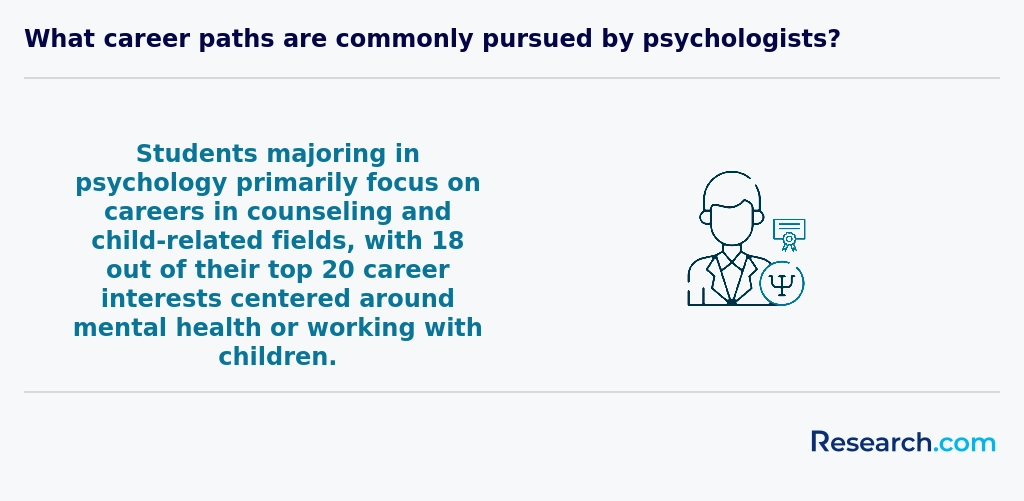
Psychology degree specializations in Muncie are designed to address the diverse interests and career goals of students. Popular programs at local universities offer tracks such as clinical psychology, which equips graduates to diagnose and treat mental health disorders through hands-on therapy training and practicum work. Counseling psychology is another key specialization, where students prepare to support individuals facing everyday emotional challenges, often leading to roles in community and educational settings.
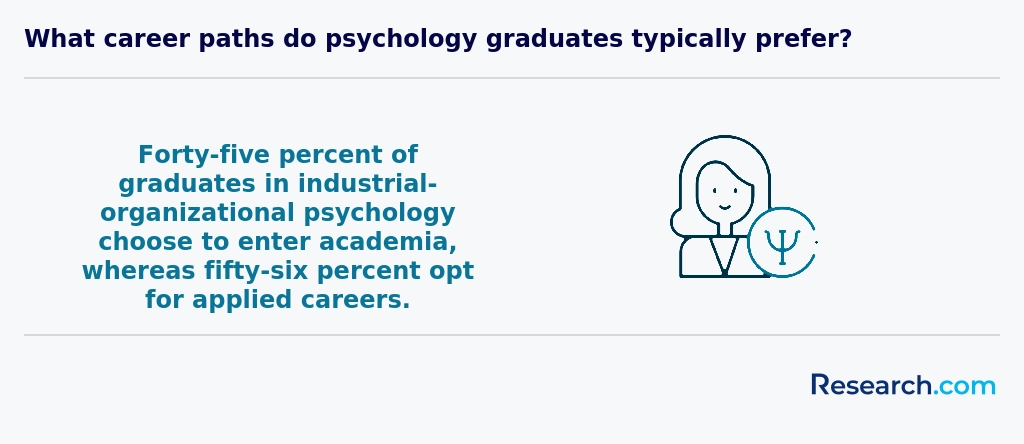
Graduates often appreciate the emphasis on experimental psychology, which sharpens research skills and data analysis, laying a strong foundation for advanced study or research careers. Developmental psychology, a favorite among students passionate about human growth, allows exploration of lifespan changes, preparing them for service roles in education and healthcare. The industrial-organizational psychology pathway is gaining popularity for those interested in workplace dynamics and organizational strategies.
Many students at Muncie institutions highlight the value of practical experiences through internships with local agencies. Those pursuing licensure often examine options related to lpc salary in maryland lpc salary in maryland. These varied specializations within the best psychology programs with specializations Muncie offer broad avenues for building a meaningful career.
Choosing the best psychology degree in Muncie requires careful consideration of several factors specific to the region. Graduates from Ball State University often highlight the value of its accredited program, which combines rigorous coursework with hands-on research opportunities, allowing students to connect theory with meaningful practice. Many appreciate that the curriculum offers specializations that align with their passions, from clinical psychology to cognitive neuroscience, fostering a rewarding academic experience.
Affordability also plays a crucial role. The availability of affordable psychology degrees Muncie Indiana offers makes pursuing higher education feasible, especially when paired with scholarships and financial aid programs targeting psychology students. Graduates frequently mention that local internships and practicum placements, facilitated by campus connections to healthcare and community organizations, helped solidify their professional skills and opened doors post-graduation.
When researching options beyond Muncie, prospective students might explore psychology schools in Minnesota to compare program features and opportunities, assisting them in making a well-informed decision tailored to their career goals.

Graduates with psychology degrees in Muncie find diverse career paths reflecting the field's breadth and societal relevance. Clinical and counseling psychology remain prominent, with graduates contributing to mental health support in hospitals and community centers. Many Muncie graduates from popular universities describe rewarding experiences applying their skills to improve well-being, fulfilling the rising local demand for therapy professionals. For those interested in workplace dynamics, industrial-organizational psychology offers opportunities with local businesses to enhance productivity and employee satisfaction, a growing sector that appeals to graduates aiming to impact organizational success.
Educational psychology is another vital area, particularly within Muncie's school systems where graduates collaborate with teachers and families to enhance student development. This aligns with state educational initiatives prioritizing mental health services. Additionally, psychology graduates frequently engage in research roles, especially at Ball State University, a well-known hub for research activity in Muncie. Many recent graduates pursue advanced degrees to thrive in these analytical and investigative positions.
For a broader sense of available options, students explore various job opportunities for psychology graduates in Muncie, including social services, forensic, and health psychology fields. Those considering their options often review the most popular psychology degree pathways to align career goals with regional demand and personal aspirations.

The psychology degree job outlook in Muncie remains promising due to steady growth in mental health and social services. Graduates from Ball State University, a key institution in the area, often secure roles in local healthcare facilities, schools, and social service agencies, where their skills support community well-being. Many find fulfillment working in counseling or human resources within corporate sectors, reflecting diverse career opportunities.
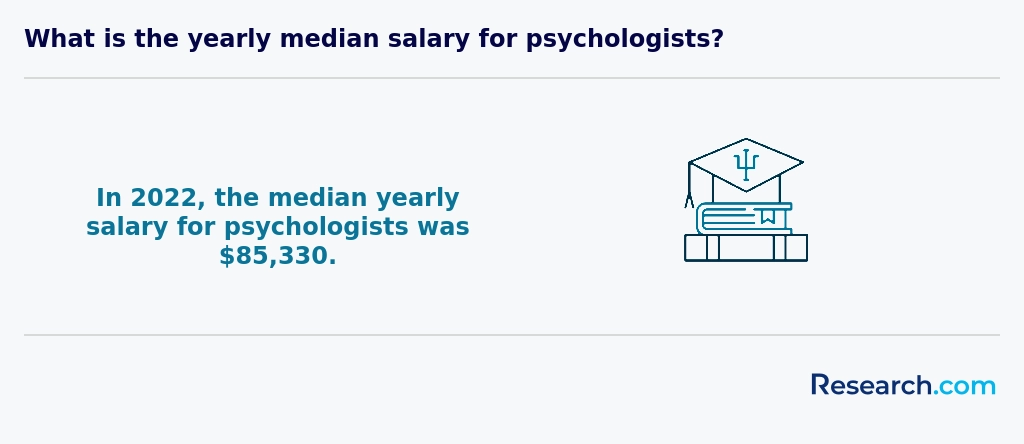
Muncie psychology career opportunities are strengthened by a supportive educational environment and partnerships that enhance practical experience. Graduates frequently highlight how internships with area hospitals and community organizations provided invaluable real-world insights, boosting employability and confidence. The median annual wage for psychologists in Indiana is approximately $78,000, with entry-level salaries between $45,000 and $55,000, enabling new professionals to establish rewarding careers.
Students considering advanced education can explore accredited psyd programs online to increase their specialization and job prospects in this stable market.
2027 Most Popular Psychology Degree Programs Ranking in Muncie
Investing in your education is a significant decision that can shape your future, and the Research.com team understands the importance of making informed choices. To assist prospective students in Muncie, we have meticulously crafted the "2027 Most Popular Psychology Degree Programs Ranking in Muncie." Our commitment to quality, credibility, and accuracy is reflected in the extensive research and analysis conducted to compile this ranking.
We utilized the following reputable data sources to ensure a comprehensive evaluation of psychology degree programs:
By exploring this ranking, readers will gain valuable insights into the most popular psychology degree programs in Muncie, empowering them to make well-informed decisions about their educational journeys. For more details on our methodology, please visit our Research.com methodology page.

Frequently Asked Questions About psychology
Psychology degree students in Muncie can maximize their learning experience by actively engaging in both academic and practical opportunities available locally. Ball State University, the city's primary higher education institution, offers access to research labs and community-based internships, which are essential for applying theoretical knowledge.
Students benefit from joining campus organizations like the Psychology Club, where peer interaction and networking help deepen understanding. Additionally, taking advantage of Muncie's mental health services internships supports hands-on training in real-world settings.
According to the National Center for Education Statistics, students who participate in internships and research projects have a 20% higher chance of successful employment after graduation. Therefore, combining coursework with practical experience remains crucial.
Emerging niches within the psychology field reflect the evolving needs of society and technological advancements. In Muncie, students pursuing psychology degrees often explore specialties such as neuropsychology, which examines the brain's role in behavior and cognition. This area is growing due to increased research funding and healthcare demand. Another expanding niche is health psychology, focusing on how psychological factors affect physical health, relevant given rising chronic illness rates nationally. Additionally, forensic psychology is gaining attention as legal systems integrate more psychological expertise. According to the Bureau of Labor Statistics, overall psychology jobs are projected to grow 8% by 2032, highlighting opportunities in these new subfields.
After completing a psychology degree in Muncie, preparing for the job market involves several key steps. Firstly, gaining practical experience through internships or volunteer work with local healthcare providers or community organizations is essential. Ball State University, a major institution in Muncie, offers connections to such opportunities.
Additionally, obtaining relevant certifications such as Certified Alcohol and Drug Counselor (CADC) can enhance employability in Indiana. Networking with professionals via local events or the Indiana Psychological Association helps build valuable contacts. Finally, staying updated on job trends by consulting resources like the U.S. Bureau of Labor Statistics, which reports a projected 8% job growth for psychologists nationally through 2031, supports informed career planning.
Employers in Muncie highly value psychology degree graduates who demonstrate strong analytical and interpersonal skills. According to the Bureau of Labor Statistics, critical thinking is essential for evaluating research and understanding human behavior effectively. Communication abilities, both written and verbal, are also crucial for professionals working in counseling or human services roles common in the area.
Additionally, local employers look for proficiency in statistical software and data interpretation, reflecting the increasing importance of evidence-based practices in psychology careers. The Indiana Department of Workforce Development notes that teamwork and ethical decision-making rank among top soft skills sought in Muncie's psychological services sector.
Finding internships in Muncie for psychology students involves exploring opportunities in local healthcare, education, and community organizations. Ball State University, the city's primary institution offering psychology degrees, often connects students with internships in counseling centers, hospitals, and social service agencies. According to Ball State's Psychology Department, about 60% of psychology undergraduates secure internships through university partnerships.
Local hospitals such as IU Health Ball Memorial and community mental health centers provide practical experience in clinical settings. Additionally, schools in the Muncie Community School Corporation may offer internships focused on educational psychology and behavioral support.
Networking through campus career services and attending local job fairs are also effective strategies. Early application and demonstrating relevant coursework can improve chances of placement.
Obtaining a psychology degree in Muncie can significantly enhance career mobility and advancement within the local job market. Graduates often find opportunities in healthcare, social services, education, and business sectors, where understanding human behavior is valued. According to the U.S. Bureau of Labor Statistics, Muncie's employment growth for psychology-related roles aligns closely with national trends, projecting about 8% growth through 2030.
Local employers, such as healthcare providers and educational institutions, commonly seek candidates with degrees in psychology for roles involving counseling, case management, and human resources. Earning a bachelor's or higher degree often leads to increased responsibilities and higher salaries.
Additionally, Muncie's proximity to larger cities in Indiana allows psychology graduates to pursue advanced certifications and licenses, which are essential for clinical practice and further advancement.
Studying for a psychology degree in Muncie offers a strong foundation for interdisciplinary roles by emphasizing both theoretical knowledge and practical skills. Psychology programs at local institutions, such as Ball State University, integrate coursework with collaborative projects involving fields like education, health sciences, and social work. This approach equips students to address complex human behavior issues from multiple perspectives.
Furthermore, Muncie's growing partnerships with community organizations provide valuable internship opportunities. These experiences prepare students for diverse environments where psychological expertise intersects with other disciplines.
According to the National Center for Education Statistics, interdisciplinary skill development is a growing focus in psychology education nationwide, mirrored in Muncie's curricula.
Choosing between a thesis and a non-thesis psychology degree program in Muncie depends largely on your career goals and learning preferences. A thesis program typically involves conducting original research and writing a substantial paper under faculty guidance. This path suits students interested in pursuing doctoral studies or research careers.
Non-thesis programs usually focus on coursework and applied skills, appealing to those aiming for immediate employment in clinical, counseling, or organizational psychology roles.
According to data from the National Center for Education Statistics, approximately 40% of psychology graduates nationwide chose thesis options to prepare for advanced study, while the remainder preferred non-thesis tracks.
In Muncie, local universities like Ball State University offer both options, reflecting this national trend.
Students in Muncie seeking to study psychology abroad have several pathways through partnerships and study abroad programs offered by local institutions. Ball State University, a major educational hub in Muncie, has established connections with universities in Europe and Asia, enabling psychology students to complete parts of their coursework internationally.
These programs typically last a semester or summer term and provide exposure to diverse psychological theories and practices. According to the Institute of International Education, nearly 10% of Ball State students participate in study abroad experiences, many choosing psychological sciences due to growing global interest in mental health.
Additionally, students can explore independent study abroad opportunities with credit transfer options, allowing them to customize their international education to fit psychology degree requirements at home.
Part-time job opportunities in Muncie that complement psychology degree education provide valuable practical experience. Common roles include research assistants at institutions like Ball State University, where students support faculty projects in social and behavioral psychology. These positions help develop skills in data collection and analysis.
Other opportunities involve working as mental health aides or behavioral therapy assistants in local clinics and counseling centers. These roles offer direct interaction with clients and insight into applied psychology practices.
The Bureau of Labor Statistics notes that gaining relevant experience through part-time jobs improves employability post-graduation, especially in psychology-related fields.
Psychology students in Muncie benefit from several valuable networking opportunities to build professional connections. Ball State University, the city's primary institution offering psychology degrees, hosts regular events such as guest lectures, workshops, and career fairs where students can meet faculty, alumni, and local professionals. The university's Psychology Club also organizes networking meetings and community activities, helping students connect with peers and practitioners.
Additionally, Muncie's local organizations, including counseling centers and mental health clinics, often provide internships and volunteer positions, allowing students to gain practical experience while expanding their professional network.
The Indiana Psychological Association, accessible to students, offers conferences and seminars in the region that further promote relationship-building in the field.
Alumni networks provide valuable support for psychology degree students in Muncie by connecting them with former graduates who have navigated similar career paths. These networks often offer mentorship opportunities, helping students understand local industry expectations and graduate school options.
Many psychology programs in Muncie, including those at Ball State University, maintain active alumni associations that host networking events and share job leads. According to the Ball State Career Center, 65% of students securing internships in psychology report connections through alumni contacts.
Furthermore, alumni can offer guidance on licensure requirements specific to Indiana, a key step for clinical psychology careers. These networks also foster professional growth by facilitating workshop participation and collaborative research projects.
Customizing a psychology degree program in Muncie can significantly enhance your career prospects. Many local institutions offer flexible curriculum options that allow students to choose electives aligned with specific interests such as clinical psychology, counseling, or industrial-organizational psychology. You can also gain practical experience through internships or research projects, which are often available in partnership with nearby healthcare providers and businesses.
Advisors frequently help students develop tailored study plans to meet professional goals, including preparation for certifications or graduate studies. According to the Bureau of Labor Statistics, psychology-related jobs in Indiana are projected to grow 10% through 2030, emphasizing the value of specialized training.
Psychology students in Muncie often face several common challenges during their studies. One significant challenge is balancing rigorous coursework with practical experience, as many programs require internships or research participation. According to the National Center for Education Statistics, psychology majors nationwide report spending an average of 15-20 hours per week on study and research, which can be demanding alongside part-time jobs or family commitments.
Another difficulty lies in mastering complex scientific concepts and statistics, which are foundational in psychology. Some students express concerns about accessing sufficient local research opportunities within Muncie's smaller academic community compared to larger metropolitan areas. Additionally, the need to stay updated with evolving mental health policies and diverse populations adds to the academic workload.
Financial constraints also impact many Muncie students, as local tuition and living expenses require careful budgeting. According to College Board data, Indiana's average public in-state tuition is around $11,000 per year, which may necessitate balancing work and study. These factors combined create a demanding but rewarding learning environment for psychology students in Muncie.
With a psychology degree in Muncie, graduates can pursue various professional certifications to enhance their career opportunities. Common certifications include Licensed Professional Counselor (LPC), Certified Alcohol and Drug Counselor (CADC), and Board Certified Behavior Analyst (BCBA). These credentials require specific coursework, supervised experience, and passing relevant exams.
The LPC certification is popular among psychology graduates aiming for clinical counseling roles. In Indiana, the licensing board mandates a master's degree plus 3,000 supervised hours for LPC eligibility.
Behavior analysis is growing in Muncie, especially with autism support services, creating demand for the BCBA credential, which requires graduate coursework and a passing score on the BACB exam.
Certifications like CADC offer paths into substance abuse counseling, a field with steady job growth locally. Obtaining these certificates can significantly boost employability and credibility in mental health professions.
To write a winning application for a psychology program in Muncie, start by thoroughly researching local institutions such as Ball State University, known for its accredited psychology degrees. Emphasize your academic achievements, especially in psychology-related courses and any research or volunteer experience in mental health fields. Many programs in Muncie value practical experience alongside GPA, which typically averages around 3.0 for successful candidates (National Center for Education Statistics, 2023).
Craft a clear, focused personal statement explaining your passion for psychology and how the program aligns with your goals. Highlight skills in critical thinking and communication. Be sure to request strong recommendation letters from professors or supervisors familiar with your work in psychology or related disciplines.
The field of psychology offers diverse career paths recognized worldwide, including clinical practice, research, and organizational roles. In the United States, psychology careers continue to grow steadily; the Bureau of Labor Statistics projects a 8% employment increase for psychologists from 2021 to 2031, faster than average. Muncie, Indiana, benefits from proximity to Ball State University, which contributes to research and training opportunities supporting these careers locally.
Global perspectives emphasize cultural competence and adaptability, key skills for psychologists working in increasingly interconnected societies. Professionals trained in the U.S. system often engage in cross-cultural studies or international collaborations.
For students in Muncie, understanding these trends can shape meaningful careers with both local and global impact.
Gaining practical experience while studying psychology in Muncie is vital for career readiness. Students often seek internships at local organizations such as the Delaware County Mental Health Center or Ball Memorial Hospital. These placements provide exposure to clinical and counseling settings. Universities in Muncie, including Ball State University, offer research assistant roles where students help faculty with ongoing psychology studies, offering hands-on experience in data collection and analysis.
Volunteer opportunities at community centers and support groups allow students to develop interpersonal skills. Additionally, joining psychology clubs on campus can connect students with professionals hosting workshops and networking events. Using these resources aligns with American Psychological Association guidelines for experiential learning.
Choosing the right concentration within a psychology degree program in Muncie involves understanding your career goals and interests. Local institutions like Ball State University offer various tracks, including clinical, counseling, and industrial-organizational psychology. According to the Bureau of Labor Statistics, clinical psychology roles are projected to grow 8% nationally from 2021 to 2031, indicating steady demand.
Researching each concentration's curriculum helps you assess what skills and knowledge you will acquire. You should also consider internship opportunities in Muncie's healthcare and corporate sectors, which enhance practical experience.
Lastly, speak with academic advisors and current students to gain insights on program strengths and local job placement rates.
- 2027 Most Popular Psychology Degree Programs Ranking in Cincinnati
- 2027 Most Popular Psychology Degree Programs Ranking in Columbus
- 2027 Most Popular Psychology Degree Programs Ranking in Detroit
- 2027 Most Popular Psychology Degree Programs Ranking in Cleveland
- 2027 Most Popular Psychology Degree Programs Ranking in Saint Louis
- 2027 Most Popular Psychology Degree Programs Ranking in Buffalo
- 2027 Most Popular Psychology Degree Programs Ranking in Greensboro
- 2027 Most Popular Psychology Degree Programs Ranking in Charlotte
- 2027 Most Popular Psychology Degree Programs Ranking in Atlanta
- 2027 Most Popular Psychology Degree Programs Ranking in Rochester
See What Experts Have To Say About Studying Psychology
Read our interview with Psychology experts

Robin M. Kowalski. Ph.D.
Psychology Expert
Professor of Psychology
Clemson University

Elizabeth L. Jeglic Ph.D.
Psychology Expert
Professor of Psychology
City University of New York

Catherine Caldwell-Harris, Ph.D.
Psychology Expert
Associate Professor of Psychology
Boston University

- How To Find Psychology Internships https://www.psychology.org/resources/how-to-find-an-internship/
- Application and tuition fees - SWPS University https://english.swps.pl/programs/apply/application-and-tuition-fees
- Study Psychology Abroad https://astarfuture.co.uk/study_psychology_abroad.html
- Mental Health Challenges Faced by Psychology Students | The Healthcare Guys https://healthcareguys.com/2023/11/23/mental-health-challenges-faced-by-psychology-students/
- Have You Found a Niche? https://www.apaservices.org/practice/business/marketing/building/niche
- Financial Aid for Psychology Students https://www.onlinepsychologydegrees.com/financial-aid/
- Alumni Perspectives - Meet Our FPN Alumni https://www.aanmelder.nl/alumni-perspectives-june-2023
- Study Psychology Abroad | Go Overseas https://www.gooverseas.com/study-abroad/psychology
- Know more about thesis vs non- thesis: what is the difference? https://studyfans.com/en/blogs/816
- The Role of Psychology in Career Development and Planning https://psyvanta.com/the-role-of-psychology-in-career-development-and-planning/


