
2027 Most Valuable Online Psychology Degree Programs Ranking in Washington

Co-Founder and Chief Data Scientist
Choosing the right psychology degree program is an exciting step toward a rewarding future. For students in Washington, finding valuable online options can make all the difference in balancing education with life's demands.
This article introduces the 2027 Most Valuable Online Psychology Degree Programs Ranking in Washington, crafted by Research.com's team of data scientists. It's designed to help you make an informed choice about programs worth your time and investment.
Discover programs that align with your goals and open doors to meaningful careers. Your journey to making a positive impact starts here.
Key benefits of getting online psychology degree in Washington
- Psychology degree graduates in Washington can expect competitive salaries such as $76,060 annually for Human Resources Specialists and $83,190 for Marketing Research Analysts, reflecting rewarding financial opportunities.
- Potential career paths include roles in research, counseling, and human resources, similar to graduates from the University of Washington who find diverse jobs fitting their skills and interests.
- Online psychology degrees offer flexibility and convenience, allowing students to balance studies with personal commitments, as seen with successful graduates from Washington State University's online program.
- 2027 Most Valuable Online Psychology Degree Programs Ranking in Washington
- What can I expect from online psychology degree in Washington?
- Where can I work with online psychology degree in Washington?
What can I expect from online psychology degree in Washington?
The average cost of an online psychology degree in Washington typically ranges between $7,000 and $15,000 per year, depending on the institution and level of study. Graduates from schools like Eastern Washington University or Washington State University often share how the competitive tuition combined with flexible online formats truly eased their financial stress while balancing work and family life.
Many students appreciate that these programs align with Washington's commitment to affordable education, often benefiting from state-specific scholarships and financial aid designed for mental health fields. One graduate mentioned how accessing local aid made pursuing advanced psychology studies feel achievable without overwhelming debt.
Remember, while tuition is reasonable, you should also account for any additional costs, such as textbooks or clinical hours that may need to be completed in person due to Washington's licensing requirements. Still, the overall investment is often seen as worthwhile, opening doors to a fulfilling career in a state where psychology professionals are in high demand.
Where can I work with online psychology degree in Washington?
Graduates from online psychology programs at institutions like the University of Washington or Seattle University often find themselves stepping confidently into roles such as behavioral health technicians or case managers, especially at community health centers around Seattle. These entry-level positions provide invaluable experience, helping recent grads build a solid foundation while making a real difference in people's lives.
For those who pursue a master's degree, the path broadens significantly. Many alumni thrive as licensed mental health counselors or marriage and family therapists after fulfilling Washington State's licensing requirements, including supervised clinical hours. These careers allow you to support individuals and families through challenging times in settings ranging from hospitals to nonprofit organizations.
Doctoral graduates frequently become licensed psychologists, enjoying rewarding work that combines clinical care with assessment and diagnosis. Their impact in private practices or academic research positions in universities across Washington is both meaningful and well-compensated, with salaries reflecting the demand for skilled practitioners in mental health.
Whether working in bustling corporate offices in Seattle's dynamic growth sectors or contributing to public health research, psychology degree holders in Washington embrace opportunities that merge passion with purpose in rewarding careers.
Graduates with an online psychology degree in Washington can expect various earning opportunities depending on their chosen career path. For example, human resources specialists, a common role for psychology grads, earn a mean annual wage of about $76,060 here. I've seen graduates from the University of Washington leverage their skills to secure these roles, feeling proud as they apply psychology principles to improve workplace culture.
Marketing research analyst positions attract many psychology alumni from schools like Washington State University. These roles come with a mean annual wage around $83,190, allowing graduates to enjoy both intellectual engagement and financial stability.
If you're drawn to research, becoming a clinical research associate or a survey researcher offers mean salaries near $62,370 annually. Graduates sharing experiences from Seattle Pacific University often highlight the rewarding challenge of these jobs, combining data analysis with understanding human behavior.
Remember, each salary reflects not only your degree but your passion and dedication. Earning in Washington's competitive market can be both financially and personally fulfilling, especially when you grow your expertise through practical roles suited to your psychology background.
- Tuition for a bachelor's in psychology in Washington ranges from $35,000 to $45,000 at public universities, with private schools typically charging more.
- Online programs may include extra fees for technology or distance learning, but financial aid is available to help reduce costs.
- The average entry-level salary for psychology graduates in Washington is between $50,000 and $55,000 annually, with experienced psychologists earning over $90,000.
- Job growth for psychologists in Washington is projected to be about 10% through 2030, driven by demand in various settings like schools and hospitals.
- Accreditation, especially by the APA or regional agencies, is important for licensure and employer recognition.
- A doctoral degree is required for clinical psychologist licensing, while those with bachelor's or master's degrees can work as counseling or psychology assistants.
Completing an online psychology degree in Washington usually takes about four years for a bachelor's degree if you study full-time, much like graduates from the University of Washington or Seattle Pacific University have experienced. Many students balance work and family by stretching their studies part-time, sometimes extending the journey to six years or more. The flexibility of online programs lets you customize your pace, which is a huge relief when life throws curveballs.
For those aiming higher, a master's degree online typically wraps up within two years. I've seen graduates from Western Washington University finish in just 18 months by taking accelerated courses and pushing themselves little by little. This approach is empowering, proving you can achieve more with the right motivation.
Doctoral degrees, like PsyD or PhD, demand the longest commitment-five to seven years-due to intensive research and clinical hours. Many Washington students in online doctoral programs share how resilience and dedication during this time lead to deeply fulfilling careers helping others.
Keep in mind, your specific timeline will depend on your program, whether you study full- or part-time, and any transfer credits you bring in. Embracing the flexibility and resources of your chosen school will help you thrive throughout your journey.
To practice as a licensed psychologist in Washington, graduates must meet the state’s licensure criteria through the Washington State Board of Psychology:
- Hold a psychology degree from an APA-accredited or regionally accredited institution
- Complete 3,000 hours of supervised professional experience (1,500 pre-doctoral + 1,500 post-doctoral)
- Pass the Examination for Professional Practice in Psychology (EPPP) and the Washington jurisprudence exam
- Submit official transcripts, supervision verification, application, and fee to the Board
- Renew licensure biennially and complete 30 continuing education hours, including ethics
For those planning to advance to a doctoral level, explore our online psyd programs that fulfill APA standards for licensure eligibility.
Choosing between online and on-campus psychology degrees in Washington often comes down to how you want to experience your education. Graduates from the University of Washington's on-campus program often share how in-person classes allowed them to engage directly in labs and group work, building strong connections with professors and peers. These face-to-face interactions can boost motivation and deepen your understanding through lively discussions and hands-on activities.
On the other hand, those who pursued an online psychology degree through schools like Washington State University highlight the freedom to access lectures anytime. This flexibility lets you balance family or work commitments while progressing at your own pace. Imagine studying in the morning before work or late at night after the kids are asleep-this adaptability can make a huge difference in staying committed.
Both formats prepare you for licensure in Washington, but it's important to weigh how structure, networking, and learning style align with your life. Whichever path you take, Washington offers strong programs to support your goals in psychology.
Choosing an accredited online psychology program in Washington is essential for ensuring your degree is recognized by employers, graduate schools, and licensing boards. Washington students should verify that their institution holds regional accreditation from agencies such as the Northwest Commission on Colleges and Universities (NWCCU) and programmatic accreditation from the American Psychological Association (APA) if they plan to pursue clinical practice. These accreditations not only validate the quality of the curriculum but also streamline the path to licensure with the Washington State Department of Health. When evaluating accreditation status, look for programs that clearly outline their state authorization for online delivery in Washington, as well as their eligibility to award degrees that meet licensing requirements. Graduates of APA-accredited programs are generally eligible to sit for the Examination for Professional Practice in Psychology (EPPP), a key step toward becoming a licensed psychologist. If your career goals include advanced clinical roles, you may also consider exploring specialized doctorate options-some students transition from an APA-accredited online master’s to best psyd programs that offer deeper clinical training and residency components. Beyond initial licensure, accredited programs often provide access to continuing education units (CEUs) required to maintain your credential. Many Washington institutions offer post-degree support through career services, alumni networks, and practicum placements in community mental health settings. By prioritizing accreditation and state licensure alignment, you’ll safeguard your investment in an online psychology degree and position yourself for long-term professional success in Washington’s diverse psychological workforce.
The average cost of an online psychology degree in Washington can vary, but for many students, the investment is both manageable and rewarding. Graduates from local universities often highlight that the median in-state total cost hovers around $64,980, which generally covers tuition, fees, and materials over the course of their degree. This figure reflects how studying within the state, especially at public institutions, can positively impact your overall expenses compared to out-of-state tuition, which can reach about $72,432. Knowing these numbers helps you set realistic expectations as you plan your educational journey.
Washington students pursuing online psychology degrees find that tuition per credit ranges widely-from about $300 to $450 for in-state public schools, while private universities usually charge between $500 and $1,000 per credit hour. For example, a graduate from a popular online program at the University of Washington often remarks how technology fees and enrollment expenses add up, but the flexibility and quality of instruction make it worthwhile. Those aiming for a comprehensive understanding of psychological theories or cognitive science may benefit from exploring programs offering specialized tracks, aligning their studies with personal interests and future career goals in psychology.
The online psychology degree expenses in Washington also depend on the program length and credit requirements, with bachelor's degrees typically needing about 120 credits and master's degrees ranging from 30 to 60 credits. Many students appreciate financial aid and scholarships unique to Washington, which help ease the financial burden. Whether you're drawn to research, clinical psychology, or interested in understanding cognitive processes, resources like those addressing cognitive psychology responsibilities can enrich your experience while you manage the costs effectively.
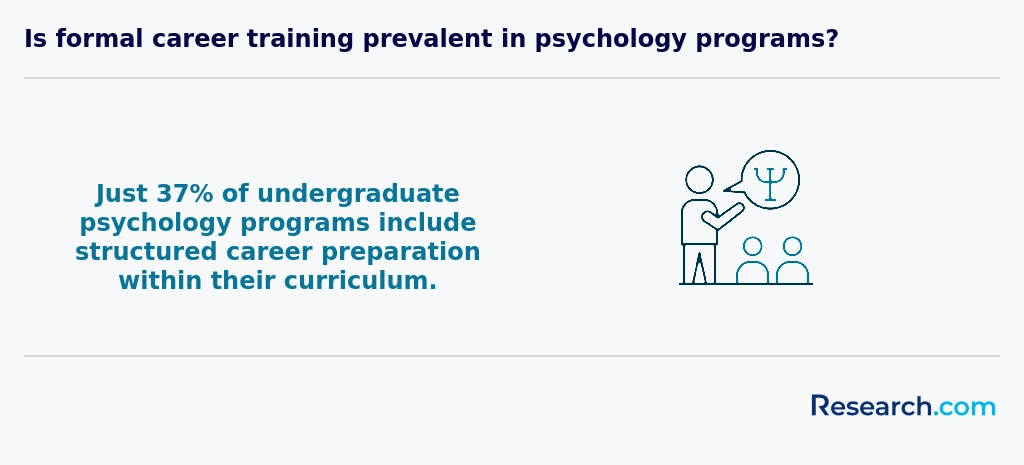
Many online psychology graduates choose to deepen their expertise and expand career prospects by pursuing graduate-level study or professional certification. A master’s degree in psychology can unlock leadership roles in clinical, organizational, or educational settings, while a doctoral program paves the way to licensure as a psychologist, university teaching positions, or high-level research opportunities. If you’re wondering what can i do with a masters in educational psychology, you’ll discover that this specialization prepares you for roles such as curriculum developer, school consultant, or educational researcher-positions with strong demand in Washington’s K–12 systems and higher-education institutions. Key considerations when planning graduate study include accreditation of the program, practicum or internship requirements, research thesis options, and faculty expertise in your area of interest. Many online master’s programs offer concentrations in areas like industrial-organizational psychology or child and adolescent development, each aligning with specific career paths and licensing boards. Certification programs-such as those for behavior analysts (BCBA) or school psychology credentials-can often be completed alongside graduate coursework and provide a competitive edge in job applications. Beyond degree pathways, continuing education workshops, online seminars, and professional associations (for example, the Washington State Psychological Association) offer ongoing training to maintain licensure and stay current with evidence-based practices. By mapping out your post-bachelor’s journey-whether through a master’s, doctorate, or targeted certification-you’ll ensure your qualifications remain aligned with evolving industry standards and employer expectations in Washington’s dynamic psychology job market.
When pursuing an online psychology degree in Washington, financial aid can feel like a lifeline, making your dream education more accessible. Many graduates from universities like the University of Washington or Seattle Pacific University have found that federal aid, including Pell Grants offering up to $7,395 annually, forms a strong foundation for funding their studies. Applying through the FAFSA is your first step to tap into these resources.
State-specific aid like the Washington College Grant can be a game-changer, covering tuition up to full cost for families earning below $70,000. Graduates often share how this eased their burden, allowing them to focus on mastering psychology without the constant worry of bills.
Scholarships from psychology-focused organizations offer additional support, though these are less common. Pair this with employer tuition assistance programs, especially if you work in healthcare or social services sectors, and you can craft a solid financial plan. Many students report feeling empowered and motivated knowing these options help them turn passion into profession.
Earning an online psychology degree in Washington is only the first step toward professional practice; graduates must also navigate state licensure and certification to work as licensed psychologists or counseling professionals. In Washington, aspiring psychologists typically pursue licensure through the Washington State Department of Health, which requires:
- A doctoral degree in psychology from an APA-accredited program or regionally accredited institution.
- A minimum of 3,000 hours of supervised experience, including 1,500 hours of direct client contact, completed over no less than two years.
- Passage of the Examination for Professional Practice in Psychology (EPPP) and the Washington State Jurisprudence Examination. For those aiming to become Licensed Mental Health Counselors (LMHC), the requirements differ slightly:
- A master’s degree in counseling or psychology from a CACREP-accredited program.
- At least 3,000 hours of supervised post-degree clinical experience under a qualified supervisor.
- Successful completion of the National Clinical Mental Health Counseling Examination (NCMHCE). Graduates should also consider continuing education mandates-30 clock hours every two years-to maintain licensure and stay current with evolving best practices. To compare program costs and identify budget-friendly options beyond Washington, explore Cheapest Psychology Degree Programs Ranking in Springfield, MA, which can inform your financial planning and help you choose a pathway that aligns with both your career goals and state requirements.
To enroll in an online psychology degree in Washington, you'll want to meet several important academic and technical prerequisites that set you up for success. For undergraduates, most programs, like those offered by the University of Washington or Seattle Pacific University, expect a high school diploma or GED with a solid GPA around 2.5 to 3.0. Graduates often recall how submitting official transcripts helped admissions teams see their strengths in sciences and social studies, which gave them an edge.
Graduate programs across Washington, such as those at Western Washington University, require a bachelor's degree with relevant coursework and usually a minimum GPA of 3.0. Many students find that preparing a strong statement of purpose and securing thoughtful letters of recommendation unlock great opportunities. Reliable internet and comfort with online platforms are essential since virtual learning demands active engagement, pushing students beyond traditional classrooms.
Embracing these prerequisites early creates confidence; graduates often reflect on how meeting these standards fueled their motivation and kept them connected to their educational goals despite the challenges of remote learning.

For students seeking to pursue an online psychology degree in Washington without breaking the bank, there are several options to consider. One crucial factor to consider is the cost of tuition, as well as any additional fees associated with the program. Students can explore most affordable psychology programs in Washington to find the best fit for their budget and academic goals. Many online psychology programs in Washington offer financial aid and scholarships to help offset the cost of tuition, making it more accessible to a wider range of students. By researching and comparing the costs and benefits of different online psychology programs, students can make an informed decision and choose a program that meets their needs and sets them up for success in their future careers.
When you dive into an online psychology degree in Washington, expect a curriculum that grounds you deeply in both theory and practical skills essential for thriving in the field. Graduates from schools like the University of Washington or Seattle Pacific University often describe their foundational courses-such as Introduction to Psychology and Research Methods and Statistics-as eye-opening moments. These classes help you understand human behavior, research design, and data interpretation, which are crucial for almost any psychology career.
Imagine studying Biological Psychology and uncovering how brain functions impact emotions or exploring Developmental Psychology to see the vivid changes people experience from childhood to old age. Many students find courses in Social Psychology and Abnormal Psychology especially rewarding because they translate directly to real-world understanding of social dynamics and mental health challenges.
Practicum experiences offered by Washington programs provide invaluable hands-on learning, allowing you to apply theory in counseling or community service settings-where your knowledge truly comes to life.

Online psychology degree specializations in Washington offer diverse paths that cater to your unique career ambitions. Graduates from popular institutions like the University of Washington have shared how Clinical Psychology specialization empowered them to confidently work in mental health settings, helping clients manage complex challenges. Others who chose Counseling Psychology found fulfillment supporting individuals through therapy, developing strong interpersonal skills that employers value. Industrial-Organizational Psychology stands out for those excited by optimizing workplace dynamics, where students learn how to enhance employee well-being and organizational success.
Many learners pursuing Washington online psychology career paths appreciate the flexibility to focus on Developmental Psychology, gaining insights into human growth stages that benefit roles in education and community services. Forensic Psychology specialization opens doors to interdisciplinary work involving legal systems, providing thrilling opportunities to analyze criminal behavior. Health Psychology prepares students to explore how mental health affects physical wellness, a growing field with meaningful impact.
Several graduates from Washington colleges emphasize choosing accredited programs to meet licensure requirements, especially for clinical roles. For those concerned about cost, exploring affordable psychology degree programs online is a smart strategy to balance quality and budget without compromising career goals.
Choosing the best online psychology degree in Washington starts with accreditation-seek programs recognized by the Northwest Commission on Colleges and Universities or the APA, especially if your ambition includes clinical practice. Graduates from universities like the University of Washington and Seattle University often share how accreditation made their degrees credible with employers and licensing boards. Flexibility also matters; asynchronous courses help you balance studies with work or family life, allowing you to learn at your own pace without stress.
Cost is another practical factor. Many students appreciate finding affordable psychology degrees online Washington offers, with public institutions typically charging between $8,000 and $12,000 annually. Consider all expenses, including fees and books, to avoid surprises. Moreover, Washington's licensure requires programs with supervised practicum experiences-ensuring you meet state standards and are prepared for real-world challenges.
Support services shape your experience too. Successful graduates often reflect on how strong advising, mental health counseling, and local networking, including virtual internships linking you to drug counseling careers, gave them confidence and clear direction for their careers in psychology.

Graduates with an online psychology degree in Washington find themselves equipped for diverse career paths. Many pursue licensure as Licensed Mental Health Counselors (LMHCs), combining their education with supervised experience to support individuals facing mental health challenges. Graduates from universities like the University of Washington appreciate how their degree opens doors to these rewarding roles, especially as demand grows statewide.
Others leverage their psychology background in human services or social work, helping to strengthen community programs. Even without a Master of Social Work, graduates thrive in positions such as case management or rehabilitation coordination, with starting salaries typically ranging from $40,000 to $55,000. These roles offer meaningful, hands-on impact in Washington's social welfare system, energizing many new professionals.
For those interested in educational settings, becoming school counselors or behavioral specialists is a sought-after route. Washington schools increasingly value psychological expertise to bolster student well-being, though additional certification is usually required beyond the online degree. Organizational psychology also attracts graduates, who find fulfilling careers in HR or marketing, applying behavioral insight to improve workplaces with earnings between $50,000 and $70,000 annually.
Many graduates from popular institutions in Washington decide to advance toward master's or doctoral degrees, opening opportunities in research and academia. If you want to explore various roles, consider checking out behavioral psychology career paths as a practical guide to align your interests with job opportunities. Pursuing this path in Washington promises personal growth and professional success.

The job market for an online psychology degree in Washington is vibrant and full of promise. Graduates from universities such as the University of Washington and Seattle Pacific University often find themselves stepping into roles fueled by the state's growing focus on mental health services. Many share stories of landing jobs in clinical settings or school counseling where they make meaningful impacts every day. For those aiming higher, pursuing graduate studies unlocks access to licensed clinical positions that pay well above the national average.
Washington's rising population and investment in behavioral health create real demand. Psychologists here earn an average annual salary near $97,000, which adds to the excitement of carving out a career locally. Entry-level graduates frequently engage with social service agencies or community programs, gaining hands-on experience that builds confidence and skills. For students exploring psychology career opportunities in Washington state, selecting programs aligned with licensing requirements is key.
Additionally, graduates have found success exploring clinical psychology job opportunities that value their online degrees. These paths demonstrate that with dedication, your education can open doors to rewarding work helping others in your community.
2027 Most Valuable Online Psychology Degree Programs Ranking in Washington
Investing in your education is a significant decision that can shape your future, and the Research.com team understands the importance of making informed choices. To assist prospective students in Washington, we have meticulously crafted the "2027 Most Valuable Online Psychology Degree Programs Ranking in Washington." Our commitment to quality, credibility, and accuracy is reflected in the extensive research and analysis conducted to compile this ranking.
We utilized the following reputable data sources to ensure a comprehensive evaluation of online psychology degree programs:
By exploring this ranking, readers will gain valuable insights into the most valuable online psychology degree programs available in Washington, helping them make well-informed decisions about their educational investments. For more details on our methodology, please visit our Research.com methodology page.


Frequently Asked Questions About psychology
Students pursuing online psychology degrees in Washington can enhance their learning by actively engaging with course materials and participating in virtual discussions. The Washington State Workforce Training and Education Coordinating Board highlights that interactive learning improves retention, especially in online settings.
Utilizing local resources, such as Washington's public libraries and community mental health organizations, can offer practical insights and supplement theoretical knowledge. Additionally, Washington's licensing requirements for psychologists emphasize clinical experience, so seeking internships or supervised practice in local agencies is beneficial.
Forming study groups with peers across the state helps replicate classroom collaboration and provides diverse perspectives on psychological theories and practices.
The psychology field is evolving, with several emerging niches gaining attention among professionals and students in Washington. One fast-growing area is neuropsychology, which focuses on brain-behavior relationships and is crucial for diagnosing issues linked to brain injury or neurological disorders. According to the Bureau of Labor Statistics, Washington shows steady demand for neuropsychologists due to its aging population.
Another notable niche is health psychology, addressing how lifestyle affects chronic disease management. Washington's high emphasis on holistic health care creates a favorable environment for professionals in this field. Additionally, forensic psychology is expanding, supporting law enforcement and legal systems.
Emerging sectors also include sports psychology and telepsychology, reflecting technological advancements and increased focus on mental health access. These niches offer promising opportunities for students pursuing online psychology degrees in Washington.
Completing an online psychology degree in Washington is a solid foundation for entering the job market, but preparation extends beyond earning your diploma. Start by gaining relevant experience through internships or volunteer work in mental health settings, which Washington state values highly. According to the Washington State Employment Security Department, psychology-related jobs are projected to grow 12% by 2030, faster than the average for all occupations.
Networking is essential; join professional associations such as the Washington Psychological Association to connect with local experts and stay informed about job openings. Consider obtaining state licensure or certifications required for counseling or clinical roles, which often require supervised hours. Enhancing skills with workshops on emerging psychological practices and technology can also increase employability in Washington's competitive market.
Employers in Washington seeking psychology degree graduates prioritize strong analytical and critical thinking skills. Graduates must be able to interpret data effectively to support research and clinical decisions. According to the Washington State Employment Security Department, strong communication abilities, both written and verbal, are essential for working with diverse populations and collaborating in multidisciplinary teams.
Additionally, cultural competency is increasingly important in Washington's varied communities, enabling graduates to provide sensitive and effective care. Proficiency with psychological assessment tools and ethical decision-making also ranks highly among employers, reflecting the state's rigorous professional standards outlined by the Washington State Department of Health.
Finding psychology internships in Washington requires strategic effort and awareness of local resources. Many universities and online programs connect students with internships through their career centers or psychology departments. The Washington State Department of Health and the Washington State Psychological Association offer listings and guidance on approved internship sites.
Students should also explore hospitals, community mental health centers, and nonprofit organizations in cities like Seattle, Spokane, and Tacoma, which frequently host psychology interns. According to the Bureau of Labor Statistics, Washington employed over 10,000 psychologists as of 2023, indicating robust internship opportunities.
Networking through professional groups and attending state psychology conferences can also open doors. Additionally, platforms such as Handshake and the Washington Internship Clearinghouse provide updated psychology internship listings targeting Washington students.
An online psychology degree can significantly enhance career mobility and advancement opportunities in Washington. The state's growing demand for mental health professionals supports graduates seeking diverse roles, from clinical settings to human resources. According to the Washington State Employment Security Department, psychology-related occupations are projected to grow by 13% from 2022 to 2032, outpacing average job growth.
Holding an accredited online degree often qualifies graduates for licensure and certification required in Washington, such as Licensed Mental Health Counselor (LMHC) credentials. This credential is essential for advancing within clinical psychology and counseling careers. Additionally, online programs offer flexibility, allowing current professionals to upskill without disrupting their careers.
Many employers in Washington value psychological expertise combined with practical experience, so online degrees with strong internship or practicum components improve prospects for promotions and specialization.
Studying for an online psychology degree in Washington equips students with a broad skill set suitable for interdisciplinary roles in fields such as healthcare, education, and social services. Washington universities often emphasize collaborations across disciplines, integrating coursework in biology, sociology, and counseling. This approach prepares graduates for diverse workplaces where psychological knowledge supports decision-making and problem-solving.
The Washington State Employment Security Department reports steady growth in interdisciplinary jobs requiring psychology backgrounds, with an estimated 8% increase in health and human services sectors by 2028. Online programs also include practical training and research methods, enabling students to work effectively with professionals from different fields.
When choosing between a thesis and a non-thesis online psychology degree program in Washington, consider your career goals and learning preferences. Thesis programs typically focus on original research and are ideal for students planning to pursue doctoral studies or research-oriented roles. Non-thesis programs often emphasize practical skills and coursework, better suited for those aiming for applied psychology careers or licensure.
The Washington Student Achievement Council notes that about 40% of psychology graduates continue with graduate research, making thesis options valuable for academic tracks. Meanwhile, non-thesis programs may offer flexibility for working professionals. Understanding these factors can help guide your choice.
Students in Washington seeking to study psychology abroad through online programs have several viable options. Many U.S. institutions offer online psychology degrees with international recognition, making it easier for students to study remotely from Washington while earning credentials accepted globally.
Washington residents can also explore cross-border programs that partner with foreign universities, often providing dual degrees or study-abroad components. According to the National Center for Education Statistics, an increasing number of students choose accredited online psychology programs for flexibility and compliance with American Psychological Association (APA) standards.
It is crucial for Washington students to verify program accreditation, especially if intending to practice psychology professionally, as state licensing boards require APA-approved qualifications. Programs in Canada and the United Kingdom are popular among Washington students due to linguistic and curricular compatibility.
Part-time job opportunities in Washington that complement psychology degree education often include roles in social services, mental health support, and research assistance. Positions such as behavioral health technician or psychiatric aide provide hands-on experience with clients under supervision, enhancing practical skills relevant to psychology careers.
Many organizations in Washington, including community mental health centers and nonprofit agencies, hire part-time staff to support counseling and outreach programs. According to the Washington State Department of Social and Health Services, these roles often pay between $15 and $20 per hour, making them accessible for students.
Research assistant positions at local universities offer valuable experience with data collection and analysis, essential for students interested in clinical or academic psychology. Such jobs also build important professional networks within the state's psychology community.
Overall, combining part-time work in psychology-related fields with online studies enhances practical knowledge while maintaining flexibility for degree completion.
Online psychology students in Washington benefit from various networking opportunities despite the virtual format. Many accredited programs partner with local organizations and professional groups, such as the Washington Psychological Association, which offers events, webinars, and mentorship programs. These connections help students build relationships with professionals in the field.
Additionally, several universities encourage participation in virtual career fairs and internships within Washington's mental health agencies. According to the Bureau of Labor Statistics, Washington employs over 7,000 clinical, counseling, and school psychologists, indicating a strong local network for students.
Social media groups and online forums specific to Washington psychology students also provide informal networking spaces to share resources and advice.
Alumni networks provide valuable benefits to students pursuing online psychology degrees in Washington. These networks offer access to experienced professionals who can share insights into local job markets and licensing requirements. According to the Washington Psychology Association, connections through alumni can increase job placement rates by up to 20% for recent graduates.
Networking events and online forums facilitated by alumni groups help students build professional relationships that extend beyond graduation. This support is especially important in Washington, where psychology careers often require specific state licensure and continuing education.
Moreover, alumni networks provide mentorship opportunities, guidance on career advancement, and access to internships or job openings within Washington's healthcare and educational institutions.
Customizing your online psychology degree program in Washington to fit your career goals involves selecting courses and specializations aligned with your interests within psychology. Many Washington universities offer flexible online programs where you can choose electives such as clinical psychology, counseling, or industrial-organizational psychology, which reflect local job market demands.
Washington State supports approximately 8,000 psychology professionals, with a growing need in healthcare and corporate sectors (BLS, 2023). Opting for internships or practicum experiences available through your program can enhance practical skills tailored to state licensure requirements.
Additionally, consider programs that allow transfer credits or offer evening courses to balance work and study.
Online psychology students in Washington often face several challenges that can impact their educational success. One significant issue is balancing coursework with personal and professional responsibilities, as many students are working adults or caregivers. According to the Washington Student Achievement Council, time management is reported as a leading difficulty among online learners statewide.
Access to quality internships and practicum placements relevant to psychology can also be limited, affecting hands-on experience crucial for licensure and employment.
Moreover, students sometimes struggle with feeling isolated due to limited peer interaction, which can affect motivation and engagement.
Lastly, ensuring that online programs meet Washington's licensing board requirements is essential but often confusing for prospective psychology students.
With an online psychology degree in Washington, graduates can pursue several professional certifications depending on their education level and career goals. Many start with the Licensed Mental Health Counselor (LMHC) credential, which requires a master's degree and supervised clinical hours according to the Washington State Department of Health.
Those interested in school settings may seek certification as a National Certified School Psychologist (NCSP), recognized nationwide. Additionally, becoming a Certified Alcohol and Drug Counselor (CADC) is popular for professionals focusing on substance abuse.
For advanced clinical practice, the Licensed Psychologist credential requires a doctoral degree, passing the Examination for Professional Practice in Psychology (EPPP), and state-specific exams. Washington's psychology workforce reports steady growth, reflecting demand for certified practitioners in diverse areas.
To write a winning application for an online psychology program in Washington, start by carefully researching program requirements. Most Washington institutions ask for a strong academic record, including a minimum GPA of 3.0, especially in psychology-related coursework. Highlight relevant experience such as research, internships, or volunteer work, which can distinguish your application.
Washington State's demand for psychology professionals is growing, with the Bureau of Labor Statistics projecting a 10% employment increase by 2030. Include a clear, focused personal statement explaining your motivation and goals, tailored to the specific program.
Strong letters of recommendation from professors or supervisors who know your skills in psychology are crucial.
The field of psychology is globally recognized for its importance in understanding human behavior and mental health. In the United States, and specifically Washington, careers in psychology are growing steadily. According to the U.S. Bureau of Labor Statistics, employment of psychologists nationwide is projected to grow 8% from 2021 to 2031, reflecting increasing demand for mental health services.
Washington's progressive policies and diverse population provide a rich environment for psychological research and practice. Online psychology degrees in Washington prepare students to meet both local and international standards, as many programs align with guidelines from the American Psychological Association (APA).
Globally, psychology careers emphasize cultural competence and adaptability, skills that Washington students gain through exposure to various communities. This prepares graduates to work in diverse settings, from clinical roles to research and organizational psychology.
Gaining practical experience while studying for an online psychology degree in Washington can be achieved through internships, volunteer work, and supervised clinical practice. Many accredited online programs in Washington require or encourage field placements, which involve working at local mental health clinics, hospitals, or community organizations.
Washington's Department of Health and Washington State Psychological Association provide resources to help students find approved internship sites. Engaging in these experiences not only builds practical skills but also meets licensing requirements for future professionals. According to the U.S. Bureau of Labor Statistics, about 20% of psychologists in Washington work in healthcare facilities, highlighting the value of clinical exposure.
Choosing the right concentration within an online psychology degree program in Washington depends on your career goals and interests. Common concentrations include clinical, counseling, forensic, and industrial-organizational psychology. Each offers distinct paths and job opportunities.
Washington's growing mental health field, supported by state initiatives, increases demand for clinical and counseling psychologists. According to the Washington State Employment Security Department, counseling psychology roles are expected to grow 19% by 2030. If you're interested in workplace dynamics, industrial-organizational psychology is valuable in Seattle's thriving tech industry.
Review program curricula carefully to ensure they align with Washington state licensure requirements if you plan to become a licensed psychologist. This alignment is crucial for career advancement and practice within the state.
- 2027 Most Valuable Online Psychology Degree Programs Ranking in Kansas
- 2027 Most Valuable Online Psychology Degree Programs Ranking in Texas
- 2027 Most Valuable Online Psychology Degree Programs Ranking in Missouri
- 2027 Most Valuable Online Psychology Degree Programs Ranking in Florida
- 2027 Most Valuable Online Psychology Degree Programs Ranking in Virginia
- 2027 Most Valuable Online Psychology Degree Programs Ranking in Pennsylvania
- 2027 Most Valuable Online Psychology Degree Programs Ranking in New York
- 2027 Most Valuable Psychology Degree Programs Ranking in Montana
- 2027 Most Valuable Psychology Degree Programs Ranking in Nevada
- 2027 Most Valuable Psychology Degree Programs Ranking in New Mexico
See What Experts Have To Say About Studying Psychology
Read our interview with Psychology experts

Joann Farrell Quinn, Ph.D., MBA
Psychology Expert
Director at the College of Medicine Department of Medical Education
Morsani College of Medicine

Elizabeth L. Jeglic Ph.D.
Psychology Expert
Professor of Psychology
City University of New York

Robin M. Kowalski. Ph.D.
Psychology Expert
Professor of Psychology
Clemson University

- Online Psychology Degrees https://www.phoenix.edu/online-psychology-degrees.html
- Washington Psychology Schools https://psychologydegreeguide.org/state/washington/
- Find the Best Washington DC Psychology Degrees Online https://www.psychologydegrees.org/state/dc
- Professional Networking For Psychologists https://www.psychology.org/resources/professional-networking/
- Psychology Programs and Careers in Washington https://www.onlinepsychologydegrees.com/states/washington/
- Online Psychology Degree Salary by Career Path https://www.collegetransitions.com/blog/online-psychology-degree-salary-by-career-path/
- Alumni Network - https://efpsa.org/alumni-network/
- Most Popular Online Psychology Degrees in Washington https://www.onlineu.com/degrees/psychology/washington
- Alumni Perspectives - Meet Our FPN Alumni https://www.aanmelder.nl/alumni-perspectives-june-2023
- Networking and Community Resources https://www.psych.on.ca/become-a-member-(1)/member-services/networking-and-community-resources


