2027 Most Valuable Psychology Degree Programs Ranking in Brooklyn

Co-Founder and Chief Data Scientist
Are you considering a psychology degree in Brooklyn and wondering which programs offer the best value? This article introduces the 2027 Most Valuable Psychology Degree Programs Ranking in Brooklyn, developed by the Research.com team of data scientists to guide you in making an informed decision.
By exploring this ranking, you'll gain insights into programs that balance quality education, career prospects, and overall worth. Pursuing a psychology degree opens doors to rewarding opportunities and personal growth, making your investment meaningful and exciting. Dive in to discover which programs align with your goals and aspirations.
Key benefits of getting psychology degree in Brooklyn
- Salary for psychology degree graduates: Graduates can earn competitive salaries such as $76,060 per year for Human Resources Specialists or $62,370 per year for Clinical Research Associates, showcasing strong earning potential in related fields.
- Career paths example: A psychology graduate from Brooklyn College often finds roles in research, human resources, or clinical settings, offering diverse opportunities to apply their skills in meaningful ways.
- Benefits of earning a psychology degree online: Online programs from popular Brooklyn institutions provide flexibility and convenience, allowing students to balance work and studies while gaining the same valuable knowledge as traditional students.
- 2027 Most Valuable Psychology Degree Programs Ranking in Brooklyn
- What can I expect from psychology degree in Brooklyn?
- Where can I work with psychology degree in Brooklyn?
What can I expect from psychology degree in Brooklyn?
The average cost of obtaining a psychology degree in Brooklyn varies widely depending on the institution, but students often face significant tuition expenses that impact their educational decisions. For example, graduates of Brooklyn College, part of the City University of New York system, typically benefit from lower in-state tuition rates, making the degree more accessible. In contrast, attending private schools like Pace University or Long Island University usually involves higher tuition fees, sometimes doubling those at public colleges.
Many students recall balancing financial challenges with the rewarding experiences of hands-on internships and community-based learning projects, which are integrated into programs to enhance practical skills. These immersive opportunities, common across Brooklyn's universities, help justify the cost by building career-ready competencies.
Financial aid, scholarships, and work-study options also play crucial roles in managing these costs. Graduates emphasize the value of exploring every available resource to minimize debt while benefiting from Brooklyn's diverse academic and cultural environment.
Where can I work with psychology degree in Brooklyn?
Graduates with psychology degrees from Brooklyn colleges often find themselves drawn to diverse career paths tied closely to the local community's needs. Several have shared how their internships at institutions like Brooklyn College or Long Island University led them to roles in mental health counseling, often in nearby hospitals such as Brookdale University Hospital. These experiences reveal a supportive network for those pursuing state licensure in New York, offering rewarding positions as therapists or counselors in private practices and nonprofit organizations.
Others describe working in educational environments throughout Brooklyn, applying psychology expertise as school counselors or academic advisors. These roles, frequently requiring additional certifications, provide a chance to impact children's development directly within the public school system, an experience many find deeply fulfilling.
Furthermore, psychology graduates have explored careers in the borough's business sector, where insights into organizational behavior are increasingly valuable. Some have contributed to market research projects or human resources teams, blending psychology with corporate goals. Research roles through local universities attract those interested in public health, driven by Brooklyn's dynamic community and funding opportunities.
Graduates with a psychology degree in Brooklyn often face varied salary prospects depending on their chosen career path and level of education. For those entering roles like human resources specialist-a common option for psychology majors-the mean annual wage is around $76,060 nationally, which aligns well with Brooklyn's higher salary averages. Similarly, marketing research analysts, another familiar path for psychology graduates, earn about $83,190 per year on average, reflecting the demand for analytical skills developed during study.
Entry-level positions such as clinical research associate or survey researcher typically offer mean salaries near $62,370 annually. These roles provide valuable experience but usually require further graduate education to unlock more lucrative opportunities.
Many Brooklyn psychology graduates share optimistic stories about starting their careers after completing degrees at local institutions like Brooklyn College or Long Island University. They often note how the city's diverse population and accessible internships help build strong resumes, which can translate into higher salaries over time.
Although salaries can vary, graduates often feel encouraged knowing their degree opens doors to promising jobs in a city where mental health demand continues to grow. Navigating the local job market with credentials and experience from reputable Brooklyn universities can make a real difference in earning potential.
- Annual in-state tuition for psychology degrees in Brooklyn ranges from $5,000 to $12,000 at public schools, while private colleges often charge over $20,000 per year.
- Starting salaries for psychology graduates in Brooklyn typically range between $45,000 and $55,000 per year depending on the job and employer.
- Experienced psychology professionals with advanced degrees or clinical licensure earn median salaries around $75,000 annually.
- Employment for psychologists in the New York area is expected to grow by about 7% over the next decade, especially for clinical, counseling, and school psychologists.
- Internships and practicum experiences are widely available through local hospitals, schools, and mental health clinics, which are important for licensure and hands-on training.
- Admission usually requires a high school diploma for undergraduate programs, while graduate programs demand a bachelor's degree, test scores, and letters of recommendation.
Completing a psychology degree in Brooklyn generally takes about four years for full-time students pursuing a bachelor's, similar to the national average. For instance, graduates from Brooklyn College, a well-known local institution, often share how the structured curriculum and accessible faculty support help them stay on track within this timeframe. However, part-time students or those balancing work and family commitments may find themselves extending their studies to around six years or more. This flexibility, while sometimes challenging, brings a sense of accomplishment for those managing multiple responsibilities.
Graduate studies in Brooklyn add layers of complexity. Master's programs typically require 2 to 3 years, combining coursework with clinical experiences that many students find rewarding yet time-intensive. Doctoral degrees, especially the PhD or PsyD, demand a longer commitment of 5 to 7 years, reflecting the depth of research and dissertation work involved. Some students express satisfaction in accelerated or combined bachelor's/master's tracks offered by select schools, appreciating how these paths can shorten the road without sacrificing quality.
Accreditation is a critical factor when evaluating psychology degree programs in Brooklyn, NY, as it directly impacts your eligibility for licensure and graduate studies. Regionally accredited institutions-such as those recognized by the Middle States Commission on Higher Education-ensure that your degree meets rigorous academic standards. For programs with a clinical focus, look for American Psychological Association (APA) accreditation, which is required for many state licensure pathways. Counseling psychology tracks often pursue Council for Accreditation of Counseling & Related Educational Programs (CACREP) approval, while school psychology candidates should verify National Association of School Psychologists (NASP) endorsement. Beyond institutional accreditation, aspiring professionals must navigate New York State’s licensure requirements. To become a Licensed Psychologist, graduates must complete a doctoral program in psychology, accrue at least two years (3,500 hours) of supervised experience, and pass the Examination for Professional Practice in Psychology (EPPP). Those seeking certification as Licensed Mental Health Counselors or Licensed Marriage and Family Therapists follow similar pipelines with distinct supervised-hour mandates and state-specific jurisprudence examinations. Early-career professionals should consult the New York State Office of the Professions for up-to-date regulations and continuing education obligations that sustain licensure renewal. While focusing on cost-effective choices, prospective students may also compare accredited programs beyond New York. For those interested in balancing quality and affordability, explore our Affordable Psychology Degree Programs Ranking in Kansas to see how accredited offerings stack up in different regions. By prioritizing both accreditation status and licensure alignment, you’ll safeguard your academic investment and streamline your path to professional practice.
Online and on-campus psychology degrees in Brooklyn differ mainly in learning environment and daily experience, though both lead to accredited qualifications. Graduates from Brooklyn College often recall the vibrant campus life, where in-person discussions and group projects helped deepen their understanding through direct peer and professor interactions. These on-campus students valued hands-on opportunities like lab work and internships at local mental health centers, which fostered confidence and practical skills.
Conversely, online learners appreciate the flexibility to juggle work or family commitments, a common sentiment among graduates from Long Island University's online programs. These students often highlight the convenience of studying anywhere in Brooklyn, though some express the challenge of self-motivation without face-to-face engagement.
Cost also distinguishes the experiences. While online tuition ranges around $15,000 to $30,000 annually, on-campus attendees face extra expenses like commuting or housing. Community colleges in Brooklyn offer more affordable psychology options, appealing to those seeking lower-cost paths without sacrificing quality.
For students interested in exploring more options, visiting a valuable psychology school in New York can provide valuable insights into the best programs available, helping them make informed decisions about their educational paths and future careers in psychology. This resource can be particularly beneficial for those considering top psychology programs in Brooklyn, NY, and considering factors such as program type, curriculum, and specializations to find the best fit for their interests and career aspirations.
The average cost of a psychology degree in Brooklyn varies significantly based on the institution and residency status. According to available data, the median total cost for completing a psychology degree is approximately $43,356 for out-of-state students, while in-state students typically face a median total cost near $18,113. Graduates from Brooklyn College, a well-regarded public institution, often highlight the affordability of their education due to its lower in-state tuition around $7,600 annually, making it a manageable option for many local students pursuing psychology studies.
Students from private institutions reflect on the substantial difference in costs, often noting tuition exceeding $20,000 per year, which can push the full degree cost close to or beyond the national median for out-of-state students. When considering the average cost of psychology degree in Brooklyn, it's important to weigh additional expenses such as books, supplies, and room and board, which can raise yearly costs by roughly $13,000 to $19,000 depending on living arrangements.
Many aspiring psychologists in Brooklyn emphasize the value of researching financial aid options, as scholarships and grants can greatly reduce the financial burden. Those exploring program choices might also consider institutions recognized as a valuable psychology school in New York to optimize both cost and educational outcomes. This mindful approach allows students to find a balance between quality education and manageable expenses while pursuing their degree.

Brooklyn’s vibrant culture extends far beyond its classrooms, providing psychology students with a rich tapestry of campus life and community engagement opportunities that enhance both academic and personal growth. Students often relish the chance to join clubs, attend cultural events, and participate in local community projects that directly relate to psychological studies-ranging from mental health awareness initiatives to volunteer work at local clinics. These experiences foster an environment where academic theories come alive and practical skills are honed in real-world settings. Moreover, for those interested in complementing their on-campus experience with flexible online options, you might explore what is the most affordable psychology degree online program as a viable alternative that ensures continuity in learning while balancing life’s demands. Ultimately, this blend of rigorous academic curricula and immersive community activities equips students with a well-rounded perspective, preparing them not only for successful careers but also for active, engaged citizenship in Brooklyn’s dynamic setting.
Psychology students in Brooklyn often rely on diverse financial aid options to navigate the high cost of education. Graduates from local institutions like Brooklyn College frequently mention the significant impact of federal aid accessed via FAFSA, which can unlock Pell Grants providing up to $7,395 annually. This non-repayable funding is a critical lifeline for many, easing immediate financial stress.
State aid through New York's Tuition Assistance Program (TAP) further reduces expenses, offering up to $6,585 a year to residents attending colleges like the City College of New York. Some students describe TAP as a game-changer, enabling them to focus more on studies than on constant work.
Scholarships, often merit-based or linked to financial need, complement this support. Psychology majors at Brooklyn schools report applying to both university-specific awards and external grants from organizations like the American Psychological Association, despite stiff competition.
Part-time roles within campus psychology labs or research projects provide not only income but valuable hands-on experience. Graduate students, in particular, find assistantships rewarding for both financial and professional growth. Combining these aid sources is commonly seen as essential to successfully managing costs in Brooklyn's competitive academic environment.
Properly accredited programs and clear licensure pathways ensure your degree leads to professional practice in New York State.
Most Brooklyn psychology programs hold:
- Regional accreditation (Middle States Commission on Higher Education)
- APA accreditation for master’s and doctoral programs focused on clinical practice
To become a licensed psychologist in NY:
- Complete a doctorate in an APA-accredited program.
- Accumulate 3,500 supervised post-doctoral hours.
- Pass the Examination for Professional Practice in Psychology (EPPP).
- Submit transcripts and exam results to the NY State Office of the Professions.
If you need more flexible pacing, an online psychology degree can still satisfy these standards.
Enrollment in psychology programs in Brooklyn generally demands a solid academic foundation, often reflected by a high school diploma with a minimum GPA around 2.5 to 3.0 for undergraduate studies. Graduates from Brooklyn College or Long Island University often recall balancing their interests in science and English, recognizing how these subjects support their early psychology coursework. This combination seems to nurture confidence and readiness, helping applicants feel equipped rather than overwhelmed.
Standardized tests like the SAT or ACT have become less central recently, though some programs still consider them. Many students find this shift positive, reducing anxiety tied to testing while emphasizing personal statements and recommendation letters instead. Applicants typically share how crafting essays about their motivation clarifies their goals and strengthens their sense of purpose.
For graduate applicants in Brooklyn, a minimum GPA around 3.0 and relevant undergraduate experience in psychology are common prerequisites. Many appreciate that programs sometimes waive GRE requirements, easing stress. Hands-on research or internships in local settings provide tangible experience, fostering excitement about future contributions to the field.
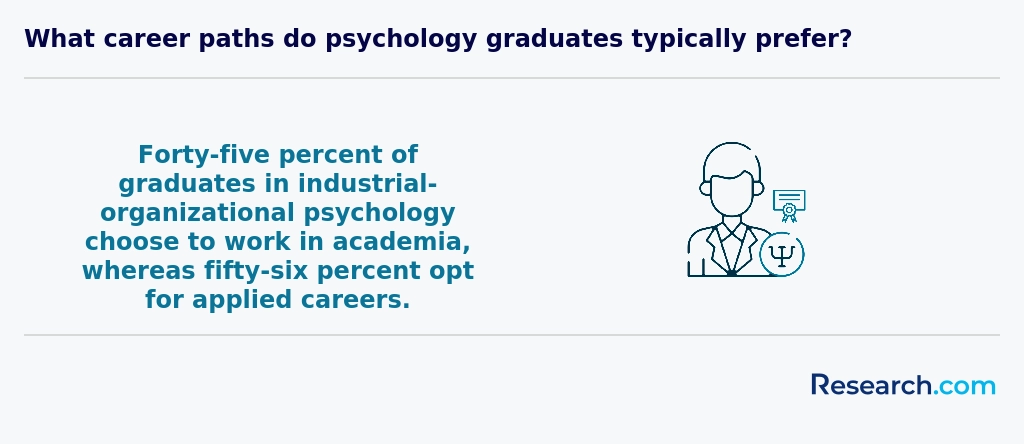
Navigating the journey from graduation to licensure is a critical step for psychology graduates in Brooklyn. In New York State, becoming a licensed psychologist requires completion of an APA-accredited doctoral program, typically involving 1,500–2,000 hours of supervised experience and passing the Examination for Professional Practice in Psychology (EPPP). For those pursuing roles as clinical or counseling psychologists, additional state-specific requirements include: • Supervised Experience: – Doctoral candidates must accrue a minimum of 1,750 hours of supervised internship, with at least 500 hours in direct client contact. – Postdoctoral licensure applicants complete 1,500 hours of supervised practice under a licensed psychologist. • Examination Requirements: – Pass the national EPPP exam, administered by the Association of State and Provincial Psychology Boards (ASPPB). – Satisfy New York’s jurisprudence and ethics examination to demonstrate knowledge of state laws and ethical standards. For students looking to streamline their educational path, some institutions offer combined degree tracks that integrate master’s coursework with doctoral practicum training. Exploring dual masters and doctorate degree programs in psychology can reduce the total time to licensure by overlapping research, clinical practica, and coursework. Continuing Education and Specialty Certification After licensure, psychologists must complete 36 hours of continuing education every three years to maintain their license. New York also offers specialty certifications-such as school psychology (C-645) and neuropsychology-through the Office of the Professions. These credentials require additional supervised hours and passing specialty exams, enhancing career prospects in educational settings, hospitals, or forensic contexts.
Students pursuing psychology degrees in Brooklyn typically encounter a core set of courses intended to build a comprehensive understanding of human behavior. At institutions like Brooklyn College or Long Island University's Brooklyn campus, graduates often recall that foundational classes such as General Psychology and Developmental Psychology formed the backbone of their early studies, offering essential insights into mental processes and growth across the lifespan.
Beyond these, courses like Biological Psychology and Cognitive Psychology bring theory to life by connecting brain functions to real-world behaviors. One graduate noted how studies in Social Psychology vividly illustrated the impact of Brooklyn's diverse communities on individual and group behavior, making academic concepts feel immediate and relevant.
Many programs also emphasize Research Methods and Statistics, key to developing critical thinking and experimental skills. Some students appreciated electives like Forensic or Health Psychology, which allowed them to explore personal interests linked to the city's unique social challenges. Such tailored learning experiences often foster enthusiasm and a sense of purpose that extend beyond the classroom.
Psychology degree specializations in Brooklyn commonly include Clinical Psychology, Counseling Psychology, Child and Adolescent Psychology, Industrial-Organizational Psychology, Forensic Psychology, and Health Psychology. Graduates from well-known Brooklyn colleges often share enthusiastic accounts of how these focus areas prepare them for meaningful careers, whether working directly with patients or influencing organizational behavior. For example, those specializing in Clinical Psychology describe the rewarding challenge of assessing mental illnesses within urban healthcare settings, while students in Forensic Psychology appreciate the unique intersection between psychology and the legal system available through practicum opportunities tied to Brooklyn courts and agencies.
Brooklyn's distinct community needs and diverse population allow students to explore real-life implications of their studies, enhancing the typical academic curriculum. These options underscore how Brooklyn psychology career focus areas are shaped by a city's dynamic social fabric, making learning relevant and engaging. Moreover, the flexibility to combine disciplines, as some graduates have done, enriches career paths beyond traditional therapy roles, a point highlighted by students at popular universities. For anyone weighing costs and customization, resources on what is the most affordable psychology degree online program can be invaluable.
Choosing the best psychology degree in Brooklyn means weighing factors beyond just tuition or proximity. Graduates from popular Brooklyn colleges often emphasize the importance of program accreditation, as it ensures their degrees were respected when applying for jobs or graduate studies. Some highlight how regional accreditation paired with specific psychology credentials boosted their confidence in pursuing clinical or developmental psychology.
Students also discuss curriculum depth and available specializations as crucial. One graduate recalled selecting a school that balanced foundational theory with applied practice, which made classroom learning feel relevant during internships at Brooklyn's mental health centers. This hands-on experience, common in top psychology degree programs in Brooklyn, fosters enthusiasm and real-world skills.
Cost cannot be ignored. Graduates from affordable psychology colleges Brooklyn appreciate programs that offer scholarships or flexible schedules to manage living expenses in the city. For those interested in advanced study, exploring dual masters and doctorate degree programs in psychology can open doors to specialized careers without switching schools.
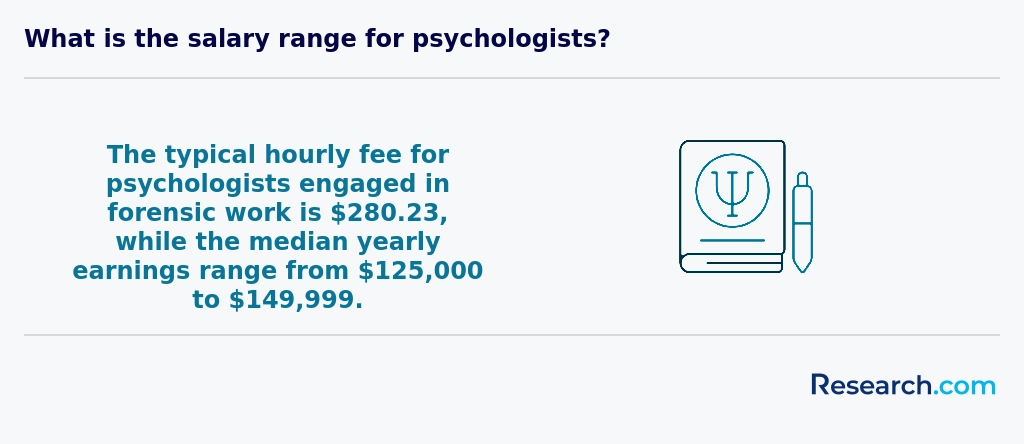
Psychology career opportunities in Brooklyn are diverse, reflecting the city's dynamic urban environment and institutions such as Brooklyn College and Long Island University. Graduates often pursue roles as licensed clinical psychologists or therapists, requiring doctoral degrees and state licensure. Many share positive experiences securing positions in local hospitals or community centers, where their work directly impacts Brooklyn's varied population. Master's degree holders find promising job prospects as licensed professional counselors or marriage and family therapists, with salaries in the NYC metro area supporting a stable lifestyle.
Brooklyn psychology degree job prospects also extend into research and academia, with graduates contributing to studies on community health and social behavior at universities or nonprofit organizations. Industrial-organizational psychology offers another practical path, aligning well with Brooklyn's growing tech and startup sectors. Those considering these fields benefit from evaluating education costs and career outcomes carefully; programs featured in the Affordable Psychology Degree Programs Ranking in Kansas provide useful benchmarks. Overall, Brooklyn's educational and career landscape embraces a range of psychological specialties, encouraging graduates to explore their unique interests.
The psychology degree job outlook Brooklyn offers is shaped by a competitive yet expanding job market. Graduates from institutions like Brooklyn College and SUNY Downstate Medical Center often find rewarding roles in mental health counseling, educational support, and research. Many share positive experiences about securing internships through local partnerships, which enhance practical skills and professional networks. However, navigating this market requires awareness of tuition costs varying widely between public and private schools, impacting one's long-term financial outlook.
Career opportunities for psychology graduates in Brooklyn include positions in hospitals, community mental health centers, and educational settings. Graduates frequently highlight the benefit of culturally competent training, which reflects Brooklyn's diverse population and increases employability. Still, some caution that competition remains high, especially for roles with higher salaries, where experience and credentialing dominate hiring decisions.
For those balancing work and studies, exploring flexible degree programs for older adults online can be a practical option, potentially easing entry into this evolving job market with more adaptable schedules.
2027 Most Valuable Psychology Degree Programs Ranking in Brooklyn
Investing in your education is a significant decision that can profoundly impact your career and personal growth. The Research.com team recognizes the importance of making well-informed choices and has therefore developed the "2027 Most Valuable Psychology Degree Programs Ranking in Brooklyn" with a steadfast commitment to quality, credibility, and accuracy. To create this comprehensive ranking, we conducted extensive research using multiple trusted data sources:
By consulting this ranking, prospective psychology students will gain crucial insights into the most valuable programs in Brooklyn, empowering them to choose a degree path that aligns with their goals. For a detailed explanation of our process, please visit our Research.com methodology page.


Frequently Asked Questions About psychology
Psychology degree students in Brooklyn can maximize their learning experience by actively engaging in both classroom and practical opportunities. Local institutions like Brooklyn College offer diverse research labs, allowing students to apply theory through hands-on work.
Internships are crucial; partnerships with nearby hospitals, community centers, and counseling services provide valuable real-world experience. According to the National Center for Education Statistics, approximately 65% of psychology undergraduates in New York participate in internships, improving job prospects.
Joining student organizations and attending local psychology conferences enhances networking with professionals and peers. Additionally, utilizing library resources and visiting Brooklyn Public Library's research collections support academic growth. Combining these elements helps students build a comprehensive skill set while studying in Brooklyn's unique urban setting.
The field of psychology is continually evolving, with several emerging niches gaining attention nationwide, including Brooklyn. One notable area is neuropsychology, which focuses on the relationship between brain function and behavior, a field benefiting from advanced brain imaging technologies. Another growing niche is health psychology, addressing psychological aspects of chronic illness management. Additionally, forensic psychology is expanding due to increased demand in legal and criminal justice settings.
In Brooklyn, local universities have reported rising enrollments in these specializations, reflecting their relevance in the job market. According to the American Psychological Association, behavioral health specialties are expected to grow by 14% through 2030 nationally, with urban areas like Brooklyn highlighting these trends.
After completing a psychology degree in Brooklyn, preparing for the job market involves a strategic approach that combines practical experience and networking. Many graduates seek internships or volunteer roles in local mental health clinics, schools, or community organizations to gain hands-on skills. According to the U.S. Bureau of Labor Statistics, employment of psychologists is projected to grow 6% from 2021 to 2031, emphasizing increased opportunities.
Connecting with Brooklyn-based professional associations such as the New York State Psychological Association can help build valuable contacts. Additionally, graduates should consider pursuing relevant certifications or graduate studies for specialized roles.
Familiarity with local healthcare systems and licensure requirements in New York State is crucial for careers in clinical psychology.
Employers in Brooklyn highly value psychology graduates who possess strong analytical and critical thinking skills. These competencies enable graduates to interpret complex behavioral data and apply evidence-based methods in real-world settings. According to the Bureau of Labor Statistics and local job market analyses, communication is another essential skill, as psychologists often collaborate with clients, healthcare providers, and interdisciplinary teams.
Additionally, familiarity with research methodologies and proficiency in statistical software are frequently sought after, supporting effective program evaluation and clinical assessment. Ethical decision-making and cultural competence are critical too, especially in Brooklyn's diverse communities. Graduates demonstrating these skills have a competitive edge in the local employment market.
Finding internships relevant to a psychology degree in Brooklyn begins with leveraging local universities and community organizations. Institutions like Brooklyn College and Long Island University offer career services that connect students with internship opportunities tailored to psychology majors. The New York State Education Department recognizes several accredited programs here that emphasize practical experience.
Additionally, students should explore hospitals, mental health clinics, and nonprofit organizations across Brooklyn. Facilities such as Woodhull Medical Center or the Brooklyn Mental Health Center often host psychology interns. According to the Brooklyn Chamber of Commerce, mental health services in the borough have grown by over 10% in recent years, increasing internship availability.
Professional networking platforms and local psychology associations also provide valuable internship listings. Students are encouraged to start early, prepare strong resumes, and seek faculty recommendations to secure positions that align with their career goals.
Obtaining a psychology degree in Brooklyn can significantly enhance career mobility and advancement due to the area's diverse job market and extensive healthcare network. According to the U.S. Bureau of Labor Statistics, employment of psychologists is projected to grow 8% nationally from 2022 to 2032, faster than average for all occupations. Brooklyn's proximity to major institutions and mental health centers offers graduates varied opportunities in clinical, counseling, and research roles.
Additionally, holding an advanced degree, such as a master's or doctorate, often leads to higher earning potential and access to leadership positions. Many Brooklyn employers value credentials and licensure, which expands options in schools, hospitals, and private practices. Networking through local organizations further supports career growth in the field.
Studying for a psychology degree in Brooklyn offers unique opportunities to prepare for interdisciplinary roles by combining theoretical knowledge with practical experiences. Brooklyn's diverse population allows students to engage with various social, cultural, and economic backgrounds, enhancing skills in applied psychology and social work.
Programs often emphasize collaboration with other fields such as healthcare, education, and criminal justice. According to the National Center for Education Statistics, many Brooklyn institutions provide internships and research options that involve partnerships with local hospitals and community organizations.
Such exposure equips graduates to work effectively in integrated settings, addressing complex problems with a multifaceted approach.
Choosing between a thesis and a non-thesis psychology degree program in Brooklyn depends largely on your career goals and academic interests. Thesis programs typically require conducting original research and writing a substantial paper, which prepares students for doctoral studies or research-focused roles. Non-thesis options often emphasize coursework and practical experience, suiting those seeking immediate entry into professional practice.
In Brooklyn, many psychology graduate programs follow this standard U.S. structure. For example, data from the National Center for Education Statistics shows about 60% of master's psychology students nationwide select non-thesis tracks. Local institutions may offer research opportunities through partnerships with nearby hospitals and mental health centers, influencing your choice.
Consider factors like time commitment, financial aid availability, and whether you intend to pursue licensing or further education. Speaking with academic advisors can also clarify which path aligns best with your aspirations within Brooklyn's competitive psychology job market.
Students based in Brooklyn interested in studying psychology abroad have several options through U.S. institutions' exchange programs and partnerships. Many psychology programs at Brooklyn colleges, like Brooklyn College (CUNY), offer opportunities for studying abroad in countries with recognized psychology programs, including the United Kingdom and Canada. These programs usually allow students to earn credits that count toward their degree at home.
According to the Institute of International Education, about 15% of U.S. psychology students participate in study abroad programs, gaining exposure to diverse psychological theories and practices.
Additionally, students can pursue international internships or research collaborations sponsored by their Brooklyn-based universities. These experiences enhance cultural competence-an important skill in psychology careers.
While no Brooklyn-specific statistics on studying psychology abroad exist, national data confirm a growing trend among psychology undergraduates to seek global learning opportunities.
Brooklyn offers various part-time job opportunities that complement psychology degree studies. Popular roles include research assistant positions at local universities such as Brooklyn College and NYU Tandon School of Engineering, where students can gain hands-on experience with psychological studies.
Additionally, many organizations seek mental health aides or behavioral health technicians in Brooklyn's community health centers. These roles help students develop clinical skills while working under supervision.
Internships and part-time work at nonprofit organizations focused on mental health and social services are also valuable for psychology students. According to the New York State Education Department, such experiences improve employment prospects post-graduation.
Psychology students in Brooklyn benefit from diverse networking opportunities that help them connect with professionals and peers. Local universities frequently host events such as guest lectures, workshops, and career fairs tailored to psychology students. For example, Brooklyn College's Psychology Department arranges regular meetings with practicing psychologists and alumni, fostering direct connections to the field.
Additionally, Brooklyn houses several professional organizations like the New York State Psychological Association, offering student memberships that provide access to conferences and mentorship programs. Internships and research placements are also abundant in Brooklyn's hospitals and community centers, allowing students to build practical experience and networks simultaneously.
According to the Bureau of Labor Statistics, networking greatly enhances job prospects in psychology-related careers, underscoring the importance of these local opportunities for students. Those willing to engage actively will find Brooklyn's psychology community vibrant and supportive.
Alumni networks offer significant benefits to psychology degree students in Brooklyn by providing access to professional connections and career opportunities. Graduates often share job openings, internships, and research opportunities within these groups, which can be crucial in a competitive job market.
Many Brooklyn institutions, including Brooklyn College and Long Island University Brooklyn, actively maintain alumni associations that host networking events and mentorship programs. According to the National Association of Colleges and Employers, students with strong alumni connections have a 20% higher chance of securing employment within six months after graduation.
These networks also facilitate knowledge sharing about trends in psychology fields such as clinical practice and counseling, helping students stay informed and better prepared for careers.
Customizing your psychology degree program in Brooklyn allows you to tailor coursework and experiences to match your career ambitions. Many local colleges offer specialized electives such as clinical psychology, forensic psychology, or industrial-organizational psychology. Selecting internships in Brooklyn's diverse healthcare facilities or community organizations also enhances practical skills relevant to your goals.
In addition, some institutions provide opportunities for research projects guided by faculty, enabling you to focus on topics aligned with your interests. According to the National Center for Education Statistics, nearly 40% of Brooklyn psychology programs include hands-on training components, essential for competitive job markets.
Advisors at Brooklyn schools often assist in creating individualized study plans, helping you balance theory and applied practice effectively.
Psychology students in Brooklyn often face several challenges that impact their academic journey. One significant issue is the high cost of education, with tuition fees at local institutions such as Brooklyn College averaging around $7,300 annually for in-state students, which can create financial pressure. Additionally, balancing coursework with part-time jobs is common, as many students need to support themselves in the expensive New York City area.
Another challenge is securing relevant internships. Given Brooklyn's competitive clinical and research settings, students may find it difficult to gain hands-on experience crucial for psychology careers. According to the New York State Education Department, demand for psychology internships significantly exceeds supply in urban areas.
Finally, managing the rigorous curriculum, including extensive reading and research requirements, can be overwhelming. Students must develop strong time-management skills to succeed in courses covering cognitive, developmental, and abnormal psychology. Support services are available, but awareness and accessibility vary across campuses.
A psychology degree from Brooklyn can open doors to various professional certifications that enhance employability and expertise. Graduates commonly pursue licensure as a Licensed Professional Counselor (LPC) or Licensed Clinical Social Worker (LCSW), both requiring a master's degree and supervised clinical hours. For those interested in school settings, becoming a Certified School Psychologist through the National Association of School Psychologists (NASP) is a notable option.
Additionally, certification as a Certified Addiction Counselor (CAC) is available in New York State for psychology graduates focusing on substance abuse counseling. The American Board of Professional Psychology (ABPP) offers specialty certifications after a doctoral degree. These credentials provide credibility and are often necessary in Brooklyn's competitive job market, backed by data from the New York State Education Department and local psychology associations.
When applying for a psychology program in Brooklyn, it is essential to present a clear and focused application. Start with a strong personal statement that highlights your passion for psychology and specific interests, such as clinical, developmental, or cognitive psychology. Mention any relevant experience, including internships or volunteer work, that demonstrates your commitment.
Ensure your academic records reflect readiness for rigorous study. Brooklyn colleges often look for a GPA of 3.0 or higher in related coursework. Include strong letters of recommendation from professors or professionals familiar with your skills and dedication.
Additionally, familiarize yourself with program specifics. For instance, research the curriculum offered at Brooklyn College or Long Island University, and tailor your application to show how your goals align with their strengths. According to College Board data, Brooklyn offers diverse and competitive psychology programs, so attention to detail can make your application stand out.
Psychology careers are increasingly recognized worldwide, with the United States being a leader in research and clinical practice. In Brooklyn and the broader US, psychology professionals benefit from extensive educational opportunities and regulated licensure processes. According to the US Bureau of Labor Statistics, employment for psychologists is expected to grow 8% from 2021 to 2031, faster than average. Globally, psychology integrates cultural and social factors, but US and Brooklyn-trained psychologists often lead advancements in evidence-based therapies and neuropsychology.
International collaboration in research is common, yet each country's healthcare system shapes professional roles differently. In Brooklyn, programs emphasize both research and practical skills, preparing graduates for diverse careers in mental health, education, and organizational psychology.
Gaining practical experience while studying for a psychology degree in Brooklyn is essential for career development. Many programs incorporate internships or practicum placements, allowing students to work directly with clients or participate in research projects. For example, Brooklyn's diverse clinical settings provide opportunities in hospitals, mental health clinics, and social service agencies.
Students can also engage in research assistantships at local universities, contributing to ongoing psychological studies. According to the American Psychological Association, hands-on experiences improve job prospects after graduation. Networking events and workshops specific to Brooklyn-area psychology professionals further enhance practical learning and connections within the field.
Choosing the right concentration within a psychology degree in Brooklyn depends on your career goals and interests. Popular concentrations include clinical psychology, counseling, forensic psychology, and industrial-organizational psychology. According to the New York State Education Department, Brooklyn has over 15 accredited institutions offering diverse psychology programs, many with specialized tracks.
Consider researching faculty expertise and local internship opportunities, as hands-on experience is vital. For example, Brooklyn's proximity to numerous hospitals and social service agencies offers many practicum options in clinical settings. The U.S. Bureau of Labor Statistics projects a 14% growth for psychology-related jobs in New York State through 2032, favoring candidates with specialized knowledge.
Finally, examine course offerings and graduate outcomes reported by schools, as these reflect how well a concentration prepares students for licensure and employment in Brooklyn's competitive market.
- 2027 Most Valuable Psychology Degree Programs Ranking in New York
- 2027 Most Valuable Psychology Degree Programs Ranking in Queens
- 2027 Most Valuable Psychology Degree Programs Ranking in Bronx
- 2027 Most Valuable Psychology Degree Programs Ranking in New Haven
- 2027 Most Valuable Psychology Degree Programs Ranking in Philadelphia
- 2027 Most Valuable Psychology Degree Programs Ranking in Albany
- 2027 Most Valuable Psychology Degree Programs Ranking in Amherst
- 2027 Most Valuable Psychology Degree Programs Ranking in Providence
- 2027 Most Valuable Psychology Degree Programs Ranking in Worcester
- 2027 Most Valuable Psychology Degree Programs Ranking in Rochester
See What Experts Have To Say About Studying Psychology
Read our interview with Psychology experts

Joann Farrell Quinn, Ph.D., MBA
Psychology Expert
Director at the College of Medicine Department of Medical Education
Morsani College of Medicine

Elizabeth L. Jeglic Ph.D.
Psychology Expert
Professor of Psychology
City University of New York

Catherine Caldwell-Harris, Ph.D.
Psychology Expert
Associate Professor of Psychology
Boston University

- Graduate Psychology Scholarships - Brooklyn College https://www.brooklyn.edu/psychology/graduate/scholarships/
- Alumni Perspectives - Meet Our FPN Alumni https://www.aanmelder.nl/alumni-perspectives-june-2023
- New York Psychology Schools | Psychology Degree Guide https://psychologydegreeguide.org/state/new-york/
- Know more about thesis vs non- thesis: what is the difference? https://studyfans.com/en/blogs/816
- What Certifications Can I Get With A Bachelor's In Psychology? https://www.psychology.org/resources/certification-skills-for-psychology-major-resumes/
- Society for the Teaching of Psychology https://teachpsych.org/page-1784686/8675326
- Ontario Psychological Association - Networking and Community Resources https://www.psych.on.ca/become-a-member-(1)/member-services/networking-and-community-resources
- Why Get a Psychology Degree Online? | University of Bridgeport https://www.bridgeport.edu/news/reasons-to-get-your-psychology-degree-online/
- How to help students cope with mental health challenges https://www.eaie.org/resource/help-students-cope-mental-health-challenges.html
- BA in Psychology https://www.liu.edu/brooklyn/academics/school-of-health-professions/academic-programs/BA-psychology