
2027 Best Psychology Degree Programs Ranking in New Hampshire

Co-Founder and Chief Data Scientist
Choosing the right psychology degree program in New Hampshire can shape your future and open doors to meaningful career opportunities.
This article presents the 2027 Best Psychology Degree Programs Ranking in New Hampshire, developed by the Research.com team of data scientists to guide you in making an informed decision.
Exploring these programs helps you understand which schools offer strong curricula and valuable resources, empowering you to find the perfect fit for your goals.
Pursuing a psychology degree is rewarding, offering growth both personally and professionally.
Key benefits of getting psychology degree in New Hampshire
- Salary for psychology degree graduates: Graduates can earn competitive wages, such as Human Resources Specialists with a mean annual salary of $76,060 and Marketing Research Analysts earning around $83,190 per year.
- Career paths: Psychology graduates from New Hampshire's top schools enjoy diverse options like Clinical Research Associate or Survey Researcher roles, both offering mean annual wages near $62,370.
- Online degree benefits: Earning a psychology degree online allows flexibility and convenience, making it easier for busy learners in New Hampshire to advance their education while balancing life commitments.
- 2027 Best Psychology Degree Programs Ranking in New Hampshire
- What can I expect from psychology degree in New Hampshire?
- Where can I work with psychology degree in New Hampshire?
What can I expect from psychology degree in New Hampshire?
Affording a psychology degree in New Hampshire feels like navigating a carefully charted path between ambition and practicality. Graduates often describe their journey through the University of New Hampshire's programs as a balancing act where in-state tuition acts like a friendly guide, typically costing significantly less than private colleges. Imagine a student budgeting for hands-on cognitive neuroscience labs without breaking the bank-public tuition makes that vivid dream attainable.
Private institutions, while more costly, shine with specialized programs and scholarships that soften the financial landscape. Many graduates recall applying for targeted financial aid that helped turn rigorous academic challenges into manageable triumphs. The cost, then, is not a monolithic burden but a mosaic of tuition, scholarships, and personal investment, each piece fitting uniquely for those pursuing counseling, therapy, or research.
Ultimately, New Hampshire's psychology degrees blend affordability with opportunity, from bustling campus internships to research labs, creating an enriching experience that feels both tangible and inspiring.
Where can I work with psychology degree in New Hampshire?
Graduates from psychology programs at New Hampshire's well-regarded universities often find themselves stepping into roles that feel both impactful and inspiring. Picture a recent graduate from the University of New Hampshire, thriving as a mental health counselor at Dartmouth-Hitchcock Medical Center, where each day brings meaningful connections with patients navigating complex emotional landscapes.
Others take their skills into bustling public schools, joining the ranks of school psychologists who help children unlock their potential amid academic and behavioral challenges. These graduates share stories of breakthrough moments-comforting students and collaborating with teachers to create supportive learning environments, echoing the state's growing awareness of mental wellness.
Some head into social services, becoming champions for vulnerable families through agencies like the Division of Children, Youth and Families. The blend of empathy and science they bring turns difficult journeys into hopeful paths.
And for those drawn to corporate corridors, psychology graduates from New Hampshire colleges are transforming workplace cultures-boosting morale and productivity in industries ranging from tech startups to manufacturing hubs.
Their experiences reveal a vibrant tapestry of career possibilities energized by a psychology degree in New Hampshire's unique community landscape.
Imagine completing your psychology degree at the University of New Hampshire, stepping into a world where earning potential blends with passion. Graduates often find themselves exploring roles like Human Resources Specialists, where the mean annual wage hits about $76,060. That's a solid paycheck for applying your understanding of human behavior in real workplaces.
Others dive into the analytical depths of marketing research, leveraging psychological insights to shape business strategies. As a Marketing Research Analyst, you might earn around $83,190 annually in New Hampshire-right in tune with the state's demand for data-savvy minds.
For psychology grads drawn to research, becoming a Clinical Research Associate or a Survey Researcher provides meaningful work and a stable income near $62,370 per year. Think about collaborating on projects at colleges in Manchester, where your work impacts public health and community well-being.
You might picture yourself starting lower, as a Childcare Worker making about $32,070 yearly, gaining hands-on experience before climbing the ladder. These numbers aren't just figures-they reflect the vibrant professional journeys of local graduates turning their degrees into rewarding careers.
- In-state tuition for a bachelor's degree in psychology at public universities in New Hampshire ranges from $15,000 to $25,000 per year, while private institutions may charge over $35,000 annually.
- Additional costs such as books, housing, and living expenses are not included in the tuition fees and should be budgeted for separately.
- Bachelor's degree holders can expect entry-level salaries between $40,000 and $50,000 annually, with higher earnings for those holding master's or doctoral degrees.
- Licensed clinical psychologists in New Hampshire earn between $70,000 and $90,000 per year on average, with experienced professionals making more.
- The job market for psychology professionals in the state is projected to grow by about 6% over the next decade, driven by demand in mental health and education.
- Licensure typically requires a doctoral degree, supervised clinical hours, and passing the Examination for Professional Practice in Psychology (EPPP).
In New Hampshire, diving into a psychology degree is like embarking on a journey where time bends with your own rhythm. At the University of New Hampshire, most eager minds finish their bachelor's degree in about four years of full-time study, weaving through lectures and late-night study sessions with a steady heartbeat of dedication. Those who juggle jobs find their timeline stretching, savoring every concept a bit longer with part-time classes.
Masters programs at colleges like Saint Anselm College often add two years to the adventure, sometimes more if you balance internships and life's twists. It's here many graduates feel the thrill of applying theory to real-world therapy sessions or research projects that spark new passions.
Doctoral candidates at institutions offering Ph.D. or Psy.D. paths might experience a more elastic time frame, hovering between four to seven years. Their days blend research, clinical work, and dissertation chapters, guided by a personal pace that mirrors their growth and goals. The flexibility to pause, pivot, or accelerate allows each student to tailor their own meaningful academic odyssey in the Granite State.
Before embarking on your psychology career, it’s critical to ensure your program is accredited and aligns with New Hampshire’s licensure standards. Accreditation by the American Psychological Association (APA) or the Council for Accreditation of Counseling and Related Educational Programs (CACREP) verifies that your education meets the rigorous competencies required for professional practice. Graduating from an accredited institution not only enhances your credibility but also fulfills the educational prerequisites for state licensure. In New Hampshire, aspiring licensed psychologists must complete a doctoral degree in psychology from an APA-accredited program, accrue at least 3,000 supervised internship hours, and pass the Examination for Professional Practice in Psychology (EPPP). Those pursuing licensure as Licensed Clinical Mental Health Counselors (LCMHC) typically need a master’s degree from a CACREP-accredited program, 2,000–3,000 hours of supervised clinical experience, and successful completion of the National Clinical Mental Health Counseling Examination (NCMHCE). Be sure to verify each program’s accreditation status and understand the scope of practice it permits. For example, some New Hampshire institutions offer specialized tracks that streamline the supervised experience component. While New Hampshire’s offerings are robust, you may also explore cost-effective accredited options by checking out our Most Affordable Psychology Degree Programs Ranking in New York for comparative insights.
Imagine stepping onto the vibrant campus of the University of New Hampshire, where psychology students gather in buzzing lecture halls, laugh over coffee between classes, and dive into hands-on research in bright labs. These on-campus learners thrive on direct interaction with passionate professors and the energizing pulse of campus life-things like in-person internships and counseling center access create a tangible sense of belonging and growth.
Now picture a psychology student logging in late at night from a cozy nook in a small New Hampshire town, balancing work and family while accessing the same top-tier curriculum online. These online learners prize the freedom to shape their day around studies, attending virtual discussions and submitting assignments on their own timetable-great for those craving adaptability without sacrificing quality.
Both paths, whether walking the brick walkways of a physical university or navigating digital classrooms, carry the weight of accredited standards. Graduates from either approach often glow with pride, having mastered the intricate dance of theory and practice specific to New Hampshire's academic culture.
After earning a psychology degree in New Hampshire, many graduates pursue formal credentials to enhance their career prospects and meet state requirements. Licensed psychologists must complete at least 3,000 hours of supervised work and pass the Examination for Professional Practice in Psychology (EPPP), administered by the New Hampshire Board of Psychologist Examiners. Those aiming to become licensed clinical mental health counselors (LCMHCs) follow similar steps-finishing 2,000–3,000 supervised hours and passing the National Clinical Mental Health Counseling Examination (NCMHCE). Specialized roles often require additional certifications:
- Board Certified Behavior Analysts (BCBAs) need coursework in behavior analysis, supervised fieldwork, and a passing score on the BCBA exam. For students balancing work and family, exploring aba certificate programs online can efficiently satisfy the coursework requirement.
- School psychologists in New Hampshire must hold a master’s degree in school psychology and secure certification through the New Hampshire Department of Education. Continuing education is mandatory to maintain licensure. Psychologists and counselors alike must complete 35–40 hours of approved CEUs every two years, with topics ranging from ethics to evidence-based therapy techniques. By understanding these licensure paths and certification options, graduates can strategically plan their post-degree training and ensure compliance with New Hampshire regulations.
The path to a psychology degree in New Hampshire paints a clear economic picture: expect to invest roughly $19,163 if you're tapping into in-state tuition benefits at one of the state's welcoming public universities, such as the University of New Hampshire. This figure represents the typical out-of-pocket for local students, painting a more affordable canvas compared to out-of-state counterparts or those enrolling in private colleges, where the financial commitment can skyrocket dramatically.
Imagine a recent graduate reminiscing about their years at a New Hampshire college renowned for its psychology program. Their journey was marked by balancing tuition fees around that $19K mark with additional expenses-textbooks, practicum lab fees, and those unforgettable internship hours. Those extra costs, while sometimes catching students off guard, contributed profoundly to hands-on experiences, shaping them as confident professionals ready to enter the field.
Yet, the magic of these programs goes beyond numbers. Many students discover that finding and applying for scholarships or assistantships can ease the burden, creating a sense of relief and excitement about what lies ahead. For a deeper dive into the cheapest psychology programs in New Hampshire and uncovering valuable financial resources, check out cheapest psychology programs in New Hampshire.
When you weigh the average cost of psychology degree in New Hampshire, consider not just the tuition fees but the vibrant learning experiences and the doors they unlock. It's a financial journey with a richly rewarding destination.

When choosing a psychology program, the overall student experience and available support services can be just as decisive as the academic curriculum. In New Hampshire, many institutions provide vibrant campus environments where students not only engage in rigorous coursework but also benefit from a variety of clubs, mentoring programs, and networking events that prepare them for professional success. From student-run psychology clubs and regular guest lectures by industry experts to career fairs and internship opportunities, the campus life at these institutions is designed to foster strong professional networks and personal growth. Many programs also emphasize collaborative research projects and community outreach, ensuring that students gain both theoretical knowledge and practical skills. For example, some universities offer accelerated paths that allow ambitious students to earn a fastest masters degree in psychology while enjoying a supportive learning community. By integrating academic excellence with dynamic extracurricular activities, New Hampshire’s psychology programs create an immersive experience that equips graduates with the confidence and connections needed to thrive in competitive career markets.
Imagine starting your psychology journey at the University of New Hampshire or Franklin Pierce University, where the financial maze often feels less daunting thanks to a patchwork of aid tailored just for you. For many, the lifeline begins with federal aid-FAFSA opens doors to Pell Grants offering up to $7,395 yearly, easing the tuition weight, which for New Hampshire public schools ranges between $10,000 and $18,000 in-state. Graduate hopefuls can tap into Direct Loans or the Graduate PLUS Loan program, stretching resources when research or clinical psychology calls.
Then there's the state's embrace: the New Hampshire State Scholarship Program sprinkles up to $1,250 annually on deserving in-state students, while the NH Tuition Waiver Program quietly chips away at public institution bills.
Scholarships from campus psychology departments and groups like Psi Chi carry an inspiring personal touch-graduates recall how these honors felt like a vote of confidence in their future minds. For those juggling study and earning, work-study gigs dance perfectly with academic schedules, offering paycheck plus insider psychology experience.
Graduate assistantships and fellowships are the coveted cherry, transforming tuition burdens into stipends and mentorship, casting a radiant glow on the path through advanced studies in New Hampshire's psychology realm.
Becoming a licensed psychologist in New Hampshire involves several clear steps that ensure both competence and compliance with state regulations. First, candidates must hold a doctoral degree (PhD or PsyD) in psychology from an APA-accredited program or an equivalent institution recognized by the New Hampshire Board of Psychologists. After graduation, applicants complete a minimum of 3,000 hours of supervised professional experience-including at least 1,500 hours post‐doctoral-under a board-approved supervisor. Next, candidates must pass the Examination for Professional Practice in Psychology (EPPP) administered by the Association of State and Provincial Psychology Boards (ASPPB). New Hampshire also requires a state jurisprudence exam covering local statutes, ethical standards, and practice requirements. Once both exams are successfully completed, applicants submit an application packet to the New Hampshire Board of Psychologists, including official transcripts, verification of supervised hours, exam scores, and the required fee. Upon licensure, psychologists must renew every two years by demonstrating completion of at least 40 hours of continuing education (CE), with specific focus on ethics and culturally competent practice. Failing to meet CE requirements may result in suspension or revocation of licensure. For students comparing program costs and planning ahead, it can be helpful to review affordability metrics in nearby regions-consider our Most Affordable Psychology Degree Programs Ranking in New York to better gauge tuition trends and budget for both education and licensure expenses.
To embark on a psychology journey in New Hampshire, imagine holding a high school diploma or GED like a well-earned key opening doors at places like the University of New Hampshire or Plymouth State University. Graduates often recall how their solid foundation in English and math felt like mental warm-ups before the real adventure in psychology began, setting the stage for college-level thinking.
Many found that maintaining a GPA around 2.5 to 3.0 was their ticket to admission, a clear sign lenders of opportunity look for academic commitment. Some experienced the tension of standardized test days, though recent shifts mean SAT or ACT scores might no longer weigh heavy, allowing hearts to beat a little lighter before stepping into campus life.
For those chasing graduate studies-say, at Dartmouth or Southern New Hampshire University-a bachelor's degree with strong psychology credits lights the path. They speak fondly of letters recommending their passion, statements echoing their purpose, and research or clinical hours that turned theoretical curiosity into lived insights. The GRE may knock, but many feel relief as New Hampshire's programs loosen this barrier, transforming application stress into hopeful anticipation.
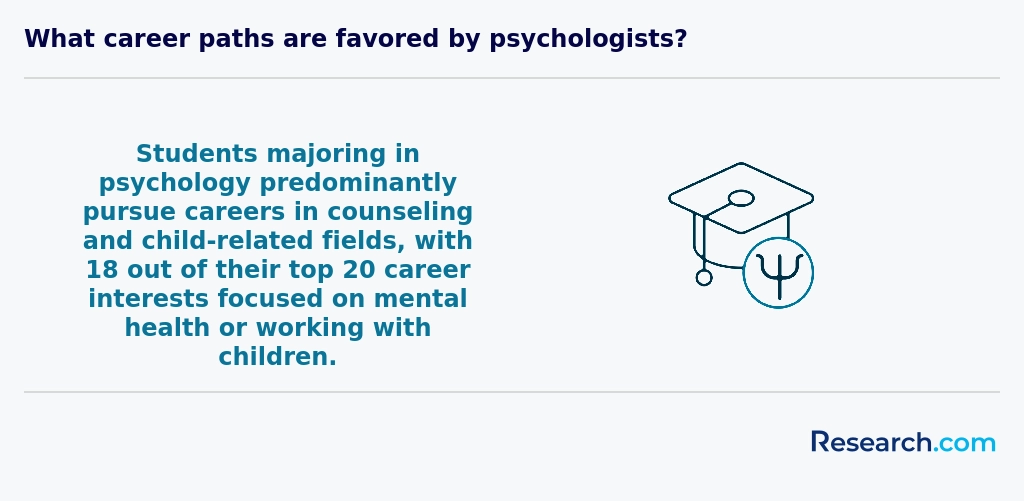
When considering a psychology degree in New Hampshire, one of the most important factors to think about is the cost. With tuition fees varying significantly from one institution to another, it's essential to have a clear understanding of what you might expect to pay. For those looking for more affordable options, exploring the cheapest psychology programs in New Hampshire can be a great starting point. This not only helps in managing expenses but also ensures that you're getting the best value for your money. Additionally, many institutions offer financial aid, scholarships, and grants that can substantially reduce the financial burden. By carefully planning and researching your options, you can pursue your degree in psychology without breaking the bank, setting yourself up for success in this rewarding and challenging field.
Imagine diving into the mind's mysteries while walking the leafy paths of the University of New Hampshire or Granite State College. Psychology students here tackle core courses like Introduction to Psychology, uncovering the building blocks of human thought and behavior-perfect for fueling your curiosity about why people tick. You'll become fluent in Research Methods and Statistics, equipping yourself with the tools to design experiments and decode data like a detective unraveling a cognitive mystery.
Explore the vivid chapters of life through Developmental Psychology, watching the mind evolve from childhood to adulthood. Many graduates recall how Biopsychology classes transformed their view, linking neurons firing in the brain to why we react emotionally in tense moments.
New Hampshire programs celebrate social learning, so Social Psychology brings alive the dynamics of real conversations and group influences, while Abnormal Psychology invites students to step into the shoes of those facing mental health struggles, fostering empathy and insight. Electives, often including clinical or forensic psychology, allow tailoring experiences-some seniors even present capstone projects that reflect personal passions sparked on campus.
Psychology degree specializations in New Hampshire unfold like a vibrant tapestry, weaving together diverse pathways to understanding the human mind. Graduates from Dartmouth or the University of New Hampshire often recount journeys through clinical psychology, where they step into the shoes of counselors and therapists, navigating real-world struggles with tools shaped by empathy and science. Counseling psychology in New Hampshire's programs transforms passionate students into beacons of support for those facing emotional crossroads, whether in bustling community centers or quiet school halls.
Those drawn to unraveling mysteries behind memory and decision-making find their calling in cognitive psychology, diving deep into mental processes that sculpt behavior. The best psychology concentrations New Hampshire offer also include industrial-organizational psychology, where graduates apply psychological insight to energize workplaces and spark innovation-turning theory into thriving corporate culture. More adventurous minds explore neuropsychology or forensic tracks in graduate studies, with some curious souls discovering accelerated options like the fastest masters degree in psychology, tailoring their expertise to future-ready careers.
When choosing the best psychology degree programs New Hampshire offers, imagine stepping into a role where your education feels like a personal adventure. Graduates from Southern New Hampshire University often speak of how their bachelor's programs blended solid theory with real-world clinical practice, making the abstract science of the mind come alive in local healthcare settings. The key is to seek out programs that match your vision-whether that's diving deep into research, counseling, or industrial-organizational psychology-and make sure they provide hands-on experiences that resonate with you.
Affordability is not just numbers; it's peace of mind. Many find that balancing cost with quality leads them to public universities like the University of New Hampshire, where in-state tuition aligns closely with typical expenses yet opens doors to strong alumni networks and internship placements. For those wanting flexibility, smoothing the path with online or hybrid learning options that still prepare you for licensure is crucial.
Some students even supplement their studies with aba certificate programs online to sharpen their counseling skills, making their psychology degree in New Hampshire more versatile and affordable.
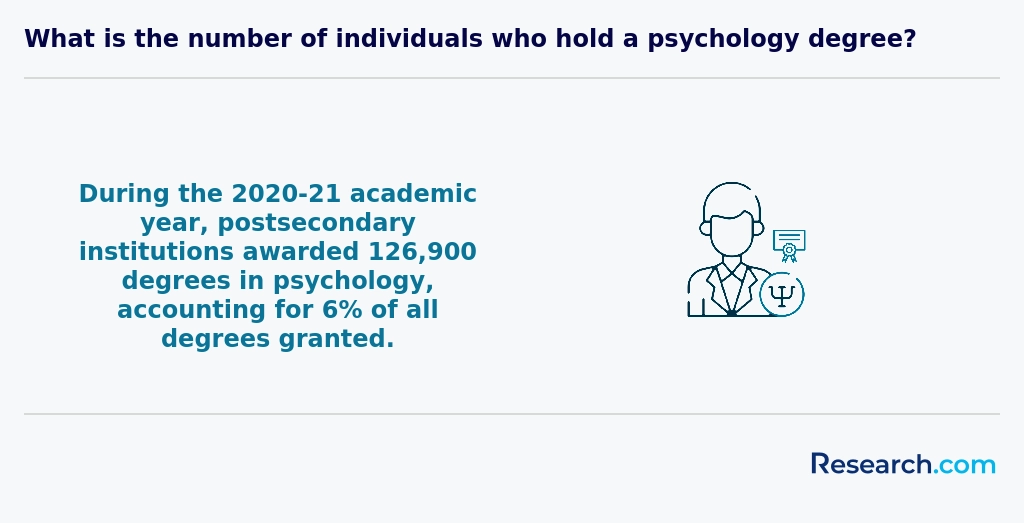
In New Hampshire, psychology degree holders unlock a treasure trove of career paths that go far beyond the typical counselor's office. Graduates from institutions like the University of New Hampshire often find themselves thriving as licensed therapists, navigating complex human emotions with empathy and skill. Others dive into school counseling, turning classrooms into safe havens where students flourish, embodying the real-world impact of psychology career options in New Hampshire.
Imagine a graduate applying their knowledge in human resources at a tech startup in Manchester, using organizational psychology to mold happier, more productive teams. Meanwhile, some choose social services roles, championing vulnerable populations across the Granite State, their work fueled by the rewarding challenge of community advocacy. The city's growing demand for mental health professionals also invites psychology grads to become addiction specialists or psychiatric technicians, making a tangible difference in lives.
Learning about these possibilities inspires many to explore affordable, quality options like the programs highlighted in the Most Affordable Psychology Degree Programs Ranking in New York, envisioning how the right education anchors a vast spectrum of jobs with psychology degree New Hampshire.
Graduates holding psychology degrees from well-known New Hampshire institutions often find themselves stepping into a richly textured job market. Within bustling corridors of healthcare centers or the quiet halls of educational institutions, their skills are in steady demand, reflecting a vibrant tapestry of opportunity tied closely to the state's focus on mental health. These emerging professionals share stories of joining government agencies or private practices where their training is not just valued but sought after, fueling their optimism amidst the ever-growing demand for mental health expertise.
The rhythm of career prospects here moves with the pulse of rural and urban communities alike, where state-supported mental health programs create inviting roles. For many local students, pursuing advanced degrees in New Hampshire opens doors to licensure and competitive salaries, making their hard work feel tangibly rewarding. Considering a faster route, some turn to a 6 month associate degree online to quickly jump-start their journey.
Understanding psychology job opportunities in New Hampshire means witnessing how educational paths intersect with expanding healthcare networks and government roles, painting a hopeful career horizon for graduates. With salaries that fairly reflect their dedication, these professionals embody the spirit of a community prioritizing well-being and continuous support for mental health advancement.
2027 Best Psychology Degree Programs Ranking in New Hampshire
Investing in your education is a significant decision that can shape your future, and the Research.com team understands the importance of making informed choices. To assist prospective students in New Hampshire, we have meticulously crafted the "2027 Best Psychology Degree Programs Ranking in New Hampshire." Our commitment to quality, credibility, and accuracy is reflected in the extensive research and analysis conducted to compile this ranking.
We utilized the following reputable data sources to ensure a comprehensive evaluation of psychology programs:
By exploring this ranking, readers will gain valuable insights into the best psychology degree programs available in New Hampshire, helping them make well-informed decisions about their educational paths. For more details on our methodology, please visit our Research.com methodology page.


Frequently Asked Questions About psychology
Psychology degree students in New Hampshire can maximize their learning by engaging in both academic and practical experiences. Many state universities offer research opportunities that let students apply psychological theories in real-world settings, which strengthens understanding and skills.
Joining psychology clubs or honor societies can foster peer learning and networking, vital for career development. Additionally, internships with local mental health organizations or hospitals provide valuable hands-on experience.
New Hampshire's educational institutions often collaborate with community agencies, enhancing access to diverse practicum placements. According to the New Hampshire Department of Education, practical training significantly improves employment outcomes for psychology graduates within the state.
Attending workshops and seminars at regional psychology conferences also exposes students to current research trends and professional standards, enriching their academic journey.
The psychology field in New Hampshire is evolving with several emerging niches gaining traction. One significant area is neuropsychology, focusing on brain-behavior relationships, which aligns with increased demand for specialists treating neurological disorders.
Another growing niche is health psychology, emphasizing how behaviors impact well-being, especially relevant given New Hampshire's aging population. Professionals in this field help manage chronic illnesses and promote healthier lifestyles.
Additionally, forensic psychology is expanding, integrating psychology with the legal system, responding to the state's need for mental health expertise in courts and correctional facilities.
These specialties reflect national trends supported by data from the Bureau of Labor Statistics and local workforce studies on New Hampshire's healthcare and legal needs.
After completing a psychology degree in New Hampshire, preparing for the job market involves several key steps. Graduates should seek internships or practicum experiences during their studies to gain practical skills and networking opportunities. According to the U.S. Bureau of Labor Statistics, the demand for psychologists in New England is expected to grow by 8% from 2022 to 2032, indicating healthy job prospects.
Obtaining relevant certifications or considering graduate education can also enhance employability. Many roles require licensure through the New Hampshire Board of Mental Health Practice, which mandates supervised clinical hours. Building connections with local organizations, such as the New Hampshire Psychological Association, can provide valuable career resources and job leads.
Employers in New Hampshire highly value a range of skills in psychology degree graduates. Critical thinking and strong analytical abilities are essential, as they enable graduates to evaluate research data and apply psychological theories effectively. Communication skills, both written and verbal, are crucial for clear interaction with clients and colleagues in healthcare and social services.
In addition, cultural competence is increasingly important in this state's diverse communities. According to the New Hampshire Department of Labor, local employers seek graduates who understand ethical standards and confidentiality regulations in clinical settings. Practical experience, such as internships or research projects, also enhances employability.
Overall, proficiency in data interpretation, empathy, and collaboration rounds out the top skills employers expect today in New Hampshire's psychology field.
Finding internships relevant to a psychology degree in New Hampshire involves several strategic steps. Many students start by contacting their university's career services or psychology department, as these offices often maintain lists of local internship opportunities. Institutions like the University of New Hampshire and Plymouth State University have partnerships with regional mental health clinics and research centers.
Additionally, New Hampshire hosts numerous healthcare facilities and organizations such as the New Hampshire Hospital and Community Mental Health Centers, which frequently offer internship positions. Exploring state government websites and professional associations like the New Hampshire Psychological Association can provide updated internship openings.
Networking at conferences or local psychology events also helps. According to the New Hampshire Department of Employment Security, internships in healthcare fields including psychology are expected to grow by 6% through 2028, reflecting a steady demand for experiential learning.
A psychology degree in New Hampshire can significantly enhance career mobility and advancement. The state's growing healthcare and social services sectors frequently seek professionals with psychology backgrounds, offering diverse employment opportunities. According to the U.S. Bureau of Labor Statistics (2023), employment for psychologists in New Hampshire is projected to grow by about 8% through 2031, aligning with national trends.
Graduates with advanced degrees, like a master's or doctorate, tend to access higher-level positions, including clinical psychologist, counselor, or research roles. Licensure requirements, overseen by the New Hampshire Board of Mental Health Practice, influence career advancement and specialization options. Overall, a psychology degree supports upward movement through required credentials and expanding job openings across the region.
Studying for a psychology degree in New Hampshire equips students with skills applicable across various interdisciplinary fields. Programs emphasize collaboration with departments like biology, sociology, and healthcare, reflecting the integrated nature of modern psychological practice. For example, the University of New Hampshire offers courses that link cognitive science with neuroscience and human development, fostering cross-disciplinary understanding.
New Hampshire's psychology curricula often include applied research projects and internships in diverse settings such as hospitals, schools, and social service agencies. These experiences help students develop practical skills relevant to fields like social work, public health, and education.
According to the New Hampshire Department of Labor, healthcare and social assistance sectors are among the state's fastest-growing employers, highlighting growing opportunities for psychologists working in interdisciplinary roles.
When choosing between a thesis and a non-thesis psychology degree program in New Hampshire, students should consider their career goals and interests. Thesis programs, often favored by those aiming for research roles or doctoral studies, require original research and a written dissertation. This path provides valuable experience in research methods and academic writing.
Non-thesis options typically focus more on coursework and practical skills, making them suitable for students aiming to enter the workforce directly, such as counseling or applied psychology positions. According to the New Hampshire Department of Education, about 40% of graduate psychology students opt for thesis tracks.
Cost and program length may also vary; thesis programs often take longer to complete. Prospective students should review specific New Hampshire university offerings and consult academic advisors to align their choice with professional aspirations.
Students in New Hampshire seeking to study psychology abroad have several pathways through their home institutions. Many local colleges, such as the University of New Hampshire, offer study abroad programs partnered with universities worldwide, enabling psychology majors to earn credit while experiencing diverse educational environments. These programs often include destinations in Europe, Asia, and Australia, providing exposure to different psychological perspectives and research methodologies.
Additionally, New Hampshire students can apply for exchange programs or summer research internships abroad, supported by scholarships from organizations like the Gilman Scholarship Program, which aids U.S. undergraduates pursuing international studies.
Though there are no specific psychology-focused overseas degree programs exclusive to New Hampshire, these study abroad options enhance academic training and global competence for psychology students aiming to broaden their academic and cultural horizons.
Students pursuing psychology degrees in New Hampshire have access to various part-time job opportunities that complement their academic learning. Common roles include behavioral health technicians, research assistants, and mental health aides. These positions provide hands-on experience working with clients or data, essential for understanding psychological theories in practice. According to the New Hampshire Employment Security (NHES), behavioral health technician roles in the state saw a growth of nearly 8% from 2019 to 2023, highlighting robust demand. Additionally, many university labs offer paid research assistant positions, allowing students to engage in data collection and analysis within psychological studies.
Volunteer and part-time roles at local mental health clinics and nonprofit organizations also provide valuable exposure. These experiences help students develop skills in counseling support, case management, and patient interaction. New Hampshire's aging population increases the need for mental health services, providing growing opportunities in geriatric psychology support roles. Students are encouraged to explore internships through university career services and local health systems, which often transition into paid positions.
Psychology students in New Hampshire benefit from several strong networking opportunities during their studies. The state hosts various psychology-related events, including conferences and seminars organized by the New Hampshire Psychological Association (NHPA), which connects students with practicing professionals. Many universities, such as the University of New Hampshire, provide access to regional chapters of national organizations like the American Psychological Association (APA), promoting student memberships and involvement.
Internships and research assistant positions are also common, allowing hands-on experience and professional connections. Additionally, the close-knit nature of New Hampshire's academic and clinical psychology communities helps students build valuable relationships early in their careers.
Alumni networks play a crucial role for psychology degree students in New Hampshire. They provide opportunities for mentorship, connecting current students with graduates who have experience in diverse psychology fields. This support can guide students in career planning and graduate school decisions.
Networking events and online platforms maintained by alumni associations offer valuable job leads and internships, especially important in a competitive field like psychology. According to the National Association of Colleges and Employers, 70% of jobs are found through networking, which makes alumni connections vital.
In New Hampshire, universities often maintain active psychology alumni groups that help students access local mental health organizations and research facilities. These connections can increase employment prospects within the state's growing behavioral health sector.
Customizing a psychology degree program in New Hampshire allows students to align their education with specific career objectives. Many institutions offer flexible course selections, including electives in clinical psychology, counseling, developmental psychology, or research methods. Students can often choose between a Bachelor of Arts or Bachelor of Science, depending on whether they prefer a liberal arts or a more scientific approach.
Internships and practicum placements are vital for hands-on experience and can be tailored to interests such as mental health services or educational psychology. Additionally, some New Hampshire colleges provide opportunities for undergraduate research, which supports careers in academia or applied psychology.
Advisors play a crucial role in guiding course choices to meet licensure or graduate school requirements. According to the New Hampshire Department of Education, designing an individualized academic plan improves graduates' professional readiness in the state's diverse psychology job market.
Psychology students in New Hampshire often face several common challenges during their studies. One notable difficulty is limited access to diverse clinical internship opportunities, as the state has fewer large healthcare facilities compared to more populous states. This can affect practical experience essential for licensing and career advancement. Additionally, students frequently report the challenge of balancing rigorous coursework with part-time jobs or family commitments, a trend consistent with national data from the American Psychological Association (APA).
Another challenge involves navigating the competitive admission process for graduate programs, particularly in the state's smaller universities, where spots are limited. Data from the New Hampshire Department of Education highlights that demand exceeds available positions annually, increasing pressure on applicants.
Finally, funding remains a challenge. While some institutions offer financial aid, psychology scholarships specific to New Hampshire residents are relatively scarce, requiring many students to rely on federal loans or external scholarships.
With a psychology degree in New Hampshire, graduates can pursue a variety of professional certifications to enhance their career opportunities. One common path is becoming a Licensed Psychologist, which requires a doctoral degree and passing the Examination for Professional Practice in Psychology (EPPP). For those with a master's degree, becoming a Licensed Mental Health Counselor (LMHC) or Licensed Clinical Social Worker (LCSW) is possible, involving state-specific exams and supervised experience.
Other certifications include Certified Addiction Counselor and Board Certified Behavior Analyst, which are relevant as New Hampshire faces growing needs in these fields. According to the New Hampshire Office of Professional Licensure and Certification, these credentials often require continuing education to maintain licensure.
Writing a winning application for a psychology program in New Hampshire requires clear focus and preparation. Start by researching the specific programs offered by local institutions such as the University of New Hampshire or Plymouth State University, both known for accredited psychology curricula. Highlight your academic achievements, like maintaining a GPA around 3.5 or higher, as competitive programs often expect strong undergraduate performance.
Include a compelling personal statement that explains your motivation for studying psychology and your career goals. Incorporate any relevant volunteer work or internships, particularly those connected to mental health services in New Hampshire.
Request strong letters of recommendation from professors familiar with your academic abilities in psychology. Finally, prepare thoroughly for any required standardized tests like the GRE, as competitive applicants typically score above the 60th percentile.
Psychology careers are increasingly recognized worldwide for their importance in improving mental health and social well-being. In the United States, including New Hampshire, the demand for qualified psychologists is growing rapidly, with the Bureau of Labor Statistics projecting a 10% job growth for psychologists from 2022 to 2032.
Globally, psychology professionals address diverse challenges, but U.S. education standards, such as those followed in New Hampshire, emphasize clinical training and research skills. This focus prepares graduates to work in varied settings, from healthcare to education. According to the New Hampshire Department of Labor, psychology-related jobs in the state are expected to rise, reflecting a national trend.
Internationally, psychology degrees offer broad mobility; however, licensure requirements differ. U.S. degrees, especially from accredited programs, are highly regarded abroad, facilitating collaboration and exchange in psychological research and practice.
Students pursuing a psychology degree in New Hampshire can gain practical experience through internships, research assistant positions, and volunteer work. Many institutions like the University of New Hampshire emphasize hands-on training by connecting students with local mental health clinics, hospitals, and nonprofit organizations. These placements allow students to apply classroom theories to real-world situations under professional supervision.
Research opportunities are also common, with faculty-led projects often inviting undergraduates to participate. According to the New Hampshire Department of Education, roughly 70% of psychology programs in the state incorporate experiential components. Networking through regional psychology associations provides additional chances to engage in workshops and community events.
Choosing the right concentration within a psychology degree program in New Hampshire depends on your career goals and interests. Psychology fields include clinical, counseling, developmental, and industrial-organizational psychology, among others. According to the New Hampshire Department of Employment Security, clinical psychology remains a high-demand area in the state, with growth expected at about 12% through 2030.
Consider your preferred work environment-hospitals, schools, or corporate settings-as concentrations cater to different settings. Research the faculty expertise and internship opportunities available in New Hampshire colleges. Programs accredited by the American Psychological Association (APA) often offer specialized tracks aligned with licensure requirements. Strong practicum experiences are essential for hands-on learning in your chosen focus.
- 2027 Best Psychology Degree Programs Ranking in Maine
- 2027 Best Psychology Degree Programs Ranking in Connecticut
- 2027 Best Psychology Degree Programs Ranking in Delaware
- 2027 Best Psychology Degree Programs Ranking in Maryland
- 2027 Best Psychology Degree Programs Ranking in Georgia
- 2027 Best Psychology Degree Programs Ranking in Illinois
- 2027 Best Psychology Degree Programs Ranking in Florida
- 2027 Best Psychology Degree Programs Ranking in Alabama
- 2027 Best Psychology Degree Programs Ranking in Iowa
- 2027 Best Psychology Degree Programs Ranking in Louisiana
See What Experts Have To Say About Studying Psychology
Read our interview with Psychology experts

Catherine Caldwell-Harris, Ph.D.
Psychology Expert
Associate Professor of Psychology
Boston University

Joann Farrell Quinn, Ph.D., MBA
Psychology Expert
Director at the College of Medicine Department of Medical Education
Morsani College of Medicine

Elizabeth L. Jeglic Ph.D.
Psychology Expert
Professor of Psychology
City University of New York

- Society for the Teaching of Psychology https://teachpsych.org/page-1784686/8675326
- Best New Hampshire Psychology Degrees Updated for 2025, Online Included https://www.psychologydegrees.org/state/new-hampshire
- Apply for a scholarship - NH Charitable Foundation https://www.nhcf.org/how-can-we-help-you/apply-for-a-scholarship/
- A Guide to Psychology Internships | Psychology Degree Guide https://psychologydegreeguide.org/resources/internships/
- Ontario Psychological Association - Networking and Community Resources https://www.psych.on.ca/become-a-member-(1)/member-services/networking-and-community-resources
- How To Find Psychology Internships https://www.psychology.org/resources/how-to-find-an-internship/
- Psychology Online Degree Pathway https://www.learndirect.com/course/psychology-online-degree
- Financial Aid for Psychology Students https://www.onlinepsychologydegrees.com/financial-aid/
- Know more about thesis vs non- thesis: what is the difference? https://studyfans.com/en/blogs/816
- MAPP Alum https://mappalum.org/


