
2027 Most Valuable Psychology Degree Programs Ranking in Kent

Co-Founder and Chief Data Scientist
Choosing the right psychology degree program in Kent can shape your future in meaningful ways. This article presents the 2027 Most Valuable Psychology Degree Programs Ranking in Kent, created by the Research.com team of data scientists to guide you toward the best educational opportunities available.
By exploring this ranking, you'll gain insight into programs that offer strong career prospects and personal growth. Whether you're passionate about understanding human behavior or aiming for a rewarding career, this guide helps you make informed decisions with confidence and optimism.
Key benefits of getting psychology degree in Kent
- Graduates with a psychology degree in Kent can expect strong earning potential, with roles like Marketing Research Analyst offering mean annual wages around $83,190 and Human Resources Specialists earning about $76,060.
- Career paths for psychology graduates in Kent include clinical work, research, and human resources, providing diverse opportunities to apply skills gained at universities such as the University of Kent.
- Obtaining a psychology degree online offers flexible study options and allows graduates to balance work and life effectively, as seen in successful alumni from widely recognized online programs linked to Kent's academic institutions.
- 2027 Most Valuable Psychology Degree Programs Ranking in Kent
- What can I expect from psychology degree in Kent?
- Where can I work with psychology degree in Kent?
What can I expect from psychology degree in Kent?
When diving into a psychology degree in Kent, prospective US students should be ready for tuition fees typically ranging between £14,000 and £18,000 per year, which translates to roughly $17,500 to $22,500 USD. Graduates from well-known institutions like the University of Kent and Canterbury Christ Church University often recall the excitement of balancing this investment with the vibrant academic environment they experienced.
One graduate described the thrill of hands-on research projects and how each report or essay refined their analytical skills, making the cost feel like a gateway to real-world expertise. Another shared how the cultural diversity and proximity to London's vast professional networks deeply enriched their learning journey, adding value beyond numbers on a tuition bill.
Though scholarships for international students may be limited, exploring university-specific financial aid options is a worthwhile adventure in itself, helping many reduce costs while fully embracing the immersive study of psychology in Kent.
Where can I work with psychology degree in Kent?
Graduates from popular Kent universities often find themselves diving into dynamic roles within healthcare settings. Imagine working alongside clinical teams in community mental health services at an NHS trust-supporting patients and gaining hands-on experience that feels both rewarding and impactful. These experiences can spark a thrilling journey toward becoming a licensed psychologist.
Others step into lively school environments as teaching assistants or counselors, helping students navigate challenges and thrive. Kent County Council's educational welfare programs provide a playground for graduates eager to apply psychology in real-time, making a difference in young lives.
Venturing into social services, graduates frequently engage with organizations like Porchlight, supporting vulnerable groups and being part of meaningful change. The rewarding nature of this work often brings a deep sense of purpose and connection.
For those curious about the business world, Kent's growing sectors welcome psychology graduates into roles in HR, marketing, and user experience research-where understanding human behavior unlocks new opportunities and fuels innovation.
Graduates from psychology programs at Kent's well-regarded universities often find their first roles reflecting a fascinating variety of paths-and salaries. For instance, stepping into a role as a Human Resources Specialist, a common gateway for those with strong interpersonal skills, brings a mean annual wage of around $76,060, offering a solid foundation while engaging with real-world workplace dynamics.
Some adventurous minds dive into the analytical side as Marketing Research Analysts, where earning around $83,190 per year, they apply psychological insights to decode consumer behaviors-turning theories into market strategies. Meanwhile, those drawn to hands-on research roles might start as Clinical Research Associates or Survey Researchers, with mean salaries near $62,370, balancing scientific curiosity with practical impact.
Even graduates dedicating their early careers to childcare experience the fulfillment of nurturing others, earning about $32,070 annually. Kent's vibrant mental health and educational institutions nurture these diverse talents, inspiring graduates to embrace continuous learning and seize rising salary opportunities in this ever-evolving field.
- Psychology degrees in Kent typically require four years of full-time study to earn a BA or BS.
- Annual tuition costs range from $20,000 to $35,000, with total yearly expenses possibly reaching $30,000 to $45,000 including living costs.
- Starting salaries for psychology graduates in Kent are usually between $45,000 and $55,000 per year.
- Experienced psychology professionals often earn median salaries around $70,000 to $90,000 annually.
- Job opportunities are steady, especially in mental health, school counseling, and behavioral research roles, though some positions require advanced degrees or certifications.
- Internships and practicum experiences are commonly included in programs to help build practical skills and improve job prospects.
Venturing into a psychology degree in Kent usually means embracing a four-year journey full of discovery and challenge. Graduates from universities like Kent State share how those years blend intense coursework with hands-on experiences, from passionate lectures to eye-opening lab work. Imagine balancing general education credits alongside deep dives into cognitive theories, all while developing research skills that spark genuine curiosity.
If you're aiming higher, a master's degree adds a couple more years filled with specialization, whether in clinical work or organizational psychology, allowing you to sharpen your unique interests. Doctoral programs then open doors to groundbreaking research, often taking between 4 to 7 years-time for real immersion and professional growth.
Many Kent-based students appreciate the flexibility of part-time or online options, which stretch the timeline but offer the freedom to work or explore other passions simultaneously. It's a path that turns rigorous study into an exciting personal adventure.
Navigating a psychology degree program can be both exciting and challenging, and incorporating expert advice can help prospective students maximize their academic and professional outcomes. One key strategy is to establish a strong support network early on; this can include connecting with faculty mentors, joining psychology clubs, or participating in study groups where peers exchange valuable insights. Additionally, keeping abreast of the latest research and trends within the field can offer a competitive edge-attending seminars, webinars, and professional conferences not only broadens your knowledge but also helps build relationships with industry professionals. For those who prefer a blend of flexibility and structured learning, exploring options like affordable online psychology degrees can be an excellent way to continue your education while balancing other responsibilities. Remember, developing strong time-management skills and utilizing campus resources such as career counseling and academic workshops can make a significant difference in both your scholastic achievements and future career in psychology. Keeping these expert tips in mind will help you succeed in your program and set a firm foundation for a rewarding career.
Picture yourself studying psychology at a vibrant Kent campus, surrounded by peers eager to debate the mysteries of the mind in real time. Graduates from the University of Kent often speak of the electric buzz in lecture halls and the hands-on experiences in campus labs, where theories leap alive through group projects and real-world experiments. This on-campus immersion creates a dynamic environment, rich with immediate feedback and community support.
Now imagine the freedom of an online psychology degree, ideal for those balancing jobs or family. Students enrolled through online programs, like those offered by Canterbury Christ Church University, embrace the flexibility to learn from home while accessing engaging course materials at their own pace. The cost savings here, often lower tuition fees, unlock education for many who might otherwise hesitate.
On-campus pathways in Kent also open doors to APA-accredited internships at local clinics, a prized experience that online students must hunt for independently. Yet online learners cherish their independence and tailor their schedules, blending education seamlessly into their daily adventures. Both routes unravel the fascinating study of psychology, inviting discovery in uniquely appealing ways.
Choosing an accredited psychology program is essential to ensure your degree meets industry standards and prepares you for professional licensure. In Kent, OH, the American Psychological Association (APA) accredits select graduate programs in clinical psychology, while the National Association of School Psychologists (NASP) recognizes specialist programs in school psychology. Accreditation signals rigorous training in ethics, research, and clinical practice, and it is often required for employment within hospitals, schools, and private practices. To become a licensed psychologist in Ohio, graduates must complete a doctoral degree from an APA-accredited institution, accumulate at least 2,000 hours of supervised post-doctoral experience, and pass the Examination for Professional Practice in Psychology (EPPP). Counselors and marriage and family therapists follow similar pathways through the Ohio Counselor, Social Worker, and Marriage and Family Therapist Board, which requires a master’s degree, supervised clinical hours, and state licensure exams. Understanding these requirements early can streamline your journey from classroom to clinical practice. If you’re considering a more integrated educational route, many students explore a psychology masters and doctoral program combined, which allows you to fulfill master’s and PsyD requirements in a coordinated curriculum. These combined programs often shorten the time to licensure by structuring practicum placements and dissertation work alongside advanced coursework, ensuring you meet both academic and clinical hour benchmarks efficiently. Before applying, verify each program’s accreditation status on the APA or NASP websites and review Ohio’s licensure board guidelines. Consulting academic advisors and licensure coordinators at Kent State University, University of Akron, or Hiram College can help you select a pathway that aligns with your career goals and satisfies all regulatory standards.
When considering the average cost of a psychology degree in Kent, it's helpful to keep real figures in mind. Graduates from popular institutions like Kent State University often note that the median in-state total tuition and fees hover around $13,232. This figure captures the full academic investment over the duration of the degree, painting a clear picture for those budgeting their educational journey. Out-of-state students, however, typically face a significantly higher financial commitment, with costs approaching a median of $35,692. These numbers help demystify the often overwhelming question of psychology degree tuition and fees Kent students may encounter.
Imagine walking the campus paths where many psychology students first discovered their passion, juggling study and part-time work while managing tuition. Personal stories from recent graduates highlight how strategic financial planning paired with scholarships and on-campus jobs make this adventure achievable. These students often share how the supportive environment within Kent's psychology programs turns the financial challenge into a direct investment in their dreams.
Additionally, those pursuing advanced degrees frequently explore internet-based educational psychology degrees, a flexible option that offers significant savings on housing and commuting costs. Being able to navigate costs smartly contributes to making the psychology degree experience in Kent not only affordable but exciting, broadening horizons both academically and personally.

Kent State University and the University of Akron’s Kent campus each provide robust career services tailored for psychology students. From one-on-one career coaching and resume reviews to employer-led workshops and mock interviews, these resources help graduates articulate their skills and secure competitive positions. On-campus career fairs-often featuring local mental health clinics, corporate HR teams, and research institutes-offer direct networking opportunities, allowing students to build professional relationships before graduation. Internship and practicum placements are central to professional development in Kent, OH. Psychology majors frequently partner with community mental health centers, K–12 schools, and nonprofit organizations to earn course credit while gaining hands-on experience. These structured internships not only reinforce theoretical knowledge but also strengthen student resumes. For those weighing program costs against career outcomes, our Most Affordable Psychology Degree Programs Ranking in Virginia can help identify alternative pathways that balance quality training with budget considerations. Mentorship programs further enhance student success by pairing undergraduates and graduate candidates with faculty advisors and alumni working in various psychology fields. Regular networking events-such as the annual Psychology Internship Symposium-allow students to present research findings and discuss career trajectories with panelists from healthcare, academia, and corporate sectors. By leveraging these career services and professional development initiatives, psychology degrees in Kent, OH, deliver not only academic excellence but also a clear roadmap to postgraduation success.
Imagine you're a psychology student at the University of Kent, excited but wondering how to navigate the cost of your degree. Many graduates recall how federal financial aid through FAFSA eased their journey, with Pell Grants offering up to $7,395 for the 2023-24 year-money that helped cover both tuition and living expenses in vibrant Canterbury.
Others share stories of securing scholarships from the American Psychological Association (APA), a beacon for those passionate about psychology. These scholarships, often merit or need-based, made a tangible difference in managing costs while diving deep into fascinating research topics.
Some Kent students tapped into university-specific scholarships designed for international learners, finding that these funds felt like a personal boost from the institution itself. Even if work-study roles abroad are rare, working with your home institution can provide a steady income stream, combining study and practical experience.
Federal student loans, with their lower interest rates and flexible repayment, are another path many embraced-an anchor of financial stability during their studies in Kent.
- Federal Pell Grants up to $7,395 for the 2023-24 academic year
- Federal student loans with federal interest rates and flexible repayment options
- Private scholarships from psychology organizations such as APA
- University-specific scholarships for international or study abroad students
- Work-study opportunities provided by home institutions
When deciding on a psychology program in Kent, OH, it's essential to consider several factors, including the program's reputation, curriculum, and specializations. Prospective students can explore the valuable psychology school in ohio to find the best fit for their academic and career goals. By researching and comparing different programs, students can make an informed decision that aligns with their interests and aspirations. Some key factors to consider include the program's accreditation, faculty expertise, and available resources, such as internships, research opportunities, and support services. Additionally, students should think about their career objectives and how the program can help them achieve their goals, whether it's in clinical psychology, counseling, or another field. By taking the time to carefully evaluate these factors, students can choose a psychology program that provides a strong foundation for their future success.
Landing a spot in a psychology degree program in Kent often begins with solid academic achievements. Graduates from popular institutions like the University of Kent recall the thrill of submitting high school transcripts that reflect at least a 3.0 GPA on a 4.0 scale, showcasing their readiness for rigorous coursework. Many also highlight completing relevant subjects such as biology or statistics, which help unravel the scientific side of human behavior.
English proficiency tests like IELTS or TOEFL come into play for international students, ensuring smooth communication in lectures and lively class debates. One recent graduate shared how earning an IELTS score of 7.0 boosted confidence during their interviews and personal statements, turning nerves into excitement.
Additional gems in the application treasure chest include heartfelt letters of recommendation and personal statements that reveal genuine passion for psychology. At Canterbury Christ Church University, these personal touches often set applicants apart, transforming ordinary profiles into stories of curiosity and dedication.
Embracing these prerequisites feels like stepping through a gateway-both challenging and exhilarating-toward uncovering the mysteries of the mind right in the heart of Kent.

After earning your psychology degree in Kent, OH, follow these steps to become a licensed psychologist or counselor in the state:
- Complete an APA-accredited doctoral program (Ph.D. or Psy.D.) or a master’s in counseling for LPC licensure.
- Accumulate 1,500–3,000 hours of supervised experience (internships and postdoctoral work).
- Pass the national EPPP exam and, if required, the Ohio jurisprudence exam.
- Apply to the Ohio Board of Psychology (or Counselor, Social Worker & Marriage and Family Therapist Board) with transcripts and supervision logs.
- Renew your license every two years by completing continuing education credits.
Many local programs include practicum placements and exam prep resources. For flexible coursework options that support professional requirements, explore online degrees in psychology.
Diving into a psychology degree in Kent means embarking on an exciting journey through diverse courses that open up the mysteries of the human mind. At popular institutions like the University of Kent, students eagerly explore core subjects such as cognitive psychology, where they unravel how memory and perception shape our daily lives. Graduates often recall lively debates in social psychology classes, discussing how cultural differences influence behavior-something especially thrilling for international students eager to connect global perspectives.
Developmental psychology courses offer fascinating insights into life stages, from childhood to old age, often linked to real-world placements in local schools or counseling centers. The biological psychology modules take students into the brain's inner workings, sparking awe and curiosity. Kent's programs also emphasize research methods and statistics, equipping students with practical skills to design experiments and interpret findings confidently.
Electives like forensic or health psychology provide adventurous routes to specialized careers. Many graduates cherish hands-on experiences during internships at hospitals or community centers, where abstract theories come vividly to life. This blend of solid academics and practical learning ensures that studying psychology in Kent is as enriching as it is inspiring.
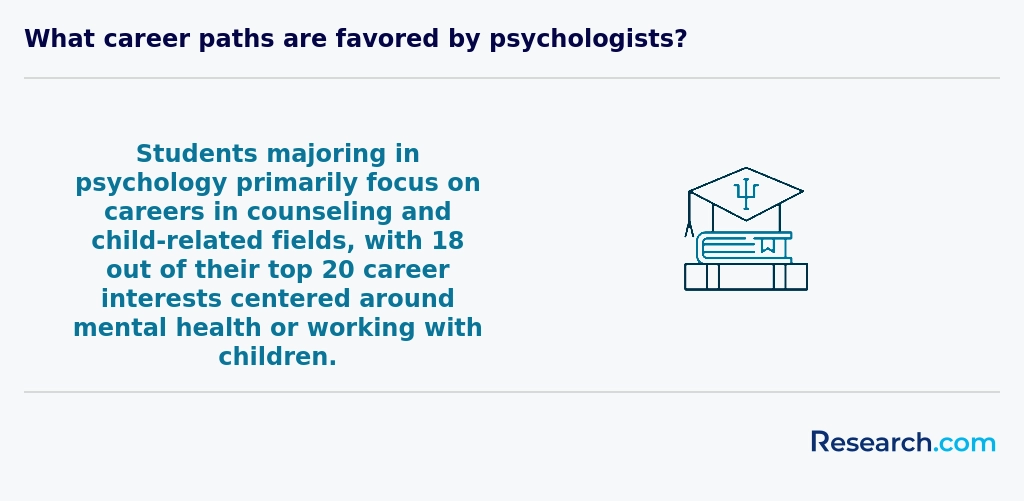
Exploring psychology degree specializations in Kent opens a fascinating world where you can tailor your studies to match thrilling interests like clinical psychology, where graduates share stories about the rewarding challenge of helping individuals overcome mental health struggles. At popular institutions like the University of Kent, students often embrace cognitive psychology, diving into real-life experiments on memory and perception that make learning feel like an adventure.
Developmental psychology captivates many, offering insights into psychological growth that resonate with those passionate about working with children or the elderly. Social psychology unveils the secrets behind human interactions, a favorite for students curious about the dynamics of daily life and group behavior. Some colleges even offer forensic psychology, sparking excitement for tackling criminal behavior and law enforcement scenarios.
Students find health psychology's focus on mind-body connections inspiring, especially when imagining careers promoting wellness. For those navigating degree choices in the UK, understanding specific paths and related costs-as well as the psychologist license California requirements for future plans-is crucial when considering the best psychology programs Kent offers.
Choosing the best psychology degree in Kent means diving into a blend of academic qualities and vibrant experiences. Graduates from popular universities often recall how accreditation mattered deeply-knowing their degree aligns with both UK standards and potential US recognition brought peace of mind. Imagine yourself exploring diverse courses that range from clinical to social psychology, crafting your unique path through elective selections. Many found that this flexibility made studying feel more like a personal adventure than a routine.
When comparing affordable psychology degrees Kent 2027 has to offer, tuition costs paired with living expenses paint a clearer financial picture. Students cherished the rich research opportunities and strong faculty expertise available, recalling hands-on projects that sparked curiosity and built confidence. For those seeking practical experience, programs in Kent frequently offer internships at local clinics or schools, turning classroom theory into real-world skills.
To get a taste of this dynamic field even before committing, consider checking out online behavioral psychology courses. This glimpse can illuminate if the vibrant world of psychology in Kent matches your aspirations perfectly.

Diving into psychology career opportunities in Kent reveals a vibrant spectrum of possibilities that spark curiosity and passion. Graduates from popular universities in Kent find themselves stepping confidently into roles like clinical psychology, where they pursue licensing to become therapists helping individuals navigate real-life challenges. Imagine working alongside children or supporting mental health in dynamic community settings-many feel rewarded by the meaningful impact they create. Others eagerly enter research positions, starting as assistants in university labs or private firms, unraveling human behavior mysteries that fuel both innovation and personal growth.
Jobs with psychology degree in Kent also extend into organizational psychology, where graduates enhance workplace cultures and boost employee well-being in companies scattered throughout the region. Stories from alumni often mention how theory transforms into lively workshops and training sessions, enriching both their careers and those they assist. For those looking for diverse experiences, social work, forensic psychology, or counseling offer engaging avenues that blend science with heartfelt connection. Many turn to further education, taking advantage of the best behavioral psychology programs available to deepen expertise and expand horizons.
best behavioral psychology programs in Kent anchor a thrilling journey for many, reflecting a keen sense of exploration and a commitment to making a difference locally and beyond.

Psychology graduates from Kent's universities discover a dynamic job market that blends local opportunities with broader US trends. Many find themselves stepping into roles as clinical and counseling psychologist assistants or educational psychology support within schools, immersing in hands-on experiences that bring their degrees to life. Graduates often share how working in the county's healthcare and social assistance sectors opens doors to fulfilling careers, reflecting the steady demand driven by increased mental health awareness.
Exploring psychology degree job opportunities Kent offers reveals varied paths-from social services to research assistant positions-each presenting unique challenges and rewards. Salary expectations align with US averages, sparking optimism for new graduates starting between $35,000 and $50,000. For those aiming higher, pursuing licensure involves crucial steps like preparing for the Georgia LPC exam, guiding career advancement.
The employment outlook psychology graduates Kent is positive, with communities valuing their skills in education, therapy, and support roles. Graduates often reflect on their sense of accomplishment, knowing their work contributes to meaningful social impact amid Kent's supportive environments.
2027 Most Valuable Psychology Degree Programs Ranking in Kent
Investing in your education is a significant decision that can shape your future, and the Research.com team understands the importance of making informed choices. To assist prospective students in Kent, we have meticulously crafted the "2027 Most Valuable Psychology Degree Programs Ranking in Kent." Our commitment to quality, credibility, and accuracy is reflected in the extensive research and analysis conducted to compile this ranking.
We utilized the following reputable data sources to ensure a comprehensive evaluation of psychology programs:
By exploring this ranking, readers will gain valuable insights into the most valuable psychology degree programs available in Kent, helping them make informed decisions about their educational paths. For more details on our methodology, please visit our Research.com methodology page.

Frequently Asked Questions About psychology
Psychology degree students in Kent can maximize their learning experience by actively engaging in both theoretical and practical components of their studies. Participating in research projects, internships, and lab work enhances understanding beyond textbooks. According to the American Psychological Association, hands-on experience improves employment outcomes by 25% for psychology graduates.
Students should also take advantage of faculty office hours and academic workshops to deepen their knowledge. Joining psychology clubs or discussion groups offers peer support and exposure to diverse viewpoints, which fosters critical thinking.
Additionally, mastering software tools like SPSS, frequently used in psychology research, prepares students for data analysis roles.
The psychology field in Kent, as in much of the US, is rapidly expanding into specialized areas that reflect societal needs and technological advances. One emerging niche is neuropsychology, which studies brain-behavior relationships. This field is growing due to increased demand for professionals treating brain injuries and cognitive disorders.
Another notable area is health psychology, focusing on how psychological factors affect physical health. Given rising chronic illness rates, experts foresee strong job growth here, with the Bureau of Labor Statistics projecting a 14% rise in related roles through 2030.
Additionally, digital mental health, including telepsychology and app-based therapies, is gaining traction, driven by innovations in technology and greater access to remote care, especially important in regions with limited mental health resources.
Preparing for the job market after completing a psychology degree in Kent requires strategic planning and practical experience. Graduates should seek internships or volunteer opportunities to build relevant skills and professional networks. According to the British Psychological Society, gaining accreditation through the Graduate Basis for Chartered Membership (GBC) enhances employability.
Personal development in research, data analysis, and communication is vital, as employers value these competencies. Networking events and career fairs in Kent offer chances to connect with employers in healthcare, education, and business sectors. Additionally, considering postgraduate study or certifications can open further professional roles.
Adapting to the evolving job market with continuous learning remains essential for success.
Employers in Kent highly value psychology graduates who demonstrate strong analytical and critical thinking skills. These skills enable graduates to interpret complex data and conduct evidence-based research, which are essential in various psychology roles. According to recent reports from the British Psychological Society, practical knowledge of research methods and statistical analysis is particularly sought after.
Communication skills rank equally important. Graduates must effectively explain psychological concepts to both clients and colleagues. Employers also emphasize emotional intelligence, as it helps graduates work compassionately with diverse populations.
Other desirable skills include problem-solving, ethical judgment, and proficiency with digital tools used in psychology practice and research.
To find psychology-related internships in Kent, start by exploring local universities and their career services. Institutions such as the University of Kent often have connections with community mental health centers, hospitals, and research labs offering placements.
Online platforms like Handshake or Indeed can list internships specifically for psychology students in the Kent area. Check regularly, as new opportunities appear frequently.
Networking is vital. Joining professional organizations such as the American Psychological Association's student branch or local psychology clubs can provide leads. Additionally, volunteering at mental health charities in Kent can improve your experience and professional contacts.
According to the National Association of Colleges and Employers, 60% of students with internships receive job offers, highlighting the importance of securing one early.
A psychology degree in Kent offers considerable advantages for career mobility and advancement, particularly within healthcare, education, and social services. According to the U.S. Bureau of Labor Statistics (2023), psychologists in the Kent metropolitan area experience a 12% faster-than-average job growth rate through 2030. This demand opens varied pathways from counseling roles to research positions. Graduates often find that holding a psychology degree supports transitions into managerial and specialized roles such as clinical psychology or human resources. Kent's proximity to research institutions and healthcare networks further enhances professional networking, a key factor in career progression. Certification and advanced degrees also significantly boost earning potential in this region.
Studying for a psychology degree in Kent equips students with a broad understanding of human behavior, combining core psychological theories with practical skills. The curriculum often integrates subjects like neuroscience, sociology, and cognitive science, fostering an interdisciplinary approach.
Many Kent programs emphasize research methods and statistical analysis, skills valued across fields such as healthcare, education, and business. This versatility prepares graduates for roles that require collaboration with professionals from diverse disciplines.
According to data from the British Psychological Society, interdisciplinary training enhances employability, with over 60% of psychology graduates in Kent working in mixed-sector roles. This highlights the practical advantage of such programs for students aiming at dynamic career paths.
When choosing between a thesis and a non-thesis psychology degree program in Kent, students should consider their career goals and academic interests. A thesis program involves conducting original research, which can be beneficial for those aiming for doctoral studies or research-focused roles.
Non-thesis programs typically emphasize coursework and practical experience, making them suitable for students looking to work directly in applied psychology fields or who prefer a shorter time to graduation.
According to the American Psychological Association, Kent programs offering thesis options often demand 30 to 36 credit hours and include a significant research component. In contrast, non-thesis tracks may require similar credits but replace the thesis with additional classes or internships.
Reviewing faculty expertise and research opportunities at Kent institutions can also guide your decision, as these factors impact the quality and relevance of a thesis experience.
Students based in Kent interested in studying psychology abroad, particularly in the US, have several pathways. Many US universities offer study abroad programs or exchange partnerships that allow students to complete part of their psychology degree overseas. These opportunities can enhance understanding of diverse psychological theories and research methods common in American institutions.
The US has over 2,000 institutions offering psychology degrees, with the American Psychological Association accrediting many top programs. Students can explore internships and research assistant positions to gain practical experience during their studies.
Financial aid and scholarships specific to psychology or international study can help offset costs. Resources such as the Institute of International Education provide data on exchange rates and student mobility trends that may assist Kent-based students planning their academic journey.
Students pursuing psychology degrees in Kent have several part-time job options that can enhance their academic learning. Working as a research assistant is common, especially since Kent hosts multiple psychology labs that often seek help with data collection and analysis. This role builds critical skills in experimental design and statistics.
Another common position is a mental health support worker, where students assist in local clinics or community centers. This experience offers direct interaction with clients and exposure to various psychological conditions, aligning practical work with theoretical studies.
According to the Kent County Council's employment data, mental health-related jobs in social care have grown by 15% over recent years, increasing opportunities for students.
Psychology students in Kent benefit from a variety of networking opportunities designed to enhance their academic and professional growth. Local universities often organize guest lectures featuring practicing psychologists and researchers, offering students chances to connect with experts in the field. Additionally, students can join psychology-related societies and clubs that facilitate peer networking and collaboration.
Some programs collaborate with regional mental health organizations, enabling internships and volunteer work that expand professional contacts. National conferences held nearby, such as those by the American Psychological Association (APA), are also accessible, often with discounted rates for students, allowing them to engage with broader psychology communities.
Alumni networks provide valuable support to psychology degree students in Kent by offering access to experienced professionals and recent graduates. These connections can lead to mentorship opportunities, internships, and job placements, which are crucial in the competitive field of psychology. According to the National Association of Colleges and Employers, 85% of jobs are filled through networking, emphasizing the importance of these relationships.
In Kent, alumni associations often host events, workshops, and seminars that enhance students' skills and industry knowledge. This engagement helps students stay updated with the latest research trends and professional practices in psychology.
Furthermore, alumni can provide insight into graduate programs and licensure pathways specific to psychology in the US, helping students navigate complex academic and career decisions effectively.
Customizing a psychology degree program in Kent allows students to align their studies with specific career goals. Many US institutions offer elective courses and specializations, such as clinical, cognitive, or industrial-organizational psychology, enabling students to tailor their educational path. According to the American Psychological Association, choosing relevant internships or research projects can significantly enhance practical skills and employability. In Kent, psychology students can also benefit from local mental health agencies and organizations for hands-on experience. Additionally, pursuing certifications or combined degrees, like counseling or social work, broadens career options and meets evolving industry demands.
Psychology students in Kent often encounter challenges related to balancing rigorous coursework with practical experience requirements. Many programs include extensive research projects and internships, demanding significant time management skills. A 2023 survey by the American Psychological Association noted that 67% of students nationwide, including those in Kent, struggle with stress from workload and deadlines.
Access to qualified clinical placements in Kent can also be limited, which may delay hands-on learning critical for licensure. Additionally, students frequently report difficulty in understanding complex statistical methods, a core component of psychology degrees, as highlighted in a recent report by the National Center for Education Statistics. These factors contribute to the demanding nature of psychology studies in the region.
With a psychology degree, you can pursue several professional certifications that enhance career opportunities in the United States. Common certifications include becoming a Licensed Professional Counselor (LPC) or a Licensed Clinical Social Worker (LCSW), which require graduate education and supervised clinical hours. The American Board of Professional Psychology offers specialty certifications in areas such as forensic, school, and clinical psychology.
In Kent, graduates often aim for certifications like Certified Alcohol and Drug Counselor (CADC) or Board Certified Behavior Analyst (BCBA), both in demand locally. These certifications typically require additional training beyond a bachelor's degree. According to the Bureau of Labor Statistics, psychology-related jobs in Kent are expected to grow 8% by 2032.
To write a winning application for a psychology program in Kent, start by clearly demonstrating your passion for the field. Admissions committees look for candidates who understand psychology's impact and are motivated to contribute to it. Highlight any relevant coursework, volunteer work, or internships that showcase practical experience.
Ensure your personal statement is well-organized and free of errors, outlining specific reasons why you want to study psychology in Kent and how the program matches your career goals. According to the APA, emphasizing research interests and critical thinking skills can strengthen your application.
Additionally, strong letters of recommendation from professors or supervisors who know your academic abilities are crucial. Meeting all application requirements promptly is equally important to avoid disqualification. Following these steps increases your chances of acceptance in competitive Kent programs.
Psychology careers in the United States are influenced by global perspectives emphasizing diverse applications and cultural awareness. Graduates often engage in mental health services, research, or applied psychology roles shaped by international standards such as those from the American Psychological Association (APA).
In Kent, interest in psychology careers aligns with US trends, notably with a growing demand for professionals trained in evidence-based practices and culturally competent care, which enhances employability both locally and internationally.
Globalization encourages psychologists to consider cross-cultural differences, ethical frameworks, and varied healthcare systems, making adaptability a key skill for success.
According to the US Bureau of Labor Statistics, psychology jobs are projected to grow 8% from 2021 to 2031, reflecting worldwide recognition of the field's importance.
Gaining practical experience while studying for a psychology degree in Kent is essential for developing skills and enhancing employability. Many universities in Kent offer placement opportunities within their psychology programs, allowing students to work in clinical, educational, or research settings. For example, placement options can include internships at local health services or community organizations.
Students are also encouraged to participate in faculty-led research projects, where they assist with data collection and analysis. According to the British Psychological Society, involvement in practical work improves understanding of psychological theories and practices.
Volunteering with mental health charities in Kent is another way to gain relevant experience and apply academic knowledge in real-world settings.
Choosing the right concentration within a psychology degree program in Kent depends on your career goals and interests. Common specializations include clinical psychology, counseling, developmental psychology, and organizational psychology. Each offers different paths post-graduation, from therapy to research or human resources.
Research from the American Psychological Association highlights that clinical psychology remains the most popular focus among students, often leading to licensure and higher earning potential.
Consider local job market demand in Kent as well. The Bureau of Labor Statistics projects a 14% growth for psychologists nationwide through 2032, with clinical and counseling psychologists leading in employment opportunities.
Additionally, examine faculty expertise and available facilities at Kent-area institutions to support your chosen concentration effectively.
- 2027 Most Valuable Psychology Degree Programs Ranking in Cleveland
- 2027 Most Valuable Psychology Degree Programs Ranking in Pittsburgh
- 2027 Most Valuable Psychology Degree Programs Ranking in Columbus
- 2027 Most Valuable Psychology Degree Programs Ranking in Detroit
- 2027 Most Valuable Psychology Degree Programs Ranking in Buffalo
- 2027 Most Valuable Psychology Degree Programs Ranking in Cincinnati
- 2027 Most Valuable Psychology Degree Programs Ranking in Rochester
- 2027 Most Valuable Psychology Degree Programs Ranking in Philadelphia
- 2027 Most Valuable Psychology Degree Programs Ranking in Greensboro
- 2027 Most Valuable Psychology Degree Programs Ranking in Durham
See What Experts Have To Say About Studying Psychology
Read our interview with Psychology experts

Joann Farrell Quinn, Ph.D., MBA
Psychology Expert
Director at the College of Medicine Department of Medical Education
Morsani College of Medicine

Catherine Caldwell-Harris, Ph.D.
Psychology Expert
Associate Professor of Psychology
Boston University

Elizabeth L. Jeglic Ph.D.
Psychology Expert
Professor of Psychology
City University of New York

- How to help students cope with mental health challenges https://www.eaie.org/resource/help-students-cope-mental-health-challenges.html
- How To Find Psychology Internships https://www.psychology.org/resources/how-to-find-an-internship/
- Study Psychology Abroad | Go Overseas https://www.gooverseas.com/study-abroad/psychology
- Psychology - SWPS University https://english.swps.pl/academics/warsaw/ba-programs/psychology
- Kent University Fees for International Students in 2026 https://www.turkeyuniversity.org/blog/kent-university-fees
- Why Get a Psychology Degree Online? | University of Bridgeport https://www.bridgeport.edu/news/reasons-to-get-your-psychology-degree-online/
- Psychology Degree Entry Requirements https://universitycompare.com/advice/student/psychology-degree-entry-requirements
- A Level in Psychology https://www.midkent.ac.uk/courses/subjects/a-levels/a-level-in-psychology
- What careers can you do with a Psychology degree? https://www.canterbury.ac.uk/blogs/2024/what-careers-can-you-do-with-a-psychology-degree
- Call for papers https://www.hogrefe.com/us/journal/international-perspectives-in-psychology-research-practice-consultation


