
2027 Most Valuable Online Psychology Degree Programs Ranking in Pennsylvania

Co-Founder and Chief Data Scientist
Choosing the right psychology degree program is an important step for Pennsylvania students seeking a rewarding career in this dynamic field. This article features the 2027 Most Valuable Online Psychology Degree Programs Ranking in Pennsylvania, developed by the Research.com team of data scientists to help you make an informed choice.
Discover programs that offer strong value, flexibility, and quality education designed to fit your goals. Earning a psychology degree opens doors to meaningful work and personal growth. Explore your options and feel confident about the path ahead.
Key benefits of getting online psychology degree in Pennsylvania
- Psychology degree graduates in Pennsylvania can pursue roles like Human Resources Specialist earning around $76,060 annually or Marketing Research Analyst with an average salary of $83,190, offering strong earning potential.
- Graduates from universities like Penn State often find diverse career paths in areas such as clinical research, marketing analysis, or childcare, enabling flexible opportunities to match personal passions.
- Completing an online psychology degree from a university such as Drexel allows for balancing work and study, providing convenient access to quality education without commuting, which many find empowering and motivational.
- 2027 Most Valuable Online Psychology Degree Programs Ranking in Pennsylvania
- What can I expect from online psychology degree in Pennsylvania?
- Where can I work with online psychology degree in Pennsylvania?
What can I expect from online psychology degree in Pennsylvania?
Students pursuing an online psychology degree in Pennsylvania typically encounter a range of costs that vary by institution type and residency status. Graduates from well-known public universities in Pennsylvania often find tuition more affordable, with in-state students enjoying notably lower rates compared to out-of-state peers. For instance, many report that their total tuition for a bachelor's or master's degree can average between $15,000 and $30,000, depending on program length and course load.
Private colleges and specialized programs may command higher fees, occasionally doubling that estimate, but often offer scholarships, funding, or employer tuition assistance that help ease the financial burden. One graduate from a Pennsylvania college shares feeling relieved after securing a scholarship and employer support, which made balancing work and study financially manageable.
With the increasing demand for psychology professionals in Pennsylvania, investing in an online degree feels promising to many students. Flexible payment plans and financial aid options make the cost less daunting, allowing learners to focus on growth and career advancement at institutions like Penn State World Campus or Temple University Online.
Where can I work with online psychology degree in Pennsylvania?
Graduates from online psychology programs at well-regarded Pennsylvania institutions often find themselves stepping confidently into roles like behavioral health specialists or case managers within bustling Philadelphia hospitals or Pittsburgh's robust mental health centers. One graduate described the excitement of joining a nonprofit organization where they could directly impact community wellness, illustrating how these degrees translate into meaningful careers that address real needs.
Many entrants also explore education or business, such as becoming school counselors or human resource specialists, leveraging their psychology background to foster positive workplace environments or support students' mental health. The flexibility of online learning allows graduates to build careers while balancing local family or community commitments, enhancing their sense of purpose and belonging.
Emerging trends suggest growing opportunities in telehealth and digital mental health platforms, especially across Pennsylvania's suburban and rural areas where access to care is evolving. Graduates excited by innovation often find themselves at the forefront of integrating technology with compassionate care, energizing their career paths and expanding traditional employment horizons.
Graduates from online psychology programs in Pennsylvania, such as those offered by Penn State World Campus or Temple University, often find promising salary prospects that reflect their dedication and the state's robust demand for psychology professionals. Entry-level roles like human resources specialists earn a mean annual wage of around $76,060, providing a rewarding start for many alumni eager to translate their degree into real-world impact.
Some graduates pursue careers as marketing research analysts, a position that offers an average salary near $83,190. This path appeals especially to those who enjoy blending psychological insight with consumer behavior trends, creating dynamic opportunities in Pennsylvania's diverse job market.
For those drawn to clinical research, positions like clinical research associates or survey researchers typically earn salaries close to $62,370. Imagine a recent graduate collaborating on groundbreaking mental health studies at a Philadelphia research center, feeling the excitement of contributing to future treatments.
Even graduates starting as childcare workers gain valuable experience while earning approximately $32,070 annually. This role often serves as a meaningful springboard into community-oriented psychology careers within Pennsylvania's supportive educational environments.
Overall, these salary figures reveal a range of uplifting possibilities for psychology graduates in Pennsylvania, encouraging them to envision a fulfilling career path aligned with their passions and academic achievements.
- Pennsylvania offers accredited online psychology programs at the bachelor's and master's levels designed to meet state licensure requirements.
- Tuition typically ranges from $15,000 to $30,000 for bachelor's degrees and $20,000 to $40,000 for graduate programs, with in-state rates available for residents.
- There are about 10,000 to 12,000 psychology-related jobs statewide with an expected 8% growth in clinical, counseling, and school psychologist roles through 2030.
- Starting salaries for early-career psychologists average $55,000 annually, while experienced professionals can earn around $90,000 or more.
- Licensure requires a master's or doctoral degree, supervised hours, and passing state exams, with most online programs accredited regionally or by the APA.
- Internships and practicum placements are essential and can often be completed locally alongside online coursework.
Completing an online psychology degree in Pennsylvania typically ranges from about three to seven years, depending on the level and pace chosen. Many graduates from institutions like Penn State World Campus or Temple University have shared how flexible scheduling helped them balance coursework with busy lives, making a four-year bachelor's degree feel achievable and rewarding.
Some undergraduates embrace accelerated options, finishing in three years by taking heavier course loads or year-round classes-a path that often brings a strong sense of accomplishment and momentum. Meanwhile, part-time students juggling work and family often appreciate the extended time frame, sometimes up to six years, which allows for steady progress without stress.
Graduate students pursuing online master's degrees in psychology from schools such as Drexel University frequently complete their programs in 1.5 to 3 years, adapting schedules around internships or practicum hours required for Pennsylvania licensure. Doctoral candidates often experience a more intensive journey lasting four to seven years, deeply engaged in research and clinical training that shapes their professional identities.
Understanding accreditation and licensure is vital for ensuring that your online psychology degree leads to a recognized credential and a valid license to practice in Pennsylvania. Regional accreditation-most commonly from the Middle States Commission on Higher Education-is a hallmark of program quality, signaling that the curriculum meets rigorous standards for faculty credentials, student support, and learning outcomes. Prospective students should verify that their chosen school is accredited by a U.S. Department of Education–recognized agency to guarantee eligibility for federal financial aid and seamless credit transfer if they pursue further study. For those aiming to become a Licensed Professional Counselor (LPC) or Licensed Psychologist in Pennsylvania, the state Board of Psychology and the State Board of Social Workers, Marriage and Family Therapists, and Professional Counselors set specific educational and supervised experience requirements. A master’s degree in psychology must include at least 60 semester hours of graduate coursework, supervised practicum or internship experiences, and graduate-level statistics and research methods courses. After graduation, candidates must complete 3,000 hours of supervised post-master’s experience under a board-approved supervisor, followed by successful completion of the Examination for Professional Practice in Psychology (EPPP) or the National Counselor Examination (NCE), depending on their licensure pathway. When evaluating programs, consider how each curriculum aligns with Pennsylvania’s licensure prerequisites. Many institutions listed in our rankings include practicum placement support and exam-prep workshops to guide you through the state’s application process. For students mindful of cost, exploring regionally accredited programs with strong licensure outcomes-such as those highlighted in our Low Cost Online Master's in Psychology Degree Programs Ranking in the South-can help balance affordability with professional credibility. By prioritizing accredited programs that map directly to Pennsylvania’s licensure criteria, you’ll ensure your online psychology degree not only opens doors to advanced study but also safeguards your path toward a rewarding career as a licensed mental health professional.
Graduates from popular Pennsylvania institutions like Penn State and Temple University often describe their online psychology programs as a perfect fit for busy lives. The flexibility to study on their own schedules while managing work or family stands out as a major benefit. These students appreciate accessing lectures and materials through online platforms anytime, which contrasts with the structured routine required on-campus.
On-campus peers, however, highlight the energizing face-to-face interactions at local campuses such as University of Pittsburgh, where spontaneous discussions and hands-on labs deepen their understanding. Being physically present in psychology research centers and counseling clinics often sparks a strong sense of community and immediate mentorship.
Both paths demand clinical practicums, but online students typically arrange local placements independently, tapping into Pennsylvania's extensive healthcare resources. This can foster a sense of autonomy and real-world problem-solving. Many online learners feel empowered by balancing rigorous academics with personal commitments, imagining how evolving technology might soon enrich these experiences further.
Achieving excellence in an online psychology program involves more than just attending classes-it requires proactive strategies that foster academic success and career readiness. Start by establishing a dedicated study space and routine, as consistency is key to adapting to the digital learning environment. Engage actively in virtual discussions, seek regular feedback from your professors, and form online study groups to mimic the collaborative support available on campus. Moreover, understanding how your online program aligns with your long-term career goals is essential. Carefully review course syllabi and specializations, and consider supplementing your studies with industry insights and research trends. For instance, exploring the ranking of affordable masters degrees in psychology online can help you gauge future options that complement your current education, ensuring a smooth transition to advanced study if desired. Finally, take advantage of any career services your institution offers-ranging from networking events and mentorship programs to alumni support groups. By actively utilizing these resources, you not only enhance your learning but also build valuable connections that can lead to diverse career opportunities in psychology.
The average cost of an online psychology degree in Pennsylvania often reflects a balance between accessibility and quality, with typical total expenses for in-state students around $27,060, while out-of-state learners might expect roughly $28,710. These figures align with what many graduates from well-known universities like Pennsylvania State University or Temple University have experienced, highlighting a reasonable investment for students seeking flexible, online education. A graduate might recall managing tuition alongside part-time work, appreciating the ability to pace their credit hours without sacrificing their wellbeing or financial stability.
Public institutions usually offer more affordable tuition, especially for residents, which can significantly reduce the overall cost. Some graduates find that attending a state school online offered them a powerful way to pursue their degree while balancing family or job responsibilities. Because tuition often scales with credit hours taken each semester, students pursuing advanced psychology degrees weigh those costs carefully, foreseeing that a master's or doctorate might reach higher figures but also unlock greater career opportunities.
To find an affordable online psychology degree programs Pennsylvania prospective students should explore financial aid and scholarship options to ease costs further. Many students engage with programs that tailor fees to their needs, sometimes discovering hidden savings through technology or resource fees. For those prioritizing cost, consulting resources like the affordable psychology school in Pennsylvania rankings can transform the search into an encouraging, achievable journey.
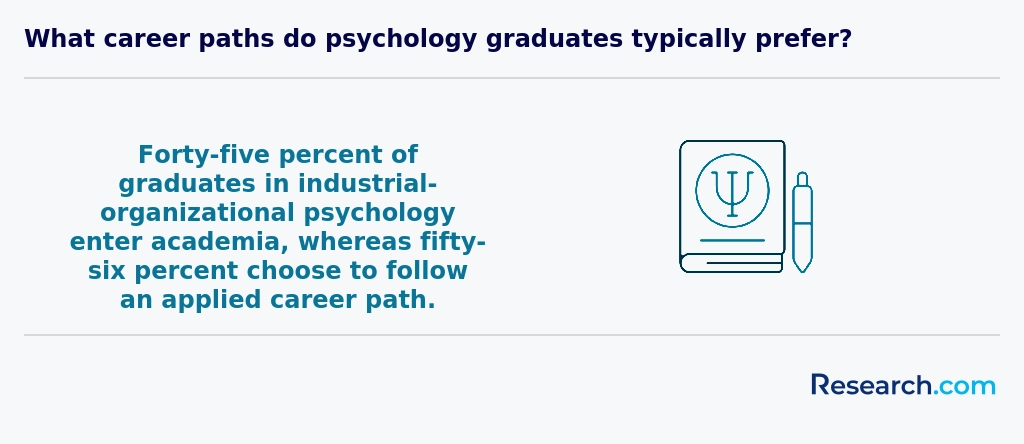
Upon earning an online psychology degree in Pennsylvania, graduates must navigate state licensure and certification requirements to practice professionally. Understanding these steps ensures a smooth transition from academia to a rewarding career. 1. Educational Requirements • Bachelor’s Degree: Prepares for entry-level roles (e.g., case manager), but to provide counseling services, a master’s or doctoral degree is mandatory. • Master’s Degree: Qualifies graduates for licensure as a Licensed Professional Counselor (LPC) via the Pennsylvania Licensing Board for Professional Counselors. For affordable master’s options, visit Low Cost Online Master's in Psychology Degree Programs Ranking in the South. • Doctoral Degree (PhD/PsyD): Required for independent practice as a licensed psychologist. 2. Supervised Experience • Master’s Level (LPC): Complete 3,000 hours of supervised clinical experience under an approved supervisor. • Doctoral Level (Psychologist): Accumulate 1,750–2,000 postdoctoral hours, including direct client contact and professional consultation. 3. Examination Requirements • Examination for Professional Practice in Psychology (EPPP): Nationally administered exam required for psychologist licensure. • Pennsylvania Jurisprudence Exam: State-specific test covering ethics, laws, and regulations. LPC candidates must pass the National Counselor Examination (NCE) or National Clinical Mental Health Counseling Examination (NCMHCE). 4. Application and Fees • Submit transcripts, verification of supervised hours, and examination scores to the Pennsylvania State Board of Psychology or Professional Counselors. • Pay application and license renewal fees (renewal every two years). 5. Continuing Education • Licensed psychologists: 30 hours of approved continuing education every two years. • LPCs: 40 hours of continuing education, including ethics and suicide prevention training. By following these clear licensure and certification pathways, online psychology graduates in Pennsylvania can confidently advance into clinical practice, ensuring compliance with state regulations and maintaining high standards of care.
Online psychology students in Pennsylvania often find federal financial aid an essential cornerstone for funding their education. Many graduates from institutions like Pennsylvania State University and Temple University recall how completing the FAFSA unlocked Pell Grants, offering up to $7,395 annually, which significantly lightened their financial load. Federal student loans with favorable interest rates also provide flexible repayment, helping students focus more on learning than worrying about debt.
State-specific options, such as the Pennsylvania State Grant Program, are frequently mentioned by students at Drexel University, who describe receiving grants that helped bridge gaps in tuition coverage, especially when combined with institutional scholarships. Universities often partner with local psychology organizations, giving online learners targeted scholarships that reward academic achievement and financial need, which past recipients have found encouraging and motivating.
Looking ahead, many graduates anticipate that employer tuition assistance programs will grow, especially as remote work expands, offering even more pathways for employed students in Pennsylvania to finance their degrees in psychology without breaking the bank.
When considering an online psychology degree in Pennsylvania, affordability is a crucial factor that can significantly influence one's decision. Prospective students often find themselves weighing the costs and benefits of various programs, seeking the best value for their investment. For those looking to pursue a cost-effective option, researching and comparing the tuition fees and financial aid options of different institutions is essential. To find an affordable psychology school in Pennsylvania, students should also consider factors such as program length, accreditation, and the availability of scholarships or grants. By meticulously evaluating these aspects, individuals can make an informed decision that aligns with their financial situation and career aspirations, ultimately setting themselves up for success in their future careers as psychologists.
Graduate hopefuls aiming for schools such as Drexel or Chatham must hold a bachelor's degree, ideally in psychology or a related field. Some students share how completing prerequisite psychology courses beforehand helped them transition smoothly into master's or doctoral studies, even if their undergrad was in social sciences or education.
GRE requirements are gradually diminishing, giving applicants more confidence and allowing those with real-world experience or internships to emphasize their readiness. With tuition ranging widely, these students appreciate that clear prerequisites help them plan finances and access scholarships effectively. These evolving entry standards at Pennsylvania institutions feel encouraging, balancing rigor with accessibility for future psychologists.

Ensuring your online psychology degree is regionally accredited and aligned with Pennsylvania Board of Psychology requirements is critical for licensure and employability. Most reputable Pennsylvania institutions hold accreditation from the Middle States Commission on Higher Education, while master’s and doctoral programs may also carry American Psychological Association (APA) approval-an essential credential for clinical practice. To qualify for licensure as a psychologist in Pennsylvania, graduates must:
- Complete an APA-accredited doctoral program or a master’s degree with supervised practicum hours.
- Accumulate at least 3,000 hours of post-doctoral supervised experience under a licensed psychologist.
- Pass the Examination for Professional Practice in Psychology (EPPP) and the Pennsylvania Law and Ethics Examination. Prospective students should verify program accreditation on university websites and through the Pennsylvania Department of State. Additionally, those aiming to specialize in behavior analysis can explore complementary credentials-many candidates strengthen their candidacy by enrolling in bcba online certificate programs, which meet Behavior Analyst Certification Board (BACB) requirements and streamline eligibility for the Board Certified Behavior Analyst (BCBA) exam. Understanding these pathways early helps you map out your timeline, budget for supervision fees, and prioritize programs that integrate practicum placements or partnerships with local clinics. By choosing an accredited online psychology program that meets state standards and supports licensure milestones, you’ll be well-positioned for a seamless transition from graduation to professional practice.
Online psychology degree programs in Pennsylvania typically feature courses that build a deep understanding of human behavior and mental processes while remaining flexible for busy learners. Graduates from popular schools like Penn State and Temple University often describe starting with foundational classes like introductory psychology, cognitive psychology, and developmental psychology, which provide essential frameworks for understanding thoughts, emotions, and growth over a lifetime.
Many students appreciate courses in biopsychology and social psychology, imagining themselves exploring the brain's role in behavior or the dynamics of group interactions during real-world projects or virtual discussions. Ethics classes also stand out, offering practical insights to navigate complex moral situations, a topic frequently valued by those preparing for careers in counseling or research.
Graduates often reflect on how hands-on opportunities, such as capstone projects and practicums offered even in online formats at institutions like Drexel University, helped them gain confidence. These experiences allow students to apply theoretical knowledge, envisioning their future roles in Pennsylvania's evolving mental health field while balancing work and life commitments.
Students pursuing an online psychology degree in Pennsylvania often encounter diverse specialization options designed to align with both emerging industry needs and personal career goals. For example, many graduates from popular institutions in the state report feeling empowered by focusing on Clinical Psychology, preparing them for meaningful mental health roles within Pennsylvania's healthcare system. Others find Counseling Psychology appealing, especially when aiming for LPC licensure, offering hands-on strategies for real-world therapeutic practice.
Specializations like Industrial-Organizational Psychology are gaining traction as graduates explore how psychology applies to workplace wellbeing and productivity, reflecting broader economic trends. Gradually, Forensic Psychology also attracts those intrigued by criminal justice roles. Schools such as Penn State and Temple University accommodate these interests, creating pathways that feel relevant and motivating to students. These real-life settings reflect the evolving landscape of online psychology degree specializations Pennsylvania students can expect.
Looking forward, students eager to explore cost-effective options can refer to the ranking of affordable masters degrees in psychology online, helping them balance quality with affordability while specializing to meet job market demands.
Choosing the best online psychology degree programs Pennsylvania offers is increasingly about flexibility and future-proofing your education. Graduates from popular universities in the state often mention the importance of programs that meld solid accreditation with the option for asynchronous learning, allowing busy professionals to thrive without sacrificing quality. Imagine balancing work and study smoothly while engaging with faculty experts known for cutting-edge research and practical experience within Pennsylvania's unique mental health landscape.
Affordability also plays a huge role in decision-making. Students frequently share relief when discovering programs that keep tuition reasonable without hidden fees-something vital for those weighing the cost versus long-term career returns. For those aiming at clinical or counseling roles, ensuring the program complies with Pennsylvania's licensing requirements is non-negotiable and often a decisive factor for graduates stepping confidently into their professions.
Newer trends suggest enhanced integration of career services, like internship placement and alumni networking, which graduates find invaluable. Some even complement their degrees with bcba online certificate programs to widen their expertise and marketability. Overall, forward-looking students prioritize programs that anticipate evolving industry needs and support career growth.
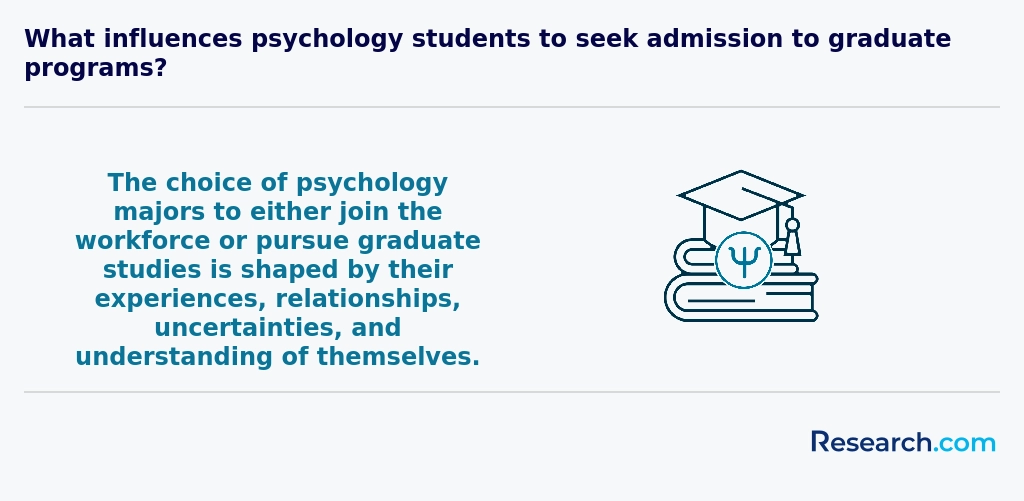
Graduates with an online psychology degree in Pennsylvania are increasingly exploring diverse career paths that align with emerging trends and local opportunities. Many find fulfillment as licensed counselors or therapists after completing graduate education and licensure requirements, often drawing on strong support from institutions like Penn State or Temple University. These graduates appreciate the meaningful impact they have within Pennsylvania's healthcare ecosystem, especially as mental health awareness grows.
Others leverage their degree in business and human resources roles, where insights into human behavior prove invaluable. Psychology students from popular colleges in Pennsylvania often share how this knowledge enhances their ability to contribute to major companies in hubs like Philadelphia and Pittsburgh. Entry-level roles offer a positive starting salary, and the evolving corporate focus on employee wellness opens promising future directions, perfectly aligning with online psychology degree careers Pennsylvania.
Graduates are also stepping into research and academic roles, inspired by Pennsylvania's vibrant research institutions. They engage in data-driven projects that shape new psychological theories and practical applications. Many use affordable pathways to advanced degrees, highlighted in resources like the Low Cost Online Master's in Psychology Degree Programs Ranking in the South, helping them stay on a financially sustainable track while pursuing passion-driven careers.
The job market for an online psychology degree in Pennsylvania shows promising growth, driven by rising awareness of mental health needs across the state. Graduates from popular colleges often share how their online studies prepared them for diverse roles, from counseling centers in Philadelphia to social service agencies in Pittsburgh. With healthcare and social assistance sectors steadily expanding, opportunities extend beyond traditional clinical psychologist roles to include positions as behavioral health technicians or human resources specialists.
Many graduates find that pursuing further licensure unlocks higher-paying positions, complementing the solid starting salaries seen with bachelor's or master's degrees. This demand aligns with the state's focus on mental health services, giving online learners in Pennsylvania a unique advantage to enter a steadily growing market.
For those considering flexible academic options, pairing a psychology degree with complementary fields enhances employability. Some students choose dual degree programs undergraduate to gain a broader skill set, making them more versatile in the evolving job landscape related to an online psychology degree job outlook Pennsylvania.
2027 Most Valuable Online Psychology Degree Programs Ranking in Pennsylvania
Investing in your education is a significant decision that can shape your future, and the Research.com team understands the importance of making informed choices. To assist prospective students in Pennsylvania, we have meticulously crafted the "2027 Most Valuable Online Psychology Degree Programs Ranking in Pennsylvania." Our commitment to quality, credibility, and accuracy is reflected in the extensive research and analysis conducted to compile this ranking.
We utilized the following reputable data sources to ensure a comprehensive evaluation of psychology programs:
By exploring this ranking, readers will gain valuable insights into the most valuable online psychology degree programs in Pennsylvania, enabling them to make well-informed decisions about their educational pathways. For more details about how this ranking was created, please visit our Research.com methodology page.

# 2 position
Penn State University Park
Bachelor of Psychology

# 3 position
Penn State University Park
Master of Psychology of Leadership


Frequently Asked Questions About psychology
Online psychology degree students in Pennsylvania can enhance their learning by actively engaging with course materials and participating in virtual discussions. Leveraging resources like the Pennsylvania Psychological Association offers opportunities for networking and professional growth. Time management is critical; setting a consistent study schedule helps balance work, life, and education demands.
Utilizing Pennsylvania's state library systems provides access to academic journals and databases essential for psychology research. Furthermore, seeking internships or practicum placements within Pennsylvania's diverse mental health organizations can provide valuable hands-on experience. According to the Bureau of Labor Statistics, Pennsylvania employs over 28,000 psychologists, indicating ample local opportunities for career development.
The psychology field is expanding into several emerging niches that reflect societal and technological changes. One key area is neuropsychology, focusing on brain-behavior relationships, which is growing due to increasing research funding and demand for specialists in Pennsylvania's healthcare system.
Another significant niche is health psychology, which examines how mental health impacts physical wellness, particularly important in Pennsylvania where chronic illness rates are high. Industrial-organizational psychology is also gaining momentum, helping businesses improve employee well-being and productivity.
Additionally, forensic psychology is expanding, supporting criminal justice with expert analysis, a sector that benefits from Pennsylvania's robust legal infrastructure. These niches offer promising career paths for online psychology students targeting the state's evolving job market.
Graduates with online psychology degrees in Pennsylvania should focus on gaining practical experience to enhance their employability. Internships, volunteer work, or part-time roles in mental health clinics or community centers offer valuable real-world exposure. Licensing is crucial; the Pennsylvania State Board of Psychology requires specific supervised hours and passing the Examination for Professional Practice in Psychology for clinical roles.
Networking is another key step. Joining local associations such as the Pennsylvania Psychological Association can connect graduates to job listings and professional mentors. According to the U.S. Bureau of Labor Statistics, the demand for psychologists in Pennsylvania is projected to grow by 11% from 2021 to 2031, signaling positive job prospects.
Continuous learning through certifications or workshops in specialized areas like neuropsychology or counseling can give candidates a competitive edge in the evolving psychology job market.
Employers in Pennsylvania value a combination of technical and interpersonal skills from psychology degree graduates. Strong research and data analysis abilities are essential, as nearly 70% of psychology roles involve quantitative assessments, according to the Pennsylvania Department of Labor & Industry.
Critical thinking and problem-solving skills rank highly, enabling graduates to apply psychological theories effectively in clinical or organizational settings. Communication skills, both written and verbal, are also crucial, especially when presenting findings or collaborating with clients.
Additionally, cultural competence and ethical awareness are increasingly important, reflecting Pennsylvania's diverse population and rigorous state licensing requirements. Practical experience, such as internships or practicum work, further enhances employability in this competitive field.
Finding internships relevant to a psychology degree in Pennsylvania involves several strategic steps. Start by exploring university career centers, which frequently list local internship opportunities linked to psychology departments. Many Pennsylvania universities maintain partnerships with hospitals, mental health clinics, and community organizations offering internships.
Additionally, check the Pennsylvania Psychological Association website for resources and listings of approved internship sites. According to the Bureau of Labor Statistics, Pennsylvania employs over 10,000 psychologists, reflecting a strong demand that can result in meaningful internship placements.
Networking is crucial. Reach out to faculty advisors and local practitioners who often know about available positions. Finally, consider searching through statewide internship platforms and healthcare providers such as the Pennsylvania Department of Human Services, which supports internships in behavioral health settings.
Online psychology degrees in Pennsylvania offer flexible paths for career mobility and advancement, especially in a state with growing mental health service demands. According to the Pennsylvania Department of Labor & Industry, employment of psychologists is projected to grow about 8% through 2030, faster than the average for all occupations. Earning an online degree can qualify graduates for licensing exams required by the Pennsylvania State Board of Psychology to become a licensed psychologist or counselor.
Online programs accredited by recognized bodies such as the APA ensure that graduates meet state licensure requirements. This accreditation is essential for advancing into specialized roles or higher-paying positions in clinical settings, education, or research. Additionally, higher degrees often correlate with increased earnings and leadership opportunities in Pennsylvania's healthcare and social service sectors.
Studying for a psychology degree online in Pennsylvania equips students with skills applicable across various disciplines such as healthcare, education, and business. Pennsylvania's programs often incorporate coursework in research methods, behavioral science, and ethics, fostering a broad understanding valuable for interdisciplinary collaboration.
According to the Pennsylvania Department of Education, psychology graduates have increasing opportunities in integrated roles that combine mental health and technology, social services, or organizational leadership. Programs emphasize practical experience and critical thinking, preparing students to work alongside professionals in nursing, social work, or human resources.
Additionally, Pennsylvania's regulatory framework supports licensure pathways that encourage interdisciplinary practice, enhancing career flexibility for graduates.
Choosing between a thesis and a non-thesis psychology degree program in Pennsylvania depends on your career goals and learning preferences. A thesis program typically involves conducting original research and writing a detailed paper, which is ideal if you plan to pursue doctoral studies or research-oriented roles.
Non-thesis programs emphasize coursework and practical skills, appealing to students aiming for professional practice or positions in counseling, human services, or business. Pennsylvania's Department of Education reports steady growth in applied psychology jobs, increasing by 8% through 2030, favoring practical experience.
Consider faculty expertise, program flexibility, and accreditation when comparing options.
Students based in Pennsylvania interested in studying psychology abroad via online programs have several options, primarily through international universities offering fully online psychology degrees. However, they must ensure these programs meet licensing and accreditation standards recognized by US bodies such as the American Psychological Association (APA).
Most online psychology degrees in Pennsylvania are regionally accredited, which is crucial for credit transfer and employment. Studying abroad online can expand cultural perspectives, but students should verify that foreign degrees align with Pennsylvania licensing requirements for psychology careers.
According to the National Center for Education Statistics, psychology remains one of the most popular majors in Pennsylvania, with increasing interest in online study options. While options for internationally based online psychology programs exist, students often prioritize programs from US institutions for easier licensure and recognition.
Part-time job opportunities in Pennsylvania that complement psychology degree education often involve roles in mental health support and research settings. Many students find positions as mental health technicians or psychiatric aides, assisting licensed professionals in hospitals or community clinics. According to the Pennsylvania Department of Labor & Industry, these roles offer valuable hands-on experience while accommodating class schedules.
Other common opportunities include research assistant positions at universities or private firms studying behavioral health trends, where students can apply theoretical knowledge to practical projects. Additionally, roles like case management aides in social service agencies help develop interpersonal skills essential for psychology careers.
These jobs typically pay between $12 and $18 per hour depending on location and employer, providing both income and experience relevant to a psychology career path.
Online psychology students in Pennsylvania have access to a variety of networking opportunities that enhance their academic and professional growth. Many universities offering online psychology degrees encourage virtual participation in student organizations such as Psi Chi, the International Honor Society in Psychology. These groups provide forums for connecting with peers and professionals across the state.
Additionally, students can attend regional psychology conferences, often hosted by the Pennsylvania Psychological Association, which facilitates networking within the field. Internships and practicum placements, frequently organized in collaboration with local mental health agencies, also offer invaluable real-world connections.
Online platforms and alumni networks further support building relationships that can advance careers in psychology across Pennsylvania.
Alumni networks offer significant benefits to students pursuing online psychology degrees in Pennsylvania. These networks provide valuable professional connections in a competitive job market. According to the Pennsylvania Department of Labor & Industry, psychology-related employment in the state is projected to grow, highlighting the need for strong professional relationships.
Through alumni events and digital platforms, graduates gain access to mentoring, internships, and job openings not always publicly advertised. This support helps students transition from education to careers, especially in specialized fields like clinical or counseling psychology.
Additionally, alumni engagement can enhance continuing education opportunities and keep graduates informed about advances within Pennsylvania's mental health sector.
Customizing an online psychology degree in Pennsylvania allows students to align their education with specific career objectives. Many Pennsylvania institutions offer flexible curricula where students can select electives such as clinical psychology, counseling, or organizational psychology. This flexibility supports targeted skill development tailored to job market demands.
Additionally, some programs include practicum or internship options in local settings, giving practical experience relevant to Pennsylvania's healthcare and education sectors. According to the Pennsylvania Department of Labor & Industry, psychology-related employment is projected to grow 8% through 2030, emphasizing the value of specialized training.
Students should consider certifications or licenses required for their intended roles, and choose programs that prepare them accordingly, such as courses emphasizing state licensure prerequisites. Checking program accreditation is also crucial for eligibility in advanced studies or professional registration.
Online psychology students in Pennsylvania often face challenges balancing rigorous coursework with personal and professional responsibilities. Many find time management difficult, especially those juggling full-time jobs or families. Access to quality practicum or internship placements can be limited, as students must meet state licensing requirements while completing fieldwork remotely.
Technical issues and digital literacy also present obstacles. Reliable internet and familiarity with learning platforms are essential but not guaranteed for all students. According to Pennsylvania's Department of Education, psychology programs must align with standards that add complexity to online learning.
Additionally, some students report feeling isolated without in-person interaction, which can impact motivation and networking essential for career development in psychology.
With an online psychology degree in Pennsylvania, graduates can pursue several professional certifications that enhance their career opportunities. One common path is becoming a Licensed Professional Counselor (LPC), which requires a master's degree plus supervised clinical hours and passing a state exam. The Pennsylvania State Board of Social Workers, Marriage and Family Therapists, and Professional Counselors oversees LPC licensing.
Other certifications include becoming a Certified Addiction Counselor (CAC) or a Behavioral Health Technician, both growing fields in Pennsylvania's healthcare sector.
For those interested in research, certification through the American Board of Professional Psychology (ABPP) can be valuable, especially with a doctoral degree.
These certifications demonstrate expertise and often lead to higher salaries and broader job prospects in Pennsylvania's expanding mental health industry.
Applying for an online psychology program in Pennsylvania requires attention to detail and clear presentation of your academic background. Begin with a strong personal statement that outlines your motivation for studying psychology and your career goals. Highlight any relevant experience, such as volunteer work or internships linked to mental health.
Ensure your transcripts reflect solid academic performance, especially in psychology and related courses. Many Pennsylvania institutions require a minimum GPA, commonly around 3.0. It is essential to meet standardized testing requirements if applicable, though some programs waive these for online applicants.
Letters of recommendation should come from professionals familiar with your academic or work ethic. Finally, check program-specific criteria on official school websites or resources like the Pennsylvania Department of Education for updated guidance.
Careers in psychology are increasingly viewed through a global lens, reflecting diverse approaches to mental health and human behavior. In the United States, including Pennsylvania, the field emphasizes evidence-based practice, research, and clinical training supported by organizations like the American Psychological Association (APA). Online psychology degrees in Pennsylvania often align with these standards, preparing students for licensure and global collaboration.
Globally, psychology integrates cultural competency and ethical diversity, which is critical for professionals working in multinational settings. According to the Bureau of Labor Statistics, the demand for psychologists in Pennsylvania is expected to grow by 10% through 2032, reflecting a broader trend of valuing mental health worldwide.
Students pursuing online psychology programs in Pennsylvania gain skills that meet U.S. licensure requirements while also equipping them to understand international psychological frameworks. This dual perspective strengthens career versatility and global employability.
Gaining practical experience while studying for an online psychology degree in Pennsylvania is essential for career readiness. Many accredited programs require internships or practicum hours, which students can complete locally. Pennsylvania offers diverse mental health facilities and community organizations that partner with universities to provide hands-on training.
Students can often arrange supervised internships tailored to their interests, such as clinical, counseling, or research psychology. The Pennsylvania Psychological Association and local behavioral health agencies frequently support student placement opportunities. According to the Bureau of Labor Statistics, practical experience significantly enhances employability in Pennsylvania's competitive psychology job market.
Choosing the right concentration within an online psychology degree in Pennsylvania depends on your career goals and interests. Popular concentrations include clinical psychology, counseling, industrial-organizational psychology, and developmental psychology. According to the Pennsylvania Department of Labor & Industry, clinical and counseling psychology fields are among the fastest-growing, with a projected growth rate of 12% through 2030.
Consider the licensure requirements in Pennsylvania, as certain concentrations align better with certification processes for licensed psychologists or counselors. Review program curricula carefully to ensure they match your intended career path.
Research local employment trends and consult resources like the Bureau of Labor Statistics for Pennsylvania-specific data. This practical approach supports informed decision-making when exploring concentrations.
- 2027 Most Valuable Online Psychology Degree Programs Ranking in New York
- 2027 Most Valuable Online Psychology Degree Programs Ranking in Virginia
- 2027 Most Valuable Online Psychology Degree Programs Ranking in Florida
- 2027 Most Valuable Online Psychology Degree Programs Ranking in Missouri
- 2027 Most Valuable Online Psychology Degree Programs Ranking in Kansas
- 2027 Most Valuable Online Psychology Degree Programs Ranking in Texas
- 2027 Most Valuable Psychology Degree Programs Ranking in New Jersey
- 2027 Most Valuable Psychology Degree Programs Ranking in Maryland
- 2027 Most Valuable Psychology Degree Programs Ranking in New York
- 2027 Most Valuable Psychology Degree Programs Ranking in Ohio
See What Experts Have To Say About Studying Psychology
Read our interview with Psychology experts

Catherine Caldwell-Harris, Ph.D.
Psychology Expert
Associate Professor of Psychology
Boston University

Robin M. Kowalski. Ph.D.
Psychology Expert
Professor of Psychology
Clemson University

Elizabeth L. Jeglic Ph.D.
Psychology Expert
Professor of Psychology
City University of New York

- Alumni Perspectives - Meet Our FPN Alumni https://www.aanmelder.nl/alumni-perspectives-june-2023
- Explore Psychology Degrees Online | Psychology.org https://www.psychology.org/online-degrees/
- Psychology (Online) https://www.claflin.edu/DivisionofAcademicAffairs/the-center-for-professional-and-continuing-studies/degrees/psychology-(online)
- Best Online and Campus Psychology Schools in Pennsylvania https://www.psychologydegree411.com/schools/pennsylvania/
- Bachelor of Science in Psychology (Online) https://www.alvernia.edu/academics/online/bachelor-science-psychology-online
- Study Psychology Abroad https://astarfuture.co.uk/study_psychology_abroad.html
- Ontario Psychological Association - Networking and Community Resources https://www.psych.on.ca/become-a-member-(1)/member-services/networking-and-community-resources
- Sample letters in psychology https://www.mystudies.com/en-in/human-and-social-sciences/psychology/letter-model/
- Psychology | York College of Pennsylvania https://www.ycp.edu/academics/programs/psychology
- Study Psychology Abroad | Go Overseas https://www.gooverseas.com/study-abroad/psychology


