
2027 Best Online Psychology Degree Programs Ranking in Palo Alto, CA

Co-Founder and Chief Data Scientist
Choosing the right online psychology degree program can be overwhelming, especially in a competitive area like Palo Alto. Our article offers a carefully crafted 2027 Best Online Psychology Degree Programs Ranking in Palo Alto, CA created by the Research.com team of data scientists to help you navigate your options with confidence.
Whether you're starting your educational journey or looking to advance, this ranking highlights quality programs worth considering. Discover pathways that align with your goals and unlock opportunities in the fulfilling field of psychology.
Reading this guide empowers you to make informed decisions that support your future success and personal growth.
Key benefits of getting online psychology degree in Palo Alto
- Psychology degree graduates in Palo Alto can pursue rewarding roles such as Human Resources Specialist with a mean annual wage of $76,060 or Marketing Research Analyst earning about $83,190, offering strong financial stability.
- Graduates from local universities often explore careers in clinical research or survey analysis, tapping into opportunities that blend psychology with healthcare and data science fields.
- Online psychology degrees provide flexibility and convenience, allowing Palo Alto students to balance work and study while gaining quality education from respected universities without sacrificing their personal or professional lives.
- 2027 Best Online Psychology Degree Programs Ranking in Palo Alto, CA
- What can I expect from online psychology degree in Palo Alto?
- Where can I work with online psychology degree in Palo Alto?
What can I expect from online psychology degree in Palo Alto?
The average cost of an online psychology degree in Palo Alto generally aligns with the region's reputation for quality education balanced with flexibility. Graduates from well-known institutions like Stanford University often share how the investment felt worthwhile, given the extensive resources and opportunities for practical learning integrated into their programs. While tuition can be on the higher side due to the prestige of local universities, many students appreciate the ability to complete internships at nearby clinics or research centers, which enhances real-world skills without additional travel expenses.
Community colleges and other accredited schools in the area tend to offer more affordable options, allowing students to manage costs effectively while benefiting from strong academic guidance. Many learners recount how asynchronous courses enabled them to maintain jobs or family commitments, reducing indirect costs and stress.
Typical bachelor's degree programs might range around $40,000 to $60,000 total, whereas master's degrees can cost between $20,000 and $50,000, depending on the institution and program format. This range reflects the balance between Palo Alto's high educational standards and the accessibility efforts of local schools.
Where can I work with online psychology degree in Palo Alto?
With an online psychology degree earned in Palo Alto, graduates often find fulfilling roles across healthcare, education, and technology sectors. Many who studied at well-known local institutions have shared how they transitioned smoothly into mental health clinics or counseling centers, environments where empathy and practical skills truly matter.
One graduate described working as a behavioral health specialist in a nonprofit, supporting vulnerable individuals-a role that brought a deep sense of purpose and community connection. Others found opportunities within Silicon Valley firms, applying their understanding of cognitive psychology to improve workplace wellness or user experience, blending science and innovation.
This region's growing focus on mental well-being means demand is strong, with roles ranging from psychological assistants to case managers under supervision. Local schools and community colleges also welcome psychology graduates as counselors or educational assistants, nurturing student development.
Choosing an online program that matches California's licensure requirements is crucial for clinical paths. Still, the versatility of a psychology degree in Palo Alto is a powerful asset, opening doors to careers that make a real difference in diverse, thriving settings.
Graduates with an online psychology degree in Palo Alto often find encouraging earning opportunities tied closely to the roles they pursue. For instance, many start in positions such as clinical research associates or survey researchers, where the mean annual wage is around $62,370. These roles, commonly chosen by graduates from local institutions like Stanford University, offer an income foundation that aligns well with entry-level expectations.
Others transition into roles like marketing research analysts or human resources specialists, fields that increasingly value psychological insights. These positions provide higher average wages-approximately $83,190 and $76,060 respectively-reflecting their specialized skills and the vibrant job market in the Bay Area.
Personal experiences of psychology graduates from Palo Alto universities reveal that these salaries offer not just financial stability but also a meaningful return on investment in their education. Graduates often express satisfaction in applying their degrees to real-world problems, valuing both the rewarding work and the competitive compensation.
- The average tuition for online bachelor's psychology programs ranges from $15,000 to $30,000 per year, with Palo Alto institutions often at the higher end due to the local cost of living.
- Entry-level psychology graduates in Palo Alto earn about $55,000 annually, increasing to median salaries of $85,000 to $95,000 with experience and advanced degrees.
- Job opportunities include clinical psychology, counseling, human resources, and behavioral research, supported by APA-accredited online programs.
- Palo Alto's proximity to major universities offers networking and internship options even for online students.
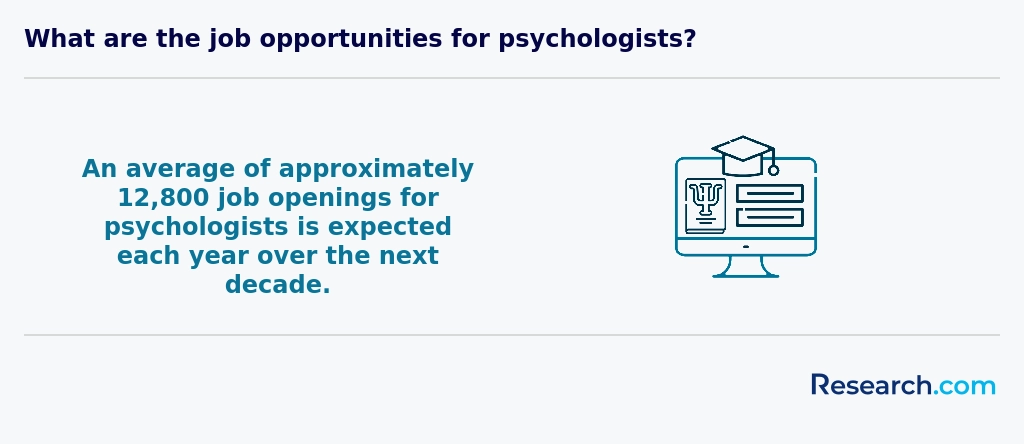
- The demand for mental health services in the Bay Area is growing, with an 8% nationwide employment growth projected for psychologists through 2031.
- Regional accreditation and California state licensure compliance are essential for career prospects in psychology.
Completing an online psychology degree in Palo Alto reflects a balance between ambition and life's demands. Graduates from well-known local institutions, such as Stanford University, often share how a bachelor's degree typically requires around four years of full-time study. Many find joy in pacing their education; some extend to six years part-time to juggle careers or family commitments without feeling overwhelmed.
For those pursuing a master's degree online, the journey varies. Many embrace a flexible schedule allowing completion in 1.5 to 3 years, with some accelerated students finishing in as little as 12 to 18 months by maintaining a rigorous course load. This flexibility sparks a sense of empowerment, enabling learners to tailor their experience to personal rhythms and responsibilities.
Doctoral degrees usually demand more extended dedication, around 4 to 7 years, largely due to necessary clinical practicums that require Palo Alto area presence. Graduates often describe this phase as both challenging and deeply rewarding, blending rigorous study with meaningful hands-on practice within their communities.
Graduates from Stanford University often reflect on how on-campus psychology programs in Palo Alto offered them enriching, face-to-face interactions that helped build lasting networks and hands-on skills through laboratories and research projects. They describe the energy of attending seminars and collaborating directly with professors as both motivating and deeply rewarding.
In contrast, alumni from online programs affiliated with local institutions appreciate the flexibility to balance studies with work or family life without the stress of commuting in Palo Alto's competitive environment. These students often highlight how remote learning allowed them to pace their education thoughtfully while still accessing high-quality resources offered by regionally accredited programs.
Both paths emphasize rigorous standards, but the choice often hinges on lifestyle and learning preferences. For example, a working professional might relish the freedom of an online schedule, whereas someone thriving on community engagement might prefer the immersive experience of a campus. Understanding these distinct benefits helps students tailor their journey in psychology to what truly fits their personal and professional goals.
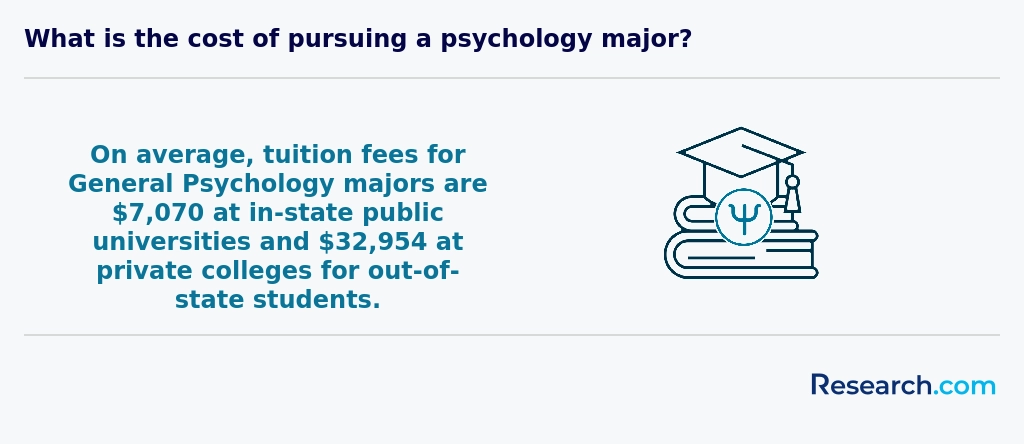
The average cost of an online psychology degree in Palo Alto is influenced by various local factors, including the region's elevated living expenses and educational standards. Graduates often reflect that public institutions like San Jose State University balance quality and affordability, with in-state tuition near $8,000 annually for a fully online Bachelor's in Psychology. This cost can feel manageable when compared to private providers in California, where tuition can range from $20,000 to $40,000 for the full program, making the investment feel more daunting yet still rewarding for many students seeking specialized knowledge.
Many students appreciate the flexibility of per-credit pricing, which typically falls between $400 and $1,200 per hour. For those pursuing an undergraduate degree requiring around 120 to 130 credits, understanding this helps set realistic budget expectations. Achieving the goal of earning an online psychology degree in Palo Alto often means balancing these tuition fees with additional expenses such as books and technology, which are a small but important part of the overall cost.
Those searching for affordable online psychology degree programs Palo Alto CA consistently point out the value of scholarships or employer tuition reimbursement plans that can ease financial pressure. For students exploring options beyond bachelor's degrees, there is also the option of a quick online master's degree, which some find a practical next step in advancing their careers within limited timeframes.
Students pursuing an online psychology degree in Palo Alto often find federal aid to be a vital starting point. Graduates from local programs like those at Stanford University recall how completing the FAFSA opened doors to Pell Grants helping reduce tuition burdens by thousands annually. It's more than just the federal government, though-California residents benefit from the Cal Grant, which can cover a significant portion of costs at institutions like California State University East Bay when enrolled online. One alum shared how this state aid made advanced coursework financially manageable without excessive debt.
Scholarships targeting psychology students add another layer of support, often based on merit or diversity goals. Many Palo Alto students recall applying for American Psychological Association scholarships, which provided not only funds but also a sense of community belonging. Though private loans are available, experienced students advise exhausting these grants and scholarships first to avoid high-interest pitfalls.
For those in graduate studies, work-study programs or assistantships at local universities offer both income and valuable hands-on experience in clinical or research settings, creating a balanced pathway through challenging but rewarding degrees.
Many psychology students who enrolled in online programs at universities in Palo Alto recall the importance of having a solid academic foundation before starting their journey. Typically, for bachelor's degrees, completing high school with a diploma or GED is essential, with transcripts reflecting a GPA generally above 2.5. One graduate shared how meeting these requirements made the transition to online learning smoother, allowing them to focus on absorbing complex theories rather than catching up on basics.
Graduate-level students often emphasize the value of having a relevant bachelor's degree, usually in psychology or a related field, along with key courses like statistics and research methods. Such prerequisites proved vital in handling the rigorous graduate curriculum offered by local institutions.
Students also highlight the importance of reliable technology. From their experience at Palo Alto-based colleges, having a dependable computer and stable internet connection felt empowering, as it enabled active participation in discussions and timely completion of assignments.
Lastly, many appreciate programs that request letters of recommendation or personal statements, seeing these as opportunities to express genuine passion and readiness for the field, which ultimately fostered a sense of belonging and motivation throughout their studies.
Online psychology degrees in Palo Alto typically include a core set of courses that build a strong foundation in the field's essential areas. Graduates from local institutions often recall how courses like Introduction to Psychology and Developmental Psychology helped them connect theoretical concepts with everyday human behavior, making the material immediately relevant to their personal and professional lives.
Biopsychology classes stand out by linking brain functions to behavior, which resonates well in a tech-driven area like Palo Alto where understanding neural processes feels particularly cutting-edge. Similarly, Cognitive and Social Psychology courses enable students to explore memory, decision-making, and group dynamics, skills that are invaluable when engaging in Palo Alto's collaborative work environments.
Research Methods and Statistics are often highlighted as challenging but rewarding, equipping students with the tools to design studies and interpret data-an advantage for those aiming to work near the city's renowned research centers. Electives may include counseling techniques or behavioral neuroscience, aligning studies with the innovative pulse of Palo Alto's unique blend of science and technology.
Students pursuing an online psychology degree in Palo Alto often find a rich variety of specializations catering to diverse interests and career ambitions. Popular specializations include Counseling Psychology, Clinical Psychology, and Industrial-Organizational Psychology, each offering pathways to deeply impactful work. Graduates from local institutions describe the fulfillment found in Clinical Psychology, especially given Palo Alto's pressing need for mental health professionals. Others appreciate how Industrial-Organizational Psychology aligns with the innovative Silicon Valley environment, applying psychology to enhance workplace culture and employee well-being.
Many students at well-known universities in the area choose Child and Adolescent Psychology or Forensic Psychology, drawn by the chance to engage directly with youth development or the criminal justice system. The emphasis on Health Psychology also resonates, especially as students witness the intersection of mental and physical health in communities nearby. When exploring highest paying bachelor degrees, prospective students recognize how these specializations can shape rewarding careers aligned with local needs and global trends in psychology career paths Palo Alto CA.
Choosing the best online psychology degree programs Palo Alto involves more than just tuition fees. Graduates from local institutions, like those attending California State University East Bay's extended programs, often highlight the importance of accreditation and curriculum flexibility. They share how programs that blend theoretical knowledge with hands-on community internships helped solidify their passion and boosted their career confidence. In Palo Alto's evolving job market, where mental health demand is set to grow, selecting a program that offers relevant specializations-such as clinical or counseling psychology-and strong faculty support makes a significant difference.
Many students appreciate the value of affordability, with affordable psychology degrees online in Palo Alto often found through public universities, which also tend to have collaborative ties to Bay Area organizations. These connections create invaluable real-world experiences that bring coursework to life. One former student recalled that exploring financial aid options and scholarships was key to managing costs without sacrificing quality. For those curious about future earning potential, consulting research on most lucrative college majors can provide further insight when weighing options.
Graduates from online psychology degree programs in Palo Alto find themselves well-positioned for diverse career paths that reflect the region's unique professional landscape. Many pursue clinical psychologist roles, benefiting from local graduate programs and the city's close ties to healthcare institutions. These graduates often share how their training at popular universities enhanced their confidence when working in hospitals or private practices, serving communities with empathy and skill.
Others gravitate toward counseling psychology, where helping individuals navigate emotional and social challenges creates a rewarding sense of purpose. Palo Alto's emphasis on wellness means licensed counselors can thrive in corporate wellness programs, schools, or nonprofit organizations, often recalling how their early practicum experiences shaped their career goals.
Some graduates explore industrial-organizational psychology, applying their knowledge in tech giants nearby to boost workplace morale and productivity. Alongside these paths, roles such as research assistants or behavioral health specialists also appeal to those inspired by strong academic environments around Stanford and Santa Clara University.
For anyone wondering about financial outlooks or wanting to compare paths, checking out the highest paying master degrees can provide useful perspective.
Psychology degree jobs in Palo Alto CA offer a blend of fulfilling work and growth, especially for those balancing study with life commitments through online programs.
The job outlook for online psychology degrees in Palo Alto is promising yet nuanced. Graduates often find roles spanning clinical, counseling, school, and industrial-organizational psychology, especially within Palo Alto's dynamic tech sector and healthcare system. Many graduates from local universities, known for their psychology programs, share how the flexibility of online degrees allowed them to gain relevant experience while balancing work or family. This adaptability is a strong advantage, given Palo Alto's competitive job market.
Employment opportunities for psychology graduates in Palo Alto CA tend to be concentrated in innovative environments such as research institutes near Stanford University, as well as nonprofit organizations and schools. Graduates often feel energized by collaborating with tech companies aiming to improve employee well-being, a testament to the region's unique blend of psychology and technology. Though licensure requirements present a deliberate challenge, the higher-than-average salaries, reflecting the San Jose-Sunnyvale-Santa Clara area's cost of living, are encouraging.
Many students considering online psychology degrees also weigh costs carefully. For those seeking affordability without compromising quality, exploring the cheapest associate degree online options can provide a practical first step toward a fulfilling career in Palo Alto's vibrant psychology job market.
2027 Best Online Psychology Degree Programs Ranking in Palo Alto, CA
Investing in your education is a significant decision that can shape your future, and the Research.com team understands the importance of making informed choices. To assist prospective students in Palo Alto, CA, we have meticulously crafted the "2027 Best Online Psychology Degree Programs Ranking in Palo Alto, CA." Our commitment to quality, credibility, and accuracy is reflected in the extensive research and analysis conducted to compile this ranking.
We utilized the following reputable data sources to ensure a comprehensive evaluation of online psychology degree programs:
By exploring this ranking, readers will gain valuable insights to help identify top-quality programs tailored to their goals and circumstances, facilitating well-informed educational decisions. For more details on our methodology, please visit our Research.com methodology page.
# 3 position
Sofia University
Master of Transpersonal Psychology

# 4 position
Sofia University
Doctor of Transpersonal Psychology
Frequently Asked Questions About psychology
Online psychology degree students in Palo Alto can enhance their learning by actively engaging with both virtual resources and local opportunities. Utilizing digital libraries and psychology databases provided by their institutions allows for access to the latest research and publications. Palo Alto's proximity to renowned research centers, such as Stanford University, offers chances for virtual seminars and guest lectures that enrich theoretical knowledge.
Networking with local professionals in psychology-related fields can offer practical insights and potential mentorship. Additionally, setting a disciplined study schedule aligned with their personal and work commitments promotes consistent progress. Participating in online discussion groups and study forums also helps deepen understanding through peer interaction.
The U.S. Bureau of Labor Statistics projects a 8% growth in psychology jobs through 2031, underscoring the value of integrating academic learning with real-world contexts. Combining online education with community engagement and digital tools is crucial for success in Palo Alto's competitive environment.
The psychology field is evolving rapidly, with several emerging niches gaining attention in the US. One important area is neuropsychology, focusing on brain-behavior relationships. This specialty is growing due to advances in brain imaging and increased demand for mental health care.
Another expanding niche is health psychology, which studies how mental factors affect physical health and recovery. This field is particularly relevant in places like Palo Alto, where holistic approaches to wellness are valued.
Technology-related psychology, including cyberpsychology and AI-human interaction, is also an emerging area. These fields explore how digital environments influence behavior, a crucial topic as online platforms expand.
According to the American Psychological Association, the demand for specialists in these niches is expected to grow by over 10% through 2030.
After completing an online psychology degree in Palo Alto, preparing for the job market involves key strategic steps. Start by gaining relevant experience through internships or volunteer roles in local healthcare facilities or community organizations, which enhances practical skills and networking opportunities.
Licensure is crucial for many psychology careers. In California, you typically need to complete supervised hours and pass exams to become a licensed professional counselor or psychologist. Research specific requirements on the California Board of Psychology website.
Additionally, utilize Palo Alto's strong tech and health sectors by targeting roles that combine psychology with technology or healthcare innovation. Professional associations such as the American Psychological Association offer valuable resources and job listings.
Employers in Palo Alto highly value psychology graduates who demonstrate strong analytical and critical thinking skills. According to the Bureau of Labor Statistics, these abilities enable professionals to assess client needs and design appropriate interventions effectively.
Communication skills are also essential. Graduates must effectively convey psychological concepts both verbally and in writing, particularly when collaborating with multidisciplinary teams or presenting research findings.
Proficiency in research methods and statistical analysis is prioritized, as the local job market often involves data-driven decision-making, especially given Palo Alto's proximity to tech industries.
Lastly, cultural competence and ethical judgment are crucial in serving diverse populations, a need highlighted by reports from the California Psychological Association.
Finding psychology internships in Palo Alto requires targeted efforts due to the city's concentration of tech companies, healthcare providers, and research institutions. Start by exploring opportunities at Stanford University, which offers various internship programs through its psychology department and affiliated hospitals like the Stanford Health Care.
Local clinics, nonprofit organizations, and behavioral health centers also provide internship placements, often listed on community boards or university career portals. The California Psychological Association and regional chapters can be valuable resources for discovering openings and networking.
Additionally, many online degree programs incorporate internship guidance and connect students with local partners in Palo Alto's healthcare ecosystem, facilitating placements that meet academic requirements.
An online psychology degree can significantly enhance career mobility and advancement in Palo Alto, a region known for its competitive job market and emphasis on innovation. According to the U.S. Bureau of Labor Statistics, employment of psychologists is projected to grow 8% nationally from 2021 to 2031, with California seeing above-average demand due to its large population and diverse industries.
In Palo Alto, access to technology firms and healthcare providers increases opportunities for psychology graduates to apply their skills in organizational development, mental health, and user experience research. An accredited online degree meets the educational requirements for licensure, a critical step for clinical or counseling psychologists seeking local positions.
Employers in the area often value flexibility and continued education, which online programs support, allowing working professionals to upskill without relocating or leaving their jobs. Earning a psychology degree online thus supports career advancement by opening doors to higher-paying roles and leadership positions, especially when supplemented by local internship or networking opportunities.
Studying for an online psychology degree in Palo Alto equips students with skills relevant to interdisciplinary roles by combining psychological theory with practical knowledge from related fields. Many programs emphasize collaboration among areas such as neuroscience, education, and healthcare, reflecting Palo Alto's innovative academic environment.
Local universities often incorporate research on cognitive science and technology, enhancing students' ability to work across disciplines. For instance, Stanford University's psychology research programs influence nearby offerings and employment opportunities in interdisciplinary areas.
This integration prepares graduates for careers requiring diverse expertise, such as health informatics or human factors psychology, which are growing fields in the Bay Area. According to the U.S. Bureau of Labor Statistics, such roles are expected to increase by over 10% through 2030, especially in tech-savvy regions like Palo Alto.
When choosing between a thesis and a non-thesis psychology degree program online in Palo Alto, consider your career goals first. Thesis programs focus on original research, preparing students for doctoral studies or research-based careers. They often require more time and close work with faculty advisors.
Non-thesis programs usually emphasize practical knowledge and coursework, suitable for students aiming to enter clinical practice or industry roles quickly. According to the American Psychological Association, Palo Alto's local job market shows a growing demand for applied psychologists in tech and healthcare sectors, highlighting the value of practical skills.
Another factor is your learning style. Thesis options demand strong research and writing skills, while non-thesis tracks may offer more flexibility. Cost and program length also differ: thesis degrees often take longer and can involve additional expenses.
Students based in Palo Alto who wish to study psychology abroad through online programs have several options rooted in the U.S. higher education system. Many accredited American universities offer fully online psychology degrees accessible internationally, providing flexibility without relocating.
These programs often include coursework in developmental, clinical, and cognitive psychology, aligning with U.S. standards and licensure requirements. According to the National Center for Education Statistics, over 650,000 students were enrolled in online undergraduate degrees in 2023, reflecting growing acceptance of online formats.
While international campuses may exist, Palo Alto students can benefit from U.S.-based institutions offering remote access to global perspectives, internships, and research collaborations.
Students pursuing online psychology degrees in Palo Alto can benefit from various part-time job opportunities that complement their education. Positions such as research assistants at local universities or mental health clinics provide practical experience in experimental design, data collection, and patient interaction. Stanford University, located in Palo Alto, often offers part-time research roles related to cognitive and behavioral psychology.
Another option includes working as a behavioral health technician or aide in community health centers, where students gain firsthand knowledge of therapeutic practices and patient care. According to the Bureau of Labor Statistics, such roles support skill development valuable for future licensed psychology careers.
Roles in educational support, such as tutoring or counseling assistance, can also enhance understanding of developmental psychology, a key discipline in psychology degrees. These jobs often offer flexible hours suitable for students balancing coursework.
Online psychology students in Palo Alto have access to a variety of networking opportunities that complement their virtual studies. Many local universities, such as Stanford, host public lectures and seminars, often accessible online or in person, where students can engage with psychology professionals and academics. Additionally, organizations like the Silicon Valley Psychological Association offer events and workshops tailored to psychology practitioners and students in the region.
Professional networking platforms, including LinkedIn groups focused on psychology in the San Francisco Bay Area, are also valuable for students looking to connect with local experts. According to the Bureau of Labor Statistics, the Palo Alto area shows steady growth in psychology-related jobs, increasing demand for professional networks to facilitate career opportunities.
Alumni networks play a vital role for online psychology degree students in Palo Alto by providing access to professional connections and career resources. Graduates often use these networks to find mentorship, internships, and job opportunities in a competitive local market. According to the American Psychological Association, professional networking can increase job placement rates by up to 20% after graduation.
In Palo Alto, where psychology and tech industries intersect, alumni networks help students stay connected to emerging trends and multi-disciplinary collaborations. Online program graduates gain exclusive invitations to workshops and guest lectures, boosting their continued education and employment prospects. These networks also foster a supportive community that can alleviate the isolation sometimes felt in remote learning environments.
Customizing an online psychology degree in Palo Alto begins with selecting programs that offer diverse specializations. Many accredited institutions provide options such as clinical, developmental, or industrial-organizational psychology, allowing students to align studies with career ambitions. Coursework flexibility is common, enabling students to choose electives or focus areas that match job market demands.
Internships or practicum placements, often integrated into online degrees, offer practical experience relevant to career goals. Palo Alto's proximity to Silicon Valley firms and healthcare providers presents networking and employment opportunities, especially in tech-related behavioral research and mental health services.
Accreditation by the American Psychological Association (APA) is important for clinical careers and licensure. Students should verify if programs support state requirements specific to California licensure.
Online psychology students in Palo Alto often face the challenge of maintaining motivation in a highly competitive environment. With many tech professionals living in the area, students may struggle to balance work, study, and personal responsibilities. According to the National Center for Education Statistics, about 30% of online students nationwide report difficulty managing time effectively. Additionally, students may find limited local networking opportunities through online programs compared to traditional campuses.
Access to reliable technology and consistent internet is usually strong in Palo Alto, yet technical issues still disrupt learning for some. The need for practical, hands-on experience in clinical psychology can also be difficult to fulfill remotely, limiting skills development critical for licensure and employment.
With an online psychology degree, you can pursue several professional certifications that enhance your career opportunities. Common certifications include becoming a Licensed Professional Counselor (LPC) or a Licensed Marriage and Family Therapist (LMFT), both requiring a master's degree and supervised clinical experience. Additionally, you might pursue certification as a Certified Alcohol and Drug Counselor (CADC), relevant for substance abuse treatment roles.
For those aiming at research or academic careers, obtaining credentials such as a Board Certified Behavior Analyst (BCBA) is possible with further specialized training. The California Board of Psychology governs licensure in Palo Alto, ensuring state-specific requirements are met. According to the California Department of Consumer Affairs, 2023 data shows strong demand for licensed counselors in the Bay Area.
Writing a winning application for an online psychology program in Palo Alto requires clear communication of your academic goals and relevant experience. Start by highlighting your educational background and any related work or volunteer experience in psychology, as Palo Alto institutions value practical exposure. Include a strong personal statement that connects your interest in psychology to community needs and current research trends, referencing local resources like Stanford University's psychology department for context.
Provide official transcripts that show a solid foundation in psychology and related sciences. Letters of recommendation from professionals familiar with your skills are essential to convey your commitment and potential. Many Palo Alto programs look for applicants demonstrating critical thinking and ethical awareness, so emphasize those qualities clearly.
Psychology careers in the United States, including Palo Alto, benefit from a growing global recognition of mental health's importance. Worldwide, demand for trained psychologists rises as awareness of psychological well-being increases, reflecting trends noted by the American Psychological Association (APA).
In the U.S., psychology professionals must often obtain licensure, which typically requires advanced degrees and supervised experience. Palo Alto students pursuing online degrees gain access to curricula aligned with these licensure standards, preparing them for both local and international opportunities.
Global perspectives emphasize cultural competence and adaptability in psychological practice. Online programs in Palo Alto frequently incorporate such training to meet diverse population needs.
Gaining practical experience while pursuing an online psychology degree in Palo Alto can be achieved through internships and volunteer opportunities with local mental health organizations. For example, the Palo Alto Medical Foundation and community counseling centers often offer remote or in-person roles suitable for students. Many accredited programs also require or facilitate practicum placements, helping students meet state licensing requirements.
Additionally, students can engage in research projects with university faculty, leveraging Palo Alto's proximity to leading institutions like Stanford University. According to the Bureau of Labor Statistics, hands-on experience significantly improves employment prospects in psychology careers within California.
Choosing the right concentration within an online psychology degree program in Palo Alto depends on your career goals and interests. Popular concentrations include clinical psychology, counseling, industrial-organizational psychology, and developmental psychology. Consider local job market demands; for example, healthcare and tech industries in Silicon Valley often seek expertise in industrial-organizational psychology.
Research the curriculum and faculty expertise for each concentration. Accreditation is crucial to ensure your degree is recognized nationally and qualifies you for licensure if required. According to the Bureau of Labor Statistics, psychology fields are growing by 8% nationally, with California offering numerous opportunities in mental health services.
Finally, reflect on your preferred work setting - whether it's research, therapy, or corporate roles - to select a concentration that fits your aspirations.
- 2027 Best Online Psychology Degree Programs Ranking in San Diego, CA
- 2027 Best Online Psychology Degree Programs Ranking in Phoenix, AZ
- 2027 Best Online Psychology Degree Programs Ranking in Hays, KS
- 2027 Best Online Psychology Degree Programs Ranking in Grand Forks, ND
- 2027 Best Online Psychology Degree Programs Ranking in Minneapolis, MN
- 2027 Best Online Psychology Degree Programs Ranking in Springfield, MO
- 2027 Best Online Psychology Degree Programs Ranking in St. Paul, MN
- 2027 Best Online Psychology Degree Programs Ranking in Columbia, MO
- 2027 Best Online Psychology Degree Programs Ranking in Houston, TX
- 2027 Best Psychology Degree Programs Ranking in Stanford
See What Experts Have To Say About Studying Psychology
Read our interview with Psychology experts

Catherine Caldwell-Harris, Ph.D.
Psychology Expert
Associate Professor of Psychology
Boston University

Elizabeth L. Jeglic Ph.D.
Psychology Expert
Professor of Psychology
City University of New York

Joann Farrell Quinn, Ph.D., MBA
Psychology Expert
Director at the College of Medicine Department of Medical Education
Morsani College of Medicine

- Sample letters in psychology https://www.mystudies.com/en-in/human-and-social-sciences/psychology/letter-model/
- What Certifications Can I Get With A Bachelor's In Psychology? https://www.psychology.org/resources/certification-skills-for-psychology-major-resumes/
- Remote Education Options | Palo Alto University https://paloaltou.edu/about/distance-learning
- Nine Under-the-Radar Psychology Careers https://www.psychologytoday.com/us/blog/how-to-do-life/201610/nine-under-the-radar-psychology-careers
- Know more about thesis vs non- thesis: what is the difference? https://studyfans.com/en/blogs/816
- Palo Alto University https://mastersinpsychologyguide.com/schools/palo-alto-university/
- How Psychology Students Can Get Clinical Experience Before Graduating | The Playful Psychologist https://www.theplayfulpsychologist.com/post/students-experience-how-to-get-the-experience-you-need-before-you-graduate
- Society for the Teaching of Psychology https://teachpsych.org/page-1784686/8775389
- Study Psychology Abroad | Go Overseas https://www.gooverseas.com/study-abroad/psychology
- Psychology Online Degree Pathway https://www.learndirect.com/course/psychology-online-degree



