
2027 Most Valuable Online Psychology Degree Programs Ranking in Missouri

Co-Founder and Chief Data Scientist
Choosing the right psychology degree program can feel overwhelming, especially with so many options available online. This article presents the 2027 Most Valuable Online Psychology Degree Programs Ranking in Missouri, carefully crafted by the Research.com team of data scientists. It aims to help Missouri students identify programs that offer strong value and quality education.
By exploring this ranking, you'll gain insight into programs that can support your personal and professional growth. Pursuing a psychology degree opens doors to meaningful careers, and this guide makes your decision easier and more confident.
Key benefits of getting online psychology degree in Missouri
- The mean annual wage for psychology-related jobs in Missouri includes $76,060 for Human Resources Specialists and $83,190 for Marketing Research Analysts, showing promising salary potential.
- A psychology degree from the University of Missouri can open doors to careers in research, counseling, human resources, or marketing, offering diverse and rewarding opportunities.
- Completing an online psychology degree at Missouri State University offers flexibility and convenience, allowing students to balance work and study while gaining the same valuable skills as traditional programs.
- 2027 Most Valuable Online Psychology Degree Programs Ranking in Missouri
- What can I expect from online psychology degree in Missouri?
- Where can I work with online psychology degree in Missouri?
What can I expect from online psychology degree in Missouri?
The average cost of an online psychology degree in Missouri typically ranges from $15,000 to $40,000, depending on the level of study and institution. Many graduates from popular universities such as the University of Missouri or Missouri State University recall how this investment unlocked doors to a thrilling professional world. Imagine balancing coursework on developmental psychology with virtual seminars focused on Missouri's local mental health systems-this hands-on, flexible approach feels like stepping right into the field even before graduating.
Students often share how the blend of asynchronous study and live internships with Missouri-based agencies creates a dynamic educational adventure. They appreciate the affordability compared to on-campus programs, making it easier to pursue dreams while managing work or family. This cost reflects not just credit hours but access to expert faculty and licensure preparation, crucial for Missouri's stringent psychology board requirements.
Lively online communities and state resources make learning feel connected, sparking enthusiasm and a genuine sense of belonging for aspiring psychologists across the Show-Me State.
Where can I work with online psychology degree in Missouri?
Graduates from online psychology programs at Missouri's top schools often find themselves stepping into dynamic roles across mental health facilities, schools, or even bustling corporate offices. Imagine working as a behavioral health technician in a St. Louis clinic, where every day brings new challenges and the chance to truly impact lives. Others dive into school psychology, supporting student mental wellness in districts around Kansas City, often feeling the rewarding sense of making a real difference in young people's futures.
For those adventurous souls earning advanced degrees, the door opens to private practice or specialized hospital settings, where licensed psychologists thrive in independent roles across Missouri. Alumni from popular programs at the University of Missouri or Webster University share stories of helping clients navigate tough times, driven by passion and tailored training.
Some embrace careers in correctional facilities as counselors, finding fulfillment in guiding rehabilitation journeys. Meanwhile, others innovate within Missouri's growing business sectors, crafting employee training programs based on behavioral insights gained through their studies. The possibilities truly mirror the diversity of the state itself, inviting emerging psychologists to explore paths that resonate personally and professionally.
Graduates holding an online psychology degree in Missouri often embark on diverse career paths with rewarding salary prospects. For example, many find themselves drawn to roles like human resources specialists, where the mean annual wage reaches around $76,060, offering a solid foundation as they apply their understanding of human behavior in corporate settings. Others explore data-driven positions such as marketing research analysts, earning an average of $83,190 per year, which can appeal to those energized by uncovering consumer insights.
Imagine a recent graduate from a university like the University of Missouri navigating these options. If they're passionate about more hands-on research, becoming a clinical research associate or survey researcher is a compelling path, both averaging about $62,370 annually. These roles blend psychology with scientific inquiry, perfect for those eager to dive into meaningful studies.
Even starting roles such as childcare worker, common for psychology grads seeking to build experience, offer a dependable wage of around $32,070. This variety in salaries and roles shows just how vibrant your journey can be when studying psychology through Missouri's renowned programs.
- Online psychology degrees in Missouri range from associate to doctoral levels, with bachelor's programs costing between $15,000 and $40,000 depending on the institution.
- In-state tuition at public universities typically costs $300 to $400 per credit hour, and financial aid or scholarships may be available for psychology students.
- Employment for psychologists in Missouri is projected to grow by about 8% from 2022 to 2032, matching the national average.
- Starting salaries for recent psychology graduates are usually between $45,000 and $55,000 per year, while mid-career professionals earn roughly $75,000 to $90,000 annually.
- Licensure generally requires a doctoral degree, supervised experience, and passing the Examination for Professional Practice in Psychology (EPPP), though some counseling roles require only a master's degree and distinct credentials.
For those adventurous souls pursuing a master's degree, the timeline typically ranges from 1.5 to 3 years. Many online learners at Webster University or Fontbonne University share how part-time enrollment allowed them to explore psychology deeply without rushing, savoring the intellectual growth along the way. They often note that program focus, such as clinical psychology, shapes both their schedules and excitement levels.
Reaching for a doctoral degree like a PhD or PsyD is a grand endeavor. Students commit 4 to 7 years to intensive research, exams, and sometimes hands-on clinical work at places like Saint Louis University. The blend of online coursework with occasional onsite training can make the path feel like a thrilling expedition, full of discovery and professional transformation.
Accreditation ensures that your online psychology degree meets rigorous academic standards and positions you for state licensure in Missouri. Most reputable online programs hold regional accreditation from bodies like the Higher Learning Commission (HLC) and are approved by the National Council for State Authorization Reciprocity Agreements (NC-SARA). If you’re aiming for clinical or counseling roles, look for programs with American Psychological Association (APA) accreditation or those that align with the Council for Accreditation of Counseling and Related Educational Programs (CACREP). To become a Licensed Professional Counselor (LPC) in Missouri, graduates must:
- Earn a master’s degree in counseling or psychology from an accredited institution
- Complete at least 60 semester hours of relevant coursework, including ethics, assessment, and intervention strategies
- Accumulate 3,000 hours of supervised clinical experience under an approved supervisor
- Pass the National Counselor Examination (NCE) or the National Clinical Mental Health Counseling Examination (NCMHCE) For those pursuing school psychology, Missouri requires:
- A specialist-level degree (Ed.S.) or higher from an APA- or National Association of School Psychologists (NASP)-approved program
- A minimum of 1,200 hours of supervised internship in a K–12 setting
- Successful completion of the Praxis School Psychologist exam Understanding accreditation and licensure pathways not only guarantees program quality but also ensures you meet Missouri Board of Psychology requirements without unnecessary delays. For comparative insights on affordable, high-quality online psychology degrees, explore our Most Affordable Online Bachelor’s in Psychology Degree Programs Ranking in Florida.
Choosing between an online and a traditional on-campus psychology degree in Missouri often comes down to how you envision your learning adventure. Imagine juggling work and family while accessing lectures anytime-this is the reality for many online students at Missouri State University or the University of Missouri, who appreciate the freedom to study from home or anywhere in the state. This flexibility sparks motivation and a sense of control, making education feel more like a personal journey than a rigid schedule.
On the flip side, graduates from on-campus programs, especially those at the University of Missouri-Columbia, describe an energizing campus vibe full of lively discussions and hands-on research experiences. Picture participating in psychology labs or connecting face-to-face with professors and classmates, building a network that feels tangible and inspiring. These personal interactions deepen understanding and create lasting friendships.
Both paths meet rigorous Missouri accreditation standards, ensuring your degree opens doors, whether earned online or in a classroom buzzing with energy. The choice invites you to explore psychology education aligned with your lifestyle and dreams.
Exploring the financial side of an online psychology degree in Missouri reveals an inspiring mix of opportunities and considerations. The median total cost sits around $46,500, with in-state students often seeing a slightly lower figure near $34,450. Graduates from well-known programs like the University of Missouri or Missouri State University often share how investing in these programs felt like planting seeds for a rewarding career.
Many students find that the Missouri online psychology degree tuition fees offer a balance between accessibility and quality. For example, a graduate might recall the manageable tuition costs paired with the flexibility of online classes that fit their busy lifestyle perfectly. Private universities can push those numbers higher, sometimes reaching above $60,000, but they often come with smaller class sizes and additional support that create a distinct academic adventure.
Enthusiastic students also discover financial aid pathways that soften the upfront cost, making dreams of earning an advanced degree more achievable. Scholarships, grants, and federal aid provide valuable assistance, turning what might seem like a steep cost into a reachable goal. Those intrigued by Missouri's range of options can explore the cheapest psychology programs in missouri to find a perfect match for their budget and aspirations.
Imagining life as a graduate from these programs often brings to mind the excitement of stepping into a career where understanding minds can change lives. Whether pursuing a bachelor's or master's, many find that the cost reflects not just tuition but an investment in a fulfilling future shaped by passion and insight.
When considering an online psychology degree in Missouri, one crucial factor to consider is the affordability of the program. Prospective students often find themselves weighing the costs and benefits of various institutions, seeking a balance between quality education and financial feasibility. For those interested in exploring affordable options, checking out cheapest psychology programs in missouri can provide valuable insights. Many accredited online psychology programs in Missouri offer competitive tuition rates, financial aid, and scholarships to support students in achieving their educational goals without incurring excessive debt. By researching these options, students can make informed decisions about their education, ensuring that they select a program that not only fits their budget but also meets their academic and career aspirations.
Diving into an online psychology degree in Missouri, many students discover a treasure trove of financial aid options that make the journey feel less daunting. Imagine a future graduate at the University of Missouri celebrating the relief of securing a Pell Grant, which can give up to $7,395 annually, directly easing tuition worries.
Others tapping into the Access Missouri Financial Assistance Program find that state grants reward their academic efforts with helpful funding, while standout ACT or SAT scorers might smile knowing the Bright Flight Scholarship recognizes their hard work.
At institutions like Missouri State University, students juggling jobs and studies often access merit-based scholarships specially crafted for working adults or veterans, turning the challenge of balancing life into an exciting opportunity. Private scholarships, offered by psychology organizations, add another layer of support, as many Missouri learners report hunting these awards through trusted databases.
Federal student loans, while a cautious choice, remain a reliable safety net, with many undergraduates borrowing between $5,500 and $7,500 to keep their dreams on track. Exploring these avenues, Missouri students create vibrant, personalized financial aid maps, making psychology degrees genuinely attainable.
One of the key advantages of pursuing an online psychology degree in Missouri is the comprehensive support services designed to help you succeed academically and professionally. From day one, most programs provide access to: • Academic Advising and Mentoring: Dedicated advisors guide you through course selection, graduation planning, and internship placements. Regular check-ins ensure you stay on track and can troubleshoot any academic challenges before they escalate. • 24/7 Technical Support: Reliable platforms like Blackboard and Canvas power your online coursework, with around-the-clock help desks to resolve login issues, troubleshoot video lectures, and assist with mobile app access. • Virtual Library and Research Tools: Missouri institutions partner with statewide consortia, granting you electronic access to peer-reviewed journals, databases, and e-books-essential for coursework and capstone projects. • Career Services and Networking: From résumé workshops to mock interviews, career centers host webinars and virtual job fairs. Alumni panels and LinkedIn groups connect you with professionals in clinical, educational, and industrial-organizational psychology. • Counseling and Wellness Resources: Many online programs recognize the importance of mental health, offering virtual counseling sessions, stress-management workshops, and peer support groups to promote personal well-being throughout your studies. For students comparing support structures across regions, it can be helpful to review rankings like the Most Affordable Online Bachelor's in Psychology Degree Programs Ranking in Florida to understand how Missouri’s offerings stack up in terms of affordability and services. By leveraging these resources, you’ll not only excel academically but also build the professional network and soft skills essential for a successful career in psychology.
Imagine stepping into the world of online psychology studies at a well-regarded Missouri university like the University of Missouri or Webster University. To embark on this journey, you'll first need a strong academic foundation-usually a high school diploma or GED for undergraduate programs. Many students remember prepping their transcripts and celebrating when their GPA met the expected 2.5 to 3.0 benchmark, unlocking the next door to their dream degree.
For those diving deeper into graduate studies, the path becomes even more thrilling but demanding. Picture graduates who've polished their bachelor's degree transcripts, submitted heartfelt letters of recommendation, and shared meaningful personal essays expressing their passion for mental health.
Some programs ask for GRE scores, though in Missouri, an increasing number waive this, easing the admission path. Internships or volunteer stints at mental health centers often become pivotal stories in applicants' journeys, adding real-life experience to their academic narratives.
Finally, securing a spot means confirming that the program holds solid regional accreditation-ensuring your adventure is backed by quality education and future licensing opportunities.

After completing an online psychology degree in Missouri, many graduates pursue professional licensure to practice clinically or specialize in behavior analysis. Understanding state requirements and certification options is essential for converting academic credentials into a rewarding career. Step 1: Choose Your Licensure Track • Licensed Professional Counselor (LPC) – Requirements: A master’s degree in counseling or closely related field, 3,000 hours of supervised clinical experience, and passing scores on the National Counselor Examination (NCE) or Counselor Preparation Comprehensive Examination (CPCE). – Renewal: LPCs must complete 40 hours of CE every two years, including six hours in ethics. • Licensed Psychologist – Requirements: A doctoral degree (PhD or PsyD), 1,500–2,000 hours of supervised internship, and passing the Examination for Professional Practice in Psychology (EPPP). – Renewal: Psychologists must complete 40 hours of continuing education biennially. Step 2: Explore Specialty Certifications For graduates focused on behavioral interventions, Missouri recognizes Board Certified Behavior Analysts (BCBAs). To qualify, you must complete graduate-level coursework in behavior analysis, accrue 1,500 supervised fieldwork hours, and pass the BCBA exam. Many candidates bridge this gap through online bcba certificate programs, which offer accredited curricula designed to meet exam eligibility. Step 3: Navigate Application and Examination • Application: Submit official transcripts, verification of supervised hours, and application fees to the Missouri Committee for Professional Registration. • Examination: Schedule and pass the required state and national exams (NCE/CPCE for LPC, EPPP for psychologists, or BCBA exam). Step 4: Maintain and Advance Your Credential • Continuing Education: Stay current with evolving best practices by completing mandated CE hours. • Advanced Credentials: Consider additional certifications (e.g., Licensed Clinical Alcohol and Drug Counselor, School Psychology Certification) to broaden your practice scope and career prospects. By understanding and following these licensure pathways, online psychology graduates in Missouri can confidently transition from academic study to professional practice, ensuring they meet state standards and deliver high-quality care.
Diving into an online psychology degree in Missouri means embarking on a journey through a fascinating mix of courses designed to ignite curiosity and build expertise. Imagine exploring Introduction to Psychology as if you were stepping into the mind's intricate world, just like many graduates from the University of Missouri describe-the course laying a solid foundation with key theories and research methods.
Picture yourself analyzing human development patterns in Developmental Psychology, understanding how people evolve from infancy to adulthood, just as students at Webster University share how eye-opening this experience felt. Or tackle the mysteries of mental health through Abnormal Psychology, where you recognize real-life signs and approaches to treatment.
Many Missouri online learners also appreciate hands-on skills from courses like Research Methods and Statistics, essential for decoding complex data-skills often praised by graduates from Saint Louis University. You'll find yourself motivated in classes such as Social Psychology, discovering how everyday interactions shape behavior, or Biological Psychology, linking brain functions to actions just as students from Missouri State University experience.
Plus, specialized electives like clinical or forensic psychology offer exciting opportunities to tailor your adventure, enabling you to connect passions with career goals in a truly personal way.
Imagine immersing yourself in diverse fields like clinical, counseling, industrial-organizational, forensic, or developmental psychology-all tailored within online psychology degree specializations Missouri institutions offer. Graduates from renowned universities across Missouri often share how clinical psychology pushed them to engage deeply with real-world mental health challenges, while counseling psychology provided a heartening focus on supporting individuals through life's ups and downs.
Others exploring Missouri online psychology programs concentrations find industrial-organizational pathways thrilling, applying psychology to energize workplaces and boost team dynamics in corporate environments. For those drawn to the justice system, forensic psychology opens doors to fascinating roles in law enforcement and rehabilitation within the state, bringing theory to life through gripping case studies.
Developmental psychology enthusiasts celebrate learning about human growth stages, enriching careers in healthcare and education. If you're curious about these paths and eager to follow in the footsteps of Missouri graduates, check out psychology masters programs online that embrace such vibrant specializations.
Choosing the best online psychology degree Missouri offers means diving into what really matters: accreditation, curriculum, and real flexibility. Graduates from popular Missouri universities often share how the reassurance of regional accreditation boosted their confidence when applying for licensure or graduate school. It's like knowing your investment is truly recognized across the nation.
Imagine exploring courses that cover everything from social dynamics to abnormal psychology, tailored to prepare you for licensure exams-a key point for many who want strong professional outcomes. Affordable psychology programs Missouri online include public universities where tuition fits a typical budget, easing concerns about cost. One graduate reflected on how this accessibility kept their motivation alive while balancing work and family.
The freedom to study asynchronously turns busy schedules into opportunities for growth. Many students find this style energizing, fitting their learning around life's unpredictabilities rather than the other way around. Plus, faculty expertise and personalized student support turn challenges into exciting adventures in learning. For those curious about further specialization, exploring online bcba certificate programs can open new doors.
Exploring psychology degree careers in Missouri reveals a landscape rich with diverse opportunities. Graduates from University of Missouri or Webster University often find themselves stepping into roles as licensed psychologists or counselors, provided they pursue the necessary doctoral degrees and supervised experience required by the state. Those with bachelor's or master's degrees may embrace roles as behavioral health technicians or case managers, gaining rewarding experience through direct community engagement.
Many graduates discover fulfilling paths within social services, working for government agencies or nonprofits in mental health advocacy or family support. These roles, thriving in Missouri's evolving workforce, tap into the heart of human connection and meaningful change. Others channel their psychology know-how into business, assuming positions in human resources or market research, where interpreting behavior drives innovation and strategy.
Students considering online routes at institutions popular in Missouri can take advantage of flexible programs that prepare them for such dynamic careers. For those budgeting education costs, the Most Affordable Online Bachelor's in Psychology Degree Programs Ranking in Florida offers valuable insights to balance ambition with practicality in pursuing these exciting psychology job opportunities Missouri graduates cherish.
The job market for online psychology degree employment Missouri graduates is both stable and promising, offering diverse opportunities across healthcare, education, and social services. Graduates from popular institutions like the University of Missouri or Webster University often share how their online studies equipped them to step confidently into roles at community mental health centers or school counseling programs. The average salary around $85,000 aligns well with national trends, providing both motivation and reassurance for those exploring this path.
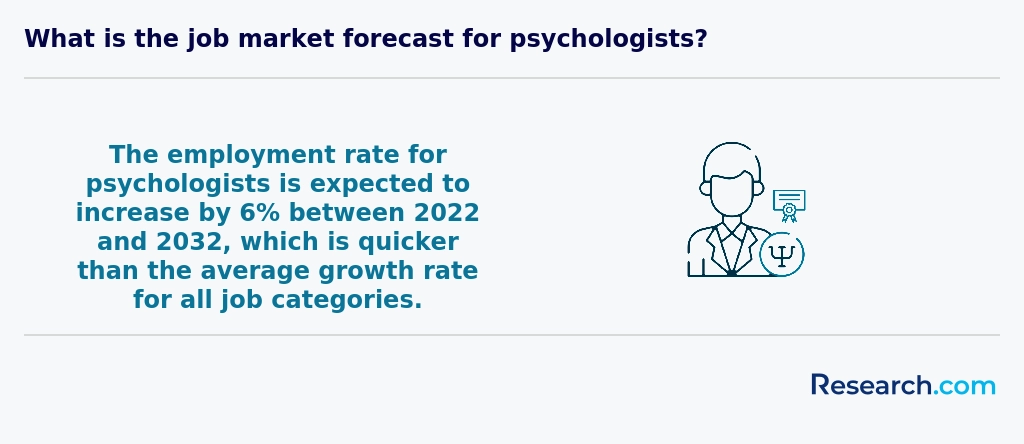
With a steady 6% job growth projection through 2032, the demand for psychology professionals continues to climb, driven by the rise of telepsychology expanding access to remote and rural clients. Online degree holders particularly benefit from this shift, translating their flexible education experience into practical, innovative telehealth services that employers eagerly seek.
Licensure, a critical step post-degree, involves supervised clinical hours and passing the Examination for Professional Practice in Psychology (EPPP), a process well-understood by current graduates navigating these requirements in Missouri. Tuition costs vary widely, but students interested in cost-effective options can explore the Most Affordable Online Bachelor's in Psychology Degree Programs Ranking in Florida for inspiration.
Job prospects for psychology graduates Missouri show that with practical skills and the right preparation, an online psychology degree opens doors to fulfilling careers in a region valuing mental health expertise more than ever.
2027 Most Valuable Online Psychology Degree Programs Ranking in Missouri
Investing in your education is a significant decision that can shape your future, and the Research.com team understands the importance of making informed choices. To assist prospective students in Missouri, we have meticulously developed the "2027 Most Valuable Online Psychology Degree Programs Ranking in Missouri." Our dedication to quality, credibility, and accuracy is evident in the thorough research and analysis undertaken to create this ranking. We utilized the following reputable data sources to ensure a comprehensive evaluation of psychology degree programs:
By exploring this ranking, readers will gain valuable insights into the most valuable online psychology programs available in Missouri, empowering them to make well-informed decisions about their educational paths. For more details on how this ranking was created, please visit our Research.com methodology page.



Frequently Asked Questions About psychology
Online psychology degree students in Missouri can maximize their learning experience by actively engaging with course materials and participating in virtual discussions. Many Missouri institutions offer accredited programs that align with state licensure requirements, so students should ensure their program meets these standards for future career opportunities.
Since Missouri had over 4,000 psychology-related jobs in 2023 according to the U.S. Bureau of Labor Statistics, students benefit from networking through online forums and joining local psychology organizations. Additionally, seeking internships or practicum placements within Missouri's mental health agencies enhances practical skills.
Regular communication with faculty advisors can help tailor coursework to career goals. Utilizing campus resources, even remotely, such as tutoring and writing centers, also supports success.
Emerging niches within the psychology field reflect changes in societal needs and technological advancements. In Missouri, growing demand is seen in areas like telepsychology, which uses digital platforms to provide mental health services remotely. This niche has expanded considerably, especially after the 2020 pandemic. Forensic psychology is another significant area, where Missouri's growing legal system requires experts to assist with criminal cases and legal processes.
Health psychology also gains traction, focusing on how behavior impacts physical health, relevant due to Missouri's emphasis on chronic disease management. Additionally, neuropsychology, dealing with brain-behavior relationships, shows robust growth tied to Missouri's research institutions.
After completing an online psychology degree in Missouri, preparing effectively for the job market is crucial. Graduates should consider obtaining state licensure, which often requires additional supervised experience, especially for clinical roles. The Missouri Division of Professional Registration provides guidelines for licensure and certifications. Networking with local psychology associations, such as the Missouri Psychological Association, can open doors to job opportunities and internships.
Gaining practical experience through internships or volunteer work in community mental health centers is highly beneficial. According to the U.S. Bureau of Labor Statistics, Missouri's demand for psychologists is expected to grow moderately, emphasizing the need for specialized skills. Continuous education and certification in emerging psychology fields can also enhance employability.
Employers in Missouri highly value psychology graduates who possess strong critical thinking and analytical skills. These abilities help professionals assess client needs, interpret behavioral data, and develop effective treatment plans. According to the Missouri Department of Higher Education, graduates with hands-on experience in research methods are more competitive in the job market.
Communication skills-both written and verbal-are essential, as psychologists often need to explain complex concepts clearly to clients and colleagues. Additionally, cultural competence is increasingly important, given Missouri's diverse population. Employers also look for proficiency in ethical decision-making and familiarity with state regulations governing mental health services.
Technological literacy, especially in using data analysis software and telehealth platforms, is gaining prominence. The U.S. Bureau of Labor Statistics notes that psychology-related roles in Missouri are expected to grow by 10% through 2031, increasing demand for these skills.
Finding psychology internships in Missouri requires proactive research and networking. Start by exploring resources offered through your online program, as many universities maintain partnerships with local clinics, hospitals, and mental health organizations. The Missouri Psychological Association provides listings and guidance helpful for students seeking internships.
Contacting university career centers can also help connect you with internship opportunities statewide. Additionally, consider organizations like the Missouri Department of Mental Health, which often offers placements relevant to psychology students.
According to the Missouri Economic Research and Information Center, mental health services are among the fastest growing employment sectors, increasing internship availability.
Obtaining an online psychology degree in Missouri can significantly enhance career mobility and advancement opportunities. According to the Missouri Economic Research and Information Center, jobs in psychology and related mental health fields are projected to grow faster than average through 2030. An accredited online degree equips graduates with the knowledge and credentials required for licensure, which is essential for clinical roles in the state.
Employers in Missouri increasingly recognize online degrees, especially from regionally accredited institutions, as valid qualifications. Graduates often access higher-level positions, such as licensed counselors or behavioral specialists, benefiting from increased earnings and job security.
Moreover, online programs offer flexibility that allows working professionals to upskill without interrupting their careers, fostering gradual advancement in local healthcare and educational settings.
Studying for an online psychology degree in Missouri equips students with skills applicable across various fields, emphasizing interdisciplinary collaboration. Missouri's programs often integrate courses in sociology, biology, and health sciences, reflecting the state's focus on comprehensive education.
According to the Missouri Department of Higher Education, psychology graduates frequently engage in roles that intersect with healthcare, education, and social services. This blend prepares students to work effectively in teams composed of professionals from diverse backgrounds.
Additionally, Missouri's licensing requirements for counselors and therapists often include training in ethics and cultural competence, enhancing graduates' adaptability to interdisciplinary settings.
When choosing between a thesis and a non-thesis online psychology degree program in Missouri, consider your career goals carefully. Thesis programs emphasize original research and are ideal for students aiming for doctoral studies or research roles. Non-thesis programs focus more on practical coursework, preparing graduates for applied positions like counseling or human services. According to the Missouri Department of Higher Education, about 60% of psychology graduates enter applied fields rather than research. Additionally, thesis programs may require more time and self-discipline due to research commitments. Evaluate your interest in research and your intended career path before deciding.
Students based in Missouri who wish to study psychology abroad while pursuing an online degree have several options. Many Missouri universities offering online psychology programs form partnerships with international institutions, allowing credit transfer and occasional study-abroad opportunities. These partnerships are crucial for students wanting global exposure without disrupting their studies.
Additionally, Missouri students can enroll in fully online psychology degrees from U.S. accredited schools that provide global access, enabling study from anywhere while maintaining U.S. standards. Such flexibility is vital as Missouri ranks among states with growing online enrollment, according to the National Center for Education Statistics.
It is important to verify program accreditation and ensure state licensure goals align, especially if students consider international practica or research components. The Missouri Department of Higher Education offers guidance on these matters, ensuring that psychology degrees pursued online remain valid for professional advancement.
Part-time jobs in Missouri can effectively reinforce the skills gained from an online psychology degree. Positions such as behavioral health technicians or psychiatric aides in local hospitals and clinics offer practical experience working with diverse populations. According to the Missouri Department of Mental Health, these roles are often entry points into the field and can provide valuable patient interaction.
Research assistant roles at universities or nonprofit organizations also complement academic studies by enhancing data collection and analysis skills. Missouri boasts several research institutions where such opportunities arise, particularly in St. Louis and Kansas City.
Additionally, positions in rehabilitation centers and social service agencies can develop counseling and case management abilities, pivotal for psychology careers.
Online psychology students in Missouri have access to a variety of networking opportunities designed to enhance their academic and professional growth. Many universities offer virtual events, workshops, and guest lectures featuring professionals from Missouri's psychology community. These activities help students build connections despite geographic barriers.
Additionally, Missouri is home to active chapters of the Missouri Psychological Association and Psi Chi, the International Honor Society in Psychology, which welcome online students. Participation in these organizations can lead to mentorships, internships, and local job prospects.
Students can also leverage online platforms like LinkedIn groups tailored to Missouri psychology professionals to engage in discussions and share resources.
Alumni networks offer significant benefits to students pursuing online psychology degrees in Missouri. These networks provide access to professional connections within the state's psychology community, which can be crucial for internships and job placements. According to the Missouri Psychological Association, networking through alumni often leads to higher employment rates among graduates.
Students can gain mentorship and guidance from experienced professionals who understand the local job market. Alumni also share insights about Missouri's licensure requirements and continuing education options, which helps students prepare for careers as licensed psychologists or counselors.
Engaging with alumni enables students to participate in regional conferences and workshops, expanding their knowledge and visibility.
Customizing an online psychology degree program in Missouri begins with selecting a school that offers diverse specialization options. Many accredited Missouri institutions provide concentrations such as clinical psychology, counseling, or industrial-organizational psychology, allowing students to tailor their coursework to align with specific career goals.
Elective courses and practicum placements can further refine your focus. For example, the Missouri Department of Higher Education reports that programs with flexible curricula help students target fields from mental health counseling to human resources.
Additionally, some online programs offer partnerships with local agencies for internships, which can be critical for hands-on experience and licensure preparation in Missouri.
Online psychology students in Missouri often face challenges balancing coursework with personal and professional responsibilities. Many students report difficulty managing time effectively, as online programs require strong self-discipline and motivation without the regular structure of on-campus classes.
Access to hands-on clinical experiences also poses a challenge. Missouri psychology licensure demands supervised fieldwork hours, which can be harder to arrange remotely compared to traditional students. This can delay licensure timelines or increase the need to find local supervisors.
Technical issues, such as unreliable internet connections or unfamiliarity with learning platforms, further affect student progress. According to the Missouri Department of Higher Education, rural students may experience more connectivity problems, impacting course completion rates.
Lastly, some students feel isolated due to limited face-to-face interaction with peers and faculty, making networking and professional development more difficult in the online format.
With an online psychology degree in Missouri, graduates can pursue several professional certifications to enhance their credentials. One common path is obtaining the Licensed Professional Counselor (LPC) credential, which requires a master's degree, supervised clinical experience, and passing the National Counselor Examination. Missouri's Division of Professional Registration oversees this process.
Additionally, graduates may work toward becoming a Licensed Psychologist, requiring a doctorate, a supervised internship, and passing the Examination for Professional Practice in Psychology (EPPP). For those interested in school settings, the Missouri Department of Elementary and Secondary Education offers certification as a School Psychologist after completing approved education and experience.
These certifications can increase job prospects and credibility in Missouri's growing mental health field, which employed about 19,000 psychologists and counselors in 2023, according to the U.S. Bureau of Labor Statistics.
To write a winning application for an online psychology program in Missouri, begin by thoroughly researching accredited universities, such as the University of Missouri or Missouri State University, that offer online psychology degrees. Highlight your academic achievements and relevant experience clearly, focusing on coursework or work related to mental health or behavioral sciences.
Strong letters of recommendation, preferably from professors or professionals familiar with your psychology interests, significantly strengthen your application. Missouri's Bureau of Labor Statistics reports steady growth in psychology careers statewide, making motivation statements that connect your goals with regional demand particularly effective.
Finally, carefully proofread your essay to present a focused, professional narrative aligned with program values.
Psychology as a career is recognized worldwide for its broad applicability and impact on mental health, behavior, and society. In the United States, including Missouri, psychology professionals are expected to understand both local and global contexts to address diverse populations effectively. According to the U.S. Bureau of Labor Statistics, the demand for psychologists is projected to grow 8% from 2021 to 2031, reflecting a global awareness of mental health needs.
Missouri hosts various psychology programs that emphasize research methods and cross-cultural competence to prepare graduates for international standards. This global perspective helps students work in diverse settings, including healthcare, education, and corporate sectors.
Online psychology degrees in Missouri often include training that aligns with standards of organizations like the American Psychological Association, ensuring graduates can compete in a global job market.
Students pursuing an online psychology degree in Missouri can gain practical experience through internships and practicum placements. Many Missouri universities partner with local healthcare facilities, schools, and mental health organizations to offer remote or in-person opportunities that fulfill degree requirements.
Missouri's Department of Mental Health and the Missouri Psychological Association provide resources to help students connect with licensed professionals for supervised fieldwork. According to the Bureau of Labor Statistics, hands-on experience significantly enhances job prospects in Missouri's growing psychology job market, which is expected to increase by 8% through 2031.
Additionally, virtual internships and research assistant roles at Missouri-based institutions allow students to apply psychological theories and skills while studying, offering flexibility and valuable networking opportunities within the state.
Choosing the right concentration within an online psychology degree in Missouri starts with assessing your career goals. Different specializations-such as clinical, counseling, or industrial-organizational psychology-lead to varied job opportunities and salary ranges. According to the U.S. Bureau of Labor Statistics, clinical psychologists in Missouri earn a median annual wage near $78,000, showing local demand for certain fields.
Consider Missouri's licensing requirements if you wish to become a licensed psychologist. Areas like clinical psychology typically require supervised hours and specific coursework approved by the Missouri Board of Psychology.
Research programs that align with your interests and verify the program's accreditation, as this impacts transferability and licensure eligibility. Reviewing course offerings and faculty expertise helps you find a program that supports your professional objectives.
- 2027 Most Valuable Online Psychology Degree Programs Ranking in Kansas
- 2027 Most Valuable Online Psychology Degree Programs Ranking in Texas
- 2027 Most Valuable Online Psychology Degree Programs Ranking in Florida
- 2027 Most Valuable Online Psychology Degree Programs Ranking in Virginia
- 2027 Most Valuable Online Psychology Degree Programs Ranking in Pennsylvania
- 2027 Most Valuable Online Psychology Degree Programs Ranking in New York
- 2027 Most Valuable Psychology Degree Programs Ranking in Kansas
- 2027 Most Valuable Psychology Degree Programs Ranking in Nebraska
- 2027 Most Valuable Psychology Degree Programs Ranking in Oklahoma
- 2027 Most Valuable Psychology Degree Programs Ranking in Illinois
See What Experts Have To Say About Studying Psychology
Read our interview with Psychology experts

Elizabeth L. Jeglic Ph.D.
Psychology Expert
Professor of Psychology
City University of New York

Joann Farrell Quinn, Ph.D., MBA
Psychology Expert
Director at the College of Medicine Department of Medical Education
Morsani College of Medicine

Robin M. Kowalski. Ph.D.
Psychology Expert
Professor of Psychology
Clemson University

- What Certifications Can I Get With A Bachelor's In Psychology? https://www.psychology.org/resources/certification-skills-for-psychology-major-resumes/
- Online Psychology Degrees | University of Phoenix https://www.phoenix.edu/online-psychology-degrees.html
- Online Psychology Degree Salary by Career Path: What the Data Actually Shows in 2026 https://www.collegetransitions.com/blog/online-psychology-degree-salary-by-career-path/
- Study Psychology Abroad | Go Overseas https://www.gooverseas.com/study-abroad/psychology
- Missouri Psychology Schools | Psychology Degree Guide https://psychologydegreeguide.org/state/missouri/
- Ontario Psychological Association - Networking and Community Resources https://www.psych.on.ca/become-a-member-(1)/member-services/networking-and-community-resources
- Psychology Unveiled: Fields and History - Virtual Work Experience | Springpod https://www.springpod.com/virtual-work-experience/psychology-unveiled-fields-and-history-virtual-work-experience/WEXP-00025
- The Role of Psychology in Career Development and Planning https://psyvanta.com/the-role-of-psychology-in-career-development-and-planning/
- Best Missouri Psychology Degrees Updated for 2025, Online Included https://www.psychologydegrees.org/state/missouri
- 2025 Most Popular Online Psychology Degrees in Missouri https://www.onlineu.com/degrees/psychology/missouri


