2027 Fastest Online Psychology Degree Programs Ranking in Ohio

Co-Founder and Chief Data Scientist
Choosing the right psychology degree program can shape your future career and open doors to meaningful opportunities. For Ohio students eager to advance quickly, knowing which online programs stand out is essential.
This article features the 2027 Fastest Online Psychology Degree Programs Ranking in Ohio, developed by the Research.com team of data scientists. It offers clear insight into which programs provide quality education with speedy completion times.
Reading this guide will help you make an informed, confident choice on the path to earning your psychology degree and pursuing your passion.
Key benefits of getting online psychology degree in Ohio
- Salary: Psychology degree graduates in Ohio can pursue roles like Human Resources Specialist with a mean annual wage of $76,060 or Marketing Research Analyst earning around $83,190 per year, offering solid financial prospects.
- Career paths: Graduates from Ohio State University frequently work as Clinical Research Associates or Survey Researchers, reflecting diverse opportunities in research, counseling, and organizational roles.
- Online degree benefits: Earning a psychology degree online from institutions like University of Cincinnati allows flexible schedules and reduces commuting time, making education more accessible and convenient without sacrificing quality.
- 2027 Fastest Online Psychology Degree Programs Ranking in Ohio
- What can I expect from online psychology degree in Ohio?
- Where can I work with online psychology degree in Ohio?
What can I expect from online psychology degree in Ohio?
Looking at the cost of online psychology degrees in Ohio, you'll find it's pretty reasonable, especially if you're an Ohio resident. Many state schools like Ohio University and Kent State offer online programs with lower in-state tuition that won't break the bank. Graduates often share how relieved they felt knowing their education was affordable without sacrificing quality, which helped them focus more on their studies and less on stressing about money.
For example, students at Ohio University have noted that the pricing felt fair compared to more expensive programs elsewhere, and having flexible payment options made managing tuition even easier. Plus, since many programs are partly online, you save on commuting and housing costs, adding up to even more savings.
So, if you're juggling work or family, Ohio's online psychology degrees offer solid education at prices that make it doable, all while getting you ready for your career goals without unnecessary financial strain.
Where can I work with online psychology degree in Ohio?
If you earn an online psychology degree in Ohio, you'll find a bunch of cool places to work depending on your level. For example, graduates with a bachelor's often jump into roles like behavioral health aides or rehab specialists, often in social services or marketing gigs. It's pretty neat because Ohio's behavioral health field is growing steadily, so jobs aren't exactly hard to find.
Say you go further and get a master's degree-you can become a licensed counselor or social worker, working in schools, hospitals, or community centers. Ohio's licensing board will want you to rack up some supervised hours first, but once you do, opportunities open up to work independently or in private practices.
And if you push through with a doctoral degree, you're looking at careers as licensed psychologists, with real clinical or therapy work, earning salaries north of $90K in Ohio. Lots of grads from places like The Ohio State University are loving this path, especially with the chance to do research or work in hospitals around Cincinnati.
Aside from clinical stuff, Ohio psychology grads also land jobs in government or corporate sectors, diving into organizational behavior or data analysis-so your degree really can open several doors.
Wondering how much you can make with an online psychology degree in Ohio? Well, graduates often jump into roles like human resources specialists, marketing research analysts, or clinical research associates-all of which have solid pay. For example, human resources specialists earn about $76,060 a year, while marketing research analysts make a bit more, around $83,190 annually. Clinical research associates usually pull in about $62,370 yearly.
Many Ohio grads, especially those from schools like Ohio State or the University of Cincinnati, find that their degree opens doors to these jobs where the pay matches well with the work involved. One graduate shared how working as a marketing research analyst in Columbus lets them combine their psychology skills with a love for data, and the $83K salary definitely sweetens the deal.
If you lean towards clinical research, Ohio's growing healthcare scene means plenty of options with a decent paycheck, around $62K a year. Plus, Ohio's job market keeps expanding, so fresh grads have plenty of chances to land good positions close to home.
- Ohio offers fully online psychology programs at accredited universities, from bachelor's to advanced graduate degrees.
- Tuition for an online bachelor's degree in psychology typically ranges from $10,000 to $18,000 per year for in-state students, with public universities generally being less expensive.
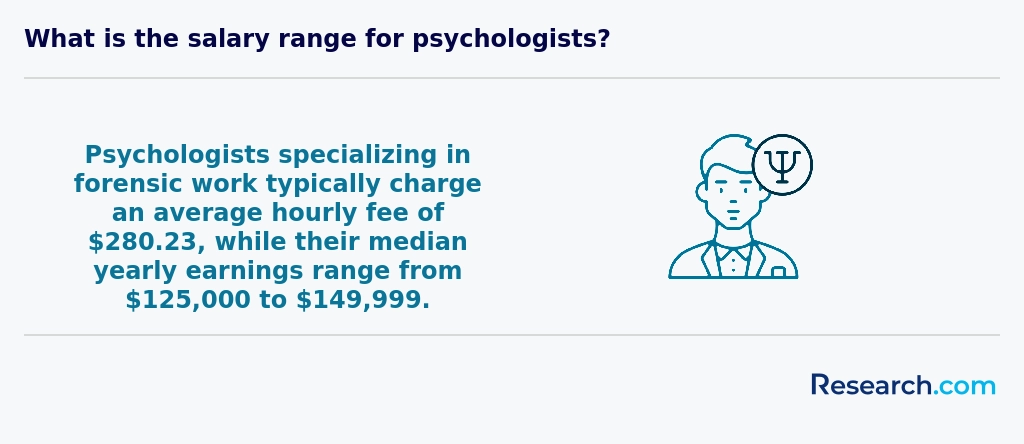
- Entry-level psychology graduates can expect salaries between $40,000 and $50,000, while those with advanced degrees often earn $70,000 or more annually.
- Licensed clinical psychologists in Ohio can earn median salaries of about $80,000 or higher depending on their experience and work setting.
- Employment in psychology-related fields in Ohio is projected to grow by 10% in the next decade, outpacing average job growth rates.
- Licensure for clinical psychologists in Ohio requires a doctoral degree, supervised clinical hours, and passing the EPPP exam; online programs should meet these state requirements.
If you're thinking about an online psychology degree in Ohio, most students finish their bachelor's in around four years if they're studying full-time. Graduates from popular schools like Ohio State or University of Cincinnati often talk about how flexible scheduling helped them juggle work and family while still staying on track. If you're part-time, it might take a bit longer-sometimes up to six years-but that's totally normal and okay if you've got other commitments.
Some folks choose accelerated programs at schools with year-round courses, wrapping up in three years by taking summer classes too. For example, students at Wright State appreciate that option because it lets them dive into their careers sooner.
Associate degrees usually take about two years and are perfect if you want a quick start before moving on to a bachelor's later. Master's programs in Ohio often take two to three years and mix research and hands-on work.
And if you've got college credits from before, you might chop some time off your degree. It's always a plus when you can fast-track your way through!
If you're weighing online versus on-campus psychology degrees in Ohio, it mostly comes down to how you like to learn and manage your time. Online programs, like those some graduates from Ohio State University have tried, offer the freedom to study whenever and wherever. Imagine fitting your coursework around your job or family-logging in late at night after the kids are asleep or between shifts. It's super convenient, especially if you live far from schools like Kent State or Miami University.
On the flip side, on-campus degrees give you that classic college vibe. Graduates from the University of Cincinnati often talk about the buzz of real-time discussions, quick feedback from professors, and easy access to campus labs and counseling centers. There's something rewarding about diving into research labs or joining study groups face-to-face, which online programs sometimes can't fully replicate.
Both routes in Ohio meet licensure needs, with online learners typically doing internships at local clinics to get that hands-on experience. It's about what fits your schedule and learning style best while still meeting Ohio's psychology licensing standards.
The average cost of an online psychology degree in Ohio usually falls around $38,000 in total, though it can vary quite a bit depending on whether you're in-state or out-of-state. For Ohio residents, the typical in-state total cost for earning a psychology degree online is about $65,880, while out-of-state students might see costs closer to $45,255. These numbers reflect tuition, fees, and everything packed into getting your degree from schools known for their solid psychology programs.
Many psychology students from popular universities like Ohio University or Kent State University often share how they felt the cost was manageable when they factored in state scholarships and financial aid, which created a more positive and hopeful outlook on paying for their education. For example, Kent State's pricing generally comes out around $350 per credit hour for Ohio residents, translating to about $14,000 to $16,000 for finishing a bachelor's, making it a real budget-friendly option if you plan well ahead.
If you're particularly budget-conscious, you might want to check out the cheapest psychology schools in ohio, where many students have reported good experiences balancing quality learning with reasonable costs. Thinking about the average cost of online psychology degree Ohio programs this way can help ease stress and make your goals feel more within reach.
While costs vary, the Ohio online psychology degree tuition fees often include some extra charges like technology or distance learning fees, so it's really smart to look at the complete breakdown before making decisions. Many graduates recall how these details helped them set expectations and avoid surprises during their studies.
When you're aiming for an online psychology degree in Ohio, financial aid can feel like a real lifesaver. Many students from schools like Ohio State or Miami University have found federal aid, starting with filling out the FAFSA, to be their first stop. This opens doors to Pell Grants that can give you up to $7,395 a year-big help when tuition runs between $10,000 and $15,000 for in-state students.
State aid like the Ohio College Opportunity Grant also steps in, offering about $2,000 to eligible students. Many graduates mention how this trimmed down their bills significantly. Plus, institutions themselves throw in scholarships-often merit-based or for special groups like veterans-and those can really make a difference for Ohio residents.
Don't forget tax perks like the Lifetime Learning Credit, which can knock up to $2,000 off your costs, or employer tuition assistance programs that some students tap into while juggling work and study. It's all about mixing these options to make your degree journey easier, just like many Ohio online psych students have shared.
If you're thinking about diving into an online psychology degree in Ohio, here's the lowdown on what you'll usually need to get started. For most undergraduate programs, like those at popular schools such as Ohio State University or University of Cincinnati, having a high school diploma or GED is the first step. Graduates often mention how submitting official transcripts and meeting GPA requirements-usually around 2.5 to 3.0-felt pretty manageable once they got organized.
Some programs might ask for standardized test scores like the SAT or ACT, but plenty now let you skip those, which is a relief for many students juggling work or family. You'll also often have to write a personal essay explaining why psychology excites you-many grads found this a great way to share their passion and stand out.
For graduate programs, say a master's at Kent State or Bowling Green State University, things get a bit more specific. You'll need a bachelor's degree with a solid GPA, usually 3.0 or above, and sometimes coursework in psychology basics or stats. Some grads appreciated schools waiving GRE scores if they had relevant work experience, making the process less stressful.

If you're diving into an online psychology degree in Ohio, you'll find a solid mix of courses that really break down how our minds work and why we act the way we do. Graduates from popular schools like Ohio State and Kent State often share how their first classes, like Introduction to Psychology, opened their eyes to topics like cognitive processes and human development-stuff that feels super relevant when you think about your own life or family. Then, you'll get into research methods and stats, which might sound tricky but actually help you understand how psychologists figure out what's really going on behind behaviors.
Most programs also include courses like biopsychology, which looks at how your brain controls everything, or social psychology, where you learn why people act differently in groups. For many, ethics classes stand out because they focus on respecting confidentiality-something super important if you're thinking about counseling down the road.
Some students loving their programs say electives like forensic psychology or industrial-organizational psychology let them chase personal interests, making their degree feel custom-made just for them. These courses are designed to fit Ohio's licensing rules, whether you're aiming to be a counselor or a researcher.
When exploring online psychology degree specializations Ohio offers, you'll find a bunch of cool options that fit different interests and career goals. For example, clinical psychology is a favorite among students who want to work directly with mental health treatment-graduates often share how rewarding it feels to help people through tough times. Counseling psychology is somewhat similar but focuses more on emotional support, which many find personally fulfilling. If you're more into the business side, industrial-organizational psychology teaches how to improve work environments, and many students at popular Ohio schools love applying what they learn to real companies around the state.
Another interesting path is forensic psychology, where grads talk about the thrill of combining psychology with criminal justice-helping law enforcement better understand offenders. Developmental psychology is also big, especially for those interested in education or healthcare, a popular choice thanks to Ohio's supportive online programs. These Ohio psychology degree focus areas online really give you flexibility, letting you study while juggling life. If you want to compare options beyond Ohio, check out what is the best texas psychology degree online for a wider perspective.
Picking the best online psychology degree in Ohio means paying close attention to a few key things. Graduates from popular schools like Ohio State University or University of Cincinnati always highlight how important accreditation is-programs approved by groups like the Higher Learning Commission ensure you're actually getting quality education that counts toward licensure. Plus, look for programs offering some flexibility in courses, so you can explore areas like clinical or industrial-organizational psychology that really spark your interest.
Cost plays a big role too-many students find affordable psychology degrees Ohio online are a great way to keep expenses manageable without sacrificing quality. Some programs even let you work at your own pace with asynchronous classes, which really helps if you're juggling work or family.
To get a feel for what's right for you, check out stories and options about online degrees in psychology in Ohio. Those real experiences often shine a light on helpful support services like career counseling and technical help that make a big difference along the way.
If you're eyeing an online psychology degree in Ohio, you've got some really cool career options ahead. Graduates from Ohio State, University of Cincinnati, and other popular schools often dive straight into roles like licensed mental health counselors or therapists. These jobs usually require a master's or doctoral degree plus supervised hours, but they're super rewarding for anyone passionate about making real change. Ohio's job market is buzzing with opportunities, especially because the demand for licensed counselors is expected to soar by about 20%.
Beyond therapy, many Ohio grads find exciting roles as behavioral health specialists or substance abuse counselors, working in settings like rehab centers or hospitals. Others lean into education, becoming school psychologists or educational counselors-though they might need some extra certifications for public schools. Plus, if you're more into the business side, Ohio companies love hiring psychology graduates for human resources and organizational roles that don't always need clinical licenses. It's all about matching your passion with what fits you best.
Curious about the cost and career possibilities? Check out the Inexpensive Online Psychology Degree Programs Ranking in Kansas to get a sense of savings and options nearby. Real graduates often share how these pathways helped them land fulfilling jobs with salaries around $80,000 in Ohio, making the journey totally worth it.
The job prospects for online psychology graduates in Ohio are pretty solid, especially if you're eyeing positions in healthcare, education, or social services. Graduates from popular schools like Ohio State University and University of Cincinnati often share how their online degrees opened doors to roles in counseling and human resources across cities like Columbus and Cleveland. Ohio's steady demand means you won't have to worry too much about finding a position, and many say the state's focus on mental health awareness really helps create opportunities beyond the usual clinical settings.
For those looking at Ohio online psychology degree career opportunities, the expected growth in jobs fits nicely with practical needs in community centers and schools. Salaries might be a bit lower than in some other states, but the cost of living and quality of life in Ohio balance it out pretty well. Also, some graduates explore alternative pathways, including doctorate programs without dissertation, to advance quicker in their careers.
2027 Fastest Online Psychology Degree Programs Ranking in Ohio
Investing in your education is a significant decision that can profoundly impact your future, and the Research.com team is fully aware of the importance of making well-informed choices. To guide prospective students seeking fast online psychology degrees in Ohio, we have carefully developed the "2027 Fastest Online Psychology Degree Programs Ranking in Ohio." Our dedication to quality, credibility, and accuracy is demonstrated through rigorous research and detailed analysis.
We utilized the following reputable data sources to ensure a comprehensive and reliable evaluation of programs:
By reviewing this ranking, readers will gain valuable insights into the fastest online psychology degree options in Ohio, enabling them to choose programs that align with their educational and career goals. For more detailed information about the creation of this ranking, please visit our Research.com methodology page.



Frequently Asked Questions About psychology
Students pursuing online psychology degrees in Ohio can maximize their learning by engaging actively with course materials and utilizing campus resources offered virtually. Participating in discussion boards and group projects helps deepen understanding and builds professional networks. Ohio's universities, like Ohio State and University of Cincinnati, often provide online tutoring and library access, which are valuable for research and study.
Internships and practicum opportunities, though competitive, are vital for hands-on experience, especially in Ohio's growing mental health sector. Students should seek local agencies approved for supervised clinical hours. According to the Ohio Psychological Association, networking within these organizations supports career development.
Time management and regular communication with professors are crucial to stay on track in asynchronous courses, ensuring students meet deadlines and clarify concepts promptly.
Ohio's psychology field is expanding rapidly, with several emerging niches attracting attention. One notable area is neuropsychology, which studies how brain injuries and neurological conditions affect behavior. The demand for neuropsychologists in Ohio is expected to grow by 11% through 2030, according to the Ohio Department of Jobs and Family Services.
Another developing specialty is forensic psychology, where practitioners work with legal systems to evaluate and assist offenders and victims. Ohio courts increasingly rely on such experts for mental health assessments.
Additionally, industrial-organizational psychology is gaining traction as Ohio businesses seek to improve employee well-being and productivity through psychological principles. The Bureau of Labor Statistics notes that overall psychologist jobs in Ohio are projected to increase 10% by 2030.
Telepsychology is also on the rise, accelerated by the COVID-19 pandemic. Online therapy and consultation are becoming standard, opening new career pathways within psychology degrees focused on digital platforms.
After completing an online psychology degree in Ohio, preparing for the job market involves several strategic steps. First, gaining relevant experience through internships or practicum placements is essential, as Ohio employers value hands-on skills alongside academic credentials. According to the Ohio Board of Psychology, licensed professionals typically need supervised experience to advance.
Networking within Ohio's psychology community, including local chapters of the American Psychological Association, can open doors to job opportunities and mentorship. Additionally, graduates should consider obtaining state licensure if they plan to practice clinically, which requires passing the Examination for Professional Practice in Psychology (EPPP).
Building a strong resume that highlights specialized skills, such as knowledge in behavioral therapy or research methods, improves employability. Ohio's job market for psychology professionals is expected to grow steadily, with a projected 10% increase in demand by 2029 per the U.S. Bureau of Labor Statistics, emphasizing the importance of continuous education and certification.
Employers in Ohio seeking graduates with online psychology degrees prioritize strong analytical and critical thinking skills. These abilities are essential for interpreting research and applying psychological theories in practical settings. Communication skills, both written and verbal, rank highly as well since psychologists must explain complex concepts clearly to clients and colleagues.
Interpersonal skills are crucial, especially for roles involving client interaction or teamwork. According to the Ohio Board of Psychology, ethical judgment and cultural competence are increasingly valued due to the state's diverse population. Additionally, proficiency in statistical software and data analysis tools is a significant asset, as many positions require handling research data.
Finding psychology internships in Ohio involves several strategic steps tailored to the state's educational and professional landscape. Start by exploring university career centers, which often list local and virtual internship opportunities aligned with psychology programs.
Ohio houses over 60 accredited institutions offering psychology degrees, making their internship portals valuable resources. Additionally, check with professional organizations like the Ohio Psychological Association, which sometimes posts internships or offers networking events to connect students with potential placements.
Many internships in Ohio occur in healthcare settings, schools, or mental health agencies. According to the Bureau of Labor Statistics, Ohio had over 10,000 psychology-related jobs in 2023, indicating diverse internship possibilities across sectors. Early application and consistent follow-up enhance chances of securing a position relevant to your online psychology degree.
Obtaining an online psychology degree in Ohio significantly enhances career mobility and advancement opportunities. According to the Ohio Board of Psychology, licensure requirements typically include at least a master's degree, making online graduate programs a practical route for many working professionals.
Ohio's growing demand for mental health professionals-projected to increase by over 20% through 2030 per the U.S. Bureau of Labor Statistics-supports upward career movement in clinical, counseling, and school psychology fields. Online degrees allow students to maintain employment while earning credentials, providing flexibility essential for career progression.
Moreover, many Ohio employers recognize accredited online degrees, facilitating eligibility for higher-paying roles and specialized certifications. This alignment with workforce needs ensures graduates can advance into leadership or specialized positions within the state.
Studying for a psychology degree in Ohio equips students with knowledge applicable across multiple disciplines such as healthcare, education, and business. Ohio universities align their curricula with guidelines from the American Psychological Association, emphasizing critical thinking and research skills essential for interdisciplinary work.
Many programs include coursework in statistics, neuroscience, and counseling, helping students gain expertise Beyond traditional psychology roles. According to the Ohio Department of Higher Education, over 60% of psychology graduates find employment in diverse settings requiring collaboration with professionals in social services, healthcare, and law enforcement.
Online degree options also incorporate real-world case studies and internships, allowing learners to engage with various sectors remotely, preparing them effectively for multifaceted careers.
When choosing between a thesis and a non-thesis psychology degree program in Ohio, consider your career goals and learning preferences. A thesis program typically requires original research and a written dissertation, which is ideal for students aiming for doctoral studies or research careers. Non-thesis programs often focus on coursework and practical skills, suiting those pursuing clinical practice or immediate employment.
According to the Ohio Department of Higher Education, approximately 60% of psychology graduates in the state pursue non-thesis options, reflecting local job market demands. Online programs often clearly outline these paths, so reviewing curriculum details helps in making an informed decision.
Students based in Ohio who wish to study psychology abroad have several options, although these typically involve enrolling in online programs offered by international universities. Many Ohio-based students look for accredited programs that align with U.S. educational standards, ensuring credit transferability and eligibility for licensure. The Council for Higher Education Accreditation (CHEA) and U.S. Department of Education list recognized institutions that can be considered.
Due to Ohio's strong emphasis on licensing requirements by the Ohio Board of Psychology, students must verify that foreign programs meet these criteria to practice locally. Partnerships between Ohio universities and foreign institutions occasionally offer study-abroad components combined with online coursework.
While direct enrollment in foreign campuses is rare, virtual exchange programs are increasingly available. These allow Ohio students to benefit from international curricula without leaving home, reducing costs and travel barriers. According to the National Center for Education Statistics, about 1.5% of Ohio psychology students pursue degrees that include international study experiences.
Ohio offers various part-time job opportunities that complement online psychology degree education. Positions such as mental health technician, case manager assistant, and behavioral health aide provide practical experience alongside academic studies. These roles often involve working with clients in hospitals, community centers, or non-profit organizations.
According to the Ohio Department of Job and Family Services, the mental health and substance abuse sector is expected to grow by 10.3% through 2030, indicating increased demand for workers with psychology knowledge.
Additionally, research assistant roles at universities or private organizations offer valuable exposure to psychological studies and data analysis.
Online psychology students in Ohio have several networking opportunities to enhance their academic and professional journey. Many universities offering online degrees provide virtual events, workshops, and career fairs that connect students with faculty, alumni, and local professionals. Organizations such as the Ohio Psychological Association (OPA) offer membership to students, providing access to conferences, webinars, and local chapter meetings.
Additionally, Ohio's proximity to major cities like Columbus and Cleveland allows online students to engage in in-person internships and volunteer positions, often crucial for psychology careers. Universities often facilitate connections with local agencies, clinics, and research centers to support practical experience.
According to the National Center for Education Statistics, Ohio has steadily increased enrollment in online psychology programs, reflecting growing local demand and expanding community networks.
Alumni networks provide valuable support for online psychology degree students in Ohio by fostering professional connections and mentorship opportunities. Graduates can access Ohio-specific job openings and internships through these networks, which are crucial in a state where psychology-related employment is projected to grow by 11% through 2031, according to the U.S. Bureau of Labor Statistics.
These networks also encourage knowledge sharing about licensure processes governed by the Ohio Psychological Association, helping students navigate state-specific requirements. Furthermore, alumni connections can assist in building a professional reputation through local psychology organizations and events, enhancing career prospects within Ohio's mental health landscape.
Ohio offers a variety of online psychology degree programs that allow students to tailor their studies to meet specific career objectives. Many institutions provide elective courses focusing on areas like clinical psychology, counseling, or organizational behavior. Students can select these electives based on their desired career path.
Additionally, some programs include practicum or internship options within Ohio, giving practical experience relevant to state licensing requirements. This is especially important for those aiming to become licensed psychologists or counselors in Ohio, where specific supervised hours are mandated by the Ohio Board of Psychology.
According to the Ohio Department of Higher Education, nearly 40% of psychology graduates pursue specialized certification, emphasizing the value of customizable curricula.
Online degree seekers should consult academic advisors early to align course choices with licensure and job market demands in Ohio.
Online psychology students in Ohio often face challenges related to balancing coursework with personal and professional responsibilities. Many are working adults, making time management a crucial skill. According to the Ohio Board of Regents, nearly 40% of online students in the state juggle full-time jobs alongside their studies.
Another challenge is gaining practical experience. Psychology degrees require fieldwork or internships, which can be difficult to arrange remotely. Ohio's licensing boards emphasize supervised experience, which may require creative solutions for online learners.
Technology access and digital literacy also impact student success. Not all students have reliable internet or familiarity with online platforms, a barrier identified in a 2023 Ohio student survey by the National Center for Education Statistics.
Finally, limited interaction with peers and instructors can affect motivation and understanding in a field reliant on discussion and collaboration.
With an online psychology degree in Ohio, graduates can pursue various professional certifications to enhance their career opportunities. Common certifications include becoming a Licensed Professional Clinical Counselor (LPCC) or Licensed Independent Social Worker (LISW), both regulated by the Ohio Counselor, Social Worker, and Marriage and Family Therapist Board.
For those interested in school settings, certification as a Licensed School Psychologist requires additional supervised experience and passing the National School Psychology Examination.
Ohio also offers certification for Certified Alcohol and Drug Counselors (CADC), which benefits psychology graduates focusing on addiction counseling. Requirements often include coursework, supervised hours, and exams.
These credentials typically require a master's degree or higher and vary in experience prerequisites. For accurate, updated details, consult the Ohio Psychology Board and related licensing entities.
To write a winning application for an online psychology program in Ohio, start by showcasing your academic readiness. Highlight any psychology-related coursework or relevant experience. Ohio's universities often expect a strong GPA, typically above 3.0, and relevant prerequisites. Including a well-crafted personal statement can make a difference; clearly explain why you choose psychology and how the program aligns with your career goals.
Be sure to obtain strong letters of recommendation from instructors or employers who can attest to your skills and commitment. According to the Ohio Board of Regents, programs value candidates who demonstrate both academic potential and practical insight.
Psychology careers in Ohio reflect broader trends seen across the United States, highlighting growing demand for mental health professionals worldwide. According to the U.S. Bureau of Labor Statistics, employment of psychologists is projected to grow 6% from 2021 to 2031, aligning with global increases tied to awareness of mental health's importance.
Ohio offers diverse opportunities in clinical, counseling, and industrial-organizational psychology, supported by nationally accredited programs accessible online. This accessibility mirrors a global trend toward flexible learning models.
The World Health Organization emphasizes the need for skilled psychologists to address mental health challenges globally, underscoring the value of such degrees from Ohio's institutions. Local demand is strong, with Ohio ranking in the top 15 states for psychology employment.
Gaining practical experience while studying for an online psychology degree in Ohio is essential for career preparation. Many accredited Ohio universities require students to complete internships or practicum placements as part of their curriculum. These experiences often happen at local hospitals, community agencies, or counseling centers, giving students real-world exposure.
Students can also seek volunteer opportunities in mental health organizations across Ohio. According to the Ohio Psychological Association, these roles help develop critical skills like client communication and assessment. Additionally, some programs offer virtual simulations to complement in-person experiences.
Licensure requirements in Ohio emphasize supervised hours, so early practical involvement benefits future credentialing.
Choosing the right concentration within an online psychology degree program in Ohio requires understanding your career goals and interests. Ohio offers concentrations such as clinical, counseling, industrial-organizational, and developmental psychology across many accredited institutions. According to the Ohio Board of Psychology, clinical and counseling psychology remain the most in-demand areas, with a 12% projected job growth through 2030.
Research labor market data from Ohio's Department of Job and Family Services to identify which specialties have the strongest local demand. Consider if you want to pursue licensure as a psychologist or work in related fields like human resources or education, as concentrations align differently with professional paths. Also, evaluate course flexibility and support services offered by the online program.
- 2027 Fastest Online Psychology Degree Programs Ranking in Indiana
- 2027 Fastest Online Psychology Degree Programs Ranking in Kentucky
- 2027 Fastest Online Psychology Degree Programs Ranking in West Virginia
- 2027 Fastest Online Psychology Degree Programs Ranking in Pennsylvania
- 2027 Fastest Online Psychology Degree Programs Ranking in Michigan
- 2027 Fastest Online Psychology Degree Programs Ranking in Illinois
- 2027 Fastest Online Psychology Degree Programs Ranking in Virginia
- 2027 Fastest Online Psychology Degree Programs Ranking in Tennessee
- 2027 Fastest Online Psychology Degree Programs Ranking in Missouri
- 2027 Fastest Online Psychology Degree Programs Ranking in Maryland
See What Experts Have To Say About Studying Psychology
Read our interview with Psychology experts

Joann Farrell Quinn, Ph.D., MBA
Psychology Expert
Director at the College of Medicine Department of Medical Education
Morsani College of Medicine

Elizabeth L. Jeglic Ph.D.
Psychology Expert
Professor of Psychology
City University of New York

Robin M. Kowalski. Ph.D.
Psychology Expert
Professor of Psychology
Clemson University

- Society for the Teaching of Psychology https://teachpsych.org/page-1784686/8675326
- Explore Psychology Degrees Online | Psychology.org https://www.psychology.org/online-degrees/
- Know more about thesis vs non- thesis: what is the difference? https://studyfans.com/en/blogs/816
- Mental Health Challenges Faced by Psychology Students | The Healthcare Guys https://healthcareguys.com/2023/11/23/mental-health-challenges-faced-by-psychology-students/
- 2025 Best Online Psychology Degrees in Ohio https://www.onlineu.com/degrees/psychology/ohio
- Call for papers https://www.hogrefe.com/us/journal/international-perspectives-in-psychology-research-practice-consultation
- Ohio University to debut online master's in psychological ... https://www.chillicothegazette.com/story/news/local/2026/05/22/ohio-university-online-ms-psychological-science-2026/90157473007/
- Study Psychology Abroad https://astarfuture.co.uk/study_psychology_abroad.html
- Online Bachelor's in Psychology Program | Ursuline - Liberal Arts College in OH https://www.ursuline.edu/academics/programs/accelerated-online-bachelors-degree-in-psychology
- Psychology Online Degree Pathway https://www.learndirect.com/course/psychology-online-degree