
2027 Fastest Online Psychology Degree Programs Ranking in Illinois

Co-Founder and Chief Data Scientist
Choosing the right psychology degree program is an important step toward a meaningful and rewarding career. If you're in Illinois and looking for fast, reliable options, this article is here to help.
It features the 2027 Fastest Online Psychology Degree Programs Ranking in Illinois, carefully created by the Research.com team of data scientists. This ranking is designed to guide you through the best programs that combine speed and quality.
By reading, you'll gain valuable insights to make an informed choice and take confident steps toward your future in psychology.
Key benefits of getting online psychology degree in Illinois
- Graduates with a psychology degree in Illinois can earn competitive salaries, such as Human Resources Specialists making around $76,060 annually and Marketing Research Analysts earning about $83,190 per year.
- A psychology degree opens doors to diverse careers, including clinical research, survey analysis, and childcare, demonstrating flexible options for graduates from institutions like the University of Illinois.
- Completing a psychology degree online, for example from Northern Illinois University, offers the benefit of studying at your own pace while balancing work or family life, making education more accessible and enjoyable.
- 2027 Fastest Online Psychology Degree Programs Ranking in Illinois
- What can I expect from online psychology degree in Illinois?
- Where can I work with online psychology degree in Illinois?
What can I expect from online psychology degree in Illinois?
The average cost of an online psychology degree in Illinois varies widely depending on the institution and degree level, but students often find themselves budgeting between $10,000 and $30,000 for a bachelor's program at public universities. For example, graduates from well-known public universities appreciate the affordability combined with accredited programs meeting Higher Learning Commission standards. In contrast, private colleges may charge higher tuition, sometimes exceeding $40,000, yet offer more personalized support and networking opportunities that many students value highly.
Many graduates recall feeling reassured knowing their tuition supported programs aligned with American Psychological Association guidelines, especially those pursuing advanced degrees, which often require additional expenses for practicum placements or licensure preparation in Illinois.
One common positive experience echoes the flexible pacing of asynchronous courses, allowing students to balance work or family obligations without sacrificing quality. However, some share that unexpected costs, like fees for proctored exams or technology, can add up, emphasizing the importance of thorough financial planning before enrolling.
Where can I work with online psychology degree in Illinois?
Graduates with an online psychology degree from institutions such as the University of Illinois or DePaul University often find diverse employment opportunities throughout the state. Those holding a bachelor's degree typically enter roles in social services or support positions within community centers and rehabilitation programs, where they directly impact individuals facing daily challenges.
Master's degree holders gain access to roles like licensed professional counselors or school psychologists, working closely with children or adults in schools and counseling centers. These roles require certifications reflecting Illinois-specific regulations, which some graduates find initially demanding but ultimately rewarding when helping clients achieve personal growth.
Doctoral graduates often pursue licensure to work as clinical psychologists in settings ranging from private practices to hospitals, addressing complex mental health needs in urban and rural Illinois. Graduates frequently share how practical experiences in Chicago's healthcare facilities enrich their understanding of diverse populations.
Others find fulfilling careers outside traditional clinical paths-in business, marketing, or higher education-where their knowledge of behavior nuances supports organizational success. These varied pathways reflect the adaptability of psychology graduates navigating Illinois' dynamic job market.
Graduates with an online psychology degree in Illinois often find entry-level salaries ranging from about $32,000 to $76,000 annually, depending on their chosen career path and education level. For example, those working as childcare workers or research associates might expect salaries near $32,070 to $62,370, reflecting roles typically secured soon after earning a bachelor's degree.
Many Illinois graduates from institutions like the University of Illinois or DePaul University share positive experiences transitioning into roles such as clinical research associates or survey researchers, earning around $62,370. Others pursuing careers as marketing research analysts enjoy higher average wages approximately $83,190, which reflects the interdisciplinary nature of psychology combined with market analysis skills.
Those aiming for human resources roles can anticipate mean annual wages near $76,060, demonstrating the versatility of a psychology degree at popular colleges like Northern Illinois University. However, actual earnings fluctuate according to factors such as work setting and additional credentials.
Considering these figures, graduates often feel encouraged about their financial potential but remain aware that further specialization or graduate education can significantly impact income in Illinois's diverse psychology-related fields.
- Online psychology degrees in Illinois cover core topics like developmental, cognitive, and behavioral psychology.
- Bachelor's degree programs cost between $15,000 and $35,000 total, with public universities offering lower in-state tuition.
- Master's programs cost $8,000 to $25,000 per year depending on the school and program length.
- Starting salaries for psychology graduates average around $45,000 annually, increasing to about $80,000 or more for licensed specialists.
- Illinois employs over 15,000 mental health professionals with a projected 7% job growth in psychology roles over the next decade.
- Licensure requires accredited degree completion, supervised experience, and passing exams; many programs offer internships to meet these needs.
Completing an online psychology degree in Illinois generally takes between two and seven years, depending on the degree level and individual circumstances. Associate degrees often require about two years, while bachelor's degrees typically last around four years for full-time students, as commonly experienced by graduates from institutions like DePaul University or Southern Illinois University. Some students have found success accelerating their studies by taking summer courses, reducing their timeline to three years.
For those pursuing a master's degree, the usual full-time duration is approximately two years. However, part-time study options offered by universities such as Loyola University Chicago allow flexibility, sometimes extending completion to five years to accommodate work or family commitments.
Doctoral programs in Illinois are notably longer, often four to seven years, especially when incorporating required practicum hours and APA-accredited supervised experiences. Graduates from these programs recall the challenge of balancing rigorous online coursework with on-site clinical requirements, proving that length varies based on licensure demands and program structure.
Ultimately, Illinois students' experiences demonstrate that transfer credits, course loads, and personal pacing critically influence how long it takes to earn an online psychology degree.
When considering an online psychology degree in Illinois, it's essential to factor in the cost of tuition, fees, and living expenses, as well as explore available financial aid options. For students looking to minimize their expenses, researching an affordable psychology school in Illinois can be a crucial step in making their educational goals more accessible. Understanding the total cost of attendance and creating a personalized financial plan can help students navigate the investment required for their online psychology degree, ensuring they can focus on their studies and career aspirations without undue financial stress.
Choosing between online and on-campus psychology degrees in Illinois often depends on balancing flexibility with hands-on experience. Graduates from online programs at institutions like Northern Illinois University appreciate being able to study around work schedules and family life. They highlight the convenience of accessing lectures and discussions remotely, yet often note the extra discipline required to stay engaged without face-to-face interactions.
Conversely, students attending on-campus programs at the University of Illinois Urbana-Champaign frequently value direct access to labs, clinics, and faculty mentorship. These in-person experiences foster connection and professional growth, especially important for those pursuing clinical licensure, which Illinois requires to include supervised, in-person practica.
Cost considerations are equally nuanced; online students may save on commuting and housing but should watch for added technology fees. In hybrid programs, such as those offered by Loyola University Chicago, students sometimes enjoy a mix of these benefits, combining flexibility with essential in-person components.
Both pathways uphold rigorous academic standards set by the Illinois Board of Higher Education, yet the choice ultimately reflects individual learning styles and life circumstances.
Understanding state licensure steps ensures your fast online degree leads to practice-ready status. In Illinois, psychology professionals must:
- Hold the required degree: a master’s for Licensed Professional Counselor (LPC) or doctoral for Licensed Psychologist (LP).
- Complete supervised experience hours (e.g., 2,000 post-master’s hours for LPC, 1,500 pre- and 1,500 post-doctoral hours for LP).
- Pass the National Examination for Professional Practice in Psychology (EPPP) and any state law/ethics exams.
- Apply through the Illinois Department of Financial and Professional Regulation and submit required documentation and fees.
- Maintain license through continuing education as stipulated by the IDFPR.
Students pursuing an accelerated online psychology degree should confirm their program’s structure aligns with these timelines to streamline licensure.
The average cost of an online psychology degree in Illinois typically centers around $39,480, according to recent median total cost data. However, this figure can fluctuate significantly depending on whether you are an in-state or out-of-state student, with median costs for both groups hovering near $43,440. For many Illinois residents seeking affordable online psychology programs Illinois offers public institutions such as the University of Illinois Springfield, where tuition rates are generally lower-ranging from $350 to $600 per credit hour.
Graduates from these programs often reflect positively on the balance they found between cost and educational quality, appreciating how online formats allowed them to maintain work and family life while pursuing their degrees. Yet, private colleges in Illinois, while sometimes more costly with tuition exceeding $700 per credit hour, can provide specialized graduate psychology programs that justify the higher expense with focused clinical or counseling training.
It is also important to consider additional expenses when evaluating the average cost of online psychology degrees. Fees for technology, required course materials, and occasional in-person components may influence total outlays. Students who explored affordable psychology school in Illinois discovered that some programs offer accelerated paths, which can reduce overall cost and time commitment. This flexibility is especially meaningful for students balancing education with other life responsibilities.

After earning an online psychology degree, graduates aiming to practice clinically in Illinois must obtain state licensure and certification. This process ensures competency and protects public welfare by setting rigorous educational and professional standards. • Educational Prerequisites: – A regionally accredited bachelor’s degree in psychology or a closely related field is required. For those seeking to expedite their undergraduate foundation, an accelerated psychology bachelors degree online can efficiently fulfill prerequisite coursework. – A master’s or doctoral degree in psychology from a program accredited by the American Psychological Association (APA) is mandatory for clinical licensure. • Supervised Experience: – Applicants must complete at least 1,750 hours of supervised professional experience (SPE) at the predoctoral level and another 1,750 hours postdoctoral, under a licensed psychologist. Illinois requires a minimum of 3,500 total supervised hours. • Examination Requirements: – Pass the Examination for Professional Practice in Psychology (EPPP), administered by the Association of State and Provincial Psychology Boards (ASPPB). – Complete the Illinois Jurisprudence and Professional Ethics Examination to demonstrate knowledge of state laws and ethical standards. • Application Process: 1. Submit official transcripts and verification of supervised hours to the Illinois Department of Financial and Professional Regulation (IDFPR). 2. Provide letters of recommendation from licensed supervisors. 3. Apply online through the IDFPR portal, paying all required fees. 4. After approval, schedule and pass both the EPPP and jurisprudence exam. • Continuing Education and Renewal: – Licensed psychologists in Illinois must complete 20 hours of continuing education (CE) biennially, including at least 3 hours in ethics. – CE activities can include workshops, conferences, online courses, and professional publications. Understanding and planning for these licensure steps early in your online psychology degree journey can streamline your path to professional practice, ensuring you meet Illinois’s requirements without delay.
Students pursuing an online psychology degree in Illinois often rely on a combination of federal, state, and institutional aid to manage costs effectively. Many graduates from popular institutions, like the University of Illinois Urbana-Champaign or DePaul University, recall how Pell Grants-offering up to $7,395 for the 2023-2024 year-significantly eased their financial burdens without requiring repayment. Yet, not everyone qualifies for these grants, prompting some to benefit from Federal Supplemental Educational Opportunity Grants or the Illinois Monetary Award Program (MAP) Grant, which adjusts aid based on family income and enrollment status.
Institutional scholarships tailored to online learners can also be a game-changer. Alumni often mention how merit-based scholarships at schools such as Northern Illinois University made their education feel more accessible and rewarding.
Federal student loans remain a widely used option, though graduates advise caution given the potential for substantial debt-sometimes nearing $30,000 for a bachelor's in psychology. Some have found part-time Federal Work-Study programs helpful to gain experience and supplement income while studying.
Finally, external scholarships focused on psychology or mental health fields occasionally provide additional relief, but these require proactive searching and timely applications to capitalize on.
Ensuring that your online psychology degree program in Illinois is properly accredited is the first step toward meeting state licensure requirements and accessing top career opportunities. Look for regional accreditation from bodies such as the Higher Learning Commission (HLC) and programmatic accreditation from the American Psychological Association (APA) or the Illinois School Psychologist Licensing Board. Graduating from an APA-accredited program not only guarantees that your coursework meets industry standards but also satisfies eligibility for the Examination for Professional Practice in Psychology (EPPP), the nationwide licensure exam required by the Illinois Department of Financial and Professional Regulation (IDFPR). After completing an accredited curriculum, aspiring psychologists must navigate Illinois licensure pathways, which vary by specialization: • Clinical Psychologist: Requires a doctoral degree, 1,750 hours of supervised practice, and a passing score on both the EPPP and the Illinois Jurisprudence Exam. • School Psychologist: Requires a specialist or doctoral degree in school psychology, state-approved internship, and licensure through the Illinois State Board of Education. • Licensed Professional Counselor (LPC): Requires a master’s degree, 3,360 hours of supervised clinical experience, and successful completion of the National Counselor Examination (NCE). When evaluating programs, balance accreditation status with affordability to optimize your return on investment. You may also wish to explore our Most Affordable Psychology Degree Programs Ranking in Chicago, IL for budget-friendly options that maintain rigorous accreditation standards. By choosing an accredited program aligned with Illinois licensure requirements, you lay the groundwork for a seamless transition from student to licensed professional.
To enroll in an online psychology degree program in Illinois, students typically must have a high school diploma or GED for undergraduate admission. Many programs at institutions like Northern Illinois University or DePaul University expect a minimum GPA around 2.5 to 3.0, reflecting a baseline academic readiness. For graduate entry, a bachelor's degree-often with psychology coursework-and a stronger GPA near 3.0 are standard prerequisites.
While some Illinois schools still request SAT, ACT, or GRE scores, recent trends show many adopting test-optional policies. This shift acknowledges that standardized tests may not fully capture a student's potential, a reality some graduates have expressed relief about when applying amid pandemic disruptions.
Additionally, online applicants often benefit from completing foundational courses in English or math, particularly if transferring from community colleges such as Joliet Junior College. Graduate applicants might enhance their profiles through letters of recommendation and personal statements, personalizing their story beyond mere numbers.
This blend of academic requirements and holistic materials reflects Illinois programs' efforts to balance rigor with accessibility, supporting motivated students eager to pursue psychology online.
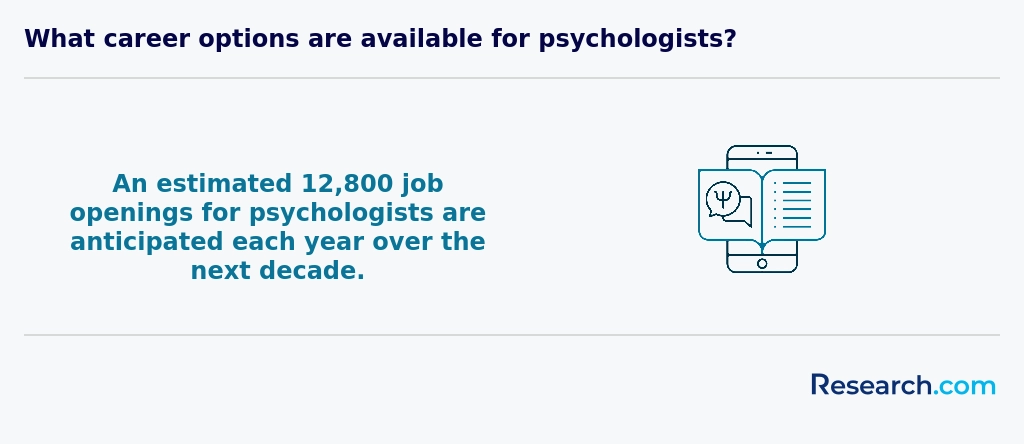
As the field of psychology continues evolving, online programs in Illinois are adapting to meet emerging trends and industry demands. Future trends in online psychology education include increased integration of technology and artificial intelligence in coursework, offering more personalized learning experiences that leverage data analytics and virtual simulations. These advancements not only enrich the learning process but also better prepare students for a dynamic, tech-driven work environment. In parallel with educational innovations, the career landscape for psychology graduates is expected to shift. Emerging roles in areas such as neuropsychology, behavioral analytics, and digital mental health services are gaining traction. Employers now seek candidates who are adept at using cutting-edge technology to analyze complex behavior patterns and deliver client-focused solutions. Graduates who stay informed about these trends are typically more competitive in the job market, enjoying enhanced career growth opportunities over time. Moreover, successful alumni are increasingly sharing how their online education played a pivotal role in adapting to new challenges in the workplace, such as remote counseling and telepsychology sessions. For students eager to further solidify their expertise and leadership in the field, pursuing an advanced degree can be a strategic choice. For more information on specialized advanced degrees that can boost your career trajectory, consider exploring best rated doctorate degree in psychology programs. By keeping abreast of these trends, prospective online psychology students in Illinois can ensure they select programs that are future-proof, aligning their educational investments with long-term career success.
Online psychology degree programs in Illinois typically include foundational courses such as General Psychology, which offers students an essential overview of human behavior and mental processes. Graduates from popular institutions like the University of Illinois often mention how this course helped them relate psychological theories to everyday interactions, making the material engaging and personally relevant.
Courses in Research Methods and Statistics are common and crucial, grounding students in the scientific approaches used to explore psychological phenomena. Many Illinois graduates appreciate how this training prepared them for real-world roles involving data analysis, particularly in healthcare settings around Chicago.
Core subjects often extend to specialized fields like Developmental, Abnormal, Social, and Cognitive Psychology. For instance, students from Northern Illinois University describe how studying abnormal psychology deepened their empathy by understanding diverse mental health challenges faced in local communities.
Several programs also include Biopsychology or Neuropsychology courses, reflecting Illinois' strong ties between academia and biomedical industries. Practical courses such as Psychological Assessment and Intervention Techniques often incorporate virtual labs or internships, which graduates say made their learning feel tangible and professionally rewarding.
Online psychology degree specializations Illinois programs typically include areas like Clinical Psychology, which prepares students to address mental health issues through counseling or therapy. Graduates from well-known institutions in the state often appreciate the blend of theory and hands-on experience, which makes licensure attainable in Illinois. Another popular option is Industrial-Organizational Psychology, valued for its focus on workplace behavior-a fitting choice given Illinois' extensive corporate sector. This concentration appeals to students aiming to enhance employee well-being and productivity.
Developmental Psychology also attracts those interested in human growth stages, with graduates often sharing rewarding experiences working with diverse age groups, from children to seniors, in universities known for comprehensive online offerings. Additionally, Cognitive Psychology specialization hones in on memory and problem-solving, ideal for students envisioning roles in research. Forensic Psychology is gaining momentum, integrating criminal justice insights, which resonates with online learners drawn to careers in legal and correctional settings.
Such variety reflects the broader Illinois psychology degree concentration options and highlights the importance of choosing programs aligned with licensure requirements and career goals. For those seeking the best fit, reviewing the best rated doctorate degree in psychology programs can offer valuable guidance.
Choosing the best online psychology degree in Illinois requires careful consideration of accreditation, curriculum, and flexibility. Graduates from well-known Illinois institutions often share how programs accredited by the Higher Learning Commission provided confidence that their degrees held value in the job market. However, not every program offers the same focus; some emphasize clinical psychology aligned with American Psychological Association standards, while others lean toward industrial-organizational or developmental psychology. Reflecting on these differences helped former students find degrees aligned with their interests and career goals.
Cost is another significant factor. For those seeking affordable psychology programs Illinois online, community colleges often provide lower tuition compared to private universities, but it's crucial to weigh the total cost including fees and materials. Many students appreciate programs that offer asynchronous classes, allowing them to balance study with work or family life. A number of Illinois graduates have praised schools that support part-time study or accelerated options, such as an accelerated psychology bachelors degree online, enabling completion within 2-3 years and fueling positive motivation toward career advancement.

Graduates holding an online psychology degree in Illinois encounter a spectrum of career possibilities, though outcomes often depend on additional credentials or experience. Many pursue licensure as psychologists, which requires a doctoral degree and supervised practice as mandated by the Illinois Department of Financial and Professional Regulation. Meanwhile, bachelor's and master's degree holders find roles in research assistance, human resources, or behavioral health technician positions, providing valuable entry points while continuing their education or certification.
Some graduates from universities like DePaul or Illinois State embrace roles in counseling, social work, or rehabilitation, often motivated by the rewarding impact on individual lives and communities. These career options illustrate the practical side of online psychology degree jobs in Illinois, where salaries vary widely based on specialization.
Other paths include school psychology, industrial-organizational psychology, and forensic psychology, each with distinct challenges and required Illinois-specific certifications. Research positions at institutions such as the University of Illinois offer opportunities for analytical and academic work. For prospective students concerned about costs, exploring the Most Affordable Psychology Degree Programs Ranking in Chicago, IL can be a strategic step.
The job market for graduates with an online psychology degree in Illinois offers a mix of steady opportunities and some hurdles. Graduates from popular institutions such as the University of Illinois or DePaul University often find entry-level roles in behavioral health or case management, reflecting typical Illinois job opportunities for psychology graduates. Many appreciate the flexibility of online study but quickly realize that advancing to licensed clinical positions requires further education and supervised experience. This reality shapes the job outlook, as these roles demand a master's or doctoral degree, which means an online bachelor's serves as just the first step.
Salary prospects vary widely: average psychologist pay is near $89,000 annually, but those new to the field may earn between $35,000 and $50,000, depending on location and role. For those weighing costs and benefits, online programs from Illinois schools can offer more affordable tuition. Some graduates have found success pursuing a best online accelerated bachelor's degree option to quickly progress toward higher-paying positions. This job market requires thoughtful planning but remains promising for motivated graduates.
2027 Fastest Online Psychology Degree Programs Ranking in Illinois
Investing in your education is a significant decision that can shape your future, and the Research.com team understands the importance of making informed choices. To assist prospective students seeking psychology degrees, we have carefully developed the "2027 Fastest Online Psychology Degree Programs Ranking in Illinois." Our dedication to quality, credibility, and accuracy is demonstrated through rigorous research and analysis performed throughout this process.
We utilized the following reputable data sources to ensure a comprehensive evaluation of the programs:
By exploring this ranking, readers will gain valuable insights into the fastest online psychology degree programs in Illinois, enabling them to make well-informed educational decisions. For more information on how this ranking was created, please visit our Research.com methodology page.
# 1 position
Adler University
Master of Psychology


# 4 position
Adler University
Doctor of Industrial and Organizational Psychology

Frequently Asked Questions About psychology
Students pursuing online psychology degrees in Illinois can enhance their learning by actively engaging with course materials and participating in virtual discussions. The Illinois Board of Higher Education emphasizes time management as key to success, especially with remote learning formats. Networking with peers and faculty through online forums can simulate traditional classroom interaction and deepen understanding.
Accessing Illinois-specific mental health resources and internships offers practical experience aligned with state requirements for licensure. According to the Illinois Department of Financial and Professional Regulation, gaining supervised clinical hours in local settings strengthens career prospects.
Utilizing campus services virtually, such as tutoring and career counseling, supports academic achievement. Finally, staying updated on Illinois' licensing laws ensures alignment of study plans with professional goals.
The field of psychology is continually evolving, with emerging niches reflecting societal changes and technological advancements. In Illinois, growing interest centers on health psychology, focusing on the link between mental and physical health, especially as chronic illnesses rise. Another expanding area is forensic psychology, which combines legal and psychological expertise, driven by Illinois' active criminal justice system.
Neuropsychology is gaining traction, supported by Illinois institutions advancing brain research. Additionally, telepsychology, or online therapy, is booming due to increased demand for remote mental health care, a trend accelerated by recent public health challenges. These niches offer promising career paths for psychology graduates.
After completing an online psychology degree in Illinois, preparing for the job market involves several strategic steps. First, gaining licensure is crucial for many psychology careers. Illinois requires licensure for clinical psychologists, including passing the Examination for Professional Practice in Psychology (EPPP) and completing supervised experience. Graduates should also consider certifications relevant to their specialties to improve employability.
Networking with local organizations like the Illinois Psychological Association can connect graduates to job opportunities. Internships and practicum placements completed during studies often lead to valuable professional contacts.
Finally, staying informed about Illinois labor statistics shows psychology roles growing by approximately 10% through 2030, indicating a competitive yet promising market. Resources such as the Bureau of Labor Statistics and state workforce reports provide these insights.
Employers in Illinois highly value psychology graduates who possess strong critical thinking and communication skills. According to the Illinois Department of Employment Security, these abilities are crucial for analyzing behavioral data and effectively interacting with clients.
Additionally, proficiency in research methods and statistical analysis is often required, as many organizations emphasize evidence-based practice. Knowledge of psychological assessment tools is also beneficial.
Interpersonal skills, such as empathy and active listening, are essential for roles in clinical and counseling settings throughout Illinois.
Familiarity with current ethical standards and state regulations further enhances a graduate's employability in Illinois's diverse psychology job market.
Finding psychology internships in Illinois involves leveraging both university resources and statewide professional networks. Many accredited online psychology programs require or encourage internships for hands-on experience, so start by consulting your school's career services or internship office.
Illinois hosts numerous organizations offering psychology internships, including hospitals, community mental health centers, and government agencies. The Illinois Psychological Association and Illinois Department of Human Services list internship opportunities and guidelines valuable to students.
According to the Illinois Board of Higher Education, psychology remains a top field for practical training, with over 10,000 positions statewide requiring supervised experience as of 2023. Early applications and maintaining professional contacts significantly enhance internship prospects.
Obtaining an online psychology degree in Illinois can significantly enhance career mobility and advancement opportunities. Illinois is home to a growing mental health sector, with the U.S. Bureau of Labor Statistics projecting a 14% increase in employment for psychologists statewide from 2021 to 2031. Completing a recognized online degree allows professionals to meet Illinois licensing requirements more flexibly, which is crucial since licensure mandates both education and supervised experience.
Employers in healthcare, education, and corporate settings increasingly accept accredited online degrees, widening job prospects. Additionally, Illinois' diverse population creates demand for psychologists skilled in various specialties, supporting career growth. Earning an online psychology degree also provides a pathway to advanced roles, including clinical psychologist, counselor, or researcher, often requiring graduate-level education and licensure examinations such as the EPPP.
Studying for a psychology degree online in Illinois equips students with skills relevant to multiple disciplines. Illinois programs often emphasize research methods, critical thinking, and ethical practices, essential for roles in healthcare, education, social services, and business. The state hosts several universities with accredited psychology programs aligned with the American Psychological Association guidelines, ensuring a rigorous curriculum.
Interdisciplinary preparation is strengthened by coursework integrating biology, sociology, and counseling principles. For example, Illinois data from the National Center for Education Statistics notes a steady increase in interdisciplinary psychology graduates.
This foundation supports careers beyond traditional psychology, including human resources, public health, and criminal justice.
When choosing between a thesis and a non-thesis psychology degree in Illinois, consider your career goals carefully. A thesis program typically requires original research and is ideal for students aiming for doctoral study or research positions. Non-thesis programs often focus more on coursework and practical skills, appealing to those seeking immediate employment in clinical or counseling roles.
Illinois universities report that thesis tracks may take longer, averaging 24-30 months, while non-thesis tracks can be completed in about 18-24 months. According to the Illinois Board of Higher Education, roughly 40% of psychology graduates pursue thesis options, reflecting demand for research expertise in the state.
Finally, assess your readiness for extensive research and writing. Thesis programs demand strong self-motivation and access to faculty mentors, which some online programs provide through virtual supervision.
Students based in Illinois interested in studying psychology abroad have several pathways, primarily through international online programs accredited by recognized US bodies such as the APA (American Psychological Association) or regionally by the Higher Learning Commission. While Illinois itself boasts strong psychology programs, many students seek diverse perspectives by enrolling in international universities offering remote coursework.
Currently, no Illinois public universities maintain formal exchange programs exclusively for online psychology degrees abroad, but partnership agreements with select foreign institutions do exist for traditional students. The trend leans toward enrolling in globally accessible online degrees that comply with US licensure requirements.
According to the Illinois Board of Higher Education, ensuring that an online program aligns with state licensure is critical, especially since psychology licenses in Illinois require specific curriculum standards and supervised practicum experiences. This careful alignment limits some options but encourages students to consider programs with established reciprocity or dual accreditation.
Students pursuing online psychology degrees in Illinois can benefit from several part-time job opportunities that enhance their educational experience. Common roles include behavioral health technicians and psychiatric aides, which offer practical exposure to mental health settings. According to the Illinois Department of Employment Security, these positions often provide flexible hours that accommodate academic schedules.
Additionally, research assistant roles at universities or healthcare organizations allow students to develop skills in data collection and analysis, relevant to psychology studies. Volunteer positions in community mental health centers also provide valuable hands-on experience.
These jobs not only complement theoretical learning but also improve employability after graduation.
Online psychology students in Illinois have access to numerous networking opportunities designed to enhance professional connections. Many Illinois universities offering online psychology degrees encourage students to join local chapters of national organizations, such as the Illinois Psychological Association (IPA), which supports networking and professional development.
Additionally, virtual events, webinars, and conferences hosted by institutions and professional bodies provide platforms for students to meet peers and experts in the field. Students can also engage in internships or practicum experiences arranged locally through their programs, fostering connections within Illinois' healthcare and mental health communities.
According to the Bureau of Labor Statistics, Illinois employed over 15,000 psychologists in 2023, indicating a robust professional environment conducive to networking.
Moreover, online platforms like LinkedIn allow students to maintain ongoing relationships and explore job opportunities specific to Illinois' psychological services sector.
Alumni networks offer significant advantages to online psychology degree students in Illinois. These networks provide valuable connections to professionals working in Illinois' mental health field, helping graduates find internships, jobs, and mentorships. The Illinois Psychological Association reports that having access to a strong professional network increases job placement rates by up to 20% in the state.
Through networking events and online platforms, alumni share job market insights and licensure guidance specific to Illinois regulations. This support is especially important in psychology, where state-specific licensing requirements must be met.
Moreover, alumni groups often facilitate continuing education opportunities, which are essential for maintaining licensure and staying current with psychological practices in Illinois.
Online psychology degree programs in Illinois often offer several ways to customize your education according to your career goals. Many institutions allow students to select electives or specializations, such as clinical psychology, counseling, or industrial-organizational psychology. These options help tailor your coursework to the skills needed in your desired field.
Illinois students can also benefit from internship placements and practicum opportunities, aligning practical experience with career objectives. Some programs provide flexible pacing, allowing you to accelerate or extend your studies based on your professional needs. According to the Illinois Board of Higher Education, over 60% of psychology graduates pursue further specialization, making customization vital.
Online psychology students in Illinois commonly face challenges related to balancing coursework with personal and professional responsibilities. Many students juggle full-time jobs or family commitments while meeting demanding online program schedules. This issue is supported by a 2023 Illinois Board of Higher Education report showing that 62% of online learners pursue degrees part-time.
Another challenge is limited access to hands-on clinical training. Psychology degrees require practical experience, but securing local internships or supervised practice remotely can be difficult. Illinois licensing boards often require specific in-person hours, which complicates program completion.
Additionally, some students encounter difficulties with reliable internet access, which affects their ability to participate in synchronous classes or submit assignments on time. According to a recent Pew Research Center study, rural Illinois areas still face connectivity gaps.
Finally, students sometimes feel isolated due to reduced peer interaction compared to traditional campus settings, potentially impacting motivation and networking opportunities.
With an online psychology degree in Illinois, you can pursue several professional certifications to advance your career. One common certification is the Licensed Professional Counselor (LPC), which requires meeting Illinois state licensure requirements, including supervised hours and passing the National Counselor Examination. Additionally, graduates may aim for the Certified Alcohol and Drug Counselor (CADC) credential, which is valuable for those specializing in substance abuse treatment.
The Illinois Department of Financial and Professional Regulation (IDFPR) oversees licensure for many psychology-related roles, ensuring standards align with national norms. According to IDFPR, Illinois had over 9,000 licensed professional counselors as of 2023.
While bachelor's degrees limit some options, certifications like Mental Health First Aid Instructor or Behavioral Health Technician are also accessible, providing valuable entry points into the field.
Applying for an online psychology degree in Illinois requires careful preparation to stand out. Start by thoroughly researching the program's accreditation, as regional accreditation ensures the degree's recognition across the state and nationally. Highlight relevant academic achievements, especially courses in psychology and statistics, as Illinois schools value strong foundational knowledge.
Personal statements should clearly explain your motivation for studying psychology online and how the program fits your career goals. Illinois employers and graduate programs often look for applicants who demonstrate clear, practical intent.
Include any related work or volunteer experience to demonstrate commitment and real-world understanding. According to the Illinois Board of Higher Education, showing engagement in psychology-related activities can improve admission chances.
Finally, ensure all application materials are error-free and submitted before deadlines to reflect professionalism and dedication.
Psychology careers in the United States, including Illinois, are increasingly influenced by global trends in mental health awareness and research collaboration. According to the U.S. Bureau of Labor Statistics, employment of psychologists is projected to grow 8% from 2022 to 2032, reflecting rising demand worldwide. Illinois is home to numerous research universities contributing to international psychological studies, which enhances the global perspective of psychology degrees earned online in the state.
Internationally, psychology emphasizes culturally sensitive practices, and professionals with global knowledge are valued in diverse settings. Online degrees in Illinois often incorporate global case studies, preparing graduates for careers that recognize mental health's universal and cultural aspects.
Gaining practical experience while pursuing an online psychology degree in Illinois is essential for career readiness. Many programs incorporate virtual labs, case studies, and simulation software to develop applied skills remotely. Additionally, students can seek internships or practicum placements at local organizations, clinics, or hospitals-Illinois has over 2,000 mental health facilities that offer such opportunities.
Universities often support students by facilitating partnerships with these institutions. According to the Illinois Psychological Association, supervised clinical experiences are a key component for licensure in the state. Therefore, combining online coursework with in-person practica or internships helps meet both educational and professional requirements.
Volunteering with community mental health agencies in Illinois can also provide valuable, hands-on exposure. Many students balance remote studies with local fieldwork to enhance their understanding of psychological principles in real-world settings.
Choosing the right concentration within an online psychology degree program in Illinois depends on your career goals and interests. Illinois offers diverse psychology fields including clinical, counseling, industrial-organizational, and forensic psychology. According to the Illinois Department of Employment Security, clinical and counseling psychologists ranked among the state's professions with steady growth through 2030.
Consider the type of settings you want to work in-hospitals, schools, businesses, or legal systems-since concentrations often align with these. Look for programs accredited by the American Psychological Association (APA), especially if pursuing clinical psychology. Illinois has several APA-accredited programs known for strong practicum placements and research opportunities.
Also evaluate faculty expertise and available resources within your chosen concentration. Some schools may emphasize evidence-based practices or multicultural competence, which are valuable due to Illinois' diverse population as reported by the U.S. Census Bureau.
- 2027 Fastest Online Psychology Degree Programs Ranking in Indiana
- 2027 Fastest Online Psychology Degree Programs Ranking in Wisconsin
- 2027 Fastest Online Psychology Degree Programs Ranking in Iowa
- 2027 Fastest Online Psychology Degree Programs Ranking in Missouri
- 2027 Fastest Online Psychology Degree Programs Ranking in Kentucky
- 2027 Fastest Online Psychology Degree Programs Ranking in Michigan
- 2027 Fastest Online Psychology Degree Programs Ranking in Minnesota
- 2027 Fastest Online Psychology Degree Programs Ranking in Ohio
- 2027 Fastest Online Psychology Degree Programs Ranking in Tennessee
- 2027 Fastest Online Psychology Degree Programs Ranking in Kansas
See What Experts Have To Say About Studying Psychology
Read our interview with Psychology experts

Elizabeth L. Jeglic Ph.D.
Psychology Expert
Professor of Psychology
City University of New York

Catherine Caldwell-Harris, Ph.D.
Psychology Expert
Associate Professor of Psychology
Boston University

Robin M. Kowalski. Ph.D.
Psychology Expert
Professor of Psychology
Clemson University

- Psychology Program https://cod.edu/academics/areas/psychology/index.html
- Why Get a Psychology Degree Online? | University of Bridgeport https://www.bridgeport.edu/news/reasons-to-get-your-psychology-degree-online/
- Psychology, BS Online | Accredited Liberal Arts Christian College in Illinois https://www.greenville.edu/academics/online-programs/psychology-bs-online
- Financial Aid for Online Programs | Illinois College https://www.ic.edu/online/tuition/financial-aid
- Explore Psychology Degrees Online | Psychology.org https://www.psychology.org/online-degrees/
- Online Psychology Degree Salary by Career Path: What the Data Actually Shows in 2026 https://www.collegetransitions.com/blog/online-psychology-degree-salary-by-career-path/
- Illinois Psychology Schools | Psychology Degree Guide https://psychologydegreeguide.org/state/illinois/
- Ontario Psychological Association - Networking and Community Resources https://www.psych.on.ca/become-a-member-(1)/member-services/networking-and-community-resources
- Best Illinois Psychology Degrees Updated for 2025, Online Included https://www.psychologydegrees.org/state/illinois
- Psychology Online Degree Pathway https://www.learndirect.com/course/psychology-online-degree


