
2027 Fastest Online Psychology Degree Programs Ranking in Kansas

Co-Founder and Chief Data Scientist
Choosing the right online psychology degree program in Kansas can feel overwhelming. To help you navigate this important decision, this article presents the 2027 Fastest Online Psychology Degree Programs Ranking in Kansas, developed by the Research.com team of data scientists. This carefully crafted ranking offers reliable insight into programs that combine quality with speed.
Reading this guide will empower you to make an informed choice that aligns with your career goals and lifestyle. Pursuing a psychology degree opens doors to meaningful work and personal growth, making your educational journey truly rewarding.
Key benefits of getting online psychology degree in Kansas
- Graduates with a psychology degree in Kansas can pursue careers like Human Resources Specialist with a mean annual wage of $76,060, or Marketing Research Analyst earning about $83,190, offering strong earning potential.
- A psychology degree opens diverse career paths including Clinical Research Associate or Survey Researcher roles, both with mean annual wages around $62,370, reflecting varied opportunities for impactful work.
- Online psychology degrees in Kansas provide flexibility, allowing students to balance work and study while gaining skills from reputable schools without relocating, which enhances convenience and career growth.
- 2027 Fastest Online Psychology Degree Programs Ranking in Kansas
- What can I expect from online psychology degree in Kansas?
- Where can I work with online psychology degree in Kansas?
What can I expect from online psychology degree in Kansas?
The average cost of an online psychology degree in Kansas typically ranges between $300 and $450 per credit hour for in-state students. For example, graduates from institutions like Kansas State University and the University of Kansas often highlight how this affordability, combined with flexible scheduling, made pursuing their degrees manageable while balancing work or family commitments. These tuition rates generally compare favorably to out-of-state options, providing a financial advantage for Kansas residents.
Many students appreciate that their investment supports programs accredited by recognized bodies, ensuring that credits transfer smoothly and meet licensure requirements for local professional practice. One graduate from a hybrid program mentioned the reassurance of knowing their coursework aligned directly with Kansas Behavioral Sciences Regulatory Board standards, simplifying the path to licensure.
Financial aid opportunities and scholarships tailored for Kansas residents further alleviate costs, enabling students to focus on mastering psychology's essential theories and research without excessive financial strain.
Where can I work with online psychology degree in Kansas?
Graduates holding an online psychology degree from institutions like the University of Kansas or Wichita State University often find rewarding employment in varied settings across the state. Entry-level roles such as psychiatric technician or behavioral health specialist are common in hospitals, mental health clinics, and residential care facilities, where graduates apply their knowledge daily to improve patient outcomes.
Many graduates pursue careers in human services or education, utilizing their understanding of behavior to support communities and schools. For instance, some alumni engage with local school districts as counselors or support staff, where they experience the fulfillment of making a tangible difference in students' lives.
With additional licensure or advanced degrees, opportunities expand into specialized fields like licensed psychology or social work. Graduates report finding meaningful work in community mental health centers addressing substance abuse issues, reflecting Kansas's increasing demand for mental health professionals.
These diverse career paths highlight how an online psychology degree from a respected Kansas university equips students to thrive professionally and contribute positively within their communities.
Graduates with an online psychology degree from respected Kansas institutions like the University of Kansas or Kansas State University report promising earning potentials across diverse roles. Psychology degree holders in Kansas can expect average salaries such as $62,370 annually for clinical research associates or survey researchers, reflecting entry to mid-level positions in research and data analysis. Those pursuing roles in human resources, often linked to psychology expertise, report higher mean wages near $76,060 per year, demonstrating strong prospects for graduates seeking applied organizational roles.
Marketing research analyst positions, attainable with advanced knowledge in psychology, offer even higher wages, averaging $83,190 annually in Kansas. Graduates often describe how their training in psychological principles enhances their ability to understand consumer behavior, making them highly valued in marketing firms across urban centers like Wichita.
These salary ranges illustrate the tangible benefits of completing psychology programs within Kansas, combining theoretical knowledge with practical skills. Graduates appreciate how their education translates directly into stable, well-compensated opportunities in both research and applied settings. The positive experiences of recent online psychology alumni reinforce the degree's role in fostering rewarding professional pathways throughout the state.
- Online psychology degrees in Kansas are available at accredited universities, primarily offering bachelor's and master's programs.
- Undergraduate tuition costs range from $220 to $320 per credit hour, totaling approximately $26,000 to $38,000 for a bachelor's degree.
- Graduate programs cost between $400 and $550 per credit hour, depending on the school and specialization.
- Job openings for psychologists and related fields in Kansas are expected to grow by about 10% over the next decade.
- Entry-level psychology jobs typically pay between $40,000 and $50,000 annually, with experienced professionals earning $70,000 to $90,000 per year.
- Kansas requires licensure for most clinical psychology and counseling roles, including supervised hours and passing state board exams.
Completing an online psychology degree in Kansas typically takes about four years for full-time students pursuing a bachelor's degree. For example, graduates from institutions like the University of Kansas and Wichita State University often mention the structured pace helps maintain motivation and steady progress. Those enrolled part-time or balancing work and family appreciate flexible schedules that may extend the duration beyond four years.
Accelerated bachelor's programs available at some colleges in Kansas allow motivated students to finish in about three years by taking heavier course loads or summer classes. Graduates frequently express satisfaction with the ability to advance more quickly while managing personal commitments.
Master's degree programs in psychology generally require two years of full-time study, although online options at schools such as Fort Hays State University enable students to adjust pacing to fit their lives. Many Kansas students cherish the opportunity to integrate thesis work or practicum experiences seamlessly with their schedules.
Doctoral degrees often take between four and seven years, given the need for internships or residencies that require in-person participation, especially noted by learners at Kansas State University. These experiences, while demanding, are highly valued for their role in career readiness and hands-on skill development.
: For many psychology graduates, the journey does not end upon receiving a degree; rather, it marks the beginning of a continuous pursuit of knowledge and career advancement. Graduates often find that specialized training and further academic qualifications open doors to enhanced roles, leadership opportunities, and increased earning potential. Pursuing advanced studies, such as an advanced certification or graduate program, not only deepens expertise in specific psychological areas but also builds a competitive edge in the job market. For instance, those who invest in further education often report that their studies bridge the gap between theory and practice, providing them with the confidence and skills needed for roles in clinical settings, research, or corporate consulting. Students looking to take their careers to the next level may benefit from exploring programs like accredited masters in psychology online, which offer both flexibility and rigorous training to support professional growth. In today’s rapidly evolving field, staying updated with emerging trends and specializing in niche areas can be the key to long-term success and personal fulfillment in psychology.
Online and on-campus psychology degree programs in Kansas differ primarily in delivery format and student experience. Graduates from Fort Hays State University's online program often praise the flexibility that lets them balance work and family commitments while progressing through rigorous coursework at their own pace. This is especially beneficial in Kansas, where long commutes to campus can be impractical.
Conversely, students attending traditional on-campus programs at universities like the University of Kansas highlight the value of face-to-face interactions with professors and peers. These in-person experiences foster immediate academic support and hands-on training in clinical settings, which can strengthen networking and practical skills.
Cost considerations also vary; although tuition ranges are similar across modes, online students save significantly on commuting and housing expenses. However, both paths require local clinical internships to meet Kansas state licensure standards, meaning online learners arrange in-person practicums near their residence.
These contrasting features allow prospective psychology students in Kansas to select the program that aligns best with their lifestyle and educational preferences.
Navigating the licensure landscape is a critical step for graduates holding an online psychology degree in Kansas, ensuring they meet state requirements to practice professionally. While a bachelor’s degree opens doors to supportive roles-such as behavioral health technicians or case managers-licensed clinical practice typically mandates advanced credentials and formal approval from the Kansas Behavioral Sciences Regulatory Board (BSRB). Key steps include: 1. Education Verification • Obtain a transcript evaluation to confirm your degree from an accredited institution. • Ensure your program meets APA or regionally recognized accreditation standards. 2. Supervised Experience • Master’s-level candidates complete a minimum of 1,500 supervised hours under a licensed psychologist. • Doctoral-level candidates accumulate at least 3,000 supervised clinical hours, including practicum and internship experiences. 3. Examination Requirements • Pass the Examination for Professional Practice in Psychology (EPPP) administered by the Association of State and Provincial Psychology Boards (ASPPB). • Complete the Kansas Jurisprudence Assessment on state laws and ethical codes. 4. Application and Fees • Submit a formal application to the BSRB, including proof of education, supervision verification forms, and official exam scores. • Pay all requisite licensing fees, which may vary based on degree level. 5. Continuing Education • After initial licensure, engage in at least 20 hours of approved continuing education annually to maintain active status. • Topics often include ethics, multicultural competence, and evidence-based interventions. While pursuing licensure in Kansas, prospective students may also benefit from comparing program costs and outcomes in other regions. For a broader perspective on affordability, see our Low Cost Online Bachelor's in Psychology Degree Programs Ranking in Florida.
The average cost of an online psychology degree in Kansas typically centers around $38,400 total tuition based on median values reported for programs in the state. Graduates from well-known institutions such as Kansas State University and the University of Kansas often reflect positively on their investment, emphasizing how affordable online options allowed them to balance work and study without incurring significant debt. Many students appreciate the flexibility of these programs, which help reduce expenses related to commuting or housing.
For students exploring affordable online psychology programs Kansas offers, public universities generally provide more accessible tuition compared to private schools, whose costs can be substantially higher. In-state students pursuing a bachelor's degree in psychology can expect costs to be considerably lower than out-of-state or private options. Master's degrees in psychology tend to have higher tuition rates but often come with options for part-time enrollment and financial aid opportunities.
Financial assistance plays an important role in managing expenses. Many Kansas institutions offer scholarships specifically tailored for psychology students or those enrolled online, helping to ease the overall financial burden. Prospective students are encouraged to apply for federal aid through FAFSA and to explore funding opportunities available through their chosen universities.
To identify the most budget-friendly options, students should consult resources listing affordable psychology schools in Kansas that align with their academic goals and financial circumstances.

Accreditation is a non‐negotiable factor when selecting one of the fastest online psychology degree programs in Kansas: only regionally and nationally recognized accreditors ensure your credits transfer, your financial aid qualifies, and your degree meets state licensure requirements. Most reputable programs hold regional accreditation from bodies such as the Higher Learning Commission (HLC) and programmatic approval from the American Psychological Association (APA) or the Kansas State Board of Healing Arts. Earning a degree from an APA-accredited online psychology program in Kansas not only signals rigorous academic standards to future employers but also fulfills key coursework requirements for licensure as a professional psychologist. Licensure in Kansas typically mandates:
- A master’s or doctoral degree in psychology from an accredited institution
- Completion of supervised practicum hours (usually 1,500–3,000, depending on level)
- Passing scores on the Examination for Professional Practice in Psychology (EPPP)
- State jurisprudence exam and background check Beyond general licensure, many psychology graduates pursue specialized credentials-such as certification in behavior analysis-to expand their scope of practice. For example, Board Certified Behavior Analysts (BCBAs) must complete specific coursework, supervised fieldwork, and pass the BCBA® exam. Those interested in affordable pathways to BCBA certification should explore our comprehensive guide to the most affordable online bcba programs. By verifying accreditation status early and understanding Kansas’s licensure steps, prospective students can ensure their investment leads to recognized credentials and a clear path to professional practice.
Students pursuing an online psychology degree in Kansas often rely on a mix of financial aid options to ease the burden of tuition costs, which commonly range between $10,000 and $20,000 annually. Graduates from institutions like the University of Kansas and Washburn University frequently highlight the invaluable support from federal aid, particularly Pell Grants. These grants, with a maximum award of $7,395 for the 2023-2024 academic year, provide essential, non-repayable funds that make studying remotely more attainable.
In addition, many Kansas residents benefit from state-specific scholarships such as the Kansas State Scholarship, awarded by the Kansas Board of Regents. This aid recognizes academic merit and financial need, often helping students at Fort Hays State and other accredited schools stay financially afloat during their studies.
Institutional scholarships targeting psychology students or those enrolled in online programs also play a crucial role. These awards often reward leadership and academic excellence, encouraging students to thrive while managing expenses.
Moreover, students sometimes secure scholarships from professional groups like the Kansas Psychological Association, which adds another layer of financial support for those passionate about their field.
Loans remain an option but are approached cautiously by graduates aware of the typical $30,000 loan debt, underscoring the importance of balancing aid types wisely for a stress-reduced educational journey.
When considering an online psychology degree in Kansas, one crucial factor is the affordability and value of the program. Prospective students should weigh the costs against the potential benefits, including career opportunities and salary expectations. For those looking to make an informed decision, researching affordable psychology schools in Kansas can provide valuable insights into the financial aspects of pursuing a psychology degree. Understanding the cost of tuition, additional expenses, and available financial aid options is essential for managing educational investments effectively. Furthermore, graduates often highlight the importance of feedback and practical experiences in shaping their professional identities, emphasizing the need for a program that balances academic rigor with real-world applications. By carefully evaluating these factors, students can choose a program that offers both affordability and value, setting them up for success in their future careers.
Prospective students seeking online psychology degrees in Kansas must typically demonstrate academic preparedness through specific prerequisites. For undergraduate programs at popular institutions like the University of Kansas or Wichita State University, applicants usually need a high school diploma or GED with a solid academic record, often reflected by a GPA between 2.5 and 3.0. Many graduates recall that foundational courses in biology, mathematics, and English greatly aided their understanding of psychology concepts, emphasizing the importance of critical thinking and communication skills in their studies.
At the graduate level, Kansas universities require a bachelor's degree, generally with a minimum 3.0 GPA. Applicants often must have completed prerequisite coursework in psychology, statistics, and research methodology. Graduates frequently highlight that letters of recommendation and a compelling statement of purpose made a significant difference during admissions. Many also note the value of relevant work or volunteer experience, which enriches academic perspectives and prepares students for real-world psychology careers.
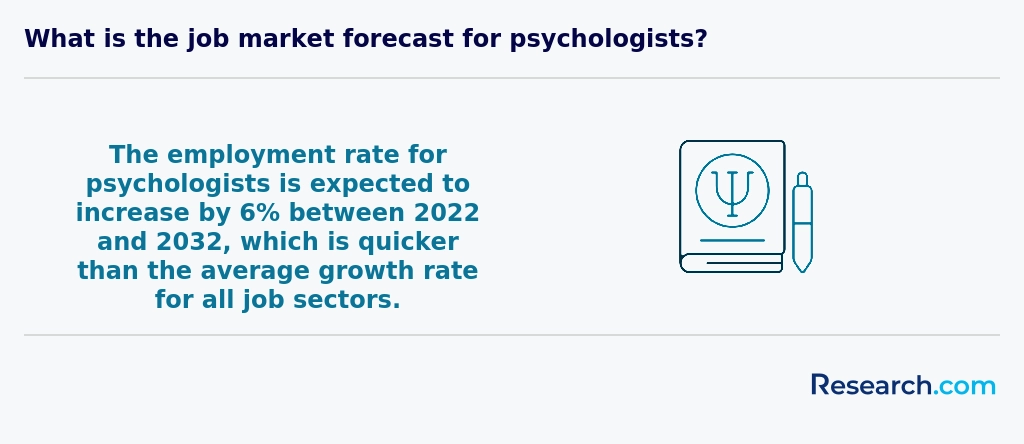
Pursuing an online psychology degree in Kansas is only the first step toward becoming a licensed professional. To ensure your education translates into practice, you must navigate state-specific requirements, including supervised clinical hours, examinations, and ongoing continuing education. Many students balance these steps alongside their academic journey, often comparing program costs and accreditation by reviewing resources like the Low Cost Online Bachelor's in Psychology Degree Programs Ranking in Florida to find quality at an affordable price. Key steps to licensure in Kansas: 1. Graduate from an APA-accredited bachelor’s or master’s program in psychology. 2. Accumulate supervised experience: - Bachelor’s graduates typically complete 1,500–2,000 post-degree supervised hours under a licensed psychologist. - Master’s and doctoral candidates follow internship/practicum requirements specified by their institution. 3. Pass the Examination for Professional Practice in Psychology (EPPP), administered by the Association of State and Provincial Psychology Boards (ASPPB). 4. Satisfy the Kansas Behavioral Sciences Regulatory Board’s jurisprudence or ethics exam. 5. Submit your application, including official transcripts, proof of supervised hours, exam scores, and background check. 6. Maintain licensure through annual renewal and 20 hours of continuing education, with at least 3 hours focused on ethics. Navigating licensure can feel complex, but understanding each requirement early-ideally during your online coursework-ensures a seamless transition from student to practicing psychologist in Kansas.
Online psychology degree programs in Kansas consistently offer a core curriculum that grounds students in essential psychological principles. Graduates from popular universities often reflect on how courses like Introduction to Psychology provided them with a comprehensive overview of human behavior, setting a solid foundation for their studies.
Students engage deeply with subjects such as Developmental Psychology, tracing human growth from infancy through adulthood, and Abnormal Psychology, which explores mental health disorders and therapeutic approaches. At well-regarded institutions, learners find social dynamics illuminated through Social Psychology, a course that helps them understand interpersonal influences in everyday life.
Hands-on courses like Psychological Statistics and Research Methods are highly valued, equipping students with analytical skills crucial for interpreting data and designing studies. Graduates often share how these classes boosted their confidence in both academic and professional settings.
Electives such as forensic or health psychology allow students to align their degrees with personal career goals, enhancing motivation and satisfaction while studying remotely within Kansas.
Online psychology degree specializations Kansas programs typically include Clinical Psychology, Industrial-Organizational Psychology, Child and Adolescent Psychology, Counseling Psychology, and Forensic Psychology. Graduates from well-known institutions in Kansas often share that specializing in Clinical Psychology provided them with hands-on therapeutic skills that directly prepared them for licensure and work in community mental health settings. Others pursuing Industrial-Organizational Psychology found their courses invaluable for understanding employee motivation and organizational behavior-skills highly sought after by Kansas businesses aiming to improve workplace productivity.
Students focusing on Counseling Psychology appreciate the client-centered approach that enables them to serve diverse populations within Kansas, while Child and Adolescent Psychology prepares graduates to address developmental and psychological needs unique to younger clients. At universities popular in the region, many have praised the flexibility of online formats in accessing these concentrations, which align well with their career goals. Those interested can explore options through accredited programs, including the accredited masters in psychology online, ensuring credible and affordable education.
Choosing among the best psychology concentration options Kansas online involves assessing licensure requirements and career aspirations to find the most fitting specialization for future success.
When choosing the best online psychology degree in Kansas, focusing on accreditation ensures your degree holds value across the state and beyond. Graduates from institutions like the University of Kansas emphasize how regional accreditation by the Higher Learning Commission (HLC) bolstered their confidence in the program's quality. Cost considerations are equally crucial; many students at Kansas State University found their tuition aligned closely with state averages, making their degree affordable without sacrificing quality. Flexibility also matters-those balancing work and family appreciate programs allowing part-time or accelerated study, common among online students at Pittsburg State University.
Support services enhance the learning journey significantly. Advice from recent graduates highlights how tailored career counseling and internship placement provided meaningful pathways into Kansas's growing mental health workforce. Lastly, examining curriculum focus helps align studies with specific goals, whether clinical or counseling psychology. Students planning to become licensed benefit from choosing programs with relevant concentrations. For those exploring options, considering online bcba programs may present additional career avenues. These factors collectively guide choosing among the best online psychology degree programs in Kansas.
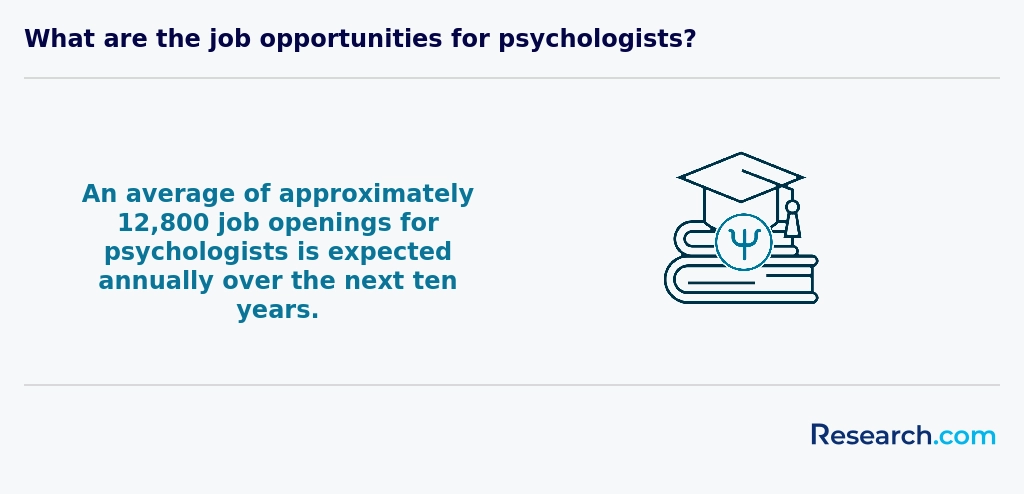
Graduates of online psychology programs in Kansas often find diverse career paths in mental health, education, social services, and business sectors. For example, those pursuing online psychology careers in Kansas frequently become licensed counselors or therapists, following the state's requirements for a master's degree and supervised clinical hours to obtain credentials like Licensed Professional Counselor (LPC) or Licensed Specialist Clinical Social Worker (LSCSW). Many alumni from institutions such as the University of Kansas report that flexible online coursework enabled them to balance family life while gaining the necessary clinical experience.
Apart from counseling, students holding a bachelor's degree often pursue roles as behavioral health technicians or case managers. These positions are prevalent in healthcare and community organizations across the state. Some graduates also find fulfillment working as school psychologists in Kansas schools, impacting student mental health directly. Others leverage their expertise in organizational psychology, improving employee well-being in companies.
For those seeking cost-effective options, exploring the Low Cost Online Bachelor's in Psychology Degree Programs Ranking in Florida offers insight into affordable alternatives that complement Kansas-based opportunities.
The job market for individuals with an online psychology degree in Kansas is cautiously optimistic, mirroring broader national trends. Graduates from well-regarded Kansas universities and colleges often find rewarding roles in healthcare, education, and social services. Many share positive experiences about securing positions as behavioral health technicians or case managers in both urban centers and rural areas. This aligns with the Kansas psychology degree employment outlook, which emphasizes growing demand for mental health professionals, especially in underserved rural counties.
Licensed psychologists in Kansas, often graduates of online programs supplemented by supervised experience, typically earn between $75,000 and $100,000 annually. They highlight the importance of state licensure for sustainable employment prospects. Those pursuing certification as substance abuse counselors or positions in human resources have found opportunities by aligning practical training with their online studies. Prospective students are encouraged to evaluate costs thoroughly, including tuition and licensure fees, considering options such as the most popular online school for trade skills for foundational credentials.
2027 Fastest Online Psychology Degree Programs Ranking in Kansas
Investing in your education is a significant decision that can shape your future, and the Research.com team understands the importance of making informed choices. To assist prospective students in Kansas, we have meticulously crafted the "2027 Fastest Online Psychology Degree Programs Ranking in Kansas." Our commitment to quality, credibility, and accuracy is reflected in the extensive research and analysis conducted to compile this ranking.
We utilized the following reputable data sources to ensure a comprehensive evaluation of psychology degree programs:
By exploring this ranking, readers will gain valuable insights into the fastest online psychology degree programs available in Kansas, helping them make informed decisions about their educational paths. For more details on our methodology, please visit our Research.com methodology page.
# 1 position
Kansas State University
Master of Psychology with an emphasis in Industrial and Organizational Psychology


# 5 position
Southwestern College
Bachelor of Organizational Psychology

Frequently Asked Questions About psychology
Online psychology students in Kansas can enhance their learning by actively participating in virtual discussions and study groups. Engaging with peers helps deepen understanding of complex theories and research methods. Kansas ranks among states with growing demand for psychology professionals, so staying updated on local licensure requirements is essential. Utilizing university-provided resources such as online tutoring, academic advising, and career services can also support success.
Balancing coursework with relevant internships or practicum experiences-when possible-strengthens practical skills. According to the Kansas Board of Regents, seeking programs with accreditation from the American Psychological Association (APA) ensures quality education and better career prospects.
Emerging niches within the psychology field reflect growing societal needs and technological advances. In Kansas, there is notable interest in forensic psychology, which applies psychological principles to legal issues. This area supports criminal investigations and court cases, and demand is expected to grow alongside the state's criminal justice initiatives.
Another promising niche is health psychology, focusing on how mental, emotional, and social factors affect physical health. Kansas health organizations increasingly value professionals who can design behavioral interventions to improve public health outcomes.
Additionally, industrial-organizational psychology is expanding as Kansas businesses seek experts to enhance worker productivity and well-being. These specializations are shaping the future of psychology careers in the region.
After earning an online psychology degree in Kansas, preparing for the job market involves several key steps. First, obtaining appropriate licensure is essential for many psychology careers in the state. For example, becoming a Licensed Psychologist requires meeting Kansas Behavioral Sciences Regulatory Board criteria, including supervised experience and passing national exams.
Building practical experience through internships or supervised hours increases employability. According to the Bureau of Labor Statistics, Kansas had about 4,000 psychologists employed in 2022, with growth expected over the next decade, especially in clinical and counseling roles.
Networking via professional organizations like the Kansas Psychological Association can help graduates connect with employers and stay updated on job openings. Additionally, tailoring resumes to highlight skills such as research methods, data analysis, and client communication is beneficial in this competitive market.
Employers in Kansas seeking psychology degree graduates prioritize several key skills essential for success in the field. Strong communication abilities are critical, as psychologists must effectively interact with diverse clients and colleagues. Analytical skills are also vital, enabling graduates to interpret data and apply evidence-based methods.
In addition, problem-solving and critical thinking are highly valued to address complex mental health issues. According to the Kansas Department of Labor, employers emphasize cultural competence, reflecting the state's growing diversity.
Lastly, organizational skills and ethical judgment are important, particularly for those aiming to work in clinical or counseling roles licensed by Kansas state boards.
Finding psychology internships in Kansas requires a proactive approach combining research and networking. Start by exploring local mental health clinics, hospitals, and community organizations that often offer internships for psychology students. The Kansas Psychological Association provides resources that can help identify approved internship sites specific to the state.
Kansas has a notable demand for psychology professionals; the Bureau of Labor Statistics reports an expected 8% growth in psychologist jobs regionally through 2030, supporting internship availability. Additionally, many online psychology programs partnered with Kansas institutions assist students in securing internships tailored to state licensure requirements.
Contact your program's career services early, as some pre-approved internships meet Kansas Behavioral Sciences Regulatory Board standards crucial for licensure. Networking at local conferences and joining professional groups like the Kansas Counseling Association can also uncover valuable internship leads.
Obtaining an online psychology degree in Kansas can significantly enhance career mobility and advancement opportunities. According to the U.S. Bureau of Labor Statistics (2023), the demand for psychologists in Kansas is projected to grow by 10% over the next decade, faster than the national average. This growth creates new roles in healthcare, education, and social services.
Online degrees often offer flexible scheduling, allowing working professionals to gain credentials without interrupting their careers. This flexibility supports career advancement by enabling students to acquire specialized knowledge and certifications recognized by Kansas employers.
Kansas licensing requirements for psychologists and counselors usually require a graduate degree, making an online program a practical pathway to meet these standards. Graduates are better positioned to pursue roles such as school psychologists, clinical counselors, or human resources specialists.
Studying for an online psychology degree in Kansas equips students with the skills needed for interdisciplinary collaboration in healthcare, education, and social services. Kansas universities emphasize integrating psychology with fields like counseling, social work, and business, promoting versatile career options. According to the Kansas Board of Regents, psychology graduates benefit from curricula that include research methods, developmental psychology, and ethics, which are essential for teamwork across disciplines.
Many programs also offer practical experiences or internships, often in partnership with local hospitals and community organizations. This hands-on training helps students understand real-world challenges and work effectively with other professionals.
The focus on combining theory with applied skills ensures students are well-prepared to enter diverse roles that require psychological insight linked with other expertise.
When choosing between a thesis and a non-thesis psychology degree program in Kansas, consider your career goals and learning preferences. A thesis program involves conducting original research and writing a detailed paper. It suits students planning to pursue doctoral studies or research-intensive roles. Non-thesis programs focus on coursework and practical skills, ideal for those aiming for professional practice in counseling, education, or human services.
According to the National Center for Education Statistics, about 40% of Kansas psychology graduates pursue advanced research degrees, suggesting a strong interest in thesis options. Meanwhile, many Kansas employers value applied skills from non-thesis programs.
Cost, time commitment, and faculty expertise at your chosen institution also influence your decision. Thesis tracks usually take longer but can enhance analytical thinking and employability in research fields. Check specific university program requirements and graduation rates from the Kansas Board of Regents for the latest data before deciding.
Students based in Kansas seeking to study psychology abroad online have several options through American universities offering internationally recognized programs. While Kansas itself does not have state-specific agreements for psychology studies abroad, many accredited U.S. institutions allow remote learning from anywhere, including international campuses or global partners. This means Kansas students can enroll in online psychology degrees that meet U.S. accreditation standards but provide cross-cultural experiences.
According to the American Psychological Association, choosing programs with regional accreditation ensures transferability and licensure eligibility across states, including Kansas. Students may also consider programs offering internships or research components abroad, enhancing their global perspective without relocating.
Students pursuing online psychology degrees in Kansas can benefit from part-time jobs that offer practical experience. Common opportunities include mental health technician roles in hospitals or community health centers, which help develop patient interaction skills. According to the Kansas Department for Aging and Disability Services, these positions often pay between $12 and $15 per hour. Other options involve working as research assistants at local universities like the University of Kansas, where students assist with studies on behavioral health trends. Additionally, social service assistant roles provide valuable exposure to case management and counseling support in various organizations across Kansas.
Online psychology students in Kansas can access several networking opportunities that enhance their education and professional growth. Many Kansas universities with accredited online programs encourage participation in virtual student organizations and psychology clubs, providing a platform for interaction with peers and faculty.
The Kansas Psychological Association offers membership benefits, including conferences and webinars that are accessible to online students, fostering connections with licensed professionals across the state. Additionally, numerous Kansas internships and practicum placements are available to online learners, allowing them to gain hands-on experience and build local professional networks.
According to the Bureau of Labor Statistics, the demand for psychologists in Kansas is projected to grow by 8% through 2030, making networking a key factor for career opportunities in the region.
Alumni networks provide significant benefits to online psychology degree students in Kansas by offering valuable professional connections and support. These networks can help graduates access job opportunities within a state where psychology careers are steadily growing, with the Kansas Department of Labor projecting a 10% increase in psychology-related jobs through 2030.
Through alumni events and online platforms, students build relationships with experienced professionals who can offer career advice, internship leads, and mentorship. Many Kansas universities with accredited online psychology programs actively engage their alumni to support current students' career development.
Such networks also foster a sense of community, which can be essential for remote learners seeking academic and emotional support during their studies.
Students pursuing an online psychology degree in Kansas can customize their programs by selecting elective courses aligned with their career interests. For example, those aiming for clinical roles might choose courses in counseling or abnormal psychology. Many universities in Kansas offer specialization options such as developmental psychology, forensic psychology, or industrial-organizational psychology.
Additionally, students can consider accredited programs that provide practical experiences through internships or research projects, which are valuable for career readiness. The Kansas Behavioral Sciences Regulatory Board sets licensure requirements, so tailoring coursework to meet these standards is essential for future psychologists in the state.
Reviewing course catalogs and consulting academic advisors helps ensure the degree matches specific professional goals.
Online psychology students in Kansas often face challenges related to the practical nature of the discipline. Psychology programs typically require hands-on experiences, such as internships or labs, which can be difficult to complete remotely. While many programs provide virtual simulations, students may struggle to find local placement sites for in-person requirements. According to the Kansas Board of Regents, balancing work, family, and study obligations is another significant issue, as many online students are adult learners managing multiple responsibilities.
Limited access to on-campus resources, including counseling centers and academic advising, can also affect student success. Additionally, some students report feelings of isolation due to reduced peer interaction compared to traditional programs. Finally, maintaining motivation in a self-paced online environment is frequently cited as a challenge by psychology learners nationwide, including those in Kansas.
With an online psychology degree in Kansas, you can pursue several professional certifications to enhance your career opportunities. Common certifications include the Certified Alcohol and Drug Counselor (CADC) and Licensed Specialist Clinical Social Worker (LSCSW) for those pursuing counseling. Many graduates also aim for the Licensed Psychological Associate (LPA) credential, which requires supervised experience and passing the state exam. According to the Kansas Behavioral Sciences Regulatory Board, these certifications help validate expertise and improve job prospects in healthcare and education sectors. Online degrees meeting accreditation standards typically fulfill the educational requirements for these certifications.
Writing a winning application for an online psychology program in Kansas requires careful preparation and understanding of admission criteria. Start by researching programs accredited by the American Psychological Association (APA) or regionally accredited by the Higher Learning Commission (HLC), as these accreditations are vital for quality education and licensure.
Highlight your academic achievements with a strong GPA; psychology programs often expect a minimum of 3.0. Include relevant experience like volunteering or work in mental health settings, which strengthens your application by showing dedication.
Submit clear, compelling personal statements that explain your interest in psychology and career goals. Kansas Board of Regents data shows that personal statements differentiate applicants significantly.
Strong letters of recommendation from academic or professional contacts add credibility. Lastly, ensure all transcripts and documentation are accurately submitted before deadlines to avoid disqualification.
The field of psychology is increasingly recognized worldwide for its diverse career opportunities and growing demand. In the United States, including Kansas, employment of psychologists is expected to grow by 8% from 2021 to 2031, according to the U.S. Bureau of Labor Statistics. Globally, psychology careers emphasize research, clinical practice, and counseling, reflecting the broad need for mental health services.
Kansas offers online psychology degrees that align with national standards, preparing students to meet both local and global challenges. The emphasis on evidence-based practice and cultural competence is echoed worldwide, making psychology a widely respected profession across cultures.
In addition, the American Psychological Association supports international collaboration that influences educational programs in Kansas, helping students stay informed on global trends and ethical practices.
Gaining practical experience while earning an online psychology degree in Kansas is essential for career readiness. Students can seek internships or practicum opportunities at local mental health clinics, hospitals, or community centers. Many universities in Kansas have partnerships to help place students in supervised roles aligned with their coursework. According to the Kansas Behavioral Sciences Regulatory Board, these experiences are crucial for licensure eligibility.
Additionally, some programs require or recommend virtual internships or research projects to develop applied skills. Online students should also explore service-learning projects or volunteer opportunities in their communities to gain hands-on exposure.
Choosing the right concentration within an online psychology degree program in Kansas depends on your career goals and interests. Popular concentrations include clinical, counseling, educational, and organizational psychology. Kansas licensure requirements often influence this choice, especially for clinical or counseling paths requiring supervised hours and specific coursework, as noted by the Kansas Behavioral Sciences Regulatory Board.
Researching local demand is essential. For example, the Kansas Department of Labor reports growth in mental health careers, emphasizing clinical and counseling roles by 2028. Additionally, consider programs with strong ties to Kansas-based internships or practicum placements to enhance job readiness.
Finally, review each program's curriculum carefully to ensure it aligns with your desired licensure and professional outcomes.
- 2027 Fastest Online Psychology Degree Programs Ranking in Missouri
- 2027 Fastest Online Psychology Degree Programs Ranking in Colorado
- 2027 Fastest Online Psychology Degree Programs Ranking in Iowa
- 2027 Fastest Online Psychology Degree Programs Ranking in Texas
- 2027 Fastest Online Psychology Degree Programs Ranking in South Dakota
- 2027 Fastest Online Psychology Degree Programs Ranking in Minnesota
- 2027 Fastest Online Psychology Degree Programs Ranking in Illinois
- 2027 Fastest Online Psychology Degree Programs Ranking in Louisiana
- 2027 Fastest Online Psychology Degree Programs Ranking in Wisconsin
- 2027 Fastest Online Psychology Degree Programs Ranking in Tennessee
See What Experts Have To Say About Studying Psychology
Read our interview with Psychology experts

Elizabeth L. Jeglic Ph.D.
Psychology Expert
Professor of Psychology
City University of New York

Joann Farrell Quinn, Ph.D., MBA
Psychology Expert
Director at the College of Medicine Department of Medical Education
Morsani College of Medicine

Catherine Caldwell-Harris, Ph.D.
Psychology Expert
Associate Professor of Psychology
Boston University

- Psychology at the University Level: What to Expect and How to Prepare https://www.enrichedmindset.com/post/psychology-at-the-university-level-what-to-expect-and-how-to-prepare
- Financial Aid for Psychology Students https://www.onlinepsychologydegrees.com/financial-aid/
- Study Psychology Abroad https://astarfuture.co.uk/study_psychology_abroad.html
- Scholarships For Psychology Majors (2025) https://www.psychology.org/scholarships/
- Why Get a Psychology Degree Online? | University of Bridgeport https://www.bridgeport.edu/news/reasons-to-get-your-psychology-degree-online/
- Community Psychology in Global Perspective http://siba-ese.unisalento.it/index.php/cpgp
- Have You Found a Niche? https://www.apaservices.org/practice/business/marketing/building/niche
- Know more about thesis vs non- thesis: what is the difference? https://studyfans.com/en/blogs/816
- Mental Health Challenges Faced by Psychology Students | The Healthcare Guys https://healthcareguys.com/2023/11/23/mental-health-challenges-faced-by-psychology-students/
- Society for the Teaching of Psychology https://teachpsych.org/page-1784686/8675326


