2027 Fastest Online Psychology Degree Programs Ranking in Colorado

Co-Founder and Chief Data Scientist
Choosing the right psychology degree program can feel overwhelming, especially with so many options available online. To simplify your search, this article presents the 2027 Fastest Online Psychology Degree Programs Ranking in Colorado, developed by the Research.com team of data scientists.
By exploring this ranking, you'll gain clear insights into the quickest pathways to earning your degree while maintaining quality education. Pursuing a psychology degree opens doors to meaningful careers that make a difference in people's lives.
We're here to guide you toward programs that fit your goals and lifestyle, so you can confidently take the next step.
Key benefits of getting online psychology degree in Colorado
- Psychology graduates in Colorado can expect rewarding salaries, with roles such as Marketing Research Analysts earning around $83,190 annually and Human Resources Specialists making about $76,060 a year.
- Career paths for psychology graduates are diverse, including opportunities in clinical research, marketing analysis, and childcare, inspired by examples from popular Colorado universities offering broad, practical experiences.
- Online psychology degrees offer flexibility and convenience, allowing students to balance life and study effectively, as shown by successful graduates from well-known Colorado institutions who value this adaptable learning style.
- 2027 Fastest Online Psychology Degree Programs Ranking in Colorado
- What can I expect from online psychology degree in Colorado?
- Where can I work with online psychology degree in Colorado?
What can I expect from online psychology degree in Colorado?
The average cost of an online psychology degree in Colorado typically ranges between $20,000 and $40,000 for a bachelor's program at public universities such as Colorado State University or the University of Colorado Global Campus. Graduates report that these costs reflect a balance of quality education and flexibility, with tuition prices often lower than traditional on-campus degrees due to reduced fees for campus services.
At the master's level, institutions like the University of Denver offer online psychology degrees costing approximately $30,000 to $50,000, depending on credit load and program length. Graduates appreciate that the financial investment aligns with comprehensive curricula and practical training components, such as supervised internship placements mandated by Colorado licensing boards.
Students value the accessible payment plans and scholarship opportunities offered by these schools, which help manage expenses while delivering accredited coursework recognized by the Higher Learning Commission. These pricing structures, combined with the state's growing demand for licensed professionals, make pursuing psychology degrees online in Colorado a worthwhile and achievable goal.
Where can I work with online psychology degree in Colorado?
Graduates holding an online psychology degree in Colorado can pursue diverse career paths across healthcare, education, social services, and business sectors. Employment for psychologists in Colorado is expected to grow by 12% from 2021 to 2031, signaling promising opportunities. Many graduates begin in entry-level roles such as case managers or behavioral health aides within hospitals or nonprofit organizations in cities like Denver and Fort Collins, leveraging the flexibility of online programs to earn certifications simultaneously.
Advancing to master's or doctoral degrees opens doors to licensed clinical psychologist positions, requiring Colorado state licensure through supervised experience and exams. Licensed professionals often work in private practice, mental health clinics, or school counseling. The Colorado Department of Education highlights a strong demand for school psychologists, especially in underserved areas.
Corporate psychology roles in Denver's business sector also entice graduates, focusing on human resources and organizational development. Research opportunities at institutions like the University of Colorado Boulder provide collaborative projects valued by online degree holders, illustrating practical pathways for those balancing education and career ambitions.
Graduates with an online psychology degree in Colorado can expect starting salaries reflecting their chosen career paths. For example, those working as human resources specialists earn a mean annual wage of about $76,060, which provides a solid entry into the corporate sector. Marketing research analysts with psychology backgrounds see mean salaries around $83,190 per year, often benefiting from analytical skills gained through Colorado institutions like the University of Denver or Colorado State University.
Clinical research associate and survey researcher roles tend to offer similar pay, with average yearly earnings near $62,370. Such positions appeal to graduates interested in applied research or clinical trials, with experience often gained through local internships or research programs. Childcare workers, a path some psychology grads pursue, typically earn around $32,070 annually, reflecting entry-level work in supportive roles.
Overall, psychology graduates from Colorado's popular colleges experience wages that rise with specialization and licensure. Those leveraging connections made during their studies in Denver or Boulder find opportunities to increase their earnings while contributing meaningfully to their communities, encouraging positive career outlooks.
- Online psychology degrees in Colorado are offered by schools both inside and outside the state, as fully online programs are still growing locally.
- Annual tuition for online bachelor's degrees ranges from $8,000 to $15,000 for in-state students; graduate programs typically start at $12,000 and can exceed $25,000 per year.
- Entry-level psychology graduates earn about $50,000 to $55,000 annually, while experienced professionals make $85,000 to $95,000 depending on their specialization.
- Employment for psychology professionals in Colorado is projected to grow by around 12% through 2030, especially in clinical, counseling, and school psychology roles.
- Accreditation is crucial for licensure and employment; degrees must be from programs recognized by the U.S. Department of Education or CHEA for clinical practice in Colorado.
Completing an online psychology degree in Colorado typically follows a timeline shaped by degree level and program flexibility. For example, graduates from the University of Colorado system often finish their bachelor's degrees in about four years of full-time study, aligning with national averages. Some students appreciate programs at Colorado State University that offer accelerated options, enabling a bachelor's degree completion in as little as two and a half years through year-round courses.
At the graduate level, students pursuing a Master's in Psychology online usually take between 1.5 and 3 years. Many find that programs balancing coursework with practicums or research, such as those at the University of Denver, support steady progress while accommodating work and family commitments.
Doctoral degree candidates often plan for 4 to 7 years due to required in-person practica and research, a reality shared by those attending APA-accredited programs in Colorado. Graduates frequently note that understanding these timelines helps them confidently manage expectations and maintain motivation throughout their studies.
Navigating the path to becoming a licensed psychologist in Colorado begins with selecting a program that meets both national and state standards. Accreditation by the American Psychological Association (APA) or the Higher Learning Commission (HLC) ensures that your educational investment aligns with licensure requirements. Prospective students should verify that they enroll in psychology online degrees accredited by recognized agencies, as unaccredited programs may not fulfill the Colorado Board of Psychologist Examiners’ criteria. Colorado’s licensure process typically involves: 1. Earning a doctoral or master’s degree in psychology from an APA-accredited institution. 2. Completing a minimum of 3,200 hours of supervised professional experience (including pre- and post-doctoral internships). 3. Passing the Examination for Professional Practice in Psychology (EPPP) and the Colorado Jurisprudence Examination. 4. Submitting official transcripts, supervision verification, and application fees to the Colorado Division of Professions and Occupations. Key tips for applicants:
- Early Planning: Begin logging supervised hours during internships or practicum placements to avoid delays.
- Faculty Guidance: Seek mentors who hold active licensure in Colorado for insights into exam preparation and professional networking.
- Continuing Education: After licensure, maintain your credential through ongoing professional development credits, typically required every two years. Understanding these requirements upfront not only streamlines your journey toward independent practice but also enhances your credibility and career prospects in Colorado’s psychology workforce.
Online and on-campus psychology degrees in Colorado differ primarily in delivery methods and student experience, although both lead to accredited qualifications. Graduates from the University of Colorado Boulder note that on-campus programs provide direct access to in-person labs, practicums, and research, creating immersive learning environments. In contrast, online students at institutions like Colorado State University enjoy flexible schedules, attending virtual lectures and participating in discussion boards from any location in the state, which suits working adults balancing careers and family commitments.
Tuition costs for online and on-campus psychology programs in Colorado are generally comparable, averaging $10,000 to $15,000 annually for in-state students according to government data. However, online learners often save on commuting and housing, with some schools offering reduced fees. A graduate from Metropolitan State University of Denver found these savings significant in managing their education budget.
Access to supervised clinical hours also varies: on-campus students benefit from university-arranged placements, while online learners shoulder the responsibility of securing local internships independently. Both formats provide career services, though online students rely more on virtual advising and resources, highlighting the importance of self-motivation and planning in the online path.
Accreditation by the American Psychological Association (APA) and regional bodies ensures your online psychology degree meets quality standards and qualifies you for licensure in Colorado. The Colorado State Board of Psychologist Examiners mandates that graduates hold degrees from APA-accredited doctoral programs or regionally accredited institutions for non-APA tracks.
Before enrolling, verify:
- Programmatic accreditation (e.g., APA for clinical psychology; CACREP for counseling)
- Institutional accreditation (regional, such as the Higher Learning Commission)
- Practicum and internship hour requirements that satisfy Colorado licensure rules
- Coursework alignment with Colorado licensure exam topics
Confirming these details helps you avoid delays in licensure and ensures your credentials are recognized by employers and boards. For accelerated paths that meet rigorous accreditation criteria, explore our accelerated psychology programs.
The average cost of an online psychology degree in Colorado typically centers around a median total of approximately $41,230, with in-state students often paying close to $40,295 and out-of-state students facing higher expenses averaging $70,355. These figures reflect the investment necessary for most public and private institutions offering online programs across the state. For example, graduates from well-regarded universities in Colorado frequently share positive experiences about balancing quality education with manageable costs. Many note how financial aid and scholarships ease the burden, enhancing the appeal of pursuing psychology remotely.
Students enrolled in popular colleges specializing in psychology appreciate that the average cost aligns reasonably with the value of flexible scheduling and accessibility provided by online formats. Deliberate consideration of the average cost of online psychology degree Colorado factors into their decision-making process, especially when weighing in-state versus out-of-state tuition disparities. One graduate recalled how choosing an in-state program significantly reduced their financial stress while completing coursework alongside a full-time job.
Several online programs also offer accelerated tracks or flexible payment plans, helping students manage fees typically associated with textbooks, technology, and application charges. Prospective students interested in finding the cheapest psychology school in Colorado are encouraged to explore all options to balance quality and affordability effectively. Affordable online psychology programs Colorado 2027 remain focused on delivering solid educational outcomes within practical financial boundaries.
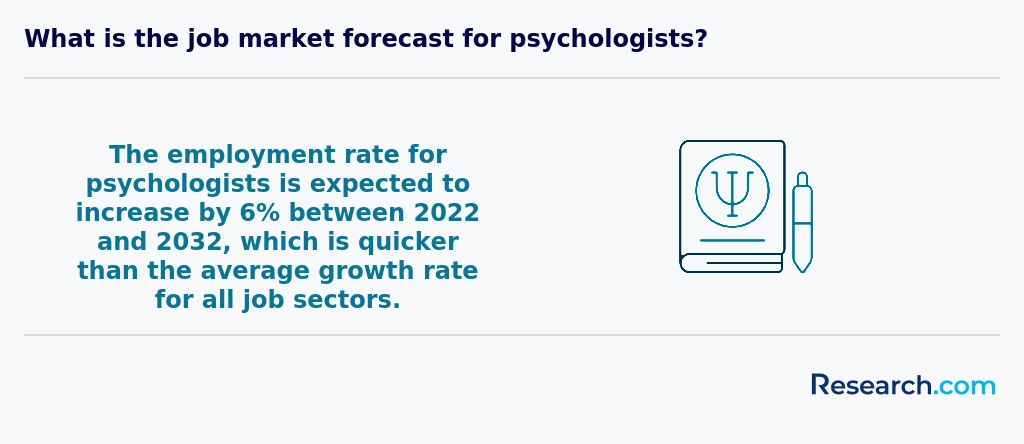
When considering an online psychology degree in Colorado, one of the most significant factors to weigh is the cost and the potential return on investment. Understanding that pursuing higher education is a substantial financial commitment, prospective students should explore options that balance affordability with quality education. For those seeking the most budget-friendly options, researching the cheapest psychology school in Colorado can provide valuable insights into the financial aspects of their educational journey. Many institutions in Colorado offer competitive pricing for their online psychology programs, making it essential for students to compare not only the tuition fees but also the overall value each program offers, including the support services, curriculum, and career outcomes. By carefully evaluating these elements, students can make informed decisions that align with their financial situation and career aspirations, ultimately ensuring a successful and fulfilling experience in their online psychology degree program.
Students pursuing an online psychology degree in Colorado, such as those at the University of Colorado Boulder or Colorado State University, benefit from multiple financial aid options. Federal Pell Grants can cover up to $7,395 annually, easing financial pressure for many. One graduate shared how the Pell Grant enabled them to focus more on studies and less on tuition stress.
The Colorado Opportunity Fund (COF) specifically supports in-state students attending public institutions, providing stipends that help reduce tuition. This resource is invaluable for learners balancing work and study, as noted by a recent graduate from Metropolitan State University of Denver.
Institutional scholarships targeted at psychology or online students further lighten costs. Award criteria vary, with some based on academic performance or financial need. Federal student loans remain an option, offering fixed interest rates and adaptable repayment plans, which recent graduates have appreciated for their predictability.
Additional help often comes from scholarships by professional bodies like the American Psychological Association (APA), providing support whether pursuing undergraduate or graduate psychology paths.
- Federal Pell Grants up to $7,395 annually (2023-2024)
- Colorado Opportunity Fund stipends for in-state public college students
- Institutional scholarships specific to psychology or online programs
- Federal student loans with fixed interest rates
- Professional organization scholarships like those from the APA
Pursuing an online psychology degree in Colorado is only the first step toward practice; licensure requirements ensure graduates are prepared for professional roles. In Colorado, aspiring psychologists must complete a doctoral degree (PhD or PsyD) from an APA-accredited program, accumulate at least 2,000 hours of supervised experience, and pass both the Examination for Professional Practice in Psychology (EPPP) and the state jurisprudence exam. Those aiming for licensure as Licensed Professional Counselors (LPC) can qualify with a master’s degree, 2,000 hours of post-master’s supervised clinical experience, and successful completion of the National Counselor Examination (NCE) as well as the Colorado Jurisprudence Exam. For school psychologists, the State Board requires certification through the National Association of School Psychologists (NASP) or equivalent and completion of a specialist-level or higher degree. Understanding these pathways underscores the importance of selecting an accredited online program that explicitly prepares students for licensure examinations and supervised practicum requirements. Many programs integrate exam preparation courses, ethics training, and partnerships with local clinics to facilitate clinical hour accrual. Prospective students should verify program accreditation and inquire about alumni pass rates on licensure exams to ensure alignment with state board expectations. For students comparing affordability and looking to minimize debt before embarking on this rigorous licensure journey, see our Inexpensive Online Bachelor's in Psychology Degree Programs Ranking in Missouri for additional cost-effective options.
Enrolling in an online psychology degree in Colorado typically requires a high school diploma or equivalent for undergraduate programs, with many institutions expecting a GPA around 2.5 to 3.0. For example, graduates from popular schools like the University of Colorado Denver recall the relief when their solid academic records met these standards, making the admission process smoother. Graduate applicants must hold a bachelor's degree, often in psychology or a related field, and may need to complete preparatory courses if their background is outside psychology. Students at Colorado State University's online master's program often share how completing foundational classes before full admission helped them feel confident and ready.
Standardized tests like the SAT or GRE are less emphasized today, but some programs still request GRE scores. Colorado residents benefit from in-state tuition, averaging $11,000 yearly for undergraduates, which encourages more students to pursue psychology degrees without financial stress. Accreditation remains vital, ensuring quality education and access to financial aid across respected schools such as Regis University online.
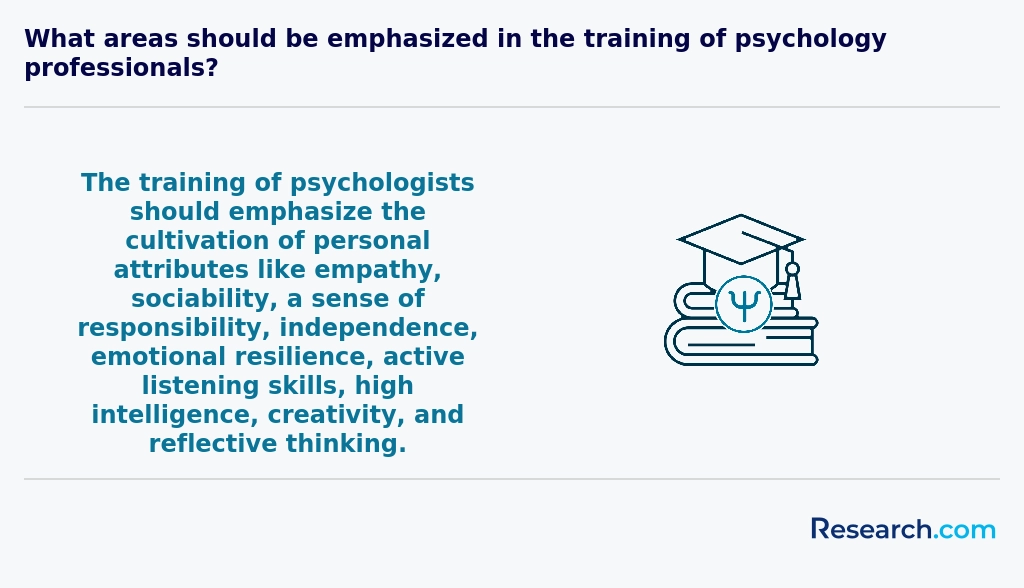
As the field of psychology rapidly evolves, staying informed about emerging trends is essential for both current students and future graduates. Today’s online psychology programs are increasingly integrating innovations such as virtual reality simulations for therapy training, AI-driven analytics for behavioral research, and interactive platforms that foster global networking. These advancements not only enhance the online learning experience but also prepare students to adapt to shifting career demands and technological breakthroughs in mental health care. Moreover, institutions are beginning to emphasize interdisciplinary approaches, combining psychology with data science, digital health, and even environmental studies to address complex societal challenges. This shift is opening up diverse career pathways that extend beyond traditional roles, offering graduates opportunities in emerging fields like cyberpsychology and digital behavioral intervention development. For deeper insights into advanced educational opportunities, you can check out our ranking of the best psychology doctorate degrees which highlights programs that are pioneering in these innovative areas. By keeping pace with these trends, prospective and current students can ensure that their education remains relevant in a dynamic job market, equipping them with both the foundational knowledge and cutting-edge skills needed for future success.
Online psychology degree programs in Colorado typically include a comprehensive set of core courses that balance biological and social sciences. Graduates from institutions like the University of Colorado Denver often describe gaining a strong grasp of foundational classes such as Introduction to Psychology, which lays out key concepts and the evolution of the field. Research Methods and Statistics courses are especially valued for their practical approach to analyzing data, a skill highlighted by students pursuing research-focused careers.
Developmental Psychology and Abnormal Psychology allow learners to deeply understand human growth and mental health challenges, with many reporting how these topics helped them relate theory to family or community experiences. Social Psychology courses further enrich understanding by examining real-life social dynamics, something graduates find particularly relevant given Colorado's diverse population.
Specialized electives like Forensic Psychology and Health Psychology enable students to tailor their studies. Many in Colorado State University's online programs appreciate these options, especially when internships or capstone projects provide hands-on experiences that boost confidence and prepare them for increasing job opportunities projected by state labor statistics.
Online psychology degree specializations in Colorado typically include Clinical Psychology, Counseling Psychology, Industrial-Organizational Psychology, Forensic Psychology, and Developmental Psychology. Graduates from prominent institutions like the University of Colorado Boulder often share how the Clinical Psychology specialization prepares them effectively for mental health roles by covering counseling techniques and evidence-based therapies. Those focusing on Counseling Psychology highlight coursework that develops strong ethical and multicultural counseling abilities, crucial for licensed therapist roles across Colorado's diverse communities.
Industrial-Organizational Psychology graduates frequently mention applying their knowledge to human resources and organizational development within Colorado's expanding business hubs. Forensic Psychology is valued by students aiming to enter criminal justice settings, where real-world application includes conducting assessments and providing expert testimony. Developmental Psychology attracts those interested in child and family dynamics, offering insights into psychological growth relevant to Colorado's social services.
Interest in psychology career options in Colorado is further supported by specialized tracks like health psychology and neuropsychology, often available at leading colleges. Prospective students can explore more options through the ranking of the best psychology doctorate degrees, helping them make informed decisions tailored to their career goals.
Choosing the best online psychology degree in Colorado requires focusing on several key factors backed by data. Graduates from prominent institutions like the University of Colorado and Colorado State University often praise the value of regional accreditation, essential for licensure and financial aid options. Programs must align with your career goals, whether clinical, counseling, or industrial-organizational psychology, and offer relevant specializations to meet Colorado's state-specific licensure requirements.
Cost is crucial; while tuition varies widely-from $7,000 to $20,000 annually-students report that affordable online options with strong financial support lessen stress and improve persistence. The average in-state tuition nationally is about $10,740, making Colorado's pricing competitive but worth scrutinizing closely. Flexibility in online formats matters: many working professionals appreciate asynchronous courses allowing study around job and family demands.
Successful graduates highlight the benefits of robust technological support and responsive faculty, especially in institutions known for their psychology programs. Reviewing retention and employment rates from schools popular in Colorado helps predict program quality. For a comprehensive comparison, explore psychology online degrees accredited to find the best accredited online psychology programs Colorado offers for 2027 and beyond.

Graduates with an online psychology degree in Colorado find diverse career paths that span clinical, educational, research, and business sectors. Many alumni from universities such as the University of Colorado Denver report success in clinical roles as licensed counselors or therapists, though becoming a licensed psychologist requires further doctoral education and supervised practice. Professionals often leverage their degrees for roles as school psychologist assistants or counselors, supporting student mental health and development within Colorado's education system.
Psychology job opportunities in Colorado also include positions in human resources, where graduates apply psychological principles to enhance employee wellness, training, and recruitment in local businesses. Others thrive in social and community service management, working with organizations that aid vulnerable populations. Research assistant roles at institutions like Colorado State University allow graduates to contribute to important behavioral health studies.
For those concerned about costs, exploring Inexpensive Online Bachelor's in Psychology Degree Programs Ranking in Missouri can offer insight into affordable options, supporting diverse career goals in psychology.
In Colorado, the job outlook for online psychology degrees is robust, with employment growth for psychologists projected at 11% over the next decade, slightly above the national average. Graduates from well-known institutions such as the University of Colorado or Colorado State University often find rewarding roles in clinical settings, schools, and businesses, reflecting the state's increasing investment in mental health resources. Many graduates report feeling optimistic about entering the workforce, especially in urban centers like Denver and Colorado Springs, where demand for mental health professionals continues to rise.
Salaries for entry-level positions with a bachelor's degree typically range from $40,000 to $50,000 annually, but advancing to licensed roles significantly increases earning potential. Licensing in Colorado requires passing the EPPP and completing accredited graduate training, which graduates often pursue to enhance their credentials. The employment opportunities with psychology degree Colorado present encourage many students to consider flexible online options, with some opting for a top non profit accredited online university to balance studies and work commitments.
2027 Fastest Online Psychology Degree Programs Ranking in Colorado
Investing in your education is a significant decision that can shape your future, and the Research.com team understands the importance of making informed choices. To assist prospective students in Colorado, we have meticulously crafted the "2027 Fastest Online Psychology Degree Programs Ranking in Colorado." Our commitment to quality, credibility, and accuracy is reflected in the extensive research and analysis conducted to compile this ranking.
We utilized the following reputable data sources to ensure a comprehensive evaluation of online psychology programs:
By exploring this ranking, readers will gain valuable insights into the fastest online psychology degree programs available in Colorado, empowering them to make well-informed decisions about their educational journey. For more information on how the ranking was created, please visit our Research.com methodology page.


# 4 position
Colorado Christian University
Bachelor of Applied Psychology


Frequently Asked Questions About psychology
Online psychology degree students in Colorado can maximize their learning experience by actively engaging with both digital resources and local opportunities. Colorado hosts several accredited institutions offering online programs, ensuring students receive quality education recognized nationwide. Utilizing virtual study groups and participating in online discussions promotes deeper understanding of psychological theories and practices.
Students should also seek internships or volunteer roles within Colorado's mental health organizations, such as those listed by the Colorado Department of Human Services. Practical experience complements online coursework and enhances job readiness.
Furthermore, Colorado's licensing board requires specific practicum hours; early planning can help students meet these demands. Access to regional databases like PsycINFO through university libraries supports research skills essential for success.
Emerging niches in psychology reflect growing societal and technological trends. In Colorado, fields like neuropsychology, health psychology, and forensic psychology are gaining traction. The demand for neuropsychologists is rising due to increased awareness of brain injuries and cognitive disorders.
Health psychology focuses on how behavior impacts health, a specialty growing steadily in Colorado's healthcare sector. Forensic psychology merges law and psychology, with local courts increasingly relying on experts for assessments.
Additional emerging areas include industrial-organizational psychology, emphasizing workplace behavior, and telepsychology, which expanded significantly with Colorado's rural populations seeking remote mental health services.
These niches offer broad opportunities for students pursuing online psychology degrees, aligning education with evolving workforce needs.
After completing an online psychology degree in Colorado, preparing for the job market involves several key steps. Begin by obtaining relevant experience through internships or volunteer work; Colorado hosts many community mental health centers ideal for this. According to the Colorado Department of Labor and Employment, the demand for psychology-related roles is projected to grow 8% by 2030, signaling promising opportunities.
It is essential to pursue state licensure if aiming to become a licensed psychologist. Colorado requires specific supervised hours and passing the Examination for Professional Practice in Psychology (EPPP). Networking through professional organizations like the Colorado Psychological Association can also enhance job prospects.
Employers in Colorado highly value psychology graduates who demonstrate strong communication skills, essential for effectively working with clients and colleagues. Analytical thinking is another top skill, helping graduates interpret complex behavioral data and apply evidence-based solutions. According to the Colorado Department of Labor and Employment, problem-solving abilities are critical in psychology roles throughout the state.
In addition, cultural competence is increasingly important due to Colorado's diverse population. Graduates with sensitivity to different backgrounds can better serve community needs. Time management and ethical decision-making are also emphasized, aligning with licensing standards and professional expectations. These skills prepare graduates for roles in healthcare, education, and social services sectors, which are growing rapidly across Colorado.
Finding internships in Colorado relevant to a psychology degree involves several key steps. Start by exploring internship opportunities through your university's career services, which often partner with local clinics and research centers. The Colorado Psychological Association provides resources and networking events that connect students with internships statewide. Additionally, state government websites list mental health facilities and community organizations offering psychology internships.
Online platforms such as Handshake and the Colorado Department of Higher Education's job portals frequently post internship openings. According to the Bureau of Labor Statistics, Colorado has a growing demand for psychology professionals, increasing internship availability. Early application and proactive networking with licensed psychologists can significantly improve your chances of securing a valuable internship.
Obtaining an online psychology degree in Colorado can significantly enhance career mobility and professional advancement. Graduates gain access to diverse roles in mental health counseling, education, and research, fields expected to grow by 12% statewide through 2030, according to the Colorado Department of Labor and Employment.
The flexibility of online programs allows working adults to balance education with employment, accelerating degree completion without geographic constraints. This accessibility expands opportunities for advancement within organizations that prefer candidates with specialized psychology credentials.
Moreover, many Colorado employers recognize accredited online degrees, especially those from regionally accredited institutions, facilitating smoother licensure pathways required for clinical positions licensed by the Colorado Board of Psychology.
Professionals with online psychology degrees often report improved salary prospects and eligibility for supervisory roles. For example, wage data shows licensed psychologists in Colorado earn a median annual salary of $89,000, higher than many entry-level psychology roles.
Studying for a psychology degree in Colorado offers strong preparation for interdisciplinary roles by incorporating diverse coursework and practical experiences. Programs often emphasize collaboration between psychology and related fields such as healthcare, education, and social work. This approach reflects Colorado's growing demand for professionals skilled in multiple disciplines, supported by labor statistics from the Colorado Department of Labor and Employment.
Online psychology degrees in the state frequently include training in research methods, data analysis, and ethical practices, which are valuable across sectors. Additionally, partnerships with local organizations provide students opportunities to apply psychological principles in real-world interdisciplinary settings.
The integration of Colorado's mental health initiatives and community-based projects within curricula strengthens critical thinking and adaptability, key skills employers seek in the evolving workforce.
Choosing between a thesis and a non-thesis psychology degree program in Colorado depends largely on your career goals and learning preferences. A thesis program involves conducting original research and writing a detailed paper, which suits students aspiring to enter research or doctoral studies.
Non-thesis programs focus more on coursework and practical skills, ideal for those aiming to work directly in clinical, counseling, or applied psychology roles.
According to the Colorado Department of Higher Education, over 60% of psychology graduates pursue non-thesis options, valuing quicker completion and applied experience.
Consider workload, career plans, and faculty mentorship availability when deciding between these tracks.
Students in Colorado interested in studying psychology abroad through online programs have several options. Many accredited U.S. institutions offer fully online psychology degrees accessible nationwide, allowing Colorado residents to earn their degrees remotely without relocating. While true foreign universities offering Americans online psychology degrees are less common, some U.S. universities collaborate internationally to provide hybrid or exchange components.
The Colorado Department of Higher Education recommends verifying regional accreditation and state licensing requirements for clinical roles after graduation. According to the American Psychological Association (APA), students should ensure their program meets licensure standards if planning to practice in Colorado.
Data from the National Center for Education Statistics shows a growing number of online psychology graduates in the U.S., reflecting increased flexibility for Colorado students who seek international perspectives via study-abroad modules integrated into online curricula.
In Colorado, part-time jobs that complement psychology degree education often include roles such as mental health technician, behavioral therapist assistant, and case manager aide. These positions provide practical experience working with clients and applying psychological concepts in real-world settings. According to the Colorado Department of Labor and Employment, demand for mental health support roles is expected to grow 15% by 2030, reflecting the state's increasing focus on behavioral health.
Medical offices, community health centers, and school districts commonly offer such part-time opportunities. Students can also find research assistant roles at universities like the University of Colorado, which helps build valuable skills in data collection and analysis.
Online psychology students in Colorado benefit from diverse networking opportunities through state universities and professional organizations. Many schools offer virtual events, discussion forums, and alumni networks that connect students with faculty and peers. The Colorado Psychological Association (CPA) hosts conferences and workshops accessible online, supporting student involvement and professional growth.
Students can also engage with local chapters of national organizations like the American Psychological Association (APA), which provide mentorship and internship openings. Colorado's growing mental health sector, which employed approximately 21,000 psychologists in 2023 according to the Bureau of Labor Statistics, creates ample chances to connect locally despite remote study.
Alumni networks offer valuable support for online psychology degree students in Colorado by creating professional connections that extend beyond graduation. These networks provide access to job opportunities in a state where psychology roles are growing, with Colorado expected to see a 15% increase in psychologist positions through 2030, according to the Bureau of Labor Statistics.
Members can participate in mentorship programs, connecting with experienced professionals who offer career advice and guidance. Networking events and online forums also help graduates stay informed about developments in psychology and licensure requirements specific to Colorado.
This ongoing support enhances career growth and encourages collaboration within the local psychology community, benefiting both new and seasoned practitioners.
Customizing an online psychology degree in Colorado involves selecting courses and specializations that align with your career goals. Many programs offer concentrations such as clinical psychology, industrial-organizational psychology, or counseling psychology. This flexibility allows students to focus on areas that match their interests and job market demands.
Additionally, some Colorado institutions provide elective options and fieldwork opportunities tailored to local community needs. According to the Colorado Department of Higher Education, focusing on applied psychology fields can improve job prospects within the state's growing mental health sector.
Advisors typically assist students in designing a plan that balances foundational theory with practical skills, helping to meet licensure requirements if desired.
Online psychology students in Colorado often face challenges related to balancing coursework with professional and personal responsibilities. Many students juggle full-time jobs, which can limit the time available for studying and completing assignments. Limited access to in-person labs and practicum sites may also impact hands-on learning experiences, essential for psychology degree accreditation.
Additionally, some students encounter technological hurdles, such as unreliable internet connections or lack of familiarity with online learning platforms. According to the Colorado Department of Higher Education, approximately 30% of online learners report difficulties adapting to remote study formats.
The competitive nature of psychology internships in Colorado further complicates timely program completion for many online students.
With an online psychology degree in Colorado, graduates can pursue several professional certifications to enhance their careers. One common path is becoming a Licensed Professional Counselor (LPC), which requires completing supervised clinical hours and passing the National Counselor Examination. The Colorado Department of Regulatory Agencies oversees this licensure.
Another option is the Certified Alcohol and Drug Counselor (CADC), beneficial for those focusing on addiction. According to the Colorado Department of Human Services, CADC holders often find work in treatment centers statewide.
Additional credentials include Registered Behavior Technician (RBT) for applied behavior analysis roles, widely in demand in Colorado schools and healthcare settings.
Writing a winning application for an online psychology program in Colorado starts with thorough research. Applicants should review program prerequisites, focusing on GPA requirements and any specific coursework in psychology or related fields. Many programs favor applicants with at least a 3.0 GPA, though competitive ones may require higher.
Personal statements must clearly express your motivation for studying psychology and how an online program fits your professional goals. Highlight relevant experience, including volunteer work or jobs in mental health settings.
Strong letters of recommendation are essential; choose references who know your academic abilities well. Lastly, ensure all application materials are submitted before deadlines set by Colorado institutions, such as the University of Colorado's online psychology programs.
The field of psychology enjoys global recognition, but career paths can differ significantly depending on regional demand and licensure requirements. In the United States, including Colorado, psychology professionals benefit from a growing job market, with employment projected to grow 8% from 2021 to 2031, according to the Bureau of Labor Statistics.
Worldwide, psychology careers often require advanced degrees and certification, but the U.S. system emphasizes clinical licensure, which varies state by state. For Colorado students, online psychology degrees offer flexible pathways to meet educational standards needed for licensure here.
The global focus on mental health awareness is expanding the psychology profession's role in healthcare, education, and business sectors. This international trend supports diverse career opportunities for graduates of Colorado's online programs.
Gaining practical experience while studying for an online psychology degree in Colorado is essential for building professional skills. Many Colorado institutions require or encourage internships, which can often be completed locally. Students can seek placements in clinics, hospitals, schools, or community agencies to apply theoretical knowledge.
The Colorado Psychological Association notes that supervised fieldwork is crucial for licensure eligibility and career preparation. Online programs typically support students by providing resources to find accredited practicum opportunities across the state. Some universities also partner with local mental health centers to facilitate remote or in-person practical experiences.
Additionally, virtual simulation tools and case studies are often integrated into curricula to enhance hands-on learning. Students should consult their program advisors early to ensure internship sites meet regional licensing requirements and to maximize networking potential within Colorado's psychology community.
Choosing the right concentration within an online psychology degree program in Colorado depends on your career goals and interests. Common specialties include clinical, counseling, industrial-organizational, and forensic psychology. Each concentration offers a different focus, such as mental health treatment, workplace behavior, or legal applications.
Consider the Colorado job market: the Department of Labor forecasts a 14% growth for psychologists statewide through 2030, with demand especially strong in clinical and counseling roles. Accreditation of the program and state licensure requirements also affect your choice.
Research programs aligned with your preferred concentration to ensure they meet Colorado's licensing standards, often required for advanced practice.
- 2027 Fastest Online Psychology Degree Programs Ranking in Kansas
- 2027 Fastest Online Psychology Degree Programs Ranking in Arizona
- 2027 Fastest Online Psychology Degree Programs Ranking in Texas
- 2027 Fastest Online Psychology Degree Programs Ranking in South Dakota
- 2027 Fastest Online Psychology Degree Programs Ranking in Missouri
- 2027 Fastest Online Psychology Degree Programs Ranking in Iowa
- 2027 Fastest Online Psychology Degree Programs Ranking in Louisiana
- 2027 Fastest Online Psychology Degree Programs Ranking in California
- 2027 Fastest Online Psychology Degree Programs Ranking in Minnesota
- 2027 Fastest Online Psychology Degree Programs Ranking in North Dakota
See What Experts Have To Say About Studying Psychology
Read our interview with Psychology experts

Robin M. Kowalski. Ph.D.
Psychology Expert
Professor of Psychology
Clemson University

Elizabeth L. Jeglic Ph.D.
Psychology Expert
Professor of Psychology
City University of New York

Catherine Caldwell-Harris, Ph.D.
Psychology Expert
Associate Professor of Psychology
Boston University

- Psychology Degree Online - MSU Denver https://www.msudenver.edu/online/psychology-bs/
- Scholarships For Psychology Majors (2025) https://www.psychology.org/scholarships/
- Online Psychology Degree Programs in Colorado https://www.onlinepsychologydegrees.com/states/colorado/
- Why Get a Psychology Degree Online? | University of Bridgeport https://www.bridgeport.edu/news/reasons-to-get-your-psychology-degree-online/
- 48 Jobs You Can Get with a Psychology Degree - Mid-Atlantic Christian University https://www.macuniversity.edu/48-jobs-you-can-get-with-a-psychology-degree/
- Ontario Psychological Association - Networking and Community Resources https://www.psych.on.ca/become-a-member-(1)/member-services/networking-and-community-resources
- How Psychology Students Can Get Clinical Experience ... https://www.theplayfulpsychologist.com/post/students-experience-how-to-get-the-experience-you-need-before-you-graduate
- What Can You Do with a Bachelor’s Degree in Psychology? A Guide to Potential Career Paths https://www.coloradotech.edu/degrees/studies/business-and-management/articles/what-can-you-do-with-a-bachelors-degree-in-psychology
- Online Psychology Degrees | University of Phoenix https://www.phoenix.edu/online-psychology-degrees.html
- Alumni Perspectives - Meet Our FPN Alumni https://www.aanmelder.nl/alumni-perspectives-june-2023