2027 Best Online Psychology Degree Programs Ranking in Maine

Co-Founder and Chief Data Scientist
Choosing the right psychology degree program is a crucial step for students in Maine aiming to build a meaningful career. This article introduces the 2027 Best Online Psychology Degree Programs Ranking in Maine, developed by the Research.com team of data scientists to guide you toward the best options available.
By exploring this ranking, you'll gain valuable insights to make an informed decision that fits your goals and lifestyle. Earning a psychology degree opens doors to rewarding opportunities and personal growth. Let this guide support your exciting academic journey.
Key benefits of getting online psychology degree in Maine
- Salary for psychology degree graduates: Graduates in Maine with a psychology-related degree can expect competitive salaries such as $76,060 annually for Human Resources Specialists and $83,190 for Marketing Research Analysts, highlighting strong earning potential.
- Career paths: Psychology graduates from the University of Maine often find rewarding roles in clinical research, marketing analysis, or human resources, offering diverse opportunities to find a fulfilling career.
- Online degree benefits: Earning a psychology degree online from the University of Southern Maine allows flexible scheduling and lower costs, making it easier to balance studies with work or family life while gaining the same respected credential.
- 2027 Best Online Psychology Degree Programs Ranking in Maine
- What can I expect from online psychology degree in Maine?
- Where can I work with online psychology degree in Maine?
What can I expect from online psychology degree in Maine?
If you're wondering about the average cost of an online psychology degree in Maine, it generally falls somewhere between $10,000 and $25,000 for a bachelor's program, depending on the school and whether you're full-time or part-time. Graduates from well-known institutions like the University of Southern Maine often mention how manageable the tuition felt, especially with the financial aid options tailored for Maine residents.
Many students appreciate that flexible payment plans and scholarships help ease the financial load. Plus, the fact that you can study online means you save on commuting costs and can balance work or family alongside your studies. For example, a psychology student juggling a part-time job shared how the semester system at some colleges made it easier to spread out expenses over time while still completing the degree within four years.
And since programs in Maine typically require in-person practicum hours nearby, students get hands-on experience without extra relocation costs, which really makes the whole investment feel worthwhile and practical.
Where can I work with online psychology degree in Maine?
If you're wondering where you can work with an online psychology degree in Maine, there are actually quite a few awesome paths to explore. Graduates from schools like the University of Maine often find jobs as mental health counselors or behavioral health techs, working directly with people who need support-something that feels really rewarding. Some even move on to get certifications or graduate degrees to step into clinical roles, as Maine's demand for mental health pros keeps growing.
Others score roles in human services, helping out at nonprofits focused on youth or substance abuse. Imagine being part of community outreach teams in Portland or Bangor, providing real help where it matters. Psychology grads also jump into schools as support staff or program coordinators, working with kids or managing student counseling programs-especially around special education.
Businesses and government offices appreciate psychology skills too. Graduates contribute to HR teams, improving hiring and employee training. And if research is your thing, Maine's universities sometimes offer chances to join behavioral studies or mental health projects-perfect for those curious minds!
If you're earning an online psychology degree in Maine, your paycheck can vary quite a bit depending on the job you land. Graduates working as Human Resources Specialists, which is a common path, make around $76,060 a year on average-that's pretty solid, right? If you're leaning toward research roles like Clinical Research Associate or Survey Researcher, expect to make about $62,370 annually.
Some graduates from schools like the University of Southern Maine have found these numbers encouraging since it means you can start building a comfortable career right away. Marketing Research Analysts, another popular choice for those with psychology backgrounds, tend to earn even higher, about $83,190 yearly, which is great if you enjoy digging into data and consumer behavior.
On the flip side, if you're thinking about roles like childcare work while finishing your degree, the pay is lower-around $32,070. But many graduates share that gaining experience in these roles helps them feel confident stepping up to bigger opportunities.
- The average annual cost for an online psychology bachelor's degree in Maine ranges from $10,000 to $25,000 for in-state public university students.
- Entry-level psychology graduates in Maine earn around $45,000 per year, with salaries increasing to $70,000-$80,000 with experience and advanced degrees.
- The job market for psychologists and mental health counselors in Maine is expected to grow by 5% to 7% over the next decade, matching national growth rates.
- Graduates must meet Maine Board of Psychology requirements, including accredited programs, supervised clinical hours, and passing exams for licensure.
- Online psychology programs in Maine offer flexibility and can prepare students for state licensure when properly accredited.
If you're thinking about getting an online psychology degree in Maine, most folks finish their bachelor's in about four years, which is pretty much the norm. For example, students at the University of Southern Maine often find that sticking to a full-time schedule lets them wrap things up right on time with the flexibility of online classes. It's a great way to balance school with work or family commitments.
But not everyone follows the same path. Some students, especially those working part-time or juggling other priorities, might take five or six years. Others choose accelerated programs, packing in extra courses or summer classes, and finish faster-sometimes in three years. Graduate degrees naturally vary more. Master's programs can take anywhere from 1.5 to 3 years, while doctorates usually stretch between 4 to 7 years, although fully online doctorates are pretty rare in Maine due to the hands-on clinical work involved.
When evaluating online psychology programs in Maine, one crucial factor to consider is affordability. Prospective students should research the total cost of attendance, including tuition, fees, and living expenses, to ensure they can manage the financial investment. For those seeking an affordable psychology school in Maine, it's essential to explore financial aid options, scholarships, and grants that can help offset the costs. By weighing the costs against the potential benefits and considering factors like program reputation, accreditation, and career outcomes, students can make an informed decision that sets them up for success in their educational and professional pursuits.
If you're thinking about a psychology degree in Maine, the big difference between online and on-campus programs often comes down to how you like to learn. Picture a student at the University of Southern Maine juggling work and family-online classes let them hit lectures late at night or during lunch breaks. That kind of flexibility is a lifesaver for folks with busy schedules.
On the flip side, attending a place like Bowdoin College means you're physically there, getting hands-on with research projects, chatting face-to-face with professors, and diving into campus life. Some graduates say those in-person connections really help when it's time to find internships or practical training at Maine's local clinics or schools.
Online learners might need to be pretty self-motivated and comfortable with tech since everything's done on a screen, but they often save on commuting and housing costs. Meanwhile, the on-campus vibe gives a structured routine and direct support-both paths lead to the same solid psychology knowledge, just with different day-to-day feels!
Understanding the licensure process is essential for psychology graduates who aim to practice professionally in Maine. Upon completing an accredited degree, candidates must navigate a series of regulatory steps to obtain the appropriate credential. First, aspiring psychologists typically pursue a bachelor’s degree in psychology, followed by a master’s or doctoral program accredited by the American Psychological Association (APA). For those seeking an affordable pathway to a bachelor’s degree, consider exploring our Inexpensive Online Bachelor's in Psychology Degree Programs, which provide a solid foundation while minimizing student debt. Next, applicants must accumulate supervised clinical experience under licensed psychologists. Maine requires at least 3,360 hours of supervision for doctoral-level candidates and 2,000 hours for master’s-level practitioners aiming for licensure as a Licensed Clinical Professional Counselor (LCPC). Documentation of this supervised practice is submitted to the Maine Board of Examiners of Psychologists. Candidates are also required to pass the Examination for Professional Practice in Psychology (EPPP), a comprehensive test covering core psychological domains and ethics. In addition, Maine mandates a jurisprudence exam on state-specific statutes and professional standards. Once these requirements are met, graduates submit a licensure application, including official transcripts, verification of supervised hours, exam scores, and the application fee to the Board. Upon approval, professionals must complete continuing education-typically 30 credit hours every two years-to maintain active status. Finally, licensed psychologists moving to Maine from other states may apply for reciprocity, provided they hold equivalent credentials and pass any state-specific exams. By following these steps, psychology graduates can confidently advance their careers and serve Maine’s communities with recognized professional credentials.
The average online psychology degree cost in Maine typically sits around $33,840 for in-state students, which is a nice relief if you're planning to stay local. Out-of-state students looking at popular schools such as the University of Southern Maine or the University of Maine can expect higher expenses, with median total costs nearing $52,680. Many graduates recall the feeling of relief when discovering that in-state rates make pursuing their degree more affordable without sacrificing quality.
Most psychology students in Maine share stories about balancing work and school, appreciating how the local universities tailor online programs to fit busy lives. Charging by credit hour, these programs generally hover between $350 and $600 per credit, which adds up but stays within reach for many when compared to private institutions. Some students start at community colleges where credit costs are lower, making the journey even more manageable before transferring to a four-year school.
When you consider total expenses for psychology degrees Maine offers, the financial aid and scholarships available often ease the burden. Attending a public university online while qualifying for in-state tuition rates can really lower costs. Several students find helpful resources and support here, which makes the whole process feel much more hopeful and doable. This balance of affordability and flexibility makes Maine a welcoming place to pursue your psychology goals.
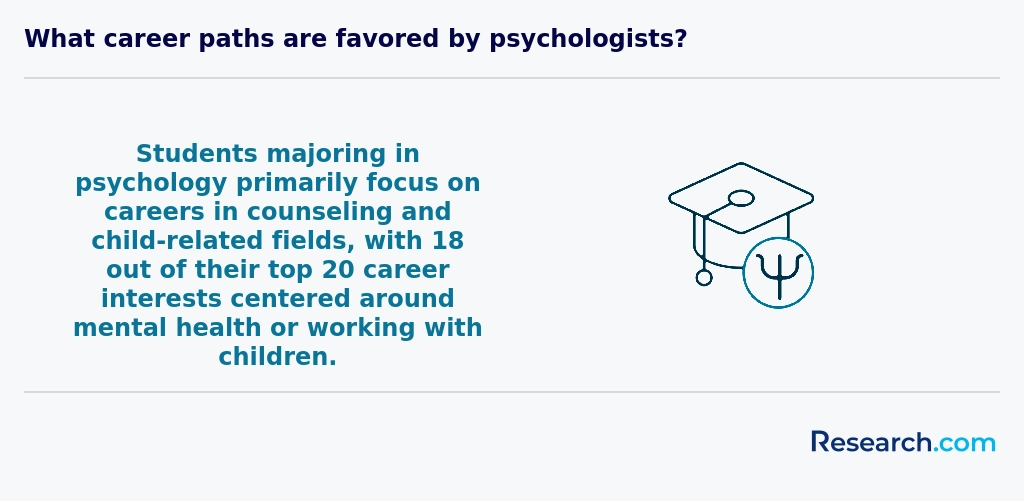
Aspiring psychologists in Maine must navigate specific licensure and certification milestones to practice professionally. First, candidates should earn a qualifying online psychology degree in Maine, ensuring the program is accredited and meets the educational criteria for licensure. Many students accelerate this process by opting for a psychology accelerated degree, which integrates coursework and practicum to fulfill credit requirements faster. Next, graduates must complete a supervised experience: typically 3,000 hours of post-graduate supervised work under a licensed psychologist. This apprenticeship phase sharpens clinical skills and prepares candidates for the Examination for Professional Practice in Psychology (EPPP), the national licensing exam. Maine also requires a state jurisprudence exam covering local statutes and ethical codes. Upon passing both exams, applicants submit a licensure application to the Maine Board of Examiners of Psychologists, including transcripts, verification of supervised hours, and exam scores. Once approved, newly licensed psychologists must engage in ongoing professional development. Maine mandates 20 continuing education credits biennially, encompassing ethics, diversity, and evidence-based treatments. Understanding these requirements early helps online learners structure their academic and clinical timelines effectively. By planning ahead-selecting the right degree pathway, securing quality supervision, and scheduling exam prep-students can transition smoothly from an online psychology program in Maine to a fully licensed professional, ready to serve communities statewide.
If you're diving into an online psychology degree in Maine, there's good news-lots of financial aid options can make your journey easier. Think about federal aid first, like Pell Grants that don't need repayment and can cover up to $7,395 for the school year. Many Maine psychology grads from places like the University of Southern Maine or Husson University have leaned on these grants to keep costs manageable.
Then, there's state help through Maine's State Grant Program, which some students find really clutch for trimming tuition bills at public universities or community colleges with online psych offerings.
Scholarships are another solid win. Imagine getting a merit-based award or a psych-related scholarship at your college-it's such a boost! Maine colleges often update their scholarship portals to match interests in psychology, helping students afford their studies without stressing.
Plus, if you're juggling work, check with your employer about tuition reimbursement. Loads of grads say these programs helped them stay on track without breaking the bank.
And don't forget professional groups like the APA. While competitive, their scholarships can be game-changers and also connect you with people who get the psychology path.
Success in an online psychology program often relies on effective time management, active participation, and the strategic use of digital resources. To start, establish a dedicated study space that minimizes distractions and encourages focus. Scheduling regular study sessions, setting clear goals, and using digital calendars can help manage coursework effectively. Additionally, actively participating in discussion boards and virtual classrooms builds a sense of community and deepens your understanding of critical psychological concepts. Leverage technology by using academic tools and apps designed to organize notes, track deadlines, and facilitate communication with professors and peers. Many programs also offer virtual advising and tutoring services-resources that are invaluable when tackling challenging topics or preparing for exams. Connecting with alumni networks and joining online study groups can provide further insights and real-world perspectives, enabling you to apply theoretical knowledge practically. For comprehensive guidance on enhancing your online learning journey, consider exploring the opportunities available through the university of texas online psychology degree, which offers robust academic support and innovative learning strategies. These strategies not only improve academic performance but also help in building a resilient skill set that employers value in today’s competitive job market. Consistently reviewing your progress, seeking feedback, and staying updated on new developments in the field of psychology will further enable you to achieve long-term success in your academic and professional endeavors.
If you're thinking about starting an online psychology degree in Maine, you'll want to meet a few basic requirements first. For most bachelor's programs, you just need a high school diploma (or GED), plus a decent GPA-usually around 2.5 to 3.0. Graduates from local schools often share how having that solid academic start kept them confident when tackling online classes from places like the University of Maine or Husson University.
When it comes to standardized tests like the SAT or ACT, many Maine schools have eased up or gone test-optional, so don't stress if you haven't taken them. For those eyeing a master's or doctoral program online, you'll typically need a bachelor's in psychology or something similar. Some schools welcome students from different undergrad fields but expect you to have taken a few psych and research courses first.
Applicants also usually submit transcripts, recommendation letters, and a personal statement. Some graduates recall how sharing their volunteer experiences in mental health really helped show their passion, making the whole process feel more personal and rewarding.

Graduates aiming for independent practice in Maine must meet specific state board criteria:
- Education: Earn a doctoral degree in psychology from a regionally accredited institution.
- Supervised Experience: Complete at least 1,750 hours of post-doctoral supervised professional practice.
- Examinations: Pass the EPPP (Examination for Professional Practice in Psychology) and the Maine jurisprudence exam.
- Application: Submit official transcripts, exam scores, and a licensure application to the Maine Board of Licensure in Psychology.
- Continuing Education: Complete 20 hours of approved continuing education every two years to maintain active status.
Choosing an accredited online program, such as the cheapest psychology degree online, ensures your education aligns with Maine’s licensure requirements.
When you dive into an online psychology degree in Maine, you'll find yourself exploring some pretty interesting courses that really build your understanding step-by-step. At popular schools like the University of Southern Maine or Husson University, students often start with intro courses that break down all the major psychology theories-think of it as learning the "why" behind how people think and behave.
From there, you'll get hands-on with research methods and stats, which might sound tricky at first, but many grads say it actually helps you see real-life data in a new way, like figuring out why people make certain choices based on numbers. Biological bases of behavior is another big class, helping you connect brain science to everyday actions-perfect when you're curious about why emotions hit us the way they do.
Courses in social, cognitive, and developmental psychology shine light on how people grow and relate to each other, which past students have found super useful whether they're working in counseling or even management. And a lot of online programs from Maine colleges also offer ethics and internships, giving you a chance to practice what you learn and feel ready for real-world challenges right from home.
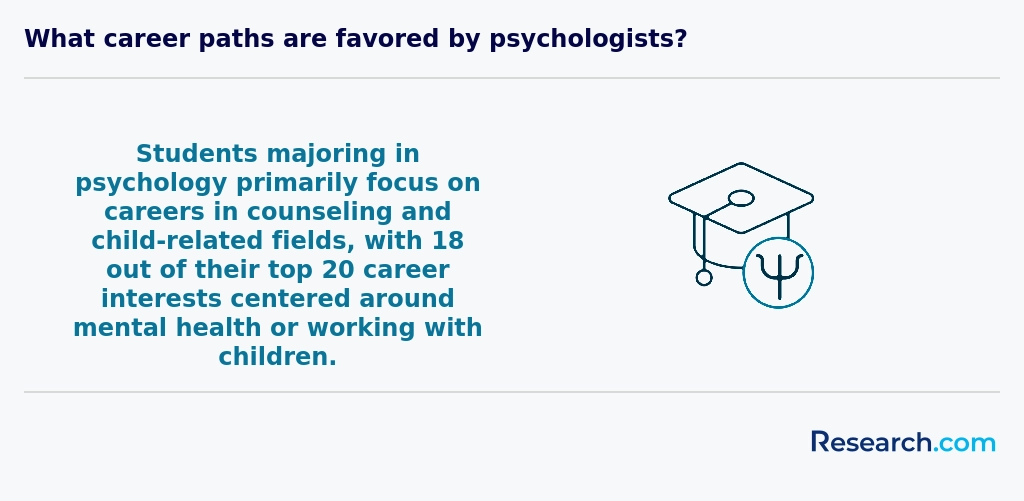
If you're looking into online psychology degree specializations Maine offers, you'll find a neat variety that really fits different career paths. Many students pick clinical psychology since it gears them up for real-world mental health work, whether in hospitals or private counseling. Graduates from popular schools in Maine often share how rewarding it feels to respond to the state's growing need for mental health support.
Developmental psychology is another go-to concentration, focusing on how people grow and change over their lives. Students love applying what they learn to help kids and seniors, especially knowing Maine values strong community support for these groups. It makes sense why this is one of the best psychology program concentrations in Maine.
Some programs also offer industrial-organizational psychology, which graduates fondly mention helps them boost employee satisfaction in Maine's bustling workplaces. Other cool options like forensic, health, and school psychology give learners even more chances to follow their passions.
It's smart to double-check program details and licensing rules. Maine students often consider costs and requirements like the arkansas psychology license application fee to plan ahead smoothly.
Picking the best online psychology degree in Maine really comes down to what fits your life and goals. Many grads from well-known Maine colleges mention how choosing a program accredited by the Higher Learning Commission made a big difference-they felt confident their credits would transfer if needed, and employers recognized their degree. Cost is another biggie; with tuition around $10,000 a year at public Maine universities for in-state students, it's a smart move to compare prices and look for affordable psychology degrees online Maine programs that offer scholarships or financial aid.
Flexibility also pops up a lot in students' stories. Those juggling work or family love programs that mix online classes with local internships, making it possible to get hands-on experience without leaving home. If you're eyeing licensure, check how well the program helps with certifications and look into clinical psychology job duties to see what practical skills you'll need. This balance of quality, cost, and convenience makes online psychology degree programs in Maine a great option for busy learners.
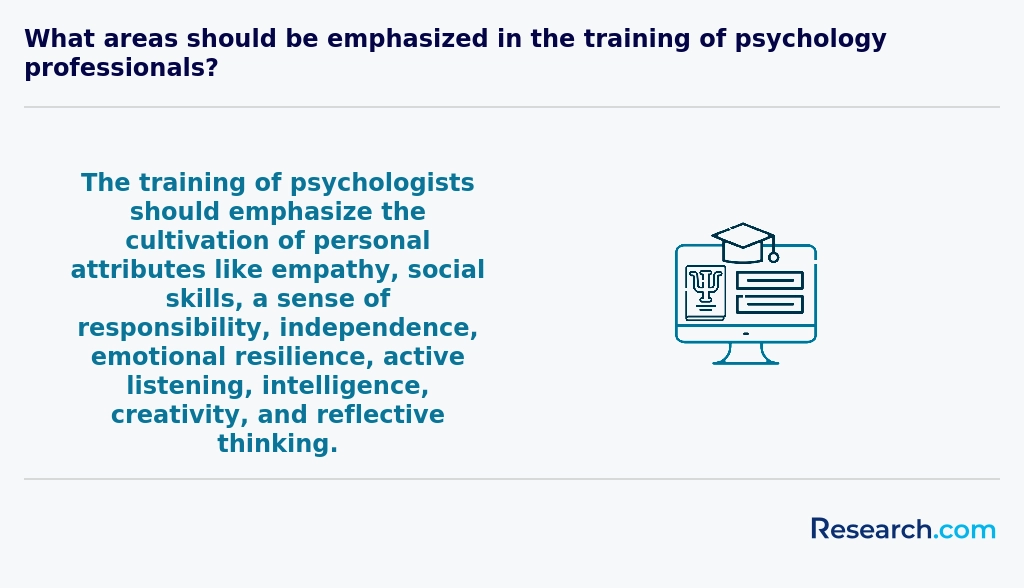
If you're diving into an online psychology degree in Maine, you'll find plenty of career paths waiting for you. Graduates often step into roles like psychiatric or mental health technicians, helping people navigate daily challenges under professional supervision-these jobs offer a rewarding way to start, with salaries around $30,000 to $40,000. Many students from popular Maine colleges say it feels great knowing they're making a real difference early on.
For those who keep going and earn a master's or doctoral degree, clinical psychology or counseling opens doors to working in hospitals, schools, or private practices, with salaries between $85,000 and $95,000. It's exciting for grads to see how their advanced skills help individuals thrive in tough times. Plus, if you love workplace dynamics, industrial-organizational psychology is booming in Maine, especially at large companies and consulting firms-these roles often pay more than $70,000.
Many grads also find rewarding jobs in social work, human resources, education, or research, thanks to the versatility of a psychology degree. If you're curious about starting your journey cost-effectively, check out this affordable psychology school in Maine, a favorite among students looking to balance quality and budget. The variety of online psychology career opportunities in Maine means you can find something that truly fits your passion and lifestyle.
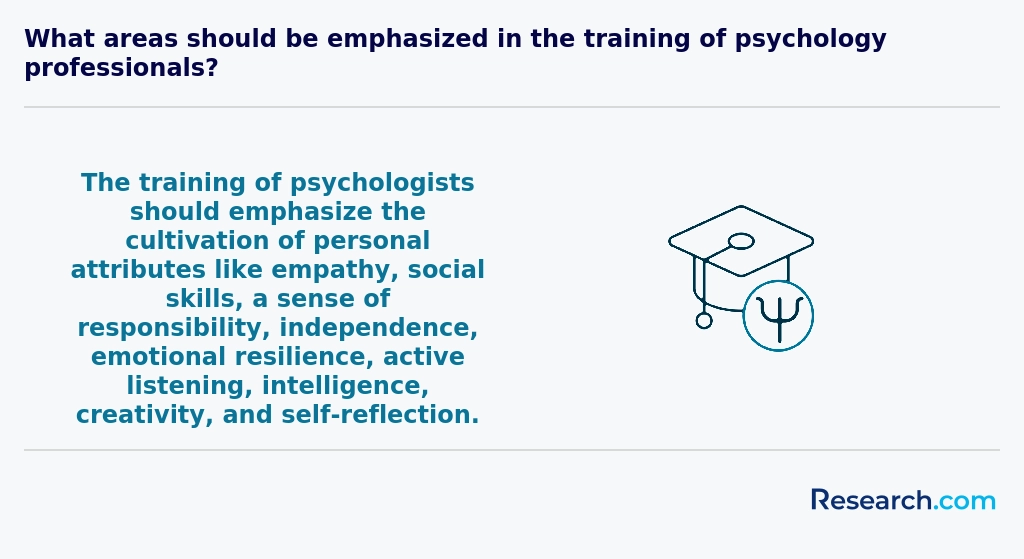
The job market for those holding an online psychology degree in Maine is pretty promising, especially as the demand for mental health services keeps growing here. Graduates from popular colleges in Maine often find themselves working as licensed psychologists, counselors, or social workers, thanks to the state's aging population and increased focus on mental health. Many online psychology degree jobs in Maine open doors to roles in healthcare and social services, which are among the fastest-growing sectors locally.
Some grads share how their online studies gave them flexibility, allowing them to balance work and family while earning a degree from well-known schools within the state. For anyone considering the next step, obtaining a master's and licensure really helps land more specialized positions. Maine residents can also explore affordable paths to a degree, sometimes even through programs like the university of texas online psychology degree, which offers competitive pricing and solid credentials.
2027 Best Online Psychology Degree Programs Ranking in Maine
Investing in your education is a significant decision that can shape your future, and the Research.com team understands the importance of making informed choices. To assist prospective students, we have meticulously developed the "2027 Best Online Psychology Degree Programs Ranking in Maine." Our dedication to quality, credibility, and accuracy is demonstrated through rigorous research and thorough analysis behind this ranking.
We utilized the following reputable data sources to ensure a comprehensive evaluation of psychology programs:
By exploring this ranking, readers will gain valuable insights into the top online psychology degree programs in Maine, empowering them to make well-informed educational decisions. For more details on how this ranking was created, please visit our Research.com methodology page.
# 1 position
University of Maine at Machias
Bachelor of Psychology and Community Studies


Frequently Asked Questions About psychology
Online psychology degree students in Maine can maximize their learning experience by actively engaging with course materials and faculty. Utilizing resources such as virtual office hours and academic advising offered by accredited schools helps clarify complex concepts and plan career paths.
Participating in discussion forums enhances understanding through peer interaction, reflecting Maine's collaborative educational culture. Students should also seek internships approved by their programs to gain practical experience, which is crucial given Maine's growing mental health services sector. According to the Maine Department of Labor, employment for psychologists is expected to grow by 11% through 2030, highlighting the benefits of hands-on training alongside theoretical knowledge.
Finally, staying organized with a study schedule and leveraging online tools for time management can improve retention and performance in rigorous psychology courses.
Emerging niches within psychology reflect shifts in societal needs and technological advances, offering promising career paths for students in Maine pursuing online psychology degrees. One growing field is cyberpsychology, which examines how digital technology affects human behavior. With increased online activity, this niche is crucial for understanding mental health in virtual environments.
Another expanding area is neuropsychology, focusing on brain-behavior relationships, increasingly relevant due to advances in brain imaging technologies. Additionally, health psychology is gaining traction as Maine sees a rise in chronic illnesses, highlighting the need for mental health professionals addressing behavioral factors in physical health.
According to the Bureau of Labor Statistics, Maine's employment for psychologists is projected to grow by 10% through 2030, emphasizing demand in these specialized areas.
After completing an online psychology degree in Maine, it is crucial to focus on building practical experience to enter the job market confidently. Internships and volunteer work, especially in clinical or counseling settings, significantly improve employability. According to the Maine Department of Labor, psychology-related professions are expected to grow by 10% through 2030, emphasizing the need for strong hands-on skills. Networking with local psychology associations, such as the Maine Psychological Association, can provide valuable job leads and mentorship opportunities. Additionally, obtaining licensure or certification relevant to your career goals enhances credibility and eligibility for many roles in Maine's healthcare and education sectors.
Employers in Maine seeking psychology degree graduates emphasize several essential skills. Strong communication skills, both verbal and written, are vital for effectively interacting with clients and colleagues. Critical thinking and the ability to analyze complex behaviors are highly valued, as noted by the Maine Department of Labor. Additionally, proficiency in data collection and interpretation is important due to the increasing reliance on evidence-based practices in clinical and research settings.
Understanding ethical standards and confidentiality rules, especially in counseling roles, is crucial. According to the Bureau of Labor Statistics, teamwork and interpersonal skills also rank high, given the collaborative nature of mental health care in Maine's community and hospital environments.
Finding psychology internships in Maine as an online student involves strategic research and networking. Start by contacting Maine-based universities with psychology departments, such as the University of Southern Maine, which often collaborate with local clinics and mental health agencies.
State agencies like the Maine Department of Health and Human Services offer internship opportunities in behavioral health. Additionally, nonprofit organizations and counseling centers throughout Maine frequently seek interns to support mental health services.
Use online platforms like Handshake and the Maine CareerCenter to find local internship listings. Networking with Maine professionals via LinkedIn can also reveal hidden opportunities tailored to psychology students.
Since licensure in Maine requires supervised experience, pursuing internships that meet state requirements is essential.
Obtaining an online psychology degree in Maine can significantly enhance career mobility and advancement within the state's growing mental health sector. According to the U.S. Bureau of Labor Statistics, Maine projects a 10% increase in psychologist jobs from 2022 to 2032, faster than the national average.
Completing an accredited online program provides essential credentials for state licensure and roles in counseling, research, or social services. The flexibility of online degrees allows working professionals to advance their education without interrupting their careers. Graduates can access higher-paying positions and specialized fields, such as clinical psychology or school counseling, which are in demand in Maine's rural and urban communities.
Studying for a psychology degree in Maine offers strong preparation for interdisciplinary roles by integrating knowledge across multiple fields such as health care, social services, and education. Many programs emphasize collaboration skills, critical thinking, and applied research methods, which are valuable when working with professionals from various disciplines.
Maine's online psychology degrees often include coursework in neuroscience, counseling, and behavioral health, reflecting the state's growing demand for integrated mental health services. According to the Maine Department of Labor, psychology-related occupations are expected to grow by 11% through 2030, underlining the need for versatile professionals.
This training equips graduates to engage effectively in team-based environments, including hospitals, schools, and community organizations, enhancing their ability to address complex human behaviors from multiple perspectives.
Choosing between a thesis and a non-thesis psychology degree program in Maine depends on your career goals and learning preferences. A thesis option involves conducting original research, which suits students aiming for doctoral studies or research careers. Non-thesis programs typically focus on coursework and practical skills, ideal for those pursuing professional roles like counseling or administration.
In Maine, accredited programs often align with national standards set by the American Psychological Association (APA). According to the Maine Department of Education, about 30% of psychology master's students graduate with a thesis, reflecting a balance between research and applied learning.
Consider your time commitment, as thesis tracks generally require more months of study. Speak with program advisors to understand specific expectations and resources available for research projects.
Students based in Maine who are interested in studying psychology abroad have limited direct options due to visa, licensing, and transfer credit challenges. However, a common path involves enrolling in accredited online psychology programs offered by U.S. institutions with international components. This allows students to gain global perspectives without relocating permanently. The American Psychological Association (APA) endorses certain online degrees that meet academic standards, important for licensure in Maine.
Currently, Maine ranks 39th nationally for psychology degree completions, reflecting moderate interest in the field. Students often pursue online degrees from nationally recognized universities that offer study abroad possibilities or international research experiences integrated into their curriculum.
Prospective students should also consult Maine's licensing board to ensure that an international education aligns with state requirements for practicing psychology professionally.
Students pursuing online psychology degrees in Maine can benefit from several part-time job opportunities that complement their education. One common role is working as a behavioral health technician or aide in local clinics and hospitals. These positions offer practical experience with patient interaction and mental health care protocols. According to the Maine Department of Labor, support roles in behavioral health services are growing due to increased demand for mental health professionals.
Another option is assisting research projects at universities or nonprofit organizations, where students can develop skills in data collection and analysis. Additionally, customer service roles in counseling centers or social service agencies help enhance communication skills relevant to psychology careers.
Online psychology students in Maine benefit from several networking opportunities despite studying remotely. Many universities in Maine, such as the University of Southern Maine, offer access to virtual career fairs and alumni networks, facilitating connections with professionals statewide.
Students can join the Maine Psychological Association (MPA), which hosts events, workshops, and provides a platform to connect with licensed psychologists and fellow students. According to the MPA, over 400 members participate annually, offering a robust professional community.
Additionally, Maine's colleges often partner with local clinics and organizations, allowing online students to engage in internships or volunteer work. These experiences enhance practical skills and expand local professional contacts crucial for future employment.
Alumni networks offer significant benefits to students pursuing online psychology degrees in Maine. These networks connect current students with graduates who have firsthand experience in both the academic program and the local job market. According to the Maine Department of Labor, psychology-related jobs are expected to grow by 7% through 2028, highlighting the importance of professional connections.
Through alumni groups, students gain access to mentorship, internship opportunities, and career advice specific to Maine's healthcare and counseling sectors. This guidance is vital for navigating licensure requirements, which vary by state but are well-understood by local alumni.
Moreover, these networks foster a sense of community and professional identity, helping online learners feel more engaged despite remote study. Institutions in Maine often facilitate events and online forums where alumni support networking and lifelong learning.
Customizing an online psychology degree program in Maine allows students to align their education with specific career objectives. Many Maine institutions offer elective courses and concentration options in areas such as clinical psychology, counseling, or applied behavior analysis. This flexibility helps students develop specialized skills relevant to local job markets. According to the Maine Department of Labor, demand for mental health professionals is expected to grow by 18% through 2030, emphasizing the value of targeted training.
Students can also engage in internships or practicum experiences with Maine-based agencies, which strengthens practical knowledge and networking. Online platforms often enable scheduling that fits personal commitments. Accreditation by bodies like the APA ensures programs meet professional standards necessary for licensure or certification nationwide.
Online psychology students in Maine commonly face several challenges that can impact their academic success. A primary difficulty is balancing coursework with personal and professional responsibilities, as many learners pursue degrees part-time while working. According to the U.S. Department of Education, time management remains a significant stressor for adult learners in online settings.
Another challenge is limited access to local practicum placements required for licensure. Maine's smaller population and fewer clinical facilities make securing supervised internships more competitive compared to larger states, as noted by the Maine Board of Licensed Professional Counselors.
Additionally, some students report feelings of isolation due to reduced face-to-face interaction, which can affect motivation and engagement.
An online psychology degree can open the door to several professional certifications, especially within Maine's growing mental health sector. Graduates often pursue certification as a Licensed Clinical Professional Counselor (LCPC) or Licensed Clinical Social Worker (LCSW), both regulated by the Maine Office of Professional and Occupational Regulation. These certifications require graduate-level education plus supervised clinical experience.
Other options include becoming a Certified Addiction Counselor or obtaining a Behavior Analyst Certification from the Behavior Analyst Certification Board. According to the Maine Department of Labor, the demand for certified mental health professionals is expected to grow by 15% through 2030, highlighting strong career prospects for those with these credentials.
Certifications usually involve passing exams and maintaining continuing education, assuring quality and professional standards in the field. Pursuing these certifications enhances both job opportunities and potential salaries in Maine's healthcare and social services sectors.
Applying for an online psychology degree program in Maine requires careful preparation focused on both academic and personal strengths. Start by ensuring your application highlights a strong foundation in relevant coursework such as biology, social sciences, and statistics, which many Maine institutions emphasize.
Personal statements should clearly convey your motivation for studying psychology, referencing any community involvement or work experience related to mental health. Maine's Department of Education notes that applicants with experience in local mental health facilities or counseling services often stand out.
Recommendations from professors or employers familiar with your analytical and communication skills can significantly boost your application's credibility. Also, pay close attention to each program's specific requirements; for example, the University of Southern Maine values diversity and commitment to rural mental health issues, which you can address in your essay.
Psychology careers offer diverse opportunities both within the United States and globally. In Maine, the demand for mental health professionals is expected to grow by 14% through 2031, reflecting nationwide trends reported by the U.S. Bureau of Labor Statistics. Globally, psychology is valued for addressing mental health, human behavior, and social challenges across cultures.
Professionals trained in psychology often participate in research, counseling, and organizational roles worldwide. Online psychology degrees offer flexibility for Maine students to engage with international perspectives and practices.
While licensing requirements differ internationally, U.S. degrees, especially accredited ones, are respected and can facilitate careers in research or applied psychology abroad.
Students pursuing an online psychology degree in Maine can gain practical experience through internships, practicum placements, or volunteer opportunities. Many programs partner with local mental health clinics, hospitals, and social service agencies to offer supervised fieldwork, which is crucial for developing clinical skills.
Maine requires psychology licensing applicants to complete supervised hours; therefore, gaining hands-on experience during studies can streamline career progression. According to the Maine Board of Examiners of Psychologists, candidates typically need 2,000 hours of supervised professional experience.
Online students should also inquire about virtual internships and remote research opportunities, increasingly available to accommodate distance learners. The University of Southern Maine, for example, facilitates such placements in collaboration with Maine organizations.
Choosing the right concentration within an online psychology degree in Maine depends on your career goals and interests. Popular concentrations include clinical, counseling, and industrial-organizational psychology. Clinical psychology is ideal for those seeking to become licensed therapists, while industrial-organizational focuses on workplace behavior and leadership. Counseling psychology often emphasizes helping individuals with life challenges.
Consider Maine's job market as well. According to the Maine Department of Labor, demand for clinical and counseling psychologists is expected to grow by 14% from 2020 to 2030. Aligning your concentration with these trends can improve employment prospects. Review course offerings carefully and verify your program's accreditation to meet licensing requirements in Maine.
- 2027 Best Online Psychology Degree Programs Ranking in New York
- 2027 Best Online Psychology Degree Programs Ranking in Pennsylvania
- 2027 Best Online Psychology Degree Programs Ranking in Virginia
- 2027 Best Online Psychology Degree Programs Ranking in Florida
- 2027 Best Online Psychology Degree Programs Ranking in Alabama
- 2027 Best Online Psychology Degree Programs Ranking in Missouri
- 2027 Best Online Psychology Degree Programs Ranking in Kansas
- 2027 Best Online Psychology Degree Programs Ranking in Texas
- 2027 Best Psychology Degree Programs Ranking in Connecticut
- 2027 Best Psychology Degree Programs Ranking in Delaware
See What Experts Have To Say About Studying Psychology
Read our interview with Psychology experts

Elizabeth L. Jeglic Ph.D.
Psychology Expert
Professor of Psychology
City University of New York

Joann Farrell Quinn, Ph.D., MBA
Psychology Expert
Director at the College of Medicine Department of Medical Education
Morsani College of Medicine

Catherine Caldwell-Harris, Ph.D.
Psychology Expert
Associate Professor of Psychology
Boston University

- Society for the Teaching of Psychology https://teachpsych.org/page-1784686/8675326
- Psychology at the University Level: What to Expect and How to Prepare https://www.enrichedmindset.com/post/psychology-at-the-university-level-what-to-expect-and-how-to-prepare
- Mental Health Challenges Faced by Psychology Students | The Healthcare Guys https://healthcareguys.com/2023/11/23/mental-health-challenges-faced-by-psychology-students/
- What Certifications Can I Get With A Bachelor's In Psychology? https://www.psychology.org/resources/certification-skills-for-psychology-major-resumes/
- Getting Financial Aid - FAME Maine https://www.famemaine.com/affording-education/pay-for-school/get-financial-aid/
- A Guide to Psychology Internships | Psychology Degree Guide https://psychologydegreeguide.org/resources/internships/
- Community Psychology in Global Perspective http://siba-ese.unisalento.it/index.php/cpgp
- Psychology Degree Program https://www.une.edu/cas/schools/social-behavioral-sciences/programs/ba-psychology
- Online Psychology Degrees | University of Phoenix https://www.phoenix.edu/online-psychology-degrees.html
- Alumni Perspectives - Meet Our FPN Alumni https://www.aanmelder.nl/alumni-perspectives-june-2023