
2027 Fastest Online Psychology Degree Programs Ranking in Kentucky

Co-Founder and Chief Data Scientist
Choosing the right online psychology degree program can feel overwhelming, especially when you want both speed and quality. This article introduces the 2027 Fastest Online Psychology Degree Programs Ranking in Kentucky, carefully crafted by the Research.com team of data scientists to guide you through your options.
By exploring this ranking, you'll discover programs that balance efficiency and strong educational foundations. Earning a psychology degree opens doors to rewarding careers and personal growth, making your journey worthwhile.
Take a confident step toward your future by learning which programs truly stand out in Kentucky.
Key benefits of getting online psychology degree in Kentucky
- Psychology graduates in Kentucky can pursue careers such as Human Resources Specialist with a mean annual wage of $76,060 or Marketing Research Analyst earning about $83,190 annually, offering strong salary potential.
- Graduates from popular Kentucky universities often explore diverse career paths including Clinical Research Associate or Survey Researcher, combining psychology knowledge with research skills for dynamic roles.
- Completing a psychology degree online in Kentucky provides flexibility and convenience, allowing students to balance work or family while gaining a respected qualification that opens doors to rewarding psychology careers.
- 2027 Fastest Online Psychology Degree Programs Ranking in Kentucky
- What can I expect from online psychology degree in Kentucky?
- Where can I work with online psychology degree in Kentucky?
What can I expect from online psychology degree in Kentucky?
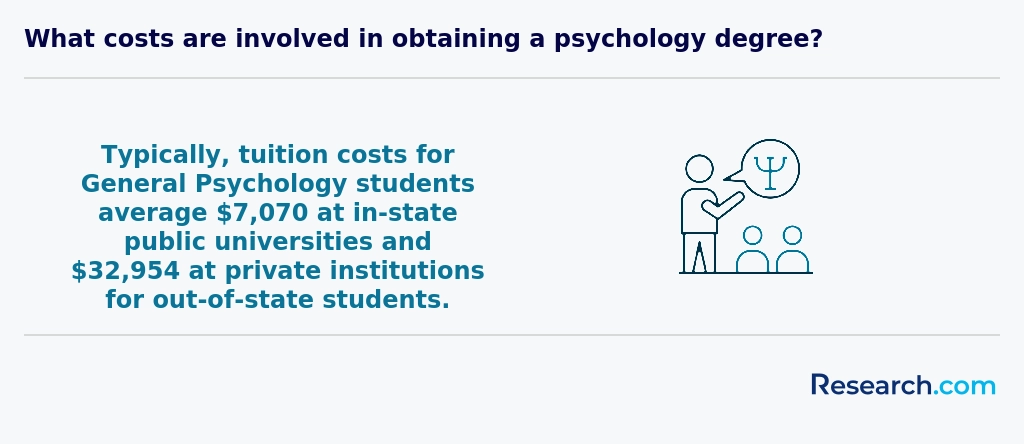
The average cost of an online psychology degree in Kentucky typically ranges from $10,000 to $25,000 for a bachelor's program, depending on the institution and residency status. Graduates from well-known Kentucky universities often share how investing in these programs brought them rewarding flexibility and solid preparation for careers in mental health. For example, those attending regional schools appreciated how affordable tuition paired with accreditation ensured eligibility for federal aid and future licensing.
Many students find this cost manageable when weighed against the quality of education, especially as Kentucky programs focus on meeting state licensure requirements and offering hands-on practicum experiences close to home. Earning a degree online while working or managing family commitments becomes a reality. Graduates often celebrate feeling confident stepping into their counseling or psychology careers, knowing their education was rigorous yet accessible.
While tuition varies, choosing accredited programs within Kentucky, like those recognized by SACSCOC or CACREP, helps protect your investment by opening doors for licensure and employment long after graduation.
Where can I work with online psychology degree in Kentucky?
Graduates of online psychology programs in Kentucky, like those from the University of Kentucky or Northern Kentucky University, often discover exciting career paths that truly make a difference. Many find themselves as mental health counselors or behavioral health technicians, working in vibrant community clinics or local hospitals where their skills support families and individuals grappling with challenges every day.
Others step into educational roles, becoming school counselors or academic advisors who nurture student growth and wellbeing in Kentucky's schools. Imagine helping a student navigate personal struggles or academic stress-these careers bring rewarding moments of impact.
Social services is another meaningful avenue. Graduates frequently serve as case managers or program coordinators for nonprofit organizations, especially in underserved rural areas where their work improves real lives and strengthens communities. Many mention how fulfilling it feels to see tangible progress in individuals they assist.
Some graduates also leverage their psychology knowledge in business sectors such as human resources or marketing. Understanding people's behavior helps companies in Lexington or Louisville create better workplaces and products. With Kentucky's growing focus on mental health, your degree opens doors to diverse and purposeful opportunities.
Graduates with an online psychology degree from respected Kentucky institutions like the University of Louisville or Western Kentucky University often find a rewarding range of career options tied to their earnings. For example, those entering human resources roles can expect an average annual wage of about $76,060, a promising start that reflects the demand for psychology-informed skills in managing workplace dynamics.
Others who channel their training into marketing research enjoy even higher earnings, with mean annual wages around $83,190. This path not only leverages analytical skills but also allows graduates to influence business decisions-making the work both impactful and financially satisfying.
Clinical research associates and survey researchers, roles that attract many psychology graduates interested in research and data, earn mean salaries near $62,370 annually. Graduates often feel proud applying their knowledge to pivotal studies and projects that can shape public health or social programs, adding a deeper purpose to their paycheck.
These salary figures reflect the solid value of online psychology degrees in Kentucky, showing clear pathways to growth and financial stability, especially when paired with dedication and practical experience.
- Tuition for online bachelor's degrees in psychology in Kentucky ranges from $8,000 to $15,000 per year for in-state students, with private institutions costing up to $25,000 annually.
- Entry-level salaries for psychology graduates typically range from $40,000 to $50,000 per year, while those with master's or doctoral degrees can earn between $70,000 and $90,000 after gaining experience.
- Job growth for psychologists in Kentucky is projected at about 4% over the next decade, which is below the national average of 8%.
- Online psychology programs often include clinical or practicum hours required for state licensing, with partnerships at local mental health facilities to support these hours.
- Licensure in Kentucky requires an accredited degree, supervised professional experience, and passing the Examination for Professional Practice in Psychology.
- Several regionally accredited universities in Kentucky offer flexible online psychology programs that prepare students for licensure and employment.
Completing an online psychology degree in Kentucky typically takes about four years for a bachelor's degree when attending full time. Graduates from popular programs, such as those at the University of Kentucky or Northern Kentucky University, often share how managing a steady course load each semester helped them maintain focus and achieve their goals right on schedule. Many find the flexibility of part-time options a blessing, allowing them to balance work and family while steadily progressing, even if it stretches their timeline beyond four years.
Master's degrees usually require between 1.5 and 3 years to finish. For example, students in Eastern Kentucky University's online Master of Arts in Psychology program often appreciate the two-year full-time pace, which lets them dive deeply into advanced studies without feeling rushed. This timeframe allows you to grow professionally while maintaining your daily responsibilities.
Doctoral programs demand more time-typically 4 to 6 years-due to research, practicum, and dissertation work. Although fully online doctoral options are rarer, those who commit often describe the journey as challenging yet profoundly rewarding, opening doors to high-level careers in psychology right here in Kentucky.
Becoming a licensed psychologist in Kentucky involves three key steps: completing an accredited doctoral program, accruing supervised clinical hours, and passing state and national examinations. First, candidates should enroll in an APA-accredited doctoral program-many students compare and select one of the best clinical psychology psyd programs to ensure they meet educational standards required for licensure. After graduation, applicants must complete at least 1,500 hours of supervised postdoctoral experience under a credentialed psychologist, gaining hands-on training in assessment, diagnosis, and treatment planning. Next, candidates register for and pass the Examination for Professional Practice in Psychology (EPPP), which tests knowledge across domains such as ethics, measurement, and intervention strategies. Kentucky also requires a state jurisprudence exam on local regulations and ethical codes. Once both exams are passed, applicants submit verification of education, supervised hours, and exam scores to the Kentucky Board of Examiners of Psychology, along with the licensure application fee. Maintaining licensure in Kentucky mandates 20 hours of continuing education every two years, including at least 3 hours in ethics. Workshops, seminars, and online courses approved by APA or the Kentucky Board count toward this requirement. By understanding these requirements up front, prospective students can choose programs aligned with licensure pathways and plan for a seamless transition from graduation to practice.
Choosing between an online and an on-campus psychology degree in Kentucky is about finding what fits your lifestyle and goals best. Graduates from the University of Kentucky often recall the vibrant campus energy and face-to-face mentorship that helped deepen their understanding through direct interaction with professors and peers. On the other hand, alumni from Eastern Kentucky University's online program praise the flexibility to balance study with work or family, accessing lectures and assignments anytime, which made earning their degree possible without uprooting their lives.
One key difference is practicum placement: on-campus students benefit from university-established connections with local clinics and hospitals, easing internship setups. Online students, while able to complete these requirements, usually arrange placements themselves, building valuable community ties along the way. Tuition often differs, too-with on-campus programs at public Kentucky institutions averaging $10,500 annually for in-state students, while online options may offer slight savings once commuting and housing costs are factored out.
Success in either format depends heavily on self-motivation and engagement. Kentucky students choosing online psychology degrees should feel inspired by peers who have thrived, adapting these programs to their unique rhythms and professional ambitions.
When considering an online psychology degree in Kentucky, affordability is a crucial factor to take into account. Many students are looking for options that will allow them to pursue their educational goals without breaking the bank. Fortunately, there are several affordable options available, including online programs that offer discounted tuition rates for out-of-state students. For instance, students can explore the option of an affordable psychology school in kentucky to find a program that fits their budget and meets their academic needs. By choosing an affordable online psychology degree program, students can set themselves up for success and pursue a rewarding career in the field of psychology without being burdened by excessive debt.
The average cost of an online psychology degree in Kentucky typically sits around $47,400, a figure that many graduates from well-known state universities recognize as a worthwhile investment in their future. When considering affordable online psychology programs in Kentucky, keep in mind that public universities often offer significantly lower tuition rates for in-state students compared to private institutions. Many students pursuing their degrees online from these schools share how manageable the costs felt when combined with scholarships and financial aid.
For example, students from popular Kentucky universities often balance the cost of tuition, technology fees, and materials by using employer tuition reimbursement programs or applying for scholarships. These options make stepping into the field of psychology less daunting and more accessible. Thinking practically, budgeting for about $50 to $300 per semester for technology fees alongside tuition can help avoid surprises down the road.
It's also valuable to remember that financing your degree is a journey many have successfully navigated before you. From their experiences, graduates have voiced the emotional satisfaction of overcoming financial concerns, especially when their chosen programs allowed flexibility and support. If you are considering your future in psychology and have dreams of becoming a licensed professional, you might explore pathways such as becoming a psychologist in colorado to understand how training in different states can complement your education.
Choosing an APA-accredited online psychology degree is the first critical step toward meeting Kentucky’s licensure requirements and ensuring your credential is recognized nationwide. Accreditation by the American Psychological Association (APA) or the Association of State and Provincial Psychology Boards (ASPPB) confirms that a program meets rigorous standards for curriculum, faculty qualifications, and clinical training. Graduates of accredited programs are eligible to apply for the Examination for Professional Practice in Psychology (EPPP), a nationwide exam required for licensure. After earning a bachelor’s degree, prospective clinicians must complete a master’s or doctoral program accredited by the APA, accumulate supervised professional experience (typically 1,500–2,000 hours), and pass the EPPP. Kentucky’s Board of Examiners of Psychology also mandates state jurisprudence and ethics exams, which cover local statutes and professional standards. For students seeking budget-friendly options without sacrificing quality, you may also explore our Most Affordable Psychology Degree Programs Ranking in Birmingham, AL, which highlights programs with competitive tuition and strong accreditation credentials. Planning ahead for supervised internships or practicum placements is essential. Many online programs in Kentucky partner with local clinics, hospitals, and community agencies to help you complete the required hours under licensed supervisors. By verifying accreditation status, understanding Kentucky’s licensure pathway, and aligning your practicum sites with Board requirements, you’ll be well-positioned to transition from student to licensed psychologist and launch a rewarding career in mental health.
When pursuing an online psychology degree in Kentucky, various forms of financial aid can make your journey more affordable and achievable. Many students find that federal aid, like Pell Grants and federal student loans, provide a strong foundation-especially since Pell Grants don't require repayment, offering peace of mind. A graduate from the University of Kentucky shared how securing a Pell Grant, combined with smart loan options, helped balance living expenses while studying remotely.
State resources like programs from the Kentucky Higher Education Assistance Authority (KHEAA) are designed to ease costs for residents. For example, the College Access Program and the Kentucky Educational Excellence Scholarship (KEES) reward academic dedication with real financial relief. Graduates from Western Kentucky University recall how KEES boosted their budgets, turning the dream of psychology school into reality.
Institutional scholarships from Kentucky universities often target psychology majors specifically. Many students successfully apply for these competitive awards by demonstrating passion and strong grades. Plus, if you're working, employer tuition reimbursement programs in Kentucky can provide crucial support, turning your job into a partner in your educational goals.
Graduates of an online psychology degree in Kentucky must navigate state licensure and certification requirements to practice professionally. The Kentucky Board of Examiners of Psychology oversees all credentials, which typically involve:
- Post-baccalaureate education: Completion of a master’s or doctoral program accredited by the American Psychological Association (APA) or equivalent regional accreditor.
- Supervised experience: A minimum of 2,000 hours of supervised practicum and internship under a licensed psychologist, documented and approved by the board.
- Examinations: Successful passage of the Examination for Professional Practice in Psychology (EPPP) and Kentucky’s jurisprudence exam.
- Continuing education: Annual CE credits (often 20 hours per year) to maintain licensure and stay current with evolving ethical and clinical standards. Applicants for school psychology certification must also meet state Department of Education criteria, including completion of an approved specialist program and a supervised internship in a school setting. Many graduates elect to strengthen their credentials by pursuing specialized graduate study-students interested in focusing on learner development can explore educational psychology careers-before applying for licensure. Understanding these pathways upfront ensures an efficient transition from degree completion to a fully licensed psychology professional in Kentucky.
Enrolling in an online psychology degree in Kentucky begins with meeting key prerequisites designed to set you up for success. For example, many students from the University of Kentucky share how starting with a solid high school diploma and a GPA around 2.5 opened doors to their Bachelor's programs. Some programs still ask for SAT or ACT scores, but test-optional policies are making admission less stressful and more accessible.
Graduate programs like those at Bellarmine University expect applicants to hold a bachelor's degree, with a preference for some psychology coursework. Many master's students recall how maintaining a 3.0 GPA and submitting thoughtful personal statements and recommendation letters made their application stand out.
Doctoral candidates, especially at institutions offering hybrid formats, highlight the importance of relevant master's degrees and real-world research or internship experiences. Licensed psychologists in Kentucky emphasize that accredited education combined with supervised clinical hours is crucial, paving the way for rewarding careers and impactful work in the mental health field.

Completing an online psychology degree is a key step, but practicing independently in Kentucky requires additional credentials:
- Education: Earn a doctoral degree (PhD or PsyD) in psychology from an APA-accredited program.
- Supervised Experience: Complete at least 3,360 hours of supervised professional practice (internship plus postdoctoral).
- Examination: Pass the national Examination for Professional Practice in Psychology (EPPP) and the Kentucky jurisprudence exam.
- Application: Submit transcripts, exam scores and supervision documentation to the Kentucky Board of Examiners of Psychology and pay the licensure fee.
To ensure undergrad coursework aligns with graduate-level prerequisites, explore online courses for psychology degree that meet accreditation standards.
When pursuing an online psychology degree in Kentucky, you'll engage deeply with core courses that form the backbone of understanding human behavior. Graduates from well-known institutions like the University of Kentucky often share how foundational courses such as Introduction to Psychology and Biological Psychology opened their eyes to the intricate link between brain activity and everyday actions.
Expect to explore Cognitive Psychology, where you'll examine memory and problem-solving-imagine applying these insights to real-world challenges like improving learning techniques. Developmental and Social Psychology courses let you appreciate growth across life stages and the powerful influence of social interactions, making classroom theories come alive as you observe your own friends and family dynamics.
Kentucky's online programs also emphasize research skills with Statistics and Research Methods, preparing you to critically assess data and contribute to meaningful studies. Many students find this especially rewarding when they later participate in practicum experiences, transforming abstract knowledge into hands-on community support.
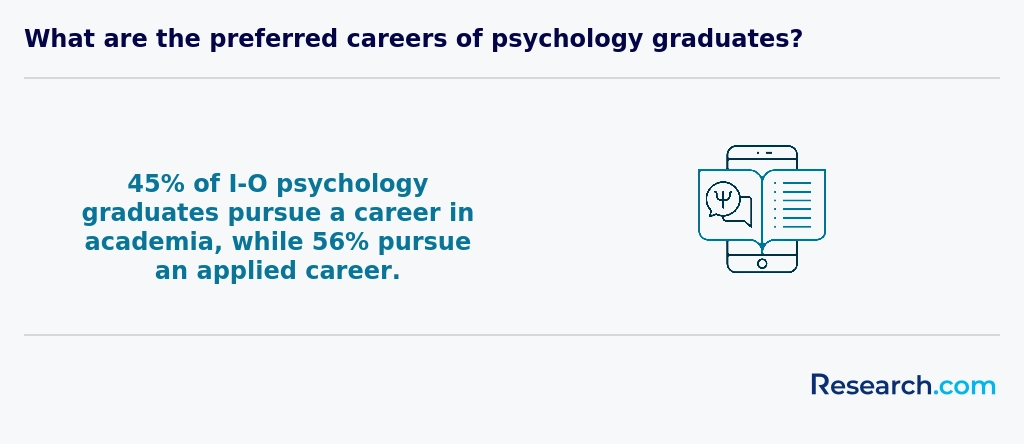
Online psychology degree specializations Kentucky students commonly pursue include clinical psychology, industrial-organizational psychology, and developmental psychology. Graduates from universities like the University of Kentucky often share how specializing in clinical psychology prepared them to face real-world mental health challenges with confidence and compassion, directly impacting local communities. Industrial-organizational tracks appeal to those interested in enhancing workplace dynamics, a focus that fits well within Kentucky's strong business and manufacturing sectors.
Many students also find fulfillment in developmental psychology, inspired by coursework that explores human growth throughout life stages. Such concentrations foster practical skills applicable in education and social services throughout the state. Some programs even offer forensic psychology, addressing Kentucky's growing need for psychological expertise in the criminal justice system.
Choosing the right specialization means weighing your professional aspirations alongside the diverse psychology concentration options Kentucky online programs provide. For those considering licensure or further credentials, resources for continuing education for psychologists nevada can offer valuable insights into maintaining and expanding your qualifications.
When selecting the best online psychology degree in Kentucky, accreditation should top your list. Graduates from respected Kentucky schools often share how programs accredited by the American Psychological Association (APA) or CACREP gave them confidence that their education met rigorous standards and opened doors to licensure. Imagine studying through a program at a well-known Kentucky university where affordable tuition keeps your budget manageable, often between $8,000 and $12,000 annually for in-state students.
Consider how flexible course schedules can transform your learning experience. Many students juggling work and family commitments appreciate programs offering asynchronous formats, allowing them to study whenever it suits them best. And if you want to dive deeper into areas like mental health counseling or industrial-organizational psychology, look for programs that offer relevant concentrations aligned with your dreams.
Don't overlook student support either. Kentucky's online psychology degree programs often provide dedicated advising and career services that build a supportive community, helping students stay motivated and connected. For a broader perspective, you might also explore psychology programs in Detroit, Michigan, to compare how regional options stack up.
Choosing affordable psychology programs Kentucky online can set you on a fulfilling career path with solid credentials and a strong support system.
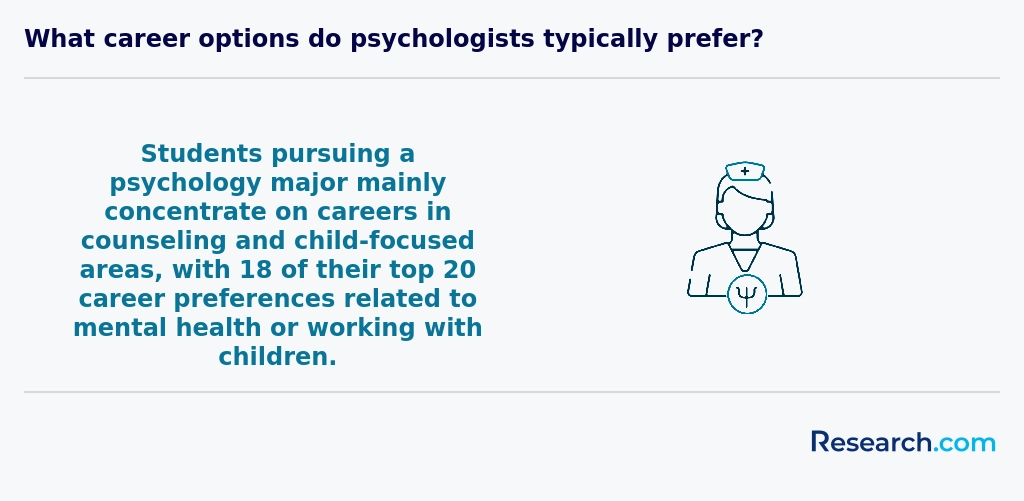
Graduates with an online psychology degree in Kentucky find a diverse range of rewarding career paths that align with their passions and goals. Many who study at institutions like the University of Kentucky or Northern Kentucky University discover opportunities as mental health counselors, where they provide vital support to individuals facing emotional challenges. These roles often require advanced degrees and supervised clinical hours, but the impact on clients' lives is deeply fulfilling.
Others pursue work as industrial-organizational psychologists or school counselors, using their skills to improve workplace culture or support student mental health within Kentucky's education system. For those drawn to social advocacy, becoming a social service case manager offers a chance to directly assist vulnerable populations. Graduates have also found inspiring roles as research assistants, helping shape studies on human behavior.
If you want detailed program options, consider exploring the online behavioral psychology degree no GRE paths that can open doors to these exciting psychology job opportunities Kentucky graduates enjoy.

The job market for individuals with an online psychology degree in Kentucky shows promising growth, especially as the state continues to expand mental health services. Graduates from universities like the University of Louisville often find rewarding opportunities in healthcare, education, and community organizations. Many alumni share how their degree helped them step into roles supporting therapy, assessment, and behavioral health, even before earning a doctoral license.
Understanding local licensing requirements is vital. While Kentucky requires a doctoral degree for licensed psychologists, master's degree holders frequently fill essential positions as counselors or behavioral therapy assistants. The increasing demand for these roles, particularly in rural parts of the state, creates a wealth of job options for those exploring psychology career opportunities in Kentucky.
Online students report feeling encouraged by affordable tuition rates at Kentucky's public universities, which makes pursuing degrees more accessible. Those seeking guidance on career paths related to psychology should also consider pathways similar to working in criminology, which share overlapping skills and community impact.
2027 Fastest Online Psychology Degree Programs Ranking in Kentucky
Investing in your education is a significant decision that can shape your future, and the Research.com team fully recognizes the importance of making informed choices. To support prospective students in Kentucky, we have meticulously developed the "2027 Fastest Online Psychology Degree Programs Ranking in Kentucky." Our commitment to quality, credibility, and accuracy is demonstrated through rigorous research and careful analysis in creating this ranking.
We utilized the following reputable data sources to ensure a comprehensive evaluation of online psychology programs:
By exploring this ranking, readers will gain valuable insights into the fastest online psychology degree programs in Kentucky, enabling them to make confident and well-informed educational decisions. For further information on our ranking process, please refer to our Research.com methodology page.


Frequently Asked Questions About psychology
Online psychology degree students in Kentucky can maximize their learning experience by actively engaging with course materials and participating in virtual discussions. Many accredited programs offer flexible schedules, so setting a consistent study routine helps maintain focus. Utilizing resources from Kentucky-based institutions, such as the University of Kentucky's counseling centers or the Kentucky Psychological Association, can provide valuable practical insights.
Networking with local professionals through online forums or state events can broaden understanding beyond textbooks. Additionally, students should seek internships or volunteer opportunities within Kentucky health services to gain hands-on experience, reinforcing theoretical knowledge. Using Kentucky-specific mental health data enhances relevance and application in coursework.
Emerging niches in the psychology field reflect growing societal needs and technological advances. In Kentucky, specialties such as neuropsychology and health psychology have seen increased demand, driven by rising awareness of brain health and chronic illness management.
Another expanding area is forensic psychology, which supports the state's criminal justice system by assessing offenders and aiding legal decisions. Additionally, industrial-organizational psychology is gaining traction due to businesses focusing more on employee well-being and productivity.
Telepsychology is notably advancing, especially relevant to Kentucky's rural communities where mental health access is limited. According to the Kentucky Psychological Association, telehealth services increased over 40% from 2019 to 2023, highlighting substantial growth in this sector.
Preparing for the job market after completing an online psychology degree in Kentucky involves several key steps. First, graduates should pursue relevant licensure or certification, such as becoming a Licensed Psychological Associate or Licensed Professional Counselor, both regulated by the Kentucky Board of Examiners of Psychology. These credentials boost employability in the state's growing mental health sector.
Next, gaining practical experience through internships or supervised clinical hours is essential. Kentucky's Department for Behavioral Health offers resources for finding such opportunities. Networking with local mental health organizations can also open doors.
Finally, staying informed about the state's psychology job trends, which are projected to grow by about 10% through 2030 according to the Kentucky Center for Statistics, helps graduates target in-demand roles effectively.
Employers in Kentucky seeking psychology graduates prioritize a combination of analytical, interpersonal, and ethical skills. Critical thinking and data analysis are essential, as many roles involve interpreting research or assessing behavioral patterns. According to the Kentucky Board of Examiners of Psychology, strong communication skills are vital for effective patient interaction and teamwork.
Additionally, cultural competency plays a growing role due to Kentucky's diverse population. Employers also value proficiency in evidence-based practices, which aligns with national APA recommendations. Time management and adaptability are important, especially for those pursuing roles in clinical or counseling psychology, where caseloads can vary.
Understanding confidentiality and ethical standards is mandatory, supported by state regulations for licensed professionals.
Finding psychology internships in Kentucky involves leveraging resources tied to universities, professional organizations, and healthcare providers. Many Kentucky institutions with accredited psychology programs maintain partnerships with local mental health centers, hospitals, and social service agencies.
Students should consult their university's career services and psychology department for internship listings tailored to online learners. The Kentucky Psychological Association offers networking opportunities and often posts internship openings on its website.
Additionally, platforms like Handshake and the Kentucky Cabinet for Health and Family Services list relevant positions. Securing internships accredited by the American Psychological Association (APA) is important for future licensure.
According to the Bureau of Labor Statistics, Kentucky's demand for psychology-related roles is expected to grow by 8% through 2030, emphasizing the value of hands-on experience.
In Kentucky, earning an online psychology degree can significantly enhance career mobility and advancement opportunities. The growing mental health sector in the state is expected to expand by over 14% from 2020 to 2030, according to the Kentucky Center for Statistics. Online degrees offer flexibility for working professionals, enabling them to gain credentials without relocating or interrupting their employment.
Graduates with advanced psychology degrees, such as a master's or doctorate, qualify for licensure as Licensed Professional Counselors (LPCs) or clinical psychologists, roles that typically offer higher salaries and greater job stability. The Kentucky Board of Licensed Professional Counselors requires a master's degree and supervised hours, which many online programs facilitate through partnerships in the state.
Overall, completing an accredited online psychology degree in Kentucky aligns well with state licensure requirements and meets local employer expectations, aiding upward career pathways in counseling, research, and clinical settings.
Studying for a psychology degree in Kentucky equips students with foundational knowledge essential for interdisciplinary roles across health, education, and social services. Kentucky's online psychology programs emphasize collaboration by integrating courses in biology, sociology, and counseling, fostering skills to work alongside professionals in various fields.
According to the Kentucky Psychological Association, graduates often find opportunities in healthcare teams, schools, and community organizations where cross-disciplinary expertise is valued. This preparation aligns with employer demands for versatile psychological knowledge paired with communication and critical thinking skills.
Additionally, Kentucky's universities leverage regional data and partnerships with local agencies, enhancing practical understanding of complex human behavior within diverse contexts. The programs also encourage ethical and culturally sensitive practices, supporting effectiveness in interdisciplinary environments.
When choosing between a thesis and a non-thesis psychology degree in Kentucky, consider your career goals and learning preferences. A thesis program typically requires original research, which suits students aiming for doctoral studies or research-oriented jobs. Non-thesis options focus on coursework and practical skills, ideal for those pursuing professional roles or licensure in counseling or clinical psychology.
In Kentucky, about 30% of psychology graduate students choose thesis paths, reflecting a strong research tradition supported by institutions like the University of Kentucky, according to the Kentucky Council on Postsecondary Education.
Review program requirements carefully and think about how each fits your future plans and available time commitments.
Students based in Kentucky who wish to study psychology abroad often explore online programs offered by international universities accredited in the United States. Many U.S. institutions maintain partnerships with foreign universities, allowing transfer credits or joint degrees, which can broaden students' global perspectives without relocating. According to the National Center for Education Statistics, nearly 8% of Kentucky's psychology students consider online education for flexibility.
However, students should verify accreditation status both domestically and internationally, especially since psychology licensing requirements vary by state. Kentucky's Board of Licensed Psychological Examiners mandates specific coursework and internships, which might influence study options abroad or online.
Some global universities offer online psychology degrees with curriculum aligned to U.S. standards, making them suitable for Kentucky students aiming for licensure. Checking with state regulatory bodies and academic advisors is essential before enrolling in these programs to ensure their qualifications meet Kentucky's educational and professional requirements.
Students pursuing an online psychology degree in Kentucky can benefit from several part-time job opportunities that complement their studies. Positions such as mental health technician or behavioral health aide in local clinics provide practical experience with patient interaction and psychological assessment support. According to the Kentucky Cabinet for Health and Family Services, the demand for mental health workers is growing steadily.
Additionally, roles like research assistants at universities or nonprofit organizations can enhance a student's understanding of psychological research methods. Many institutions, including the University of Kentucky, offer openings for part-time research positions.
Other options include crisis hotline volunteers and peer counseling, which help develop communication and empathy skills crucial for psychology professionals.
Online psychology students in Kentucky benefit from multiple networking opportunities despite the virtual format. Many universities offer access to local chapters of national organizations like the Kentucky Psychological Association, which hosts events and workshops that foster professional connections. Additionally, students can engage in virtual mentorship programs linking them with practicing psychologists across the state.
Regional conferences such as the Kentucky Conference on Psychology provide spaces for students to present research and meet professionals. Moreover, internships and practicum placements are often coordinated with Kentucky health facilities, allowing students real-world experience and networking chances within local communities.
According to the Bureau of Labor Statistics, Kentucky employs over 5,000 psychologists, indicating a robust local professional network for graduates.
Alumni networks offer significant advantages for online psychology degree students in Kentucky. These networks create a community where graduates share job leads, internship opportunities, and career advice. For psychology students, connections made through alumni can be especially valuable given the competitive nature of licensure and clinical positions in the state.
Kentucky's psychology field is growing, with employment projected to increase by 14% through 2031, according to the U.S. Bureau of Labor Statistics. Alumni networks support students by providing mentorship and guidance on navigating state-specific requirements for psychologists and counselors.
Additionally, alumni involvement often includes access to exclusive workshops and continuing education events tailored to Kentucky's mental health regulations, enhancing professional growth beyond graduation.
Customizing an online psychology degree in Kentucky allows students to align studies with specific career goals. Many programs offer elective courses in areas like clinical, counseling, or industrial-organizational psychology, enabling focused expertise. Some schools provide opportunities for research projects or internships suited to student interests, which is valuable given Kentucky's rising demand for mental health professionals, expected to grow 16% by 2030 according to the Kentucky Department for Behavioral Health.
Additionally, students can often choose concentrations or certificates that enhance specialization. Online formats provide flexibility, allowing part-time study while gaining practical experience in local settings. Reviewing program accreditation and faculty expertise ensures that your chosen customization supports licensure requirements in Kentucky.
Online psychology students in Kentucky often face challenges related to balancing coursework with personal and professional responsibilities. Many learners juggle jobs and family, making time management crucial. According to the Kentucky Council on Postsecondary Education, adult learners form a significant portion of online students, heightening these pressures.
Another common issue is limited access to local internship and practicum opportunities required for licensure. Because psychology programs require hands-on experience, students must often seek placements in diverse settings, which can be scarce in rural Kentucky areas.
Technical challenges also impact online learners. Reliable internet access is uneven across the state; the Federal Communications Commission notes that nearly 12% of Kentuckians lack broadband, complicating participation in interactive courses.
Finally, students may encounter fewer opportunities for peer interaction and academic advising compared to on-campus programs, which can affect retention and satisfaction rates, according to research on distance education in the region.
With an online psychology degree in Kentucky, graduates can pursue several professional certifications to enhance their career options. One prominent path is becoming a Licensed Professional Counselor (LPC), which requires completion of a master's or higher degree, supervised clinical experience, and passing the National Counselor Examination.
The Kentucky Board of Licensed Professional Counselors offers licensure that allows practice within the state. Another certification is becoming a Certified Alcohol and Drug Counselor (CADC), which is common for those focusing on substance abuse treatment roles.
Additionally, credentials like the Certified Addiction Counselor (CAC) can be pursued, meeting the state's workforce needs per Kentucky Cabinet for Health data.
To write a winning application for an online psychology program in Kentucky, start by emphasizing your academic achievements, particularly in relevant courses like biology, psychology, and statistics. Kentucky students benefit from highlighting any research or volunteer experience in mental health settings, as such practical exposure strengthens applications. According to the Kentucky Council on Postsecondary Education, competitive psychology programs often look for a minimum GPA of 3.0. Including a clear, concise personal statement that outlines your career goals and why you want to study psychology online in Kentucky can set you apart.
Letters of recommendation from professors or supervisors familiar with your dedication and skills are crucial. Be sure to tailor your application to meet specific school requirements and deadlines, which vary among public and private institutions across the state.
Psychology careers are increasingly valued worldwide, reflecting growing awareness of mental health's impact on overall well-being. In the United States, including Kentucky, the demand for psychology professionals is projected to grow by 8% from 2021 to 2031, according to the Bureau of Labor Statistics. This trend aligns with global shifts toward integrating psychological services in healthcare, education, and corporate settings.
Internationally, psychology roles vary but share common ethical standards and scientific approaches, fostering global collaboration. Kentucky's online psychology programs prepare students to meet these standards, offering curricula compatible with licensing requirements and international practices.
Understanding global perspectives helps Kentucky students position themselves competitively in a diverse job market.
Students pursuing an online psychology degree in Kentucky can gain valuable practical experience through local internships and practicum placements. Many accredited programs collaborate with clinics, hospitals, and community organizations across Kentucky to provide hands-on training. For example, the Kentucky Psychological Association offers resources to help students find supervised experience opportunities aligned with state licensure requirements.
Additionally, some universities assist students in arranging virtual internships, enabling practical skill development while studying remotely. According to the Kentucky Council on Postsecondary Education, more than 60% of psychology programs encourage applied experiences to enhance job readiness.
Networking with local professionals and attending Kentucky-based psychology events can also supplement learning and open doors to practical roles.
Choosing the right concentration within an online psychology degree program in Kentucky involves understanding your career goals and local job market demands. Popular concentrations include clinical, counseling, industrial-organizational, and forensic psychology. According to the Kentucky Career Center, healthcare and social assistance sectors, which often require clinical psychology skills, are among the state's fastest-growing employment areas.
It is important to consider Kentucky's licensing requirements if you aim to become a licensed psychologist; specializations with clear licensure pathways can enhance job prospects. Reviewing program curriculums to ensure they align with these pathways is advisable.
Additionally, check if the online program offers faculty expertise or practicum opportunities connected to Kentucky institutions. This local relevance can provide a practical advantage in networking and employment after graduation.
- 2027 Fastest Online Psychology Degree Programs Ranking in Indiana
- 2027 Fastest Online Psychology Degree Programs Ranking in Ohio
- 2027 Fastest Online Psychology Degree Programs Ranking in Tennessee
- 2027 Fastest Online Psychology Degree Programs Ranking in West Virginia
- 2027 Fastest Online Psychology Degree Programs Ranking in Virginia
- 2027 Fastest Online Psychology Degree Programs Ranking in Illinois
- 2027 Fastest Online Psychology Degree Programs Ranking in Missouri
- 2027 Fastest Online Psychology Degree Programs Ranking in Georgia
- 2027 Fastest Online Psychology Degree Programs Ranking in Alabama
- 2027 Fastest Online Psychology Degree Programs Ranking in Pennsylvania
See What Experts Have To Say About Studying Psychology
Read our interview with Psychology experts

Catherine Caldwell-Harris, Ph.D.
Psychology Expert
Associate Professor of Psychology
Boston University

Elizabeth L. Jeglic Ph.D.
Psychology Expert
Professor of Psychology
City University of New York

Joann Farrell Quinn, Ph.D., MBA
Psychology Expert
Director at the College of Medicine Department of Medical Education
Morsani College of Medicine

- What Certifications Can I Get With A Bachelor's In Psychology? https://www.psychology.org/resources/certification-skills-for-psychology-major-resumes/
- Community Psychology in Global Perspective http://siba-ese.unisalento.it/index.php/cpgp
- A Guide to Psychology Internships | Psychology Degree Guide https://psychologydegreeguide.org/resources/internships/
- Have You Found a Niche? https://www.apaservices.org/practice/business/marketing/building/niche
- Ontario Psychological Association - Networking and Community Resources https://www.psych.on.ca/become-a-member-(1)/member-services/networking-and-community-resources
- Study Psychology Abroad https://astarfuture.co.uk/study_psychology_abroad.html
- Most Affordable Online Psychology Degree Programs: School Reviews https://www.degreesforgood.org/online-degrees/psychology-programs/most-affordable/
- Sample letters in psychology https://www.mystudies.com/en-in/human-and-social-sciences/psychology/letter-model/
- CLINICAL PSYCHOLOGY (THESIS / NON-THESIS) - Lisansüstü Eğitim Enstitüsü https://lee.nisantasi.edu.tr/en/clinical-psychology-thesis-non-thesis/
- Alumni Perspectives - Meet Our FPN Alumni https://www.aanmelder.nl/alumni-perspectives-june-2023


