2027 Most Valuable Psychology Degree Programs Ranking in Chicago

Co-Founder and Chief Data Scientist
Choosing the right psychology degree program in Chicago can be challenging. That's why this article presents the 2027 Most Valuable Psychology Degree Programs Ranking in Chicago, created by the Research.com team of data scientists. It offers clear, data-driven insights to help you find programs that match your goals and interests.
Understanding which programs provide the best opportunities empowers you to make confident decisions. A psychology degree opens doors to meaningful careers, personal growth, and the chance to make a difference in people's lives.
Explore the ranking and take the first step toward an inspiring future in psychology.
Key benefits of getting psychology degree in Chicago
- Salary for psychology degree graduates: Graduates can earn competitive salaries in roles like Clinical Research Associate and Survey Researcher, with mean annual wages around $62,370 and hourly wages close to $30, offering financial stability.
- Career paths: A psychology graduate from the University of Chicago can pursue diverse careers such as Human Resources Specialist or Marketing Research Analyst, with wages ranging from $76,060 to $83,190 annually, highlighting exciting job opportunities.
- Online degree benefits: Earning a psychology degree online from institutions like DePaul University allows flexible schedules and saves commuting time, making it easier to balance work and study while opening doors to rewarding careers.
- 2027 Most Valuable Psychology Degree Programs Ranking in Chicago
- What can I expect from psychology degree in Chicago?
- Where can I work with psychology degree in Chicago?
What can I expect from psychology degree in Chicago?
You can generally expect tuition for a psychology degree in Chicago to range between $30,000 and $60,000 per year, depending on whether you attend a private university like the University of Chicago or a public institution. Graduates from programs at Northwestern University often mention that while the cost is significant, the investment pays off through access to valuable internships and networking opportunities in the city's thriving mental health community.
Many students find ways to balance expenses by applying for scholarships or assistantships, especially within APA-accredited programs that emphasize research and clinical experience. For example, some students at Loyola University Chicago secured practicum placements in local hospitals, which sometimes include stipends that help offset costs.
Considering Chicago's vibrant urban environment and its well-funded research centers, you're not only paying for classes-you're investing in hands-on experiences that set you apart in your career. The value here often comes from the practical, supported learning opportunities that graduates treasure as they enter the workforce confident and well-prepared.
Where can I work with psychology degree in Chicago?
With a psychology degree in Chicago, you open doors to dynamic career paths across vibrant sectors. Graduates from schools like the University of Chicago and DePaul University often find rewarding roles in mental health, working in hospitals or nonprofits where they help individuals dealing with trauma or substance abuse. Picture yourself making real impact through community wellness programs supported by the Chicago Department of Public Health.
Many alumni thrive in educational environments as school psychologists or counselors within Chicago Public Schools, meeting the growing demand for student mental health support. Imagine collaborating with teachers to create positive changes for youth, drawing on skills honed during your studies.
Research positions also abound at institutions such as Rush University Medical Center, where you can contribute to groundbreaking behavioral health studies focused on urban populations. For others, psychology becomes a springboard into corporate roles in HR and marketing, where understanding human behavior drives leadership development and consumer insights in Chicago's bustling business scene.
These career paths not only align with your passion for psychology but also offer fulfilling work that shapes real lives in a city rich with opportunity.
Graduates from psychology programs at institutions like the University of Chicago or Loyola University often find themselves stepping into rewarding roles with meaningful salaries. For example, many psychology degree holders land jobs as Human Resources Specialists, earning a mean annual wage of around $76,060 in Chicago. This role allows graduates to apply their understanding of human behavior in dynamic workplaces while enjoying a solid income.
Others channel their research skills into positions such as Marketing Research Analysts, with annual earnings near $83,190. These roles not only offer competitive pay but also the excitement of influencing market trends and consumer behavior.
Entry-level roles like Clinical Research Associates or Survey Researchers typically offer salaries near $62,370, providing fresh graduates valuable experience in data-driven psychology careers. Childcare Worker positions, which also benefit from a psychology background, bring earnings around $32,070 and create fulfilling opportunities to nurture future generations.
Graduates often share how their Chicago education, combined with real-world internships and community connections, boosts both confidence and career potential in the city's vibrant job market.
- Annual tuition fees for psychology programs in Chicago range from $15,000 at public universities to $40,000 or more at private schools, excluding books and living costs.
- Starting salaries for psychology graduates in Chicago are between $45,000 and $55,000, with higher degrees leading to greater earnings.
- Experienced psychologists in the city typically earn between $80,000 and $110,000 annually.
- Chicago's psychology job market is expected to grow about 10% over the next decade, outpacing the national average.
- Licensing requires a doctoral degree, supervised experience, and passing the Examination for Professional Practice in Psychology (EPPP).
- Internship and practicum opportunities are widely available, providing valuable hands-on training in diverse clinical and research settings.
If you're aiming to earn a psychology degree in Chicago, expect your journey to be rewarding and paced by your goals. Most students at universities like the University of Chicago or Loyola University Chicago complete their bachelor's degree in about four years. This period lets you dive into foundational psychology courses, research methods, and even statistics, building a solid base for future studies.
Graduates who continue at schools such as DePaul University or Northern Illinois University's Chicago campus often add around two more years for a master's degree. This phase hones your expertise in specialized fields like clinical psychology or counseling, offering opportunities to grow through both coursework and hands-on experiences.
For those driven to become licensed clinical psychologists, the path extends to doctoral programs that typically take between four and seven years. This stage is deeply immersive - involving clinical internships, dissertation research, and real-world application. Many graduates share how this rigorous process deepened their passion and prepared them for meaningful work in their communities.
Choosing an accredited psychology program in Chicago is essential for ensuring both high academic standards and eligibility for licensure. Regional accreditation (e.g., by the Higher Learning Commission) validates that a university meets rigorous quality benchmarks, while American Psychological Association (APA) accreditation specifically for doctoral and certain master’s programs confirms adherence to the field’s best practices. Why Accreditation Matters
- Licensure Eligibility: Graduates of APA-accredited programs are typically eligible to sit for state licensure exams without additional coursework.
- Employer Confidence: Hospitals, clinics, and corporations often require degrees from regionally and professionally accredited institutions.
- Transferability: Credits earned at accredited schools are more likely to transfer seamlessly to other universities or graduate programs. Verifying Accreditation Before applying, students should: 1. Check each institution’s regional accreditation status on the U.S. Department of Education website. 2. Confirm APA accreditation for clinical, counseling, or school psychology tracks via the APA Commission on Accreditation. Expanding Your Options For students seeking cost-effective, APA-recognized alternatives, consider our Low Cost Online Master’s in Psychology Degree Programs Ranking in the West, which highlights programs that combine affordability with accreditation. By prioritizing accredited programs, prospective psychologists in Chicago can safeguard their professional futures, ensure licensure readiness, and maximize career mobility.
Choosing between online and on-campus psychology degrees in Chicago often comes down to how you want to experience your education. Graduates from the University of Chicago cherish the immersive campus life-the vibrant discussions in lecture halls, hands-on internships at local clinics, and the chance to build lasting connections with peers and professors. This face-to-face environment creates a structured rhythm that many find motivating and inspiring.
Conversely, graduates from DePaul University's online program celebrate the flexibility to study around busy work schedules or family commitments. They access lectures anytime, participate in virtual discussions, and sometimes attend local internships to gain practical experience. This adaptability makes it easier for many to pursue their passion without sacrificing other responsibilities.
In Chicago, where living costs are high, on-campus study includes housing and commuting expenses, while online learning can significantly reduce these financial pressures. Both paths cover core psychology theories, but verifying APA accreditation is essential for licensure success. Ultimately, it's about aligning your learning style and life demands with the program that energizes and supports your goals.
Before practicing independently, psychology graduates must meet state licensure standards:
- Earn a relevant degree (BA/BS for support roles; APA-accredited PsyD or PhD for licensure)
- Complete 1,500–3,000 hours of supervised clinical experience under a licensed psychologist
- Pass the Examination for Professional Practice in Psychology (EPPP)
- Submit an application to the Illinois Department of Financial and Professional Regulation (IDFPR) with official transcripts and exam scores
- Fulfill 20 hours of continuing education every two years to maintain licensure
Some students accelerate their path by enrolling in an accelerated psychology degree, allowing earlier entry into supervised practice and the job market.
When considering the average cost of a psychology degree in Chicago, students often find that expenses vary based on residency status and the level of study. Graduates from local public universities, like the University of Illinois at Chicago, typically experience an in-state total cost around $29,000 for their degree. For out-of-state students, the total cost can rise to nearly $47,400, reflecting tuition and additional expenses such as living costs. These figures give a realistic picture of what it takes financially to pursue psychology in a vibrant urban center like Chicago.
Many psychology students at private institutions such as Loyola University Chicago or DePaul University encounter higher fee structures, yet they also benefit from scholarships and financial aid designed to make the education more accessible. These students often share how the investment felt worthwhile, as Chicago's rich cultural diversity and research opportunities enhanced their learning and professional preparation. Navigating the psychology degree tuition and fees in Chicago with an eye toward available financial assistance can significantly ease the financial journey.
For anyone exploring the path to a psychology degree, understanding the full cost picture is vital, including not just tuition but also books, fees, and living expenses which add up considerably in the city. Exploring financial aid options and focusing on programs recognized for value and impact will empower students. Be sure to check out rankings for the valuable psychology programs in Illinois to find schools offering both quality and reasonable costs.

. Pursuing a psychology degree in Chicago offers a unique blend of academic rigor, practical experience, and professional opportunities, making it an attractive option for aspiring psychologists. The city's vibrant academic landscape, coupled with its diverse communities and thriving job market, provides an ideal setting for students to explore their interests in psychology. For those interested in exploring options beyond Chicago, researching valuable psychology programs in Illinois can also provide valuable insights into the various educational pathways available. Through internships, research projects, and community engagements, students can apply theoretical knowledge to real-world scenarios, developing essential skills that will serve them well in their future careers. The journey through a psychology program in Chicago is not just about academic achievement; it's about personal growth, resilience, and the profound impact of understanding the human experience.
Financing a psychology degree in Chicago can feel daunting, but many students find powerful support through available financial aid. Graduates from DePaul University often share how Pell Grants, which can provide up to $7,395 without repayment, made a crucial difference during tough semesters. Applying through FAFSA unlocks this federal support and is your first step toward reducing tuition stress.
State aid, like the Monetary Award Program (MAP) offered by Illinois, specifically helps residents by providing grants based on family income. Many University of Illinois at Chicago psychology students have benefited from MAP awards that ease costs and keep their dreams alive.
Campus-specific scholarships also play a vital role. For example, merit-based awards or departmental scholarships at Chicago-area universities often range from $1,000 to over $10,000 annually, significantly lowering expenses. Work-study programs provide both income and invaluable experience on campus.
Finally, if you're balancing work and study, employer tuition assistance could offer partial reimbursement, allowing you to pursue your degree with less financial pressure and more confidence.
As the field of psychology evolves, so do the educational programs designed to prepare students for this dynamic landscape. In Chicago, innovative curriculum updates, increased integration of technology, and a growing focus on interdisciplinary research are shaping the future of psychology education. Students today are not only learning traditional theories but are also engaging with emerging topics such as digital mental health, neuropsychology advancements, and culturally responsive practices. These trends ensure that graduates are well-equipped to address modern challenges in both clinical and research settings. An important element driving this transformation is the rise of online education. Many institutions now offer advanced degrees that combine flexibility with rigorous academic standards. For instance, pursuing an online phd in psychology allows students to balance professional commitments while accessing cutting-edge resources and research opportunities. This mode of study is particularly beneficial for working professionals seeking to deepen their expertise without interrupting their careers. Moreover, the expanding role of data analytics and digital platforms in mental health services is reshaping career prospects. Graduates will find themselves at the forefront of integrating technological solutions with traditional psychological practices. As research continues to highlight the effectiveness of telepsychology and digital therapeutic interventions, Chicago’s programs are increasingly prioritizing hands-on experiences that include these innovative approaches. By staying informed about these emerging trends and future outlooks, prospective students can make well-rounded decisions when selecting a program. This forward-thinking approach not only enhances the relevance of their education but also positions them for success in a continually evolving job market.
To start your journey toward a psychology degree in Chicago, it's essential to meet key prerequisites that set you up for success. Imagine walking the halls of the University of Illinois at Chicago or Northeastern Illinois University-graduates recall that having a solid high school GPA, around 2.5 or higher, and completing core classes in English, math, science, and social studies builds the confidence needed to thrive.
Many undergraduates find that introductory psychology courses give them a jumpstart, making upper-level classes more accessible and exciting. This foundational knowledge often makes their experience feel fulfilling and empowering.
If you're aiming for graduate programs in Chicago, such as master's or doctoral degrees, expect a stronger academic background. Graduates often emphasize how completing courses like research methods, biopsychology, and cognitive psychology gave them a real sense of mastery and excitement about their studies.
Test scores like the GRE and heartfelt letters of recommendation can open doors, while personal statements let your unique passion for understanding the mind shine. Remember, the journey is challenging but incredibly rewarding in the vibrant academic community here.
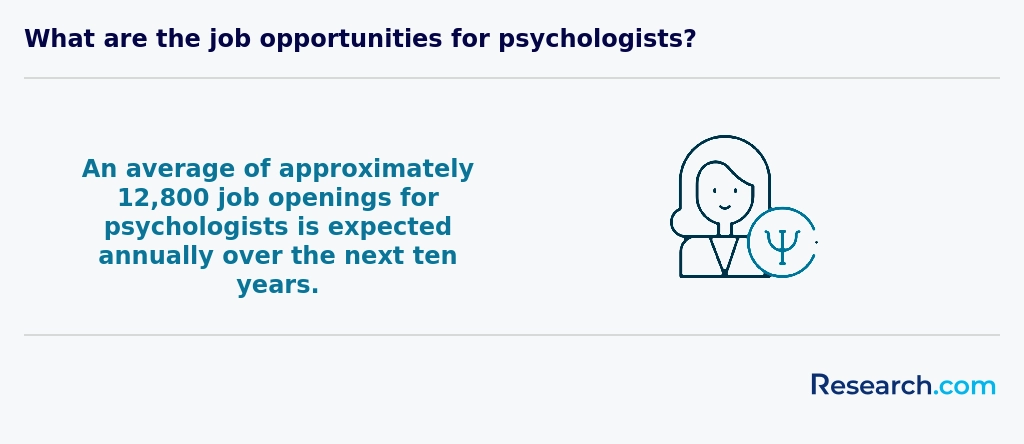
Navigating the path from graduation to professional practice requires understanding the licensure and certification requirements for psychology in Illinois. Most clinical and counseling roles mandate licensure by the Illinois Department of Financial and Professional Regulation (IDFPR), which includes: • Education: A minimum of a master’s degree in psychology or a related field from a regionally accredited institution. Programs should be APA-accredited or meet state standards to ensure eligibility for the Examination for Professional Practice in Psychology (EPPP). • Supervised Experience: Completion of at least 3,360 hours of supervised post-graduate clinical experience, typically over two years under a licensed psychologist’s supervision. • Examination: Passing the EPPP, administered by the Association of State and Provincial Psychology Boards (ASPPB), and a state jurisprudence exam on Illinois law and ethics. • Continuing Education: Renewal of licensure every two years, with a requirement of 20 hours of continuing education, including at least one hour of ethics training. For school psychologists, the Illinois State Board of Education (ISBE) requires an approved Specialist in School Psychology (SSP) degree and Praxis II School Psychology exam. Industrial-Organizational Psychology roles may pursue voluntary certification from the Society for Industrial and Organizational Psychology (SIOP) to signal expertise to employers. Prospective students aiming to strengthen their credentials can supplement on-campus study with flexible training options-many enroll in an online psychology course to deepen their grasp of assessment tools, research ethics, and emerging therapeutic modalities. By planning for these milestones early, candidates ensure a seamless transition into licensed practice and open doors to advanced career opportunities.
In Chicago, psychology degree programs at institutions like the University of Chicago and Loyola University immerse students in core courses that build a solid foundation. Graduates often reflect on how classes such as Introduction to Psychology opened their eyes to human behavior patterns, while Research Methods and Statistics sharpened their ability to analyze data critically-skills essential when working in real-world clinical or research settings.
Courses in Developmental Psychology invite students to trace human growth from infancy to adulthood, often inspiring them through case studies drawn from local community work or internships at Chicago hospitals. Abnormal Psychology classes delve deeply into mental health disorders, equipping students to recognize and address complex conditions they may encounter in their careers.
Students praise the interdisciplinary approach, engaging with Social Psychology, Cognitive Psychology, and Biopsychology, which helps them understand clients holistically. For example, practical labs at Chicago State University allow students to observe behavioral responses firsthand, reinforcing learning through vivid, hands-on experience.
When pursuing a psychology degree in Chicago, you have access to a rich variety of specializations that truly reflect the breadth of the field. Graduates from schools like the University of Chicago and Loyola University often recount how clinical psychology helped them develop skills to diagnose and treat mental health disorders, enabling them to make a direct impact as licensed therapists or counselors. For those drawn to understanding human behavior in workplaces, industrial-organizational psychology offers practical training that aligns perfectly with Chicago's booming corporate sectors.
Other students passionate about research find experimental psychology or cognitive psychology particularly rewarding, as these areas open doors to innovative studies on brain function and behavior. Health psychology and forensic psychology offer engaging paths as well, whether it's exploring the connection between mind and body or applying psychology in legal contexts. Those curious about advanced opportunities might explore an online phd in psychology to deepen their expertise. Choosing the best psychology concentrations Chicago programs ensures you find the right fit for your career and personal growth.
Choosing the best psychology degree in Chicago starts with confirming that the program and school hold strong accreditation-this ensures your education meets high standards and that your degree will be respected by employers and licensing boards. Many graduates from local universities recall how their clinical psychology tracks offered hands-on experiences through partnerships with nearby hospitals, giving them confidence as they transitioned into the workforce.
Consider your career goals carefully by exploring the diverse specializations available. Chicago's universities often provide options like counseling, cognitive science, or industrial-organizational psychology, allowing you to tailor your studies to what excites you most. Graduates frequently highlight how aligning their focus early made advanced degrees and licensure more attainable. It also pays to look into cost and aid; some affordable psychology colleges in Chicago provide scholarships or assistantships that ease financial pressures, making quality education more accessible.
Finally, immerse yourself in Chicago's thriving clinical and research environments. Many students gain invaluable experience through extensive community partnerships and internships, which can be a game changer for employment prospects after graduation. For those seeking flexibility, exploring an online psychology course tailored to Chicago students can also open doors to advanced learning while balancing life's demands.
If you're exploring psychology career opportunities in Chicago, you'll find a vibrant landscape rich with possibilities. Graduates from well-known institutions like the University of Chicago or Loyola University often step into clinical psychology roles, helping individuals in hospitals and private practices. These jobs require advanced degrees and licensure, but they bring rewarding chances to make a real difference in people's lives.
Others pursue jobs with a psychology degree in Chicago in industrial-organizational psychology, applying their skills to boost employee satisfaction and productivity in major corporations based here. This path blends psychology with business, and many alumni speak about the excitement of driving positive change in the workplace.
Educational psychology attracts graduates to Chicago's schools, where they support students' learning and development. Many find these roles deeply fulfilling, as they see their work impact young lives daily. Research careers also abound, with universities and institutes offering roles in behavioral science and neuroscience that stimulate intellectual growth.
For those looking to start affordably, exploring options like the Low Cost Online Master's in Psychology Degree Programs Ranking in the West can provide incredible financial relief, enabling you to pursue your passion without overwhelming debt.
The psychology career opportunities in Chicago are diverse and promising, fueled by the city's strong healthcare system, education sector, and vibrant nonprofit organizations. Graduates from well-known Chicago universities often find rewarding roles in clinical settings, schools, or corporate environments, where their skills directly impact people's lives. For example, psychology grads working in Chicago Public Schools play a vital role in supporting student mental health, blending theory learned in classrooms with real-world challenges.
The job outlook for psychology graduates Chicago is encouraging, with a growth rate for clinical, counseling, and school psychologists matching the national average. Many graduates have remarked how hands-on experiences at local institutions prepared them for jobs in hospitals or mental health clinics, thriving in environments where their expertise is highly valued. Since salaries in Chicago tend to be competitive-averaging around $95,000 annually-this balance of opportunity and income fuels motivation for many students.
For those weighing education costs, it's worth exploring financial options in Chicago's universities, as tuition varies widely. Some have turned to more affordable paths, including accelerated programs, and found success through exploring the quickest associate's degree online options. This approach can make launching a psychology career more accessible without sacrificing quality experience or outcomes.
2027 Most Valuable Psychology Degree Programs Ranking in Chicago
Investing in your education is a significant decision that can shape your future, and the Research.com team understands the importance of making informed choices. To assist prospective students in Chicago, we have meticulously crafted the "2027 Most Valuable Psychology Degree Programs Ranking in Chicago." Our commitment to quality, credibility, and accuracy is reflected in the extensive research and analysis conducted to compile this ranking.
We utilized the following reputable data sources to ensure a comprehensive evaluation of psychology degree programs:
By exploring this ranking, readers will gain valuable insights into the most valuable psychology degree programs in Chicago, helping them make well-informed decisions about their educational paths. For more details on our methodology, please visit our Research.com methodology page.

# 2 position
Adler University
Master of Arts in Psychology

# 3 position
The Chicago School at Chicago
Master of Science in Psychology



# 18 position
St. Augustine College
Bachelor of Arts in Psychology

# 19 position
Adler University
Doctor of Psychology in Clinical Psychology
Frequently Asked Questions About psychology
Psychology degree students in Chicago can maximize their learning experience by actively engaging with local research opportunities. The city hosts several renowned institutions, such as the University of Chicago and Northwestern University, which offer access to cutting-edge labs and community-based projects. Participating in internships at Chicago hospitals or mental health centers provides practical exposure and networking.
Additionally, students benefit from joining professional associations like the Illinois Psychological Association. According to the Bureau of Labor Statistics, Illinois employs over 8,000 psychologists, creating strong potential for mentorship and job placement.
Attending local conferences and workshops increases understanding of emerging trends, complementing classroom knowledge. Chicago's diverse population also allows students to study psychological issues across different cultural groups, enriching academic and practical insights.
The field of psychology continues to evolve, with several emerging niches gaining attention among students in Chicago. One key area is neuropsychology, focusing on the relationship between brain function and behavior. Advances in brain imaging technology have increased demand for specialists in this field.
Another growing niche is health psychology, which explores how mental and physical health interact. Chicago's diverse population presents unique research opportunities in this area.
Additionally, forensic psychology is expanding due to rising interest in the legal system's interface with mental health.
According to the American Psychological Association, these specializations offer promising career growth, with Chicago universities adapting curricula to address these trends.
Preparing for the job market after completing a psychology degree in Chicago requires strategic planning and practical experience. Graduates should seek internships or volunteer roles in local clinics, schools, or social service agencies to build relevant skills. The Illinois Department of Employment Security notes that the Chicago metro area offers diverse psychology-related roles, with a projected 8% job growth from 2022 to 2032.
Networking with local professional organizations, such as the Illinois Psychological Association, can provide valuable contacts and job leads. Additionally, pursuing licensure or certifications, depending on your specialization, greatly enhances employability. Developing strong research, data analysis, and communication skills is also essential for standing out in Chicago's competitive job market.
Employers in Chicago value several key skills in psychology degree graduates that enhance their employability in the local job market. Critical thinking and analytical skills are essential, as professionals must interpret research data and apply it effectively in clinical or organizational settings. Communication skills are also highly sought after; being able to clearly explain psychological concepts to clients or colleagues is crucial.
In addition, familiarity with psychological research methods and proficiency in statistical software are important, reflecting the growing emphasis on evidence-based practice. According to the U.S. Bureau of Labor Statistics and Chicago workforce reports, teamwork and cultural competence are also increasingly valued due to the city's diverse population and collaborative work environments.
Finding internships in Chicago relevant to a psychology degree involves researching local universities, hospitals, and community organizations that offer practical training opportunities. Major institutions like the University of Chicago and Loyola University have partnerships with healthcare providers and mental health clinics, often listing internship openings on their career services websites.
Students should also explore the Chicago Mental Health Consortium, which connects psychology students with agencies offering supervised experience. According to the American Psychological Association, internships are critical for licensure and often require around 1,500 to 2,000 hours of clinical work.
Utilizing platforms like Handshake and Indeed with filters for psychology internships in Chicago can aid the search. Volunteering at local nonprofits or research labs may also lead to internship possibilities and valuable networking.
A psychology degree in Chicago significantly enhances career mobility and advancement opportunities within the region's competitive job market. According to the U.S. Bureau of Labor Statistics, Chicago's metropolitan area employs over 8,000 psychologists, with a projected 10% growth rate through 2031, reflecting increasing demand.
Graduates gain access to diverse roles, including clinical, counseling, and industrial-organizational psychology, where advanced degrees often correlate with higher salaries and leadership positions. Local employers, such as hospitals and universities, frequently prioritize candidates with accredited psychology degrees from Illinois institutions.
Additionally, Chicago's strong network of professional organizations facilitates continuous development and career progression for psychology professionals.
Studying for a psychology degree in Chicago equips students with interdisciplinary skills essential for diverse career paths. Many Chicago institutions emphasize collaboration between psychology and related fields like sociology, neuroscience, and public health. This approach reflects the city's demand for professionals who can integrate knowledge across disciplines.
For example, research from the University of Chicago shows that over 60% of psychology graduates engage in roles requiring cross-disciplinary expertise, such as healthcare, education, and social services. Courses often include statistical methods, ethics, and human behavior, fostering analytical and communication skills.
Such training prepares students to address complex societal issues using varied perspectives. Chicago's rich network of hospitals, research centers, and community organizations also provides practical experience in interdisciplinary environments.
Choosing between a thesis and a non-thesis psychology degree program in Chicago depends on your career goals and learning style. Thesis programs require original research and a formal thesis, which prepares students for doctoral studies or research careers. Non-thesis options focus more on coursework and practical experience, ideal for those aiming for applied psychology roles or immediate employment.
In Chicago, many universities like Loyola and DePaul offer both options. According to the National Center for Education Statistics, about 40% of psychology graduate students in Illinois choose thesis tracks, highlighting its popularity for research-oriented careers. Consider your long-term plans and time commitment before deciding.
Students based in Chicago who wish to study psychology abroad have several structured options to consider. Many universities in Chicago, including the University of Chicago and DePaul University, offer study abroad programs that allow psychology students to spend a semester or summer overseas. These programs often partner with universities in Europe, Asia, and Australia, providing access to diverse psychological theories and research methods.
Additionally, Chicago students can participate in exchange programs supported by U.S. Department of Education initiatives, enabling them to gain international experience while earning credits toward their degree.
Internships abroad in clinical or research settings also enrich psychology studies, though these require careful planning and often collaboration with Chicago institutions. According to the Institute of International Education, about 15% of U.S. psychology undergraduates engage in study abroad programs during their degree.
Students pursuing psychology degrees in Chicago have multiple part-time job opportunities that complement their academic experience. Positions such as research assistants at local universities or hospitals offer hands-on experience with data collection and analysis, crucial for careers in clinical or experimental psychology. The University of Chicago and Northwestern University often hire students for such roles.
Additionally, roles like behavioral health technicians in Chicago-area clinics provide practical exposure to patient care and therapeutic settings. The Illinois Department of Human Services reports increasing demand for mental health support staff in Chicago, reflecting local workforce needs.
Finally, tutoring psychology underclassmen or volunteering with community mental health organizations are accessible ways to deepen both knowledge and professional networks without extensive time commitments.
Psychology students in Chicago have access to diverse networking opportunities due to the city's strong academic and professional communities. Local universities such as the University of Chicago and Loyola University Chicago offer psychology clubs, research symposiums, and guest lectures featuring leading experts. These events provide students with direct contact to professors and peers who share their interests.
Professional organizations like the Illinois Psychological Association host regular meetings and conferences in Chicago, allowing students to connect with practicing psychologists and recruiters. Internships and volunteer positions at renowned facilities like the Chicago School of Professional Psychology and Northwestern's psychology department further enhance professional networks.
Additionally, Chicago's numerous hospitals and mental health centers offer practical experience that often leads to lasting professional relationships. According to the Illinois Department of Employment Security, psychology-related jobs in Chicago are expected to grow by 8% through 2028, emphasizing the importance of strong networks for future employment.
Alumni networks play a crucial role in supporting psychology degree students in Chicago by offering valuable professional connections. Graduates from Chicago institutions often remain active in these networks, providing mentorship and internship opportunities to current students. According to the Illinois Psychological Association, strong alumni ties increase job placement rates by up to 20% within local healthcare and research settings.
These networks also facilitate knowledge exchange about emerging trends in clinical and counseling psychology, enhancing students' academic and career readiness. Networking events and online platforms allow students to connect with professionals working in Chicago's diverse mental health community.
In addition, alumni connections can assist with securing research roles, which is critical for students aiming for graduate school or licensure. Overall, Chicago's psychology alumni networks provide a support system that bridges education and career advancement.
Customizing a psychology degree program in Chicago allows students to tailor their education to match specific career goals. Many universities in Chicago offer elective courses in areas like clinical, counseling, industrial-organizational, or developmental psychology. For example, Loyola University Chicago and DePaul University provide pathways to specialize within these fields.
Students can also engage in internships or research projects with local institutions, hospitals, or community organizations, gaining practical experience relevant to their interests. According to the Illinois Board of Higher Education, internships improve post-graduate employment rates by up to 20%.
Finally, selecting certificates or minors aligned with psychology careers, such as social work or human resources, can further personalize the degree and boost job prospects.
Psychology students in Chicago face several typical challenges during their studies. One major hurdle is balancing academic workload with practical experience, as many programs require extensive internships or research projects. According to the American Psychological Association, hands-on training is essential but can be time-consuming and stressful.
Financial concerns are also significant. The average annual tuition for psychology programs in Chicago ranges from $15,000 to $40,000, depending on the institution, which can create burdens for students without substantial financial aid.
Additionally, navigating competitive admission standards is demanding. The University of Chicago's psychology graduate programs have acceptance rates below 15%, reflecting high academic expectations.
Lastly, adapting to evolving mental health topics and ethical standards requires continual learning, a challenge for many future professionals in the city's diverse environment.
With a psychology degree in Chicago, graduates can pursue several professional certifications to enhance their careers. One of the most common is the Licensed Clinical Psychologist credential, requiring a doctoral degree and passing the Examination for Professional Practice in Psychology (EPPP), regulated by the Illinois Department of Financial and Professional Regulation.
Other certifications include Licensed Professional Counselor (LPC) and Licensed Clinical Social Worker (LCSW), which often require a master's degree and supervised clinical hours. Chicago's healthcare sector actively seeks these professionals, with the Illinois Department of Employment Security reporting a 7% growth in mental health counseling jobs through 2028.
Additionally, certification as a Certified School Psychologist is available for those interested in education, involving specialized training and state licensure. For specialized fields, such as neuropsychology or industrial-organizational psychology, additional certifications from professional bodies can improve job prospects.
To write a winning application for a psychology program in Chicago, start by clearly demonstrating your passion for the field. Highlight relevant academic achievements, such as strong grades in psychology and related courses. Many top programs in Chicago, including those at the University of Chicago and Loyola University, receive thousands of applicants, so a well-organized personal statement is essential.
Provide specific examples of research experience or internships, as Chicago's psychology departments emphasize practical skills. Referencing statistics from Illinois Board of Higher Education reports, programs often look for candidates with experience in diverse urban settings.
Finally, obtain strong letters of recommendation from professors or professionals familiar with your abilities in psychology. This comprehensive approach will help your application stand out in Chicago's competitive academic environment.
The field of psychology offers diverse career paths influenced by global trends and local demands. In the United States, including Chicago, psychology careers are shaped by a strong emphasis on clinical, counseling, and industrial-organizational psychology. According to the U.S. Bureau of Labor Statistics, psychology-related jobs are expected to grow 8% between 2022 and 2032, aligning with rising mental health awareness worldwide.
Globally, psychology professionals address areas from clinical treatment to research and policy. While Chicago universities focus on research and applied psychology, international perspectives often highlight cross-cultural competence and global mental health initiatives.
For Chicago students, understanding these global trends enhances career flexibility and broadens opportunities in an interconnected world.
Gaining practical experience while studying psychology in Chicago is essential for career development. Many universities collaborate with local hospitals, clinics, and social service agencies to offer internships and practicum placements. For example, institutions like the University of Chicago and Loyola University Chicago provide structured fieldwork opportunities that count toward degree requirements.
Volunteer work is another valuable option, allowing students to engage with community mental health organizations such as the Thresholds or the Center on Halsted. These experiences help build essential clinical and research skills.
Additionally, students may participate in research assistant positions within university psychology departments, contributing to ongoing studies and gaining hands-on experience with experimental methods. According to the Illinois Psychological Association, involvement in internships and research significantly enhances employability after graduation.
Choosing the right concentration within a psychology degree program in Chicago involves understanding your interests and career goals. Psychology offers diverse areas such as clinical, counseling, industrial-organizational, and developmental psychology. According to the American Psychological Association, clinical psychology remains the most common concentration, accounting for over 35% of students nationwide, reflecting strong local demand for mental health professionals.
In Chicago, institutions often align programs with the city's growing healthcare and business sectors, influencing availability of internships and job opportunities. Reviewing faculty expertise and research facilities also helps in making an informed choice. Consider how each concentration matches your desired workplace, whether hospitals, schools, or corporations.
Additionally, consult resources like the Illinois Board of Higher Education and local labor market statistics to evaluate job growth and salary trends specific to your chosen concentration. This data-driven approach assists in selecting a path that balances passion with practical prospects.
- 2027 Most Valuable Psychology Degree Programs Ranking in Detroit
- 2027 Most Valuable Psychology Degree Programs Ranking in Cincinnati
- 2027 Most Valuable Psychology Degree Programs Ranking in Saint Louis
- 2027 Most Valuable Psychology Degree Programs Ranking in Columbus
- 2027 Most Valuable Psychology Degree Programs Ranking in Cleveland
- 2027 Most Valuable Psychology Degree Programs Ranking in Saint Paul
- 2027 Most Valuable Psychology Degree Programs Ranking in Minneapolis
- 2027 Most Valuable Psychology Degree Programs Ranking in Pittsburgh
- 2027 Most Valuable Psychology Degree Programs Ranking in Springfield
- 2027 Most Valuable Psychology Degree Programs Ranking in Buffalo
See What Experts Have To Say About Studying Psychology
Read our interview with Psychology experts

Joann Farrell Quinn, Ph.D., MBA
Psychology Expert
Director at the College of Medicine Department of Medical Education
Morsani College of Medicine

Catherine Caldwell-Harris, Ph.D.
Psychology Expert
Associate Professor of Psychology
Boston University

Robin M. Kowalski. Ph.D.
Psychology Expert
Professor of Psychology
Clemson University

- Which Psychology Degree Is Right For You? https://www.psychology.org/degrees/
- Academic Catalog https://catalog.ccc.edu/transfer-pathways/psychology-associate-arts/
- Psychology - SWPS University https://english.swps.pl/academics/warsaw/ba-programs/psychology
- Have You Found a Niche? https://www.apaservices.org/practice/business/marketing/building/niche
- Sample letters in psychology https://www.mystudies.com/en-in/human-and-social-sciences/psychology/letter-model/
- Study Psychology Abroad | Go Overseas https://www.gooverseas.com/study-abroad/psychology
- Mental Health Challenges Faced by Psychology Students | The Healthcare Guys https://healthcareguys.com/2023/11/23/mental-health-challenges-faced-by-psychology-students/
- The Chicago School of Professional Psychology | College Degrees, Courses & Education Online https://www.academicinfo.net/online-schools/the-chicago-school-of-professional-psychology/
- Society for the Teaching of Psychology https://teachpsych.org/page-1784686/8675326
- Psychology Degree Requirements | University of Bridgeport https://www.bridgeport.edu/news/psychology-education-requirements/