
2027 Most Popular Psychology Degree Programs Ranking in Auburn

Co-Founder and Chief Data Scientist
Choosing the right psychology degree program can shape your future in meaningful ways. This article introduces the 2027 Most Popular Psychology Degree Programs Ranking in Auburn, created by the Research.com team of data scientists to help you make an informed decision.
Exploring these programs gives you valuable insight into quality options within Auburn, so you can find the best fit for your career goals.
Whether you're passionate about understanding human behavior or aiming to make a positive impact, earning a psychology degree opens many doors.
Reading this ranking is a helpful step toward pursuing a rewarding and fulfilling educational journey.
Key benefits of getting psychology degree in Auburn
- Psychology degree graduates in Auburn can expect rewarding salaries, such as $76,060 annually for Human Resources Specialists and $83,190 for Marketing Research Analysts, reflecting strong earning potential.
- Career paths include roles in research, clinical settings, and organizational support, showcasing the diverse opportunities available to psychology graduates from Auburn's local universities.
- Obtaining an online psychology degree from Auburn offers flexibility and convenience, allowing graduates to balance work and study while gaining valuable skills recognized in the job market.
- 2027 Most Popular Psychology Degree Programs Ranking in Auburn
- What can I expect from psychology degree in Auburn?
- Where can I work with psychology degree in Auburn?
What can I expect from psychology degree in Auburn?
The average cost of pursuing a psychology degree in Auburn is roughly $11,900 per year for in-state tuition at Auburn University, the city's primary institution for this field. Graduates often reflect on the affordability as a significant factor that enabled them to focus more on their academic and research experiences rather than financial stress. For many, this cost compares favorably to other public universities in the region, making Auburn an accessible option for local students.
However, it's important to consider that tuition is only part of the total expenses. Students often need to budget for books, supplies, and living costs, which can vary widely. Some psychology students share how scholarships and work-study programs specific to their major helped alleviate financial burdens, allowing them to engage more deeply in internships and research that enhanced their employability.
While in-state tuition is straightforward, out-of-state students may face higher costs, which can influence their decision to attend. Still, many appreciate Auburn's balance between cost and quality education, highlighting how practical learning opportunities made their investment worthwhile.
Where can I work with psychology degree in Auburn?
Graduates with a psychology degree in Auburn often find meaningful roles in diverse settings tied closely to the region's healthcare and education sectors. Many secure positions at institutions like East Alabama Medical Center or Auburn University's counseling services, where they apply psychological principles to support mental health. These roles fulfill real community needs, allowing graduates to witness the positive impact of their work firsthand.
Other alumni choose academia, working as researchers or advisors within Auburn University or local colleges. These environments provide opportunities to deepen expertise while shaping future students' experiences, which many find profoundly rewarding. Internships and assistantships offered by Auburn University serve as valuable bridges into such careers.
Social services also attract psychology graduates, with nonprofits and government agencies in Auburn requiring professionals for program development and counseling. Graduates often describe this path as emotionally fulfilling, though it demands adaptability and resilience.
Less conventional but still viable careers include roles in local businesses focusing on human resources or organizational development, where understanding behavior enhances workplace harmony. Thus, Auburn's psychology graduates enjoy varied pathways grounded in both professional growth and community connection.
Graduates with a psychology degree in Auburn often find that their earnings vary widely depending on the specific career path they pursue. For example, those working as Human Resources Specialists in the area can expect to earn an average annual salary of about $76,060, which is quite competitive locally. Marketing Research Analysts, another common role for psychology grads, typically earn even more, around $83,190 per year, reflecting opportunities for graduates interested in applying psychological principles to market behavior.
On the other hand, roles like Clinical Research Associates and Survey Researchers, which also attract psychology graduates, offer mean annual wages closer to $62,370. Meanwhile, entry-level positions such as Childcare Workers tend to have lower salaries, around $32,070 annually, but can serve as valuable stepping stones for gaining practical experience.
Many students from Auburn University and other local colleges share encouraging stories of how gaining certifications and practical internships helped them move from support roles toward higher-paying specialties. Auburn's mix of academic and healthcare settings provides a realistic background where graduates can build rewarding careers that match their aspirations and lifestyle needs.
- Auburn University offers accredited undergraduate and graduate psychology programs in Auburn, Alabama.
- The total cost for an in-state bachelor's degree in psychology at Auburn ranges from $25,000 to $30,000; out-of-state students may pay about $50,000.
- Entry-level psychology graduates in Auburn earn an average starting salary near $48,000, with mid-career professionals making around $70,000 per year.
- The job market in Auburn for psychology graduates is growing at an expected rate of 6-8% over the next decade.
- Licensing in Alabama requires an advanced degree and supervised clinical experience, which Auburn programs prepare students to complete.
Completing a psychology degree in Auburn generally aligns with national trends but includes nuances tied to local institutions like Auburn University. Graduates pursuing a bachelor's degree report that the standard four-year timeline is realistic when attending full-time and engaging deeply with the course material. Some ambitious students at Auburn University find ways to finish in about three years by taking summer courses and heavier semesters, though this demands strong time management and commitment.
Moving onto graduate studies, master's degree programs in Auburn often take around two years full-time. Students appreciate that these programs offer specialization opportunities while balancing coursework and practical experiences. For example, graduates from counseling or industrial-organizational tracks highlight the rewarding challenge of integrating hands-on practice while meeting credit requirements.
Doctoral degrees, such as PhD or PsyD, can span five to seven years. Auburn's graduate psychology departments typically emphasize research and clinical hours, so students often experience a mix of excitement and pressure as they contribute original work. These timelines may extend with part-time study or work commitments, as many psychology students balance life responsibilities during their education.
Graduates with a bachelor’s degree in psychology in Auburn, AL, should understand the licensure and certification pathways available to maximize their career opportunities. While a doctoral degree is required for full licensure as a clinical psychologist in Alabama, holding a bachelor’s degree opens doors to valuable support roles and specialized certifications. For example, graduates can pursue certification as a Registered Behavior Technician (RBT) or Certified Rehabilitation Counselor (CRC), both overseen by state boards. These credentials require supervised field hours, passing a national examination, and continuing education units (CEUs) to maintain compliance with the Alabama Board of Examiners in Counseling. For those interested in working with younger populations, entry-level positions such as behavioral support specialists or case managers allow graduates to apply core psychological principles. Many early-career professionals explore careers in child psychology with a bachelor's degree, which often involve collaboration with licensed psychologists or social workers in school districts, community agencies, and healthcare settings. Although advanced roles in child psychology typically require graduate education, obtaining field certifications-like the Board Certified Assistant Behavior Analyst (BCaBA)-can significantly enhance employability and professional credibility. To transition into master’s or doctoral programs, candidates should verify that their undergraduate curriculum meets prerequisites for clinical or counseling psychology tracks. Coursework in statistics, research methods, and developmental psychology is essential for admission to advanced licensure programs. Finally, maintaining a clear record of supervised experience and up-to-date CEUs ensures that graduates remain competitive in Alabama’s evolving mental health workforce.
Choosing between an online and on-campus psychology degree in Auburn hinges on how you weigh interaction versus flexibility. Graduates from Auburn University often recall the energizing classroom debates and hands-on research opportunities in campus labs that shaped their understanding of psychological concepts. The face-to-face connection with professors and peers fosters immediate feedback and deeper engagement, which can be crucial for mastering complex topics.
On the other hand, online students-many enrolled at institutions like Auburn University at Montgomery-appreciate the ability to tailor their study schedules around work and family. This flexibility is a major draw, especially for adult learners balancing multiple commitments. However, these students must cultivate strong self-discipline to stay on track, as virtual lectures and discussion boards replace traditional in-person dynamics.
Cost differences also play a role. Some Auburn colleges maintain comparable tuition for online and on-campus students, but additional fees and the lack of commuting expenses can tip the balance financially. Ultimately, prospective students should carefully reflect on their personal learning styles and life circumstances when making this important decision.
To further support your decision-making, explore our Affordable Psychology Degree Programs Ranking in Arkansas, which highlights top-value psychology degrees and detailed cost analyses. Beyond program popularity, our methodology page and Research.com’s expert blog offer insights on accreditation standards, financial aid strategies, and career outcome trends-arming you with a well-rounded perspective as you compare options and plan your academic journey.
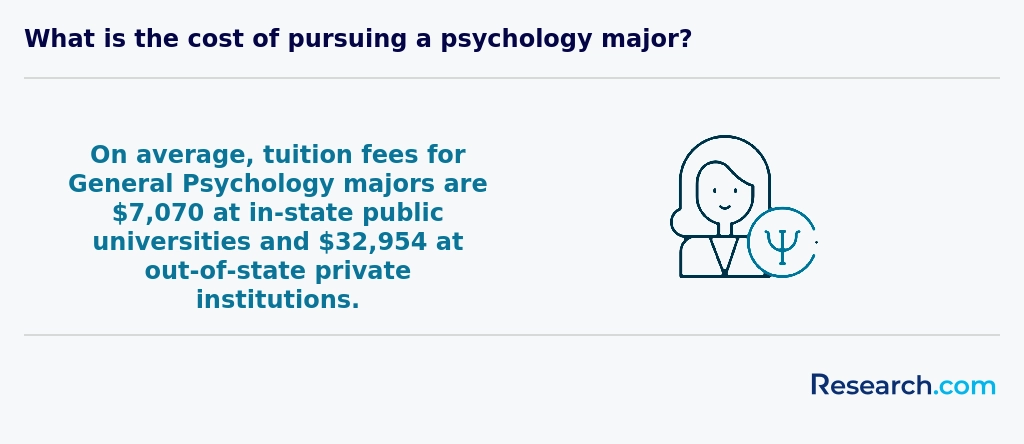
The average cost of a psychology degree in Auburn reflects a balance between in-state affordability and out-of-state investment. For instance, graduates from Auburn University, the region's leading institution for psychology, often note that in-state students typically face a median total cost near $12,890, a figure that encompasses tuition, fees, and some ancillary expenses. Out-of-state students, meanwhile, encounter a significantly higher median total cost around $51,558, illustrating the financial impact of residency status on psychology degree tuition and fees Auburn offering.
Many psychology students find this investment manageable through a combination of scholarships, assistantships, and campus resources. For example, a psychology graduate from Auburn University shared how pursuing financial aid and on-campus work opportunities helped make their education feel rewarding rather than burdensome. Such firsthand experiences highlight the importance of understanding the full picture of costs beyond tuition, including books, supplies, and living expenses.
While Auburn's pricing aligns closely with other public universities nationally, prospective students often compare local options to elsewhere, including online alternatives. Those interested may explore michigan online psychology programs reviews to find flexible, sometimes more affordable pathways. By carefully considering costs, prospective students can find value in Auburn's welcoming campus environment and reputable psychology programs without unforeseen financial stress.
- Auburn University: Bachelor of Science in Psychology with specialized tracks in clinical, developmental, and cognitive psychology; access to state-of-the-art research labs and local internship placements.
- Tuskegee University: Bachelor of Science in Psychology emphasizing cultural competence, small class sizes, and community engagement through outreach programs.
- Southern Union State Community College: Associate of Science in Psychology designed for seamless transfer to four-year institutions and entry-level support roles in mental health settings.
- Auburn University Online: Flexible online Bachelor of Science in Psychology offering synchronous seminars, virtual labs, and dedicated academic advising.
Consider specialized therapy paths-explore online mft degrees if you’re aiming for marriage and family therapy certification.
Students pursuing psychology degrees in Auburn often rely on a mix of financial aid sources to ease their educational expenses. At institutions like Auburn University, graduates recall starting with the FAFSA to unlock federal grants, loans, or work-study options. The Pell Grant, for instance, can cover a significant portion of the roughly $10,000 annual tuition for in-state students, providing reassuring financial relief.
Many find scholarships through the university's psychology department, which can range from merit-based awards to funding specific subfields like clinical psychology. One graduate shared how securing a counseling psychology scholarship lessened their need for loans, demonstrating the value of targeted institutional aid.
Graduate students often benefit from assistantships offering partial or full tuition waivers plus stipends. These roles not only reduce financial pressure but also add enriching hands-on experience. However, students must weigh the time commitments of assistantships against their academic goals and well-being.
Private and community scholarships supplement these options, yet they require proactive searching and applications. Despite the availability of federal direct loans, many Auburn psychology students approach borrowing cautiously, mindful of repayment challenges after graduation.
When selecting a psychology college, it's essential to consider several factors, including accreditation, curriculum, and available resources. Students can find the best popular psychology colleges by visiting https://research.com/rankings/psychology/most-popular-psychology-al as a resource to explore top-ranked institutions. By researching and comparing different programs, prospective students can make an informed decision that aligns with their academic and career goals. Additionally, considering factors such as faculty expertise, research opportunities, and campus culture can help students find a college that provides a well-rounded education and supportive environment. Ultimately, choosing the right psychology college can have a significant impact on a student's future career prospects and personal growth.
Enrolling in a psychology degree program in Auburn often begins with meeting clear academic prerequisites, which many students find both challenging and motivating. For undergraduates, most colleges like Auburn University require a high school diploma or GED and a competitive GPA around 3.0, alongside standardized test scores such as the SAT or ACT-though some institutions have become more flexible recently. Graduates recall how having solid foundations in English, math, and science helped them adapt quickly to demanding psychology coursework.
Some students have noted that starting directly as a psychology major isn't always possible. Instead, beginning with general education or intro courses like statistics and biology was crucial in building confidence and foundational skills. This gradual entry often enhances the learning experience rather than overwhelming new students.
For those pursuing graduate studies within Auburn's psychology departments, expectations tighten, demanding a bachelor's degree, typically with a similar GPA standard. Successful applicants highlight the importance of submitting strong recommendation letters, clear statements of purpose, and relevant research experience. While GRE scores remain part of some applications, a growing number of programs are becoming test-optional, reflecting broader trends in graduate admissions.
Many find these prerequisites reasonable stepping stones that encourage preparedness and resilience, setting them on rewarding paths in their psychology careers.

In today’s dynamic educational landscape, psychology graduates are beginning to explore emerging fields that blend traditional methodologies with innovative applications. One area gaining significant attention is the intersection of psychology and criminal justice, where professionals apply behavioral insights to security, rehabilitation, and legal processes. This evolving specialty is attracting interest from students who seek to understand societal influences on behavior and implement effective strategies in the criminal justice system. For example, many are intrigued by the potential of forensic and criminal psychology to offer insights into offender behavior, risk assessment, and rehabilitation programs. If you're curious about specialized paths, consider learning more through what can you do with a criminal psychology degree. Beyond forensic applications, graduates are also tapping into opportunities provided by advancements in technology, such as data analytics and digital mental health initiatives. These fields are expanding as employers increasingly value a unique combination of analytical skills and deep psychological understanding. Universities are responding by tailoring courses and research opportunities to bridge the gap between traditional psychology studies and these burgeoning areas. As the industry continues to evolve, staying informed and adaptable will empower graduates to seize promising new roles and drive impactful change in their communities.
Psychology degree programs in Auburn typically include foundational courses such as General Psychology, Research Methods, and Statistics. Graduates from Auburn University and local colleges often reflect on how these classes built their confidence to navigate complex psychological concepts while conducting their own research projects. For example, a student might recall designing a small experiment during Research Methods, which made abstract theories feel tangible and engaging.
Core areas like developmental, social, cognitive, and biological psychology feature prominently and help students understand behavior across different contexts. Many graduates describe these classes as eye-opening, especially when linking social psychology theories to everyday interactions on campus or understanding cognitive biases during exams.
Specialized classes like abnormal psychology, psychological assessment, and counseling techniques prepare students for real-world challenges, often paired with practical lab sessions or internships. Auburn psychology students frequently express enthusiasm about internships providing hands-on experience-such as working with community health services-which deepens their learning beyond textbooks.
Electives in areas like industrial-organizational or forensic psychology also allow exploration of career-specific interests, making the programs adaptable to diverse goals within Auburn's academic environment.
Psychology degree specializations Auburn students often encounter include clinical psychology, developmental psychology, cognitive psychology, and industrial-organizational psychology. Graduates from popular universities in Auburn frequently share how clinical psychology's hands-on focus, supported by nearby healthcare facilities, allowed them to engage deeply with real-world mental health scenarios, fostering confidence and practical skills. Developmental psychology's appeal lies in its comprehensive view of human growth, equipping students to contribute meaningfully to education or healthcare environments.
Those pursuing cognitive psychology appreciate exploring mental processes like memory and perception, which resonates with students aiming for research or tech-related career paths. Industrial-organizational psychology attracts graduates interested in optimizing workplace dynamics, reflecting Auburn's responsiveness to local business demands. Sometimes, students discover emerging paths such as health or forensic psychology, which vary by institution and enrich the diversity of psychology career options Auburn offers.
While these options illustrate the breadth available, prospective students should carefully verify current offerings, especially when considering programs with practicum components or additional costs. For those interested in advanced study, Auburn also promotes accessible online psychology doctoral programs that complement on-campus learning experiences.
Choosing the best psychology degree in Auburn means weighing not only cost and program reputation but also practical experiences offered. Graduates from Auburn's universities often mention how access to nearby clinical sites and mental health organizations gave them invaluable hands-on opportunities, a factor that can deeply enrich your studies beyond textbooks.
It's easy to assume that a bachelor's is enough, but many find that pursuing advanced degrees through local institutions or affiliated programs broadens career options, especially for clinical licensure. Some students appreciated the flexible course formats, including online or hybrid classes that allow them to balance work and study effectively, demonstrating the appeal of affordable psychology degrees Auburn programs can offer.
Accreditation and faculty expertise significantly affect your learning journey. For example, graduates recall professors actively engaged in research or clinical practice, which brought current and real-world perspectives into the classroom. Considering graduate outcomes is also wise; networking opportunities with local agencies often lead to better employment or graduate school acceptance.
For students seeking more specialized paths, exploring online PhD psychology programs affordable through Auburn's affiliated universities can be a viable route, offering advanced credentials without relocating.

Graduates with a psychology degree in Auburn find diverse career paths reflecting both local and national demands. Many choose to become licensed psychologists, which requires additional graduate education and licensure in Alabama. Those pursuing this route often recall internships and clinical work gained at Auburn's universities, experiences that build confidence and practical skills for therapeutic and psychological assessment roles. Considering psychology career opportunities in Auburn, entrants should also explore positions such as school psychologists, counselors, and social workers, where they contribute directly to community mental health and education systems.
Others focus on organizational development by becoming industrial-organizational psychologists or human resources specialists, applying psychological principles to improve workplace climates and employee well-being. Research assistant roles, often available through Auburn's research centers, also attract graduates interested in behavioral studies. Practical experience through local internship opportunities at hospitals or schools is frequently highlighted as essential by Auburn graduates, emphasizing real-world application of their knowledge.
For those balancing work and study or seeking flexible options, programs like online psychology degrees ohio continuing education offer another pathway. These options broaden access to psychology education while keeping career goals in sight, reinforcing the broad yet focused nature of jobs with psychology degree Auburn.

The psychology degree job opportunities Auburn offers reflect a steady demand for professionals in healthcare, education, and social services, especially for those who attend Auburn University or local colleges. Graduates often find roles as counselors or behavioral therapists in hospitals and clinics, benefiting from the city's expanding focus on mental health. Many report that starting with entry-level support roles allows them to gain practical experience, which smoothly transitions into specialized positions requiring advanced degrees.
Students sharing their journeys emphasize that the psychology career outlook Auburn Alabama landscape favors those pursuing master's or doctoral degrees. For example, university graduates involved in research assistantships frequently secure positions linked to academic or clinical work. However, it's important to remember that some psychology jobs remain competitive, and local employers often expect licensure or advanced qualifications. For those who consider broadening their social work skills, exploring Texas MSW programs online has been a practical option shared among peers.
2027 Most Popular Psychology Degree Programs Ranking in Auburn
Investing in your education is a significant decision that can impact your future, and the Research.com team recognizes the importance of providing trustworthy guidance. To support individuals exploring psychology degree options in Auburn, we have carefully developed the "2027 Most Popular Psychology Degree Programs Ranking in Auburn." Our dedication to quality, credibility, and accuracy is demonstrated through rigorous research and data analysis.
We utilized the following reputable data sources to ensure a comprehensive evaluation of psychology programs:
Readers will gain valuable insights into the most popular and well-regarded psychology degree programs in Auburn, enabling more informed decisions about their academic futures. For further information on how this ranking was created, please visit our Research.com methodology page.

Frequently Asked Questions About psychology
Psychology degree students in Auburn can maximize their learning experience by engaging actively with both coursework and practical opportunities. Auburn University, for example, offers access to research labs where students can participate in ongoing studies, enhancing their understanding through hands-on experience. According to Auburn University's Psychology Department, about 30% of undergraduates get involved in research, which significantly improves critical thinking and application skills.
Networking with faculty and joining psychology-related student organizations also foster deeper academic connections and professional growth. Additionally, internships and volunteer roles within Auburn's diverse community services provide real-world contexts to apply psychological theories.
Emerging niches within the psychology field reflect growing societal needs and technological advances. In Auburn, students pursuing psychology degrees are increasingly interested in areas like neuropsychology, which studies brain-behavior relationships, and health psychology, focusing on how mental health affects physical well-being. Another growing specialty is forensic psychology, applying psychological principles in legal contexts.
Digital mental health is also an expanding niche, involving teletherapy and app-based interventions, supported by rising demand for accessible care. According to the U.S. Bureau of Labor Statistics, clinical and counseling psychology roles are expected to grow 14% through 2032, signaling expanding opportunities. Auburn's local universities offer programs addressing these specialties, preparing graduates for these in-demand paths.
Preparing for the job market after earning a psychology degree in Auburn involves strategic steps aligned with national and local labor trends. Psychology graduates should prioritize gaining relevant experience through internships or research opportunities, as practical skills significantly boost employability. Auburn students have access to internships at local healthcare facilities and community organizations, which enhances applied learning.
Networking with professionals via Auburn's university career services or regional psychology associations can open doors in counseling, social services, or corporate sectors. According to the U.S. Bureau of Labor Statistics, employment for psychologists is projected to grow 6% from 2021 to 2031 nationally, indicating steady demand.
Graduates often pursue advanced degrees or certifications for specialized roles. Developing skills in data analysis and communication also strengthens market readiness in diverse psychology-related fields.
Employers in Auburn increasingly value psychology graduates who demonstrate strong critical thinking and research skills. According to the Bureau of Labor Statistics, effective data analysis and understanding of behavioral patterns are essential for roles in clinical, counseling, and industrial-organizational psychology.
Communication skills are also paramount, as psychology professionals must clearly explain findings and work collaboratively in diverse settings. Auburn's growing healthcare and educational sectors require graduates to be proficient in both verbal and written communication.
Additionally, ethical judgment and cultural competence are vital, reflecting national standards set by the American Psychological Association. Local employers prioritize candidates who exhibit empathy and adaptability to serve Auburn's diverse population.
Finding internships in Auburn relevant to a psychology degree involves exploring opportunities both on and off campus. Auburn University's psychology department often connects students with local clinics, schools, and research centers where internships may be available. According to Auburn University's career services, networking events and internship fairs are crucial resources for discovering openings.
In addition, students can search databases like Handshake used by many US universities for psychology-related internships. Local healthcare facilities and counseling centers also offer practical experience that complements academic learning. Starting early and leveraging faculty guidance improves chances of securing quality internships in Auburn.
In Auburn, earning a psychology degree can significantly enhance career mobility and advancement opportunities. According to the U.S. Bureau of Labor Statistics, psychology-related occupations in Alabama are expected to grow by 8% through 2031, signaling steady demand. A degree in psychology provides foundational skills valued across industries such as healthcare, education, social services, and human resources.
Graduates in Auburn often gain access to entry-level roles that can lead to supervisory and specialist positions. Advanced degrees further expand opportunities into clinical, counseling, and research roles.
The presence of companies and institutions around Auburn seeking psychological expertise facilitates regional job placement and career growth. Local salary data from the Alabama Department of Labor indicates average starting salaries in psychology fields near $45,000, with potential increases tied to experience and education level.
Studying for a psychology degree in Auburn offers a strong foundation for interdisciplinary roles by combining core psychological theories with practical skills applicable across fields. Programs often emphasize collaboration, integrating coursework in neuroscience, sociology, and health sciences. This cross-disciplinary approach equips students to work in areas such as healthcare, education, and business.
According to Auburn University's curriculum standards, about 40% of psychology courses include interdisciplinary content, fostering critical thinking and adaptability. Students gain experience in research methods valuable to fields beyond psychology, including data analysis and behavioral studies.
Such preparation aligns with workforce trends showing growing demand for professionals able to apply psychological knowledge in diverse contexts, according to the U.S. Bureau of Labor Statistics.
Choosing between a thesis and a non-thesis psychology degree program in Auburn depends largely on your career goals and learning preferences. Thesis programs typically require original research and a written dissertation, making them ideal for students aiming for doctoral studies or research careers. In Auburn, such programs may involve working closely with faculty on specialized topics, which enhances research skills and academic experience.
Non-thesis options often focus on coursework and practical application, appealing to students planning to enter the workforce directly after graduation or pursue professional roles such as counseling or human services. According to Auburn University's recent graduate outcomes, students completing thesis tracks were 40% more likely to continue to PhD programs.
Consider your time commitment as well: thesis programs usually take longer due to research demands. Review program details at Auburn institutions and consult advisors to align your choice with your future plans.
Students based in Auburn who wish to study psychology abroad have several pathways to consider. Many universities in Auburn, including Auburn University, offer study abroad programs in partnership with institutions worldwide. These programs often allow psychology majors to earn credits toward their degree while gaining international experience.
Popular destinations include universities in the UK, Australia, and Europe, where students can explore different cultural perspectives on psychology. Auburn's Office of International Programs reports that about 10% of Auburn University students participate in study abroad initiatives, with psychology among the frequently chosen fields.
Additionally, some students opt for semester-long exchanges, summer research internships, or service-learning projects abroad. These experiences can enrich one's understanding of psychology through exposure to diverse populations and methodologies.
Students pursuing psychology degrees in Auburn have access to several part-time jobs that complement their academic learning. Common roles include research assistants at Auburn University's psychology department, where students gain hands-on experience with experimental design and data analysis.
Additionally, positions as mental health aides in local clinics provide practical exposure to client interaction and support, enriching students' understanding of psychological theories in real-world settings. According to Auburn University's Career Center, about 25% of psychology students engage in these roles during their studies.
Other opportunities include tutoring introductory psychology courses and working with community outreach programs focused on mental well-being. These jobs build both professional skills and résumés while accommodating academic schedules.
Auburn offers psychology students various networking opportunities vital for career development. Many students engage with local chapters of national organizations like the American Psychological Association (APA) and Psi Chi, the International Honor Society in Psychology. These groups host workshops, conferences, and speaker events that promote connections with professionals and alumni.
The University of Auburn, along with nearby higher education institutions, frequently organizes psychology career fairs and internship expos, providing direct access to regional mental health clinics, research centers, and counseling agencies.
Moreover, students benefit from faculty-led research projects, fostering mentorship and collaboration with experienced psychologists. These experiences enhance both practical skills and professional networks.
Alumni networks provide valuable support for psychology degree students in Auburn by offering connections to professionals and peers in the field. These networks help students access internships and job opportunities, which are crucial in psychology careers. According to the Auburn University Alumni Office, over 60% of recent psychology graduates found employment through alumni referrals.
Additionally, networking events and mentorship programs facilitate guidance on academic and career choices, helping students navigate the competitive psychology job market. Such resources enhance students' professional development and often lead to collaborations in research or clinical practice.
Students pursuing a psychology degree in Auburn can customize their program to align with specific career goals by selecting relevant electives and specializations. Many local universities offer tracks in clinical psychology, counseling, or industrial-organizational psychology, allowing students to gain targeted skills. Internships and research opportunities available through Auburn institutions provide hands-on experience tailored to individual interests.
Advisors often assist students in designing a course plan that fits career aspirations, integrating both theoretical and applied components. According to the National Center for Education Statistics, flexibility in psychology programs can improve employment prospects in Alabama's growing mental health sector.
Psychology students in Auburn often face challenges related to the rigorous academic workload. Courses tend to demand strong critical thinking and research skills, which can be difficult for those new to scientific methods. Additionally, securing internships and research assistant positions is competitive, as practical experience is crucial for future employment or graduate study.
Mental health challenges are also common, with studies showing that nearly 40% of college students nationwide report feeling overwhelming anxiety, a figure likely mirrored in Auburn's psychology community. Balancing coursework, internships, and personal wellness requires effective time management.
Access to updated resources and technology can vary between institutions, occasionally limiting students' ability to perform advanced psychological assessments or analyses.
With a psychology degree from Auburn, you can pursue several professional certifications that can expand your career opportunities. Common certifications include becoming a Certified Alcohol and Drug Counselor (CADC) or a Licensed Professional Counselor (LPC). Both require graduate education and supervised clinical experience beyond the bachelor's degree.
The National Board for Certified Counselors offers the National Certified Counselor (NCC) credential, which is highly respected in the psychology field. Some graduates also pursue certification as a Behavior Analyst, recognized by the Behavior Analyst Certification Board.
Auburn's proximity to Alabama's certification boards makes navigating credentialing processes convenient for students. These credentials can greatly improve employability in clinical, educational, or organizational psychology settings.
Applying to psychology programs in Auburn requires careful preparation to stand out. Start by maintaining a strong GPA, ideally above 3.5, as many competitive programs look for academic excellence. Highlight relevant coursework in psychology and research methods. Auburn University, for example, values research experience, so including internships or lab work can boost your application.
Craft a compelling personal statement that explains your motivation for studying psychology and how you plan to contribute to the field. Be specific about your interests, such as clinical or cognitive psychology, and mention any faculty whose work aligns with yours.
Letters of recommendation should come from professors or professionals familiar with your academic and research abilities. Lastly, familiarize yourself with the Auburn program's admission deadlines and required documents to ensure a complete submission.
The field of psychology offers diverse career opportunities worldwide, with growing demand in clinical, counseling, and industrial-organizational branches. In the U.S., including Auburn, psychology professionals benefit from a robust job market. According to the U.S. Bureau of Labor Statistics, employment for psychologists is projected to grow 8% between 2022 and 2032, faster than average for all occupations.
Globally, psychology careers emphasize cultural competence and ethical standards, essential for working in diverse populations. Auburn's universities align their programs with these international trends, preparing students to engage in research, healthcare, and applied psychology fields worldwide.
Additionally, American psychology degrees are widely recognized, enabling graduates to pursue international certifications and collaborate across borders.
Gaining practical experience while studying for a psychology degree in Auburn is essential for building skills and enhancing job prospects. Many Auburn institutions encourage students to participate in internships at local mental health clinics, schools, and community organizations. These opportunities provide hands-on experience with client assessment, counseling techniques, and research application.
Additionally, students can engage in research assistant positions, often available through university psychology departments. According to Auburn University's psychology program, about 60% of undergraduates complete at least one research project or lab assistantship before graduation.
Volunteering at places like the Lee County Mental Health Center or local nonprofit organizations also allows students to apply classroom knowledge in real-world settings while networking with professionals in the field.
Choosing the right concentration within a psychology degree program in Auburn requires understanding your career goals and interests. Popular concentrations include clinical psychology, counseling, developmental psychology, and industrial-organizational psychology. Auburn University and other local institutions offer diverse options catering to different specialties.
Consider job market demand: clinical psychology roles in Alabama are growing by approximately 8% annually, according to the Bureau of Labor Statistics. Exploring which concentration aligns with your strengths and desired work environment is essential.
Speak with academic advisors and review course offerings carefully. They can provide insight into faculty expertise and research opportunities specific to Auburn.
Internships and practicum placements in Auburn-area organizations can also influence your choice by offering hands-on experience relevant to each concentration.
- 2027 Most Popular Psychology Degree Programs Ranking in Montgomery
- 2027 Most Popular Psychology Degree Programs Ranking in Birmingham
- 2027 Most Popular Psychology Degree Programs Ranking in Atlanta
- 2027 Most Popular Psychology Degree Programs Ranking in Tallahassee
- 2027 Most Popular Psychology Degree Programs Ranking in Mobile
- 2027 Most Popular Psychology Degree Programs Ranking in Hattiesburg
- 2027 Most Popular Psychology Degree Programs Ranking in Charlotte
- 2027 Most Popular Psychology Degree Programs Ranking in Greensboro
- 2027 Most Popular Psychology Degree Programs Ranking in Durham
- 2027 Most Popular Psychology Degree Programs Ranking in Raleigh
See What Experts Have To Say About Studying Psychology
Read our interview with Psychology experts

Joann Farrell Quinn, Ph.D., MBA
Psychology Expert
Director at the College of Medicine Department of Medical Education
Morsani College of Medicine

Elizabeth L. Jeglic Ph.D.
Psychology Expert
Professor of Psychology
City University of New York

Catherine Caldwell-Harris, Ph.D.
Psychology Expert
Associate Professor of Psychology
Boston University

- A Guide to Psychology Internships | Psychology Degree Guide https://psychologydegreeguide.org/resources/internships/
- Auburn University - Degree Programs, Accreditation, Applying, Tuition, Financial Aid https://www.greatvaluecolleges.net/colleges/auburn-university/
- Auburn Tuition and Financial Aid https://www.prepscholar.com/sat/s/colleges/Auburn-tuition-financial-aid
- What Certifications Can I Get With A Bachelor's In Psychology? https://www.psychology.org/resources/certification-skills-for-psychology-major-resumes/
- Auburn University Psychology Degrees and Programs https://www.psychologycareercenter.org/auburn-university-psychology-programs.html
- Why Get a Psychology Degree Online? | University of Bridgeport https://www.bridgeport.edu/news/reasons-to-get-your-psychology-degree-online/
- Psychology - SWPS University https://english.swps.pl/academics/warsaw/ba-programs/psychology
- Ontario Psychological Association - Networking and Community Resources https://www.psych.on.ca/become-a-member-(1)/member-services/networking-and-community-resources
- What Can You Do With a Psychology Degree? Careers, Paths, and What to Study https://www.griffith.ie/knowledge/what-can-you-do-with-a-psychology-degree-careers-paths-and-what-to-study
- Have You Found a Niche? https://www.apaservices.org/practice/business/marketing/building/niche


