
2027 Best Online Master's in Psychology Degree Programs Ranking in Colorado

Co-Founder and Chief Data Scientist
Choosing the right online master's program in psychology can feel overwhelming, especially for students in Colorado looking to advance their careers.
This article presents the 2027 Best Online Master's in Psychology Degree Programs Ranking in Colorado, developed by the Research.com team of data scientists. It offers a carefully researched guide to help you identify which programs stand out for quality and value.
By exploring this ranking, you can make a confident, informed decision about your education path and unlock new opportunities in the rewarding field of psychology.
Key benefits of getting online psychology degree in Colorado
- Graduates with a psychology degree in Colorado can pursue careers like School Psychologist, earning a mean annual wage of $91,990, or Mental Health Counselor with an average salary of $60,080, reflecting strong earning potential in diverse roles.
- Popular Colorado universities offer psychology graduates exciting paths such as rehabilitation counseling and marriage/family therapy, helping them make meaningful impacts in communities while building rewarding careers.
- Online psychology degrees from Colorado colleges provide flexibility and convenience, allowing students to balance work and study effectively while gaining the same quality education and credentials as traditional programs.
- 2027 Best Online Master's in Psychology Degree Programs Ranking in Colorado
- What can I expect from online psychology degree in Colorado?
- Where can I work with online psychology degree in Colorado?
What can I expect from online psychology degree in Colorado?
The average cost of an online psychology degree in Colorado typically ranges between $15,000 and $30,000 for a master's program, depending on the institution and residency status. Graduates from well-known universities like the University of Colorado or Colorado State University often mention how this investment felt manageable given the flexible online format and high-quality instruction. Many recall balancing coursework with work or family, appreciating the asynchronous classes that allowed them to learn on their schedule.
These programs emphasize not only theory but practical skills, making the cost worthwhile. Some students found value in universities partnering with local health agencies for internships, which enriched their learning without adding extra financial burden. Remember, while sticker price matters, scholarships and financial aid from Colorado schools can reduce expenses significantly, turning your dream into a real and affordable goal.
Knowing this can motivate you-imagine joining a community of learners advancing quickly toward licensure and meaningful careers in Colorado's thriving mental health field.
Where can I work with online psychology degree in Colorado?
With an online psychology degree in Colorado, you can step confidently into roles that make a real difference in people's lives. Graduates from institutions like the University of Colorado and Colorado State University often find rewarding careers in mental health counseling, where the demand is growing steadily. Imagine working in a local hospital or private practice, offering support to families and individuals-this is a common path, especially with the right licensure such as LPC or LMFT.
Many alumni share how their roles as school counselors or academic advisors in Colorado's educational system have transformed their passion for psychology into meaningful student support. These positions emphasize emotional well-being and require specialized credentials, aligning perfectly with the strong community focus statewide.
Others discover fulfilling careers in government and non-profits, managing community outreach programs that expand access to mental health services. Research roles at major universities give graduates a chance to contribute to groundbreaking studies, sharpening skills and opening doors to further education.
By understanding Colorado's licensing requirements and gaining hands-on experience, you too can build a career rooted in empathy and impact, right here at home.
Graduates earning an online psychology degree in Colorado can look forward to promising salary prospects that grow with education and licensure. For example, a graduate from the University of Colorado Boulder stepping into a role as a Mental Health Counselor might expect an average annual wage of around $60,080. Those pursuing roles such as School Psychologists often see mean salaries near $91,990, reflecting the specialized skills nurtured in programs at institutions like Colorado State University.
Master's degree holders aiming for positions like Marriage or Family Therapists typically earn about $68,730 annually in Colorado, combining fulfilling work with financial stability. Rehabilitation Counselors earn roughly $48,430 yearly, demonstrating entry points for graduates eager to impact lives through recovery and support services.
For graduates targeting the pinnacle of psychology careers, such as Industrial-Organizational Psychologists, salaries can soar to an average of $154,380. This path rewards advanced study often available through flexible online programs and licensure aligned with Colorado's requirements.
Graduates often share feelings of gratitude and pride when their degree from a respected Colorado institution opens doors to rewarding jobs across urban centers like Denver or Boulder. Remember, commitment to continuing education and state licensure can elevate your earnings and professional fulfillment.
- Tuition for online master's psychology programs in Colorado ranges from $15,000 to $30,000, varying by school type and prestige.
- The demand for licensed psychologists in Colorado is expected to grow by about 15% over the next decade, higher than the national average.
- Starting salaries for psychology master's graduates average between $50,000 and $60,000 annually, increasing to $80,000-$95,000 with experience and licensure.
- Colorado requires a doctoral degree, supervised experience, and licensing exams to become a licensed psychologist.
- Master's degrees in psychology can lead to roles in counseling, school psychology, human services, and research.
- Many programs offer flexible, asynchronous online classes to help working adults balance education with other responsibilities.
Completing an online psychology degree in Colorado varies with your goals and pace. Many graduates from universities like the University of Colorado or Colorado State University share that a master's degree typically takes about two to three years full-time. This fits well if you can dedicate yourself fully, balancing coursework with personal growth. Others who juggle work and family opt for part-time study, stretching their journey to four years or more but appreciating the flexibility it offers.
Bachelor's degrees usually span around four years for most students, mirroring on-campus timing. Yet, some graduates with previous credits or associate degrees have told me they finished in as little as two or three years, showing how past efforts can speed your path forward.
Doctoral degrees, though less common online in Colorado, often take four to seven years because of clinical training and research. Keep in mind, pacing yourself thoughtfully helps you stay engaged and passionate, turning challenges into milestones toward your rewarding psychology career.
For students seeking to pursue a career in psychology without breaking the bank, exploring the most affordable options for online psychology programs in Colorado is crucial. Many institutions, such as the University of Colorado Denver and Colorado State University, offer competitive pricing for their online programs. To find the most affordable option, prospective students can compare the costs of different programs, considering factors such as tuition, fees, and financial aid opportunities. By doing so, they can make an informed decision about which program best fits their budget and career goals. For instance, students can visit most affordable psychology programs in Colorado to find a comprehensive list of affordable online psychology programs in the state, complete with detailed information on tuition costs, program duration, and available specializations.
Choosing between online and on-campus psychology degrees in Colorado hinges on your lifestyle and learning preferences. Graduates from the University of Denver often recall the energizing face-to-face debates and hands-on research experiences that campus life offers. These moments build strong connections and deepen understanding through direct interaction with professors and peers.
On the other hand, students at Colorado State University Value their online programs for the freedom they provide. They can balance jobs, family, and study without relocating or commuting. Imagine joining a live lecture from your living room while managing your schedule independently-this flexibility is life-changing for many working professionals.
Both paths require dedication, especially online where self-discipline is key. Yet, whether you're attending Fort Lewis College in person or logging in remotely, Colorado's rigorous accreditation ensures your degree holds weight for licensure. Practical training like internships might be on-site but can be arranged near your home, making either option accessible without losing quality.
Graduates aiming to practice as Licensed Professional Counselors (LPCs) in Colorado must meet state board criteria:
- Complete a CACREP-accredited or state-approved master’s program in psychology or counseling
- Accrue at least 2,000 hours of supervised clinical experience post-degree
- Pass the National Counselor Examination (NCE) and Colorado jurisprudence exam
- Apply for LPC licensure through the Colorado Department of Regulatory Agencies, submitting transcripts and exam scores
- Maintain licensure with 30 hours of continuing education every two years
Verify that any program you select fulfills these requirements; compare accredited and cost-effective options like the cheapest online degree in psychology.
The average cost of an online psychology degree in Colorado typically centers around $41,230 for the entire program. This figure reflects tuition and fees for both in-state and out-of-state students, capturing the real investment needed to pursue this rewarding path. Many graduates from popular universities like Colorado State University or the University of Colorado often share that understanding this cost early helped them plan their finances wisely and fully embrace the learning journey without unexpected surprises.
Students pursuing an online psychology master's in Colorado appreciate the flexibility but should also consider additional expenses such as textbooks, software, and administrative fees. These details, while sometimes overlooked, form an important part of the overall financial picture. One graduate recalled how budgeting carefully for these supplementary costs made their educational experience smoother and less stressful, allowing them to focus on their studies.
When exploring options, it is helpful to recall that private institutions may have higher tuition rates, but your choice depends on what aligns best with your career goals and financial situation. Staying informed about total tuition and fees for online psychology masters Colorado programs empowers you to make confident decisions. Also, financial aid and scholarships can reduce your burden significantly.
If you are eager to connect your degree to a meaningful career, consider tapping into resources for lpc professional associations illinois-they provide useful guidance and networking opportunities for aspiring counseling professionals.

After completing an accredited online psychology master’s program, graduates must navigate Colorado’s licensure requirements to practice professionally. In Colorado, aspiring Licensed Professional Counselors (LPCs) apply through the Colorado Department of Regulatory Agencies (DORA), Board of Licensed Professional Counselor Examiners. Key steps include: • Degree and Accreditation: Hold a master’s in psychology or counseling from a regionally accredited institution. • Supervised Experience: Complete at least 2,160 hours of supervised clinical practice under a licensed professional, with a minimum of 960 direct client-contact hours. • Examinations: Pass the National Counselor Examination (NCE) or the National Clinical Mental Health Counseling Examination (NCMHCE). Psychologists pursuing licensure must pass the Examination for Professional Practice in Psychology (EPPP) and complete 1,500 hours of supervised experience. • Application and Fees: Submit official transcripts, verification of supervised hours, exam scores, and pay application/review fees (currently $60–$150). • Continuing Education: Renew licensure biennially with 40 clock hours of approved continuing education, including ethics and cultural competence courses. Understanding licensure ensures that your online degree translates into legal authority to practice. For insights on cost-effective master’s pathways beyond Colorado, explore our Most Affordable Psychology Degree Programs Ranking in Kansas to compare tuition, accreditation, and support services.
When pursuing an online psychology degree in Colorado, you'll find robust financial aid options designed to support your journey. Graduates from institutions like the University of Colorado and Colorado State University often share how federal aid was their starting point-completing the FAFSA unlocked access to Federal Pell Grants and low-interest loans, which alleviated immediate financial pressure.
State-specific grants, such as the Colorado Student Grant, have helped many reduce tuition costs while studying remotely. These aren't psychology-exclusive but are crucial resources for any student committed to advancing their education in the state.
University-based scholarships and assistantships can be transformative. Some psychology students narrate how research assistantships not only funded part of their education but also enriched their academic experience with hands-on learning.
For working professionals balancing careers and studies, employer tuition reimbursement programs are often game changers. Imagine working in healthcare and having your employer invest in your future psychology degree, reducing your debt substantially. Also, don't overlook private scholarships tailored to psychology majors, which many Colorado students have tapped into successfully.
Success in your online psychology degree hinges on strategic planning, consistent engagement, and leveraging available resources to build a robust academic and professional foundation. Begin by setting a structured schedule that accommodates your coursework along with personal responsibilities; use digital planning tools to set study reminders and follow a rigorous yet flexible routine. Proactive communication is key-reach out to faculty, participate in discussion forums, and build a network with your peers, which not only reinforces learning but also opens doors for mentorship and career opportunities. Furthermore, consider expanding your academic journey by exploring advanced options. For instance, many students transition into psychology phd programs online after mastering the fundamentals of their master’s degree. An advanced degree can significantly enhance your research capabilities and open up higher-level career paths. Additionally, regularly review the latest industry trends, research, and online resources to stay ahead in the constantly evolving field of psychology. Remember, balancing self-discipline with the support of your academic community is essential. Utilize available tutoring resources, attend virtual workshops, and join online study groups to discuss complex topics and share study strategies. These methods will not only improve your academic performance but also prepare you to excel in a competitive job market after graduation.
To start your journey in an online psychology degree in Colorado, you'll typically need a high school diploma or GED if you're aiming for a bachelor's program. Many graduates from schools like the University of Colorado Denver have shared that meeting these entry points made their goals feel achievable right from the start.
For master's degree hopefuls, holding a bachelor's degree-often in psychology or a related field-is essential. Imagine having completed foundational courses such as research methods and statistics; this groundwork proved invaluable for many students who later thrived at Colorado State University's online programs.
Aside from academic credentials, Colorado programs often ask for a minimum GPA around 3.0, along with recommendations and a heartfelt personal statement. Many online learners recall that crafting this essay helped clarify their professional passions and fueled their motivation throughout the program.
Also, some schools may request GRE scores, though fewer do nowadays, reflecting Colorado's inclusive approach to education. Experience in volunteering or relevant work can enrich your application, showcasing your real-world commitment to psychology.
After earning your online master’s in psychology, the next crucial step is securing licensure or certification to practice professionally in Colorado. The Colorado State Board of Psychologist Examiners oversees licensure for psychologists, while the Board of Licensed Professional Counselor Examiners regulates LPC credentials. Typical requirements include:
- Education and Coursework: A master’s degree in psychology from an accredited institution with specific coursework in assessment, ethics, and psychopathology.
- Supervised Experience: 2,000–4,000 hours of supervised post-master’s clinical experience completed under a board-approved supervisor.
- Examinations: Successful passage of the Examination for Professional Practice in Psychology (EPPP) for psychologists or the National Counselor Examination (NCE) for LPCs.
- Application and Fees: Submission of official transcripts, supervisor verification forms, background check, and applicable application fees. Once licensed, many professionals choose to deepen their specialization or pursue doctoral credentials. Those aiming to explore cognitive and clinical neuropsychology can consider advancing through an online phd neuropsychology program, which aligns with APA standards and prepares graduates for independent practice, research, and academic roles. Understanding and planning for these licensure milestones will ensure a smooth transition from student to credentialed psychology professional in Colorado.
If you're pursuing an online psychology degree in Colorado, expect to engage deeply with courses that build a solid foundation and prepare you for real-world challenges. Graduates from institutions like the University of Colorado or Colorado State University often recall how Introduction to Psychology helped them connect everyday observations to major psychological theories. This class opens your eyes to how people think, feel, and behave in diverse situations.
Courses such as Research Methods and Statistics empower you to critically analyze data and design experiments-skills that proved invaluable for a graduate working on a counseling project during their internship. In Developmental Psychology, you'll explore life stages from childhood to adulthood, imagining how these shifts impact family dynamics or workplace behavior.
Hands-on courses like Abnormal Psychology prepare you to identify and empathize with mental health struggles you'll encounter professionally. Electives allow students to specialize, whether diving into clinical practices or organizational psychology, matching the flexibility and rigor expected in Colorado's growing mental health landscape.
When exploring online psychology specializations in Colorado, students often find programs that align closely with their personal and professional aspirations. Many graduates from institutions like the University of Colorado Denver have thrived in clinical psychology tracks, gaining skills to support individuals in therapeutic environments. This specialization helps students learn to diagnose and treat mental health conditions, offering hope to those in need.
Others are drawn to counseling psychology, a path that has proven deeply rewarding for those passionate about guiding people through life's transitions. Graduates often pursue licensure and find meaningful work, inspired by opportunities similar to those described in lpc career opportunities tennessee. These programs emphasize practical, evidence-based skills that graduates say prepare them well for Colorado's growing demand for mental health counselors.
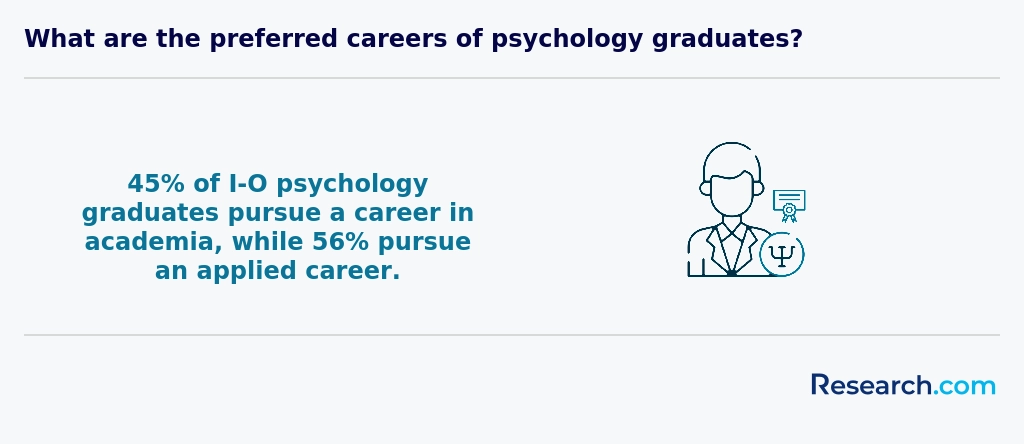
Colorado online master's psychology concentration options also include industrial-organizational psychology, perfect for students eager to make a difference in workplaces and organizational cultures. Others benefit from specializations like forensic psychology, child and adolescent psychology, and health psychology, each engaging with real-world challenges relevant to Colorado's communities and industries.
Choosing the best online psychology degree in Colorado means focusing on programs that hold strong regional accreditation, especially from the Higher Learning Commission. Graduates from popular institutions like the University of Colorado Denver often share how this gave them confidence their degree would be valued by employers and licensing boards. Look for programs offering courses that match your career goals-whether clinical psychology, counseling, or industrial-organizational psychology-to keep your learning engaging and relevant. Many students pursuing an affordable online psychology master's Colorado find that institutions offering in-state tuition rates around $400 to $600 per credit hour provide a practical balance between cost and quality education.
Don't overlook how the program supports licensure preparation. Graduates report that schools with clear guidance on supervised hours and exams helped them move smoothly through the licensing process. If you're aiming to become a licensed counselor, exploring the virginia lpc application process can offer insight into requirements similar to those in Colorado.
Finally, choose a program where faculty are not only credentialed but actively engaged in current psychological research or practice-this connection enriches your learning experience and prepares you for real-world challenges.

Graduates with an online psychology degree in Colorado find a wide range of career opportunities that truly match their passions and skills. Many step into roles as mental health counselors or behavioral therapists, especially as demand in the state grows faster than the national average. For instance, graduates from popular programs at the University of Colorado and Colorado State University have taken on rewarding positions within community organizations and healthcare settings, where they make a tangible impact every day.
Others pursue specialized paths like rehabilitation specialists or Licensed Professional Counselors (LPCs), which require earning supervised experience after graduation. This path often leads to fulfilling jobs in schools or social services where graduates support those navigating life's challenges. If you're interested in research or academia, online degrees from institutions like Colorado Christian University can serve as a foundation for doctoral studies, opening doors to roles in university research or clinical psychology.
Exploring the varied landscape of online psychology degree jobs in Colorado, you'll find exciting prospects in human resources and organizational psychology, improving workplace culture and employee wellbeing. Many students discover that understanding these roles helps them appreciate the benefits of psychology degree beyond traditional therapy careers.

For those pursuing an online psychology degree in Colorado, the job market offers encouraging opportunities, especially if you are eager to make a meaningful impact in mental health or education. Graduates from well-known Colorado universities often find roles in local school districts or healthcare facilities, where the demand for skilled counselors and behavioral specialists is steadily growing. Many graduates highlight how their programs' flexibility allowed them to balance real-world experience with coursework, fueling confidence as they prepared for licensure requirements unique to Colorado.
Employment opportunities expand as the state prioritizes mental health, with telehealth services providing adaptable roles for those holding online degrees. While a master's degree opens doors to counseling and support positions, doctoral degrees empower graduates to practice independently and earn higher wages. If you're curious about navigating this path, consider the advantages of in-state tuition and explore how less complex academic paths in psychology can help you focus on practice without unnecessary burden, as seen in programs embracing uncomplicated studies. Understanding local licensure rules early will enhance your confidence entering the robust Colorado job market for online psychology degree employment opportunities Colorado.
2027 Best Online Master's in Psychology Degree Programs Ranking in Colorado
Investing in your education is a significant decision that can shape your future, and the Research.com team understands the importance of making informed choices. To assist prospective students in Colorado, we have meticulously crafted the "2027 Best Online Master's in Psychology Degree Programs Ranking in Colorado." Our commitment to quality, credibility, and accuracy is reflected in the extensive research and analysis conducted to compile this ranking.
We utilized the following reputable data sources to ensure a comprehensive evaluation of psychology master's programs:
By exploring this ranking, readers will gain valuable insights into the top online psychology master's programs in Colorado, enabling them to make informed decisions aligned with their career goals. For more details on how this ranking was developed, please visit our Research.com methodology page.


Frequently Asked Questions About psychology
Online psychology degree students in Colorado can maximize their learning experience by actively engaging with their coursework and utilizing available academic resources. Participating in virtual discussions and study groups helps deepen understanding and maintain motivation. Colorado's higher education institutions often provide access to online libraries and counseling resources specifically for psychology students, which can be invaluable for research and practice.
Students should also seek internships or volunteer opportunities within Colorado's mental health organizations to gain practical experience. According to the Colorado Department of Higher Education, hands-on training significantly boosts job readiness in psychology fields.
Time management and consistent communication with instructors further enhance learning outcomes in online programs.
Emerging niches in psychology reflect evolving societal needs, particularly in Colorado's growing mental health landscape. One notable area is telepsychology, which has expanded rapidly due to increased demand for remote services. The Colorado Department of Regulatory Agencies reported a 30% rise in telehealth visits for mental health in 2022.
Another emerging field is neuropsychology, focusing on brain-behavior relationships and benefiting from Colorado's investment in neuroscience research. Additionally, health psychology is gaining traction, addressing chronic illness management and wellness.
Finally, forensic psychology is growing, supported by Colorado's expanding legal and correctional systems. These niches offer promising career paths for online psychology graduates in Colorado.
After completing an online psychology degree in Colorado, preparing for the job market requires strategic steps. First, gaining practical experience through internships or supervised clinical hours is essential, especially for licensure in fields like counseling or clinical psychology.
Networking is also vital. Joining Colorado-based professional organizations, such as the Colorado Psychological Association, can open doors to job opportunities and mentorship. According to the U.S. Bureau of Labor Statistics, Colorado's demand for psychologists is projected to grow by 14% from 2021 to 2031, reflecting strong career prospects.
Additionally, obtaining state licensure involves passing the Examination for Professional Practice in Psychology (EPPP) and meeting Colorado's specific requirements, which often include post-degree supervised experience.
Continuing education and staying current with psychology research will enhance employability in Colorado's competitive market.
Employers in Colorado seeking psychology degree graduates prioritize a combination of technical knowledge and interpersonal skills. Important abilities include strong critical thinking and data analysis, as psychology careers often involve interpreting research and patient data accurately. According to the Colorado Department of Labor and Employment, graduates who demonstrate proficiency in evidence-based practices and psychological assessment tend to be more competitive.
Communication skills are also highly valued, as psychologists must explain complex concepts clearly to clients and colleagues. Additionally, cultural competence is crucial given Colorado's diverse population, helping professionals provide sensitive and effective support.
Time management and ethical decision-making are essential for maintaining professional standards in applied settings. Graduates with these skills are well-prepared for roles in mental health, counseling, and research across the state.
Finding internships in Colorado related to a psychology degree involves several strategic steps. Start by exploring opportunities through Colorado's regional psychological associations, such as the Colorado Psychological Association, which frequently posts internship listings geared toward students. Many online psychology programs in Colorado also provide career services that connect students with local healthcare centers, schools, and research facilities.
The Colorado Department of Human Services reports growing demand for mental health professionals, making internships at state clinics and nonprofit organizations more available. Additionally, universities like the University of Denver and Colorado State University offer online students access to affiliated internship placements across the state.
Networking with licensed psychologists registered in Colorado and utilizing platforms like the American Psychological Association's internship databases can further enhance prospects. Seeking internships early and ensuring compliance with Colorado's licensing and supervision requirements are essential steps for practical learning and future career advancement.
Obtaining an online psychology degree in Colorado can significantly enhance career mobility and advancement. The state's growing demand for mental health professionals-projected to increase by over 19% from 2021 to 2031 according to the U.S. Bureau of Labor Statistics-creates opportunities in clinical, counseling, and school psychology roles.
Online programs accredited by recognized bodies like the APA help graduates meet licensure requirements efficiently. Flexibility in learning allows working professionals to gain credentials without career interruption, making transitions into higher-level positions more feasible.
Employers in Colorado increasingly value master's-level training in psychology for roles in social services, human resources, and healthcare administration.
Studying for a psychology degree online in Colorado equips students with skills applicable across various disciplines. Many Colorado programs emphasize the integration of psychology with fields like healthcare, education, and business. This interdisciplinary approach aligns with Colorado's workforce demand; for example, the Colorado Department of Labor forecasts a 14% growth in healthcare and social assistance jobs by 2030, sectors where psychology knowledge is crucial.
Students learn research methods, statistics, and behavioral analysis, which apply to data-driven fields such as marketing and human resources. Programs often include coursework on cultural competence and ethics, preparing graduates to collaborate effectively in diverse professional settings. This holistic training supports roles beyond traditional therapy jobs, enhancing versatility in Colorado's evolving job market.
Choosing between a thesis and non-thesis psychology degree program in Colorado depends largely on your career goals and learning preferences. Thesis programs typically require original research and a formal thesis, which suits students interested in doctoral studies or research careers.
Non-thesis options focus more on coursework and practical application, often appealing to those aiming for professional practice or roles that don't require extensive research experience.
In Colorado, institutions like the University of Colorado and Colorado State University offer both tracks online, reflecting the national trend where about 60% of psychology master's students choose non-thesis paths for quicker degree completion (APA, 2023).
Funding opportunities and program duration also differ; thesis tracks may offer research assistantships but generally take longer to finish.
Students based in Colorado who wish to study psychology abroad have several options through online degree programs offered by U.S. institutions with international partnerships. While direct international online psychology degrees are uncommon, many American schools provide global learning experiences, including virtual exchanges and collaborative research.
Colorado residents can enroll in accredited online psychology master's programs, such as those approved by the American Psychological Association (APA), recognized nationwide and valid for licensure abroad. These programs often include coursework transferable to international graduate studies.
Additionally, organizations like the Colorado Department of Higher Education report growth in reciprocal agreements allowing students to access courses from partner universities abroad without leaving the state. This hybrid approach expands opportunities without visa or travel challenges.
In Colorado, students pursuing an online psychology degree can benefit from part-time roles that enhance both experience and academic knowledge. Common opportunities include working as behavioral technician assistants, where one supports licensed therapists in helping clients with behavioral challenges. According to the Colorado Department of Labor and Employment, these roles are growing due to rising demand for mental health services.
Other relevant jobs involve research assistant positions at local universities or health organizations. These roles help students develop skills in data collection and analysis, crucial for psychology careers. Additionally, crisis hotline volunteers in agencies like the Colorado Crisis Services provide valuable exposure to mental health support systems, complementing academic studies effectively.
Online psychology students in Colorado have access to diverse networking opportunities despite studying remotely. Many universities offering online programs encourage participation in virtual events, webinars, and student organizations linked to the Colorado Psychological Association. This professional body connects students with licensed psychologists and mental health professionals statewide.
Additionally, Colorado's growing psychology job market-projected to grow by 20% from 2020 to 2030 according to the U.S. Bureau of Labor Statistics-fosters internship and mentorship connections. Students can leverage regional conferences in Denver and Boulder, which often allow virtual attendance.
Moreover, online students benefit from university-facilitated platforms where they engage with peers, faculty, and alumni. This is critical for building professional relationships in the Colorado mental health community.
Alumni networks offer significant advantages to students enrolled in online psychology degree programs in Colorado. These networks provide access to professional connections that can be essential in the competitive psychology job market. According to the Colorado Department of Higher Education, networking increases job placement rates by nearly 20% among graduates in health-related fields. Alumni groups often facilitate mentorship opportunities, where experienced graduates guide current students through career planning, certification processes, and local licensure requirements specific to Colorado.
Moreover, alumni connections can lead to internships and collaborative research projects, giving students practical experience. Many Colorado institutions with online psychology degrees maintain active regional chapters, enhancing community ties and fostering support. This engagement also helps students stay informed about state regulations and employment trends in psychology roles across Colorado healthcare and educational settings.
Customizing an online psychology degree program in Colorado allows students to align their education with specific career goals. Many Colorado universities offer flexible curricula with elective courses or concentrations such as clinical psychology, counseling, or industrial-organizational psychology. This customization helps students target skills needed for roles ranging from licensed counselors to human resources specialists.
Students can also choose practicum or internship opportunities within Colorado's mental health facilities or businesses, providing valuable real-world experience. According to the Colorado Department of Higher Education, tailoring programs enhances employability in the state's growing psychology job market. Reviewing program accreditation and Colorado licensure requirements is crucial for career alignment.
Online psychology students in Colorado often face several challenges related to balancing coursework with personal and professional responsibilities. Many students juggle full-time jobs and family commitments, making time management a significant hurdle. According to a 2023 report from the Colorado Department of Higher Education, nearly 60% of online students in the state are working adults, emphasizing this issue.
Another challenge is limited access to in-person practicum opportunities, which are essential for psychology degrees. Colorado regulations require supervised clinical hours, and completing these remotely can delay graduation. Technical difficulties and varying quality of online platforms also affect student engagement and success rates. Research from the National Center for Education Statistics shows that about 25% of psychology students nationwide drop out due to these hurdles.
With an online psychology degree in Colorado, graduates can pursue several professional certifications to enhance their career prospects. Many aim for licensure as a Licensed Professional Counselor (LPC) or Licensed Psychologist, both regulated by the Colorado State Board of Psychologist Examiners. An LPC requires completing supervised clinical hours and passing the National Counselor Examination. For psychology licensure, additional doctoral-level education is generally required. Graduates may also qualify for the Certified Alcohol and Drug Counselor (CADC) credential, which is valuable in Colorado's growing behavioral health sector. Certification requirements often include specific coursework, supervised experience, and passing relevant exams.
Writing a winning application for an online psychology program in Colorado starts with meeting all academic requirements. Most programs require a bachelor's degree with a minimum GPA, often around 3.0. Highlight relevant coursework and any research or practical experience in psychology to strengthen your profile.
Personal statements are critical; clearly explain your motivation and goals, aligning them with Colorado's growing focus on mental health initiatives. The Colorado Department of Higher Education reports rising demand for psychology professionals, making clear career goals especially important.
Strong letters of recommendation from academic or professional supervisors can further support your application. Lastly, ensure all materials are submitted on time and follow the program's specific guidelines exactly.
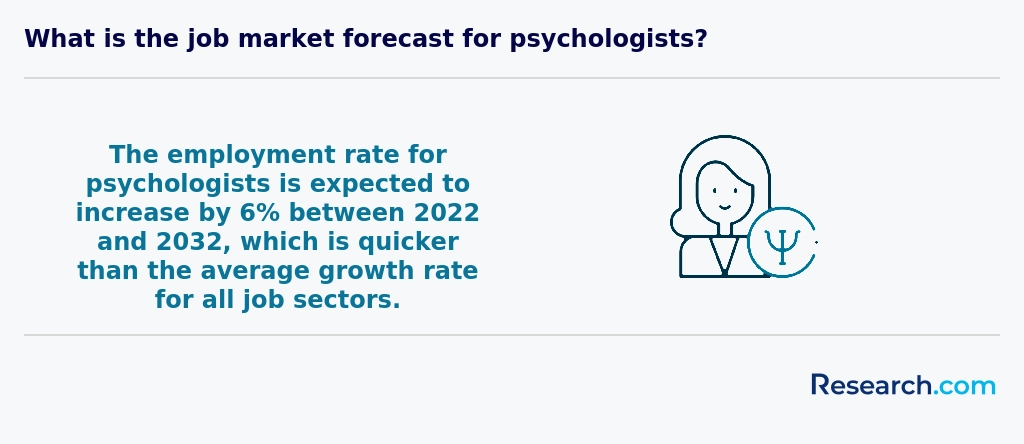
Psychology careers in Colorado reflect broader global trends emphasizing mental health awareness and the demand for qualified professionals. Worldwide, psychology degrees are valued for addressing diverse cultural and social challenges, which is echoed in Colorado's growing mental health sector. According to the Bureau of Labor Statistics, employment of psychologists in Colorado is projected to grow 12% from 2022 to 2032, faster than the national average, showing strong local demand.
Globally, careers in psychology are becoming more interdisciplinary, combining technology, neuroscience, and public health. For those studying online in Colorado, this means gaining skills applicable to international contexts while meeting state licensure requirements. Understanding both local and global needs prepares graduates for versatile roles in counseling, research, and clinical practice.
Gaining practical experience while pursuing an online psychology degree in Colorado is essential for career readiness. Many programs integrate supervised internships or practicum placements in local health clinics, schools, or community organizations. These experiences allow students to apply psychological theories in real-world settings under professional guidance.
Colorado's demand for mental health professionals continues to grow, driven by statewide initiatives to improve behavioral health services. According to the Colorado Department of Higher Education, partnerships between universities and community agencies help online students access valuable fieldwork opportunities close to home.
Additionally, some programs offer virtual simulations and case study analyses to develop clinical skills remotely. Combining these practical elements with Colorado's resources ensures well-rounded training for future psychologists.
Choosing the right concentration within an online psychology degree program in Colorado involves evaluating your career goals and areas of interest. Common concentrations include clinical psychology, counseling, forensic psychology, and industrial-organizational psychology. Each offers distinct career paths, with clinical roles requiring licensure governed by Colorado's Board of Psychologist Examiners.
Consider Colorado-specific demand: the state's Department of Labor reports a 12% growth in mental health counselor jobs through 2030, suggesting counseling concentrations may offer strong opportunities. Research how each concentration aligns with licensure requirements and job markets in Colorado, ensuring your chosen path supports state certification and employment prospects.
- 2027 Best Online Master's in Psychology Degree Programs Ranking in Kansas
- 2027 Best Online Master's in Psychology Degree Programs Ranking in Texas
- 2027 Best Online Master's in Psychology Degree Programs Ranking in Missouri
- 2027 Best Online Master's in Psychology Degree Programs Ranking in California
- 2027 Best Online Master's in Psychology Degree Programs Ranking in Indiana
- 2027 Best Online Master's in Psychology Degree Programs Ranking in Alabama
- 2027 Best Online Master's in Psychology Degree Programs Ranking in Florida
- 2027 Best Online Master's in Psychology Degree Programs Ranking in Ohio
- 2027 Best Online Master's in Psychology Degree Programs Ranking in Virginia
- 2027 Best Online Master's in Psychology Degree Programs Ranking in Pennsylvania
See What Experts Have To Say About Studying Psychology
Read our interview with Psychology experts

Robin M. Kowalski. Ph.D.
Psychology Expert
Professor of Psychology
Clemson University

Elizabeth L. Jeglic Ph.D.
Psychology Expert
Professor of Psychology
City University of New York

Catherine Caldwell-Harris, Ph.D.
Psychology Expert
Associate Professor of Psychology
Boston University

- Sample letters in psychology https://www.mystudies.com/en-in/human-and-social-sciences/psychology/letter-model/
- Online Psychology Degrees | University of Phoenix https://www.phoenix.edu/online-psychology-degrees.html
- Colorado Psychology Schools | Psychology Degree Guide https://psychologydegreeguide.org/state/colorado/
- Online Psychology Degree Programs in Colorado https://www.onlinepsychologydegrees.com/states/colorado/
- Professional Networking For Psychologists | Psychology.org https://www.psychology.org/resources/professional-networking/
- Call for papers https://www.hogrefe.com/us/journal/international-perspectives-in-psychology-research-practice-consultation
- Alumni Perspectives - Meet Our FPN Alumni https://www.aanmelder.nl/alumni-perspectives-june-2023
- Have You Found a Niche? https://www.apaservices.org/practice/business/marketing/building/niche
- Study Psychology Abroad https://astarfuture.co.uk/study_psychology_abroad.html
- Mental Health Challenges Faced by Psychology Students | The Healthcare Guys https://healthcareguys.com/2023/11/23/mental-health-challenges-faced-by-psychology-students/


