
2027 Best Online Master's in Psychology Degree Programs Ranking in Texas

Co-Founder and Chief Data Scientist
Exploring online master's programs in psychology can be overwhelming, especially with so many options available in Texas. This article introduces the 2027 Best Online Master's in Psychology Degree Programs Ranking in Texas, crafted by the Research.com team of data scientists to guide you through the choices.
By reviewing this ranking, you'll gain clear insights into high-quality programs worth considering for advancing your education. Pursuing a psychology degree opens doors to meaningful careers and personal growth, making it a rewarding step forward.
Take this opportunity to make an informed decision that aligns with your goals and aspirations.
Key benefits of getting online psychology degree in Texas
- Graduates with a psychology degree in Texas can expect competitive salaries, such as $91,990 annually for School Psychologists and up to $154,380 for Industrial-Organizational Psychologists, showcasing strong earning potential.
- Career paths vary widely, including roles like Mental Health Counselor or Marriage/Family Therapist, offering rewarding opportunities for those passionate about helping others and making a difference.
- Completing a psychology degree online from a Texas university offers great flexibility, allowing students to balance work and life while gaining quality education that fits their busy schedules.
- 2027 Best Online Master's in Psychology Degree Programs Ranking in Texas
- What can I expect from online psychology degree in Texas?
- Where can I work with online psychology degree in Texas?
What can I expect from online psychology degree in Texas?
The average cost of an online psychology degree in Texas is often very approachable, making it an inspiring choice for many students balancing busy lives. Graduates from programs at well-known institutions like Texas A&M and the University of Texas share how tuition typically ranges from $8,000 to $15,000 per year. This affordability allows students to pursue their passion for psychology without overwhelming financial stress.
Many graduates describe feeling motivated knowing they can manage expenses while enjoying a flexible schedule. This flexibility means they can keep up with work and family commitments, creating an empowering experience throughout their studies. Financial aid like scholarships and loans further ease the path, allowing many to access top-tier education with confidence.
Such cost-effective opportunities encourage countless Texans to take that meaningful step toward advancing their careers in psychology. The blend of affordability, quality education, and empathetic support leaves students feeling hopeful and ready to make a real impact in their communities.
Where can I work with online psychology degree in Texas?
Graduates with an online psychology degree in Texas find exciting opportunities across diverse sectors. Many alumni from popular programs at universities like the University of Texas at Austin or Texas A&M enthusiastically share how their degrees opened doors in hospitals, mental health clinics, and private practices, where they provide vital counseling and behavioral support.
Some graduates embrace roles as licensed professional counselors or behavioral therapists, contributing compassionately to community wellness. Others find fulfillment working in schools, supporting students' mental health, or in human resources and organizational development, where understanding human behavior enhances workplace culture.
The vibrant research community at institutions such as Texas Tech University also attracts psychology graduates eager to advance scientific knowledge or teach future professionals. State agencies and criminal justice programs offer meaningful careers helping individuals through rehabilitation and social services.
Students often feel motivated knowing their online degree from a Texas institution aligns with licensure requirements, empowering them to complete supervised experience hours and become fully certified professionals. This blend of education and hands-on practice creates a bright career path filled with purpose and growth.
Graduates with an online psychology degree in Texas enjoy promising salary prospects that reflect their dedication and passion. For instance, school psychologists in Texas, a common career path for graduates from institutions like the University of Texas at Austin, earn an average annual wage of about $91,990. This salary empowers them to make a meaningful impact while enjoying financial stability.
Other rewarding options include industrial-organizational psychology, where Texas professionals frequently earn around $154,380 a year. Graduates from Texas A&M University pursuing this field find their advanced skills highly valued in workplace settings, leading to satisfying careers and excellent compensation.
Mental health counselors, often trained through programs at Texas State University, typically make approximately $60,080 annually. Marriage and family therapists receive about $68,730, opening doors for graduates who want to support individuals and families in their communities in meaningful ways.
Rehabilitation counselors earn roughly $48,430, offering fulfilling work helping people overcome challenges. These figures highlight exciting opportunities awaiting psychology graduates across Texas.
- Texas offers many accredited universities with fully online and hybrid psychology degree programs suitable for working professionals and non-traditional students.
- Tuition for online bachelor's degrees typically ranges from $7,000 to $15,000 per year for in-state students, while master's programs cost between $10,000 and $25,000 total.
- The state employs over 15,000 psychologists, with a projected job growth rate of about 15% in mental health professions over the next decade.
- Entry-level salaries start around $40,000 for bachelor's degree holders, with master's graduates earning $50,000 to $70,000 early in their careers.
- Experienced licensed psychologists in Texas can earn more than $90,000 annually, especially in Houston, Dallas, and Austin.
- Licensure for psychologists requires a doctoral degree, supervised experience, and passing exams, while counseling roles often require a master's degree and state certification.
Completing an online psychology degree in Texas can be an exciting journey that fits your pace and lifestyle. Many graduates from institutions like Texas Tech and the University of Texas Rio Grande Valley share how a master's degree typically takes about two to three years of full-time dedication, perfectly balancing study and life. Imagine advancing your career in less than three years, gaining valuable knowledge from home or work.
For those pursuing a bachelor's degree, the path usually spans around four years, offering a steady, enriching experience. Some students appreciate flexible options that allow them to extend their studies up to five years while managing family and work. This adaptability empowers you to tailor your education without sacrificing your commitments.
Accelerated programs also inspire many busy professionals to complete their degrees in just 12 to 18 months by attending year-round sessions. Graduates often mention how this fast-paced model boosts their confidence and motivates them to reach their goals swiftly, making the dream of becoming a licensed psychologist in Texas genuinely achievable.
Earning an online master’s in psychology or a related counseling field is only one part of becoming licensed in Texas. The specific pathway depends on whether you plan to work as an LPC, LSSP, LMFT, or pursue another credential.
For many counseling-focused students, the common sequence includes:
- Graduate from an APA- or CACREP-accredited program.
- Complete at least 3,000 supervised post-master’s clinical hours.
- Pass the National Counselor Examination (NCE) and Texas Jurisprudence Exam.
- Apply to the Texas State Board of Examiners of Professional Counselors for LPC-Associate status, then full LPC licensure.
Specialized tracks may require different preparation:
- Licensed Specialist in School Psychology (LSSP): 1,200 internship hours + Praxis exam.
- Licensed Marriage and Family Therapist (LMFT): 3,000 supervised hours + MFT examination.
Full licensure often takes 2–3 years post-graduation. Students who want a shorter academic timeline may consider an accelerated psychology degree that integrates practicum requirements, but acceleration should never come at the expense of licensure eligibility.
Choosing between online and on-campus psychology degrees in Texas offers exciting opportunities tailored to your lifestyle and goals. Graduates from the University of Texas at Austin online program often celebrate the freedom to study from home while balancing family and work, appreciating how flexibility fuels their passion for learning without geographical limits.
On the other hand, students enrolled on-campus at Texas A&M find joy in vibrant campus life, thriving on direct interactions with professors and peers that spark lively debates and build lasting connections. Access to hands-on labs and counseling centers enriches their practical skills every day.
Both paths require clinical practica, with online learners gaining the freedom to secure local placements that fit their schedules while maintaining rigorous standards-a perfect fit for busy professionals. Residents often find online programs save on commuting and housing costs, making education accessible and affordable.
Whichever route you choose, Texas offers dynamic, accredited programs that empower your journey toward becoming a skilled, compassionate psychologist.
Paying for an online psychology degree in Texas starts with separating the advertised tuition from the full cost of attendance. Tuition is usually the largest expense, but students should also budget for university fees, textbooks, software, technology requirements, exam preparation, background checks, travel for any in-person practicum or residency, and possible costs tied to supervised clinical placement.
Texas students should compare programs by total program cost rather than per-credit tuition alone. A lower per-credit rate can still become expensive if the program requires more credits, charges high online fees, or does not help students locate local practicum sites.
- Confirm residency pricing: In-state tuition can make a major difference at public universities.
- Ask about online student fees: Some programs add technology, distance learning, or course-specific fees.
- Review practicum costs early: Clinical or school-based requirements may involve commuting, liability insurance, or site documentation.
- Compare aid packages: Scholarships, grants, assistantships, employer tuition benefits, and federal loans can change the real cost.
- Check licensure fit before enrolling: A low-cost program is not a good value if it does not support your intended credential.
Students focused on lowering total expenses can also review affordable psychology programs in Texas to compare options that may better fit a limited education budget.
For students pursuing an online psychology degree in Texas, understanding the average cost can empower wise decisions aligned with personal and professional goals. The median total cost for such a degree in Texas is around $23,076, offering a realistic benchmark for budgeting. Graduates from well-known universities like Texas A&M or the University of Texas system often reflect on their investment as a meaningful step towards fulfilling careers in psychology, appreciating how manageable tuition supports their academic dreams.
Texas residents particularly benefit from more affordable tuition rates, with median in-state total costs near $7,812-making it genuinely uplifting to see quality education within reach. This affordability allows students to focus on their passions and growth without overwhelming financial stress. Many students taking online courses find that they can balance studies alongside work and family, appreciating the flexibility and cost-effectiveness.
Out-of-state students may anticipate higher tuition near $22,734, yet this remains a valuable investment in a competitive field. Those who have succeeded often highlight how scholarships, assistantships, and state grants helped ease financial burdens, allowing them to fully engage in their programs.
If you're exploring options, it's worth reviewing affordable psychology programs in Texas that prioritize both quality and budget, creating opportunities for every dreamer ready to advance their psychology journey through online education.

A master’s degree can support many psychology-related roles, but some career goals require doctoral training. Students who want to become licensed psychologists, teach at the university level, lead independent research, or move into advanced clinical and assessment roles should understand how a doctorate may fit into their long-term plan.
Doctoral study is typically more research-intensive and time-consuming than a master’s program. It may include advanced methodology, clinical training, dissertations, internships, teaching experience, and close faculty mentorship. For students who already completed an online master’s, the strongest doctoral options are usually those that recognize prior graduate preparation while still meeting the program’s clinical, research, and residency expectations.
| Doctoral path consideration | Why it matters |
| Career requirement | Some psychologist roles require doctoral-level education and state licensure. |
| Research fit | Faculty expertise, labs, and dissertation support can shape your doctoral experience. |
| Clinical training | Students pursuing practice-oriented roles should examine practicum, internship, and supervision structures. |
| Time and cost | Doctoral programs can be a major commitment, so funding and completion expectations matter. |
If you are considering this next step, reviewing the best doctorate degree in psychology program can help you compare structures, faculty strengths, and possible career outcomes before committing to advanced study.
Many students pursuing online psychology degrees in Texas find powerful support through federal financial aid options like the Pell Grant and Direct Subsidized Loans. For example, graduate students from the University of Texas at Austin often share how the Pell Grant's substantial assistance helped them focus on studies without the stress of mounting debt. Completing the FAFSA opens doors to these benefits, making education feel achievable.
State programs such as the Texas Tuition Equalization Grant and Educational Opportunity Grant also provide essential relief, especially for those attending schools like Texas State University. These grants can transform a student's experience by easing tuition burdens and enabling more time for academic growth.
Moreover, many Texas institutions offer targeted scholarships and assistantships tailored for psychology students. Graduates from Texas A&M University frequently recount how merit-based scholarships and graduate assistant roles offered both financial support and valuable professional experience.
Even beyond campuses, professional groups like the Texas Psychological Association offer scholarships that bring encouragement and additional funding, illuminating the path for many determined learners to succeed.
Licensure planning should begin before you choose an online psychology program in Texas. The credential you need depends on the role you want, such as Licensed Psychologist, Licensed Professional Counselor (LPC), or Licensed Specialist in School Psychology (LSSP). Requirements are set by the Texas State Board of Examiners of Psychologists or the Texas Behavioral Health Executive Council, depending on the pathway.
Education and supervised experience
Graduates must complete the education and supervised experience required for their chosen license. For Licensed Psychologists, the Examination for Professional Practice in Psychology (EPPP) requires 3,000 hours of supervised experience post-degree. Aspiring Licensed Professional Counselors (LPCs) complete 3,000 hours of supervised counseling, including 1,500 direct client hours. School psychologists pursuing the Licensed Specialist in School Psychology (LSSP) credential complete 1,500 internship hours in educational settings along with coursework in diversity and assessment.
Examinations and application materials
Psychologist licensure candidates take the EPPP and a jurisprudence exam covering Texas laws. LPC applicants take the National Counselor Examination (NCE) or the National Clinical Mental Health Counseling Examination (NCMHCE), plus the Texas Jurisprudence Exam. LSSP applicants complete the Praxis II School Psychology test. Applicants should be prepared to submit official transcripts, verification forms, supervision logs, exam scores, and required application fees to the appropriate board.
Continuing education and renewal
Licensure does not end after approval. Licensed Psychologists need 40 hours of continuing education every two years, including ethics and law updates. LPCs and LSSPs require 24 hours biennially. Many professionals meet these requirements through approved workshops, webinars, professional conferences, and online continuing education courses.
Choosing a program aligned with licensure goals
Before enrolling, ask the program directly whether its curriculum is designed to meet Texas educational prerequisites for your intended credential. An accredited psychology program online may help students move efficiently through coursework, practicum planning, and exam preparation, but students remain responsible for confirming current board requirements.
To enroll in an online psychology degree program in Texas, prospective students typically need to have completed a bachelor's degree, ideally with a GPA of at least 3.0. Many graduates from popular institutions like the University of Texas or Texas A&M University find that having foundational coursework in psychology or related fields truly sets them up for success in their graduate studies.
Submitting official transcripts from all previously attended colleges helps verify academic readiness. While some programs in Texas may still ask for GRE scores, a growing number of online programs are shifting away from this to make the journey smoother and more accessible.
Offering letters of recommendation and a heartfelt personal statement lets applicants share their passion and unique motivations. Many who have thrived in these programs recall how highlighting volunteer or work experience in psychology helped them connect classroom theory to real-life impact, giving them confidence as they advance their careers.
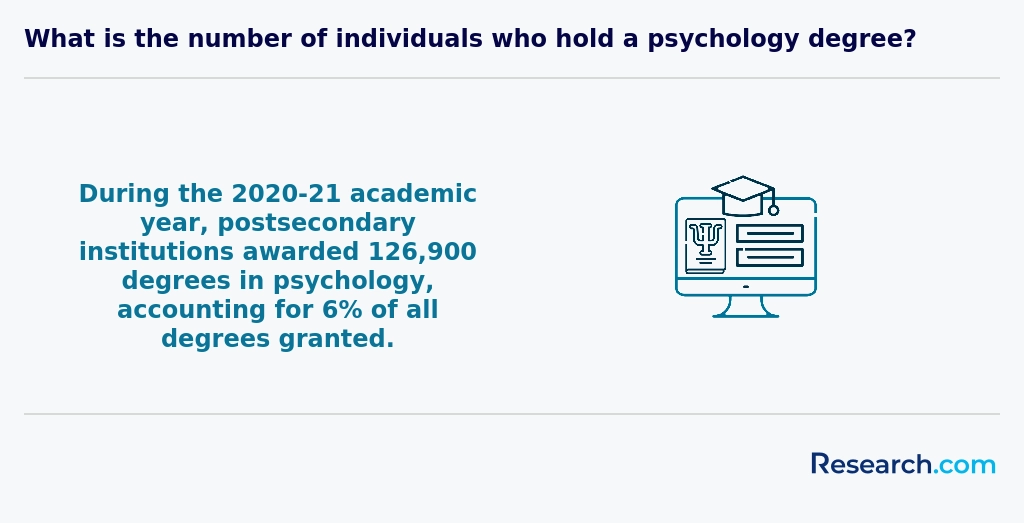
Online psychology degree holders in Texas should treat licensure as a step-by-step process rather than a final task after graduation. Requirements vary by credential, but most pathways include an approved degree, supervised experience, examinations, application review, and continuing education.
- Education and accreditation: Students should ensure that their online master’s or doctoral program is accredited by the American Psychological Association (APA) or the Council for Accreditation of Counseling & Related Educational Programs (CACREP), when applicable to their intended pathway. Accredited degrees can help satisfy Texas State Board prerequisites and support eligibility for supervised practice.
- Supervised experience: Psychologists complete at least 3,400 hours of supervised experience under a licensed psychologist, including a minimum of 1,900 post-doctoral hours. LPCs accrue 3,000 hours of supervised clinical experience over two years, with at least 1,500 hours in direct client counseling.
- Examination requirements: Psychologists pass the Examination for Professional Practice in Psychology (EPPP) and the Texas Jurisprudence Exam. LPCs pass the National Counselor Examination (NCE) or the National Clinical Mental Health Counseling Examination (NCMHCE), plus the Texas Jurisprudence Exam.
- Application and fees: Candidates submit an online application through the Texas Behavioral Health Executive Council portal, including official transcripts, supervised hour verification, and exam scores. Application fees range from $150 to $200, with renewal fees due biennially.
- Continuing education: Psychologists complete 40 continuing education hours every two years, including ethics and suicide prevention. LPCs complete 24 continuing education hours biennially, with at least 3 hours in ethics.
Because licensure rules can change, students should verify current requirements with the relevant Texas board before enrolling and again before applying. If you are comparing affordability across states as part of a broader search, our Most Affordable Psychology Degree Programs Ranking in Oregon may provide additional context on cost-effective psychology pathways.
Studying an online psychology degree in Texas means engaging with courses that build a deep understanding of human behavior and mental health, all while fitting into your busy life. Graduates from popular universities in Texas often share how courses like Introduction to Psychology helped them grasp the basics of human thought and emotion, laying a strong foundation for their careers.
Courses such as Research Methods and Statistics prepare students to confidently analyze data, a vital skill for real-world psychology practice and research. Imagine designing your own study or interpreting results to make meaningful decisions in mental health settings.
Many Texas programs include fascinating subjects like Developmental Psychology and Abnormal Psychology, where students learn about growth across lifespans or discover how to recognize and support individuals facing psychological challenges. Other classes like Cognitive Psychology and Social Psychology teach students to understand mental processes and social influences, essential for working in diverse communities across Texas.
Texas students also appreciate coursework in Ethics in Psychology, reinforcing the high professional standards expected in the field. These comprehensive, flexible courses empower students to thrive both academically and personally while advancing their psychology careers.
Students pursuing online psychology degree specializations Texas can expect a rewarding variety of paths designed to match their personal passions and career ambitions. Graduates from well-known Texas universities often share inspiring stories of focusing in clinical psychology, where they learn to compassionately diagnose and treat mental health disorders, making a real difference in their communities. Others choose counseling psychology, a popular concentration that equips one for licensure as Licensed Professional Counselors, meeting the growing state demand for mental wellness support amidst Texas's expanding population.
Many embrace Texas online psychology programs concentrations like industrial-organizational psychology, applying psychological insights to improve workplace culture and leadership across the state's diverse industries. Developmental psychology captivates those interested in nurturing growth through life stages-as seen in educational roles or support for aging populations around Texas. Forensic psychology offers an exciting interdisciplinary route, connecting psychology with the legal system, opening doors to impactful careers in criminal justice and consulting.
Whether motivated by helping others or shaping organizations, students benefit from flexible online study combined with real-world application. Exploring these pathways enriches one's journey and aligns with professional goals. For more advanced aspirations, consider exploring the best doctorate degree in psychology program to deepen expertise and impact.
Selecting the best online psychology degree in Texas starts with verifying accreditation, which guarantees your education meets high academic standards recognized statewide. Graduates from respected programs at universities like the University of Texas or Texas A&M often share how this foundation boosted their confidence and employability.
Consider what excites you most about psychology-is it clinical work, counseling, or perhaps industrial-organizational psychology? Schools in Texas offer diverse specializations that align with your passion and career goals, making the learning journey engaging and tailored. Many students appreciate how choosing the right focus helped them connect with real-world opportunities faster.
Cost and flexibility are vital, especially for busy Texans balancing work and family. Affordable online master's in psychology Texas programs often range widely in tuition but provide valuable options to fit different budgets. Graduates frequently point to programs that included practicum placements nearby, a crucial step for licensing success.
Explore faculty who bring experience from Texas's vibrant mental health community, enhancing your education with fresh insights. To start your journey confidently, discover a psychology program online that fits your life and ambitions by checking programs carefully.
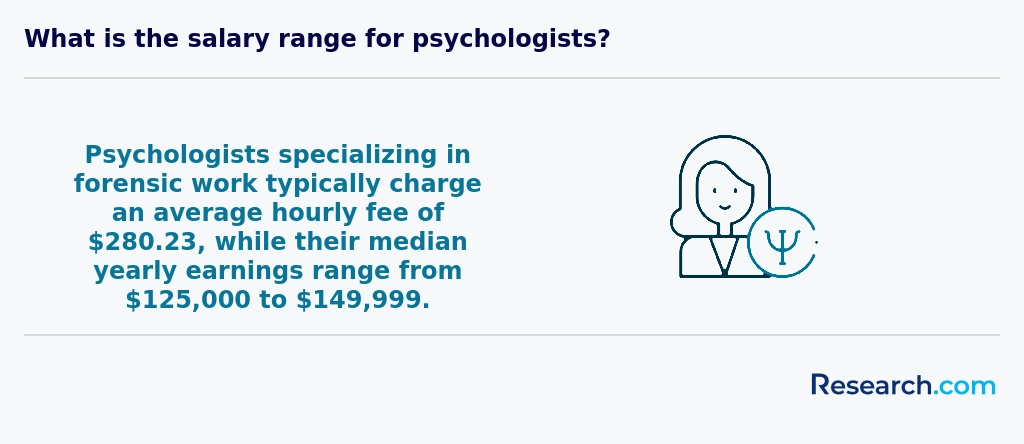
Graduates earning an online psychology degree in Texas find inspiring career paths that span clinical counseling, school psychology, organizational roles, and research. Many step confidently into roles as licensed professional counselors or therapists, supporting communities across bustling cities like Houston and Austin. These graduates relay how their education from top Texas universities fueled their passion to make a real difference in mental health care. For those drawn to education, school psychology offers meaningful work helping students navigate emotional and learning challenges, with increasing opportunities across Texas schools. The thriving industries in Texas also welcome psychology graduates in organizational psychology and human resources, where their skills enhance employee wellbeing and productivity. Research careers flourish at respected institutions statewide, allowing graduates to contribute to impactful studies in mental health and cognitive development. With such diverse options, students inspired by their degree journey often explore competitive programs highlighted in the Most Affordable Psychology Degree Programs Ranking in Oregon, envisioning a future filled with promise and purpose in psychology job opportunities in Texas.
The job market for graduates holding an online psychology degree in Texas is vibrant and full of promise, reflecting the growing demand for mental health professionals across the state. Graduates from well-known Texas universities often find rewarding opportunities in behavioral health roles and community services, where they make a real difference in people's lives every day. These roles include behavioral health technologists, human resources specialists, and market research analysts focused on human behavior. Many graduates enjoy contributing to mental wellness in schools, hospitals, and private practices, putting their education into action.
Those pursuing psychology career opportunities in Texas appreciate the flexibility and quality of accredited online programs that prepare them for diverse roles. With Texas expanding healthcare services, especially in rural areas, the demand for qualified psychology professionals continues to rise, bringing encouraging prospects for employment and growth. Salaries typically start around $40,000 to $50,000 and can increase with experience, offering an inspiring path for new graduates to build meaningful careers.
Cost management is easier when students explore options like the cheapest per credit hour online college programs, which help many Texas residents access affordable, high-quality education while pursuing their dreams in psychology.
2027 Best Online Master's in Psychology Degree Programs Ranking in Texas
Investing in your education is a significant decision that can shape your future, and the Research.com team understands the importance of making informed choices. To assist prospective students, we have meticulously developed the "2027 Best Online Master's in Psychology Degree Programs Ranking in Texas." Our commitment to quality, credibility, and accuracy is reflected in the extensive research and analysis conducted to compile this ranking.
We utilized the following reputable data sources to ensure a comprehensive evaluation of psychology programs:
By exploring this ranking, readers will gain valuable insights into the top online psychology master's programs in Texas, enabling them to make well-informed decisions about their academic and professional futures. For more details on our methodology, please visit our Research.com methodology page.

# 2 position
University of the Incarnate Word
Master of Administration, Industrial and Organizational Psychology


Frequently Asked Questions About psychology
Online psychology degree students in Texas can enhance their learning by actively participating in virtual class discussions and staying organized with a clear study schedule. Texas schools often use interactive platforms that facilitate group projects and real-time feedback, helping students stay engaged.
Accessing internships or practicum opportunities within Texas is crucial, as hands-on experience complements theoretical knowledge. The Texas Behavioral Health Executive Council provides resources for licensure requirements, which students should review early to align their studies with state standards.
Utilizing campus libraries' digital resources and joining psychology-related online forums can deepen understanding and expand professional networks. According to the Texas Higher Education Coordinating Board, students who combine theory with practical application tend to achieve higher success rates.
The field of psychology is evolving rapidly, with several emerging niches gaining attention in Texas and across the U.S. One key area is telepsychology, which leverages technology to provide mental health services remotely. This niche has expanded significantly due to increased demand for accessible care, especially highlighted by the COVID-19 pandemic.
Another growing specialty is neuropsychology, focusing on brain-behavior relationships. Texas-based institutions emphasize this due to rising concerns over brain injuries and dementia. Additionally, forensic psychology, combining legal and psychological expertise, is expanding with increased criminal justice reform efforts in the state.
Health psychology, which explores how psychological factors affect physical health, is also becoming prominent. With Texas' diverse population and high rates of chronic illness, this niche addresses vital community needs.
These emerging areas reflect the dynamic job market for psychology graduates in Texas, offering specific opportunities for online degree students.
Preparing for the job market after completing an online psychology degree in Texas involves strategic planning and skill development. First, gaining relevant experience through internships or volunteer work in mental health settings is critical. These experiences enhance practical skills and improve employability. Texas has a growing demand for psychology professionals, with the Texas Workforce Commission projecting a 12% growth in counseling and therapy jobs by 2030.
Networking is equally important; joining Texas-based professional organizations such as the Texas Psychological Association can provide valuable connections and job leads. Additionally, pursuing state licensure is essential for clinical positions. Understanding Texas Board of Examiners of Psychologists requirements will help graduates navigate this process smoothly.
Finally, developing strong communication and research skills, often emphasized in online programs, will make candidates competitive. According to the Bureau of Labor Statistics, those with master's degrees in psychology earn a median annual wage higher than the national average in Texas, enhancing motivation to prepare thoroughly.
Employers in Texas highly value psychology graduates who demonstrate strong analytical and critical thinking skills. These abilities are essential for interpreting complex behavioral data and making informed decisions in clinical or research settings.
Communication skills are also critical. Graduates must effectively convey findings and work collaboratively with clients or multidisciplinary teams. According to the Texas Workforce Commission, demand for professionals with these soft skills is increasing by nearly 6% annually.
Additionally, knowledge of ethical practices and cultural competence is crucial. Texas' diverse population requires sensitivity to varied backgrounds and experiences, ensuring inclusive and effective psychological care.
Technical proficiency with research methods and statistical software remains fundamental in many roles within the state's psychology job market.
Finding internships in Texas relevant to a psychology degree involves a mix of research, networking, and leveraging university resources. Many Texas universities with online psychology programs maintain partnerships with local clinics, hospitals, and research centers. Students should contact their school's career services early to discover available opportunities. The Texas Psychological Association and Texas Behavioral Health Executive Alliance provide listings of internship programs and resources for aspiring psychologists.
Texas has a strong demand for mental health professionals, supported by statewide initiatives to expand behavioral health services. The Texas Higher Education Coordinating Board offers databases of registered internship providers. Additionally, securing internships through licensed facilities ensures the experience counts toward licensing requirements within Texas.
Obtaining an online psychology degree in Texas can significantly enhance career mobility and advancement opportunities. Texas has a growing demand for mental health professionals, with the Texas Workforce Commission projecting a 22% increase in psychology-related jobs from 2020 to 2030. An accredited online degree meets licensing requirements, enabling graduates to qualify for roles such as Licensed Psychological Associate or Licensed Professional Counselor.
Moreover, online programs offer flexibility for working adults, allowing them to gain credentials without relocating. This flexibility supports career advancement by enabling professionals to continue working while studying. According to the Bureau of Labor Statistics, psychologists in Texas earn a median annual wage of approximately $87,000, with higher degrees correlating to greater income potential.
Additionally, online degrees often provide networking opportunities with Texas-based faculty and peers, helping graduates access local job markets and professional associations. Overall, online psychology degrees in Texas support upward career trajectories by aligning education with state-specific licensing and employment trends.
Studying for a psychology degree in Texas offers strong preparation for interdisciplinary roles due to the state's focus on integrating psychology with fields like healthcare, education, and social services. Many Texas programs emphasize research methods and applied skills that cross traditional disciplinary boundaries. For instance, the Texas Higher Education Coordinating Board highlights how psychology graduates are equipped to collaborate with professionals in nursing, social work, and business.
Texas hosts several online psychology programs that expose students to diverse perspectives, including cognitive science, behavioral health, and organizational psychology. This breadth allows graduates to work effectively in teams addressing complex social and mental health issues.
Additionally, Texas is home to major healthcare systems and research institutions, fostering opportunities for psychology students to engage in interdisciplinary projects. According to the Texas Workforce Commission, job growth in related sectors supports roles requiring cross-disciplinary expertise, helping graduates find versatile career paths.
When choosing between a thesis and a non-thesis online psychology master's program in Texas, it's important to consider your career goals. Thesis programs focus on research, requiring a substantial project that develops skills useful for doctoral studies or research positions. Non-thesis programs emphasize coursework and practical experience, suitable for those aiming for professional practice or advancement in applied settings.
The Texas Higher Education Coordinating Board notes that about 40% of psychology master's students pursue thesis options, reflecting strong demand for research training. If you plan to continue to a PhD, a thesis is often preferred by admission committees.
Consider your time commitment as thesis programs generally take longer to complete due to research demands. Many Texas universities offer flexibility for working professionals in both tracks.
Students based in Texas who wish to study psychology abroad while pursuing an online degree have limited but growing options. Many accredited U.S. institutions offering psychology programs provide opportunities for international study through exchange programs or summer sessions overseas, though full degrees typically require residence in the U.S. The Texas Higher Education Coordinating Board emphasizes that degrees must meet U.S. accreditation standards to qualify for licensure in Texas.
Some universities partner with global campuses or offer hybrid models allowing students to gain international exposure. However, for Texas residents aiming to practice psychology locally, it is essential that online programs maintain regional accreditation recognized by the Southern Association of Colleges and Schools Commission on Colleges (SACSCOC).
Currently, no fully online psychology master's degrees are offered entirely through foreign universities endorsed for practice in Texas.
Students pursuing online psychology degrees in Texas can benefit from multiple part-time job opportunities that complement their education. Common roles include behavioral health technician, research assistant, and mental health aide. These positions provide practical experience in clinical and research settings, which is valuable for graduate studies and future careers.
Texas has a growing demand for mental health professionals. According to the Texas Workforce Commission, jobs related to psychology and counseling are expected to grow by 14% through 2030. Working part-time in local clinics, hospitals, or university labs helps students build relevant skills and professional networks.
Additionally, some universities in Texas offer paid research assistant roles to psychology students, offering hands-on research experience contributing to academic publications or projects. Such opportunities can be especially beneficial for those interested in clinical or academic psychology careers.
Online psychology students in Texas benefit from multiple networking opportunities despite the distance learning format. Many universities encourage participation in virtual student organizations, such as Psi Chi, the International Honor Society in Psychology, which has chapters at major Texas schools. These groups provide access to peer support, research collaborations, and professional development events.
Additionally, students often attend virtual conferences and webinars hosted by the Texas Psychological Association (TPA). The TPA connects students with licensed professionals, fostering mentorship and career guidance within the state's psychology community.
Local internship placements and practicum experiences remain crucial for networking. Texas ranks among the top states for psychology job growth, so connections made through these hands-on opportunities greatly enhance future career prospects (Bureau of Labor Statistics, 2023).
Alumni networks provide essential support to online psychology degree students in Texas by fostering connections with professionals and graduates across the state. These networks offer mentorship opportunities, helping students navigate licensure requirements and career paths unique to Texas's psychology field. For example, Texas requires specific supervised hours for licensure, and alumni often guide students through these state regulations, making transitions smoother.
Moreover, alumni groups frequently share job openings and internship opportunities in Texas's growing mental health sector, which is projected to expand due to increased demand for psychological services. According to the Texas Workforce Commission, psychology-related employment in Texas is expected to grow 12% by 2030, highlighting the value of such networks for professional advancement.
Participating in alumni communities also enhances students' professional visibility and networking, a key factor in Texas's competitive job market. These connections can lead to collaborations, research partnerships, and continuing education recommendations that enrich a graduate's career.
Students pursuing an online psychology degree in Texas can customize their programs by selecting elective courses aligned with their career goals. Many Texas universities offer specialization tracks such as clinical psychology, counseling, or industrial-organizational psychology. These provide focused knowledge and skills relevant to particular fields.
Additionally, some programs offer flexible pacing options and opportunities for research or practicum placements, allowing students to gain hands-on experience tailored to their interests. Texas licenses often require supervised clinical hours, which can be fulfilled through partnerships local to the student's region.
According to the Texas Higher Education Coordinating Board, over 30 accredited institutions provide psychology master's degrees online, many featuring customizable curricula. Choosing a program with accredited faculty and state-recognized curriculum ensures alignment with professional licensure requirements.
Online psychology students in Texas often face challenges related to balancing coursework with personal and professional responsibilities. Many learners juggle full-time jobs or family care while pursuing their degree, which can strain time management.
Limited access to in-person networking and practical experiences, such as supervised internships or lab activities, is another common hurdle. Texas licensing boards require specific supervised hours for clinical psychology certification, which can be difficult to arrange remotely.
Technical issues and inconsistent internet connectivity can disrupt learning, especially in rural areas of Texas where broadband access remains uneven. According to the Texas Tribune, about 17% of Texans lack reliable high-speed internet.
Finally, students sometimes find it challenging to gauge the quality and accreditation of online programs, which is crucial for professional recognition in the state. The Texas Higher Education Coordinating Board provides resources to verify accredited institutions.
An online psychology degree in Texas opens doors to several professional certifications that enhance career opportunities. Graduates may pursue licensure as a Licensed Psychological Associate (LPA), which allows them to practice under supervision and requires a master's degree and passing the Texas Jurisprudence Exam. For those aiming for independent practice, becoming a Licensed Psychologist (LP) requires a doctoral degree along with supervised experience and passing the Examination for Professional Practice in Psychology (EPPP).
Other certifications include Licensed Professional Counselor (LPC), useful for psychology graduates interested in counseling roles. The LPC credential requires a master's degree in counseling or psychology, supervised experience, and passing a state exam. According to the Texas Behavioral Health Executive Council, these licenses are among the most sought-after in the state. Certification can significantly boost employability and salary potential in Texas's expanding mental health sector.
Applying for an online psychology degree in Texas requires careful preparation to stand out among many candidates. Start by highlighting your academic achievements, particularly in psychology or related fields, as Texas universities value strong foundational knowledge.
Include relevant experience, such as internships or volunteer work in mental health settings. According to the Texas Higher Education Coordinating Board, practical experience can improve admission chances by demonstrating your commitment to the field.
Craft a clear personal statement explaining your goals and why you chose an online program. Emphasize time management skills, crucial for success in virtual learning. Additionally, secure strong recommendation letters that speak to your aptitude and character.
Psychology careers today benefit from a growing global interest in mental health, with demand rising in many countries including the United States. In Texas, the Bureau of Labor Statistics (BLS) projects a 15% growth in psychologist employment from 2021 to 2031, reflecting expanding opportunities driven by increasing awareness of psychological well-being.
Globally, psychology professionals often face differing licensing and practice requirements, but the US system is known for its rigorous standards, especially for clinical and counseling roles. Texas requires specific state licensure, ensuring graduates meet high professional criteria.
Studying psychology online in Texas offers a unique advantage, combining local credential recognition with flexible access to programs that align with international developments in psychological theory and practice. This blend prepares graduates for diverse roles, both domestically and potentially abroad.
Gaining practical experience while pursuing an online psychology degree in Texas is essential to develop applied skills and meet licensing requirements. Many Texas universities offering online programs include practicum or internship components, often arranged locally. Students typically partner with clinics, schools, or counseling centers in their community to fulfill these hands-on hours.
Texas requires specific supervised experience hours for psychology licensure-up to 3,000 post-degree supervised hours according to the Texas State Board of Examiners of Psychologists. Starting with supervised practicums during the degree can jumpstart this process.
Additionally, some programs provide virtual simulations and case studies to supplement fieldwork. Students are encouraged to consult their program advisors to identify approved local placements that comply with state regulations.
Choosing the right concentration in an online psychology degree program in Texas involves considering your career goals and the demand within the state's job market. Texas, with its diverse population and growing mental health needs, offers opportunities in clinical, counseling, and industrial-organizational psychology, among others. According to the Texas Workforce Commission, employment for psychologists in Texas is expected to grow by 14% from 2020 to 2030, especially in health care and social assistance sectors.
Research the concentrations offered by accredited programs and match them to your interests. For example, clinical psychology focuses on diagnosis and treatment, while industrial-organizational psychology addresses workplace behavior.
Licensing requirements in Texas vary by specialty, so ensure your concentration supports your path to licensure through the Texas State Board of Examiners of Psychologists.
Understanding these factors can help align your education with local professional standards and labor market trends.
- 2027 Best Online Master's in Psychology Degree Programs Ranking in Kansas
- 2027 Best Online Master's in Psychology Degree Programs Ranking in Missouri
- 2027 Best Online Master's in Psychology Degree Programs Ranking in Colorado
- 2027 Best Online Master's in Psychology Degree Programs Ranking in Alabama
- 2027 Best Online Master's in Psychology Degree Programs Ranking in Florida
- 2027 Best Online Master's in Psychology Degree Programs Ranking in Virginia
- 2027 Best Online Master's in Psychology Degree Programs Ranking in Indiana
- 2027 Best Online Master's in Psychology Degree Programs Ranking in Ohio
- 2027 Best Online Master's in Psychology Degree Programs Ranking in Pennsylvania
- 2027 Best Online Master's in Psychology Degree Programs Ranking in New York
See What Experts Have To Say About Studying Psychology
Read our interview with Psychology experts

Elizabeth L. Jeglic Ph.D.
Psychology Expert
Professor of Psychology
City University of New York

Robin M. Kowalski. Ph.D.
Psychology Expert
Professor of Psychology
Clemson University

Catherine Caldwell-Harris, Ph.D.
Psychology Expert
Associate Professor of Psychology
Boston University

- 2025 Most Popular Online Psychology Degrees in Texas https://www.onlineu.com/degrees/psychology/texas
- Study Psychology Abroad | Go Overseas https://www.gooverseas.com/study-abroad/psychology
- Psychology (BS) https://www.etamu.edu/programs/psychology-bs/
- Best Online Psychology Degrees in Texas [2026 Guide] - Top ... https://www.accreditedpsychologydegrees.com/accredited-online-psychology-degrees-texas/
- Study Psychology Abroad https://astarfuture.co.uk/study_psychology_abroad.html
- Bachelor of Arts in Psychology https://www.concordia.edu/academics/school-of-humanities-and-social-sciences/psychology.html
- How To Find Psychology Internships https://www.psychology.org/resources/how-to-find-an-internship/
- Bachelor of Arts (B.A.) Major in Psychology https://mycatalog.txstate.edu/undergraduate/liberal-arts/psychology/psychology-ba/
- Society for the Teaching of Psychology https://teachpsych.org/page-1784686/8675326
- Ontario Psychological Association - Networking and Community Resources https://www.psych.on.ca/become-a-member-(1)/member-services/networking-and-community-resources



