
2027 Best Online Master's in Psychology Degree Programs Ranking in Missouri

Co-Founder and Chief Data Scientist
Choosing the right online master's in psychology program can feel overwhelming, especially with so many options available in Missouri. This article presents the 2027 Best Online Master's in Psychology Degree Programs Ranking in Missouri, developed by the Research.com team of data scientists to guide you toward the programs that truly stand out.
By exploring this ranking, you can make a well-informed decision that fits your goals and lifestyle. Earning a psychology degree opens doors to meaningful careers and personal growth, making your educational journey rewarding and inspiring.
Key benefits of getting online psychology degree in Missouri
- Graduates with a psychology degree in Missouri can expect rewarding salaries, such as $91,990 annually for school psychologists and $60,080 for mental health counselors, offering financial stability in meaningful careers.
- Potential career paths include becoming a school psychologist, mental health counselor, or marriage/family therapist, reflecting diverse opportunities available to psychology graduates from Missouri State University and other local institutions.
- Completing an online psychology degree offers flexible learning tailored to busy schedules, allowing students like those from the University of Missouri to balance work, family, and studies without sacrificing educational quality.
- 2027 Best Online Master's in Psychology Degree Programs Ranking in Missouri
- What can I expect from online psychology degree in Missouri?
- Where can I work with online psychology degree in Missouri?
What can I expect from online psychology degree in Missouri?
The average cost of an online psychology master's degree in Missouri typically ranges between $12,000 and $30,000 for the full program, depending on the institution and credit load. Graduates from popular universities like the University of Missouri or Missouri State University often report that while tuition varies, the value they received justified the investment, especially considering the flexibility of online coursework and access to specialized faculty. Many students appreciate being able to balance work and study without the need to relocate or commute.
In real life, this means a working professional can continue earning an income while completing core courses in developmental psychology, ethics, or research methods. Costs can increase slightly if in-person internships or practicums are required, which are arranged locally to reduce travel expenses.
Financial aid and scholarships offered by institutions also help mitigate out-of-pocket costs, making these programs accessible. Overall, students feel that the combination of affordable tuition and rigorous curriculum prepares them well for Missouri's licensure pathways in counseling or clinical psychology.
Where can I work with online psychology degree in Missouri?
Graduates with an online psychology degree from well-known Missouri institutions such as the University of Missouri or Webster University often secure roles in healthcare settings, including hospitals and community mental health centers. These positions allow them to directly impact patient care, a rewarding experience frequently shared by alumni. Data from the Missouri Economic Research and Information Center forecasts a 15% growth in demand for mental health counselors and psychologists through 2030, confirming solid job prospects.
Many graduates also find fulfilling careers in education as school counselors or academic advisors, especially within public school systems requiring additional certification. The chance to support student mental health makes these positions particularly meaningful.
Business sectors and nonprofits in Missouri hire psychology graduates to boost workforce development and run social programs. Former students often highlight their role in designing employee wellness initiatives or managing community support projects, emphasizing the application of psychological principles outside clinical settings.
Licensing requirements differ by career path, but earning an online psychology degree from Missouri's reputable colleges provides a strong foundation for entering these growing fields with competitive salaries averaging around $76,000 annually.
Graduates from online psychology programs in Missouri can anticipate a broad spectrum of earnings aligned with their chosen field and level of education. For instance, mental health counselors-common roles for master's degree holders-earn an average of $60,080 annually, reflecting the steady demand for these professionals across the state.
School psychologists, often employed in Missouri's K-12 education system and attainable through advanced study at institutions such as the University of Missouri, have a mean wage near $91,990 per year. This salary supports comfortable living in many Missouri communities.
For those pursuing more specialized career paths, industrial-organizational psychologists stand out with a robust average salary of $154,380 annually. These graduates, sometimes affiliated with regional universities offering focused graduate programs, find lucrative opportunities in corporate consulting and human resources sectors.
Rehabilitation counselors and marriage/family therapists also find rewarding careers statewide, earning averages of $48,430 and $68,730 annually, respectively. Graduates often report satisfaction working in diverse settings, benefiting from Missouri's cost of living and available community resources.
- Tuition for online psychology bachelor's programs in Missouri ranges from $6,000 to $15,000 per year, with graduate programs costing between $8,000 and $20,000 annually.
- Accredited schools in Missouri are typically approved by the Higher Learning Commission (HLC), which is important for licensing and credentialing.
- Starting salaries for entry-level psychologists in Missouri average around $45,000 annually, while experienced licensed psychologists can earn over $80,000 per year.
- Licensing in Missouri requires completing supervised clinical hours and passing state-recognized exams, so online programs must meet these licensing criteria.
- Online programs often offer flexible schedules with part-time and asynchronous options for working adults.
Completing an online psychology degree in Missouri typically takes about four years for a bachelor's when enrolled full-time. Graduates from institutions like the University of Missouri-Columbia report appreciating flexible pacing, which allowed them to accelerate or extend their studies around work and family demands. For master's degrees, most online programs at Missouri State University and University of Missouri-Kansas City range between 18 to 36 months, with full-time students often finishing within two years.
Many students benefit from credit transfer options and practicum experiences that tailor completion times to individual needs. For example, some working professionals balanced careers with part-time enrollment, extending their studies but feeling satisfied with the flexibility.
Missouri's online programs focus on quality and accreditation, reassuring students their degrees hold strong value locally and nationally. This flexibility helps students navigate life's demands while progressing steadily toward careers in growing psychology fields, where demand is expected to rise 10% through 2031.
Embarking on an online master's in psychology requires not only selecting the right program but also developing strategies for long-term success. To help you thrive in your academic journey, consider incorporating effective time management routines, active participation in virtual discussions, and the use of available academic resources. Begin by establishing a dedicated study schedule that accommodates work, personal life, and regular online class sessions. In addition, engage with peers and instructors through discussion boards and virtual study groups, as these interactions enhance understanding of challenging topics and foster a sense of community. Furthermore, take advantage of digital libraries, tutoring sessions, and career counseling services offered by your institution to maintain steady progress. Staying updated with the latest industry trends and networking with professionals can open doors to invaluable practical insights. For instance, reviewing comprehensive insights from the rankings of the best texas psychology degrees online can provide a broader perspective on how different programs structure support systems and resources for student success. By integrating these strategies, you can optimize your learning experience and build a strong foundation for a rewarding career in psychology.
Online psychology degrees in Missouri provide flexibility that on-campus programs cannot match. Graduates from the University of Missouri often praise the convenience of studying remotely, which lets them balance coursework with jobs or family obligations without relocating. Coursework typically includes recorded lectures and online discussions, making it accessible from anywhere in the state.
In contrast, on-campus programs at institutions like Washington University in St. Louis or Missouri State University offer valuable face-to-face interaction. Students benefit from direct access to professors, research labs, and on-site internship placements, experiences many find essential for clinical skill development. This environment fosters networking and hands-on training that graduates frequently describe as career-defining.
Cost differences also matter. Public Missouri universities charge approximately $10,000 to $15,000 per year for in-state on-campus students, whereas online programs may range from $7,000 to $20,000. Despite similar tuition, online students save on housing and commuting expenses, making psychology degrees more affordable overall.
Both paths satisfy Missouri licensure requirements, but online students must proactively secure local internships, while on-campus students typically receive easier access through university partnerships with clinics and organizations.
Before entering practice, graduates must understand Missouri’s licensure pathways to ensure compliance with state regulations. Whether you aim to become a Licensed Professional Counselor (LPC) or a clinical psychologist, the following steps outline common requirements: 1. Education and Coursework - Master’s degree in psychology or related field from a program accredited by the Higher Learning Commission (HLC) or the American Psychological Association (APA). - For those seeking to expedite their studies, consider an online accelerated psychology degree that meets all academic prerequisites. 2. Supervised Experience - LPC candidates: Minimum of 3,000 hours of supervised clinical practice over at least 24 months under a board-approved supervisor. - Psychologist candidates: Doctoral-level graduates must complete 1,500–2,000 hours of pre-doctoral internship plus 1,500 hours of post-doctoral supervised experience. 3. Examinations - National Counselor Examination (NCE) for LPC licensure or the Examination for Professional Practice in Psychology (EPPP) for psychologists. - Missouri Jurisprudence Exam on state-specific laws, ethics, and professional standards administered by the Missouri Committee for Professional Counselors or the State Board of Psychology. 4. Application and Fees - Submit official transcripts, verification of supervised hours, exam scores, and a licensure application to the Missouri Division of Professional Registration. - Pay required fees: application, examination, and biennial renewal costs. 5. Continuing Education - LPCs and psychologists must complete at least 40 hours of continuing education every two years, including ethics and cultural competence training, to maintain an active license. By familiarizing yourself with these licensure steps and planning accordingly, you can transition smoothly from graduation to professional practice in Missouri’s diverse mental health landscape.
The average cost of an online psychology degree in Missouri varies notably between public and private institutions, significantly affecting students' education budgets. For those enrolling in public universities, tuition rates generally range from $7,000 to $12,000 per academic year for in-state students, which breaks down to roughly $350 to $600 per credit hour. Many students appreciate that Missouri public universities often extend in-state tuition benefits to online learners residing out-of-state, which can provide considerable financial relief.
Private colleges offering online master's in psychology tuition fees tend to be higher, with total program costs typically falling between $15,000 and $30,000. Graduates from these schools often recount a positive experience with flexible payment plans and scholarship opportunities that helped offset the expenses. However, beyond tuition, additional small fees such as technology charges from $50 to $150 per semester and occasional course material costs should be considered when budgeting.
Compared to the national landscape, Missouri's online psychology degrees are notably more affordable, with a median total cost around $29,301, making it a competitive option for students seeking quality education without excessive debt. Many students appreciate the balance of cost and quality, with popular institutions in the state providing supportive online environments that prepare graduates effectively. Prospective students should review the most affordable psychology programs in Missouri to make informed decisions aligned with their financial and academic goals.

Graduates of online psychology master’s programs in Missouri must navigate specific licensure pathways to practice professionally. To become a Licensed Psychologist, candidates typically need to pass the Examination for Professional Practice in Psychology (EPPP), complete 3,360 hours of supervised experience (including at least 1,680 hours post-doctoral), and obtain approval from the Missouri State Committee of Psychologists. Those aiming for licensure as a Licensed Professional Counselor (LPC) follow a parallel route: 2,000 hours of supervised clinical practice, a minimum of 48 graduate credit hours in counseling coursework, and passing the National Counselor Examination (NCE). Planning early can streamline this process. Many master’s programs incorporate practicum components that count toward supervised hours, but graduates must verify that their internships meet Missouri’s requirements. It’s also essential to maintain accurate logs of clinical hours and secure qualified supervisors licensed in Missouri. After passing the required examinations, applicants submit a formal application to the state board, including verified transcripts, supervisor evaluations, and background checks. Beyond state licensure, ongoing continuing education (CE) is mandated: psychologists must complete 40 hours of CE every two years, while LPCs require 30 hours. Accredited online programs often partner with professional associations-such as the Missouri Psychological Association-to offer workshops that fulfill these CE credits. For those planning their academic journey from the outset, exploring affordable bachelor’s programs can reduce overall student debt. Consider reviewing our Cheapest Online Bachelor's in Psychology Degree Programs Ranking in Pennsylvania to compare undergraduate costs and set a solid foundation for your Missouri licensure goals.
Students pursuing online psychology degrees in Missouri commonly access a mix of federal, state, and institutional financial aid to alleviate program costs, which can range from $30,000 to $60,000 for a master's degree nationwide. Most begin by submitting the FAFSA to qualify for federal aid, including Direct Unsubsidized Loans and Grad PLUS Loans, which often feature lower interest rates compared to private lending. Although the Federal Pell Grant is less typical for graduate students, some receive this need-based award.
Missouri residents benefit from state-specific programs like the Access Missouri Financial Assistance Program, offering grants and scholarships for those enrolled in approved colleges. Graduates from universities such as the University of Missouri or Saint Louis University report leveraging assistantships-like teaching or research roles-that provide tuition remission or stipends, easing financial pressure.
Additional funding may come through membership-based scholarships from groups like the Missouri Psychological Association or employer tuition reimbursement, especially for professionals in fields like counseling or healthcare, enhancing graduate students' affordability and motivation.
When considering an online psychology degree in Missouri, understanding the cost and exploring financial aid options are crucial steps. The total cost of an online psychology degree can vary significantly, depending on factors such as the institution, degree level, and whether the student is in-state or out-of-state. For instance, in-state students at public universities in Missouri can expect to pay around $7,070 for tuition, while out-of-state students may face higher costs. To make informed decisions, prospective students should research the most affordable psychology programs in Missouri, which can provide a comprehensive overview of the costs associated with different programs. Additionally, students should explore available financial aid options, including federal grants, loans, and scholarships, to help manage the expenses of their online psychology degree. By carefully evaluating these factors, students can make a more informed decision about their educational investment and pave the way for a successful and fulfilling career in psychology.
To enroll in an online psychology degree program in Missouri, applicants must typically hold a bachelor's degree from a regionally accredited institution. While the undergraduate degree does not necessarily have to be in psychology, graduates who completed courses in psychology, sociology, or biology often feel more confident and prepared when applying to institutions like the University of Missouri or Missouri State University.
A minimum GPA of around 3.0 on a 4.0 scale is often required, reflecting consistent academic performance. Many students recall submitting official transcripts along with two or three recommendation letters from professors or professional mentors, which helped convey their dedication and readiness. Some programs also ask for a personal statement detailing career goals and passion for psychology, making the application personal and engaging.
GRE scores may be requested but are becoming less common. Hands-on experience through volunteer work or internships at Missouri clinics or mental health organizations is highly valued, especially for clinical tracks, providing practical insight that students find rewarding.
To ensure your online master’s degree qualifies for practice in Missouri, verify each program meets these core standards:
- Regional accreditation by the Higher Learning Commission
- APA accreditation for clinical psychology tracks, when required for licensure
- Completion of 1,500–2,000 supervised practicum hours in approved settings
- Passing score on the Examination for Professional Practice in Psychology (EPPP)
- Compliance with Missouri Division of Professional Registration application and fee guidelines
Compare accredited options and find the cheapest psychology degree online that aligns with both educational quality and Missouri’s licensure criteria.
Online psychology degree programs in Missouri typically include core courses such as Introduction to Psychology, which offers foundational knowledge on psychological theories and historical contexts. Graduates from prominent institutions like the University of Missouri note how Research Methods and Statistics courses trained them to critically analyze data-skills essential for careers in mental health or research.
Developmental Psychology courses illustrate human growth across the lifespan, helping students relate theory to real-world settings like family counseling or education. Abnormal Psychology classes address mental disorders, diagnosis, and treatment strategies, preparing students for roles in clinical or social work environments.
Courses like Social Psychology and Cognitive Psychology enhance understanding of interpersonal dynamics and mental processes, supporting graduates who work in community outreach or organizational settings. Additionally, Biopsychology or Neuroscience classes clarify the biological underpinnings of behavior, a strong attraction for students seeking careers in health psychology at institutions such as Missouri State University.
Ethics in Psychology ensures students appreciate professional standards, vital for internships and applied projects often facilitated through local Missouri agencies. Electives in industrial-organizational psychology or counseling techniques allow customization, making the curriculum adaptable to diverse career goals within the state's mental health sector.
Students pursuing an online psychology degree in Missouri can choose from several specialized tracks designed to align with local workforce demands and personal career goals. Common options include Clinical Psychology, emphasizing mental health diagnosis and treatment; Counseling Psychology, which prepares for work in schools and healthcare; and Industrial-Organizational Psychology, focused on enhancing workplace productivity. Graduates from universities like the University of Missouri and Missouri State University often report satisfaction with how these programs combine theory with applied experience.
Other available concentrations encompass Forensic Psychology, integrating legal contexts, Child and Adolescent Psychology, centered on younger populations, and General Psychology, which supports those interested in research or further academic study. These diverse options reflect the growing demand cited by Missouri's Department of Higher Education, where psychology employment is projected to grow by 15% through 2030.
Online psychology degree specializations Missouri students choose also consider practical factors such as supervised clinical hours, vital for licensure, especially in Clinical and Counseling tracks. For those evaluating their options, data from various institutions and the rankings of the best texas psychology degrees online provide useful benchmarks and insights.
When selecting the best online psychology degree in Missouri, accreditation stands as a non-negotiable factor. Programs accredited by the American Psychological Association (APA) or regionally by the Higher Learning Commission (HLC) ensure recognized standards crucial for licensure and employment. Graduates from well-known Missouri institutions often share how APA-accredited programs prepared them effectively for clinical roles.
Cost is a key consideration; Missouri online psychology degrees typically range within the national average tuition of $7,000 to $20,000 annually, offering affordability and savings on commuting. Students balancing work and family prefer programs with asynchronous formats, common in Missouri universities, allowing flexible study schedules without sacrificing quality.
Curriculum relevance impacts career outcomes significantly. Some Missouri programs focus on licensure, while others emphasize research or specialties like industrial-organizational psychology. Graduates highlight how aligning their studies with state licensure requirements enhanced job placement rates.
Prospective learners seeking affordable online psychology master's Missouri options may also explore practicum opportunities and faculty mentorship to deepen practical skills and confidence.
For tailored pathways, consider exploring the online accelerated psychology degree offerings available statewide.
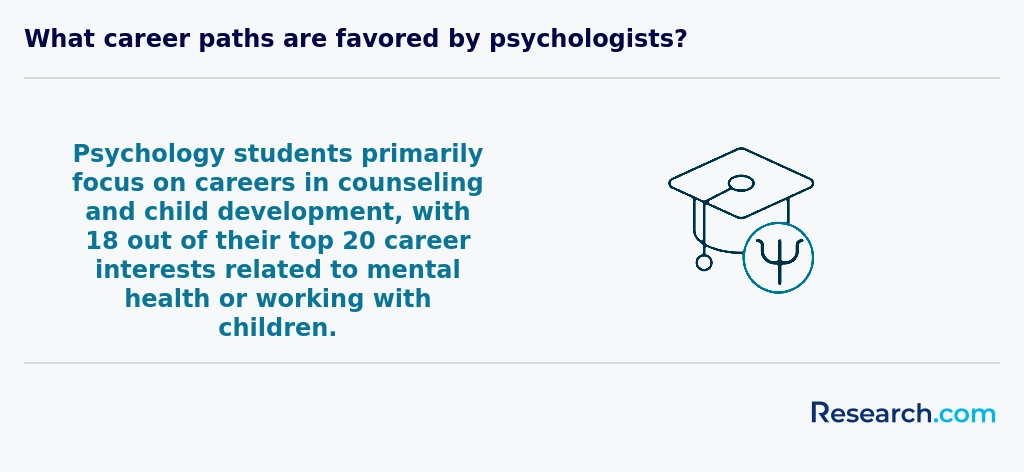
Graduates earning an online psychology degree in Missouri have diverse career options, reflecting the state's expanding employment trends in mental health and organizational development. Many alumni from popular institutions like the University of Missouri report success entering licensed mental health counseling roles, serving in private practices or community agencies where demand is projected to grow steadily.
The field of industrial-organizational psychology is another promising avenue, with Missouri's major employers seeking experts who can enhance workforce productivity and training methods. Graduates frequently find opportunities in St. Louis and Kansas City's corporate sectors applying these skills.
School psychology also remains a strong career path for those interested in supporting student mental health within Missouri's education system, often requiring specific certification beyond an online master's degree.
Research positions tied to public health or academia attract graduates committed to advancing knowledge, sometimes prompting continuation to doctoral studies. Salary data demonstrates that early-career professionals with a master's in psychology typically start around $45,000 annually, rising with experience.
Students evaluating programs may benefit from reviewing the Cheapest Online Bachelor's in Psychology Degree Programs Ranking in Pennsylvania to compare affordability while focusing on job prospects within Missouri's evolving market of online psychology degree jobs in Missouri.
The job market for graduates holding an online psychology degree in Missouri shows a steady growth of about 6% from 2022 to 2032, aligning with national trends. Many psychology graduates from popular Missouri institutions find rewarding roles in schools, community agencies, and healthcare settings. These roles often involve counseling, therapy, or support services, where graduates apply their online training directly to real-world mental health challenges.
Graduates appreciate the flexibility of online programs at Missouri colleges, which help them balance study with work or family while preparing for licensure exams like those required by the Missouri Committee for Professional Registration. The state's workforce demand supports diverse employment opportunities, with an average psychologist salary near $83,000 in 2023, reflecting the growing need for mental health experts.
Many graduates pursue licensure as Licensed Professional Counselors or Psychologists, unlocking further career paths. Prospective students should carefully evaluate if their online degree meets Missouri's licensure requirements. Those weighing financial factors may explore scholarships or state aid, and can gain advantage by considering easy online college courses that complement their studies.
Overall, the online psychology degree job outlook Missouri continues to improve as mental health awareness rises, creating fulfilling employment options deeply rooted in community service and wellbeing.
2027 Best Online Master's in Psychology Degree Programs Ranking in Missouri
Investing in your education is a significant decision that requires careful consideration, and the Research.com team recognizes the importance of providing reliable information to support that choice. To assist prospective students in Missouri, we have diligently developed the "2027 Best Online Master's in Psychology Degree Programs Ranking in Missouri." Our dedication to quality, credibility, and accuracy is demonstrated through thorough research and analysis using multiple respected data sources. We leveraged the following data to create a well-rounded evaluation of programs:
By reviewing this ranking, readers will gain clear insights into the top online master's programs in psychology in Missouri, empowering them to make well-informed decisions about their academic future. For a detailed explanation of our approach, please visit our Research.com methodology page.

# 2 position
Missouri University of Science and Technology
Master of Industrial-Organizational Psychology

Frequently Asked Questions About psychology
Students pursuing online psychology degrees in Missouri can maximize their learning by actively engaging in course materials and discussions. Strong time management skills are essential, as self-paced schedules demand discipline. Missouri ranks among the states with a growing demand for psychologists, especially in urban centers like St. Louis and Kansas City, according to the Bureau of Labor Statistics (BLS, 2023).
Taking advantage of virtual office hours and networking with faculty enhances understanding and professional connections. Participating in local internships or practicum opportunities strengthens practical skills, which are critical for licensure in Missouri. Utilizing resources from the Missouri Psychological Association can provide updates on state requirements and continuing education options.
Emerging niches within psychology reflect evolving societal needs and technological advances. In Missouri, specialties like neuropsychology and health psychology are gaining traction, fueled by state investments in healthcare and brain research. For instance, neuropsychology integrates brain science to assess cognitive impairments common in aging populations, a growing concern in Missouri's demographic shifts.
Another fast-growing area is forensic psychology, supporting Missouri's criminal justice system with behavioral insights in legal cases. Additionally, telepsychology has expanded rapidly, especially since 2020, providing remote mental health services statewide. According to Missouri's Department of Higher Education, programs increasingly incorporate digital skills to meet this demand.
Overall, these niches combine traditional psychology with practical applications, offering new career paths for online learners in Missouri.
After completing an online psychology degree in Missouri, preparing for the job market involves several focused steps. First, graduates should pursue licensure requirements set by the Missouri Committee of Psychologists, which typically include supervised experience hours and passing the Examination for Professional Practice in Psychology (EPPP).
Building professional networks through local psychology associations such as the Missouri Psychological Association can provide valuable job leads and mentorship opportunities.
Gaining practical experience by internships or volunteer work in healthcare settings increases employability. According to the U.S. Bureau of Labor Statistics, Missouri's psychology job outlook is steady, with employment growth aligning with national trends.
Continuing education and specialization in high-demand areas like clinical, counseling, or school psychology enhances competitive advantage in Missouri's diverse job market.
Employers in Missouri highly value psychology graduates who demonstrate strong analytical skills. The ability to interpret data and conduct research is essential, especially for those aiming to work in clinical or counseling settings. According to the Missouri Economic Research and Information Center, demand for psychological services is growing, making critical thinking abilities crucial for solving diverse client issues.
Communication skills, both verbal and written, also rank among the top requirements. Employers expect graduates to effectively convey complex concepts and collaborate with multidisciplinary teams. Furthermore, proficiency in ethical decision-making and cultural competence is vital given Missouri's diverse population.
Technical skills like familiarity with psychological assessment tools and statistical software are increasingly preferred by Missouri employers. These skills help graduates apply evidence-based practices and improve patient outcomes, aligning with academic standards outlined by the American Psychological Association.
Finding internships in Missouri relevant to a psychology degree involves strategic research and networking. Many psychology programs encourage students to start searching early through university career centers, which often have partnerships with local hospitals, clinics, and community organizations.
The Missouri Psychological Association lists potential internship sites, including mental health centers and correctional facilities, which provide hands-on experience. Additionally, the Missouri Department of Mental Health offers internship opportunities across various agencies.
Online students should leverage Missouri-specific job portals and attend virtual career fairs. According to the Bureau of Labor Statistics, Missouri employs over 7,000 psychologists, indicating a steady demand for internships and entry-level experience. Securing internships requires proactive outreach and often formal applications aligned with state licensure requirements.
An online psychology degree in Missouri can significantly improve career mobility and advancement opportunities. According to the Missouri Economic Research and Information Center, employment in psychology-related fields is projected to grow steadily through 2030. Earning a master's degree online allows working professionals to gain specialized knowledge while maintaining their current roles, enhancing their qualifications for promotions or new positions.
Missouri's licensure requirements for psychologists and counselors often necessitate an advanced degree, making online master's programs a flexible path toward meeting these standards. Graduates with an online psychology degree may qualify for roles in clinical, counseling, and organizational psychology, which tend to offer higher salaries and leadership possibilities. Data from the Missouri Department of Higher Education emphasizes the increasing demand for mental health providers, supporting career growth for holders of accredited online psychology degrees.
Studying for a psychology degree online in Missouri equips students with skills applicable across multiple fields. Missouri's psychology programs emphasize a broad understanding of human behavior combined with training in research methods and data analysis.
The state's universities often collaborate with healthcare, education, and social service sectors, providing interdisciplinary learning opportunities. For example, Missouri State University highlights the integration of psychology with public health and business disciplines.
Students gain competencies in communication, ethical decision-making, and critical thinking, which employers value in roles beyond traditional psychology careers. According to the Missouri Department of Higher Education, psychology graduates have access to diverse job markets including human resources, counseling, and criminal justice.
Missouri's online format also offers flexible learning, allowing students to engage with professionals in varying fields, further enhancing interdisciplinary experience.
Choosing between a thesis and a non-thesis psychology degree program in Missouri depends largely on your career goals and learning preferences. A thesis option involves conducting original research and writing a substantial paper, which is ideal if you plan to pursue doctoral studies or research-intensive roles. According to the Missouri Department of Higher Education, about 30% of online psychology programs in Missouri offer a thesis track.
Non-thesis programs emphasize coursework and practical skills, often requiring a comprehensive exam or capstone project instead. These are typically favored by students aiming for applied psychology careers in clinical, counseling, or organizational settings. The Missouri Psychological Association notes that non-thesis graduates often enter the workforce faster.
Consider your interest in research, time commitment, and professional objectives when making this decision.
Students based in Missouri who wish to study psychology abroad have several options, primarily through online programs offered by internationally accredited universities. While physical relocation is not always feasible, many institutions abroad provide fully online psychology degrees recognized in the US.
The Missouri Department of Higher Education highlights that students should verify if foreign programs meet US accreditation standards to ensure degree recognition and licensure eligibility. Some universities in Canada, the UK, and Australia offer reputable online psychology degrees compatible with Missouri's licensing requirements.
Currently, there are no Missouri-based universities with dedicated partnerships for abroad online psychology degrees, but associations like APA provide guidance on evaluating foreign credentials.
Part-time job opportunities in Missouri that complement psychology degree education often include roles in mental health support, research assistance, and social services. For example, working as a behavioral health technician or psychiatric aide allows students to gain hands-on experience with clients under supervision, a valuable asset for their future careers.
Research assistant positions at Missouri universities or healthcare facilities provide exposure to experimental methods and data analysis. According to the Missouri Department of Mental Health, these roles help build important skills relevant to clinical and counseling psychology.
Additionally, positions such as case manager or residential counselor in social service agencies offer practical knowledge of community mental health systems, which is crucial for psychology graduates planning to work in diverse settings.
Online psychology students in Missouri can access several networking opportunities despite studying remotely. Many universities offer virtual events such as webinars, guest lectures, and online career fairs that connect students with faculty, alumni, and professionals in psychology fields.
Students may also join state-specific organizations like the Missouri Psychological Association. This group often provides access to conferences, mentorship programs, and volunteer opportunities relevant to psychology careers within the state.
Additionally, Missouri hosts multiple regional psychology conferences annually, some of which have online participation options, enabling students to engage with current research and professional networks.
According to the National Center for Education Statistics, networking engagement significantly enhances job placement rates for psychology graduates in the US, including Missouri.
Alumni networks play a crucial role for students pursuing online psychology degrees in Missouri by providing access to professional connections and career resources. Graduates can leverage these networks for mentorship, job opportunities, and guidance within the local psychology community.
Missouri's psychology field offers diverse employment settings, including hospitals, schools, and private practices. Alumni connections often help new graduates navigate licensing requirements specific to Missouri, such as those outlined by the Missouri Board of Psychology.
Additionally, alumni networks enhance knowledge sharing about regional job trends and continuing education options. According to the Missouri Economic Research and Information Center, psychology occupations are expected to grow by 11% in the state by 2028, creating valuable opportunities for connected graduates.
Customizing an online psychology degree in Missouri allows students to tailor their education to specific career goals. Many universities offer elective courses and specializations such as clinical, counseling, or industrial-organizational psychology. This flexibility helps students develop skills relevant to desired jobs.
Students can also choose practicum or internship options aligned with Missouri licensing requirements, which is crucial for careers in therapy or counseling. According to the Missouri Department of Higher Education, online programs often provide access to local supervisors for hands-on experience.
Additionally, some schools offer accelerated tracks or combined degrees, enabling faster progress or expanded expertise.
Online psychology students in Missouri often face challenges related to limited access to in-person practicum opportunities. Because psychology programs require hands-on clinical experience, securing local placements can be difficult, especially in rural areas where Missouri has numerous underserved communities.
Another typical challenge is maintaining motivation and time management. According to a 2023 Missouri Department of Higher Education report, nearly 40% of online learners struggle with balancing coursework alongside work and family responsibilities. This issue is prominent for psychology students, who must also engage with extensive reading and research assignments.
Technology access can affect learning quality as well. Some students report unreliable internet or lack of technical support, which hinders participation in live lectures or telehealth training.
Finally, understanding Missouri's licensure requirements for psychologists can be complex, with specific educational and supervised experience mandates that online students must navigate carefully, as outlined by the Missouri State Committee of Psychologists.
With an online psychology degree in Missouri, graduates can pursue several professional certifications to enhance their careers. One common path is becoming a Licensed Professional Counselor (LPC), which requires completing supervised clinical hours and passing the Missouri Counselor Examination, overseen by the Missouri Committee for Professional Counselors. Another key certification is the Licensed Psychologist credential, which involves earning a doctoral degree and meeting state licensing standards administered by the Missouri State Committee of Psychologists.
Other certifications include Certified Alcohol and Drug Counselor (CADC) and Board Certified Behavior Analyst (BCBA), depending on specialization. These can improve employment prospects in Missouri's growing mental health field.
To write a winning application for an online psychology program in Missouri, begin by carefully reviewing each school's admission requirements and deadlines. Highlight your academic achievements, particularly relevant coursework in psychology, biology, or statistics. Missouri values practical experience, so include internships, volunteer work, or employment related to mental health.
Strong letters of recommendation from professors or professionals familiar with your skills can significantly enhance your application. Craft a clear, focused personal statement explaining your motivation for studying psychology and your career goals. Missouri's psychology workforce is growing, with a 10% projected increase by 2030 according to the Bureau of Labor Statistics, showing strong industry demand for qualified graduates.
Demonstrate your ability to succeed in a remote learning environment by emphasizing time management and self-discipline skills. Finally, ensure your application materials are polished and error-free to reflect professionalism.
Psychology careers in the United States, including Missouri, are influenced by both national standards and global trends. Worldwide, psychology is expanding with growing awareness of mental health, increasing the demand for skilled professionals.
In Missouri, the Bureau of Labor Statistics projects a 14% growth in psychologist jobs from 2022 to 2032. This aligns with global trends emphasizing diverse mental health approaches and cross-cultural competence.
Many US psychology programs, including those online, incorporate international research and ethical standards. This prepares graduates to work in multicultural environments or collaborate on global mental health initiatives.
Gaining practical experience while pursuing an online psychology degree in Missouri is essential for building skills and expanding professional networks. Many online programs require or encourage internships or practicum placements at local mental health clinics, hospitals, or community agencies. Missouri students can seek opportunities through partnerships the university has with institutions across the state. According to the Missouri Department of Mental Health, the state offers internships in diverse settings, including behavioral health centers and rehabilitation facilities.
Students are advised to contact academic advisors early to secure practical placements that comply with licensing requirements. Additionally, Missouri's licensure board requires supervised hours, making these experiences crucial for future career steps.
Choosing the right concentration within an online psychology degree program in Missouri depends largely on your career goals and interests. Missouri offers various specializations such as clinical, counseling, and industrial-organizational psychology, each with distinct career paths and licensing requirements.
Consider Missouri's job market, where clinical psychologists are among the most in-demand, with a growth rate projected at 8% through 2030 according to the Bureau of Labor Statistics. Counseling psychology is also growing, supporting professionals in mental health and school settings.
Research program curricula carefully to ensure they meet Missouri's licensure criteria, including supervised hours and coursework outlined by the Missouri Board of Psychologists. Matching a concentration to the state's licensure requirements is essential for future practice.
- 2027 Best Online Master's in Psychology Degree Programs Ranking in Kansas
- 2027 Best Online Master's in Psychology Degree Programs Ranking in Indiana
- 2027 Best Online Master's in Psychology Degree Programs Ranking in Colorado
- 2027 Best Online Master's in Psychology Degree Programs Ranking in Ohio
- 2027 Best Online Master's in Psychology Degree Programs Ranking in Alabama
- 2027 Best Online Master's in Psychology Degree Programs Ranking in Texas
- 2027 Best Online Master's in Psychology Degree Programs Ranking in Florida
- 2027 Best Online Master's in Psychology Degree Programs Ranking in Virginia
- 2027 Best Online Master's in Psychology Degree Programs Ranking in Pennsylvania
- 2027 Best Online Master's in Psychology Degree Programs Ranking in New York
See What Experts Have To Say About Studying Psychology
Read our interview with Psychology experts

Elizabeth L. Jeglic Ph.D.
Psychology Expert
Professor of Psychology
City University of New York

Joann Farrell Quinn, Ph.D., MBA
Psychology Expert
Director at the College of Medicine Department of Medical Education
Morsani College of Medicine

Robin M. Kowalski. Ph.D.
Psychology Expert
Professor of Psychology
Clemson University

- What Certifications Can I Get With A Bachelor's In Psychology? https://www.psychology.org/resources/certification-skills-for-psychology-major-resumes/
- Psychology Online Degree Pathway https://www.learndirect.com/course/psychology-online-degree
- Have You Found a Niche? https://www.apaservices.org/practice/business/marketing/building/niche
- Online Psychology Degree Salary by Career Path: What the Data Actually Shows in 2026 https://www.collegetransitions.com/blog/online-psychology-degree-salary-by-career-path/
- Alumni Perspectives - Meet Our FPN Alumni https://www.aanmelder.nl/alumni-perspectives-june-2023
- Best Missouri Psychology Degrees Updated for 2025, Online Included https://www.psychologydegrees.org/state/missouri
- Know more about thesis vs non- thesis: what is the difference? https://studyfans.com/en/blogs/816
- 2025 Most Popular Online Psychology Degrees in Missouri https://www.onlineu.com/degrees/psychology/missouri
- A Guide to Psychology Internships | Psychology Degree Guide https://psychologydegreeguide.org/resources/internships/
- Best Online and Campus Psychology Schools in Missouri https://www.psychologydegree411.com/schools/missouri/


