
2027 Most Affordable Psychology Degree Programs Ranking in Atlanta

Co-Founder and Chief Data Scientist
Choosing the right psychology degree program in Atlanta can feel overwhelming, especially when budget matters. This article presents the 2027 Most Affordable Psychology Degree Programs Ranking in Atlanta, crafted by the Research.com team of data scientists to guide you toward the best value options.
Reading this ranking will help you find programs that fit your needs without breaking the bank. A degree in psychology opens doors to rewarding career paths and personal growth, making your educational journey worthwhile and inspiring.
Key benefits of getting psychology degree in Atlanta
- Salary: Psychology degree graduates in Atlanta can expect competitive salaries, such as Clinical Research Associates earning around $62,370 annually and Marketing Research Analysts making about $83,190 per year, offering strong financial prospects.
- Career Paths: Graduates from popular Atlanta universities often pursue roles in human resources, childcare, or research fields, opening doors to diverse job opportunities with meaningful impact.
- Online Degree Benefits: An online psychology degree from an Atlanta institution offers flexible learning schedules and the chance to balance work and study, making education more accessible and convenient for busy students.
- 2027 Most Affordable Psychology Degree Programs Ranking in Atlanta
- What can I expect from psychology degree in Atlanta?
- Where can I work with psychology degree in Atlanta?
What can I expect from psychology degree in Atlanta?
If you're wondering about the average cost of getting a psychology degree in Atlanta, here's the scoop. Public schools like Georgia State University keep things pretty budget-friendly, with undergrad tuition around $10,000 a year for in-state students. That's a huge win if you're watching your wallet but still want a solid education.
On the flip side, private universities like Emory offer top-notch programs with lots of research opportunities, but tuition tends to be higher. Many students who choose Emory mention how extensive financial aid options made their dream education doable without drowning in debt.
Graduates often share stories of juggling internships and research projects, all while feeling supported by their schools through scholarships or assistantships. So, even if the sticker price looks tough at first, there's usually a way to make it work if you're motivated and reach out for help.
Where can I work with psychology degree in Atlanta?
If you've earned a psychology degree in Atlanta, you're in luck-there's a bunch of places you can jump into that really value your skills. Many grads from Georgia State University or Emory find themselves working in healthcare settings like Grady Health System or mental health clinics, helping people as counselors or behavioral specialists. It's rewarding to see the impact you make every day, especially when you're supporting someone through a tough time.
Others land jobs at schools or universities around town, where they support student mental health or assist in behavioral research. It's pretty common for grads to start in these roles even with just a bachelor's or master's, especially if they're eager to get hands-on experience before going further.
And don't forget the corporate side! Big companies like Coca-Cola or Delta often hire psychology grads to improve everything from HR to marketing by understanding what makes people tick. Plus, working at a nonprofit or government agency in Atlanta opens doors to meaningful community outreach and social services. It's exciting because the city's got all these different paths, so you can find something that really fits your vibe.
If you're wrapping up a psychology degree in Atlanta, you're probably wondering how much you can expect to make. Well, it really depends on the role you land. For example, graduates stepping into human resources roles-something a lot of psychology grads do-can expect a mean annual salary of around $76,000 here in Atlanta. That's a solid paycheck, especially when starting out.
Some grads dive into marketing research, using their knowledge of human behavior to analyze trends and consumer data. Those folks earn roughly $83,000 a year on average, which is pretty encouraging for anyone looking to combine psychology with business.
Other grads become clinical research associates or survey researchers, positions that typically pull in about $62,000 annually. While these might not have the highest pay, they're amazing stepping stones and hands-on jobs that help you build experience in Atlanta's competitive scene.
Several graduates from popular spots like Georgia State University and Emory University find that these salary ranges match their actual first jobs, giving them confidence their degrees really pay off around here.
- Undergraduate psychology degrees at public universities in Atlanta cost between $8,000 and $12,000 per year for in-state students, while private colleges often charge over $25,000 annually.
- Graduate psychology programs vary widely in cost but are significantly more expensive than undergraduate tuition.
- Entry-level psychology graduates in Atlanta earn about $45,000 to $55,000 per year, with advanced degree holders making between $70,000 and $100,000 annually.
- Psychology jobs in Atlanta are expected to grow by 8% over the next decade, matching the national average for this profession.
- Internships and practicum opportunities in Atlanta help meet state licensure requirements, especially for APA-accredited clinical and counseling programs.
- The city's diverse population offers psychology students valuable experience with a wide range of psychological issues and cultural backgrounds.
If you're thinking about finishing a psychology degree in Atlanta, expect a pretty standard timeline, especially if you're going full-time. Most students at popular spots like Georgia State University or Emory University wrap up their bachelor's in about four years. Some folks there opt for part-time classes or get involved in internships, which can stretch it out to five or six years, but they often find that extra time worth it for real-world experience.
For those jumping into graduate programs-say a master's in counseling or industrial-organizational psychology-it usually takes around two years. Some students mention their programs feel like a whirlwind, especially when juggling practicum hours.
Doctoral degrees? They're more of a marathon. It generally takes 5 to 7 years at places like Georgia Tech or Emory, combining coursework, clinical work, and research. Graduates often say that while it's a tough journey, the sense of accomplishment when finishing their PsyD or PhD is incredibly rewarding.
Also, don't forget the extra postdoctoral hours needed if you're aiming for licensure-that's part of the whole adventure in becoming a practicing psychologist in Georgia!
Understanding return on investment (ROI) is essential when evaluating affordable psychology degree programs in Atlanta, GA. By comparing total program costs against potential earnings, you can make data-driven decisions that align with both your financial situation and career goals. On average, in-state tuition at public universities in Atlanta hovers around $7,070 per year, while private institutions average $32,954 annually. Assuming a total bachelor’s degree cost of $28,280 for public and $131,816 for private programs, and factoring in average graduate debt of $40,000, graduates need to plan carefully. With entry-level salaries such as $57,760 for Clinical Research Associates and $73,080 for Human Resources Specialists, most students can expect to repay their loans within four to six years of entering the workforce. To maximize ROI, consider strategies like securing merit-based scholarships, pursuing paid internships in local clinics or corporations, and taking advantage of work-study opportunities. Engaging in on-campus research projects can also enhance employability and lead to tuition waivers. For another perspective on cost-effective psychology programs, compare our Atlanta findings with the Cheapest Psychology Degree Programs Ranking in Virginia, which highlights similar affordability metrics and career outcomes.
If you're thinking about a psychology degree in Atlanta, you'll notice the biggest difference between online and on-campus programs is the vibe and how you experience learning. On-campus at schools like Georgia State or Emory, students get to dive into face-to-face chats with professors and classmates, plus plenty of hands-on work in labs or internships around the city. Graduates often talk about how those in-person connections made studying feel more real and helped them build their confidence.
On the flip side, online programs give you way more flexibility-you can fit classes around your job or family life. A lot of Atlanta-based online students say they love not having to commute or worry about housing costs, which can add up, especially since private schools here can be pricey. Some even get local internship opportunities that make the online experience feel less distant.
Overall, whether you love the hustle of campus life or need the freedom to set your own pace, Atlanta's got options that can suit your style and goals.
Atlanta students aiming to graduate faster can choose from several accelerated tracks that balance speed with academic rigor:
- On-campus accelerated bachelor’s programs let you finish in 2–3 years by taking extra credits per semester and summer courses.
- Combined bachelor’s/master’s pathways enable completion of both degrees in about 5 years by overlapping graduate-level classes.
- Online accelerated formats use condensed 7–8 week terms and flexible scheduling; for fully virtual options, explore our guide to the fastest online psychology degree.
Benefits include lower overall tuition costs, earlier entry into the workforce and sustained academic momentum. Always verify program accreditation and available support services such as dedicated academic advising and career counseling before enrolling.
If you're wondering about the average cost of a psychology degree in Atlanta, you're looking at roughly $20,184 for in-state students and about $48,892 for out-of-state students. These numbers reflect the total cost of earning that degree, whether you're heading to a public school like Georgia State University or eyeing a private option with higher tuition. Many grads share that navigating these expenses feels much more manageable when you consider the entire experience-class discussions, lab work, and community connections-rather than just the price tag.
Students pursuing psychology degree tuition and fees Atlanta often find that public institutions offer a much friendlier financial path if you qualify as in-state. For example, those attending local public universities enjoy tuition rates far below what private schools typically charge. At the same time, private universities can be a stretch but sometimes bring unique opportunities that many graduates say made the investment worthwhile.
One great way to get a handle on what you might expect is by checking out the most affordable psychology schools in Georgia. That helps you compare your options and budget smartly. Plus, Atlanta's relatively affordable living costs compared to other big cities give students a bit more breathing room while pursuing their studies.
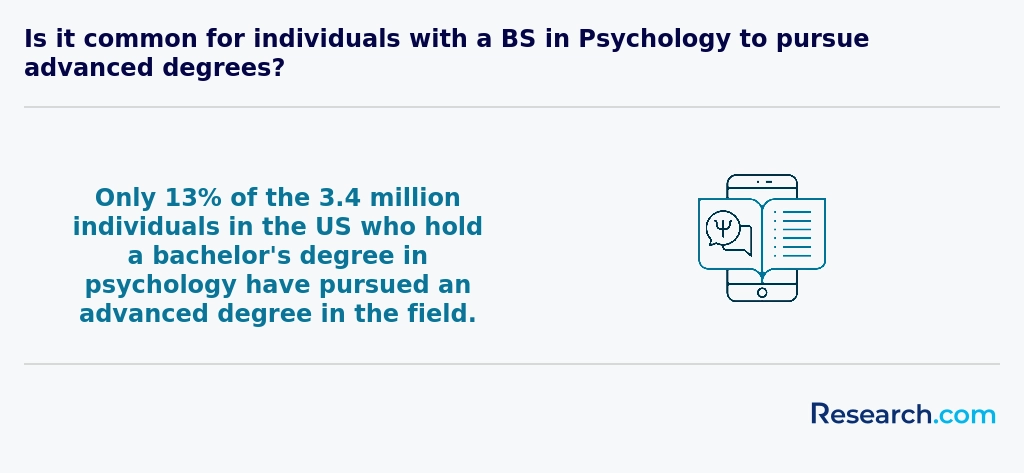
Exploring an advanced degree in psychology can significantly expand your career prospects and deepen your expertise in the field. Many professionals in Atlanta, GA, find that pursuing graduate studies-whether through on-campus programs or flexible online options-provides opportunities for specialization, research, and leadership roles. An online master’s program, for example, not only broadens your academic horizons but also enhances your practical skills through experiential learning and networking with industry experts. You might be interested in learning more about what can you do with online masters in psychology, as this path can lead to roles in advanced counseling, academic research, and administrative positions within mental health services. This advanced education not only builds on your foundational knowledge but also helps you stay competitive in a rapidly evolving job market by opening doors to positions in clinical settings, corporate environments, and community organizations. Embracing further education is a key strategy for professionals eager to make a meaningful impact and achieve long-term career growth in psychology.
If you're studying psychology in Atlanta, there's a good mix of financial aid options to help ease the cost. For example, many students at Georgia State University rely on federal aid like Pell Grants that can cover thousands each year, keeping their debt low. These grants don't have to be paid back, which is a huge relief when you're focusing on classes and research projects.
Lots of folks also tap into work-study programs, balancing part-time jobs with their studies to gain experience and some extra cash. On top of that, state aid like the HOPE Scholarship is a favorite for in-state students who keep their GPA up, helping with tuition at public colleges around Atlanta.
Many psychology majors I've heard about have snagged departmental scholarships at schools like Georgia State, where awards can reach $2,000, rewarding hard work and passion for the field. Plus, professional groups like the American Psychological Association offer grants that can really boost your budget if you qualify.
And if you're juggling a job, don't forget to check if your employer offers tuition reimbursement-some Atlanta companies do, which is like getting paid to study!
When exploring options for a psychology degree in Atlanta, GA, considering the most affordable psychology schools can be a crucial step in making your educational pursuits financially viable. By exploring programs that balance quality education with affordability, aspiring psychologists can position themselves for success without shouldering overwhelming debt. For those interested in delving deeper into the specifics of affordable options, visiting the most affordable psychology schools in Georgia can provide valuable insights into institutions that offer competitive programs at lower costs, helping you make informed decisions about your educational and financial future.
If you're thinking about starting a psychology degree in Atlanta, you'll want to have a high school diploma or GED ready, along with some solid coursework in English and math. A bunch of students I know from Georgia State University say having biology or social science classes under your belt makes the jump into psychology topics way less intimidating because you already get the science and human behavior side of things.
Many schools here still ask for SAT or ACT scores, but a lot have gone test-optional lately, which is pretty cool if standardized tests aren't your thing. A GPA around 2.5 to 3.0 usually does the trick for most programs, so keeping those grades steady is a smart move.
For grad programs, things get a bit more specific-you'll often need a bachelor's degree in psychology or related fields, plus some letters of recommendation and personal statements that show your passion. Folks coming from Emory University often talk about how sharing real research or volunteer work experiences really helped open doors.
Understanding the path to licensure is essential for psychology graduates in Atlanta, GA, as it transforms academic credentials into professional practice. After earning your degree, you must complete the following key steps to become a licensed psychologist: 1. Supervised Experience: Georgia requires at least 3,350 hours of supervised postdoctoral experience, typically gained through internships, residencies, or as an associate under a licensed psychologist. Plan for 1–2 years in settings such as community mental health centers, hospitals, or private practices to fulfill this requirement. 2. Examination: Graduates must pass the Examination for Professional Practice in Psychology (EPPP), administered by the Association of State and Provincial Psychology Boards (ASPPB). Preparing with reputable review courses and practice exams boosts your confidence and performance. 3. State Jurisprudence: In addition to the EPPP, candidates must pass Georgia’s jurisprudence exam, covering ethical standards, state laws, and professional regulations. Familiarize yourself with the Georgia Board of Psychology’s guidelines to ensure compliance. 4. Continuing Education: Once licensed, maintain your credentials by completing 40 hours of continuing education every two years. Topics often include ethics, cultural competence, and evidence-based practices. Many professionals choose apa accredited online programs to fulfill these requirements flexibly while staying current with the latest research and clinical techniques. By mastering the licensure process early in your academic journey, you’ll streamline the transition from student to practicing psychologist, ensuring you meet both educational and regulatory standards in Georgia.
If you're diving into a psychology degree in Atlanta, expect a mix of courses that build a solid foundation while keeping things interesting. Most programs start with core classes like General Psychology, which breaks down how we think, feel, and behave-something grads from popular Atlanta colleges often say really opened their eyes to everyday human interactions. Then there's Statistics and Research Methods, where you learn to make sense of data, a skill that's surprisingly empowering once you get the hang of it.
Specialized courses cover cool stuff like Developmental Psychology, tracking how people grow and change through life, or Cognitive Psychology, which unpacks how we remember things and solve problems. Many grads love Social Psychology classes because they start seeing the world and their social circles through a totally new lens.
Plus, almost every program in Atlanta makes sure you get ethics under your belt, which feels great knowing you'll be handling real people's lives responsibly. Electives let you explore areas like Child or Health Psychology, which students often find personally rewarding as they get to focus on what really excites them.
If you're thinking about a psychology degree specializations in Atlanta, there's a good mix to choose from depending on what excites you most. For example, lots of grads from Atlanta universities love the clinical psychology track because it dives deep into understanding and treating mental health issues-perfect if you see yourself working in therapy or hospitals. Others find the counseling psychology path rewarding since it's all about helping folks handle everyday stuff like stress and relationships, often in schools or community centers.
A popular Atlanta psychology program concentration options also include forensic psychology, which is pretty fascinating if you want to mix psychology with the legal world, working in places like courts or law enforcement. Then there's industrial-organizational psychology, which graduates often praise for its focus on workplace dynamics and boosting employee happiness and productivity-super relevant with Atlanta's busy business scene. Finally, developmental psychology is great if you're into understanding how people grow and change, especially for those interested in education or childcare.
Students in Atlanta say tailoring their degree this way really helped them feel ready for the real world. If you want to explore more about what you can do later, check out what can you do with online masters in psychology-it's a helpful guide to figure out your next steps after studying.
Picking the best psychology degree in Atlanta really depends on what fits your vibe and goals. Some grads from Georgia State rave about affordable psychology degree programs in Atlanta, where tuition won't break the bank but still offers solid clinical training. If you're aiming higher, Emory grads highlight how their programs often include neat research opportunities and internships around the city's healthcare spots, giving you real-world experience that feels rewarding and exciting.
Cost plays a big role here. Atlanta has some of the best psychology colleges in Atlanta for cost, especially if you're looking at public schools where yearly fees hover near national averages. Remember, it's not just tuition-you gotta factor in books, fees, and living expenses too, so budgeting well can save stress down the line.
If you want to prep for licensure or specialized roles, make sure the program's accredited. Many students found success after checking out apa accredited online programs, which balance flexibility with quality. This is a great move if you want a mix of expert faculty and hands-on learning without sacrificing convenience.
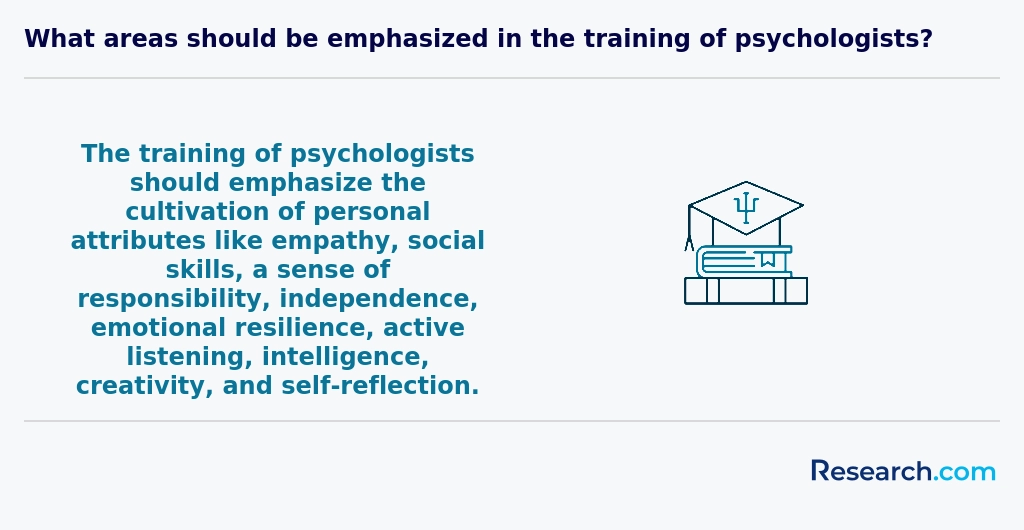
If you're exploring psychology career opportunities in Atlanta, you'll be happy to know there's a bunch of paths you can take. Many grads find themselves working as mental health counselors or therapists in community health centers or private practices, thanks to the city's growing focus on behavioral health. Others dive into school psychology, supporting students' mental well-being in Atlanta's large public and private schools-this path often calls for extra certification but offers rewarding day-to-day impact.
Jobs with psychology degree in Atlanta aren't just limited to healthcare and education. Some graduates find cool gigs as industrial-organizational psychologists with big companies like Coca-Cola or Delta, helping improve employee satisfaction and productivity. Plus, research roles at universities like Emory or Georgia State are perfect if you're into data or clinical studies, letting you jump into meaningful projects.
For those wondering about costs and options, many find that local schools offer affordable programs compared to other regions-check out the Cheapest Psychology Degree Programs Ranking in Virginia for some inspiration. It's exciting to see so many opportunities waiting for you right here in Atlanta!
The psychology degree job opportunities Atlanta offers are pretty exciting if you're ready to dive into clinical work, counseling, or even organizational psychology roles. Graduates from popular schools like Georgia State University or Emory often share how the variety of local healthcare centers and corporations create lots of hands-on internship chances that boost their resumes and confidence. Many find starting with a bachelor's degree means taking extra steps, like certifications or grad school, but it's totally achievable with the right focus.
Atlanta's scene is great for those aiming at behavioral health or school psychology jobs too, since the city's population is diverse and growing. While salaries hover around that $85,000 mark for licensed roles, which matches the national pace, many grads say the cost of in-state tuition makes further education manageable, especially compared to private colleges.
If you're weighing how to move forward, plenty of students turn to a 1 year masters to get licensed and step into the workforce faster, keeping their momentum going strong.
Looking at the Atlanta psychology career outlook 2027, the outlook remains bright with expanding demand and lots of room to specialize in areas that really fit your passion and the market.
2027 Most Affordable Psychology Degree Programs Ranking in Atlanta
Investing in your education is a significant decision that can shape your future, and the Research.com team understands the importance of making informed choices. To assist prospective students in Atlanta, we have meticulously crafted the "2027 Most Affordable Psychology Degree Programs Ranking in Atlanta." Our commitment to quality, credibility, and accuracy is reflected in the extensive research and analysis conducted to compile this ranking.
We utilized the following reputable data sources to ensure a comprehensive evaluation of psychology programs:
By exploring this ranking, readers will gain valuable insights into the most affordable psychology degree programs in Atlanta, helping them make well-informed decisions about their educational paths. For more details on our methodology, please visit our Research.com methodology page.

# 4 position
Morris Brown College
Psychology Archives Psychology Bachelor



Frequently Asked Questions About psychology
Psychology degree students in Atlanta can enhance their learning experience by engaging deeply with local research opportunities. Institutions like Georgia State University and Emory University offer access to cutting-edge labs and projects in behavioral and cognitive psychology. Participating in internships at nearby hospitals or mental health clinics provides practical experience essential for career readiness. According to the Georgia Board of Psychology, hands-on training significantly improves competency in clinical settings.
Joining student organizations and attending psychology conferences in Atlanta fosters networking and professional growth. Utilizing campus resources, such as tutoring centers and counseling services, also supports academic success. Finally, leveraging Atlanta's diverse population enables students to study varied psychological phenomena, enriching their education.
The field of psychology is expanding with several emerging niches gaining momentum, especially in cities like Atlanta. One notable area is neuropsychology, focusing on brain-behavior relationships, driven by Atlanta's strong medical research institutions. Another growing niche is health psychology, which examines how psychological factors affect physical health and illness management. Industrial-organizational psychology also shows promise in Atlanta's bustling corporate sector, aiding workplace productivity and employee well-being. Additionally, forensic psychology is increasing in demand due to Georgia's expanding legal system. According to the American Psychological Association, these specialties reflect broader trends responding to advances in science and societal needs.
After completing a psychology degree in Atlanta, preparing for the job market involves several key steps. First, gaining relevant experience through internships or volunteer positions is essential, as Atlanta hosts numerous mental health organizations and hospitals offering such opportunities. According to the Bureau of Labor Statistics, clinical, counseling, and school psychologists in Georgia earned a median annual wage of approximately $79,000 in 2023, highlighting the value of practical experience.
Networking within Atlanta's professional psychology community, including attending events hosted by the Georgia Psychological Association, can open doors. Additionally, obtaining state licensure if pursuing clinical roles is crucial and requires supervised experience and passing the Examination for Professional Practice in Psychology (EPPP). Finally, continuing education and skill development, such as training in emerging fields like neuropsychology, improve employment prospects.
Employers in Atlanta seeking psychology graduates prioritize strong analytical skills. These skills enable graduates to interpret data and conduct meaningful research, essential in clinical and organizational settings.
Communication abilities are equally important. Clear verbal and written communication helps graduates convey complex concepts to diverse audiences, including clients and colleagues.
Problem-solving capabilities are in high demand. Employers value graduates who can apply psychological principles to real-world challenges, improving outcomes for individuals and organizations.
Additionally, familiarity with ethical standards and cultural competence is vital. According to the American Psychological Association, adherence to ethics and sensitivity to Atlanta's diverse population enhance professional effectiveness and trust.
Finding internships in Atlanta relevant to a psychology degree involves leveraging local resources and university partnerships. Many Atlanta universities, such as Georgia State University and Emory University, have career centers that help students connect with internships in clinical settings, research labs, and community mental health organizations.
The city's strong healthcare and research sectors provide diverse internship opportunities. For example, the Atlanta VA Health Care System and the Marcus Autism Center regularly offer internships tailored to psychology students.
Students can also explore online platforms like Handshake, which many Atlanta institutions adopt to list internships. Networking with faculty and attending local psychology-related events can further increase chances.
According to the Georgia Psychological Association, internships in the city have expanded by 15% in recent years due to growing demand for mental health professionals.
A psychology degree in Atlanta can significantly enhance career mobility and advancement opportunities. Atlanta's growing healthcare and social services sectors actively seek graduates with psychology backgrounds for roles in counseling, human resources, and behavioral analysis. According to the U.S. Bureau of Labor Statistics, employment for psychologists in Georgia is expected to grow by 12% through 2031, which is faster than the average for all occupations.
Holding a degree also opens pathways to licensure and specialized certifications, essential for clinical positions. Local employers often value graduates from accredited Atlanta institutions, which can give candidates a competitive edge. Moreover, psychology professionals in Atlanta report median salaries above state averages, reflecting strong advancement prospects in the region.
Studying for a psychology degree in Atlanta offers unique preparation for interdisciplinary roles by integrating diverse academic fields. Many Atlanta institutions emphasize collaboration with departments such as social work, business, and health sciences, reflecting the city's growing demand for versatile professionals. According to the Georgia Department of Education, nearly 40% of psychology graduates in the state work in roles combining mental health with public health or education sectors.
Curricula often include joint projects, internships, and research opportunities that connect psychology theory with real-world applications beyond traditional counseling settings. This approach equips students with skills applicable in healthcare policy, organizational behavior, and community outreach.
Overall, Atlanta's educational programs foster flexibility, critical thinking, and teamwork, essential for success in interdisciplinary careers.
When choosing between a thesis and a non-thesis psychology degree program in Atlanta, consider your career goals and learning preferences. Thesis programs typically focus on research and require students to complete a substantial research project, ideal for those aiming for doctoral studies or research careers. Non-thesis tracks often emphasize practical skills and coursework, suitable for students planning to enter the workforce directly after graduation.
The University System of Georgia reports that about 40% of psychology master's students opt for thesis tracks in 2023, highlighting strong local demand for research experience. Additionally, thesis programs may extend your study duration by several months.
Consider factors like faculty expertise, available resources, and whether you prefer hands-on research or applied learning to make an informed choice.
Students based in Atlanta who want to study psychology abroad have several options through US institutions that offer international programs or partnerships. Many Atlanta universities, including Georgia State University, provide study abroad opportunities in countries like the United Kingdom, Canada, and Australia, where psychology is a popular field of study. These programs often allow transfer of credits back to the US, streamlining degree completion.
According to the Institute of International Education, approximately 16% of US students studying abroad choose social sciences, including psychology. Atlanta students can also consider summer abroad programs or faculty-led research trips that focus on global psychological practices. Scholarships and exchange agreements make such options financially feasible for many.
Atlanta offers several valuable part-time job opportunities that complement psychology degree education. Many students find positions as behavioral health technicians or psychiatric aides, roles commonly available within local hospitals and outpatient clinics. According to the Georgia Department of Labor, these positions help students gain experience working directly with patients, strengthening clinical skills.
Additionally, research assistant roles at institutions like Emory University provide hands-on experience in psychological studies. These roles often allow part-time work hours and exposure to data collection and analysis techniques.
Other opportunities include tutoring psychology courses or working as a mental health outreach coordinator for nonprofit organizations focused on community well-being in Atlanta.
Psychology students in Atlanta benefit from a variety of networking opportunities that enhance their academic and professional development. The city hosts several events through organizations like the Georgia Psychological Association, which offers student memberships that provide access to workshops, conferences, and mentorship programs.
Many universities in Atlanta, including Georgia State University and Emory University, have active psychology clubs and student groups that organize guest lectures and networking mixers. These activities connect students with local professionals and potential employers.
Additionally, students have access to internships and research positions in Atlanta's numerous healthcare facilities and mental health agencies. This practical exposure often leads to valuable professional contacts.
According to the Bureau of Labor Statistics, Atlanta's growing demand for mental health specialists offers expanding networking possibilities in clinical and counseling psychology fields.
Alumni networks play a crucial role for psychology degree students in Atlanta by offering valuable professional connections and mentorship opportunities. Graduates from Atlanta universities often stay active in these networks, which helps current students access internships, job openings, and research collaborations relevant to psychology.
These connections can be especially beneficial in Atlanta's growing mental health sector, which employs thousands of psychology professionals. According to the Georgia Department of Labor, the metro Atlanta area projects a 15% job growth in psychology-related roles by 2028.
Networking events hosted by alumni associations allow students to build relationships with experienced psychologists and academics. This support system increases the chances of career success by providing guidance and insider knowledge about the local job market.
Customizing a psychology degree program in Atlanta allows students to align their studies with specific career goals. Many Atlanta universities offer specialized tracks such as clinical, counseling, industrial-organizational, or forensic psychology. Students can select electives, internships, and research projects tailored to their interests.
Options for hands-on experience include partnerships with local hospitals, schools, and businesses, providing practical skills preferred by employers. According to the Georgia Department of Labor, the Atlanta area shows growing demand for mental health professionals, making such customization essential for competitive advantage.
Additionally, part-time and online courses help working professionals tailor schedules. Academic advisors assist in mapping a personalized plan integrating career ambitions with degree requirements.
Psychology students in Atlanta face several notable challenges throughout their degree programs. One common difficulty is managing the rigorous coursework combined with practical training requirements, such as internships or research assistantships. According to the Georgia Board of Psychology, hands-on experience is crucial, but securing these placements can be competitive and time-consuming.
Financial strain is another challenge. While Atlanta offers diverse programs, tuition can vary significantly, and students often balance part-time jobs with their studies. The National Center for Education Statistics reports that average annual tuition at Georgia public universities is around $7,500, but private institutions may charge much higher.
Mental health awareness and self-care are vital, as psychology students frequently deal with heavy emotional content and academic stress.
With a psychology degree in Atlanta, graduates can pursue several professional certifications to enhance their career prospects. Common certifications include Licensed Professional Counselor (LPC) and Licensed Clinical Social Worker (LCSW), both regulated by the Georgia Composite Board of Professional Counselors, Social Workers, and Marriage & Family Therapists. These credentials require additional supervised experience and passing state exams.
Other options include certifications in School Psychology, Certified Alcohol and Drug Counselor (CADC), and various specialty credentials from the National Board for Certified Counselors (NBCC). According to the Georgia Bureau of Labor Statistics, demand for licensed psychologists and counselors in Atlanta is expected to grow by 12% through 2030.
To write a winning application for a psychology program in Atlanta, begin by researching each school's specific admissions requirements. Emphasize your academic achievements, especially in psychology-related coursework, as strong GPA and relevant classes boost your candidacy. Highlight any research experience or internships, as many programs in Atlanta value hands-on practice.
Customize your personal statement to reflect your interests and career goals within psychology. The University System of Georgia reports that competitive applicants often demonstrate clear motivation and understanding of the field.
Include strong recommendation letters from faculty or supervisors familiar with your work. Finally, prepare for required standardized tests like the GRE if applicable, and submit all materials before deadlines to improve your chances.
Psychology careers are increasingly viewed through a global lens, reflecting worldwide demand for mental health professionals. In the United States, including Atlanta, the Bureau of Labor Statistics projects a 8% growth in psychologist jobs from 2022 to 2032, aligning with global trends of rising mental health awareness.
Globally, psychology degrees open diverse opportunities, but U.S. qualifications often hold strong international recognition. Atlanta's psychology programs emphasize evidence-based practices and cultural competence, preparing students to meet multicultural needs locally and abroad.
Graduates in Atlanta benefit from connections to global research and clinical networks, supporting diverse career paths from counseling to neuropsychology. According to the Georgia Board of Psychology, licensure requirements encourage rigorous education to maintain high professional standards. This framework supports global mobility and practice adherence to ethical guidelines.
To gain practical experience while studying for a psychology degree in Atlanta, students often engage in internships, research assistant positions, and volunteer opportunities. Many universities in Atlanta, including Georgia State University, offer access to on-campus labs and community partnerships where hands-on experience is encouraged.
Internships at local mental health clinics, hospitals, or nonprofit organizations provide valuable exposure to real-world psychology practice. The Georgia Psychological Association highlights that early involvement in internships can improve job prospects after graduation.
Additionally, students may participate in research projects under faculty supervision, gaining skills in data collection and analysis. Volunteering at counseling centers or support groups also helps build interpersonal and clinical skills essential for psychology careers.
When choosing a concentration within a psychology degree program in Atlanta, start by identifying your career goals. Psychology offers many specializations, such as clinical, counseling, industrial-organizational, and forensic psychology. Each concentration prepares you for different roles in healthcare, business, or criminal justice.
Consider the curriculum and faculty expertise at Atlanta institutions like Georgia State University, which offers robust applied psychology programs. Check accreditation and local internship opportunities, as Atlanta hosts diverse healthcare facilities and corporations ideal for hands-on experience.
According to the Bureau of Labor Statistics, demand for psychologists in Georgia is projected to grow by 13% through 2031, especially in health-related fields.
Reflect on your personal interests and strengths to select the concentration that best fits your future path.
- 2027 Most Affordable Psychology Degree Programs Ranking in Macon
- 2027 Most Affordable Psychology Degree Programs Ranking in Birmingham
- 2027 Most Affordable Psychology Degree Programs Ranking in Montgomery
- 2027 Most Affordable Psychology Degree Programs Ranking in Tallahassee
- 2027 Most Affordable Psychology Degree Programs Ranking in Mobile
- 2027 Most Affordable Psychology Degree Programs Ranking in Louisville
- 2027 Most Affordable Psychology Degree Programs Ranking in Hattiesburg
- 2027 Most Affordable Psychology Degree Programs Ranking in Daytona Beach
- 2027 Most Affordable Psychology Degree Programs Ranking in New Orleans
- 2027 Most Affordable Psychology Degree Programs Ranking in Indianapolis
See What Experts Have To Say About Studying Psychology
Read our interview with Psychology experts

Joann Farrell Quinn, Ph.D., MBA
Psychology Expert
Director at the College of Medicine Department of Medical Education
Morsani College of Medicine

Robin M. Kowalski. Ph.D.
Psychology Expert
Professor of Psychology
Clemson University

Catherine Caldwell-Harris, Ph.D.
Psychology Expert
Associate Professor of Psychology
Boston University

- Why Get a Psychology Degree Online? | University of Bridgeport https://www.bridgeport.edu/news/reasons-to-get-your-psychology-degree-online/
- Financial Aid for Psychology Students https://www.onlinepsychologydegrees.com/financial-aid/
- Sample letters in psychology https://www.mystudies.com/en-in/human-and-social-sciences/psychology/letter-model/
- A Guide to Psychology Internships | Psychology Degree Guide https://psychologydegreeguide.org/resources/internships/
- Best Types Of Online Psychology Degrees 2025 https://www.psychology.org/degrees/
- Psychology - SWPS University https://english.swps.pl/academics/warsaw/ba-programs/psychology
- How to help students cope with mental health challenges https://www.eaie.org/resource/help-students-cope-mental-health-challenges.html
- Know more about thesis vs non- thesis: what is the difference? https://studyfans.com/en/blogs/816
- Benefits of Studying Psychology Abroad https://www.semesteratsea.org/psychology-study-abroad/
- Have You Found a Niche? https://www.apaservices.org/practice/business/marketing/building/niche


