
2027 Most Valuable Psychology Degree Programs Ranking in Puerto Rico

Co-Founder and Chief Data Scientist
Choosing the right psychology degree program is an important step for students in Puerto Rico planning their future careers. This article presents the 2027 Most Valuable Psychology Degree Programs Ranking in Puerto Rico, created by the Research.com team of data scientists to guide you in making an informed decision.
By exploring this ranking, you'll discover which programs offer the best opportunities and value. Pursuing a psychology degree can open doors to meaningful work, personal growth, and lasting impact. We're here to help you find the path that fits your goals.
Key benefits of getting psychology degree in Puerto Rico
- Psychology degree graduates in Puerto Rico can earn competitive salaries, such as $76,060 annually for Human Resources Specialists and $83,190 for Marketing Research Analysts, which reflects strong earning potential in diverse roles.
- Career paths often include roles in clinical research, marketing analysis, and childcare, providing a variety of fulfilling opportunities for graduates from institutions like the University of Puerto Rico.
- Online psychology degrees offer flexibility and convenience, allowing students from Puerto Rico to balance studies with work or family, as demonstrated by graduates from popular online programs who report increased satisfaction and successful career entry.
- 2027 Most Valuable Psychology Degree Programs Ranking in Puerto Rico
- What can I expect from psychology degree in Puerto Rico?
- Where can I work with psychology degree in Puerto Rico?
What can I expect from psychology degree in Puerto Rico?
When budgeting for a psychology degree in Puerto Rico, expect undergraduate tuition to range between $4,000 and $8,000 per year at well-known institutions like the University of Puerto Rico. Graduates from these schools often recall balancing studies with part-time jobs to manage expenses while benefiting from strong bilingual programs that prepare them for diverse communities. Graduate degrees typically cost more, with master's programs averaging $8,000 to $12,000 annually, especially at universities emphasizing clinical practice and research opportunities relevant to local mental health challenges.
Students appreciate how paid internships and fieldwork at local clinics help offset costs while providing hands-on experience. For example, many master's candidates describe how working directly with affected communities in San Juan or Ponce gave their education real-world meaning and helped them build professional networks.
Financial aid, scholarships, and federal grants are frequently accessed, reducing the financial burden. Overall, while costs are moderate compared to mainland programs, planning carefully for tuition, living expenses, and internship commitments is key for a smooth educational journey in psychology on the island.
Where can I work with psychology degree in Puerto Rico?
Graduates with a psychology degree in Puerto Rico find diverse career paths across healthcare, education, social services, research, and corporate sectors. For instance, many alumni from the University of Puerto Rico secure roles as licensed psychologists or counselors in clinics and mental health centers, addressing real community needs after natural disasters.
Others working with the Puerto Rico Department of Education become school psychologists, helping students tackle learning and emotional challenges through direct intervention and collaboration with families and teachers. This practical role requires licensure, which many graduates pursue to enhance their employability.
Community-focused graduates often join social service agencies or non-profits, operating programs for substance abuse or elderly care, where their work creates meaningful, positive changes. Meanwhile, some pursue research positions at universities or government institutions, studying cultural impacts on mental health relevant to Puerto Rican communities.
In the corporate world, psychology majors apply skills in human resources or marketing, boosting workplace morale and productivity. These varied opportunities demonstrate how psychology graduates from Puerto Rico's top colleges can build rewarding careers that directly impact local communities.
Graduates from psychology programs at universities like the University of Puerto Rico often find entry-level roles such as childcare workers, earning around $32,070 annually, which helps build practical skills while planning longer-term career moves. Those aiming for research-focused positions, such as clinical research associates or survey researchers, can expect salaries near $62,370 per year, offering a solid stepping stone into healthcare or academic settings.
Some psychology graduates transition into related fields like marketing research analysis, with an average annual wage of $83,190 nationally, which may be attainable through additional certification or experience. Graduates pursuing human resources specialist roles in Puerto Rico could potentially earn around $76,060 per year, reflecting versatility with a psychology background.
People who studied psychology here often share positive experiences balancing their passion for mental health with realistic career planning, appreciating that roles with higher wages may require advanced degrees or specialized training. Practical advice includes targeting stable public sector jobs or private clinics that offer competitive pay and steady growth opportunities, while leveraging internships through local universities to strengthen resumes.
- Psychology programs in Puerto Rico are offered by accredited public and private universities recognized by US accreditation bodies.
- Annual tuition ranges from $4,000 to $7,000 at public universities and $10,000 to $15,000 at private institutions, excluding other expenses.
- Entry-level salaries for psychology graduates typically range from $30,000 to $40,000 annually, reflecting local cost of living.
- Advanced degrees are required for licensure, with licensed psychologists earning median wages between $50,000 and $65,000.
- Licensure requires supervised clinical experience and passing national exams, aligned with US standards.
Completing a psychology degree in Puerto Rico typically takes about four years for a bachelor's program, as seen at popular institutions like the University of Puerto Rico. Many graduates share how balancing foundational psychology courses with general education classes helped them maintain steady progress while participating in research or internships. If you're considering a master's degree, expect to add two to three more years. Graduates often highlight how graduate programs in Puerto Rico provide practical experiences that align with both American Psychological Association standards and the local bilingual environment.
For those aiming for a doctoral degree (PhD or PsyD), plan for an additional four to seven years after your bachelor's. Many find this path rewarding despite the longer commitment, especially when pursuing clinical or research careers. The variety of Spanish and English course options available through universities in Puerto Rico allows flexible scheduling, which many students appreciate when juggling work or family responsibilities. Lower tuition costs make these timelines more manageable financially compared to mainland U.S. programs.
Choosing between online and on-campus psychology degrees in Puerto Rico hinges on your lifestyle and learning preferences. On-campus programs at universities like the University of Puerto Rico foster close connections with professors and peers, creating immediate feedback loops and lively discussions. Graduates often recall how participating in campus activities and accessing physical labs enriched their hands-on skills, especially for clinical practicums required for licensure.
Online degrees, offered by institutions such as Ana G. Méndez University, provide flexibility, allowing you to study around work or family commitments. Many students appreciate logging in from their preferred space without commuting. However, you'll still need to arrange in-person internships locally to meet supervised clinical hour requirements, a common pattern in Puerto Rican licensing rules.
Cost-wise, on-campus tuition in Puerto Rico typically ranges from $2,500 to $5,000 annually, generally more affordable than mainland options. Online programs may include additional fees but offer the convenience of balancing education with other responsibilities, a trade-off many find rewarding.
Completing an APA-accredited psychology program in Puerto Rico is the first step toward professional practice. To secure licensure:
- Graduate from an APA-accredited master’s or doctoral program in psychology.
- Finish at least 3,000 hours of supervised clinical practice under a licensed psychologist.
- Pass the Examination for Professional Practice in Psychology (EPPP) and the Puerto Rico Board of Psychologist Examiners’ jurisprudence exam.
- Submit an application to the Puerto Rico Board of Psychologist Examiners, including transcripts, supervision logs, and exam scores.
- Maintain licensure with biennial continuing education units (CEUs).
For flexible online pathways that meet these standards, explore our best online mft programs.
The average cost of a psychology degree in Puerto Rico varies significantly depending on whether you attend a public or private institution. For in-state students at well-known public universities, total tuition and fees for psychology degree Puerto Rico usually total around $5,986. Graduates from these schools often comment on how this affordability made pursuing their passion for psychology feel achievable without overwhelming debt.
On the other hand, private colleges charge much higher tuition, with the median total cost rising to approximately $18,459, reflecting costs similar to many mainland U.S. private institutions. For students at private universities, the investment includes benefits like smaller classes and more personalized academic attention, which some graduates say was invaluable for their clinical training.
Graduate degrees naturally cost more. Students pursuing master's or doctoral programs should budget accordingly, as fees increase notably to cover extended coursework and applied psychology practice. Many who have completed advanced psychology degrees in Puerto Rico recall the importance of seeking federal aid and local scholarships to manage these expenses effectively.
Considering all this, prospective students should also factor in additional costs such as books, materials, and clinical placement fees. Careful planning can help manage these extra expenses. For those exploring ways to accelerate their education and potentially save on costs, researching accelerated college degree options can be a smart strategy.

Students pursuing psychology degrees in Puerto Rico can tap into several financial aid options to ease tuition costs. For example, many graduates from the University of Puerto Rico have benefited from completing the FAFSA, which opens doors to federal aid like the Pell Grant-providing up to $7,395 that doesn't need repayment. This grant often covers a large part of yearly tuition, making it a practical starting point.
Local scholarships are another valuable source. The Puerto Rico Higher Education Council offers awards based on merit and financial need, which numerous students at Carlos Albizu University have used to reduce their expenses significantly. These scholarships feel like a direct boost, relieving stress and allowing more focus on studies.
In addition, private scholarships from universities and professional psychology groups provide targeted aid. Graduates from institutions like Inter American University recall the peace of mind that came from receiving these funds. Federal student loans remain an option but should be approached cautiously-borrowing just what is necessary, as the repayment terms tend to be more flexible than private loans.
Finally, combining work-study programs or part-time jobs helps many students gain relevant experience while supplementing income during their psychology studies in Puerto Rico.
To enroll in a psychology degree in Puerto Rico, the first step is having a high school diploma or GED, a requirement shared by universities like the University of Puerto Rico and Inter American University. Graduates often recall this as a straightforward checkpoint that set the foundation for their college journey.
Next, expect to meet a minimum GPA, usually between 2.5 and 3.0 on a 4.0 scale. This reflects solid academic readiness and reassures admissions committees you're prepared for college-level psychology studies. Many peers found that maintaining this GPA while completing prerequisite courses such as biology and statistics made the transition smoother.
Submitting standardized test scores is commonly required, though some Puerto Rican colleges have adapted more flexible policies recently. For example, some students appreciated reduced stress when institutions allowed SAT waivers during the pandemic, but it's best to check each program's current rules directly.
Additional materials include letters of recommendation and a personal statement, which help showcase your genuine interest in psychology. Graduates emphasize how writing about their motivations made them feel connected and confident heading into their studies on the island.
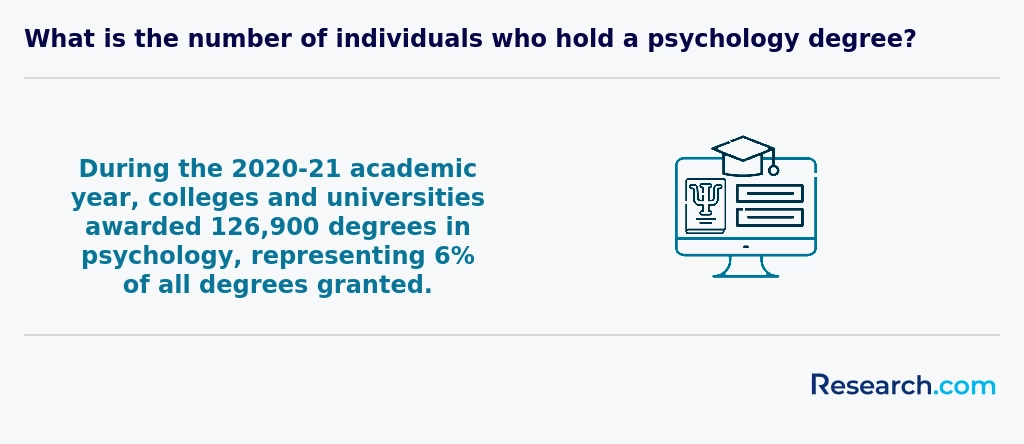
When pursuing a psychology degree in Puerto Rico, expect a comprehensive curriculum that builds a solid foundation and practical skills. Graduates from popular institutions like the University of Puerto Rico often recall starting with introductory courses that cover key psychological theories and the history of the field, which helped them understand everyday human behavior clearly and confidently.
The core coursework typically includes Developmental Psychology, where you explore how people change from infancy through adulthood-perfect for those interested in supporting families or schools. Cognitive Psychology dives into mental processes like memory and problem-solving, giving you tools to analyze how people think. Biopsychology connects brain function with behavior, useful if you're curious about medical or clinical applications.
- Social Psychology, to understand how individuals interact in groups, which is essential for community or counseling roles
- Abnormal Psychology, focusing on mental health disorders and treatments, grounding you in real-world challenges faced by Puerto Rican communities
- Research Methods and Statistics, teaching scientific inquiry skills to design experiments and analyze data effectively
- Psychological Assessment, where you learn practical techniques to evaluate mental wellness
Electives such as clinical psychology or community psychology are often offered, reflecting local mental health needs. Graduates frequently highlight how these courses felt practical and directly applicable, preparing them for roles in the island's unique cultural and social environment.
In Puerto Rico, psychology degree specializations span several practical fields tailored to local demands and student interests. Graduates from well-known institutions often choose clinical psychology, responding to the island's rising mental health needs by working in hospitals or community centers. Counseling psychology is another common focus, helping students prepare for roles in support services across diverse Puerto Rican communities.
Educational psychology attracts those aiming to improve learning outcomes in schools, with graduates describing rewarding experiences collaborating directly with teachers. Industrial-organizational psychology appeals to students interested in applying psychology to business, boosting employee well-being, or enhancing company performance in popular colleges around the island.
Emerging specializations like forensic psychology and neuropsychology require deeper graduate study but offer unique career paths, especially in legal or health systems. Students appreciate programs emphasizing bilingual skills, which are crucial in Puerto Rico's Spanish-English environment and enhance job opportunities.
For prospective students balancing work and study, exploring options for online education is smart. Consider checking out online college enrollment to find flexible programs fitting busy lifestyles while pursuing the best psychology career paths Puerto Rico offers.
Begin by identifying which degree level fits your career goals-Bachelor's for entry roles in social services or research, and Master's or Doctorate for clinical or academic careers. Graduates from top universities in Puerto Rico often highlight the advantage of programs offering APA-recognized coursework, which facilitates licensure and practical experience through affiliated hospitals or community centers. Accreditation matters significantly; choosing programs accredited by CESPR or regional bodies assures quality and smoother licensure processes.
Evaluate affordability among your options by comparing tuition fees typical in Puerto Rico. Public institutions generally offer more affordable psychology degrees in Puerto Rico, with yearly costs around $2,500 to $5,000, while private colleges may charge two to three times more. Graduates from public universities often stress how affordability combined with solid faculty expertise helped them succeed without overwhelming debt.
Check for flexibility in program delivery, such as online or hybrid options, and review support services that assist with internship placements and career planning. Many students find that exploring resources like the Puerto Rico Council for Higher Education helped them make informed choices. For those curious about advanced options, it's useful to learn what masters degree pays the most after finishing your bachelor's.
Graduates with a psychology degree in Puerto Rico have practical career options that match local needs and broader US opportunities. Many alumni from universities like the University of Puerto Rico pursue licensure as clinical psychologists, a role requiring a master's or doctorate plus passing the EPPP exam. These professionals work in clinics diagnosing and treating mental health issues, fulfilling a crucial community need.
Other common psychology careers in Puerto Rico include school psychologists supporting students' emotional and behavioral growth within the island's educational system, and industrial-organizational psychologists helping local businesses enhance productivity through employee well-being strategies. Research psychologists based at universities or government agencies design studies related to Puerto Rican social trends, often benefiting from federally funded projects. Graduates recall how these roles make a tangible impact, creating a deep sense of fulfillment.
For those interested in quicker advancement, some opt for 1 year online doctorate programs to fast-track licensing. Counselors and therapists also serve in community health settings where bilingual skills increase job prospects. These examples illustrate diverse job opportunities with psychology degree Puerto Rico graduates appreciate.
The job market for psychology degree holders in Puerto Rico is steadily growing but remains competitive, especially in mental health clinics, schools, hospitals, and government agencies. Graduates from institutions like the University of Puerto Rico often find roles focused on clinical and counseling psychology, where demand is supported by local mental health initiatives addressing social and environmental challenges. Psychology career opportunities in Puerto Rico are influenced by government programs and licensing requirements like the PREP exam, which aligns with mainland standards but suits the island's unique needs.
Graduates typically face average salaries between $40,000 and $60,000, reflecting the island's economic landscape. However, the relatively affordable in-state tuition at universities in Puerto Rico attracts many students who appreciate accessible education. Some alumni share that practical experience gained through internships in local mental health settings was crucial for landing jobs. For those seeking to broaden expertise, exploring universities with double majors can enhance job prospects and provide valuable skills.
The job outlook for psychology graduates Puerto Rico depends on building specialized knowledge and licensure, leading to fulfilling roles in a market that values mental health awareness and culturally relevant services.
2027 Most Valuable Psychology Degree Programs Ranking in Puerto Rico
Investing in your education is a significant decision that can shape your future, and the Research.com team understands the importance of making informed choices. To assist prospective students in Puerto Rico, we have meticulously crafted the "2027 Most Valuable Psychology Degree Programs Ranking in Puerto Rico." Our commitment to quality, credibility, and accuracy is reflected in the extensive research and analysis conducted to compile this ranking.
We utilized the following reputable data sources to ensure a comprehensive evaluation of psychology programs:
By exploring this ranking, readers will gain valuable insights into the most valuable psychology degree programs available in Puerto Rico, helping them make informed decisions about their educational paths. For more details on our methodology, please visit our Research.com methodology page.
# 1 position
Albizu University-San Juan
Master of Arts in Counseling Psychology

# 3 position
Ponce Health Sciences University-East
Doctor of Psychology

# 4 position
Albizu University-San Juan
Doctor of Philosophy in Psychology


# 9 position
Universidad Ana G. Mendez-Gurabo Campus
Master of Arts in Psychology
# 10 position
Albizu University-San Juan
Bachelor of Artschelor of Science in Psychology

# 12 position
Universidad Ana G. Mendez-Cupey Campus
Master of Science in Psychology
# 13 position
Pontifical Catholic University of Puerto Rico-Ponce
Bachelor of Arts in Psychology
# 14 position
Universidad Ana G. Mendez-Cupey Campus
Bachelor of Science in Psychology

# 16 position
Pontifical Catholic University of Puerto Rico-Ponce
Doctor of Philosophy in Clinical Psychology
# 17 position
Universidad Ana G. Mendez-Gurabo Campus
Bachelor of Science in Psychology
# 20 position
NUC University
Master of Science in Psychology
Frequently Asked Questions About psychology
Psychology degree students in Puerto Rico can maximize their learning experience by actively engaging in internships and research opportunities offered through local universities. Programs accredited by the American Psychological Association ensure students receive training that meets U.S. standards. According to the Puerto Rico Council on Higher Education, over 80% of psychology programs encourage hands-on experience in clinical or community settings.
Students should also seek mentorships with experienced faculty and professionals within the island's unique cultural context. Collaborating on projects addressing Puerto Rico's mental health challenges enhances practical skills and cultural competence.
Additionally, joining psychology-related student organizations and attending conferences can expand networking and knowledge of emerging trends in the field.
The field of psychology in Puerto Rico is evolving, with several emerging niches gaining prominence. One notable growth area is telepsychology, driven by increased internet access and the demand for remote mental health services, especially after the COVID-19 pandemic. According to the Puerto Rico Psychological Association, telepsychology services have risen by over 40% since 2020.
Another important niche is health psychology, focusing on the connection between mental well-being and physical health, which aligns with Puerto Rico's increasing public health initiatives. Additionally, forensic psychology is expanding as the legal system seeks greater psychological expertise in criminal and civil cases.
These emerging fields present promising career paths for students pursuing psychology degrees in Puerto Rico, reflecting broader trends in the US psychology profession.
After completing a psychology degree in Puerto Rico, preparing for the job market involves several strategic steps. Firstly, gaining practical experience through internships or volunteering in local mental health clinics or research centers is crucial. The US Bureau of Labor Statistics projects a 8% growth for psychologists nationwide through 2031, but competition requires hands-on experience.
Licensing is essential for clinical practice. Graduates must pass the Examination for Professional Practice in Psychology (EPPP) and complete supervised hours as required by Puerto Rico's Board of Psychology.
Networking with professionals via Puerto Rican psychology associations helps access job openings and mentorship. Strong communication and bilingual skills enhance employability in this diverse market.
Employers in Puerto Rico highly value psychology graduates who demonstrate strong communication skills. The ability to clearly explain complex psychological concepts to clients and colleagues is essential. Analytical thinking is another critical skill, enabling graduates to assess behavioral data and develop evidence-based interventions. According to the Bureau of Labor Statistics, interpersonal skills remain vital for mental health professionals throughout the US, including Puerto Rico.
Additionally, cultural competence is increasingly important in Puerto Rico's diverse environment. Graduates must understand local cultural and social dynamics to provide effective mental health support. Skills in research methods and statistical analysis also enhance employability, as many roles require interpreting data to improve treatment outcomes. These competencies align with requirements from Puerto Rican licensing boards and national psychology associations.
Finding internships in Puerto Rico relevant to a psychology degree typically involves collaborating with local universities and healthcare providers. Many psychology programs require or recommend practical experience, which can be gained through internships at hospitals, mental health clinics, or community organizations.
The University of Puerto Rico system, for example, often partners with agencies where students complete supervised internships. According to the American Psychological Association, hands-on experience is crucial for licensure and employment opportunities in psychology.
Students should also explore resources from the Puerto Rico Psychological Association, which lists approved internships and training sites. Networking with faculty and attending local psychology conferences can increase opportunities.
Additionally, using internship databases focused on U.S. territories can help identify openings specific to Puerto Rico's mental health sector.
Obtaining a psychology degree in Puerto Rico significantly enhances career mobility and advancement opportunities within the region. The local job market values degrees accredited by institutions recognized under the U.S. higher education system, helping graduates qualify for roles in clinical, educational, and organizational psychology.
According to the U.S. Bureau of Labor Statistics, psychology-related occupations in Puerto Rico are expected to grow steadily, with licensed professionals earning competitive salaries compared to other fields. Professionals holding advanced degrees like a Master's or Doctorate typically experience faster career progression and greater access to specialized roles.
Furthermore, licensure requirements in Puerto Rico emphasize formal education and supervised experience, which underscores the importance of accredited psychology degree programs. Graduates often find career advancement through continued education, certification, and gaining practical experience in various community and healthcare settings.
Studying for a psychology degree in Puerto Rico offers a unique preparation for interdisciplinary roles through its integration of diverse academic disciplines. Many universities incorporate courses that connect psychology with public health, education, and social work, reflecting the island's complex social dynamics. This interdisciplinary approach is aligned with US higher education standards and emphasizes practical skills like cultural competence and bilingual communication.
Furthermore, psychology programs in Puerto Rico often collaborate with community agencies, providing students with real-world experiences in mental health, criminal justice, and healthcare settings. According to the Puerto Rico Higher Education Council, this hands-on training enhances graduates' adaptability in various professional environments.
Such educational frameworks prepare students for careers not only in clinical psychology but also in fields requiring psychological expertise integrated with other disciplines.
When choosing between a thesis and a non-thesis psychology degree program in Puerto Rico, consider your career goals and learning style. Thesis programs require original research and are ideal if you plan to pursue a PhD or careers in research or academia. Non-thesis options focus more on coursework and practical skills, suitable for those seeking professional practice or immediate employment.
The University of Puerto Rico reports that thesis programs often take longer to complete, averaging 2 to 3 years, but provide a strong foundation in research methods. Non-thesis programs may finish in about 1.5 to 2 years, offering flexibility for working students.
Evaluate your interest in conducting research along with your time availability before deciding.
Students based in Puerto Rico who wish to study psychology abroad primarily look towards accredited institutions within the continental United States. Due to Puerto Rico's status as a U.S. territory, students benefit from access to American universities without additional visa requirements. Many universities offer diverse psychology programs, ranging from bachelor's to doctoral degrees, with strong research and clinical training components.
According to the American Psychological Association (APA), degrees from APA-accredited programs increase licensure opportunities nationwide, essential for Puerto Rican students planning to practice professionally. Financial aid, including federal student loans, is typically available to residents studying on the mainland, easing the transition.
Popular destinations include universities in states like Florida, New York, and California, which host high-ranking psychology programs. Students often select programs emphasizing cultural competence and bilingual education to align with Puerto Rico's unique linguistic and social needs.
Part-time job opportunities in Puerto Rico that complement psychology degree education often include roles in mental health clinics, social service agencies, and educational settings. Many students find work as behavioral health technicians or community outreach assistants, gaining practical experience while supporting underserved populations. According to the U.S. Bureau of Labor Statistics, psychology aides and technicians earn an average hourly wage conducive to student schedules.
Additionally, research assistant positions at universities like the University of Puerto Rico allow students to engage in psychological studies. Local nonprofits also hire part-time counselors or support staff, offering hands-on experience relevant to psychology careers.
Psychology students in Puerto Rico benefit from diverse networking opportunities that enhance their educational and professional growth. Universities such as the University of Puerto Rico system host psychology clubs and organizations where students connect with peers and faculty. These groups often collaborate with local mental health agencies, providing valuable exposure to practicing professionals.
Regional conferences, including those organized by the Puerto Rico Psychological Association, offer students venues to present research and engage with experts. According to the Association, attendance at such events has grown steadily, reflecting increased student participation.
Internships mandated by degree programs further allow students to build relationships within clinical and community settings relevant to Puerto Rico's unique cultural context.
Alumni networks play a crucial role for psychology degree students in Puerto Rico by providing valuable connections and career opportunities. These networks link current students with graduates working in diverse psychology fields, including clinical, educational, and organizational psychology.
Through alumni connections, students often gain access to internships and job openings within Puerto Rico's healthcare and academic institutions. According to the Puerto Rico Psychological Association, networking contributes to a 20% higher employment rate among recent graduates.
Moreover, alumni offer mentorship, guidance on licensure exams, and insights into local regulatory standards, which are essential for practicing psychology in Puerto Rico. Such support strengthens both academic and professional development for students.
Customizing a psychology degree program in Puerto Rico can significantly enhance your career prospects. Many universities offer electives and specializations in areas like clinical psychology, counseling, or educational psychology, allowing you to tailor your studies to your interests. For example, the University of Puerto Rico system provides opportunities to focus on research, therapy, or applied psychology disciplines.
Internships and practicum placements are crucial components to personalize your education. Programs often have partnerships with local clinics and social services, enabling hands-on experience in diverse settings.
Additionally, incorporating bilingual coursework can be advantageous since many psychology roles in Puerto Rico require proficiency in both English and Spanish. According to the Puerto Rico Department of Labor, bilingual professionals have a wider range of job opportunities in healthcare and education sectors.
Psychology students in Puerto Rico often face several notable challenges throughout their academic journey. One major issue is limited access to specialized faculty and research opportunities compared to mainland U.S. institutions, which can affect hands-on learning experiences. Additionally, financial constraints pose difficulties, as many students rely on federal aid and scholarships that may not fully cover rising tuition and living costs. Language barriers can also present challenges, since coursework and psychological practice require fluency in both English and Spanish. According to the Puerto Rico Board of Psychology, demand for internships and supervised clinical hours often exceeds available placements, complicating licensure requirements.
With a psychology degree earned in Puerto Rico, graduates can pursue a variety of professional certifications to expand their career opportunities. One common path is to obtain licensure as a Licensed Psychologist through the Puerto Rico Board of Psychologists, which requires a doctoral degree, supervised experience, and passing the Examination for Professional Practice in Psychology (EPPP).
Other certifications include becoming a Licensed Mental Health Counselor or Licensed Marriage and Family Therapist, both requiring a master's degree in psychology or related fields plus supervised clinical hours. These licenses are regulated by Puerto Rico's Department of Health. Additionally, some professionals choose certifications in specialized areas such as Behavior Analysis (BCBA) or School Psychology, which are nationally recognized and valued in Puerto Rico.
According to the U.S. Bureau of Labor Statistics, the demand for mental health professionals in Puerto Rico is expected to grow steadily, emphasizing the importance of these certifications in enhancing employability and professional credibility.
Applying for a psychology program in Puerto Rico requires careful preparation to stand out. Begin by maintaining a strong academic record, especially in courses like biology, statistics, and social sciences, which are foundational for psychology studies. Many universities in Puerto Rico, including the University of Puerto Rico, value a GPA of 3.0 or higher for competitive programs.
Additionally, a clear and personal statement of purpose is essential. Explain your interest in psychology within the Puerto Rican context, possibly mentioning mental health challenges or community psychological needs specific to the island. Including relevant volunteer or work experience strengthens your application.
Letters of recommendation should come from professors or professionals familiar with your academic and research potential. Finally, check for any required standardized tests or bilingual proficiency requirements, as Spanish and English fluency are often important in Puerto Rican programs.
The global perspective on a psychology career increasingly values professionals who understand diverse cultural contexts. Psychology in Puerto Rico benefits from this trend, especially as bilingual and bicultural competencies become an asset. The U.S. Bureau of Labor Statistics (2023) projects a 8% growth in psychologist employment nationwide, reflecting steady demand.
Graduates in Puerto Rico can pursue careers aligned with U.S. standards, including clinical, counseling, or school psychology. Licensure requirements follow U.S. guidelines, making local degrees compatible with many American states. This enhances mobility for professionals across the U.S. and territories.
Internationally, American-accredited psychology programs set benchmarks for ethical practice and research. Puerto Rico's universities contribute to this by offering programs recognized by bodies like the American Psychological Association (APA). Students learn to apply global theories to local community needs.
Gaining practical experience while studying psychology in Puerto Rico is essential for career readiness. Many universities, such as the University of Puerto Rico, offer internship opportunities in clinical, educational, and community settings. These internships provide hands-on experience working with clients, schools, or research teams.
Students may also engage in research assistant positions, contributing to ongoing psychological studies. Local mental health agencies and hospitals often collaborate with schools to place students in supervised practicum roles, which are crucial for licensure.
Networking through psychology clubs and professional associations like the Puerto Rico Psychological Association helps students find valuable experiential learning opportunities.
Choosing the right concentration within a psychology degree program in Puerto Rico depends on your career goals and interests. Common specializations include clinical, counseling, educational, and industrial-organizational psychology. Clinical psychology often leads to licensure as a psychologist, which requires fulfilling state board requirements in Puerto Rico and further graduate study.
Consider workforce demand; for example, mental health services need has grown significantly on the island, with Puerto Rico's Department of Health reporting increasing enrollment in psychological services. Industrial-organizational psychology may suit those interested in workplace behavior and human resources. Reviewing curriculum and internship opportunities at Puerto Rican universities also helps align your choice with career paths.
See What Experts Have To Say About Studying Psychology
Read our interview with Psychology experts

Elizabeth L. Jeglic Ph.D.
Psychology Expert
Professor of Psychology
City University of New York

Joann Farrell Quinn, Ph.D., MBA
Psychology Expert
Director at the College of Medicine Department of Medical Education
Morsani College of Medicine

Catherine Caldwell-Harris, Ph.D.
Psychology Expert
Associate Professor of Psychology
Boston University

- Professional Networking For Psychologists | Psychology.org https://www.psychology.org/resources/professional-networking/
- University of Puerto Rico-Mayaguez Psychology, General Major | 54% Acceptance Rate, ROI 61/100 https://www.gradgpt.com/university-of-puerto-rico-mayaguez/bachelors/psychology-general
- Careers in and Related to Psychology - Canadian Psychological Association https://cpa.ca/students/career/careersinpsychology/
- A Guide to Psychology Internships | Psychology Degree Guide https://psychologydegreeguide.org/resources/internships/
- Have You Found a Niche? https://www.apaservices.org/practice/business/marketing/building/niche
- Alumni Perspectives - Meet Our FPN Alumni https://www.aanmelder.nl/alumni-perspectives-june-2023
- Psychology - SWPS University https://english.swps.pl/academics/warsaw/ba-programs/psychology
- 2025 Rankings of the Best Psychology Degree Programs in Puerto Rico https://psychologyonlinedegrees.org/programs/puerto-rico/
- Know more about thesis vs non- thesis: what is the difference? https://studyfans.com/en/blogs/816
- Psychology (With / Non-Thesis) | Beykoz Üniversitesi https://www.beykoz.edu.tr/icerik/4741-psychology-withwithout-thesis


