2027 Most Valuable Psychology Degree Programs Ranking in Seattle

Co-Founder and Chief Data Scientist
Choosing the right psychology degree program in Seattle can be challenging. This article introduces the 2027 Most Valuable Psychology Degree Programs Ranking in Seattle, created by the Research.com team of data scientists. It is designed to help you make an informed decision about which programs offer the best value and opportunities.
By exploring this ranking, you'll gain insight into local programs that can enhance your skills and career prospects. Pursuing a psychology degree is a rewarding step toward understanding human behavior and making a positive impact.
Key benefits of getting psychology degree in Seattle
- Psychology degree graduates in Seattle can expect competitive salaries, such as Human Resources Specialists earning around $76,060 annually and Marketing Research Analysts making about $83,190 per year, reflecting strong financial prospects.
- Graduates from Seattle universities often pursue diverse career paths, including roles in clinical research, marketing analysis, and childcare, showcasing the degree's flexibility and wide application.
- Online psychology degrees from Seattle-based universities offer convenience and accessibility, allowing students to balance work and life while gaining the same valuable skills as traditional programs.
- 2027 Most Valuable Psychology Degree Programs Ranking in Seattle
- What can I expect from psychology degree in Seattle?
- Where can I work with psychology degree in Seattle?
What can I expect from psychology degree in Seattle?
The cost of pursuing a psychology degree in Seattle varies depending on the type of institution you choose. Graduates from the University of Washington, a public university, often share how the in-state tuition made their education financially manageable, allowing them to focus more on gaining valuable research and clinical experience. On the other hand, students at private schools like Seattle University or Seattle Pacific University tend to encounter higher tuition fees but benefit from scholarships and financial aid that ease the financial burden.
Many students find that weighing tuition against opportunities for hands-on internships or cutting-edge research is key. Imagine yourself collaborating with community agencies or participating in cognitive neuroscience labs, experiences often offered by these Seattle universities. These investments not only enrich your education but help build a strong professional network, which outweighs initial expenses in the long run.
Ultimately, understanding both the cost and the practical training available can empower you to make a choice that aligns with your passion and financial situation in Seattle's vibrant psychology community.
Where can I work with psychology degree in Seattle?
With a psychology degree in Seattle, you'll find a wealth of paths ready to match your passions. Many graduates from the University of Washington or Seattle University step into healthcare roles, working in hospitals or mental health clinics like Seattle Children's Hospital, where they make real impacts on people's lives daily. Imagine supporting someone through a breakthrough in therapy-you'll feel how powerful your education truly is.
Others dive into social services, joining nonprofits that offer vital aid to families and vulnerable groups right here in Seattle. It's rewarding work, knowing you're part of a supportive community network.
Many also find fulfilling careers in schools and universities around the city, combining teaching with research. These roles allow graduates from Seattle Pacific University or UW to shape the future of psychology itself.
And don't overlook the vibrant corporate sector, where tech giants like Microsoft and Amazon rely on psychology experts to build healthier, more productive workplaces. This diversity means your degree can open doors anywhere from therapy rooms to boardrooms, all while contributing meaningfully.
Graduates with a psychology degree in Seattle often find rewarding career opportunities with competitive salaries. For instance, those stepping into roles as Human Resources Specialists earn a mean annual wage around $76,060, benefiting from Seattle's dynamic business environment. Marketing Research Analysts, another common path for psychology graduates, typically make about $83,190 yearly, reflecting the city's strong research and corporate sectors.
Many psychology grads also start out as Clinical Research Associates or Survey Researchers, earning close to $62,370 per year. These roles often serve as valuable stepping stones into specialized fields, allowing graduates from colleges like the University of Washington or Seattle University to apply their skills in real-world research projects.
These figures emphasize that Seattle's thriving industries and academic institutions create a fertile ground for growth. Graduates often speak enthusiastically about combining their passion for psychology with stable incomes, making the city a great place to launch and nurture their careers.
- In-state tuition for bachelor's degrees in psychology at public colleges in Seattle ranges from $12,000 to $15,000 per year.
- Private universities in Seattle typically charge over $40,000 annually for psychology degrees.
- Graduate programs in psychology have tuition costs between $15,000 and $30,000 or more per year.
- Starting salaries for entry-level psychology jobs like behavioral health technicians or case managers are usually between $40,000 and $50,000 annually.
- Experienced clinical, counseling, and school psychologists earn around $90,000 to $110,000 per year in Seattle.
- The psychology job market in Seattle is growing at about 8% over the next decade, outpacing the national average.
Completing a psychology degree in Seattle is a rewarding journey that varies based on the level you choose. Most students aiming for a bachelor's degree at renowned schools like the University of Washington or Seattle Pacific University typically invest about four years of full-time study. This timeframe feels manageable when balancing foundational courses with exciting specialized psychology classes.
For those starting with an associate degree at local community colleges such as Seattle Central College, the path takes about two years and often serves as a stepping stone to a four-year program. Graduates often share how this flexibility helped them build confidence and save costs while staying close to home.
Graduate degrees extend your timeline but deepen your expertise and opportunities. Master's programs in institutions like Antioch University Seattle usually require two to three years, allowing students to pace their studies alongside work or family commitments.
Doctoral candidates at Seattle University or the University of Washington enter an intense five-to-seven-year commitment filled with research, internships, and discovery. Many graduates describe this phase as transformative and empowering, shaping their identities as professionals ready to make a difference.
To find the most valuable psychology programs in Washington, it's essential to research and compare different institutions. This process can be overwhelming, but utilizing resources like our ranking can help simplify the decision. For instance, exploring the valuable psychology programs in Washington can provide insights into the best schools, their curricula, and career opportunities after graduation. By understanding the various options available, prospective students can make informed decisions that align with their academic and professional goals, ultimately leading! to a fulfilling career in psychology.
Choosing between an online or on-campus psychology degree in Seattle is about aligning your lifestyle with your learning goals. Graduates from the University of Washington often speak about the energizing face-to-face interactions in bustling lecture halls and the rich hands-on experiences-like participating in local mental health research-that bring textbook theories to life.
Meanwhile, psychology students who enrolled in online programs appreciate the freedom to balance studies with work or family, enjoying coursework on their own schedule. They find this flexibility invaluable, especially when juggling responsibilities outside of school.
Cost is also a practical consideration. While on-campus programs might have higher tuition and fees, online options can save money, though you should be mindful of extra expenses like technology requirements. Importantly, many Seattle programs require practicum hours, so on-campus students often find it easier to access internships with nearby clinics and research centers.
Whatever path you choose, always confirm that the program meets Washington state licensing standards if you aim for clinical work. Both routes offer distinct advantages to build a fulfilling psychology career in Seattle's vibrant community.
For many students, the traditional campus experience may not always align with their personal or professional commitments, prompting a growing interest in online psychology programs. These programs offer flexibility without compromising academic quality, allowing students to balance studies with work or family responsibilities. As the landscape of education evolves, online alternatives have become a viable option for aspiring psychologists, delivering robust curricula through interactive digital platforms. Not only do these programs cover foundational areas like research methods, clinical applications, and ethical practices, but they also foster a sense of community through virtual networking events and remote internship opportunities. For those considering alternative pathways, exploring options such as lssp programs in texas online may provide additional insights into balancing on-campus engagement with the convenience of online learning. By integrating technology-enhanced instruction and personalized support, online programs can cater to diverse learning styles while preparing graduates for the dynamic demands of the psychology job market.
Understanding the average cost of a psychology degree in Seattle is crucial for planning your educational journey. The median total cost for completing a psychology degree here is around $62,514, which reflects tuition, fees, and other expenses combined. For in-state students, this figure typically drops to about $40,407, making public universities like the University of Washington an appealing choice. Graduates from UW often share how they balanced their finances with part-time work and scholarships, appreciating the value of affordable, quality education in their hometown.
Private colleges and universities in Seattle usually have higher tuition, often ranging between $40,000 and $55,000 annually, which contributes to a larger overall investment. However, many students find that the supportive campus communities and hands-on learning experiences at these institutions provide immense personal and professional growth that justifies the cost. Considering the total expenses for psychology degree Seattle students face, including living costs, is also essential since Seattle's vibrant culture and higher cost of living impact the overall budget.
Financial aid, scholarships, and assistantships are invaluable resources that many psychology students use to offset expenses. Exploring these opportunities can make the investment much more manageable and rewarding. If you want to explore some of the most reputable and valuable options, consider checking out the valuable psychology programs in Washington for guidance tailored to your goals.
To practice as a licensed psychologist in Seattle, graduates must meet state education, examination, and experience criteria:
- Complete a doctoral program in psychology accredited by the American Psychological Association (APA) or a regionally accredited institution.
- Accumulate at least 3,000 hours of supervised postdoctoral experience under a licensed psychologist.
- Pass the national Examination for Professional Practice in Psychology (EPPP) with a qualifying score.
- Pass Washington State’s Jurisprudence Exam on laws and ethics governing psychology practice.
- Submit an application, required fees, and official transcripts to the Washington State Department of Health, Psychology Board.
- Consider an accelerated psychology degree to fast-track your education while ensuring accreditation standards are met.
When pursuing a psychology degree in Seattle, financial aid can transform your educational journey from daunting to doable. Many students at the University of Washington or Seattle University have found federal aid through FAFSA to be a lifeline, unlocking access to Pell Grants that can provide up to $7,395 annually. This grant can feel like a breath of fresh air when tuition costs stretch from $11,745 to over $40,000 yearly.
State aid like the Washington College Grant is another powerful resource, often covering up to full tuition for eligible students from low- to middle-income families. Imagine the relief of seeing your tuition vanish with this support, allowing you to focus fully on learning and growth.
Scholarships tailored to psychology majors at Seattle schools also spark hope-many graduates recall the boost from departmental awards that rewarded their hard work and community commitment. For graduate students, assistantships or fellowships often mean tuition remission plus stipends, turning their passion for psychology into a paid opportunity.
Don't overlook private scholarships from organizations like the APA, which can provide an extra helping hand along your path. Combining these aids thoughtfully can lighten your loan burden and empower you to thrive.
Choosing an accredited program is the first step toward a successful psychology career in Seattle. Washington students should prioritize regional accreditation (e.g., NWCCU) and APA accreditation for clinical tracks. APA-accredited programs ensure your degree meets national standards and qualifies you for licensure exams. After graduation, aspiring psychologists must complete these key steps: • Degree and Accreditation: – Bachelor’s: Ensure your undergraduate institution is regionally accredited. – Master’s/Doctorate: For clinical licensure, enroll in an APA-accredited doctoral program or a regionally accredited master’s that provides supervised practicum hours. • Supervised Experience: – Psychological Associate: 3,000 supervised hours post-master’s under a licensed psychologist. – Clinical Psychologist: Minimum of 1,500 pre-doctoral practicum hours plus 1,500 post-doctoral hours under supervision. • Examinations: – EPPP (Examination for Professional Practice in Psychology): Nationally required. – Washington Jurisprudence Exam: Covers state laws, ethics, and regulations. • Application and Renewal: – Submit verification of supervised hours and exam scores to the Washington State Board of Psychology. – Renew your license biennially with 30 continuing education credits, including ethics and cultural competence. For those seeking advanced training through flexible online formats, explore our Affordable Online Doctorate in Psychology Degree Programs Ranking in the South to compare cost-effective, accredited doctoral options that align with Washington’s licensure requirements.
If you're aiming to enroll in a psychology degree program in Seattle, you'll want to focus on a few key prerequisites that set you up for success. For undergraduate programs, having a high school diploma or GED is essential, but universities like the University of Washington and Seattle University also look for a solid GPA-usually around 2.5 to 3.0 or higher. Graduates often recall how maintaining good grades helped them confidently tackle challenging courses later on.
Standardized test scores such as the SAT or ACT may still play a role, though many Seattle schools have become more flexible since 2020. Still, strong scores can boost your application, especially if you're vying for competitive programs. Beyond academics, you'll want to showcase your passion through personal statements, recommendation letters, and even volunteer work related to psychology or social sciences-elements that admissions committees deeply appreciate.
For those pursuing graduate studies, a relevant bachelor's degree is necessary, along with prerequisite courses if your background isn't in psychology. GRE scores, letters of recommendation, and a clear statement of purpose often round out a successful application. Many students find that preparing these thoughtfully opens doors to exciting research and internship opportunities here in Seattle's vibrant academic community.
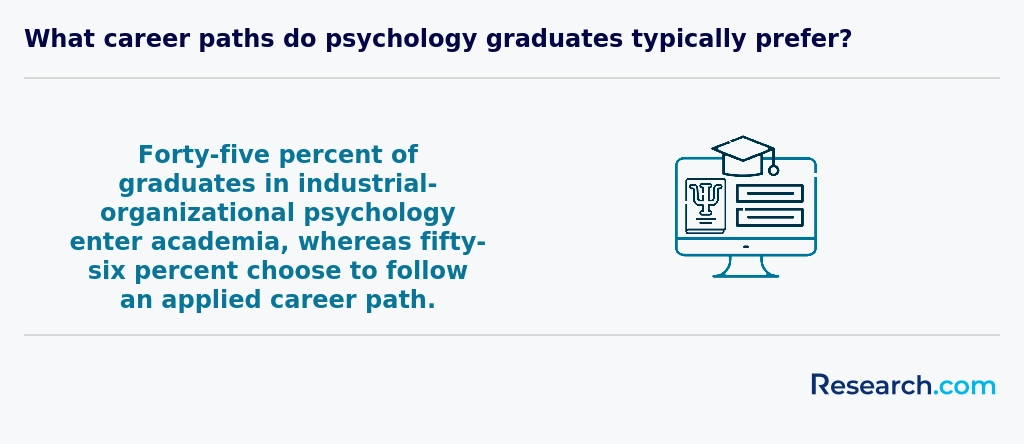
In Washington, psychology graduates must navigate specific licensure pathways to practice legally and ethically. For licensed psychologists, requirements include earning a doctoral degree in psychology, completing at least 3,000 hours of supervised post-doctoral experience, and passing the Examination for Professional Practice in Psychology (EPPP) as well as the Washington State Jurisprudence and Professional Ethics Exam. Prospective Licensed Professional Counselors (LPCs) need a master’s degree, 3,000 hours of supervised clinical practice, and successful completion of the National Counselor Examination (NCE) along with the state’s LPC exam. Certified behavior analysts must hold at least a master’s degree, complete 2,000 hours of supervised applied behavior analysis experience, and pass the Board Certified Behavior Analyst (BCBA) examination administered by the Behavior Analyst Certification Board. All licensees in Washington must renew every two years and complete a minimum of 30 hours of continuing education-including ethics, diversity, and evidence-based practice-and at least three hours in suicide prevention training to maintain active status. To align academic preparation with these licensure criteria, many students pursue programs offering integrated practicum experiences, clear supervision pathways, and coursework that fulfills exam content outlines. For those exploring faster routes, consider our bs in psychology online, which features tailored curriculum modules on ethics, assessment, and intervention strategies designed to meet Washington State’s licensure prerequisites.
When pursuing a psychology degree in Seattle, students dive into a rich mix of foundational and applied courses that truly bring the subject to life. Graduates from well-known Seattle institutions often recall their early classes in Introduction to Psychology and Cognitive Psychology, which laid the groundwork by helping them understand how the mind processes thoughts and emotions in everyday situations.
Building on that, courses like Research Methods in Psychology and Psychological Statistics equip students with essential skills to design studies and interpret real-world data-skills vital for success whether working in academia or industry here in Seattle's robust research community.
Many find their passion ignited through applied courses such as Clinical Psychology or Industrial-Organizational Psychology, especially given Seattle's thriving healthcare and tech sectors. It's common to hear graduates share how internships within local hospitals or companies gave them hands-on experience that turned theory into impactful practice.
Ethics and cultural diversity courses ensure that Seattle students graduate ready to navigate the city's varied communities with sensitivity and professionalism, reflecting the inclusive spirit that defines the region.
If you're exploring psychology degree specializations in Seattle, you'll find a rich variety designed to fit your passions and career goals. Popular paths include Clinical Psychology, where graduates find fulfillment helping individuals manage mental health challenges, and Cognitive Psychology, which dives deep into how we think, remember, and decide. Seattle's University of Washington offers standout graduate program options in Clinical Psychology and Cognition and Brain Sciences, giving students hands-on experience through local hospital internships and research projects.
Many students gravitate toward Developmental Psychology, understanding human growth, or Industrial-Organizational Psychology, which applies behavioral insights to workplace dynamics. Seattle's booming tech scene creates unique opportunities for those focused on Neuropsychology, blending brain science and psychology. You might also consider social or community-focused paths that reflect Seattle's dedication to mental health and education. For practical advice, consider how local institutions provide real-world placements that turn classroom theory into impactful practice-something graduates often highlight as a defining part of their success.
For those who need flexibility, programs like the lssp programs in texas online offer alternatives while you plan your next step in one of Seattle's inspiring specializations.
Choosing among the best psychology degree programs in Seattle means looking beyond just the degree title-you want a program that truly fits your passion and career goals. Graduates from Seattle's well-regarded universities often highlight the value of programs accredited by respected agencies, which pave the way for licensure and strong employment prospects. Imagine yourself gaining hands-on experience through internships connected to local hospitals or tech companies, making your education come alive in a city bustling with opportunity. Consider programs that offer specializations aligned with your interests, whether that's clinical psychology or industrial-organizational psychology, reflecting the unique economic landscape of Seattle.
Cost matters too. Affordable psychology colleges Seattle can help keep your financial burden manageable without sacrificing quality. Many students find that researching faculty expertise and program graduation rates gives them a clearer picture of what to expect. Some ambitious learners even explore options like a bs in psychology online to blend flexibility with rigorous training.

If you're exploring psychology career opportunities in Seattle, there's an encouraging range of paths you can pursue. Graduates from universities here often find fulfilling roles as licensed clinical psychologists in hospitals or private practices, where they support individuals facing mental health challenges. After completing a doctoral program in Seattle, supervised experience and state exams set the stage for a rewarding career. Many graduates also become counselors-working in schools or nonprofits-helping students and community members navigate substance abuse or behavioral health issues, deeply impacting local lives.
Jobs with psychology degree Seattle extend beyond counseling. Industrial-organizational psychology is thriving, especially with major employers like Microsoft and Amazon nearby; graduates often work to enhance employee well-being and productivity in corporate settings. For those passionate about research or teaching, Seattle's universities, such as the University of Washington, offer engaging positions that blend scientific discovery with education. Students here frequently discuss how practical experience gained through local institutions shapes their career ambitions in inspiring ways. To explore affordable graduate options, many look into the Affordable Online Doctorate in Psychology Degree Programs Ranking in the South.
The psychology degree job opportunities Seattle graduates encounter reflect a dynamic and expanding landscape. Many alumni from well-known institutions like the University of Washington and Seattle Pacific University share how their education opened doors in healthcare settings, schools, and corporate sectors. The city's growing focus on mental health means new roles frequently arise in counseling centers and community agencies, encouraging graduates to apply their skills in meaningful ways that impact real lives.
Seattle psychology degree employment outlook is bright, especially for those pursuing advanced certifications or licensure. Graduates often remark on the rewarding nature of clinical and organizational psychology positions here. Washington's emphasis on wellness and innovation has also nurtured niches in neuropsychology and industrial-organizational psychology, broadening possibilities beyond traditional paths.
For those still exploring career options, consider how some graduates combine their degrees with top paying 6 month online certifications to enhance employability. This strategic mindset can accelerate entry into high-demand roles, making the journey toward a fulfilling psychology career in Seattle both practical and inspiring.
2027 Most Valuable Psychology Degree Programs Ranking in Seattle
Investing in your education is a significant decision that can shape your future, and the Research.com team understands the importance of making informed choices. To assist prospective students in Seattle, we have meticulously crafted the "2027 Most Valuable Psychology Degree Programs Ranking in Seattle." Our commitment to quality, credibility, and accuracy is reflected in the extensive research and analysis conducted to compile this ranking.
We utilized the following reputable data sources to ensure a comprehensive evaluation of psychology programs:
By exploring this ranking, readers will gain valuable insights into the most valuable psychology degree programs available in Seattle, helping them make informed decisions about their educational paths. For more details on our methodology, please visit our Research.com methodology page.


# 4 position
The Seattle School of Theology & Psychology
Master of Arts in Counseling Psychology

# 10 position
Antioch University-Seattle
Master of Arts in Psychology
Frequently Asked Questions About psychology
Psychology degree students in Seattle can enhance their learning by engaging with the city's rich academic and professional community. Seattle hosts several respected institutions offering psychology programs, such as the University of Washington, known for its strong research focus and access to clinical training opportunities. Students benefit from participating in internships at local hospitals and nonprofits, where over 20% of psychology graduates gain practical experience annually, according to the Washington Higher Education Data System.
Joining student organizations and attending psychology conferences in the Seattle area also help foster networking and skill development. Utilizing Seattle's abundant library resources and online academic journals strengthens research capabilities. Additionally, involvement in community mental health initiatives provides valuable real-world insights.
The psychology field is evolving rapidly, with several emerging niches gaining attention nationwide and in Seattle. One growing area is neuropsychology, which explores brain-behavior relationships and complements Seattle's strong neuroscience research community. Another rising specialty is health psychology, focusing on how psychological factors affect physical health, relevant given Seattle's emphasis on holistic healthcare.
Industrial-organizational psychology is also expanding, supporting Seattle's robust tech and corporate sectors by improving workplace well-being and productivity. Additionally, trauma and crisis psychology are advancing due to increasing awareness of mental health in urban populations. According to the Bureau of Labor Statistics, Seattle's demand for specialized psychologists is expected to grow by over 10% by 2030, reflecting these trends.
After completing a psychology degree in Seattle, preparing for the job market involves several key steps. First, gaining practical experience through internships or volunteer work at local clinics, schools, or research centers can significantly improve employability. Seattle is home to numerous healthcare facilities and nonprofits that frequently seek psychology graduates.
Networking is important; attending events hosted by organizations like the Washington Psychological Association helps connect with professionals. According to the U.S. Bureau of Labor Statistics, Seattle's demand for psychologists is expected to grow by 19% through 2030, indicating strong job prospects. Additionally, obtaining relevant certifications or a licensed psychologist credential, as required by Washington State, enhances job opportunities.
Employers in Seattle highly value psychology graduates who demonstrate strong critical thinking and analytical skills. These abilities help professionals interpret complex behavioral data and apply scientific methods effectively. According to the Bureau of Labor Statistics, psychologists in Washington State increasingly rely on evidence-based practice, making research proficiency essential.
Communication skills are also key. Employers seek graduates who can clearly present findings to both clinical and non-clinical audiences, as well as collaborate within multidisciplinary teams. The Seattle metropolitan area's diverse population demands cultural competence and adaptability.
Additionally, practical experience through internships or practicum placements enhances employability. The Washington State Psychology Association highlights that hands-on training is often a deciding factor for hiring managers in healthcare, education, and corporate sectors.
Finding internships in Seattle relevant to a psychology degree involves leveraging local resources and academic connections. Seattle hosts a variety of mental health clinics, hospitals, and nonprofit organizations that offer hands-on experience for psychology students. The University of Washington's Career Center reports that over 60% of psychology undergraduates secure internships through campus partnerships or local agencies.
Students should explore opportunities at institutions like the Seattle Children's Hospital and University of Washington Medical Center, which often recruit interns interested in clinical and research psychology. Additionally, online platforms such as Handshake and the Washington Psychology Association's internship listings provide updated openings.
Networking through professional events and joining regional psychology organizations can further enhance internship accessibility. Early application and consistent follow-up are essential to securing competitive positions within Seattle's robust psychology internship landscape.
Obtaining a psychology degree in Seattle significantly enhances career mobility and advancement opportunities. The region's growing healthcare and technology sectors value psychological expertise, particularly in clinical, counseling, and organizational roles. According to the Bureau of Labor Statistics (BLS), employment of psychologists in Washington State is projected to grow 8% from 2021 to 2031, faster than the national average. This demand supports career growth for graduates in diverse settings such as hospitals, schools, and corporations. Additionally, Seattle's numerous research institutions and mental health organizations offer networking and internship opportunities crucial for advancing in the field.
Many local employers prioritize candidates with at least a master's degree in psychology, with doctoral degrees being preferred for higher-level positions and licensure. Licensure requirements in Washington mandate completion of an accredited program and supervised experience, both of which contribute to professional credibility and mobility. Furthermore, specialized skills in areas like neuropsychology or industrial-organizational psychology are in demand, reflecting Seattle's innovation-driven economy. These factors collectively make psychology degrees a strategic asset for career progression in the Seattle job market.
Studying for a psychology degree in Seattle equips students for interdisciplinary roles through diverse coursework and experiential learning opportunities. Many Seattle institutions emphasize collaboration between psychology and fields such as healthcare, social work, education, and technology. This approach reflects the city's growing demand for professionals who can address complex, multifaceted issues.
For example, the University of Washington offers programs integrating psychology with data science and public health, supporting a broader skill set.
According to the Bureau of Labor Statistics, Seattle's healthcare and social assistance sectors employ over 200,000 people, highlighting the region's need for interdisciplinary expertise.
Students often engage in community-based internships and research projects that foster teamwork with professionals from various fields.
Choosing between a thesis and a non-thesis psychology degree program in Seattle depends on your career goals and learning preferences. Thesis programs focus on research and require extensive original work, ideal for students aiming for doctoral studies or research careers. Non-thesis programs emphasize coursework and practical applications, suited for those targeting professional roles like counseling or clinical work.
Seattle universities offering psychology highlight strong research facilities, particularly for thesis tracks. For example, the University of Washington reported that over 60% of their psychology master's students opt for thesis options to strengthen their research skills. However, non-thesis programs often have shorter completion times, appealing to working professionals. Understanding these distinctions helps students align their education with future ambitions.
Students based in Seattle who wish to study psychology abroad have several options through their home institutions. Many Seattle universities, including the University of Washington, offer established study abroad programs targeting psychology or related social science fields. These programs often partner with universities in countries such as the United Kingdom, Australia, and the Netherlands, which have strong psychology departments.
The National Association of Colleges and Employers reported in 2023 that approximately 30% of psychology undergraduates participate in some form of international study, emphasizing growing emphasis on global experience.
Seattle students can also pursue accredited online programs with international components or research exchanges, allowing coursework overseas while maintaining U.S. credit transfers under specific agreements vetted by Seattle-based academic advisors.
Seattle offers several part-time job opportunities that align well with psychology degree education. Many students find work as research assistants at universities like the University of Washington, where psychology research funding reached over $40 million in recent years. These roles provide hands-on experience with experimental design and data collection.
Additionally, mental health clinics and nonprofit organizations in Seattle often seek part-time support staff and peer counselors, enabling students to develop practical skills in client interaction and case management. According to the Washington State Employment Security Department, psychology-related health services jobs in Seattle have grown by 6% annually since 2019.
Other options include working as behavioral technician assistants or in school-based counseling support roles, which offer real-world exposure to developmental psychology. These roles complement academic learning and enhance future employability within psychology fields.
Seattle offers psychology students numerous networking opportunities through its vibrant academic and professional community. Universities such as the University of Washington host psychology clubs and research symposiums that connect students with faculty experts and peers. These settings foster collaboration and mentorship.
Additionally, the Seattle chapter of the American Psychological Association (APA) organizes regular events, workshops, and conferences for students and professionals alike. According to the APA, participation in these events can boost career prospects by expanding contacts in clinical, counseling, and research psychology.
Local hospitals and research centers, including the VA Puget Sound Health Care System, often provide internship programs where students gain hands-on experience and build professional networks. These practical opportunities are crucial in Seattle's competitive psychology job market.
Alumni networks provide significant advantages for psychology degree students in Seattle by creating valuable professional connections. These networks often include graduates working in local clinics, hospitals, and research institutions, facilitating mentorship and career guidance. According to the National Association of Colleges and Employers, 85% of jobs are filled through networking, highlighting the importance of these relationships.
Seattle's growing healthcare and tech sectors demand skilled psychologists, making alumni contacts essential for internships and job placement. Many universities in the area host events where students engage directly with alumni, helping to build lasting partnerships.
Access to alumni networks also supports students' academic growth through research collaborations and workshops, improving their practical knowledge and competitive edge in the job market.
Customizing a psychology degree program in Seattle begins with selecting courses that align with your career goals. Many local universities offer specializations such as clinical psychology, counseling, or industrial-organizational psychology. This flexibility allows you to focus on areas most relevant to your desired profession.
Additionally, Seattle's universities often provide opportunities for internships or research projects with local health agencies or tech companies, helping students gain practical experience. According to the Seattle Office of Economic Development, psychology-related jobs in the area are expected to grow 12% by 2030, emphasizing the importance of tailored training.
Advisors at Seattle institutions typically assist students in creating personalized academic plans. You can also enhance your degree by pursuing certifications or electives in emerging areas like neuropsychology or behavioral data analysis, increasing your marketability in a competitive job market.
Psychology students in Seattle face several challenges common to the U.S. higher education system, alongside some unique to the region. One major hurdle is the high cost of living, which impacts budgeting for tuition, housing, and daily expenses. Seattle's median rent is over 30% higher than the national average, making financial stress a key concern for students. Additionally, balancing demanding coursework with practicum requirements is difficult, as many psychology programs require hands-on clinical experience in the city's competitive mental health field.
Students also report challenges in securing internships due to limited local placements relative to demand. According to the Washington State Workforce Training and Education Coordinating Board, the demand for licensed psychologists is growing, but entry-level opportunities remain competitive. Finally, the need to stay updated on emerging topics like neuropsychology and multicultural counseling adds academic pressure. These factors combine to create a rigorous but rewarding path for psychology students in Seattle.
With a psychology degree in Seattle, you have several options for professional certifications that can enhance your career prospects. Common pathways include becoming a Licensed Mental Health Counselor (LMHC) or a Licensed Marriage and Family Therapist (LMFT), both regulated by Washington State's Department of Health. These certifications typically require a master's degree, supervised experience, and passing state exams.
Additionally, certification as a Certified Alcohol and Drug Counselor (CADC) is popular in Seattle, given the local focus on behavioral health. For those interested in school settings, becoming a Certified School Psychologist through the Washington Office of Superintendent of Public Instruction is another option.
Writing a winning application for a psychology program in Seattle requires careful preparation and a clear understanding of local academic expectations. Applicants should highlight relevant experiences, such as volunteering or internships in mental health settings common in Seattle's community organizations.
Seattle is home to several respected universities with psychology departments, including the University of Washington, which is ranked among the top 20 nationally for psychology (U.S. News & World Report, 2024). Emphasizing strong academic performance, particularly in science and social science courses, strengthens the application.
Personal statements should connect applicants' goals with Seattle's vibrant research and clinical opportunities. Demonstrating knowledge of regional mental health challenges and resources can set one apart.
Letters of recommendation from local professionals or faculty familiar with the Seattle psychology landscape add credibility. Finally, standardized test scores, if required, should meet or exceed program averages to remain competitive.
The field of psychology is increasingly viewed as vital worldwide, with growing demand for professionals who understand diverse mental health issues. In the United States, including Seattle, psychology careers often emphasize evidence-based practices and research, reflecting global scientific standards.
Globally, psychology professionals collaborate across borders to address mental health challenges, but educational pathways vary significantly. In the US, a psychology degree typically requires extensive graduate study, often culminating in a doctorate for clinical roles. According to the U.S. Bureau of Labor Statistics, employment for psychologists is expected to grow 8% from 2021 to 2031, slightly faster than average.
Seattle, known for its strong universities and healthcare systems, offers students access to research and internship opportunities that align with international best practices. This local environment helps prepare graduates for careers that can adapt to global mental health trends and cultural competencies.
Gaining practical experience while studying for a psychology degree in Seattle is essential for career readiness. Many local universities, including the University of Washington, offer psychology students access to internships, research assistant positions, and volunteer opportunities at nearby hospitals and mental health clinics. These experiences allow students to apply classroom knowledge in real-world settings.
Seattle's robust healthcare and social services sectors also provide ample options for hands-on learning. According to the Washington State Employment Security Department, jobs in psychology-related fields are expected to grow by 12% through 2028, emphasizing the value of practical experience.
Students can also participate in faculty-led research projects, gaining insight into experimental design and data analysis.
Choosing the right concentration within a psychology degree program in Seattle involves evaluating your career goals and interests. Seattle offers diverse specializations, such as clinical, counseling, industrial-organizational, and developmental psychology. According to the Washington State Employment Security Department, industrial-organizational psychologists have a higher median salary than other subfields locally, reflecting regional job demand.
Consider program offerings at local universities like the University of Washington, which provide various tracks with practical experience opportunities. Review faculty expertise and available internships, as hands-on training is crucial.
Also assess accreditation and licensing requirements in Washington to ensure your concentration aligns with professional standards for your desired career path.
- 2027 Most Valuable Psychology Degree Programs Ranking in Portland
- 2027 Most Valuable Psychology Degree Programs Ranking in Eugene
- 2027 Most Valuable Psychology Degree Programs Ranking in San Francisco
- 2027 Most Valuable Psychology Degree Programs Ranking in Santa Barbara
- 2027 Most Valuable Psychology Degree Programs Ranking in Los Angeles
- 2027 Most Valuable Psychology Degree Programs Ranking in Irvine
- 2027 Most Valuable Psychology Degree Programs Ranking in Boulder
- 2027 Most Valuable Psychology Degree Programs Ranking in Riverside
- 2027 Most Valuable Psychology Degree Programs Ranking in Denver
- 2027 Most Valuable Psychology Degree Programs Ranking in La Jolla
See What Experts Have To Say About Studying Psychology
Read our interview with Psychology experts

Elizabeth L. Jeglic Ph.D.
Psychology Expert
Professor of Psychology
City University of New York

Catherine Caldwell-Harris, Ph.D.
Psychology Expert
Associate Professor of Psychology
Boston University

Robin M. Kowalski. Ph.D.
Psychology Expert
Professor of Psychology
Clemson University

- Psychology https://northseattle.edu/programs/psychology
- Psychology Online Degree Pathway https://www.learndirect.com/course/psychology-online-degree
- Psychology (With / Non-Thesis) | Beykoz Üniversitesi https://www.beykoz.edu.tr/icerik/4741-psychology-withwithout-thesis
- Ontario Psychological Association - Networking and Community Resources https://www.psych.on.ca/become-a-member-(1)/member-services/networking-and-community-resources
- Alumni Perspectives - Meet Our FPN Alumni https://www.aanmelder.nl/alumni-perspectives-june-2023
- A Guide to Psychology Internships | Psychology Degree Guide https://psychologydegreeguide.org/resources/internships/
- Psychology https://southseattle.edu/programs/psychology
- Psychology Online Degree Programs in Washington https://www.onlinepsychologydegrees.com/states/washington/
- 10 High-Paying Jobs with a BS in Psychology | University of Bridgeport https://www.bridgeport.edu/news/high-paying-jobs-with-a-bachelors-in-psychology-degree/
- Know more about thesis vs non- thesis: what is the difference? https://studyfans.com/en/blogs/816