2027 Most Affordable Psychology Degree Programs Ranking in Providence

Co-Founder and Chief Data Scientist
Choosing the right psychology degree program in Providence can feel overwhelming. To help you navigate this important decision, the Research.com team of data scientists has created the 2027 Most Affordable Psychology Degree Programs Ranking in Providence.
This article will guide you to the best value programs, making it easier to find options that fit your budget and goals. Earning a psychology degree opens doors to meaningful careers, personal growth, and a better understanding of human behavior. Discover affordable opportunities and take confident steps toward your future.
Key benefits of getting psychology degree in Providence
- Salary: Psychology graduates in Providence can earn competitive salaries, with roles like Human Resources Specialist averaging $76,060 annually and Marketing Research Analysts earning about $83,190 per year, offering strong financial potential.
- Career Paths: Graduates from local colleges often find rewarding careers in clinical research, marketing analysis, or human resources, showcasing the diverse opportunities a psychology degree provides in Providence's job market.
- Online Degree Benefits: Completing a psychology degree online allows flexibility for busy students and professionals in Providence, enabling them to balance work and study while accessing quality education from reputable universities.
- 2027 Most Affordable Psychology Degree Programs Ranking in Providence
- What can I expect from psychology degree in Providence?
- Where can I work with psychology degree in Providence?
What can I expect from psychology degree in Providence?
The average cost of pursuing a psychology degree in Providence is notably reasonable compared to other metropolitan areas in the U.S., making it an attractive option for many students. Tuition at local institutions such as Rhode Island College and Brown University generally reflects this affordability, though exact figures vary by program and degree level. Graduates often recall balancing tuition expenses with additional costs like textbooks, lab fees, and necessary licensing exam preparation-these latter expenses can unexpectedly challenge even the most budget-conscious students.
One graduate shared how the practical internships affiliated with Providence's community clinics added value beyond the price, turning theoretical learning into empowering real-world skills. Such hands-on experience not only enriched their education but also softened the impact of ongoing costs, reinforcing their commitment to a psychology career.
While sticker price offers an initial glimpse, the full cost picture includes these layered personal investments, making the Providence psychology degree experience both financially accessible and deeply rewarding for those determined to make a difference.
Where can I work with psychology degree in Providence?
Graduates with a psychology degree in Providence discover that their career paths extend far beyond traditional therapy roles. Many alumni from Brown University and local colleges often find rewarding positions in healthcare-working as behavioral health technicians or mental health counselors at top institutions like Rhode Island Hospital. These roles don't just offer jobs; they provide daily fulfillment through direct patient interaction and meaningful impact.
Others bring their skills into Providence's education sector, supporting special education programs or guiding students as school counselors. Graduates share how empowering it feels to shape young lives in local school districts, especially with the growing demand for school counselors forecasted by the Rhode Island Department of Education.
Community nonprofits such as Amos House offer a different kind of satisfaction. Graduates speak about the emotional reward in mental health outreach and crisis intervention roles-helping vulnerable populations and contributing to public health at a grassroots level.
Those drawn to research cherish opportunities at Brown University or the University of Rhode Island, blending academic curiosity with real-world projects. Even correctional facilities and government agencies become unexpected yet impactful workplaces, where psychology grads apply their expertise to offender rehabilitation and mental health assessment within Providence's justice system.
Graduates from psychology programs in Providence often face unexpected salary ranges that can reshape their career expectations. For example, those beginning with a bachelor's degree might take on roles as research assistants or case managers, where salaries generally hover between $32,070 and $62,370 annually, based on data for childcare workers and clinical research associates. This range reflects real, tangible experiences of Providence graduates who balance passion with entry-level earnings.
Progressing toward a master's degree can elevate earning potential, especially in counseling or social work positions. Many Providence alumni find themselves earning closer to $60,000, a figure that offers encouraging validation for their dedication. And those specializing as marketing research analysts or human resources specialists - roles well aligned with psychology skills - see median salaries between $76,060 and $83,190, showing a rewarding pathway beyond traditional clinical roles.
Studying psychology at institutions like Brown University or Rhode Island College means not just engaging with theory but stepping into a city where salaries reflect both educational attainment and local market demands. These figures, combined with steady job growth predictions, challenge the notion that psychology careers begin modestly without promise.
- Tuition for a bachelor's degree in psychology in Providence ranges from $20,000 to $40,000 per year for in-state students, while private institutions may charge over $45,000 annually.
- Starting salaries for entry-level psychology graduates in Providence are typically between $40,000 and $50,000 per year.
- Experienced psychologists with advanced degrees can earn between $70,000 and $90,000 annually, depending on their specialization and work setting.
- Employment opportunities exist in mental health facilities, schools, hospitals, and private practices, with expected job growth around 5% over the next decade.
- Licensing for clinical psychologists in Rhode Island requires passing state exams and completing supervised experience hours, which extends the timeline after graduation.
Completing a psychology degree in Providence closely mirrors the national norm but with local nuances that shape a student's journey. Graduates from Rhode Island College often share how the traditional four-year bachelor's program felt both structured and immersive, balancing rigorous coursework with community connections. Some, energized by their progress, embrace accelerated paths offered by certain Providence schools, finishing in as little as three years. However, taking extra time-sometimes beyond the average 4.5 years nationwide-is common and reflects the real-life balancing act of work, internships, and personal growth.
At the graduate level, the experience deepens. Master's students describe the two-year full-time commitment as intellectually challenging yet rewarding, especially when integrating theory with hands-on practicum experiences in Providence's clinical settings. Doctoral candidates, facing five to seven years of study, often recount the perseverance needed for comprehensive exams and dissertation milestones while juggling part-time work or family.
These timelines are not just academic measures but stories of resilience and ambition, revealing how Providence's psychology students navigate both opportunity and challenge on their path to professional fulfillment.
After earning a psychology degree in Providence, RI, graduates must navigate state licensure and certification requirements to practice professionally. Understanding these steps ensures a smooth transition from academia to clinical or counseling roles. 1. Supervised Experience • Master’s or doctoral degree holders typically complete 1,600–3,000 supervised hours under a licensed psychologist or mental health professional. • Rhode Island offers provisional licensure (LQMHP) for Qualified Mental Health Professionals who accrue supervised experience while providing services in approved settings. 2. Examination Requirements • The Examination for Professional Practice in Psychology (EPPP) is the national standard; a passing score grants eligibility for full licensure. • Additional state jurisprudence or ethics exams may be required by the Rhode Island Board of Psychology. 3. Application Process • Submit official transcripts, supervision verification forms, and exam scores to the Rhode Island Department of Health. • Pay the applicable application and licensure fees, typically ranging from $200 to $400. 4. Continuing Education • Licensed psychologists must complete 16 hours of continuing education every two years, including at least two hours in professional ethics. • Workshops, conferences, and accredited online courses count toward these requirements. 5. Advanced Certifications • For specialties such as school psychology or neuropsychology, pursue board certification through the American Board of Professional Psychology (ABPP). • Explore certificates in geropsychology or telepsychology to align with emerging career trends. Students comparing program affordability may also find value in the Most Affordable Psychology Degree Programs Ranking in Kentucky to benchmark costs and licensure outcomes across regions.
Choosing between online and on-campus psychology degrees in Providence hinges on more than convenience-it's about how you envision your educational journey. Graduates from Rhode Island College often recall the energizing buzz of face-to-face discussions, hands-on lab experiments, and the immediate support from professors and peers. This direct engagement fosters a sense of belonging and an immersive experience that can be hard to replicate remotely.
Conversely, graduates from Providence College who pursued online degrees frequently highlight the freedom to balance coursework with jobs or family, appreciating the ability to join virtual discussions from anywhere. Yet, this flexibility demands a higher level of self-discipline and intrinsic motivation, challenging students to create structure without physical cues.
Consider the critical practicum components common in Providence's programs-on-campus students often benefit from streamlined access to local internships and research labs, opportunities that require intentional navigation for online learners. Budget-wise, some find online formats save commuting costs, but tuition remains comparable across modalities.
Ultimately, the choice reflects your style: the tactile, network-rich experience of on-campus life or the adaptable, self-driven pace of online study. Both paths build competence, but your personal rhythm shapes the journey.
Becoming a licensed psychologist or counselor in Rhode Island involves several key steps:
- Complete an APA- or CPA-accredited graduate program (master’s or doctoral level).
- Accumulate at least 3,400 hours of supervised professional experience (internship plus postdoctoral).
- Pass the national Examination for Professional Practice in Psychology (EPPP) and the Rhode Island Jurisprudence Exam.
- Submit an application to the Rhode Island Board of Psychological Examiners and pay the required fees.
Many graduates also pursue credentials like Licensed Mental Health Counselor (LMHC) or Licensed Clinical Social Worker (LCSW), which require program-specific practicum hours and state exams. For flexible scheduling and integrated practicum options, consider accelerated psychology programs online.
The average cost of a psychology degree in Providence is shaped by a blend of tuition rates and additional expenses, totaling a median out-of-state or total cost near $43,187, while in-state students often see a significantly lower median total around $13,365. Graduates from institutions like the University of Rhode Island or Providence College recall balancing these financial commitments with their passion for psychology, often finding joy in programs that provide both academic rigor and community connection despite the expense.
The pursuit is not merely a financial calculation but a thoughtful investment in personal and professional growth. Those attending public universities in Providence might find the costs more manageable, especially as in-state tuition aligns with state support. Yet private college students, while facing higher tuition, often benefit from robust financial aid, making the experience uniquely rewarding. A graduate shared how sacrificing certain luxuries became easier because of the vibrant campus life and meaningful coursework in psychology.
Understanding the average cost of psychology degree in Providence also means accounting for living expenses and materials, which can impact daily life but remain moderate compared to larger cities. For prospective students weighing options, exploring affordable psychology schools in Rhode Island offers valuable insights into balancing cost and quality when choosing the right path.
The concept of affordable psychology degree programs Providence 2027 invites reflection beyond numbers, encouraging students to envision the fulfilling challenges and opportunities that come with this educational journey.
When considering a psychology degree in Providence, RI, one of the most crucial factors is affordability. Prospective students should research extensively to find programs that offer a balance between quality education and financial feasibility. For those looking for affordable options, exploring affordable psychology schools in Rhode Island can be a valuable step in making an informed decision. This process involves evaluating not only the tuition costs but also the potential return on investment, including career prospects and salary expectations. By weighing these factors, students can choose a program that aligns with their academic goals, financial situation, and future aspirations in the field of psychology.
Many psychology students in Providence discover that federal financial aid can be a lifeline in navigating tuition at institutions like Brown University or Providence College. Graduates often reflect on the relief brought by Federal Pell Grants, which can cover up to $7,395 annually without any repayment. This aid, reached through FAFSA, opens doors to subsidized loans with more manageable interest rates compared to private alternatives, enabling them to focus more on studies than mounting debt.
State grants, such as those from Rhode Island's Office of Postsecondary Commissioner, also play a vital role, especially for in-state students attending community colleges before transferring to larger universities. Many recall how the Rhode Island Promise Scholarship Program provided crucial support, making a psychology pathway more accessible and less intimidating.
Merit-based scholarships targeting psychology majors or those involved in social sciences further ease financial pressure. Graduates share stories of receiving awards for academic excellence or community leadership, which not only lightened their financial burden but boosted their confidence and commitment to the field.
Beyond traditional funding, alternative options like employer tuition reimbursement programs offer psychology students working in healthcare or social services sectors a unique chance to advance financially and professionally simultaneously.
Choosing an accredited psychology program is essential for ensuring educational quality and eligibility for professional licensure in Rhode Island. Prospective students should verify that their institution holds regional accreditation (e.g., NECHE or NEASC) and, for doctoral-level training, American Psychological Association (APA) accreditation. Graduates of APA-accredited programs meet the educational standards necessary to sit for the Examination for Professional Practice in Psychology (EPPP), a requirement for state licensure. In Rhode Island, licensure as a psychologist is granted by the Department of Health’s Board of Psychology. Applicants must complete a minimum of 3,200 hours of supervised professional experience-typically including at least 1,600 hours of predoctoral internship-and pass the EPPP with a scaled score of 500 or higher. Additionally, candidates submit verification of supervised hours and pay application fees to demonstrate compliance with regulations designed to protect public safety. For those considering advanced practice or leadership roles, pursuing a PsyD or PhD online can provide flexibility without compromising accreditation standards. For example, students can explore psy d online programs that combine rigorous coursework with clinical practicums approved by state boards. Always confirm that distance-learning options include in-state internship placements and state-specific supervision plans to satisfy licensure prerequisites. Maintaining licensure in Rhode Island also requires continuing education: psychologists must earn 40 credit hours every two years, including at least six hours in ethics. By prioritizing accredited programs and understanding state licensure pathways, students can plan their academic journey and professional development effectively, ensuring a seamless transition into practice.
Enrolling in a psychology degree program in Providence isn't just about ticking boxes; it's about building a foundation that supports both your academic and personal growth. Graduates from the University of Rhode Island often recall how completing high school courses in English, math, and science prepared them to analyze complex psychological theories with confidence. These prerequisites aren't arbitrary-they challenge you to develop critical thinking skills essential for understanding human behavior.
For many seeking admission to Providence College, submitting standardized test scores like the SAT or ACT was a moment of both anxiety and opportunity. While some schools now waive these requirements, those who embraced the challenge found that their strong scores boosted their applications, opening doors to scholarships and advanced coursework.
Providing letters of recommendation and personal statements invites you to reflect deeply on your motivation. Students share how articulating their passion for psychology helped admissions committees see their unique stories and potential, making the process feel more personal and empowering.
Ultimately, these prerequisites encourage you to engage fully with the journey ahead, turning the daunting admission process into a meaningful first step toward a fulfilling career in psychology.
In today’s rapidly evolving academic and professional landscape, psychology programs in Providence, RI are embracing new innovations that not only enrich the learning experience but also prepare graduates for the complexities of modern practice. One key trend is the integration of digital tools and virtual platforms into the curriculum, enabling students to engage in interactive research, telepsychology consultations, and remote collaborative projects. This shift has broadened access and flexibility, encouraging many to consider online graduate degree programs in psychology as a valuable pathway to advance their careers. Additionally, the increasing emphasis on data analytics, neuropsychology, and interdisciplinary studies is transforming traditional coursework. Programs are now incorporating modules on artificial intelligence applications in behavioral research and innovative therapeutic practices, ensuring that students develop both foundational and cutting-edge skills. This evolution responds directly to a job market that values adaptability and technological proficiency, further enhancing career prospects and long-term professional growth. Fostering partnerships between academic institutions and local organizations, many psychology programs are also expanding opportunities for real-world engagement through internships, community projects, and research collaborations. These initiatives provide students with hands-on experience that complements theoretical learning, thereby boosting their confidence and readiness for diverse career paths in mental health, research, and beyond.
Psychology degree programs in Providence typically immerse students in a blend of foundational and applied courses that ignite curiosity and deepen understanding. Graduates from local colleges often recall how the Introduction to Psychology classes sparked their fascination with human behavior, setting a robust framework for later studies.
Students at institutions like Rhode Island College engage deeply with Research Methods and Statistics, not just as abstract topics but as tools they applied during hands-on projects, unveiling patterns in real human data. This practical exposure transforms dry numbers into meaningful insights, fueling excitement for evidence-based practice.
The journey continues through specialized subjects such as Biopsychology and Cognitive Psychology, where learners vividly connect brain function to everyday experiences-like how memory shapes personal identity. Developmental and Social Psychology courses invite students to explore real social environments, fostering empathy and critical thinking about human interactions in Providence's diverse communities.
Graduates often highlight the empowering blend of theory and practice, especially in Psychological Assessment, preparing them to navigate future careers with confidence and ethical awareness informed by local professional standards.
Psychology degree specializations in Providence extend beyond the expected, inviting students to question which path truly aligns with their passions and future impact. Clinical Psychology remains a cornerstone, where graduates describe transformative experiences diagnosing and treating mental health challenges that resonate deeply within their communities. Counseling Psychology challenges learners to develop intimate, therapeutic strategies, often reflecting the diverse and personal stories encountered in Providence's urban and suburban areas. Developmental Psychology appeals to those fascinated by lifelong human change-graduates often mention insights gained through local internships at schools or community centers, illustrating growth in real time.
Providence psychology programs with specialization options also include Industrial-Organizational Psychology, where graduates recount applying behavioral science to boost workplace morale in the city's evolving business landscape. Social Psychology studies in this setting reveal the nuances of interpersonal influence in a culturally rich environment. Notably, institutions like Providence College and Rhode Island College foster these journeys, where students balance classroom theory with hands-on research. For those unable to relocate, exploring online graduate degree programs in psychology presents a flexible alternative, broadening access without sacrificing depth.
Choosing the best psychology degree in Providence goes beyond simply picking a school; it demands reflecting on your academic goals, financial reality, and career ambitions. Graduates from Rhode Island College often share how their more affordable psychology degree programs in Providence allowed them to focus deeply on learning rather than worrying about debt, while those from Brown University recount the intense research opportunities that shaped their professional confidence and passion.
Think about accreditation and practical experience-graduates who secured internships at local clinics or community hospitals found these real-world encounters invaluable when entering the field. Quality matters, but so does how the program aligns with your future. Some who pursued graduate study speak to the importance of faculty actively engaged in research areas that fueled their curiosity and propelled them forward.
Consider too that the path may include advanced degrees, and exploring options like psy d online programs can offer flexibility without sacrificing depth. Ultimately, asking yourself what will truly prepare you for success in Providence's job market can guide a decision that feels both exciting and wise.
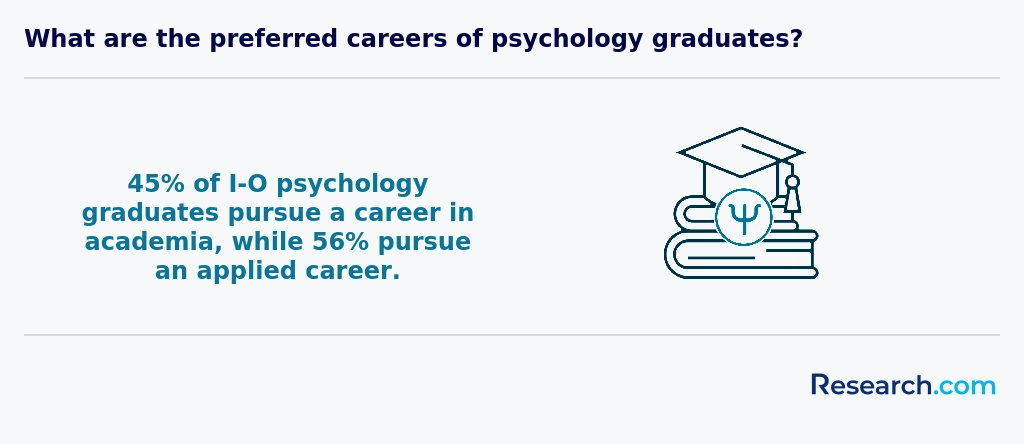
Psychology graduates in Providence encounter a spectrum of career paths deeply integrated with the city's dynamic healthcare and education systems. Those who studied at institutions like Rhode Island College often find themselves stepping into counseling roles or behavioral therapy positions, where their understanding of human behavior becomes a catalyst for real change in local communities. These careers are more than just jobs-they represent meaningful ways to address the rising mental health challenges within Rhode Island.
Exploring psychology career options in Providence also reveals roles beyond traditional therapy, including social work and human resources, where graduates apply their insights into motivation and support systems. Graduates share how working as research assistants in university psychology departments enriches their practical knowledge, illuminating complex human behaviors through data.
For those weighing the financial investment of their education, local colleges offer compelling affordability. It's no surprise many choose to research affordable pathways, such as those found through the Most Affordable Psychology Degree Programs Ranking in Kentucky, to balance costs while pursuing graduate training essential for specialized, higher-earning roles.
Jobs with a psychology degree in Providence open doors to diverse fields: school counseling, rehabilitation counseling, and beyond-each role a testimony to the vibrant employment landscape anchored by the city's commitment to mental health and education.
The job market for psychology degree jobs in Providence offers unique opportunities shaped by the city's mix of healthcare, education, and research institutions. Graduates from local universities like Brown University or Rhode Island School of Design often find themselves thriving in clinical, school, or community roles where their expertise directly impacts individual lives. These psychologists aren't just filling jobs; they're responding to a growing awareness of mental health needs, making their work both relevant and rewarding.
Many Providence psychology career outlooks unfold in familiar settings-public schools, hospitals, or social service agencies-where early-career graduates often start with modest salaries but quickly advance as their experience grows. Those who invest in graduate-level education discover broader options and higher wages, a reality reflected in the steady demand across the region. Some graduates even mention how networking with local professional groups helped transform internships into permanent roles, underscoring the importance of community engagement.
Students must also weigh education costs against career benefits, as tuition can range widely. Exploring best 6 month online programs that pay well may offer alternative pathways to a fulfilling career in psychology while managing expenses effectively.
2027 Most Affordable Psychology Degree Programs Ranking in Providence
Investing in your education is a significant decision that can profoundly impact your future, and the Research.com team recognizes the importance of providing trustworthy guidance. To support prospective students in Providence, we have carefully developed the "2027 Most Affordable Psychology Degree Programs Ranking in Providence." Our dedication to quality, credibility, and accuracy is evident through the rigorous research and thorough analysis behind this ranking.
We utilized the following reputable data sources to ensure a comprehensive evaluation of psychology degree programs:
By consulting this ranking, readers will gain invaluable insights into affordable and quality psychology programs in Providence, enabling them to make well-informed educational choices. For a deeper understanding of how this ranking was formulated, please visit our Research.com methodology page.
# 1 position
Johnson & Wales University-Online
Bachelor of Arts in Psychology

# 2 position
Johnson & Wales University-Online
Master of Science in Psychology


Frequently Asked Questions About psychology
Students pursuing psychology degrees in Providence can enhance their learning by engaging actively with local academic and professional communities. Institutions like Rhode Island College offer research opportunities that deepen understanding of psychological theories and practices. Joining psychology clubs and attending seminars helps students network and gain insights beyond the classroom.
Internships at Providence-based mental health facilities provide practical experience crucial for career readiness. According to the National Center for Education Statistics, hands-on training improves job placement rates for psychology graduates in Rhode Island.
Additionally, students benefit from leveraging Providence's growing focus on behavioral health initiatives, allowing exposure to diverse populations and real-world challenges. Consistent collaboration with faculty and peers fosters critical thinking-a key skill in psychology careers.
Emerging niches within the psychology field reflect growing societal needs and technological advances. In Providence, areas like health psychology and neuropsychology are gaining attention due to increasing demand for mental health services and brain research. For example, the Rhode Island Department of Health highlights a 12% rise in behavioral health visits over recent years, indicating a shift towards specialized mental health care.
Another key area is forensic psychology, which supports the legal system through expertise in criminal behavior and victim support. Locally, partnerships between universities and the Rhode Island Department of Corrections foster practical training opportunities for students in this niche.
Additionally, industrial-organizational psychology is expanding as Providence businesses seek experts to improve workplace well-being and productivity. According to the U.S. Bureau of Labor Statistics, jobs in this specialty are projected to grow by 7% nationally through 2030, mirroring local trends.
After earning a psychology degree in Providence, preparing for the job market involves several strategic steps. First, gaining practical experience through internships or volunteer work in local mental health clinics or social service agencies is essential. Providence offers opportunities at institutions like Butler Hospital and Rhode Island Hospital.
Networking is critical; joining organizations such as the Rhode Island Psychological Association helps connect graduates with professionals and job leads. Additionally, graduates should consider obtaining relevant certifications, such as a Certified Addiction Counselor, depending on their career focus.
Graduate degrees often increase job prospects and earning potential in psychology fields within Rhode Island, where a median annual wage for psychologists was approximately $85,000 in 2023, per the U.S. Bureau of Labor Statistics.
Employers in Providence highly value psychology graduates who demonstrate strong analytical skills and the ability to interpret complex data. According to the Rhode Island Department of Labor and Training, around 65% of psychology-related job postings emphasize the importance of research proficiency and statistical knowledge. Communication skills are equally critical, enabling graduates to effectively convey findings to diverse audiences.
Problem-solving and critical thinking are also top priorities, as they support practical application of psychological theories in clinical and organizational settings. Additionally, knowledge of ethical standards and cultural competence is essential due to Providence's diverse population. These skills prepare graduates for roles in counseling, healthcare, and human services in the region.
Finding internships in Providence relevant to a psychology degree involves targeting local healthcare facilities, universities, and community organizations. Rhode Island has several hospitals, such as Rhode Island Hospital and Miriam Hospital, which offer internships in clinical psychology and mental health services. Additionally, universities like Brown University and Providence College often have partnerships with local agencies providing research and counseling internships.
Students can also explore opportunities through the Rhode Island Psychological Association, which posts internship openings and networking events. According to the National Association of Colleges and Employers, over 60% of psychology students secure internships through university career centers, a valuable resource in Providence.
Early application and tailored resumes highlighting psychology coursework improve chances of placement.
A psychology degree in Providence can significantly enhance career mobility and advancement opportunities. Graduates gain skills in research, critical thinking, and behavioral analysis, which are highly valued in healthcare, education, and business sectors. According to the U.S. Bureau of Labor Statistics, employment for psychologists in Rhode Island is projected to grow by 8% through 2031, slightly above the national average.
Local institutions like Rhode Island College and Brown University offer respected psychology programs that connect students with internships and local employers. Such connections improve job prospects and the potential for upward mobility.
In Providence's competitive job market, having an advanced degree, such as a master's or doctorate, often leads to faster promotions and higher salaries, especially in clinical and counseling psychology roles.
Studying for a psychology degree in Providence equips students with skills relevant to various interdisciplinary fields such as healthcare, education, and social services. Local universities offer curricula that integrate psychology with biology, sociology, and data analysis, reflecting trends seen across the US higher education system. According to the National Center for Education Statistics, psychology programs increasingly emphasize cross-disciplinary competencies, which Providence institutions adopt to meet regional workforce demands.
Providence's psychology programs often include internships and partnerships with local hospitals and community organizations, enabling practical experience in diverse settings. This hands-on approach fosters collaboration between psychology and other disciplines, essential for roles in mental health counseling, public health, and policy development. These opportunities prepare graduates to address complex, real-world problems effectively through interdisciplinary teamwork.
When choosing between a thesis and a non-thesis psychology degree program in Providence, consider your career goals carefully. Thesis programs typically involve conducting original research and writing a formal thesis. This path suits students aiming for research roles or doctoral studies.
Non-thesis options focus more on coursework and practical experience, which is ideal for those seeking direct entry into professional fields such as counseling or social services.
According to data from the National Center for Education Statistics, about 40% of psychology graduates in Rhode Island choose thesis tracks, reflecting a strong local emphasis on research opportunities.
Additionally, thesis programs often take longer to complete and may require closer faculty mentorship.
Understanding these differences helps align your choice to your professional aspirations within Providence's psychology job market.
Students in Providence interested in studying psychology abroad have several options through US university partnerships. Many Providence colleges, such as Brown University and Rhode Island College, offer study-abroad programs in Europe and Asia that include psychology coursework. These programs often last a semester or a year and allow credits to transfer back to the home institution.
According to the Institute of International Education, about 11% of US students participating in study abroad programs choose social sciences, including psychology, as their field of study. Providence students benefit from established agreements with universities in the UK, Spain, and the Netherlands, countries known for strong psychology research and training.
Furthermore, some Providence institutions provide dual degree or exchange programs, giving students immersive experiences in varied cultural and academic settings. These options enhance understanding of global psychological practices while maintaining progress toward a psychology degree locally.
Part-time job opportunities in Providence that complement psychology degree education often provide hands-on experience essential for student development. Many students find roles as research assistants at institutions such as Brown University, where psychology studies are prominent. These positions allow students to participate in ongoing psychological studies, enhancing research skills.
Additionally, working as a behavioral health technician or mental health aide in local clinics or hospitals offers practical exposure to clinical settings. Providence's healthcare sector employs many psychology students, given the city's investment in mental health services.
Other opportunities include tutoring peers in psychology subjects or assisting with community outreach programs focused on mental health awareness. According to the U.S. Bureau of Labor Statistics, these roles can significantly strengthen resumes while earning income.
Psychology students in Providence benefit from various networking opportunities that support their academic and professional growth. Local universities, such as Rhode Island College and Johnson & Wales University, often host psychology-focused events, guest lectures, and career fairs that connect students with faculty and local practitioners.
Additionally, the Providence area is home to several professional organizations like the Rhode Island Psychological Association (RIPA), which offers student memberships, workshops, and conferences. These events provide valuable chances to meet licensed psychologists and researchers active in clinical, counseling, and industrial-organizational psychology.
Internship placements in nearby hospitals and community centers further expand students' practical networks. According to RIPA's recent survey, over 60% of psychology students in Providence secure internships through networking events and local partnerships.
Alumni networks in Providence offer significant support for psychology degree students by providing valuable career connections. These networks can help students access internships and job opportunities that might not be publicly advertised. According to a 2023 report by the National Association of Colleges and Employers, nearly 60% of psychology graduates find jobs through networking contacts. In Providence, universities with active alumni groups often host events and mentorship programs, enabling current students to gain insights from experienced professionals in clinical, research, and counseling psychology fields.
Strong alumni networks also foster collaboration on research projects or community initiatives. This can be especially important in Providence's growing mental health sector, where local experience and contacts improve employment prospects.
Customizing a psychology degree program in Providence allows students to align their education with specific career goals. Local institutions often offer flexible course selections including clinical, developmental, or social psychology tracks. Students can choose electives based on interests such as counseling, research, or human resources. Many programs encourage internships or practicum experiences within Providence's healthcare and community centers, enhancing practical skills.
Additionally, some schools provide options for certifications or dual majors to broaden qualifications. Academic advisors play a key role in helping students tailor course plans. According to the Rhode Island Board of Education, hands-on training is a critical component in regional psychology programs.
Psychology students in Providence often face a range of challenges related to academic workload and practical experience requirements. Many programs emphasize research skills, requiring students to engage in complex statistical analysis and extensive writing, which some find demanding.
Access to quality internships can also be competitive, as Providence markets itself with a limited number of mental health facilities offering placements. According to the Rhode Island College Career Center, about 60% of psychology students secure internships locally, posing challenges for timely degree completion.
Financial concerns are common, with the average annual tuition for undergraduate psychology programs in Providence ranging from $10,000 to $18,000, depending on public or private institutions. This contributes to stress among students balancing work and study.
With a psychology degree in Providence, graduates can pursue various professional certifications to advance their careers. One common path is obtaining licensure as a Licensed Mental Health Counselor (LMHC), which requires additional supervised clinical experience and passing a state exam governed by the Rhode Island Department of Health.
Other certifications include becoming a Certified Alcohol and Drug Counselor (CADC), an important credential in addiction treatment, which is relevant in Providence given the state's efforts to address substance abuse issues.
Psychologists may also pursue board certification through the American Board of Professional Psychology (ABPP), enhancing credibility and career opportunities.
Writing a winning application for a psychology program in Providence begins with understanding the key admission criteria. Most local universities, including Rhode Island College and Brown University, prioritize a strong academic record, especially in relevant coursework like psychology, biology, and statistics. Including well-written personal statements that clearly express your passion for psychology and career goals can significantly enhance your application.
Research experience or volunteer work in mental health settings within Rhode Island adds valuable practical context. According to the National Center for Education Statistics, Providence-area schools received over 1,200 psychology applications in 2023, with competitive GPAs averaging above 3.3. Letters of recommendation from academic or professional sources familiar with your skills are essential to demonstrate commitment and aptitude.
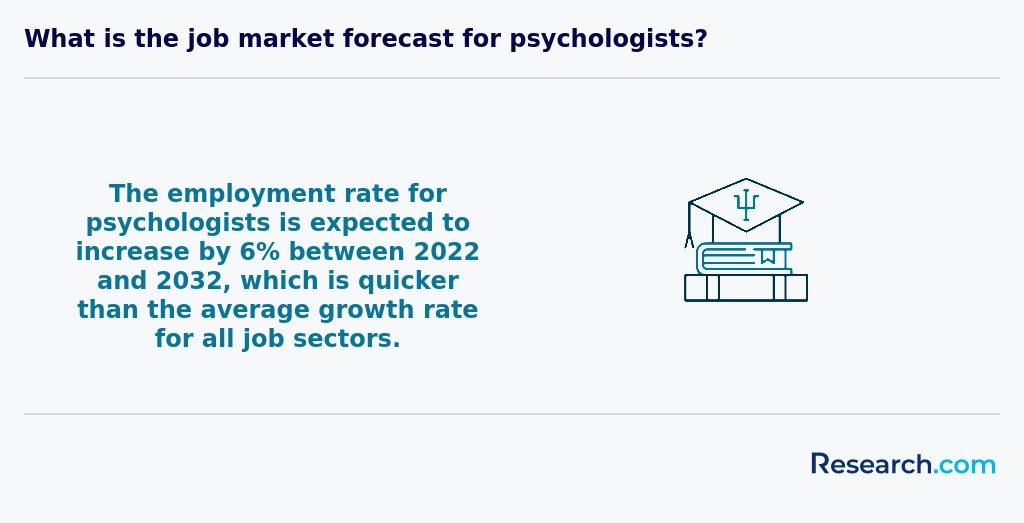
Psychology careers in the United States are influenced by global trends but remain grounded in the country's education system and job market. Graduates in Providence benefit from a U.S. emphasis on evidence-based practice and rigorous licensure requirements. According to the U.S. Bureau of Labor Statistics, psychology employment is projected to grow by 8% from 2022 to 2032, reflecting steady demand.
Internationally, psychology professionals often face varying standards and recognition of credentials. However, U.S. degrees, including those from Rhode Island institutions, are highly regarded for their comprehensive training in clinical, counseling, and research areas.
Providence's diverse population offers psychology students a rich environment for applied learning and research, aligning with global interests in multicultural competence. This combined local and global focus helps prepare graduates for a wide range of career paths across different settings and countries.
Gaining practical experience while studying for a psychology degree in Providence involves engaging in internships, research projects, and volunteer opportunities offered through local universities and organizations. Many institutions, such as Rhode Island College, provide partnerships with mental health clinics and social service agencies where students can intern and apply classroom knowledge in real settings.
Participating in faculty-led research is another common way to gain hands-on experience. According to the National Center for Education Statistics, about 60% of psychology undergraduates nationwide engage in research, and Providence schools emphasize this approach to strengthen practical skills.
Volunteering at community centers or hospitals also enhances learning and networking. These experiences help students prepare for licensure and graduate study by building relevant skills and professional relationships.
Choosing the right concentration within a psychology degree program in Providence involves assessing your personal interests and career goals. Common concentrations include clinical, counseling, developmental, and cognitive psychology. Providence offers access to clinical placements and research opportunities, especially given Rhode Island's focus on mental health services, where nearly 20% of adults reported mental illness in 2022 (SAMHSA).
It's important to review each college's curriculum to see which concentrations align with licensure requirements in Rhode Island. For example, clinical psychology tracks often emphasize supervised internships necessary for becoming a licensed psychologist.
Students should also consider faculty expertise, local internship availability, and graduate employment rates when making their decision.
- 2027 Most Affordable Psychology Degree Programs Ranking in Worcester
- 2027 Most Affordable Psychology Degree Programs Ranking in Cambridge
- 2027 Most Affordable Psychology Degree Programs Ranking in Boston
- 2027 Most Affordable Psychology Degree Programs Ranking in Springfield
- 2027 Most Affordable Psychology Degree Programs Ranking in Amherst
- 2027 Most Affordable Psychology Degree Programs Ranking in New Haven
- 2027 Most Affordable Psychology Degree Programs Ranking in Albany
- 2027 Most Affordable Psychology Degree Programs Ranking in New York
- 2027 Most Affordable Psychology Degree Programs Ranking in Baltimore
- 2027 Most Affordable Psychology Degree Programs Ranking in Rochester
See What Experts Have To Say About Studying Psychology
Read our interview with Psychology experts

Elizabeth L. Jeglic Ph.D.
Psychology Expert
Professor of Psychology
City University of New York

Catherine Caldwell-Harris, Ph.D.
Psychology Expert
Associate Professor of Psychology
Boston University

Robin M. Kowalski. Ph.D.
Psychology Expert
Professor of Psychology
Clemson University

- Have You Found a Niche? https://www.apaservices.org/practice/business/marketing/building/niche
- Rhode Island Psychology Schools | Psychology Degree Guide https://psychologydegreeguide.org/state/rhode-island/
- Best Types Of Online Psychology Degrees 2025 https://www.psychology.org/degrees/
- Why Get a Psychology Degree Online? | University of Bridgeport https://www.bridgeport.edu/news/reasons-to-get-your-psychology-degree-online/
- Alumni Perspectives - Meet Our FPN Alumni https://www.aanmelder.nl/alumni-perspectives-june-2023
- Study Psychology Abroad | Go Overseas https://www.gooverseas.com/study-abroad/psychology
- Psychology - Providence University College and Theological Seminary https://www.prov.ca/programs-courses/university-college/arts-sciences/psychology/
- Rhode Island Psychology Schools and Programs https://www.psychologycareercenter.org/rhode-island-psychology-schools.html
- Mental Health Challenges Faced by Psychology Students | The Healthcare Guys https://healthcareguys.com/2023/11/23/mental-health-challenges-faced-by-psychology-students/
- Society for the Teaching of Psychology https://teachpsych.org/page-1784686/8675326